

Xueji Bio: The Third Global and First Chinese Platelet Regeneration Pioneer Founded by 80s Scientist Zhu Fangfang Raises Over RMB 200 Million in Three Rounds Within One Year

HemaCell
Cell Therapy Drug Developer
Prior to Zhu Fangfang founding HemaCell in June 2021, there were only two companies worldwide engaged in the industrialization of platelets: Japan’s Megakaryon and the United States’ PlateletBio.
HemaCell is Established: The World’s Third and China’s First Innovative Company Dedicated to the Industrialization of Ex Vivo Platelet Regeneration Is Officially Launched.
HemaCell is highly favored by investors,Completed three rounds of financing and raised over RMB 200 million within the first year of establishment.In the first half of this year, there were seven financing deals in the stem cell therapy sector exceeding RMB 100 million each, two of which involved HemaCell. The company has garnered favor from multiple prominent investors, including CMB International, Northern Light Venture Capital, CDH Investments, and Sequoia China.
Zhu Fangfang has approximately 15 years of experience in stem cell research, industry, and investment. She studied under a renowned stem cell scholar and professor at Peking University.Prof. Hongkui Deng, as well as the “Father of Stem Cells” and Director of the Institute for Stem Cell Biology and Regenerative Medicine at Stanford UniversityProfessor Irving Weissman.
In addition to her strong academic background, Zhu Fangfang has been deeply influenced by the entrepreneurial spirit of Stanford University and Silicon Valley. During her postdoctoral studies, she immersed herself in Silicon Valley’s “garage startup” culture, gaining a clear understanding of “what I would lack and what I would need to supplement if I were to launch a startup.” Even before embarking on her entrepreneurial journey, she strategically joined a U.S. venture capital firm to accumulate experience and resources within the investment community.
Translating scientific breakthroughs into industrial applications requires a mosaic of capabilities. Yet in Zhu Fangfang, an entrepreneur born in the 1980s, we see the defining characteristics of a new generation of founders:The seed of entrepreneurship was planted in their hearts long ago; their entrepreneurial goals are unwavering, and every step they take has been meticulously planned.
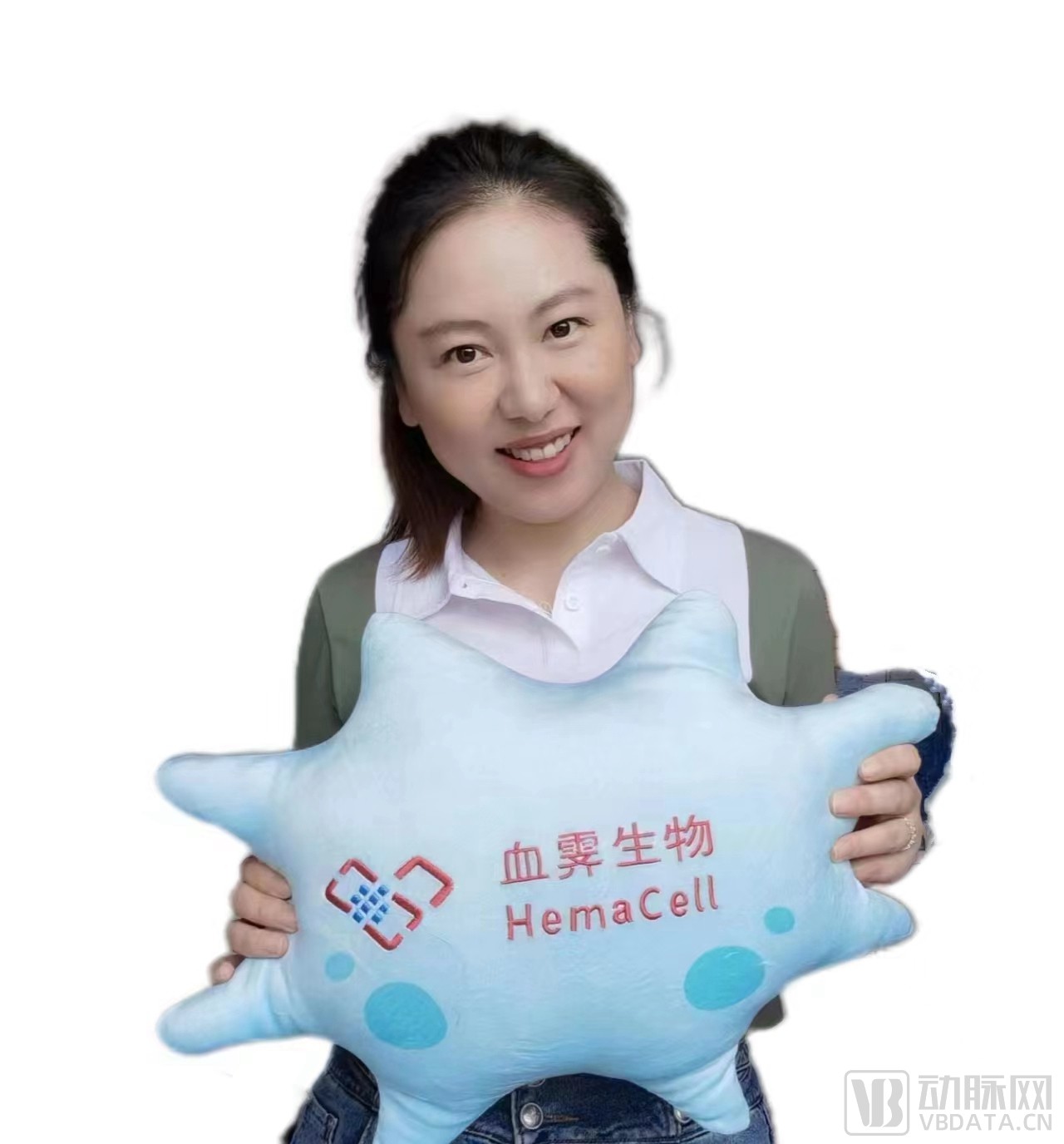
Dr. Fangfang Zhu, Founder of HemaCell
Zhu Fangfang had long harbored the idea of founding HemaCell.
While studying at Peking University, Zhu Fangfang was inspired by a senior alumna to embark on an entrepreneurial journey. This occurred nearly a decade ago, when China’s biopharmaceutical industry had not yet entered its golden age of development. The alumna, who served as the Head of Technology Transfer for MSD Greater China, was invited to Peking University to deliver a lecture on technology translation between scientific research and industry. Zhu Fangfang was deeply impressed by her presentation, which further fueled her interest in the commercialization of scientific achievements.
Subsequently, influenced by this senior alumna, Zhu Fangfang remained committed to contributing to the establishment of the Peking University Life Sciences Industry Association, the Peking University Northern California Alumni Association, and the Zhejiang Chamber of Commerce in the United States. Through her involvement in these initiatives, she connected with many renowned founders in the Bay Area, gained valuable mentorship through their guidance and example, and accumulated extensive knowledge in industry dynamics and entrepreneurship.
“On the path from scientific research to industrial application, I have always regarded her as a guiding light in my life, continually striving to emulate her professional achievements.” Zhu Fangfang believes that individuals are often influenced by those around them throughout their lives. “When you regard someone as your role model, you tend to move in that direction.”Many people have influenced me, but I feel that three individuals have profoundly shaped my overall direction, leaving their mark on me.”
Beyond the influence of this senior Peking University alumna, Zhu Fangfang was also profoundly shaped by the rigorous self-discipline and hands-on research ethos of her doctoral supervisor, Professor Deng Hongkui, during her studies at Peking University.
Later, Zhu Fangfang conducted postdoctoral research at Stanford University School of Medicine under the supervision of Professor Irving Weissman. As a renowned scientist, Professor Weissman was the first to successfully isolate and purify hematopoietic stem cells for use in transplant therapy for leukemia, earning him the title of "Father of Stem Cells."
At the same time, Professor Irving Weissman is also a renowned entrepreneur with a strong aptitude for translating scientific research into commercial applications. In the 1990s, he founded Stem Cells Inc., which later became a publicly listed company. Building closely on his own research, he subsequently established several leading companies in the fields of stem cells and cancer immunotherapy, a trajectory that directly influenced Zhu Fangfang’s entrepreneurial choices. She recalls that Professor Irving Weissman described founding the cancer biotechnology company Forty Seven as the most exciting endeavor of his later career. Forty Seven was the first company globally to industrialize the CD47 target and was later acquired by Gilead Sciences for $4.9 billion.
It was during her studies at Stanford and her work in Silicon Valley that Zhu Fangfang’s entrepreneurial idea gradually took shape. She found that Silicon Valley offered a fertile ground for startups, with numerous incubation platforms, angel investors, and venture capital (VC) funds converging there, providing young people with ample opportunities and fostering a strong entrepreneurial culture. “At the time, I ran a company with friends out of a garage, working nearly two hours every weekday and the entire day on weekends. This entrepreneurial experience in Silicon Valley provided me with valuable training and helped me understand what entrepreneurship truly entails.”
After completing her postdoctoral research at Stanford University School of Medicine, Zhu Fangfang initially intended to launch a startup directly. However, recognizing that her purely academic background meant she still had much to learn about entrepreneurship, she deliberately chose to first enter the venture capital community. There, she worked in venture capital, observing how others managed early-stage projects.
“My goal is to launch a startup venture. I asked myself, “What am I missing? What gaps need to be filled?” From scientific research and student organization leadership to early-stage investing, these experiences have all served to complete the missing pieces of the puzzle required for entrepreneurship.“Adequate preparation also made Zhu Fangfang’s entrepreneurial journey in China much smoother after her return.”
Zhu Fangfang returned to China in November 2020 and immediately began working on behalf of HemaCell, reaching out to investor contacts. On June 9, 2021, the company was registered, and she had essentially secured a seed funding round worth tens of millions of yuan.
For early-stage projects, the most challenging task is building the team.“I took the initial steps alone, hoping to instill sufficient confidence in our team members, particularly those returning from overseas, who face various choices concerning their families and social circles,” said Zhu Fangfang. She introduced that the founding team of HemaCell primarily consists of alumni from the Department of Cell Biology at Peking University, with several members, like Zhu herself, having studied under Professor Deng Hongkui.
“Academic institutions conducting platelet-related research are scarce worldwide, making the platelet field a niche area with limited engagement. Therefore, when building our team, candidates with a stem cell background were the most suitable choice. The students trained in Professor Deng Hongkui’s laboratory are exceptionally outstanding. Moreover, having been fellow lab members for over five years, we know each other well and have established a strong sense of trust. This is a rare and valuable asset for an early-stage team.”
“The founding team was able to embark on this entrepreneurial journey together also because of their strong shared commitment to the platelet field.”I believe that although iPSCs still face various challenges, they hold significant potential for the commercialization of platelets.“It is this shared vision that has brought our team together.”
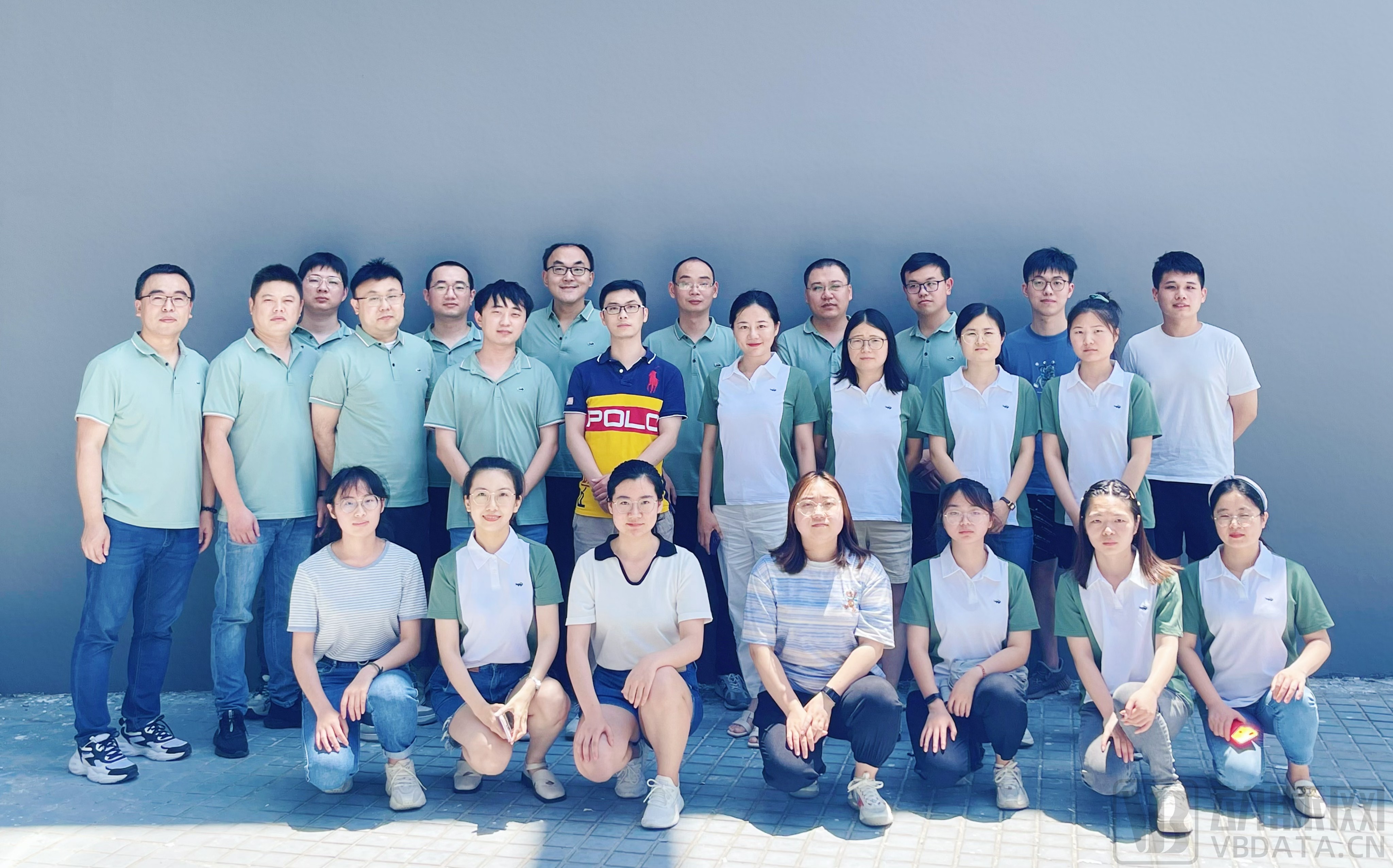 HemaCell Team
In the field of stem cells, a significant number of innovative companies have chosen neurological disorders as their focus for commercialization, given the large patient population affected by these conditions and the substantial economic burden they impose on the state. Consequently, neurological disorders have also become a highly prominent area of academic research.
But why has HemaCell firmly chosen platelets? Zhu Fangfang believes that,“This actually involves two questions: one is why I should do it, and the other is why others cannot.”
Globally, there are four major academic organizations actively engaged in platelet research: PlateletBio, from a Harvard team; Megakaryon, from the University of Tokyo and Kyoto University; and the laboratory of Irving Weissman, the mentor of Zhu Fangfang. His lab has accumulated many years of research experience, ranging from mouse red blood cells and platelets to human red blood cells.
There are certain technical barriers in the platelet field,There are few academic researchers studying platelets,Consequently, fewer people understand how to achieve the industrial-scale production of platelets.
However, China has long faced a significant shortage in platelet transfusions, with substantial market demand. The country’s blood donation rate is far lower than that of Western countries and Japan, failing to meet clinical needs. Furthermore, blood transfusion carries a high risk of disease transmission; as a country with a high burden of infectious diseases, China faces elevated risks of spreading such infections. In addition, the shelf life of platelets is only about five days, which is insufficient to complete comprehensive screening for all bacteria and viruses. Consequently, the supply of platelet transfusion therapy in China remains inadequate to meet demand.
“When we were working on platelet-related projects in Irving Weissman’s laboratory, we had two starting points: one was to study the developmental biology of platelets, and the other was to address clinical demand for platelet transfusions. Additionally, Forty Seven’s anti-CD47 receptor monoclonal antibody drug can cause short-term anemia, leading to a sharp decline in both platelet and red blood cell counts,” explained Zhu Fangfang. “We therefore explored whether it could be combined with a drug that promotes platelet regeneration. After achieving certain research outcomes, it became a natural next step to translate these findings into industrial applications.”
Zhu Fangfang has also observed that two companies, PlateletBio in the United States and Megakaryon in Japan, have been rapidly advancing their R&D efforts in recent years. She believes that China needs a similar company to bridge the gap in the country’s blood product supply, viewing this as a vital public welfare endeavor.
Recognizing the biomedical vitality radiating from the Yangtze River Delta urban agglomeration, Zhu Fangfang established HemaCell in Suzhou BioBAY.The company was registered in June 2021. As a star project in the field of stem cells within the industrial park, it quickly attracted investment from several renowned institutions.Founded less than a year ago, the company has completed three rounds of financing, raising over RMB 200 million.
Advancing the pipeline is HemaCell’s top priority. Zhu Fangfang plans to focus on advancing three key pipelines in the coming years: platelets derived from adult stem cells, platelets derived from induced pluripotent stem cells (iPSCs), and universal platelets for drug delivery. “The next critical task is to advance these pipelines into clinical development, a significant milestone for any pharmaceutical company. We aim to complete animal studies as soon as possible, initiate investigator-initiated trials (IITs) at an early stage, and then rapidly progress to human clinical trials.”