

First International MAH Collaboration and Innovation Summit Held in Hangzhou to Accelerate Pharmaceutical Industry Upgrading
Supported by the Chinese Pharmaceutical Association, the China General Chamber of Commerce’s Pharmaceutical Industry Chamber, the Zhejiang Provincial Medical Products Administration, the Zhejiang Provincial Medical Security Research Association, the Hangzhou Municipal Bureau of Economy and Information Technology, and the People’s Government of Qiantang District, Hangzhou, and hosted by the Zhejiang Province Marketing Authorization Holder (MAH) Translation PlatformThe 1st International MAH Cooperation and Innovation Summit(hereinafter referred to as the “Forum”) was held in Hangzhou.
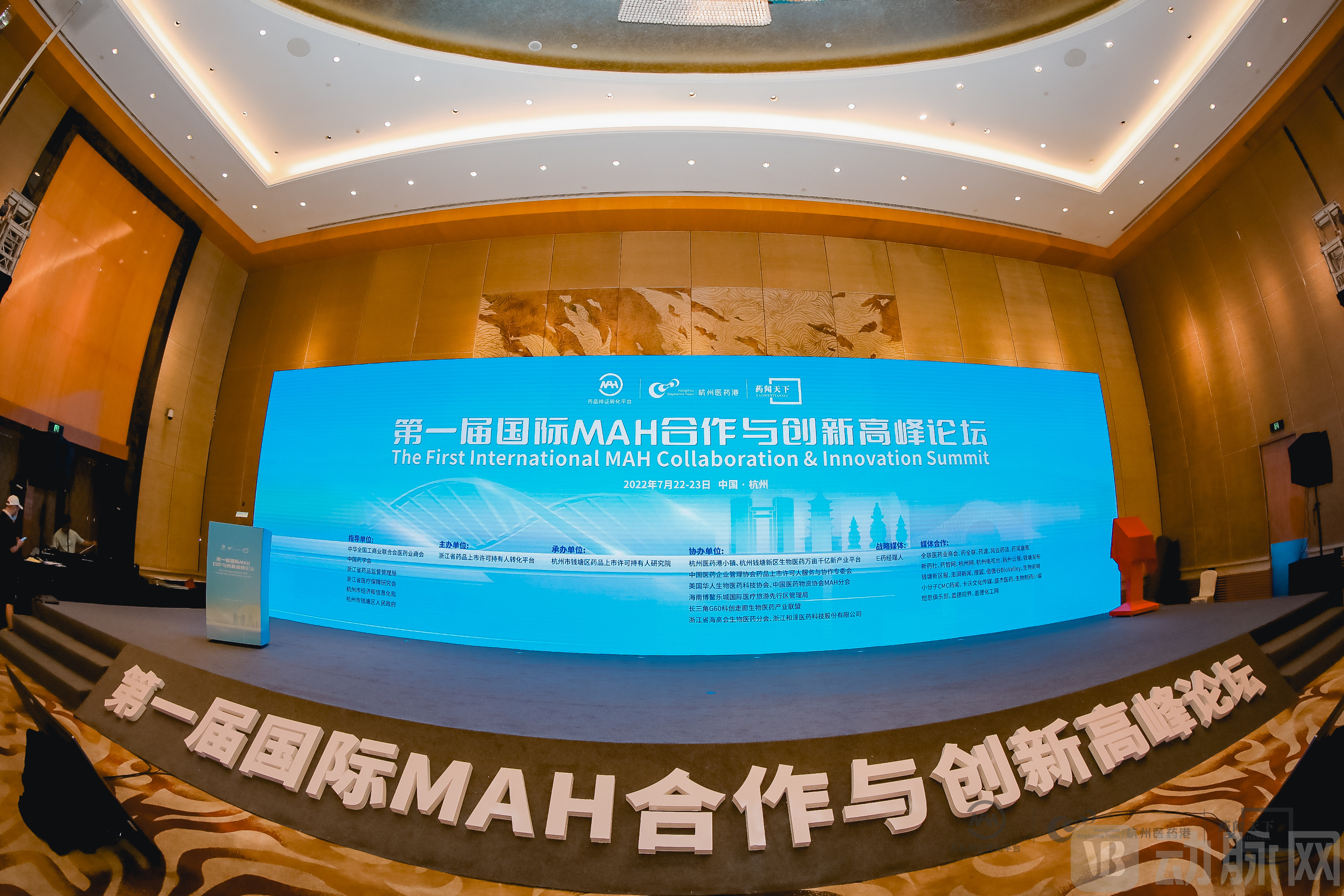 The First International MAH Cooperation and Innovation Summit Held in Hangzhou
The conference invited the following distinguished guests: Mr. Chen Shifei, Deputy Director of the National Medical Products Administration; Academician Li Xiaokun, Member of the Chinese Academy of Engineering and President of Wenzhou Medical University; Academician Lai Maode, Member of the German National Academy of Sciences Leopoldina and President of China Pharmaceutical University; Professor Shao Rong, Executive Dean of the School of Regulatory Science for Pharmaceuticals at China Pharmaceutical University; Mr. Jin Chengtao, Secretary of the Qiantang District Committee of the Communist Party of China in Hangzhou; and Mr. Yang Ye, Standing Committee Member of the Zhejiang Provincial Committee of the Chinese People’s Political Consultative Conference, President of the Zhejiang Provincial Healthcare Security Research Association, and former Director of the Zhejiang Provincial Healthcare Security Administration.
The forum centered on China’s Marketing Authorization Holder (MAH) system for pharmaceuticals, exploring MAH practices from multiple perspectives, including regulation, innovative drugs, traditional Chinese medicine, and MAH collaborations. The event attracted over 1,000 attendees in person, with cumulative online viewership exceeding 10,000.
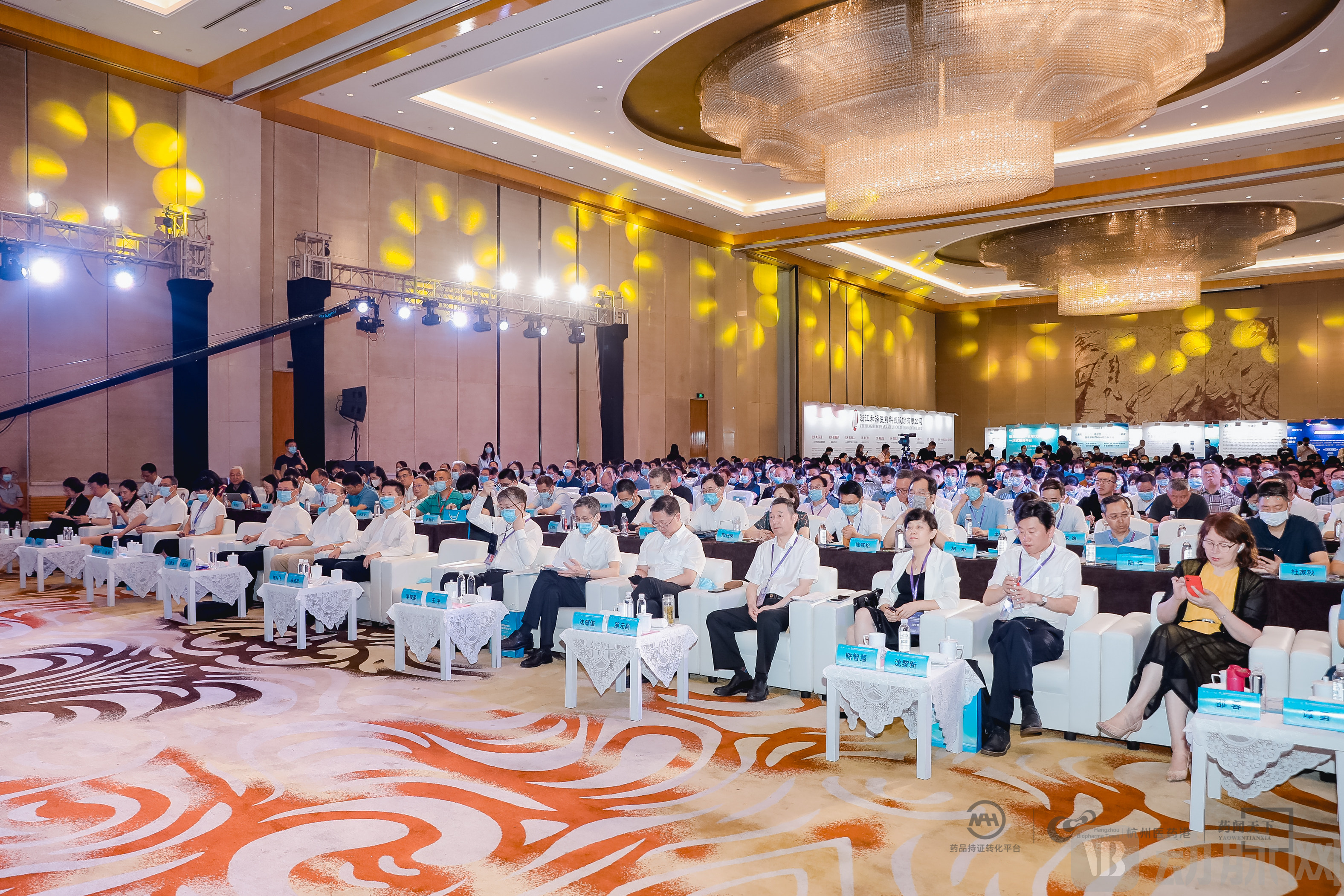
Conference Venue
Guided by policy and driven by technology, this conference focuses on the Marketing Authorization Holder (MAH) system.MAH Regulation, Challenges and Solutions for Innovative Drug R&D under the MAH System, and Marketing Authorization Holder (MAH) License Collaborationand other hot topics, sharing the latest pharmaceutical industry policies and regulatory directions in China, and exploring how enterprises can seize opportunities under the Marketing Authorization Holder (MAH) system to lead global trends in pharmaceutical innovation. The two-day conference features five major forums and has invited over 60 experts, scholars, and heads of regulatory agencies to deliver thematic presentations.
At the conference, VCBeat conducted exclusive interviews with attendees to gain in-depth insights into and discuss the opportunities and challenges brought by the Marketing Authorization Holder (MAH) system to the development of China’s innovative drug industry, as well as how the MAH system has driven enterprises’ innovation-driven transformation.
Full Implementation of the MAH System to Stimulate the Core Drive for R&D Innovation
MAH, i.e., the Marketing Authorization Holder system, generally refers to a regulatory framework under which entities such as pharmaceutical R&D institutions and drug manufacturers that possess drug-related technologies obtain marketing authorization by submitting applications for drug market approval, and assume primary responsibility for drug quality throughout its entire lifecycle.
Since its pilot launch in 2016, the Marketing Authorization Holder (MAH) system has been in place for six years. From its initial conception to its comprehensive implementation in later stages, the introduction of the MAH system has unleashed the vitality of drug research and development with unprecedented momentum, inEncouraging Innovation in New Drugs, Optimizing Resource Allocation, and Promoting Industrial Upgradinghave made good progress in these areas.
Prior to the implementation of the Marketing Authorization Holder (MAH) system, China adhered to the traditional model in which drug approval numbers were inextricably linked to manufacturing enterprises. Drug research and development (R&D) institutions and researchers were ineligible to obtain drug approval numbers. Consequently, after acquiring a New Drug Certificate, new drug R&D institutions were compelled to transfer the relevant drug technologies to pharmaceutical manufacturers. This arrangement not only predisposed the industry to low-level redundant construction but also significantly impeded drug innovation by researchers and R&D institutions.
Biopharmaceuticals is a technology-intensive industry, requiring professional talent to participate in every stage, including research and development, production, sales, and distribution.The MAH system separates drug marketing authorization from drug manufacturing authorization., allowing pharmaceutical manufacturers and R&D institutions to become independent Marketing Authorization Holders (MAHs), which not only mobilizes the enthusiasm of R&D institutions and researchers to engage in drug research and development innovation, but also promotes the formation of a professional division of labor and cooperation pattern in R&D, production, warehousing, transportation, and sales within the industry.
At the conference, Yang Ye, Standing Committee Member of the Zhejiang Provincial Committee of the Chinese People’s Political Consultative Conference (CPPCC), President of the Zhejiang Provincial Medical Security Research Association, and former Director of the Zhejiang Provincial Healthcare Security Administration, discussed the relationship between healthcare payers and innovative drug R&D. He explained that, driven by the Marketing Authorization Holder (MAH) system, the pace at which innovative drugs are included in medical insurance negotiations has accelerated, truly benefiting the public. The implementation of the MAH system represents a major reform and transformation of China’s drug registration system. It facilitates drug research and development and innovation, optimizes resource allocation within the pharmaceutical industry, and enhances drug quality and safety, thereby significantly promoting the development of the pharmaceutical sector.
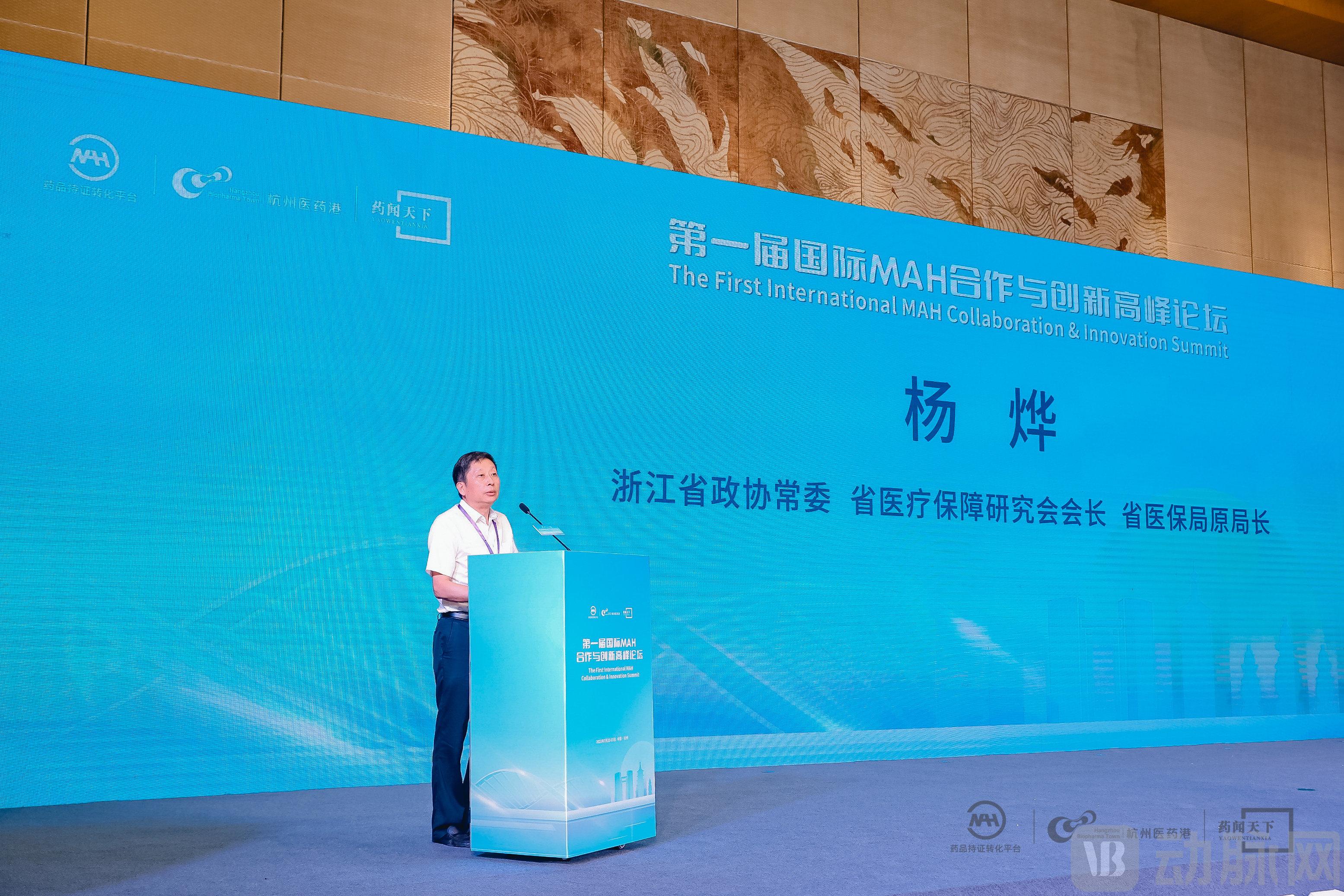
Yang Ye, Standing Committee Member of the Zhejiang Provincial Committee of the Chinese People's Political Consultative Conference, President of the Zhejiang Provincial Medical Security Research Association, and Former Director of the Zhejiang Provincial Healthcare Security Administration, Delivered a Speech
Lv Donghong, Deputy Technical Director of the China General Chamber of Commerce’s Pharmaceutical Industry Chamber of Commerce, stated that the implementation of the Marketing Authorization Holder (MAH) system would have a foundational, comprehensive, and strategic impact on the innovation of China’s drug regulatory framework.
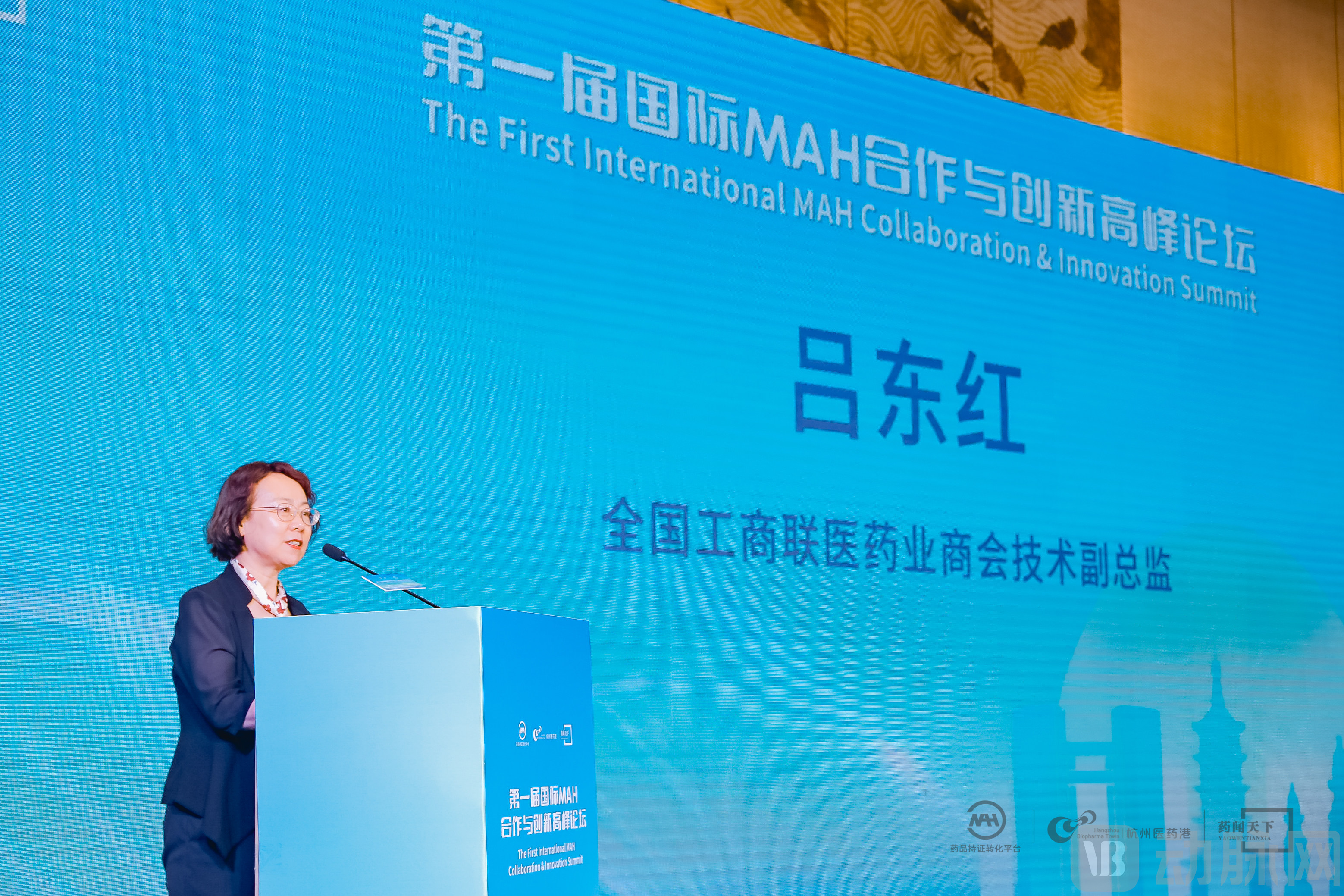
Lü Donghong, Deputy Technical Director of the China General Chamber of Commerce Pharmaceutical Industry Chamber, Delivers Speech
At the keynote speech on “The MAH System and Scientific Regulation,” Chen Kui, Deputy Director of the Zhejiang Provincial Medical Products Administration, stated that the implementation of the Marketing Authorization Holder (MAH) system has played a positive role in encouraging drug innovation, reinforcing enterprises’ primary responsibility, optimizing resource allocation, and promoting management innovation. Meanwhile, the government needs to strengthen scientific governance over issues such as the construction of enterprise quality management systems and the inspection capabilities of MAHs.
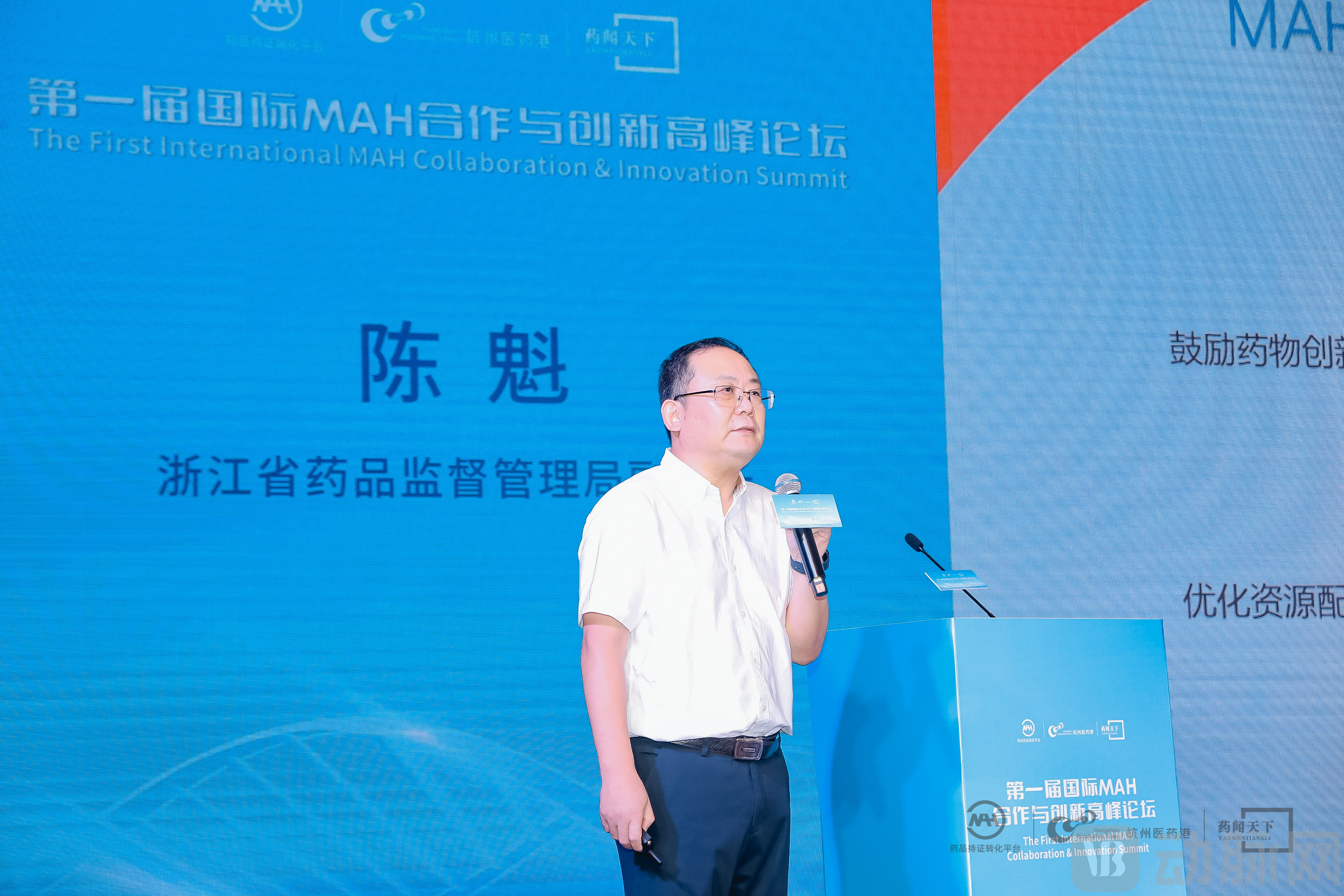
Chen Kui, Deputy Director of the Zhejiang Provincial Medical Products Administration, Delivers Keynote Speech on “The MAH System and Scientific Regulation”
It is reported that there are currently 598 pharmaceutical manufacturers in China holding only a Type B Drug Production License. As one of the first ten provinces and municipalities to pilot the Marketing Authorization Holder (MAH) system, Zhejiang ranks among the top in the country in terms of the number of approved Type B licenses. The convening of this conference will provide valuable insights and recommendations for further exploring, improving, and developing the MAH system in China.
The MAH System Drives Modular, Specialized, and Platform-Based Development in the Pharmaceutical Industry
“Under the guidance of the MAH system, the pharmaceutical industry is characterized by fragmentation, modularization, specialization, and platformization., it is necessary to enhance the marketing authorization holder's own professional technical capabilities, resource integration capabilities, and data integration capabilities.The integration of various elements across the pharmaceutical industry chain represents a future development trend.“Ni Sheng, Chairman of Heze Medicine, stated in an interview.”
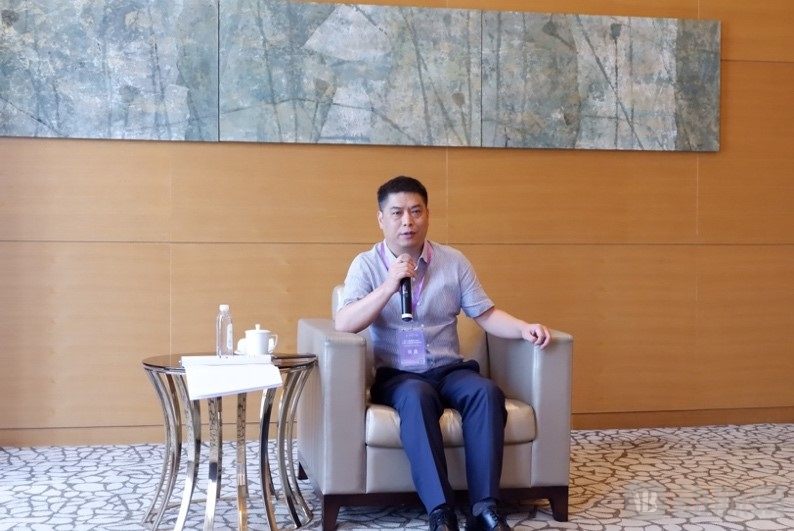
Ni Sheng, Chairman of Heze Pharmaceutical
Ni Sheng believes that the implementation of the Marketing Authorization Holder (MAH) system has greatly stimulated the vitality of pharmaceutical R&D, laid a solid foundation for improving drug marketing authorization management, and further promoted the upgrading and development of the pharmaceutical industry.
As a pioneer in implementing the Marketing Authorization Holder (MAH) system, Heze Pharmaceutical obtained the first drug marketing authorization held by a research and development institution in Zhejiang Province and the second such approval in China in December 2018. In June 2020, it secured China’s first drug manufacturing license held by an R&D institution, thereby establishing a closed-loop industry chain spanning R&D, production, and sales.
In the future, Heze Pharma will continue to prioritize technological innovation while comprehensively building its technical platforms and enhancing R&D capabilities. Leveraging the Marketing Authorization Holder (MAH) system, the company will strategically develop an ecosystem covering the entire industry chain.
One of the core principles of the Marketing Authorization Holder (MAH) system is the MAH’s responsibility for quality and risk management throughout the entire lifecycle of a drug. In this regard, Jin Ruzhong, Vice President of Biopharmaceuticals at Borui Pharmaceuticals, stated that, firstQuality Control Must Be Implemented from the R&D Stage, quality factors affecting product quality must be considered from product design to process design. On the other hand,Coordinate responsibilities across departments at every stage of the product lifecycle to establish a comprehensive quality control system, thereby ensuring final product safety and controllable quality.
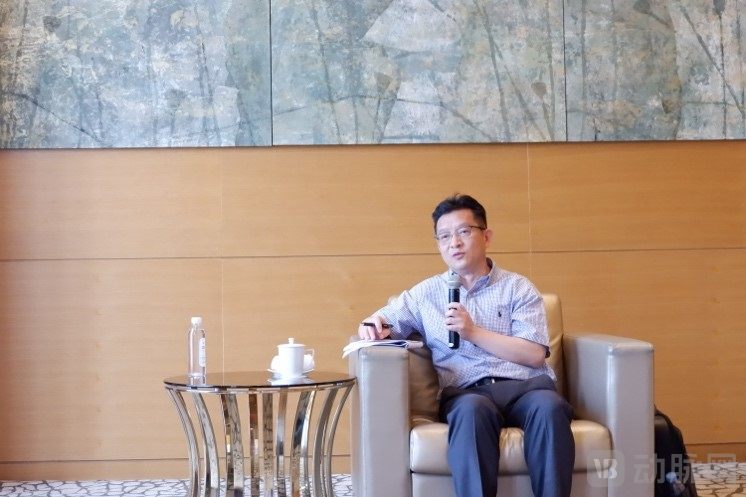
Jin Ruzhong, Vice President of Biopharmaceuticals at BoRui
It is reported that Borui Biopharmaceuticals has launched four products, with four R&D centers located in Taizhou, Hangzhou, Shanghai, and San Diego, USA. The company employs over 300 R&D personnel and more than 1,300 staff members, achieving full industry chain coverage encompassing research and development, production, and sales.““Under the MAH system, we can further enrich our product portfolio by leveraging the CDMO model, while expanding industrial-scale production through in-house manufacturing, outsourced production, and contract manufacturing to meet market demand.”Jin Ruzhong said.
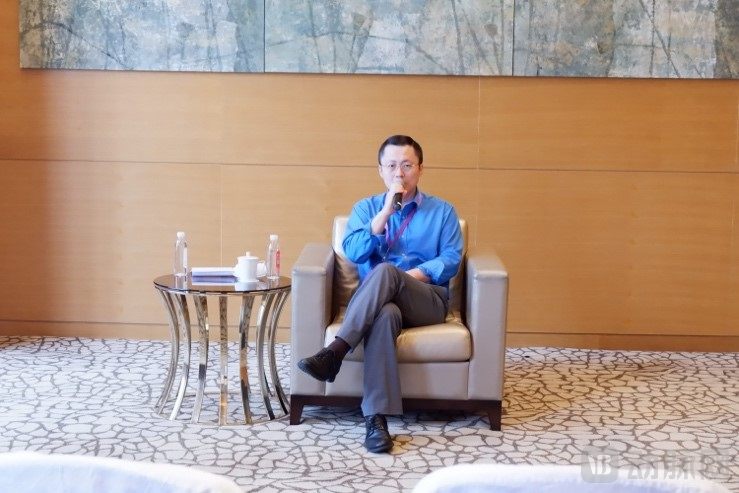
Zhu Yi, Co-founder and CEO of Puxin Bio
As one of the few companies in China with end-to-end capabilities spanning from product design to commercial-scale manufacturing,Puxin Bio is alsoThe First Enterprise in China to Undertake Commercial Cell Production Orders Under the MAH System。
Zhu Yi, Co-founder and CEO of Puxin Biologics, stated that, leveraging the distinctive features of cell therapy development processes and its profound understanding of cell therapies, Puxin Biologics has established a mature quality control testing framework for cell-based products. The company provides comprehensive, multi-dimensional CQDMO services covering the entire lifecycle of cell therapies, underpinned by rigorous quality assurance.
Against the backdrop of the normalization, institutionalization, and accelerated expansion of centralized volume-based procurement (VBP), the trends toward consolidation and disintermediation in the pharmaceutical industry have become increasingly pronounced. As an intermediary link in the pharmaceutical supply chain, pharmaceutical distributors are facing mounting survival pressures; therefore,It is becoming a favorable option and an emerging trend for pharmaceutical distributors to transform into Marketing Authorization Holders (MAHs) while simultaneously generating profits through product distribution.
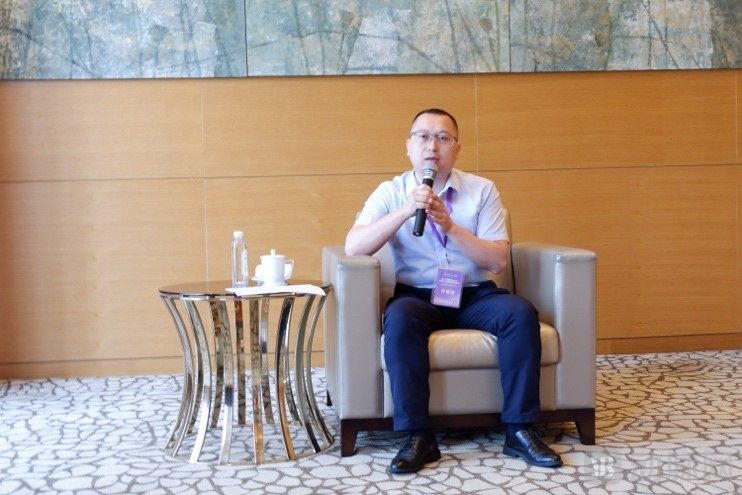
Xu Jincan, Founder of Yaowen Kangce
However, Xu Jincan, founder of Yaowen Kangce, stated thatUnder the implementation of the MAH system, traditional pharmaceutical distributors will face challenges in their transformation.First, against the backdrop of China’s new healthcare reforms, pharmaceutical distributors must identify drug approvals that align with market trends—a challenging task for typical distributors. To secure suitable drug approvals and subsequently apply for marketing authorization as Marketing Authorization Holders (MAHs), they need to collaborate with specialized MAH transformation platforms.
Secondly, even if a suitable product is identified and successfully approved for market launch, it is still necessary to find an appropriate manufacturer for production, a match that can only be facilitated through the Marketing Authorization Holder (MAH) technology transfer platform. Furthermore, when pharmaceutical products enter the market for sales, professional Contract Sales Organization (CSO) companies are required to manage commercial operations. This necessitates that distributor enterprises possess strong capabilities in academic promotion and marketing, which are often the weak points of traditional distributors.
Furthermore, under the Marketing Authorization Holder (MAH) system, license-holding distributors must assume primary responsibility for drug quality throughout its entire lifecycle. This will also pose a major challenge for traditional pharmaceutical distributors seeking to transform into Marketing Authorization Holders.
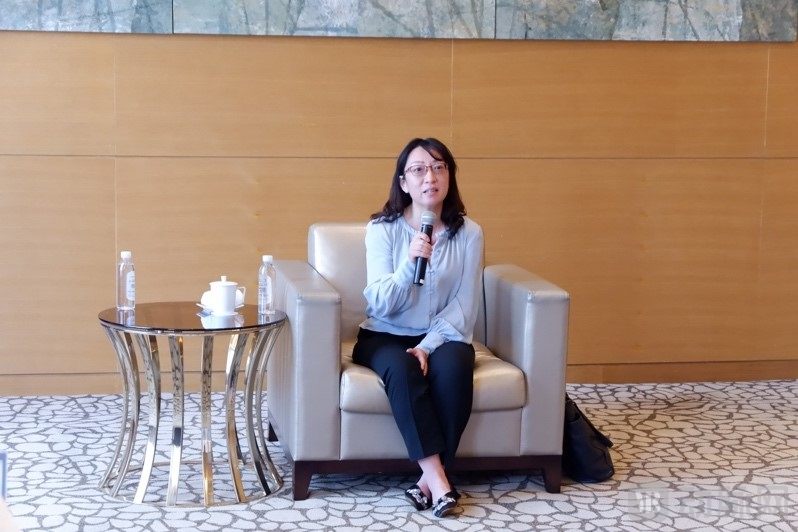
Jiayin Biotech CTO Wang Lijun
Wang Lijun, Chief Technology Officer of Jiayin Biologics, stated that Jiayin Biologics places a strong emphasis on innovation across all aspects of pipeline selection, product design, adoption of manufacturing platforms, and production. The company leverages leading-edge platforms to optimize processes, scale up production, and reduce costs. Meanwhile,To mitigate the risks associated with overly innovative approaches that have not yet been widely validated by the market, Jiayin Biology conducts specialized risk assessments at every stage.
It is reported that Jiayin Biologics has multiple pipeline candidates in the three major therapeutic areas of neurological disorders, ocular diseases, and liver diseases. Among these, its gene therapy for spinal muscular atrophy (SMA) is the most advanced project, having received Investigational New Drug (IND) approval in June and currently being in the clinical stage.
The development of the MAH system relies on expert think tank recommendations, alignment with corporate practices and needs, talent aggregation and exchange, as well as data sharing and integration.
It is understood that the conference also launched four key initiatives critical to the future development of the industry, including the establishment of the Expert Committee for the Zhejiang Province Marketing Authorization Holder (MAH) Translation Platform, the release of the MAH Blue Book, the unveiling of the Joint Talent Training Base at the Zhejiang Center for Drug and Cosmetic Evaluation, and the launch of the “Yaojiao Tianxia” Big Data Platform. Leveraging the big data advantages of the MAH platform, and integrating insights from corporate surveys and expert opinions, these initiatives will provide support for the implementation of the MAH system, academic exchanges, enterprise development, and industry advancement.