

Guochuang Cup Medical Device Innovation and Entrepreneurship Competition Unveils Cutting-Edge Projects in Shenzhen
On July 26, 2022, the finals of the inaugural “Guochuang Cup” Medical Device Innovation and Entrepreneurship Competition and China Medical Equipment Innovation Competition, hosted by the National Center for High-Performance Medical Devices (hereinafter referred to as the “National Innovation Center”) and co-organized by the Chinese Association of Medical Equipment, Shenzhen Institutes of Advanced Technology of the Chinese Academy of Sciences, Mindray Medical, United Imaging Healthcare, LifeTech Scientific, Harbin Institute of Technology, and other partners, under the guidance of the Ministry of Industry and Information Technology of the People’s Republic of China, the Department of Industry and Information Technology of Guangdong Province, the Shenzhen Municipal Bureau of Industry and Information Technology, and the People’s Government of Longhua District, Shenzhen, were held in Longhua District, Shenzhen.
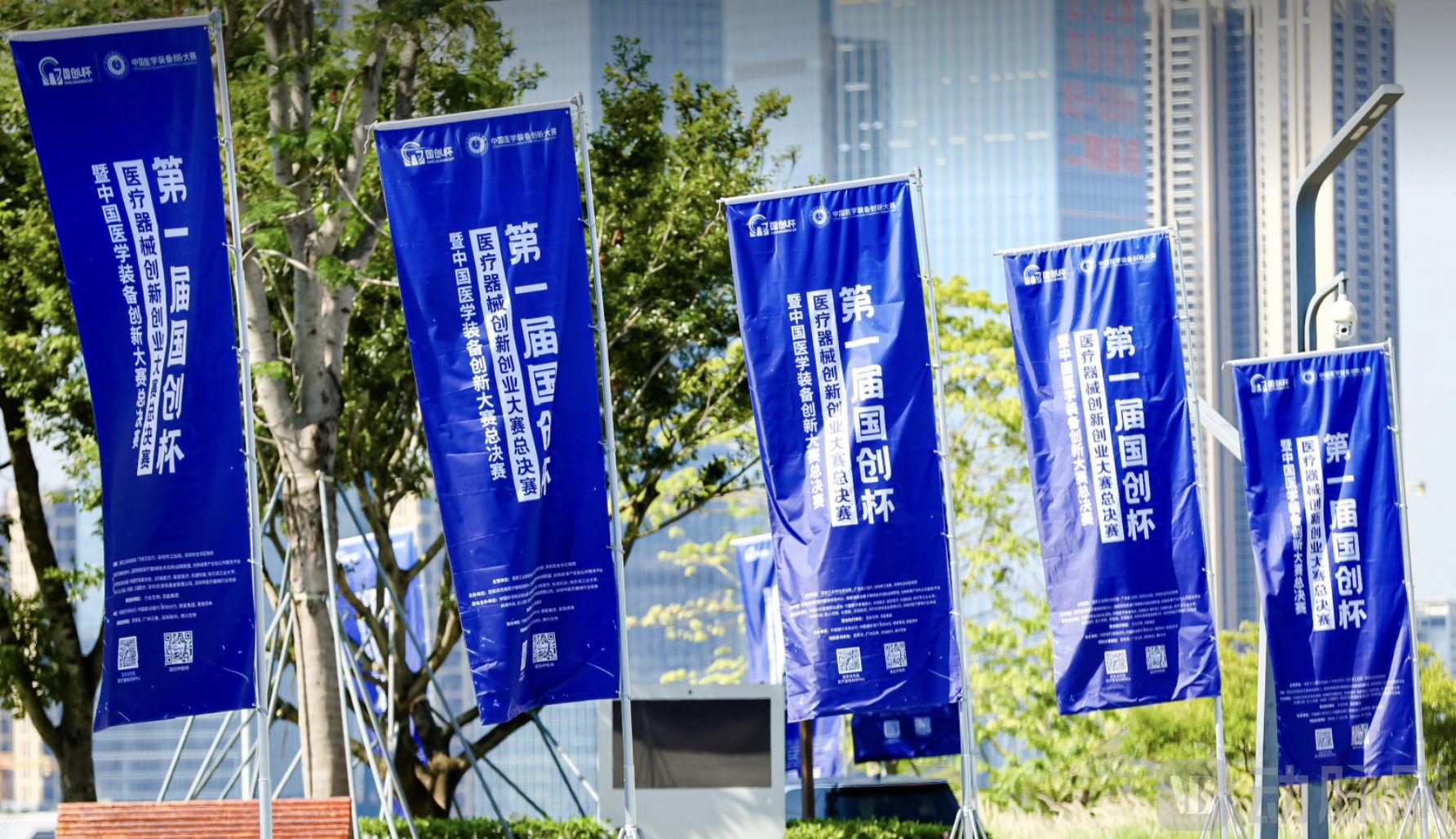
This competition is themed “Innovation-Led, Integration of Industry and Finance,”Aimed at identifying outstanding teams and high-quality projects in the cutting-edge field of medical devices, this initiative promotes high-quality industrial clustering and development, enhances the autonomy and controllability of the industrial chain, and provides key support for the "Healthy China" strategy.
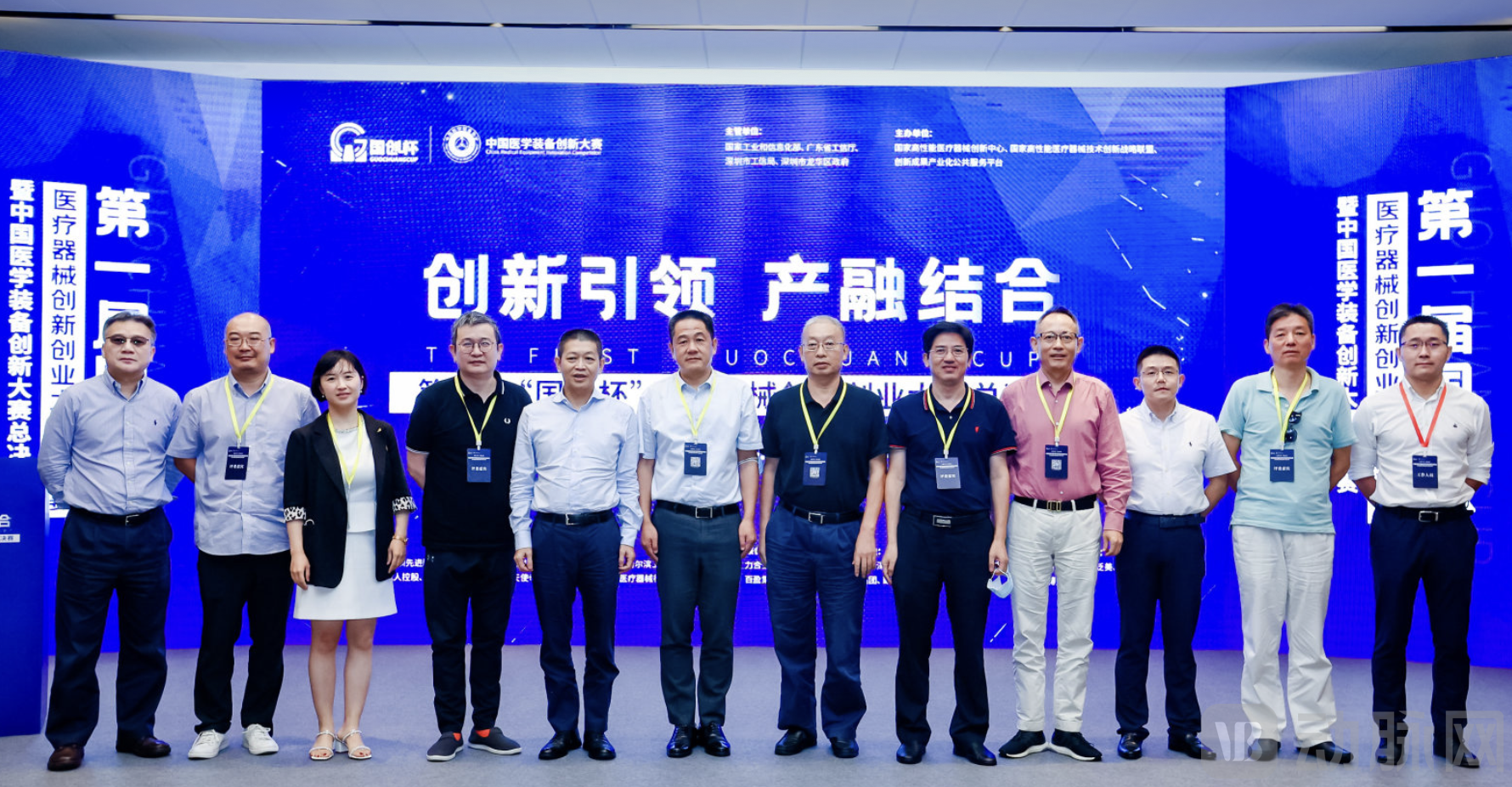
The competition invited experts from relevant government departments, Zhang Huisheng (Director of the Center at the College of Biomedical Engineering, Shenzhen University Health Science Center), Luo Fei (Founding Partner of Pine Capital), Ding Baoyu (Managing Partner of Cowin Capital), Tao Feng (Founding Partner of Boyuan Capital), Zhou Yi (Partner of the Health Industry Fund at Shenzhen Capital Group Co., Ltd.), Xu Zhiming (President of Shenzhen Hospital, University of Chinese Academy of Sciences), Zhai Baojin (Chief Medical Officer of MGI Tech), and Bi Yuanfeng (Co-founder and COO of VCBeat) to serve as judges. The panel included university professors with long-term engagement in biomedical engineering research, R&D heads of leading enterprises, presidents of renowned hospitals, partners from top domestic investment institutions in the medical device sector, and co-founders of authoritative media outlets in the healthcare industry.
It is reported that the total prize pool for this competition amounts to RMB 3.01 million, with the first-prize award in the Startup Category set at RMB 300,000 and that in the Enterprise Category at RMB 500,000. Since its official launch in October 2021, the competition has attracted registrations from over 300 projects. Following preliminary and semi-final rounds, as well as on-site evaluations by a panel of expert judges, a total of 8 projects in the Startup Category and 12 in the Enterprise Category advanced to the finals.
After 20 project roadshows, amid the fierce competition in cutting-edge technology, who will ultimately prevail?
Driven by macro policies such as “Healthy China 2030” and “Made in China 2025,” the market size of China’s medical device industry continues to expand. Breakthroughs in core technologies for high-end medical equipment are a key guarantee for achieving Healthy China and an essential component in ensuring the autonomy and controllability of high-end medical devices.
Numerous outstanding innovative technologies developed in China emerged from this competition.
The startup group features innovative medical projects such as 3D printing, plasma-based clinical tumor treatment devices, digital systems for precise tumor ablation therapy, and biodegradable internal fixation instruments, covering the current hotspots of concern in the medical device industry.
The Digital Precision Tumor Ablation Therapy System represents an iterative upgrade over traditional tumor ablation techniques. By leveraging a digital platform, it further enhances the precision of tumor ablation, lowers the technical threshold for adopting the procedure, and shortens the learning curve for physicians.
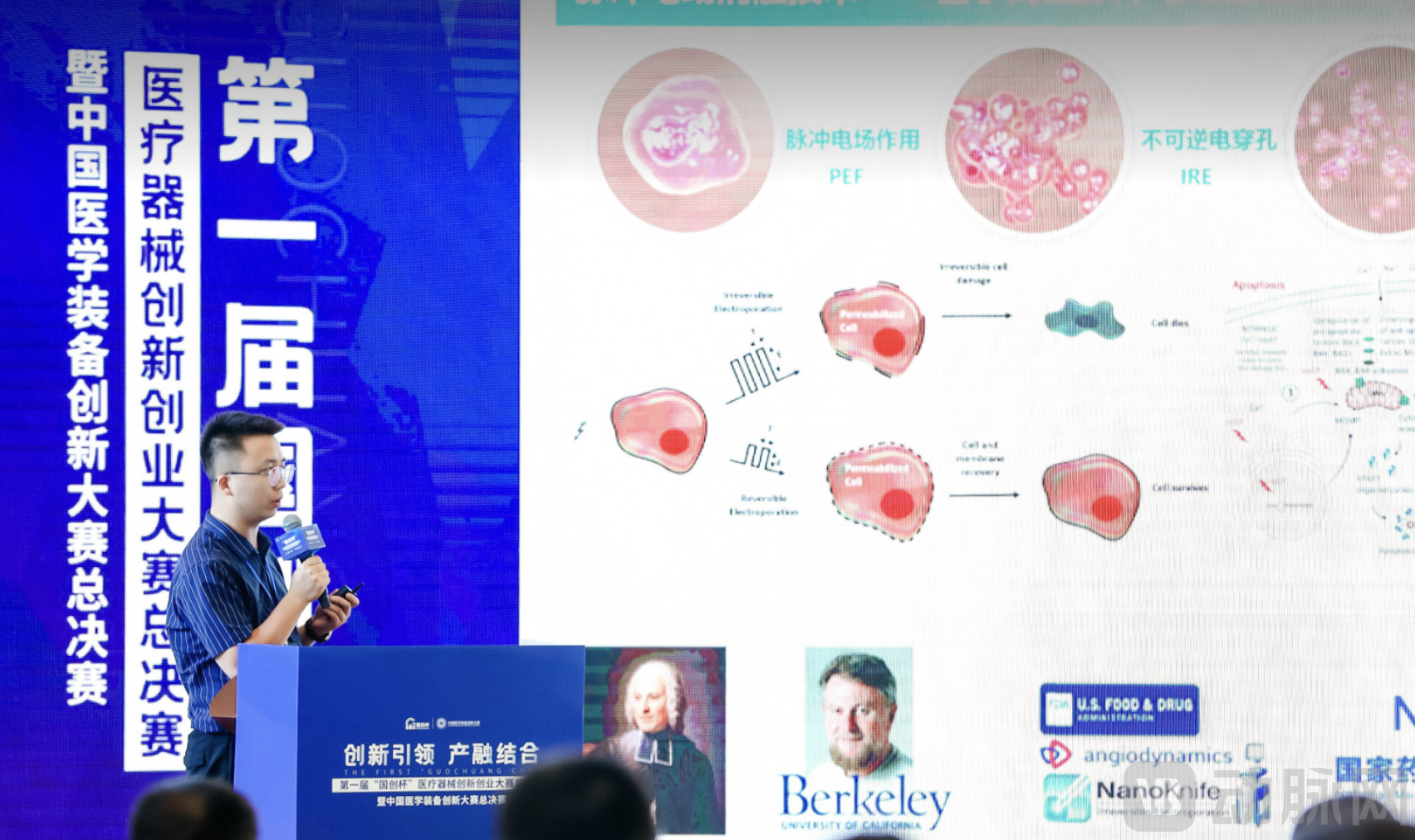
Projects within the enterprise group, including the remote ultrasound diagnostic system and its applications, 4K endoscopic camera systems, intelligent molecular diagnostic technology for early-stage pancreatic cancer, compact mobile CT scanners, and early glaucoma diagnostic devices, span multiple fields such as medical imaging, endoscopy, molecular diagnostics, and ophthalmic therapeutic instruments. To a certain extent, these projects represent current hot trends in the development of medical devices.
Among these, compact mobile CT technology offers a new approach to enhancing the treatment capabilities for stroke patients, helping to save critical time during emergency care. With the widespread adoption and application of 5G technology, mobile CT enables pre-hospital disease prediction, making the entire emergency response process faster, more standardized, and more scientific.
Tao Feng, Founding Partner of Boyuan Capital, stated:“Compact mobile CT scanners can be used not only in hospitals but also to optimize emergency care protocols, addressing challenges that the healthcare industry has long been unable to resolve. This project has left a deep impression on me, and I believe it also demonstrates the value of innovative medical devices for current healthcare institutions and patients.”
This competition has strengthened the interaction between projects and between projects and the industry. In the future, under the trend of "import substitution," more outstanding enterprises will emerge in the domestic medical device sector. The implementation of relevant policies, such as centralized procurement of consumables, DRG/DIP health insurance payment methods, and special approval procedures for innovative medical devices, will further drive the emergence of leading companies in specific segments of the high-end medical device industry.
The National Innovation Center is the first national manufacturing innovation center in Shenzhen, approved and established by the Ministry of Industry and Information Technology of China in April 2020.
As the organizer of this competition, the National Innovation Center not only played a pivotal role in the event but also leveraged it to establish an open, shared, and collaboratively innovative ecosystem platform for cross-industry integration and exchange, thereby fostering industry-wide dialogue.
In fact, China’s medical device industry has evolved from following and imitation, and integrated innovation, to source innovation. With the deepening development of “source innovation,” industry exchange has become crucial. The National Innovation Center has established a comprehensive vertical innovation ecosystem that includes CDMO platforms, funds, and incubators. By building this innovation ecosystem platform, the Center further promotes multidisciplinary integration and talent exchange. The “National Innovation Cup” serves as a key channel for driving the industry to generate new outcomes through communication and intellectual collision.
It is understood that the National Innovation Center will continue to host the “Guochuang Cup” Medical Device Innovation and Entrepreneurship Competition in the future, aiming to identify promising innovative projects and facilitate their development and implementation. By deepening industrial integration, the Center seeks to accelerate the transfer and commercialization of scientific and technological achievements, thereby driving rapid progress in the industry.
Looking back on recent developments, the National Innovation Center has consistently focused on providing innovative technologies and equipment for the strategic emerging biomedical industry and healthcare market, building a high-performance medical device innovation ecosystem and related industrial service system that spans the innovation chain, industrial chain, and capital chain. Meanwhile, it offers end-to-end services covering technological innovation, technical support, industrial incubation, and financing and listing, further enhancing China’s R&D and manufacturing capabilities for high-performance medical equipment.
Currently, the National Innovation Center platform has put into use over 20,000 square meters of R&D space. Leveraging the “Dual-Core Model” of a R&D Center plus an Industry Center, the National Innovation Center has effectively facilitated the orderly advancement of scientific research in medical imaging, in vitro diagnostics, surgical robots, implantable and interventional devices, biomaterials, and rehabilitation and health management.
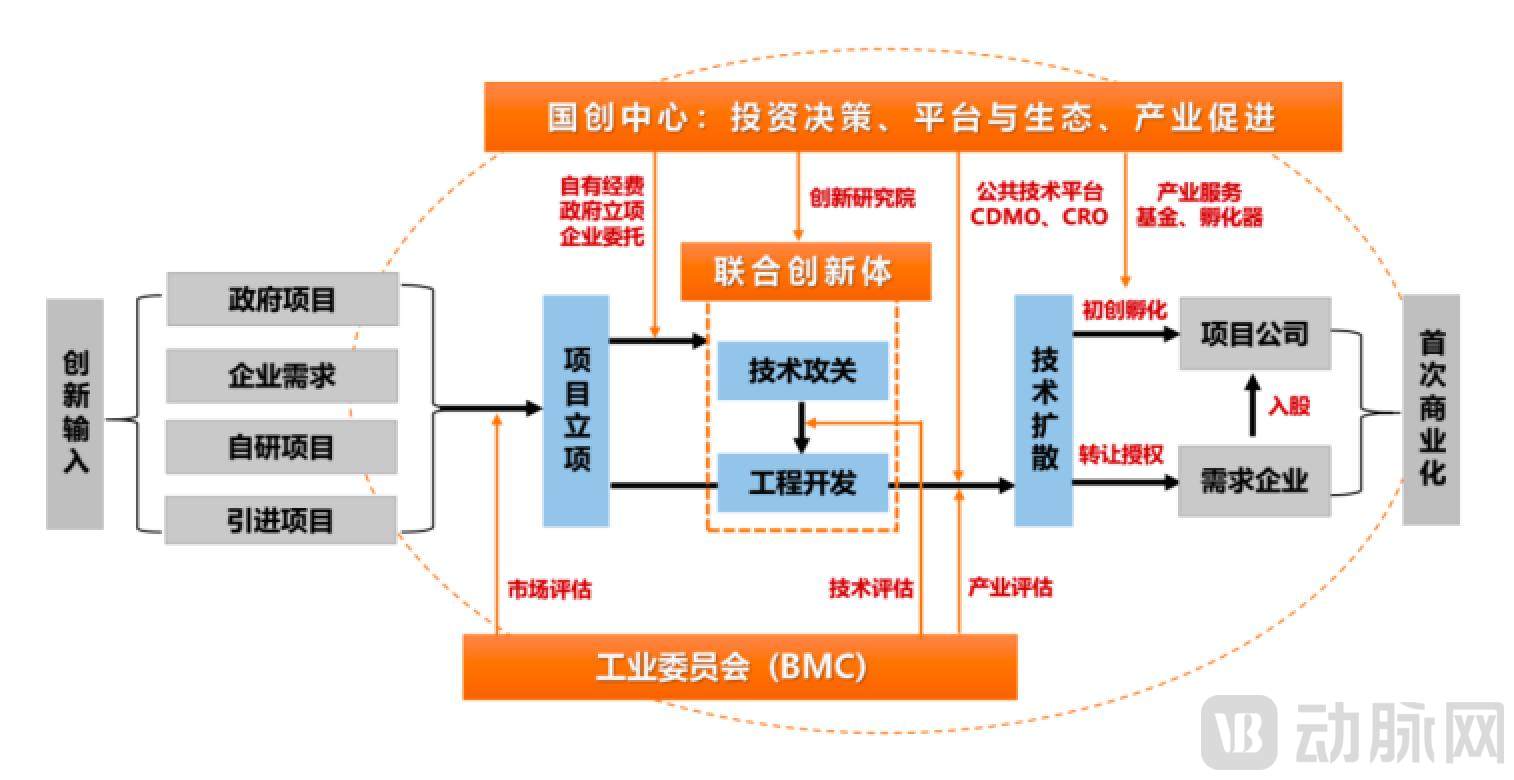
National Innovation Center: Technology Innovation and Commercialization Model
Meanwhile, the National Innovation Center has brought together leading players across the medical device industry chain—including Mindray, United Imaging, Lifetech, Winner Medical, and YHLO—to jointly tackle challenges in basic raw materials, key components, and major innovative products. It has also established a partnership with the China Association of Medical Equipment, engaging and aggregating 100 domestic medical device manufacturers, healthcare institutions, research institutes, industry associations, and investment firms to further strengthen the alliance. This collaboration aims to drive multidisciplinary, cross-sectoral, and cross-regional technological innovation, thereby promoting R&D supply, technology transfer and diffusion, standard setting, personnel training, enterprise incubation, and investment and financing services within the industry.
The National Innovation Center has initiated the establishment of a healthcare-themed investment fund and assembled a professional investment team to set up “Shenzhen Guochuang Zhiyuan Private Equity Fund Management Co., Ltd.” (hereinafter referred to as “Guochuang Zhiyuan”) to accelerate the commercialization of scientific and technological achievements and attract external partners to jointly build the National Innovation Center. It is reported that the first angel fund jointly initiated by Guochuang Zhiyuan has completed its fundraising, with a size of RMB 300 million.
In the future, Guochuang Zhiyuan will establish a full suite of fund products, including venture capital (VC) funds, private equity (PE) funds, merger and acquisition (M&A) funds, and intellectual property (IP) funds, to provide sci-tech innovation enterprises with financing support throughout their entire life cycle, thereby building China’s most professional investment institution characterized by the integration of “industry + finance.”
In this regard, Liu Heng, Deputy General Manager of the National Innovation Center, stated:“As the sole national manufacturing innovation center in the medical device sector, the National Innovation Center itself serves as an open platform for innovation. We offer CDMO services, investment funds, incubators, and more, aiming to build a comprehensive, vertically integrated innovation ecosystem that encompasses professional services, physical infrastructure, and capital. This competition acts as an excellent conduit, functioning as a platform that facilitates dialogue among participating teams, investors, clinical experts, and technical specialists. Such engagement is beneficial to the growth of early-stage projects. For us, it presents a valuable opportunity to identify promising ventures. We hope this competition will yield tangible outcomes.”
Following the successful conclusion of the competition, VCBeat conducted exclusive interviews with the attending guests.
Tao Feng, Founding Partner of Boyuan Capital, stated:“The healthcare industry is, at its core, innovation-driven. The continuous emergence of clinical needs and breakthroughs in core technologies will undoubtedly create more opportunities for domestic innovation among future healthcare practitioners. Today, the medical device sector has become an emerging strategic industry strongly supported by the state. The holding of the ‘National Innovation Cup’ Medical Device Innovation and Entrepreneurship Competition has further spurred industrial development. Choosing Shenzhen, a hotbed for medical device innovation, as the venue for the competition has unlocked the potential of this dynamic region. In the future, we will continue to closely monitor the medical device sector and support the growth of high-quality innovative enterprises.”
Luo Fei, Founding Partner of Sinowood Capital, stated:“The timing is ideal for the development of the medical device industry. Policy support, the continuous emergence of solutions to address clinical needs, and advancements in the information technology and new manufacturing sectors have all created broader opportunities for growth in the medical device field. The ‘National Innovation Cup’ undoubtedly provides more high-quality projects with platforms for exposure and sustained development. In my view, the holding of this competition is highly timely.”
Policy-driven momentum will inevitably spur a reshuffling of the medical device industry. However, shifts in disease patterns, growing clinical demand for innovative procedures, and heightened needs for early screening and diagnosis are generating internal market dynamics that will, on another level, drive the emergence of domestically produced innovative devices. Import substitution, localization, global expansion, and technological innovation have become key pivotal points for the next stage of development in the medical device industry.
The opportunity for the development of domestically produced medical devices has clearly arrived.
Amid the industry’s rapid growth, there is an imperative need for innovation centers that can deeply understand medical device regulatory policies, continuously identify promising projects in cutting-edge areas of the medical device sector, pool resources from multiple stakeholders, strengthen industrial integration, and enhance the autonomy and controllability of the supply chain, thereby providing strategic guidance for industry development. Meanwhile, these centers should deliver end-to-end services spanning the translation of scientific achievements into high-quality projects, project implementation, and corporate financing and IPOs, thus empowering the medical device industry.