Lipoprotein Subfractions as Novel Biomarkers for Predicting the Presence and Severity of Coronary Artery Disease: A Prospective Study Using NMR-Based Lipoprotein Profiling
Recently, the team led by Cong Hongliang from the Department of Cardiology at Tianjin Chest Hospital published an article titled “Lipoprotein Subfractions as Markers for Predicting the Presence and Severity of Coronary Artery Disease in Patients Undergoing Coronary Angiography” in Angiology. Based on nuclear magnetic resonance (NMR) spectroscopy, the study explores the role of lipoprotein particle subfractions in predicting the occurrence and severity of coronary artery disease. The publication of this research makes a valuable contribution to more precise prediction of coronary artery disease.The article specifically acknowledges the support provided by PuTian Bio in areas such as NMR detection and analysis.Leveraging its robust nuclear magnetic resonance (NMR) platform, Putian Bio continues to explore and conduct research in the early warning, medication guidance, and long-term monitoring of cardiovascular and cerebrovascular diseases, thereby promoting more precise screening and medication guidance for conditions including cardiovascular and cerebrovascular disorders as well as common cancers.

Research Background
Cardiovascular disease (CVD) remains one of the leading causes of disability and mortality worldwide. The recently released "Report on Cardiovascular Diseases and Health in China 2019" indicates that both the prevalence and mortality rates of cardiovascular diseases continue to rise. It is estimated that 330 million people in China are affected by CVD, representing an increase of 40 million since 2019. This includes 13 million stroke cases, 11 million coronary heart disease cases, 5 million cor pulmonale cases, 8.9 million heart failure cases, 2.5 million rheumatic heart disease cases, 2 million congenital heart disease cases, 45.3 million lower extremity arterial disease cases, and 245 million hypertension cases. Atherosclerotic cardiovascular disease accounts for 61% of CVD-related deaths.
An increasing number of clinical trials and observational studies have demonstrated that elevated low-density lipoprotein cholesterol (LDL-C) is a significant risk factor for the onset and progression of coronary heart disease, and that lowering LDL-C levels has beneficial effects in reducing coronary risk. However, it has been observed that a substantial proportion of individuals with normal LDL-C levels still suffer from coronary heart disease.
Nuclear Magnetic Resonance (NMR) direct measurement of lipoprotein particles (LDL-P) has been widely used in research and clinical practice. NMR can measure the subfractions and quantity of lipoprotein particles, which may be superior to traditional cholesterol concentrations in predicting cardiovascular events.Currently, there are few published studies in this field among the Chinese population. Therefore, the aim of this study is to investigate the role of lipoprotein particle subfractions in predicting the incidence and severity of coronary heart disease.
Research Methods
Tianjin Chest Hospital is the largest specialized cardiac hospital in Tianjin, where approximately 18,000 patients undergo coronary angiography annually. The study included 1,578 patients who underwent coronary angiography prior to hospitalization and had not received lipid-lowering therapy between December 2018 and October 2019. After confirmation of clinical parameters and laboratory tests, patients were divided into a coronary heart disease (CHD) group (n=1,033) and a non-CHD group (n=545) based on the results of coronary angiography. The severity of coronary artery lesions was evaluated using the Gensini Score (GS). To investigate the relationship between lipoprotein subfractions and the severity of CHD, patients with CHD were categorized into three groups according to GS tertiles: T1 (<22, n=343), T2 (22–51, n=340), and T3 (≥52, n=350).
Research Approach
To evaluate whether lipoprotein particles are independently associated with coronary heart disease (CHD), univariate and multivariate logistic regression analyses were performed. Stepwise linear regression analysis was employed to determine the correlation between lipoprotein particles and the severity of CHD, and receiver operating characteristic (ROC) curve analysis was used to assess the predictive ability of various risk factors for CHD.
Binary logistic regression models were constructed to differentiate between the coronary artery disease (CAD) group and the non-CAD group. Model 1 included several traditional risk factors: age, sex, smoking, diabetes, and hypertension. Model 2 comprised Model 1 plus lipoprotein(a) [Lp(a)] and LDL particle number measured by nuclear magnetic resonance spectroscopy with a particle size of 6 nm (LDL-P6). To evaluate whether elevated Lp(a) and LDL-P6 levels provided incremental predictive value for CAD, the C-statistic, net reclassification improvement (NRI), and integrated discrimination improvement (IDI) were compared between the models. All P-values were two-sided, and a P-value <0.05 was considered statistically significant.
Research Results
1Clinical Features and Lipid Profile Indicators
A total of 1,578 patients were included in this study. The characteristics of the study population are presented in Table 1. Among them, 1,033 patients (65.5%) had coronary heart disease (CHD), and 545 patients (34.5%) did not have CHD. The mean ages of patients with and without CHD were 60.0 ± 9.6 years and 59.7 ± 8.7 years, respectively, with a statistically significant difference between the two groups. A higher proportion of males were diagnosed with CHD. The prevalence of hypertension, diabetes mellitus, and smoking was significantly higher in patients with CHD than in those without CHD. Furthermore, compared with the non-CHD group, the CHD group had significantly higher mean levels of lipoprotein(a) [Lp(a)] and triglycerides (TG), and significantly lower mean levels of high-density lipoprotein cholesterol (HDL-C). The concentrations of intermediate-density lipoprotein particles (IDL-P), very-low-density lipoprotein particles (VLDL-P), LDL-P3, LDL-P4, and LDL-P6 were all significantly higher in the CHD group than in the non-CHD group. There were no statistically significant differences in low-density lipoprotein cholesterol (LDL-C) and total cholesterol (TC) levels between the CHD and non-CHD groups.
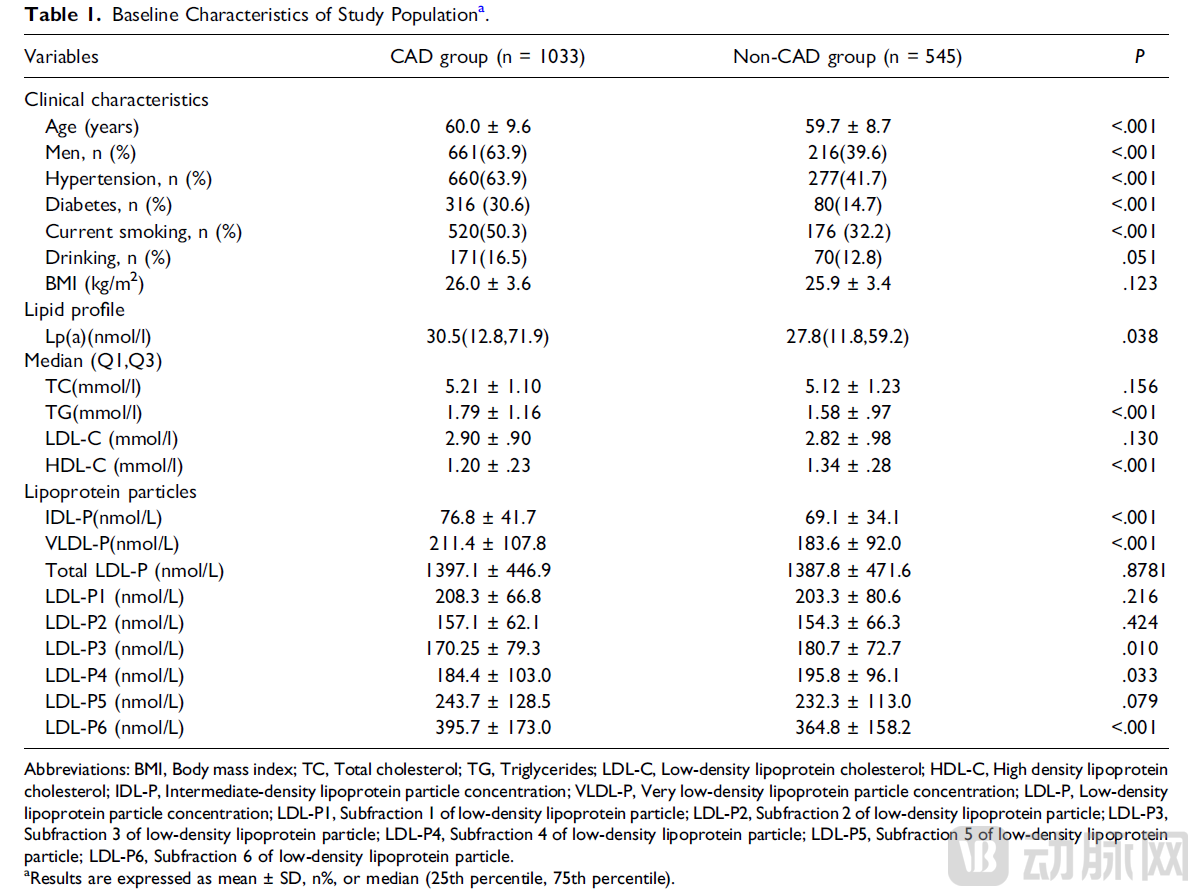
Table 1 Characteristics of the Study Population
2The Relationship Between Lipoprotein Particles and Coronary Heart Disease
Logistic regression analysis was further employed to evaluate the association between lipoprotein particles and coronary heart disease (CHD), with results presented in Table 2. Univariate regression analysis indicated that traditional risk factors, including age, smoking, hypertension, and diabetes mellitus, were associated with CHD (P<0.001). In addition to traditional risk factors, triglycerides (TG), very-low-density lipoprotein particle concentration (VLDL-P), intermediate-density lipoprotein particle concentration (IDL-P), LDL-P3, LDL-P6, and lipoprotein(a) [Lp(a)] were associated with CHD. After adjusting for confounding factors such as age, sex, smoking, hypertension, diabetes mellitus, TG, high-density lipoprotein cholesterol (HDL-C), VLDL-P, IDL-P, and LDL-P3, multivariate logistic regression analysis showed thatLDL-P6 and Lp(a) remain independent predictors of coronary heart disease.
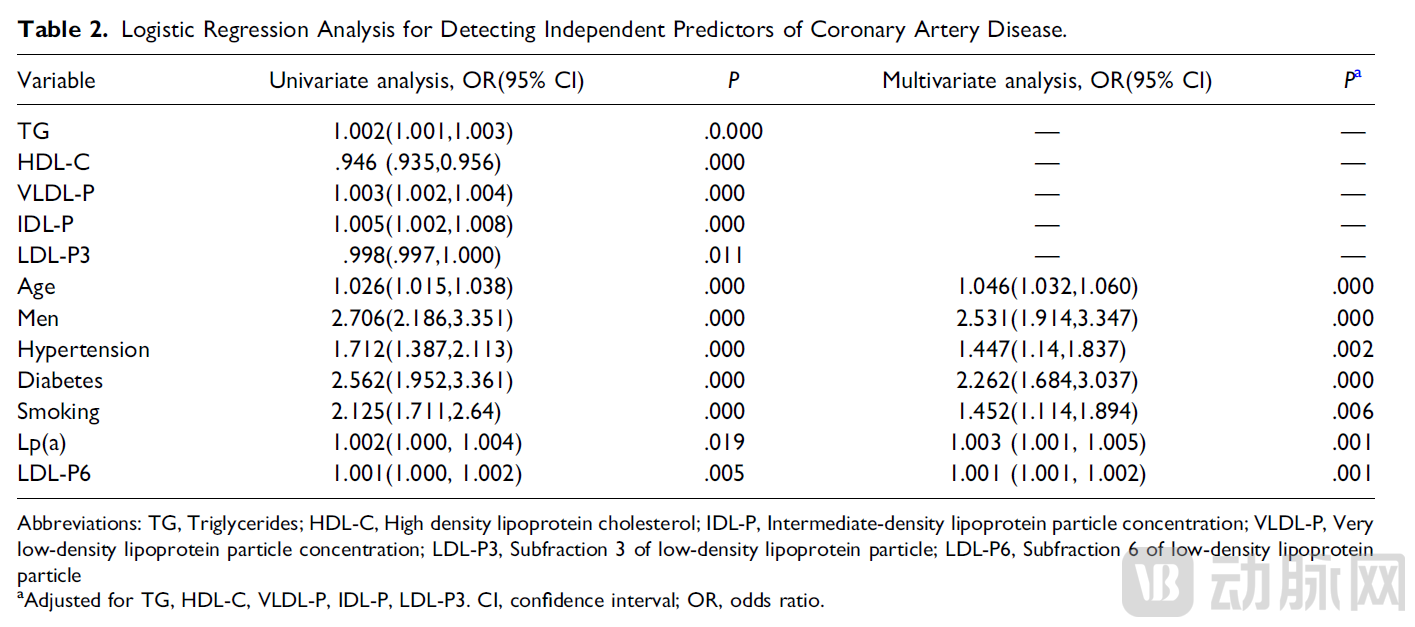
Table 2 Logistic regression analysis evaluating the association between lipoprotein particles and coronary heart disease
3The Relationship Between LDL-P6 and Lp(a) with the Severity of Coronary Heart Disease
The coronary artery disease (CAD) group was stratified into tertiles based on the Gensini Score (GS): T1 (<22, n=343), T2 (22–51, n=340), and T3 (≥52, n=350). The relationship between lipid subfractions and the severity of CAD was analyzed. Clinical characteristics of each group are presented in Table 3. The proportion of males and smokers was higher in the high-GS group. As shown in Table 3, the LDL-P6 concentration in the high-GS group (493.1 ± 202.2 nmol/L) was significantly higher than that in the medium-GS group (421.1 ± 170.7 nmol/L) and the low-GS group (327.6 ± 141.1 nmol/L) (P < 0.001). Plasma Lp(a) levels were highest in the high-GS group. Furthermore, levels of TC, TG, LDL-C, IDL-P, VLDL-P, total LDL-P, LDL-P4, and LDL-P5 were elevated in the high-GS group.
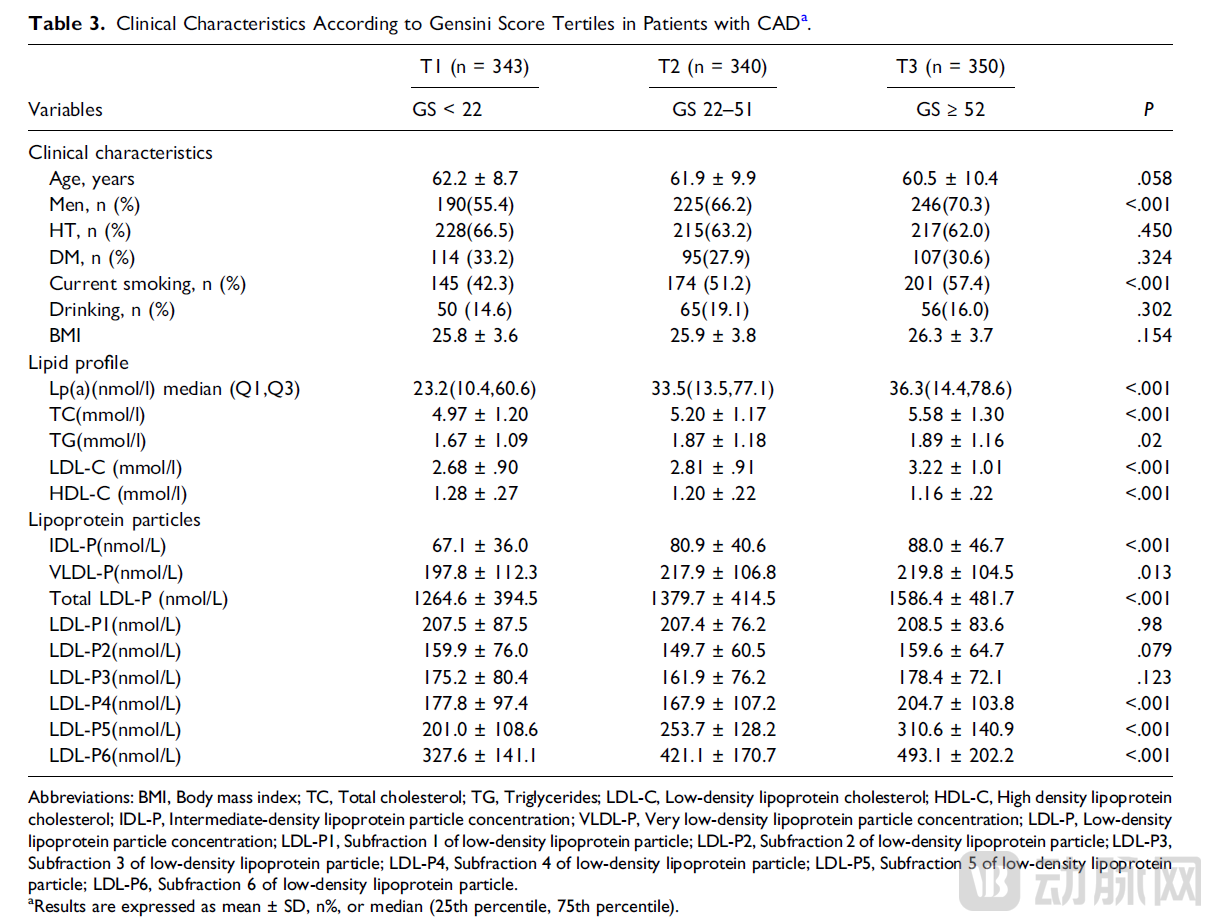
Table 3 Clinical Characteristics of Each Group
Stepwise linear regression analysis revealed that in the coronary heart disease (CHD) group, a high Gensini Score (GS) was associated with risk factors such as lipoprotein(a) [Lp(a)] and LDL particle concentration of 6 nmol/L (LDL-P6). Apart from male sex and low-density lipoprotein cholesterol (LDL-C), GS was an independent risk factor for the severity of CHD, while high-density lipoprotein cholesterol (HDL-C) was negatively correlated with GS (Table 4).
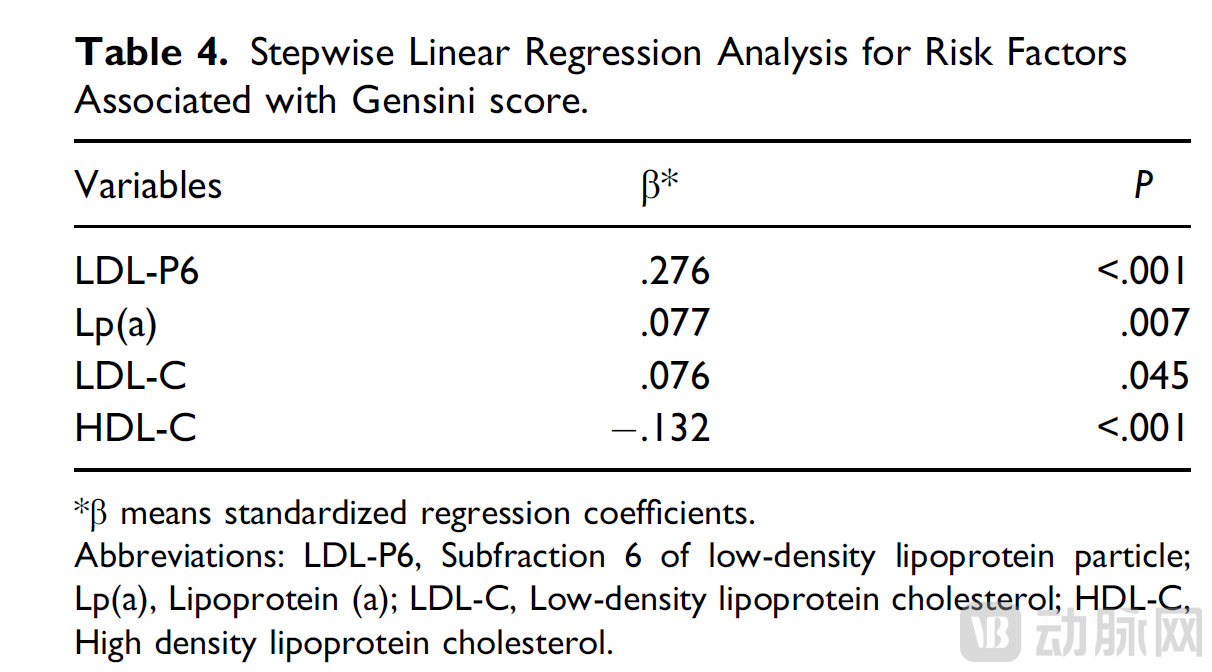
Table 4 Stepwise Linear Regression Analysis
Table 5 presents the results of ROC curve analysis for risk factors predicting the incidence of coronary heart disease. Model 1, which included age, sex, smoking, hypertension, and diabetes as traditional risk factors for CAD, yielded an AUC of 0.712. Model 2, which added Lp(a) and LDL-P6 to Model 1, achieved an AUC of 0.723, higher than that of Model 1. Therefore,Adding Lp(a) and LDL-P6 to traditional risk factor models improves the predictive ability for coronary heart disease. Furthermore, incorporating Lp(a) and LDL-P6 into traditional risk factor models provides greater predictive value in terms of the net reclassification improvement (NRI) and integrated discrimination improvement (IDI) for coronary heart disease.
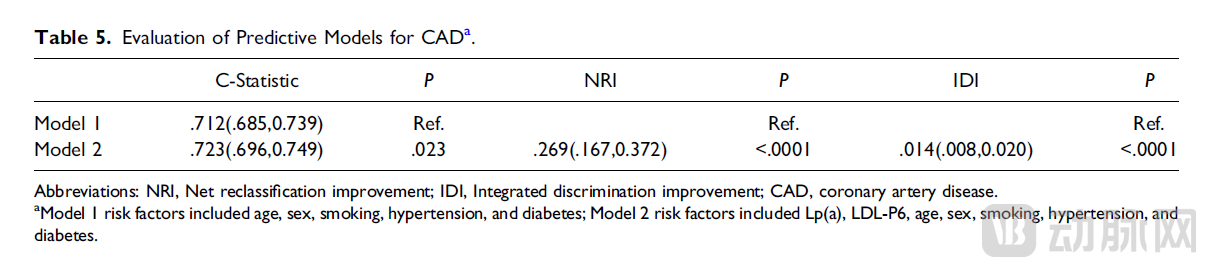
The concentrations of IDL-P, VLDL-P, LDL-P3, LDL-P4, and LDL-P6 were significantly higher in the coronary heart disease (CHD) group than in the non-CHD group. There were no statistically significant differences in LDL-C and TC levels between the CHD and non-CHD groups.Table 5 Results of ROC Curve Analysis
Discussion
Although LDL-C is considered one of the most important risk factors for cardiovascular disease and remains the primary target of current strategies to reduce cardiovascular risk, growing evidence challenges the traditional view of LDL-C as the most relevant biomarker for CAD. First, a relatively high proportion of individuals with normal LDL-C levels still develop CAD. Second, several observational studies have found that the association between LDL-C and coronary heart disease is significantly attenuated after adjustment for other lipoproteins, suggesting that other lipoproteins may have some discriminatory potential.
Recent attention has focused on LDL cholesterol subfractions and the number of LDL particles (LDL-P). Compared withCompared with ultracentrifugation and gradient gel electrophoresis, nuclear magnetic resonance can assess particle number by directly measuring LDL-P size and density.LDL particles (LDL-P) are heterogeneous in size, density, and composition. Recently, variations in LDL-P have drawn attention for their atherogenic potential, with small, dense LDL (sdLDL) exhibiting high pathogenicity. Several cohort studies have found that LDL-P, particularly sdLDL-P, is a stronger predictor of future cardiovascular disease (CVD) than calculated LDL cholesterol, and this association persists even after statistical adjustment for traditional lipoprotein metrics.
Numerous studies have reported that lipoprotein(a) [Lp(a)] is an independent risk factor for coronary artery disease (CAD) in the general population. In a prospective study involving 1,463 male and 584 female patients with coronary heart disease (CHD) to evaluate the relationship between Lp(a) and the risk of CHD incidence, we found an independent and continuous association between Lp(a) levels and CAD risk across a broad population, which is consistent with previous studies. Moreover, Lp(a) levels were positively correlated with the presence and severity of coronary heart disease.
Summary
Furthermore, we found that incorporating Lp(a) and LDL-P6 into the traditional risk factor model improved the net reclassification improvement (NRI) and integrated discrimination improvement (IDI) for coronary heart disease risk prediction. Therefore, this study provides new insights, highlighting that it is important and necessary to explore novel biomarkers for predicting coronary artery disease (CAD) beyond traditional risk factors.
Low-density lipoprotein cholesterol (LDL-C) is a risk factor for coronary heart disease and an important therapeutic target for reducing the risk of this condition. However, some individuals with LDL-C levels within the normal range or even lower may still develop coronary artery disease (CAD). In such cases, in addition to traditional lipid components (and other risk factors), consideration should be given to LDL-P6 and Lp(a) to assess the residual risk of CAD. We need to conduct clinical trials that focus not only on LDL-C but also on lowering LDL-P6 and Lp(a) levels.
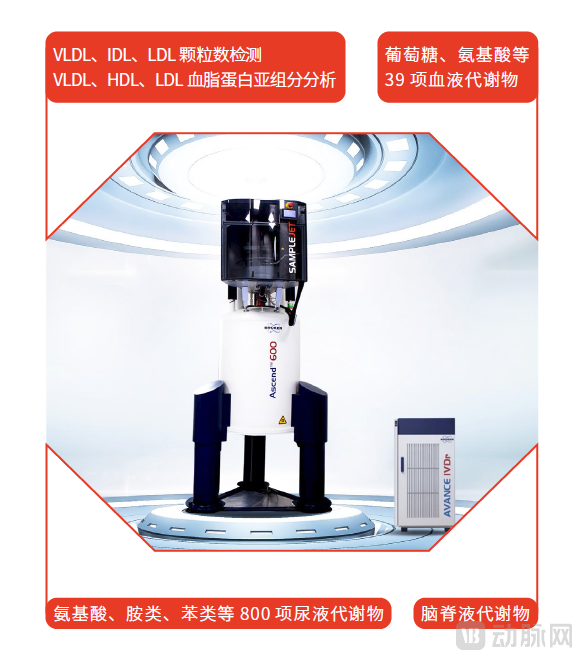
Putean has entered into a strategic partnership with Bruker, a provider of nuclear magnetic resonance (NMR) production equipment, to become the long-term operator of NMR-based lipid profiling projects in China. It has also introduced China’s first Avance III IVDr NMR spectrometer. Leveraging an NMR-based lipid profiling methodology that holds dual FDA and CE certifications and is recommended by multiple authoritative professional guidelines, this technology can be widely applied for the precise early warning of cardiovascular and cerebrovascular diseases, as well as for the selection of lipid-lowering medications and monitoring of their efficacy. The rapid 10-minute testing process generates reports covering 114 key clinical lipid indicators—including lipoprotein particle concentrations and detailed subtyping—and 39 metabolites, thereby providing a new tool for clinical practice. Furthermore, this method serves as a robust research tool for clinical studies on metabolic syndrome, cancer, diabetes, kidney disease, and other conditions, while also providing strong support for Putean Biology’s multi-omics platform integrating genomics, proteomics, and metabolomics.