

Challen Bio Completes Tens of Millions RMB Series A Funding; China's First 3-Laser, 14-Color Flow Cytometer Receives CE Certification

Challenbio
IVD Diagnostic Instrument and Reagent Developer
Challenbio Announces Completion of Tens of Millions of RMB in Series A FinancingRecently, Challenbio announced the completion of its Series A financing round, raising tens of millions of RMB. The investment was led by IDG Capital, and the funds will be used for the research and development as well as market promotion of the company’s flow cytometry products.
Challenbio focuses on the field of flow cytometry, dedicated to achieving automation and routine application of flow technology, as well as user-friendly and intelligent analytical solutions. The company has launched multiple flow cytometry products. Its current flagship product is the MateCyte, a 2-laser, 8-color flow cytometer.TMIn January 2021, the high-end LongCyte flow cytometer, featuring 3 lasers and 14 colors, successfully obtained NMPA registration certification.TMAll 26 models have obtained CE certification and are currently applying for NMPA registration certificates. In the second half of the year, products such as the FA3000L flow cytometry sample preparation instrument and flow cytometry detection antibodies will be launched successively.
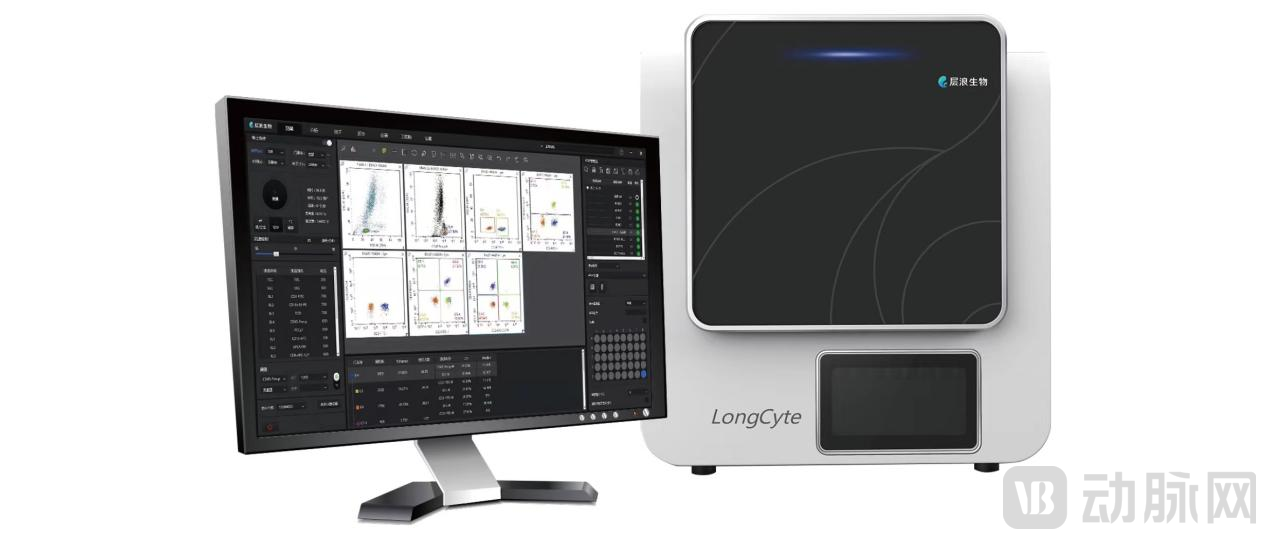
3-Laser 14-Color Flow Cytometer LongCyte™
Liu Tiefu, Founder and General Manager, completed both his bachelor’s and master’s degrees at the School of Mechanical Engineering, Tsinghua University. After graduating in 2007, he joined Mindray Beijing Research Institute. As a System Engineer for Mindray’s flow cytometer BriCyte E6, he was involved throughout the entire development process—from project initiation to completion—of China’s first clinical flow cytometer, witnessing the full trajectory of the Chinese flow cytometry industry from its inception to its current boom.
Liu Tieffu, Founder of ChallenbioHe stated: “The company’s core team members each possess over ten years of experience in flow cytometry technology, maintaining an unwavering, decade-long focus on R&D in this field to develop and manufacture products that are stable, reliable, and high-performing. Our 2-laser, 8-color flow cytometer has been widely adopted in the market, with its instrument stability highly recognized by customers, promising substantial future sales. The newly developed 3-laser, 14-color flow cytometer has already achieved notable sales in the research market, earning consistent acclaim from customers for its superior performance and intelligent features. This success has greatly bolstered our confidence and filled us with hope for its clinical performance. In terms of market presence and technological leadership, Challenbio is at the forefront.”
“Challenbio has always been committed to the research, development, and production of more advanced diagnostic instruments and reagents. To achieve the integration of flow cytometry detection and sample preparation, the FA3000L Flow Cytometry Sample Preparation System will be launched this October, with more flow cytometry products to be introduced in the future. We hope to contribute our modest efforts to the advancement of flow cytometry technology in China, serving as a promoter of flow cytometry technology within the industry and as a trusted flow cytometry partner for our customers.”
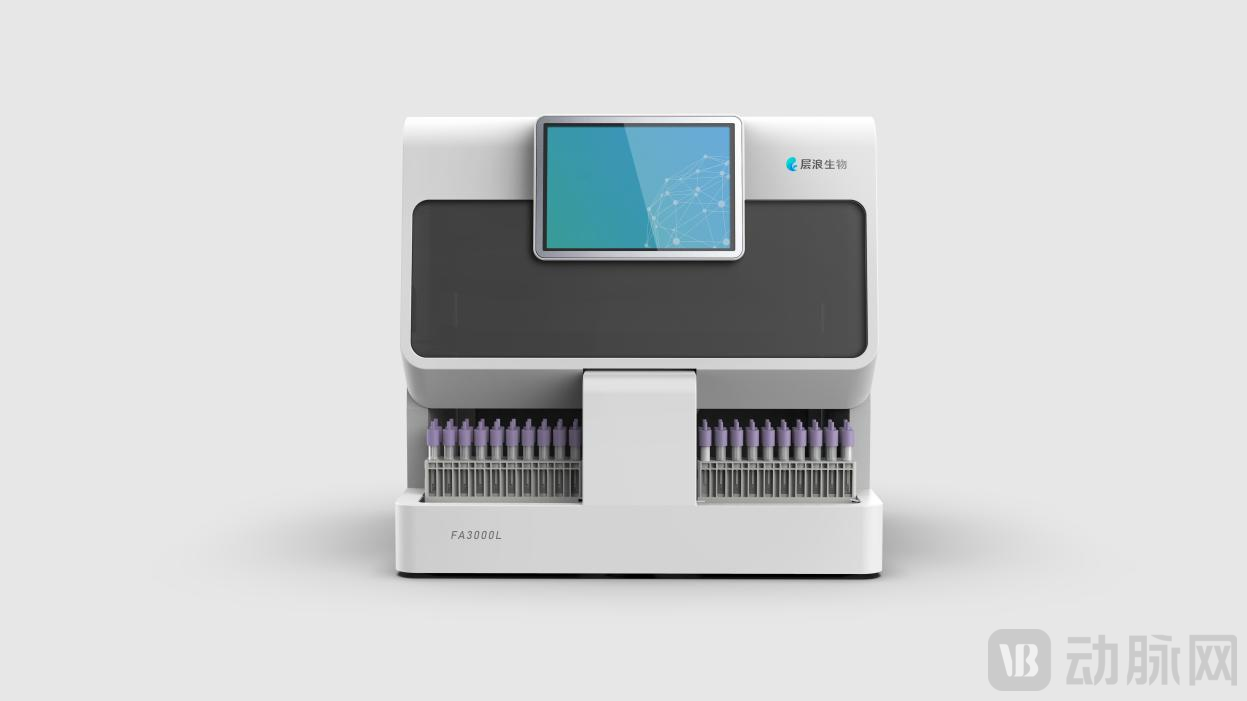
FA3000L Flow Cytometry Sample Processor
IDG CapitalIt indicates that high-end domestic life science tools are one of IDG’s key focus areas. Challenbio has accumulated decades of industry experience on the flow cytometry platform, among which LongCyteTMThe launch marks a breakthrough from “zero” for domestically produced three-laser systems, signaling the entry of Chinese-made flow cytometers into the high-end platform segment. Challenbio boasts a top-tier domestic flow cytometry team, demonstrating exceptional R&D capabilities and the artisanal dedication to meticulously refining its products. IDG Capital is delighted to support Challenbio in building a high-end domestic optical equipment platform, advancing upstream life sciences and clinical diagnostics through the development of high-quality instruments.
Flow cytometry is a key technology in the life sciences field. It is a technique that measures protein or nucleic acid expression levels in individual cells within a fluidic system, and analyzes or sorts specific cells from a population. This technology offers multiple advantages, including single-cell resolution, multiparametric analysis, high speed, high precision, and excellent accuracy.
“In the market, routine testing segments such as hematology, clinical chemistry, and chemiluminescence immunoassay are gradually reaching saturation,”The clinical application of flow cytometry technology is still in its early stages, with vast opportunities yet to be explored.“Especially in 2017, to promote industry development, the national regulatory authorities reclassified the registration requirements for a batch of antibody reagents from Class III to Class I, significantly reducing registration costs and greatly stimulating the enthusiasm of flow cytometry companies to enter the clinical market,” said Liu Tiefu.
In recent years, the flow cytometry market has experienced rapid growth, driven by the increasing clinical adoption of flow cytometry technologies, the expanding range of detectable parameters, and the entry of domestically produced flow cytometry products. According to statistics from Market Research Future, global sales of flow cytometers were approximately USD 2.7 billion in 2011 and USD 3.0 billion in 2012, rising to USD 4.9 billion in 2017, with the market size projected to reach USD 6.5 billion in 2020. It is forecasted that the global flow cytometer market will reach USD 8.88 billion by 2023, representing a compound annual growth rate (CAGR) of approximately 12% from 2012 to 2023, which is significantly higher than the roughly 5% CAGR of the global in vitro diagnostics (IVD) market.
Liu Tiefu told VCBeat that the flow cytometry sector is currently dominated by imported products.In the clinical market, the demands for stability, reliability, and usability of flow cytometry products have yet to be met.
Flow cytometers were originally designed for the research market, featuring complex sample pre-processing steps, cumbersome detection procedures, and challenging downstream data analysis, which impose high demands on operators. They still lag significantly behind conventional clinical laboratory instruments in terms of stability, reliability, and ease of operation.
Furthermore,In the research sector, flow cytometry products still suffer from drawbacks such as prohibitively high prices and stringent maintenance requirements for imported instruments, earning them a reputation for being both “delicate and expensive.”
Overall, the flow cytometry market offers immense growth potential for domestic enterprises.Challenbio focuses on addressing the pain points of flow cytometry technology and provides comprehensive solutions for flow cytometry.
In response to the strong market demand for flow cytometry products with high reliability, stability, and a high degree of automation, Challenbio has implemented a systematic strategic layout.
On the instrument side, Challenbio has developed the 2-laser, 8-color MateCyteTMThe series of flow cytometers is among domestic manufacturersThe First 2-Laser, 8-Color Product to Receive an NMPA Registration Certificate. The instrument’s fluorescence detection limit and resolution far exceed industry standards, positioning it as a leading product among domestic brands. It comes standard with an automatic sampling function compatible with various sample introduction methods. Having been validated by hundreds of customers across research, clinical, and industrial sectors, the product demonstrates high reliability and robust stability.
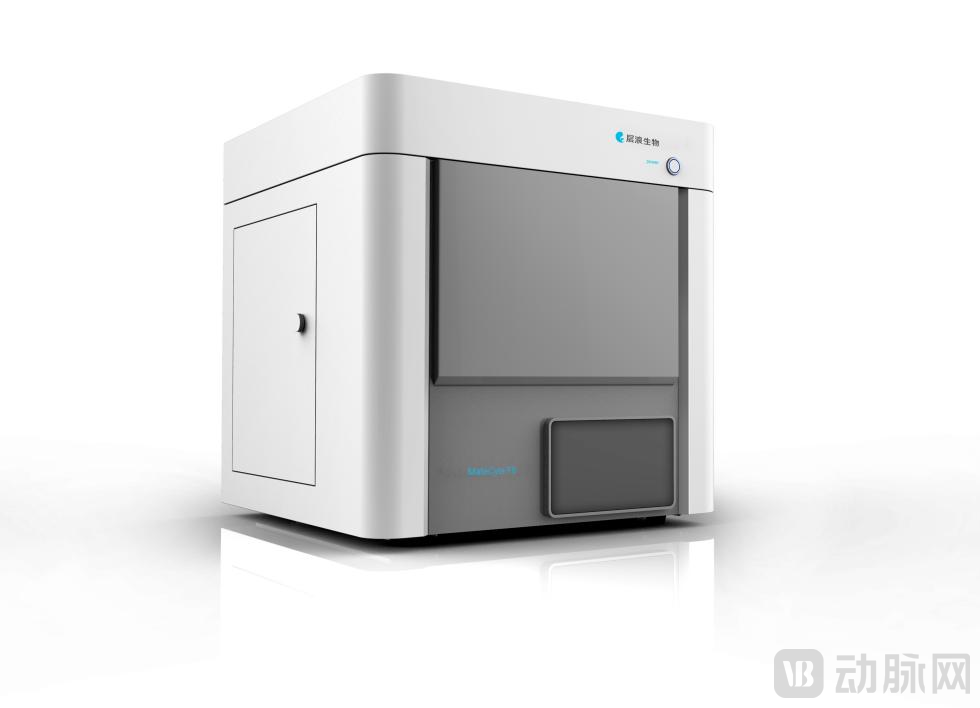
2-Laser 8-Color Flow Cytometer MateCyte™
Notably, domestically produced flow cytometers are generally limited to configurations with fewer than two lasers and six colors, whereas Challenbio has pioneered the development of LongCyte, a three-laser, 14-color flow cytometer.TMSeries, becomeChina's First Domestic 3-Laser, 14-Color Flow CytometerCurrently, 26 models of this instrument have obtained CE certification and are applying for NMPA registration approval. The company will focus on promoting Chinese-developed flow cytometry instruments worldwide.
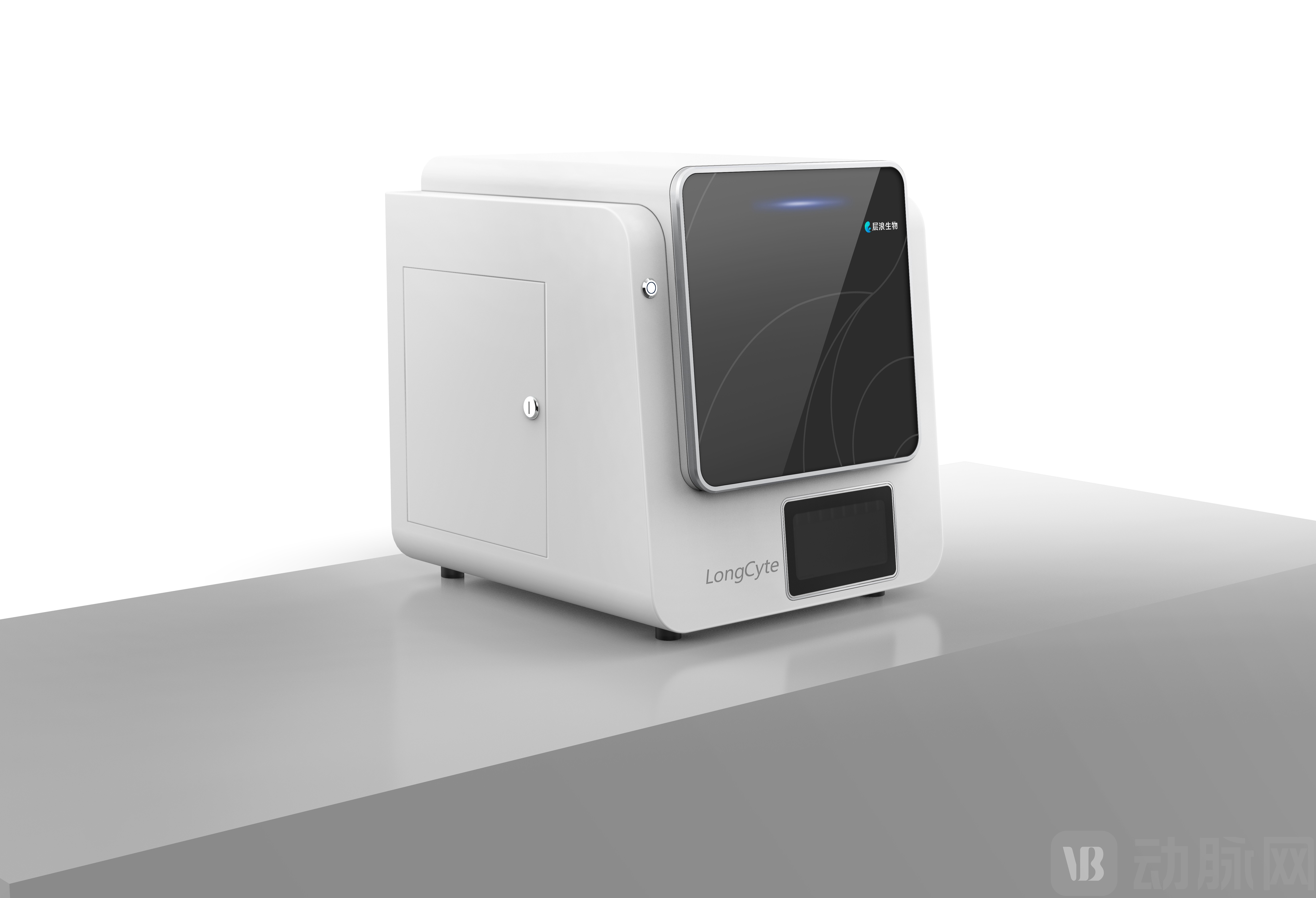
3-Laser 14-Color Flow Cytometer LongCyte™
Relying on a 3-laser, 14-color flow cytometer for clinical and research applicationsA wider variety of available reagents and fluorescent dyes enables a broader range of assays on the instrument, offering greater freedom and flexibility in experimental protocols, as well as enhanced compatibility.Liu Tiefu explained, “This is akin to a house that has evolved from having only a bedroom to including a bedroom, living room, and kitchen, thereby offering enhanced functionality. This advancement will further promote the widespread adoption of flow cytometry technology in clinical practice and scientific research, delivering greater medical value.”
To address the cumbersome pre-analytical procedures in flow cytometry, Challenbio is developing automated flow cytometry products that integrate instruments and reagents. By enabling automated sample processing and detection, these solutions aim to reduce testing costs, improve efficiency, and expand application scenarios. For downstream sample analysis, the company has developed a suite of software featuring automated analysis and automated quality control.
In terms of business strategy, Challenbio adopts an inclusive approach by fostering open collaborations with reagent companies, providing technical services and key modules. By working together with various industry stakeholders to expand the overall market, Challenbio aims to enhance the application level of domestically produced flow cytometry technology.
Liu Tiefu believes: “Automation, intelligence, and standardization, along with the deep integration of flow cytometry technology with single-cell sequencing, pharmaceuticals, and the AI industry, represent the future development trends of the flow cytometry market and constitute future opportunities for enterprises.”
In the research market, Challenbio will accelerate the promotion of its 3-laser, 14-color flow cytometer, providing researchers with a more powerful platform for cell analysis. In the clinical market, as small and medium-sized hospitals are still immature in their understanding and practice of applying flow cytometry products and interpreting their clinical significance, the company will accelerate product registration and certification as well as market promotion, thereby expediting the clinical adoption of flow cytometry technology.
About IDG Capital
IDG Capital is a globally leading private equity investment firm that pioneered venture capital operations in China starting in 1993. In the healthcare sector, IDG Capital’s investments span all stages, including early-stage, growth-stage, mature-stage, and mergers and acquisitions, with deal sizes ranging from millions to hundreds of millions of US dollars. Over the years, IDG Capital has maintained a strong focus on the development of medical diagnostics. In the field of life science tools, IDG Capital has invested in MGI Tech, the leading Chinese manufacturer of sequencing equipment; Porebiotech, a developer of nanopore sequencers; Cailia Bio, a provider of single-cell tools; and Challenbio, a specialist in high-end flow cytometry. In the realm of precision diagnostics, IDG Capital has backed ColonClear Biotechnology for early colorectal cancer screening; Shanghai Zhiben and Yuce Bio for tumor testing services; Defei Medicine for complex pathogen detection; and Keruida Biotechnology and MicroTech Medical for point-of-care diagnostics. In the area of multi-omics research and services, Jingjie Proteomics and Personalis Diagnostics represent IDG Capital’s key portfolio companies.