

WeDoctor's Digital Health Community Gains Traction in a Province with Over 100 Million Population, Delivering Multiplied Industrial and Social Value
In recent years, the “Digital Health Community” has continued to draw attention from the industry and local governments due to its multifaceted value in serving public welfare and aggregating industrial resources. Multiple regions, including Shandong and Tianjin, are collaborating with digital healthcare platforms such as WeDoctor to promote the regional implementation of the “Digital Health Community.”
As an innovative practice in the 3.0 phase of medical consortiums, the “Digital Health Community” was first launched in Tai’an, Shandong Province, in 2019, achieving notable results. Subsequently, the “Tai’an Model” was comprehensively promoted across all 16 prefecture-level cities in Shandong Province. Later, the “Digital Health Community” was further implemented and refined in Tianjin. Through policy breakthroughs and in-depth application of digital technologies, Tianjin established a tightly integrated internet-based medical consortium, creating a health management and care system that covers the entire life cycle and full health journey of residents. At the 2021 National Conference on Promoting Experience in Deepening Healthcare Reform, Tianjin’s Grassroots Digital Health Community was recognized as one of the “Top Ten New Initiatives for Advancing Healthcare Reform and Serving Public Health.”
Compared with Tianjin, a municipality with a population of tens of millions, the implementation and upgrading of the “standard version” of the Digital Health Community in an eastern coastal province with a population exceeding 100 million is poised to unlock significantly greater growth potential, thereby generating multiplicative effects in both industrial and social value.
The development of medical consortiums, as a key lever for promoting tiered diagnosis and treatment, has increasingly become a centerpiece of healthcare reform. In October 2021, the State Council’s Leading Group for Healthcare Reform issued the “Implementation Opinions on Deepening the Promotion of Sanming City’s Experience in Fujian Province to Further Reform the Medical and Healthcare System” (Guo Yi Gai Fa [2021] No. 2, hereinafter referred to as “Document No. 2”), which once again proposed advancing the construction of medical consortiums.
In this context, and in response to local public health needs and the distribution of medical resources, WeDoctor has accelerated and expanded its deployment of the “Digital Health Community” model, first proposed and explored in 2019. The initiative aims to integrate capabilities across healthcare services, pharmaceuticals, and health insurance (both basic and commercial), thereby alleviating pressure on large hospitals, strengthening the capacity of primary care institutions, and improving payment efficiency for both public and private insurers, ultimately leading to an improvement in regional health indices. From the perspective of model innovation, the Digital Health Community can be regarded as an upgraded version of traditional Medical Alliances and Close-knit Medical Consortia.
In September 2019, WeDoctor entered into a strategic partnership with the Tai’an Municipal Government to jointly establish the Tai’an Digital Health Community and China’s first internet hospital dedicated to chronic disease management. Within just over a year, it successfully pioneered a comprehensive chronic disease management model integrating “internet + medical insurance + healthcare + pharmaceuticals.” By setting up specialized chronic disease management zones—Chronic Disease Service Centers—in member hospitals of the chronic disease internet medical consortium, the initiative achieved end-to-end services combining “in-hospital and out-of-hospital” as well as “online and offline” components for chronic disease diagnosis and treatment, health management, and medical insurance payment. As a result, the consultation time for chronic disease patients was reduced from the previous 2–3 hours to 20–30 minutes, and outpatient pressure on hospitals was alleviated by more than 20%. Leveraging the Tai’an Health Community platform, 101 medical institutions across the city were connected to the digital intelligent supervision platform for medical insurance, enabling full-process oversight through pre-event reminders, in-process alerts, and post-event audits, thereby effectively curbing medical insurance expenditures.
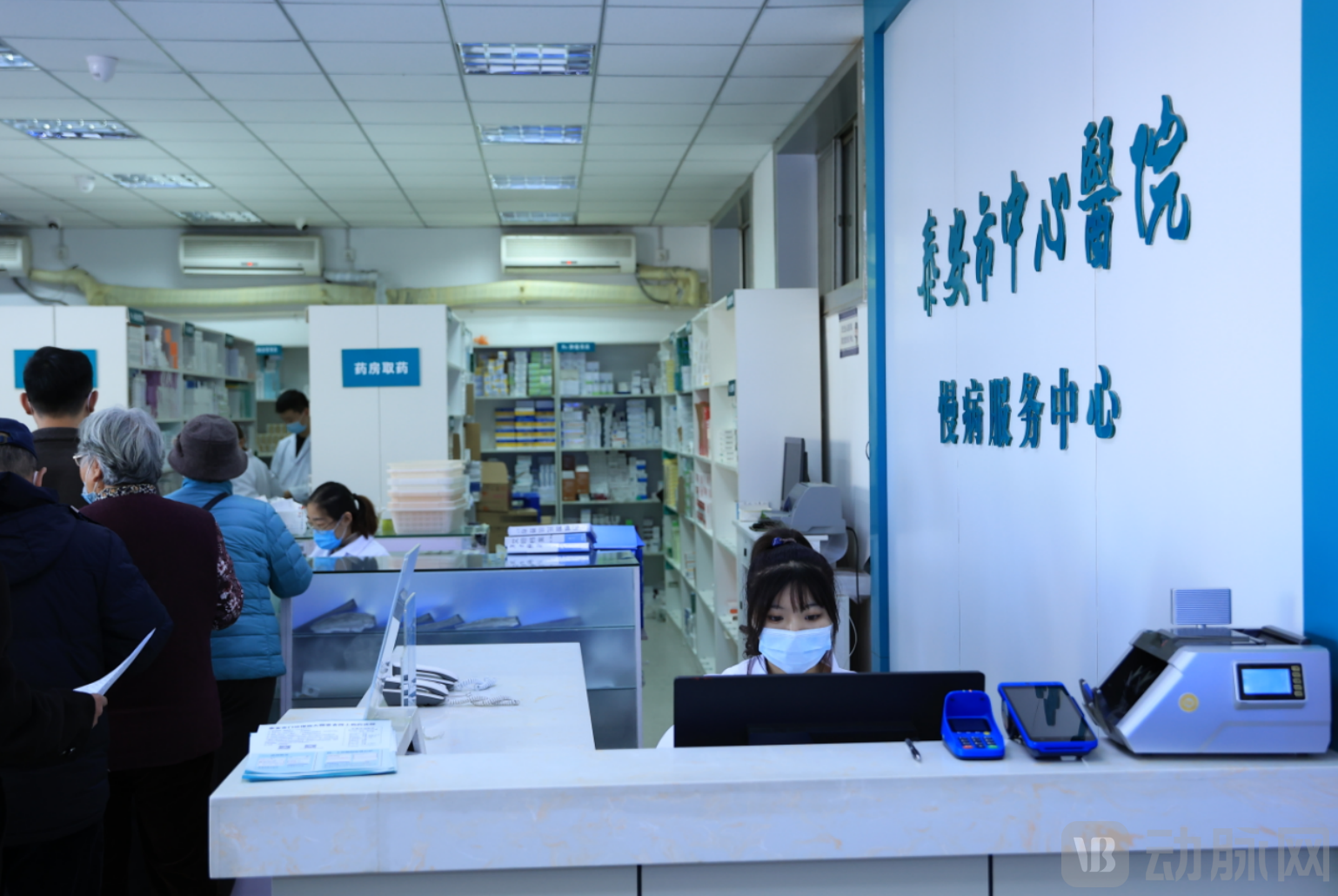
The “Tai’an Model” has garnered high recognition from local governments and the public. Seizing this opportunity, WeDoctor’s “Digital Health Community” initiative began to be progressively replicated and implemented across 16 prefecture-level cities in Shandong Province, spearheading the establishment of the “dual platforms”: the Shandong Internet General Health Platform and the Shandong Internet Traditional Chinese Medicine Trading Platform.
In April 2020, WeDoctor, together with Jinan High-Tech Holdings and other institutions, jointly launched the Shandong Provincial Internet Big Health Service Platform. The platform now covers all 16 prefecture-level cities across the province, having provided a cumulative total of 18 million services to insured individuals and nearly 2 million services to patients with chronic diseases. To date, approximately 50 digital chronic disease management centers have been established in cities such as Jinan, Tai’an, and Weifang, delivering continuous digital chronic disease management services that integrate in-hospital and out-of-hospital care, as well as online and offline support.
Leveraging digitalization as a key enabler, WeDoctor has fostered collaboration among medical, pharmaceutical, insurance, elderly care, and financial institutions in Jinan. WeDoctor invested in establishing the Shandong Bianque Traditional Chinese Medicine (TCM) Health Industry Group. In July 2020, the Shandong Provincial Healthcare Security Administration, together with the healthcare security administrations of twelve other provinces, autonomous regions, and municipalities—including Tianjin and Inner Mongolia—initiated the formation of China’s first inter-provincial alliance for the procurement of traditional Chinese medicines (and medicinal materials). Relying on the Shandong Internet Trading Center for Traditional Chinese Medicines (and Medicinal Materials), the alliance has pioneered innovative trading mechanisms for these products. By integrating upstream resources from cultivation bases and production areas, it ensures direct supply of authentic medicinal herbs and refined decoction pieces. Downstream, leveraging TCM medical consortia, it promotes the large-scale industrialization of TCM product series and in-hospital preparations. This “one body, two wings” strategy achieves a closed-loop layout across the entire TCM industry chain.
Media reports indicate that WeDoctor previously secured a financing round exceeding RMB 1 billion, led by a state-owned industrial investment fund from Shandong Province. Evidently, the multiple values generated by WeDoctor’s Digital Health Community initiatives in Shandong—particularly in serving public welfare, aggregating industry resources, and demonstrating scalability—have made it a “preferred choice” for investment by local state-owned industrial funds.
Recently, Jinan, the capital city of Shandong Province, announced a partnership with WeDoctor to promote the upgrade and enhancement of the “Digital Health Community” in Shandong by establishing two platforms: an internet-based comprehensive health platform and an internet-based traditional Chinese medicine (TCM) trading platform. Industry analysts suggest that this agreement may further expand the scope and depth of cooperation between Jinan and WeDoctor. With favorable local industrial policies, WeDoctor can further improve the construction of its “dual-platform” system in Shandong Province and accelerate the integration and upgrading of its existing Digital Health Community services.
What are the business model and development prospects of the “Digital Health Community” following its comprehensive upgrade in Shandong? A glimpse can be gained by referencing WeDoctor’s relatively mature “Tianjin Model” for its Digital Health Community.
In early 2020, the Tianjin Municipal People’s Government and WeDoctor signed the “Strategic Cooperation Agreement on Digital Health.” Under the leadership of the Tianjin Municipal Health Commission, WeDoctor General Hospital in Tianjin took the lead in collaborating with 266 primary healthcare institutions across the city to jointly establish the “Tianjin Primary Care Digital Health Community.” During the development of the Tianjin Digital Health Community, WeDoctor fully demonstrated its accumulated digital technologies and integrated service capabilities by implementing a three-tier system through a three-stage approach: First, it established a digital and intensive service system to improve the efficiency of medical resource utilization; simultaneously, it built a standardized and integrated service system to enhance the capacity of primary healthcare services; furthermore, it introduced a performance-based payment health accountability mechanism to boost the motivation of primary care physicians.
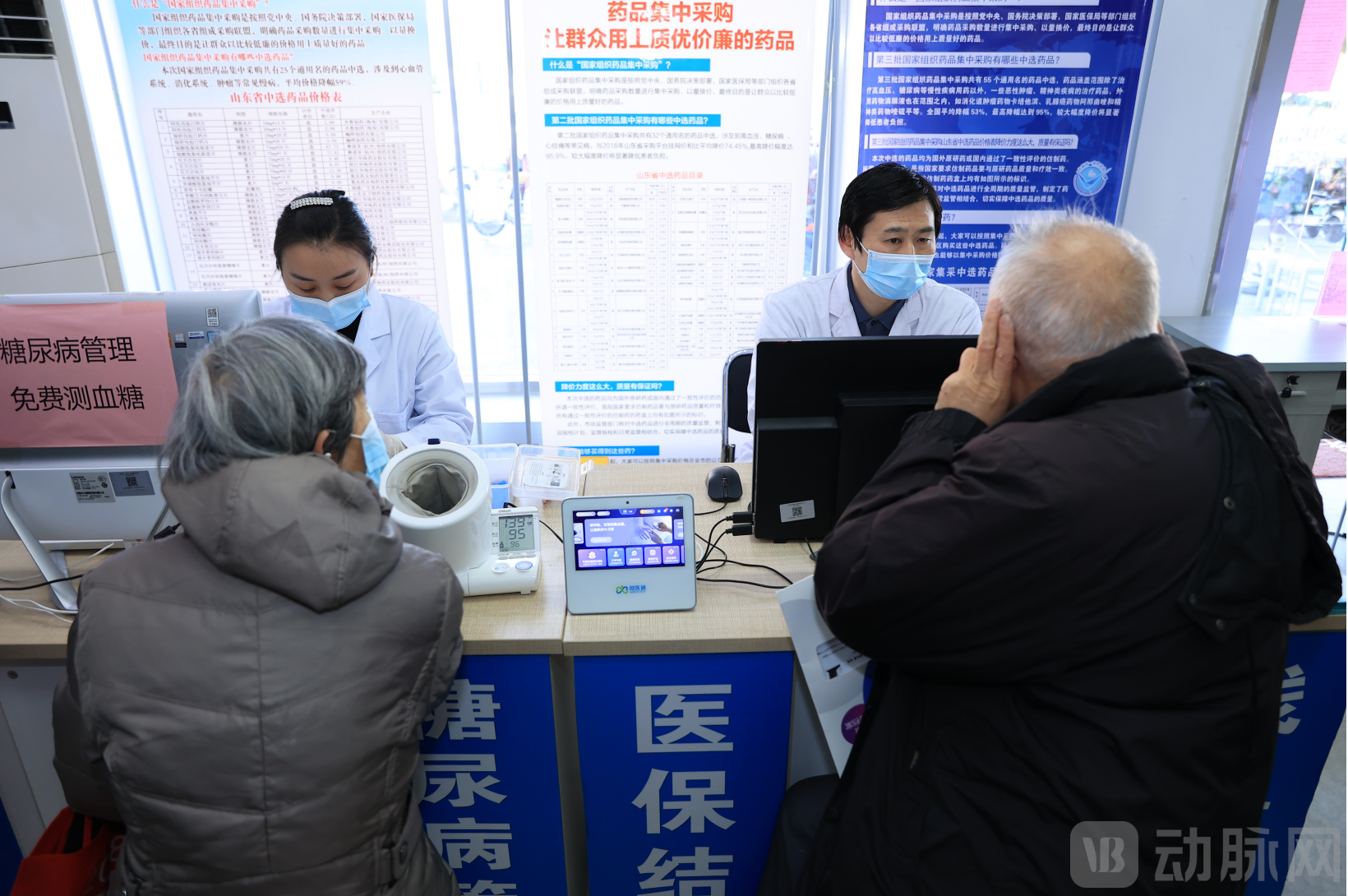
After 30 months of construction and operation, the Tianjin Digital Health Consortium has delivered impressive results on three key operational “hard metrics”: patient health outcomes, physician income, and hospital outpatient volume. Taking diabetes management as an example, the consortium is currently providing comprehensive digital management services to more than 400,000 diabetic patients across Tianjin. The rate of standardized management among patients at pilot hospitals within the consortium reached 76.68%. For patients enrolled in demonstration-level chronic disease management for more than three months, the blood glucose control rate was 13.5 percentage points higher than that of unmanaged patients. Moreover, primary care hospitals that have implemented capitation-based payment models have achieved medical insurance fund surpluses ranging from 16% to 31%.
From the perspective of commercial value, which is the market’s primary focus, the Tianjin Digital Healthcare Community has also demonstrated explosive growth. Currently, the daily outpatient volume of the Healthcare Community exceeds 10,000 visits, with monthly revenue surpassing RMB 100 million. This means that within a medical insurance pooling area covering approximately 10 million insured individuals, the Healthcare Community has achieved a daily patient volume comparable to that of large tertiary hospitals (10,000 visits) within 30 months, while achieving an annual ARPU (Average Revenue Per User) of RMB 100.
With a population of over 100 million across its 16 prefecture-level cities, Shandong is seven to eight times the size of Tianjin, which has a population of approximately 14 million. From this perspective, a simple estimation suggests that if the “Tianjin Model” were replicated in Shandong, the Digital Health Community would undoubtedly unlock a significantly larger market space. This would further expand the digital healthcare sector, leading to a multiplicative increase in both public welfare and industrial value.
On July 14, the 2022 National Teleconference on Healthcare Reform proposed further strengthening the development of national regional medical centers and medical consortia, promoting the expansion and balanced distribution of high-quality medical resources, leveraging the leading and driving role of high-level hospitals, and enhancing grassroots healthcare capabilities.
In light of the reform measures outlined in “Document No. 2,” such as advancing the development of medical consortia, exploring capitated payment models for health insurance, and encouraging centralized volume-based procurement, it is evident that the primary direction of healthcare reform is to leverage the construction of medical consortia to promote an integrated healthcare delivery system. This shift entails transitioning from paying for medical services to paying for population health, implementing health accountability systems, and achieving comprehensive health management.
The “Digital Health Community,” a digital healthcare reform achievement jointly explored by industry, government, and other stakeholders, has demonstrated its pioneering value in driving the upgrade of healthcare service systems through tangible implementation results in practices across Tianjin, Shandong, and other regions.
In April 2022, the Cyberspace Administration of China, the Ministry of Agriculture and Rural Affairs, the National Development and Reform Commission, the Ministry of Industry and Information Technology, and the National Administration for Rural Revitalization jointly issued the “Key Points for Digital Village Development in 2022,” which explicitly stated under the key tasks for developing “Internet + Healthcare” that “localities should be guided to explore the construction of grassroots digital health communities.” This marks the first appearance of the term “grassroots digital health community” in a document issued by national ministries and commissions.
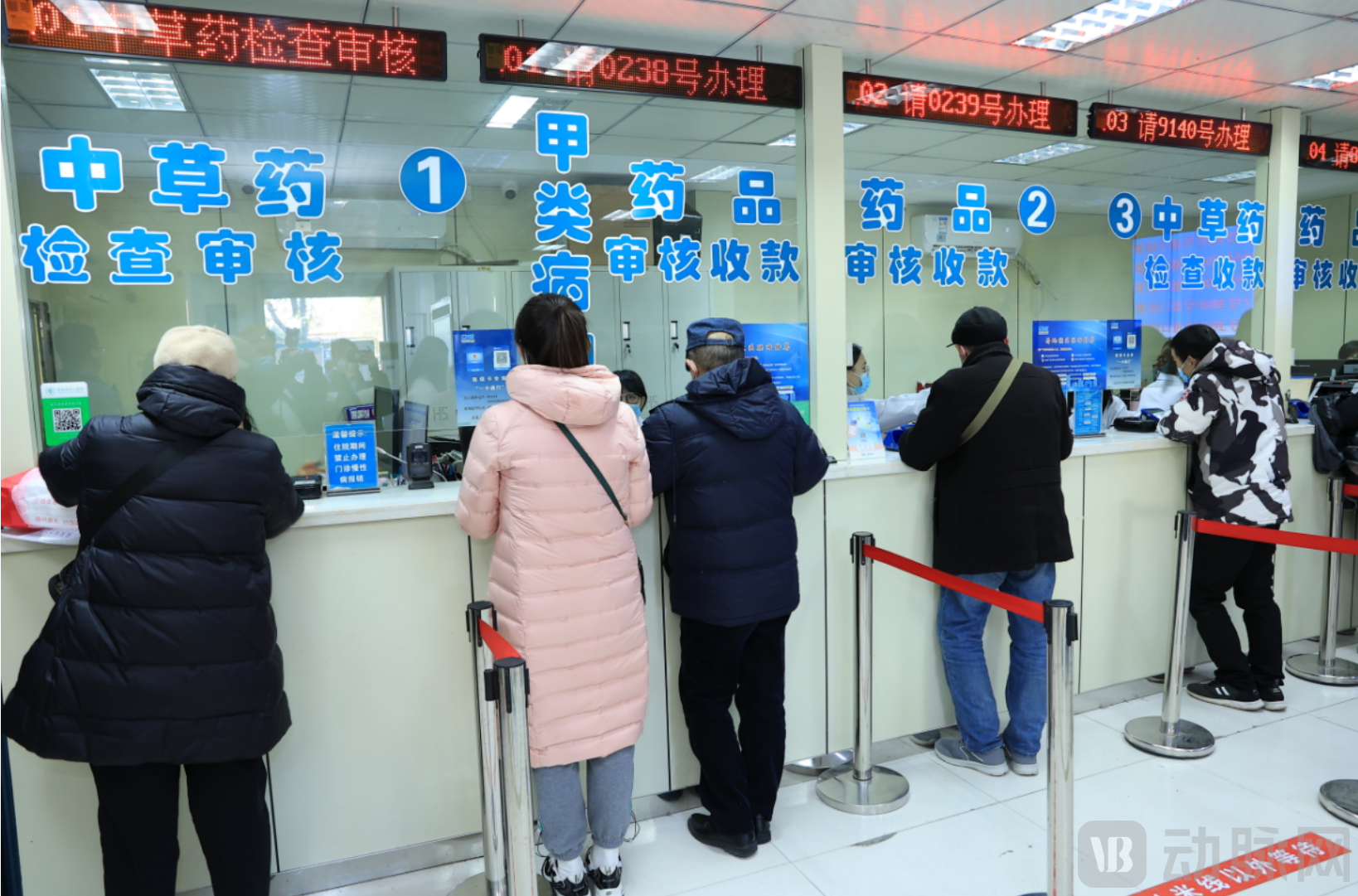
The public welfare and industrial value of the Digital Health Community is gaining recognition from multiple stakeholders. Reports indicate that state-owned industrial investment funds in various regions are engaging in negotiations with WeDoctor, aiming to accelerate the integration of digital medical platforms with local healthcare service systems through a "capital + industry" collaborative model. This initiative seeks to drive the development of the local digital health industry and enhance the quality of public health services.
Looking back, as the Digital Health Community deepens its implementation in Shandong—a province with a population exceeding 100 million—it will not only provide residents with higher-quality, accessible digital medical services and establish a highland for the digital health industry, but also generate a more significant demonstration effect for reform.
Driven by policy support, capital investment, and local governments, WeDoctor’s “Digital Health Community” business is poised to accelerate its scaled replication and implementation across China, from Tianjin and Shandong to Fujian and Shanghai.