

2022 Global Digital Economy Conference Digital Healthcare Forum Successfully Held, Launches 'Beijing Initiative for Digital Healthcare'
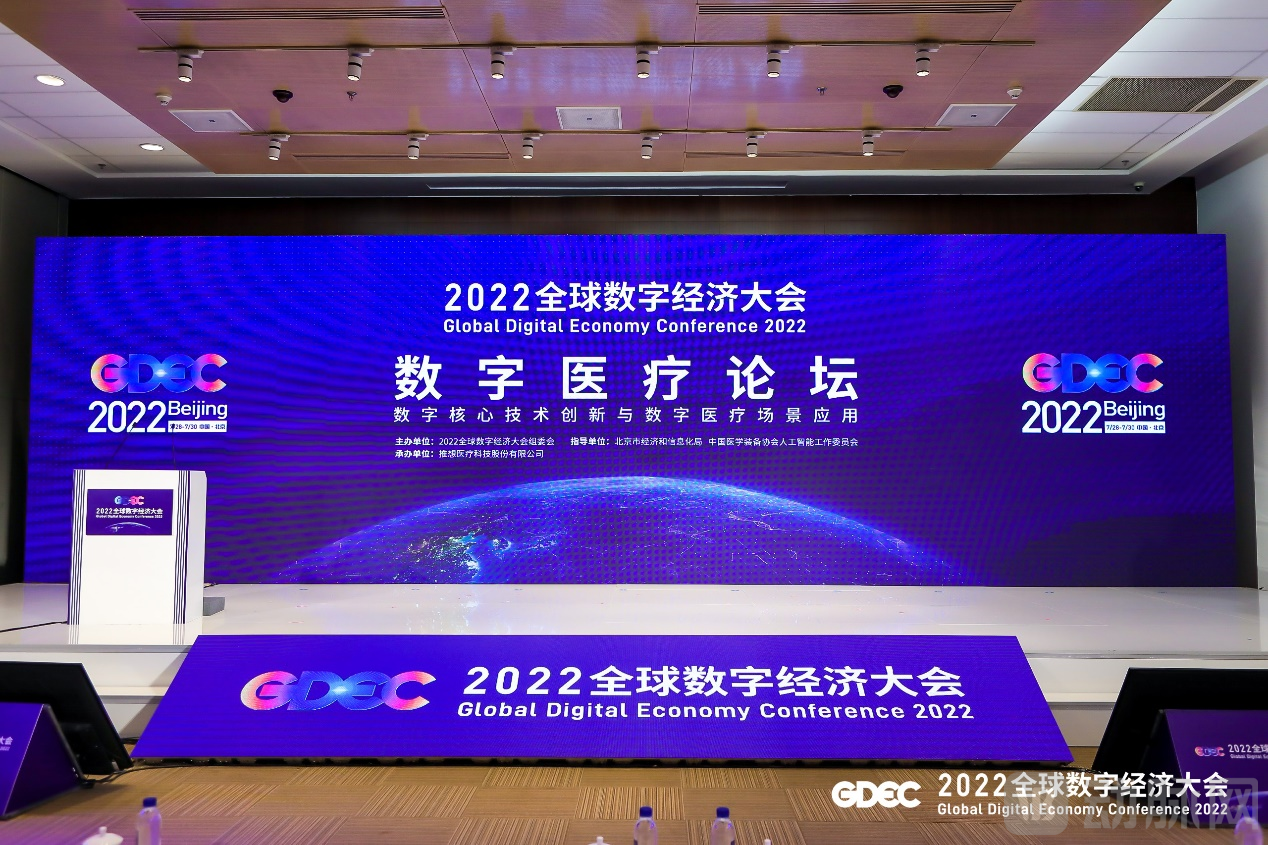
On July 29, the Digital Healthcare Forum of the 2022 Global Digital Economy Conference, themed “Innovation in Core Digital Technologies and Application Scenarios in Digital Healthcare,” was successfully held. This premier event fostered the exchange of ideas, sharing of insights, and collaborative planning for the future, injecting new vitality into the innovative development of the digital healthcare industry.
On July 29, the Digital Healthcare Forum of the 2022 Global Digital Economy Conference, themed “Innovation in Core Digital Technologies and Application Scenarios in Digital Healthcare,” was successfully held. This premier event facilitated the exchange of ideas, sharing of insights, and collaborative planning for the future and development of the digital healthcare sector, injecting new vitality into its innovative growth. The forum was organized by the Organizing Committee of the 2022 Global Digital Economy Conference, under the guidance of the Beijing Municipal Bureau of Economy and Information Technology and the Artificial Intelligence Working Committee of the China Medical Equipment Association, and hosted by Infervision Technology Co., Ltd. Distinguished guests from government bodies, industry associations, expert communities, innovative enterprises, and media outlets were invited, attracting nearly 10,000 professional attendees both online and offline. During the event, participating leaders and guests jointly released the “Beijing Initiative on Digital Healthcare,” which calls for leveraging Beijing’s first-mover advantages in the field to foster collaboration and promote the healthy, innovative, and coordinated development of digital healthcare.
A Historic Opportunity for Digital Health: Accelerating Industry Development Is Urgent
Sun Xianze, Vice Chairman of the National Committee of the Chinese People's Political Consultative Conference’s Committee on Education, Science, Health, and Sports, and President of the Chinese Pharmaceutical Association; Mao Qun’an, Director of the Department of Planning, Development, and Informatization of the National Health Commission; Wang Lixun, Deputy Director of the Beijing Municipal Bureau of Economy and Information Technology; and Sun Deyao, Deputy Director of the Beijing Municipal Healthcare Security Administration, attended the forum and delivered speeches.
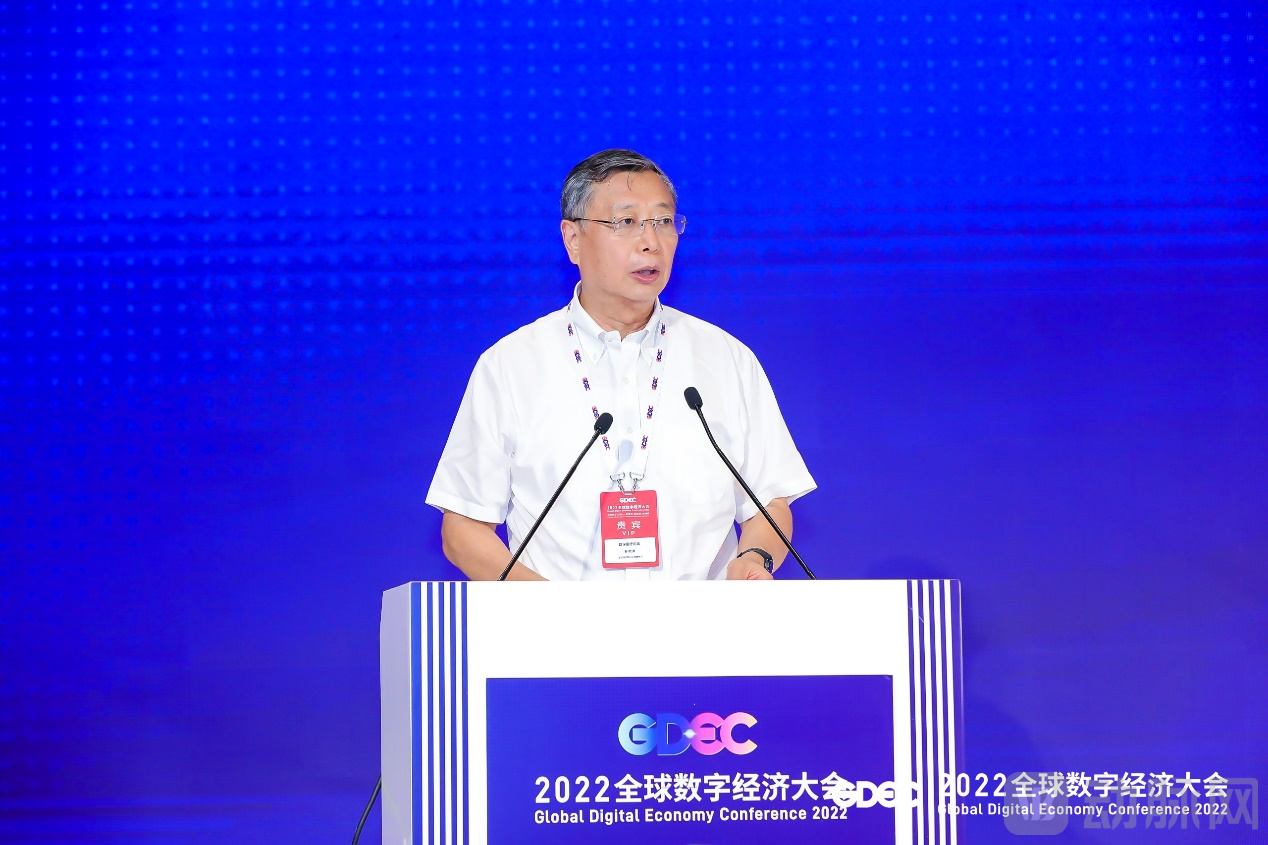
In his opening remarks, Director Sun Xianze stated that we should seize the historic opportunity presented by the Digital Healthcare Forum of the Global Digital Economy Conference to vigorously develop the digital healthcare sector. He emphasized the need to build a collaborative platform integrating industry, academia, research, and application; accelerate the commercialization of core technological achievements; drive the digital transformation and upgrading of enterprises; improve the utilization efficiency of high-quality medical resources; better benefit patients; and achieve high-quality development of China’s digital healthcare industry.

Director-General Mao Qun'an pointed out in his address,The National Health Commission attaches great importance to technologies such as artificial intelligence and 5G, and is systematically promoting the application of next-generation information technologies in the healthcare and health sectors.During the 14th Five-Year Plan period, the National Health Commission has vigorously promoted the standardized development of digital healthcare and digital health—ensuring regulation amidst growth and development within a regulated framework—thereby providing strong momentum for building a high-quality and efficient medical and health service system to fully implement the Healthy China Strategy.
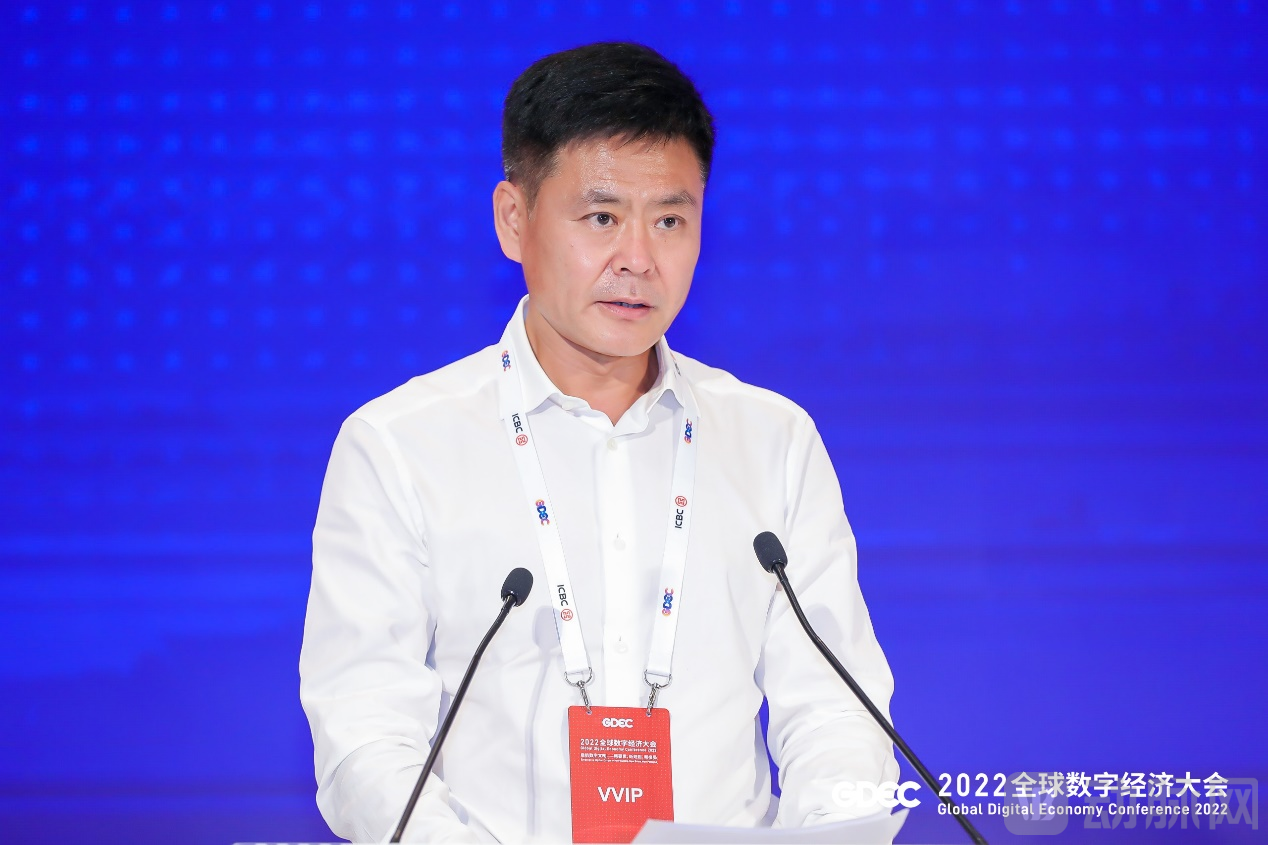
Deputy Director Wang Lixun, in his address, introduced Beijing’s coordinated efforts to advance the benchmark project for cross-system digital healthcare.Launch pilot programs for “Electronic Medical Imaging + Artificial Intelligence” and “Hospital + Internet,” and accelerate the adoption of innovative digital health products into hospitals and their inclusion in medical insurance coverage., prioritizing the cultivation of an industrial ecosystem and the creation of a closed-loop industry chain, while actively exploring a digital health development pathway with distinct Beijing characteristics.
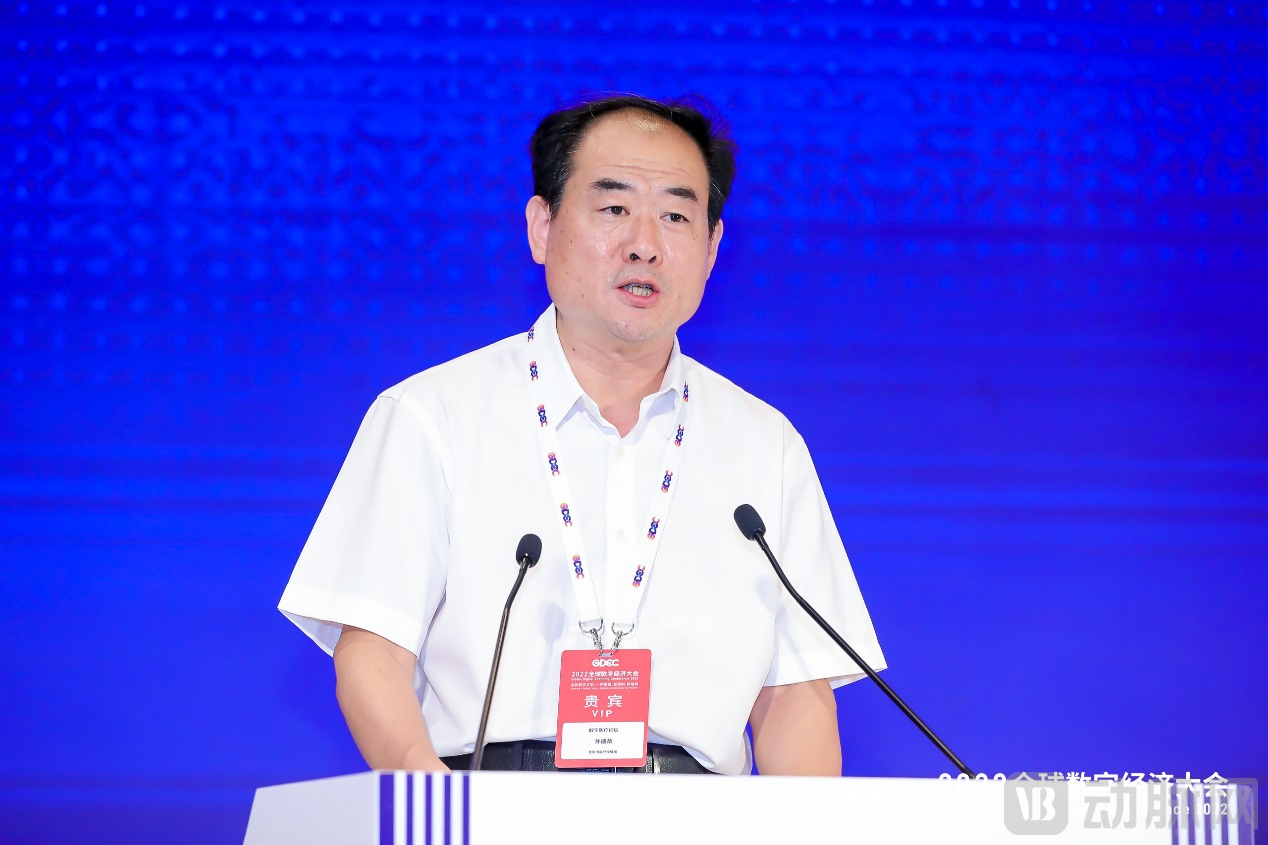
Deputy Director Sun Deyao, in his opening remarks, encouraged the attending experts and representatives of sci-tech innovation enterprises,We must consistently prioritize patients' interests, continuously innovate in the field of digital health, and steadily enhance diagnostic and therapeutic capabilities as well as the quality of medical services.Contribute to the further enhancement of medical service capacity and healthcare security levels in the capital.
“Beijing Initiative on Digital Healthcare” Released: Three “Adherences” to Drive High-Quality Industry Development
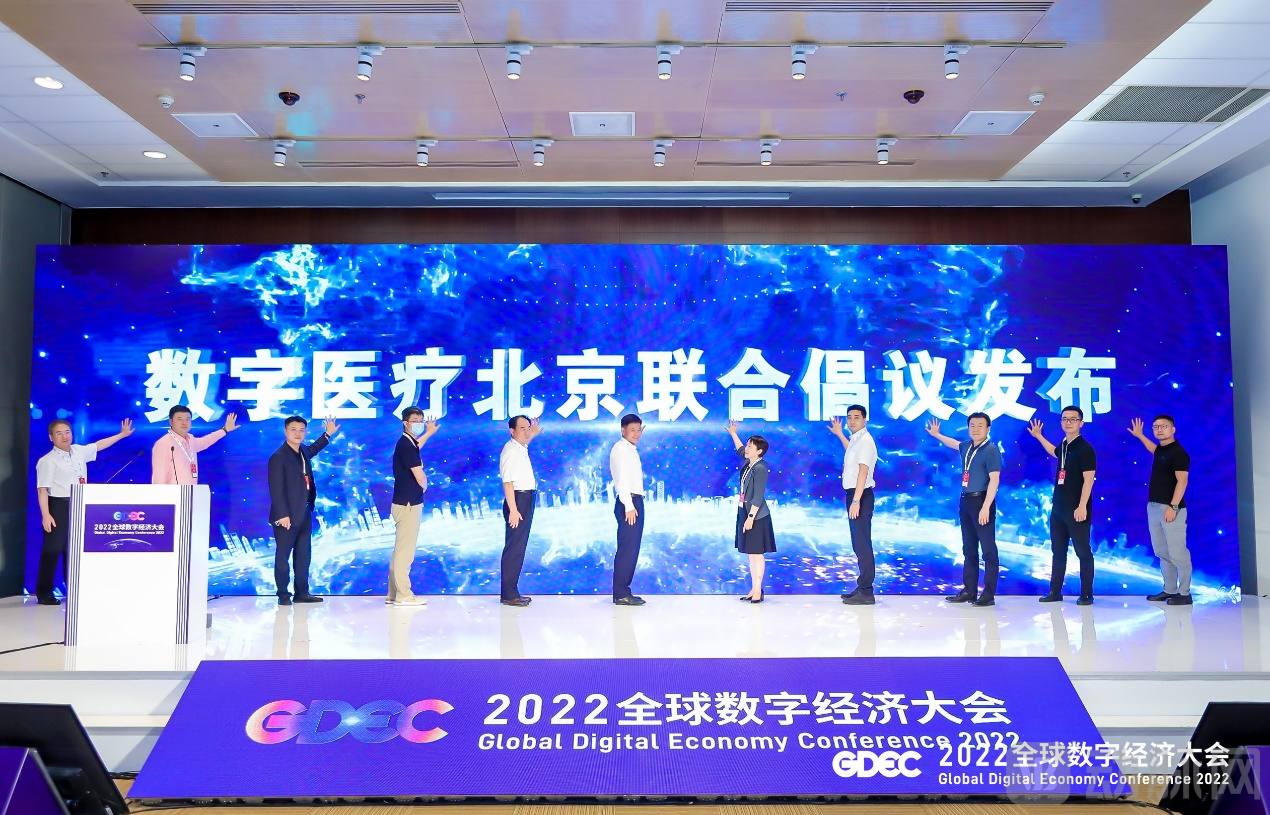
As a national pioneer in the digital economy and an innovation hub for the pharmaceutical and health industries, Beijing has not only gathered globally leading digital technology sectors such as artificial intelligence, big data, and blockchain, but also boasts China’s most abundant medical resources along with a solid foundation in biopharmaceuticals and intelligent manufacturing. With its first-mover advantage in the field of digital healthcare, Beijing should play a more significant role in demonstrating and guiding the development of digital healthcare across China. To actively promote the advancement of digital healthcare, the Beijing Municipal Bureau of Economy and Information Technology, together with various industry stakeholders, jointly issued the “Beijing Initiative on Digital Healthcare” during this forum, calling for collaborative efforts to foster the healthy, innovative, and coordinated development of digital healthcare.
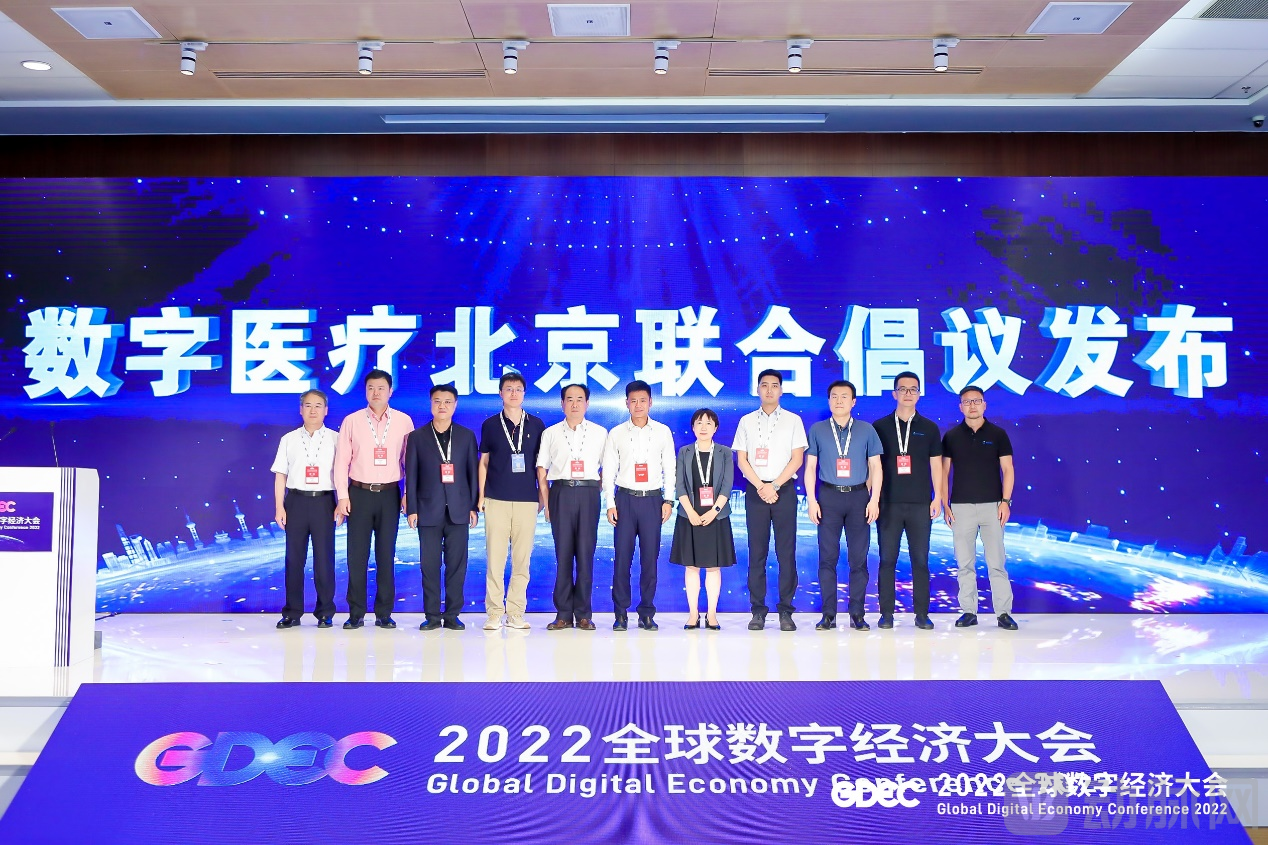
“Beijing Initiative on Digital Health” centers on three “adherences.” First, adhere to a patient-centered approach, focusing on advancing the modernization of diagnosis and treatment capabilities, supporting high-level operational efficiency in healthcare institutions, and strictly safeguarding personal information. Second, adhere to an ecosystem-driven strategy, focusing on building an industrial ecosystem with multi-party participation from healthcare institutions, innovative enterprises, and research institutes, as well as establishing an industrial hierarchy led by leading companies. Third, adhere to the goal of excellence, focusing on benchmark projects for “cross-system digital health,” formulating best-in-class policies, and cultivating a premier brand. By jointly promoting the implementation of the Beijing Initiative on Digital Health, all stakeholders in the ecosystem will make unremitting efforts toward high-quality industry development and the construction of Healthy China.
Summit Dialogue on Industry Wisdom: Sparking the Future of AI in Digital Healthcare
Renowned experts and corporate guests at the conference, in the subsequent keynote speech session, discussedCurrent Status and Development Trends of Digital Health: From Imaging Departments to Smart Hospital Management, and the Rapid Evolution and Global Adoption of Artificial Intelligenceand other topics, bringing the industry's most cutting-edge insights and knowledge sharing.
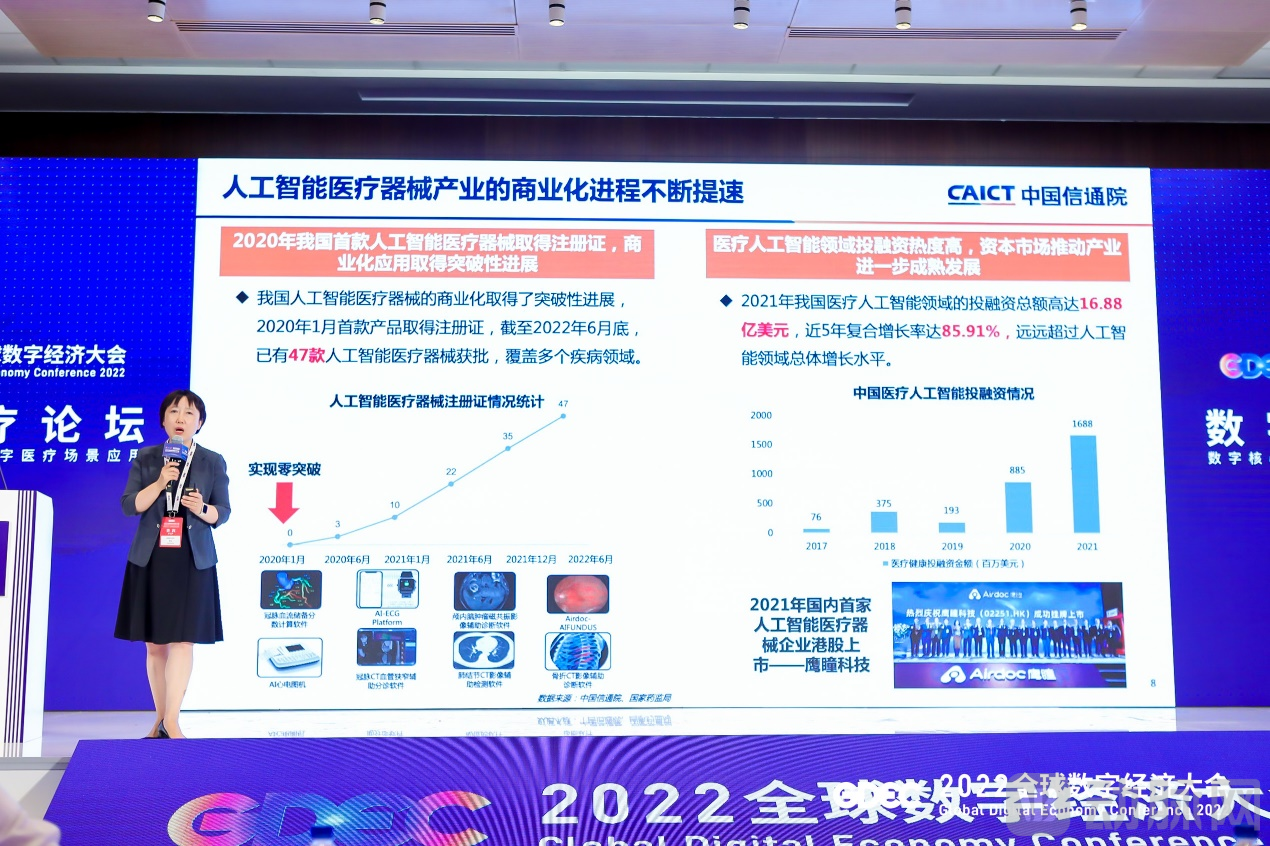 Wang Aihua, Deputy Chief Engineer of the China Academy of Information and Communications Technology (CAICT), Shares Insights on “Current Status of AI Medical Device Development”
Wang Aihua stated that, driven by technological advancements and substantial demand, the digital and intelligent transformation of the medical device industry is urgently needed. To this end, the Ministry of Industry and Information Technology (MIIT) and the National Medical Products Administration (NMPA) jointly issued the "Notice on Organizing the Unveiling of Artificial Intelligence Medical Device Innovation Tasks," selecting a group of entities with strong innovation capabilities to conduct focused research and promote the innovative development of AI-enabled medical devices. In advancing this initiative, the China Academy of Information and Communications Technology (CAICT) has played a core role. Meanwhile, the ecosystem for the AI medical device industry is gradually improving, which constitutes a significant benefit for the sector, enabling more evidence-based refinement of products.
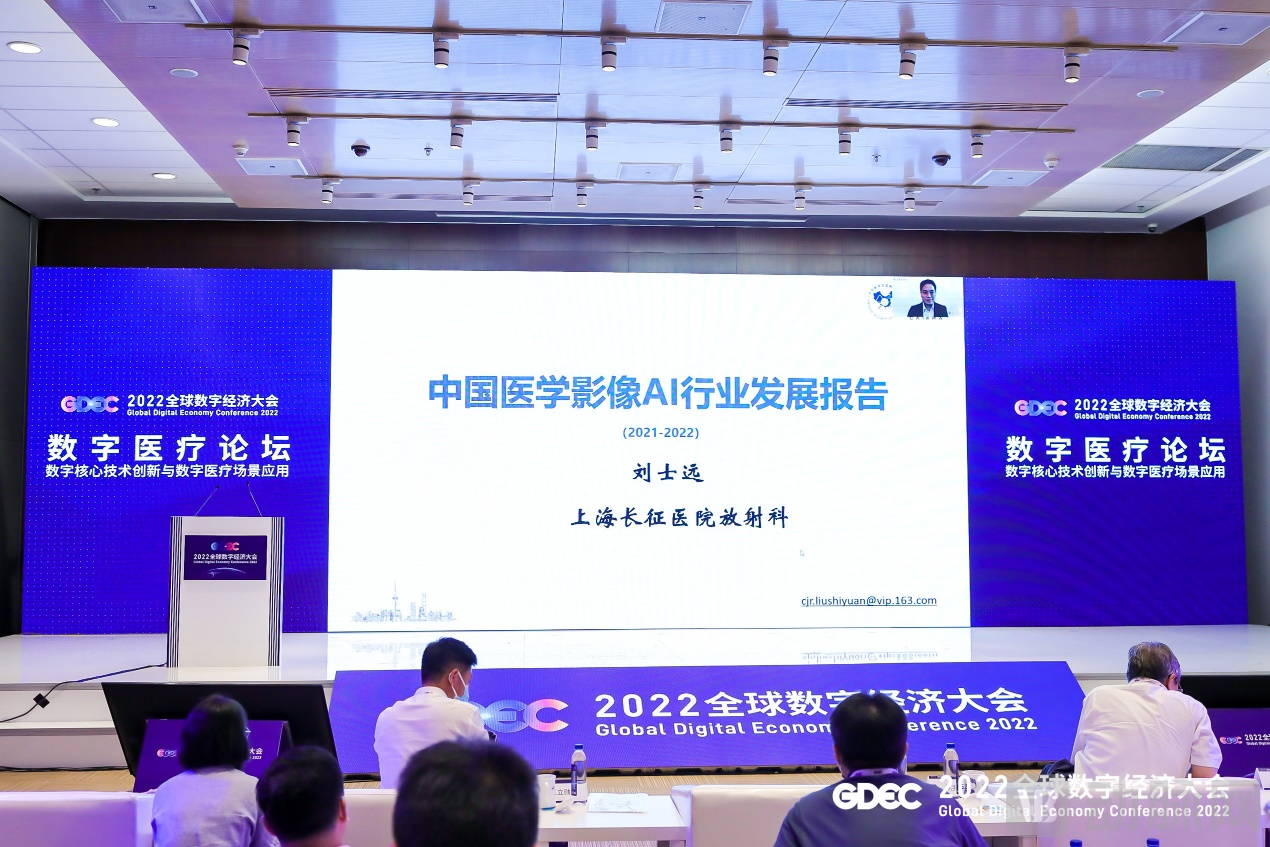
Director Liu Shiyuan, Chairman of the Chinese Society of Radiology and President of the China Medical Imaging AI Industry-Academia-Research-Application Innovation Alliance, provided an exciting preview and interpretation of key highlights from the “2021–2022 Report on the Development of China’s Medical Imaging AI Industry,” scheduled for release in September.
Liu Shiyuan stated that the current development of medical imaging AI in China is healthy and positive. Policy support and capital investment are actively driving the advancement of medical AI, with an increasing number of products being applied in clinical settings. Currently, more than 30 medical imaging AI products have obtained Class III registration certificates from the National Medical Products Administration (NMPA), and some enterprises have also secured FDA and CE certifications, expanding into overseas markets. Furthermore, multiple regions have approved reimbursement for AI services, gradually realizing commercial implementation. Finally, comprehensive breakthroughs in scientific research have been achieved, with China ranking first globally in both academic publications and patents. This demonstrates that the Chinese medical imaging AI market holds vast potential and a promising future.
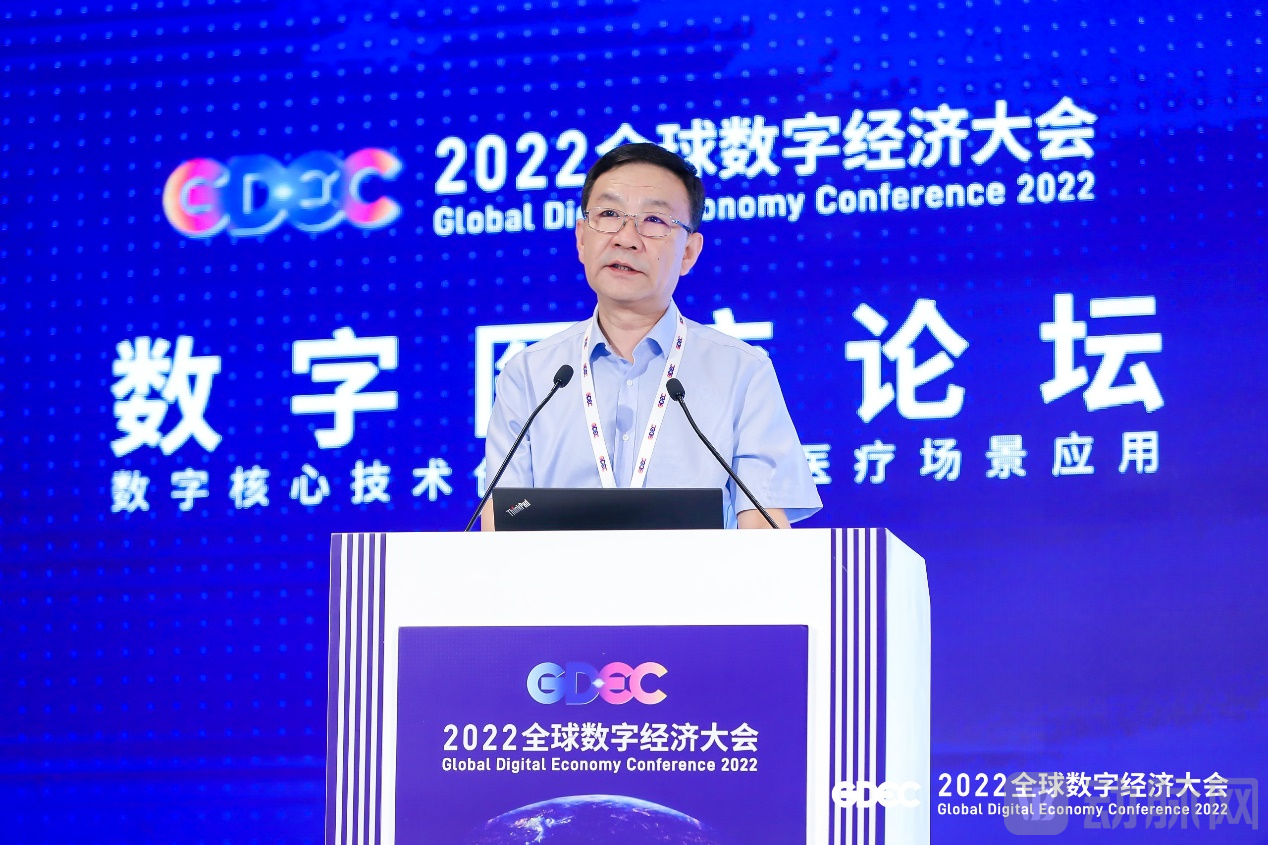
Professor He Kunlun of the Chinese People's Liberation Army General Hospital outlined the future development direction of smart hospitals from the perspective of how digital healthcare can be integrated into hospital management and services.
He Kunlun stated that hospital informatization has undergone three stages: digitization, informatization, and intelligentization. Currently, there is a very strong demand for smart healthcare. First, multi-level connectivity and cross-domain collaboration should be achieved to enable data sharing and coordination. Second, the construction of standardized, collaborative, process-oriented, and intelligent systems should facilitate the aggregation and symbiotic intelligence of medical data. Third, technologies such as big data, cloud computing, and artificial intelligence should be leveraged to unlock the potential of healthcare systems, extending medical services to grassroots levels and remote, border, ethnic minority, and impoverished areas, thereby serving a broader population. Fourth, it is essential to accelerate the development of an independent and controllable industrial ecosystem and comprehensively build a reliable security system that provides robust safeguards.
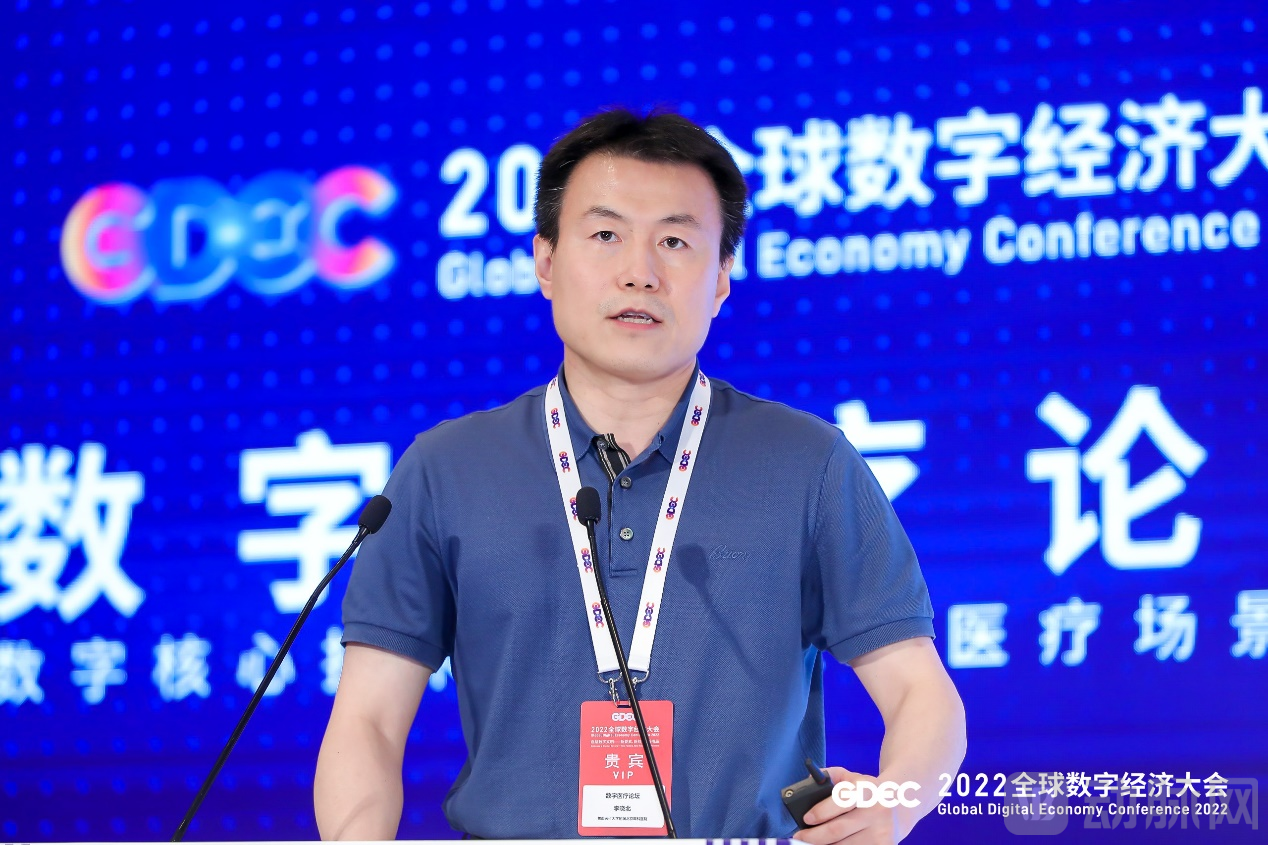
President Li Xiaobei of Beijing Chest Hospital, Capital Medical University, shared insights on “Digital Smart Healthcare Empowering High-Quality Hospital Development.” How can public hospitals achieve quality improvement and efficiency enhancement in their high-quality development? President Li believes that a key measure is to gain access to more avenues and tools, thereby further enriching traditional healthcare models.
Li Xiaobei stated that establishing a new benchmark for the construction of digital smart hospitals in the Beijing Municipal Administrative Center is currently a key priority for Beijing Chest Hospital. As the first hospital in the Administrative Center to obtain qualifications for an internet hospital, it aims to empower the entire care pathway for thoracic diseases with innovative artificial intelligence (AI) products, and to rapidly establish an AI-based diagnosis and treatment system along with a platform for promotion and application. To this end, Beijing Chest Hospital has entered into in-depth collaboration with Infervision, focusing on thoracic imaging to leverage the significant role of AI.
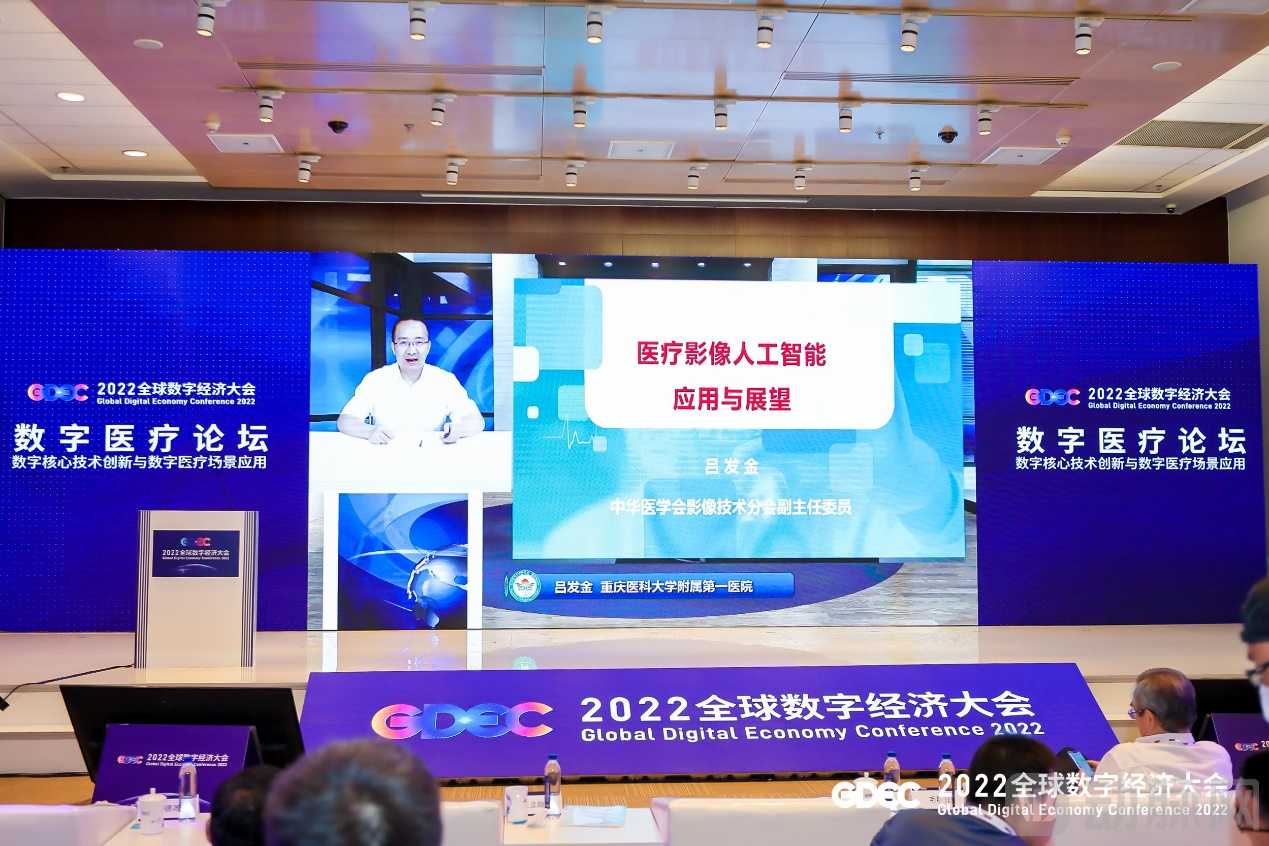
Lu Fajin, Vice Chairman of the Imaging Technology Branch of the Chinese Medical Association, Shares “Application and Prospects of Artificial Intelligence in Medical Imaging”
Lu Fajin stated that artificial intelligence has extensive applications in the medical field. Taking pulmonary nodules as an example, medical AI is playing an increasingly important role throughout the entire multi-modal workflow, including screening and detection, characterization of nodule nature, 3D modeling, preoperative assessment and planning, and postoperative follow-up. In the future, the adoption and utilization of AI will enable radiologists and entire imaging platforms to explore broader avenues of development, enhance the medical service capabilities of primary healthcare institutions, and contribute to the national implementation of tiered diagnosis and treatment.
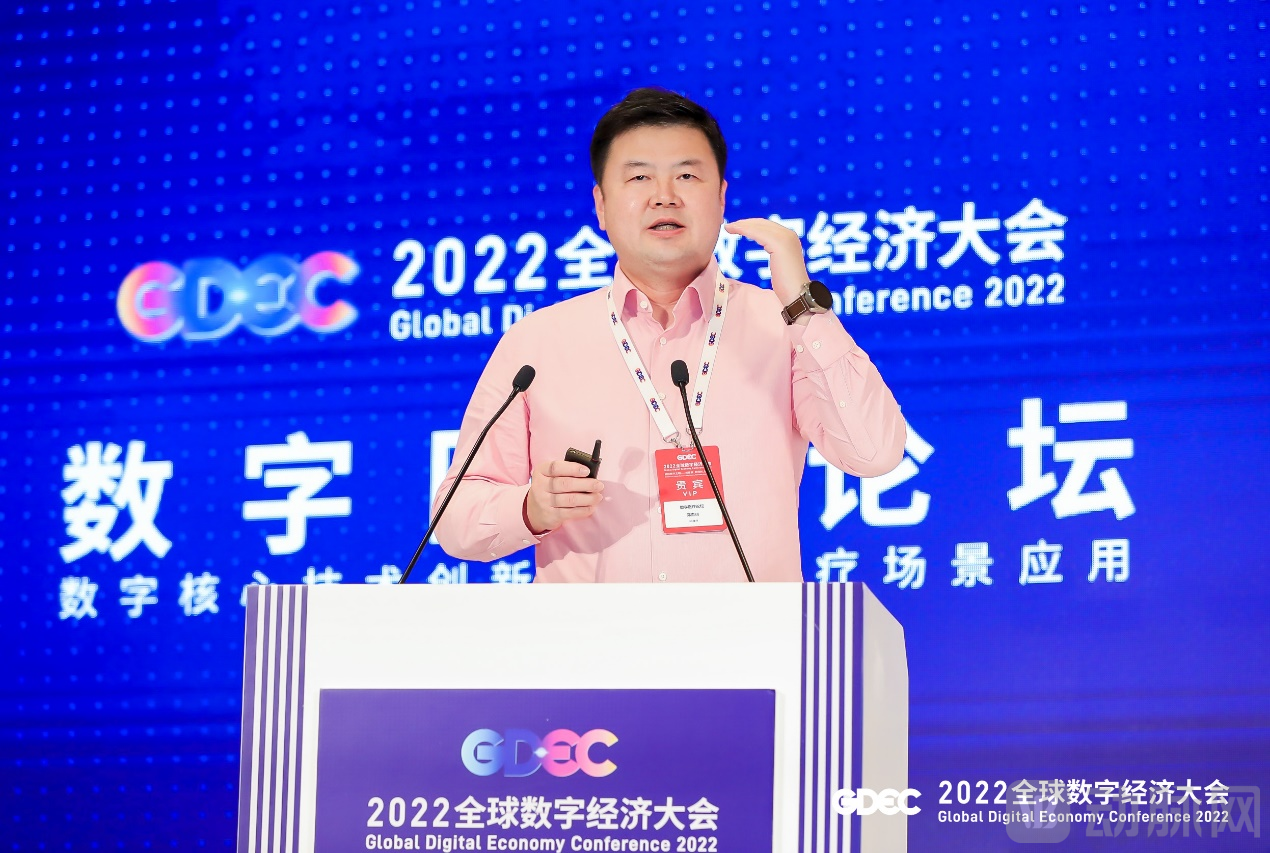
Zheng Jieming, Vice President of GE Healthcare China and General Manager of the Customer Service Business, Shared “Digital Intelligence Empowering Primary Healthcare”
Zheng Jieming stated, “As an innovator in China’s healthcare industry, GE Healthcare China is deeply committed to its three core development strategies—comprehensive localization, digital empowerment, and win-win collaboration—to drive the rapid growth of China’s healthcare sector and address the imbalance between human resources and medical resources. Meanwhile, to accelerate China’s healthcare digitalization, enhance the accessibility of medical services, and shift the focus toward prevention and early diagnosis and treatment, we are partnering with ‘specialized, refined, distinctive, and innovative’ enterprises. By focusing on county-level healthcare and leveraging digital products and solutions, we are comprehensively empowering grassroots talent development, medical asset operation and management, and the standardization of imaging services, thereby bridging the last mile toward high-quality development of primary healthcare and making greater contributions to achieving Healthy China 2030.”
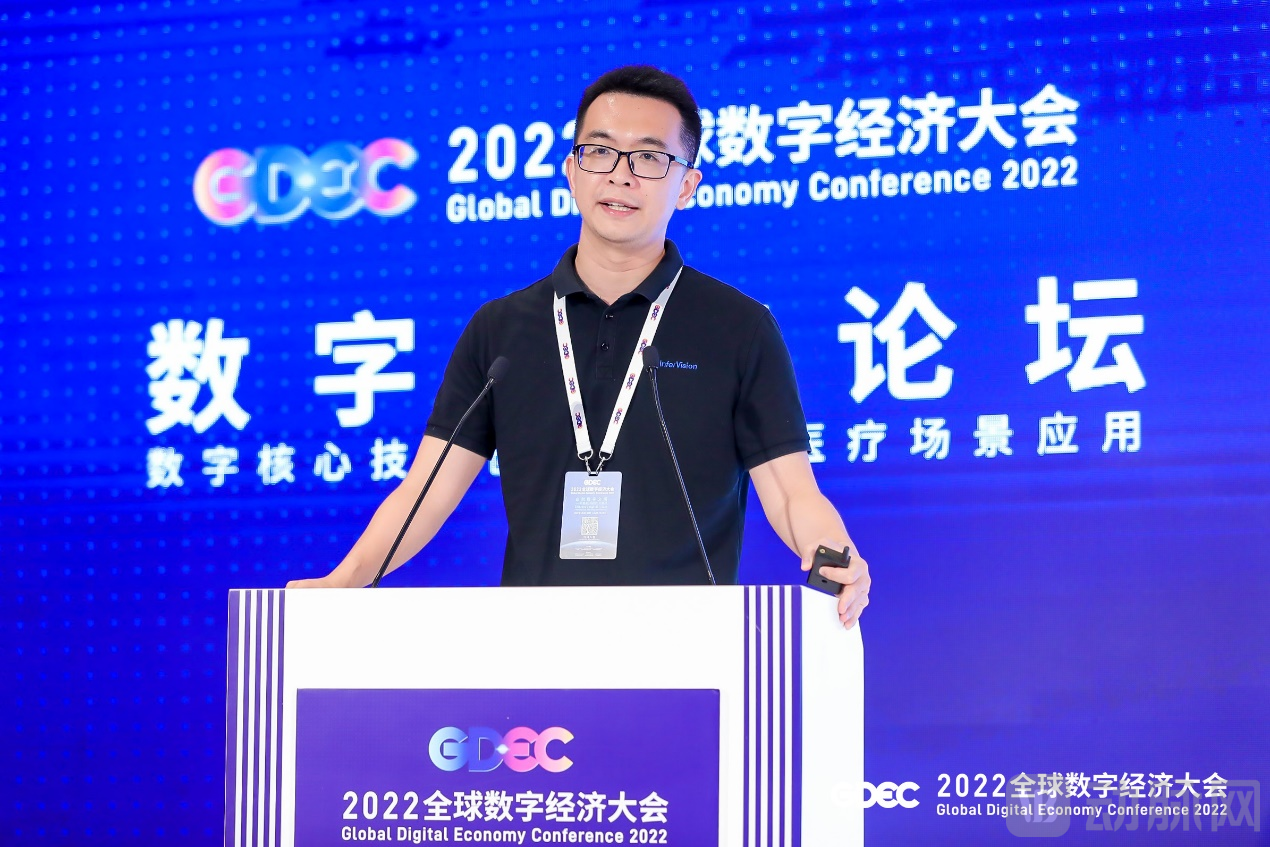
As the host of this forum and a representative of digital health innovation entrepreneurs, Chen Kuan, Founder and Chairman of Infervision, delivered the keynote speech titled “Digital Health Promotes the Building of a Global Community of Health.”
Chen Kuan introduced that artificial intelligence holds significant value and plays a crucial role in the prevention and treatment of major diseases. As an enterprise-level AI brain, it supports hospitals in achieving digital diagnosis and digital therapeutics, helping patients and doctors better realize early diagnosis and early treatment, enhancing clinical value, and reducing medical costs. In this process, artificial intelligence will cover an increasing number of disease types, ultimately achieving support and transformation across all disease categories. He stated, “The development of AI healthcare involves not only strategic layouts in the technology sector but also impacts the livelihood-critical healthcare industry. Infervision, as a leading enterprise in AI healthcare, has received strong national support. Currently, China’s artificial intelligence technology leads the world. Infervision is the only AI healthcare company approved for market access in four major markets, selected for the Joint Procurement Catalogue of Medical Devices, continuously winning European Union centralized procurements, and appointed to the WHO and ITU Study Group on Artificial Intelligence for Health, serving patients globally. As a ‘Specialized, Refined, Differential, and Innovative’ enterprise, we will continue to firmly root ourselves in China while expanding globally, promoting the building of a global community of health through digital healthcare.”
During the keynote dialogue session, Mr. Xie Zigui, Director of the Artificial Intelligence Working Committee of the China Association of Medical Equipment, invited renowned experts to jointly discuss the development and challenges of the digital health innovation ecosystem. The panelists included Dr. Yang Qi, Director of the Interventional Imaging Center, Department of Radiology, Beijing Chaoyang Hospital, Capital Medical University; Ms. Cao Yanlin, Director of the Medical and Health Legal Research Office at the Institute of Medical Information, Chinese Academy of Medical Sciences; Mr. Su Mingliang, Senior Vice President of Donghua Medical Information Technology Co., Ltd.; Mr. Zhou Da, Vice President of BioMap; and Mr. Sun Dehui, R&D Director of the Beijing Medical Robot Industry Innovation Center.

Experts shared their insights on the entire digital healthcare value chain from multiple perspectives, including product applications, laws and regulations, technological innovation, and the commercialization of innovative achievements. They engaged in in-depth discussions covering various stages such as clinical usage by physicians, regulatory compliance, product development, and the industrialization of medical devices. The vibrant exchange of ideas energized the audience and brought new perspectives to industry development.
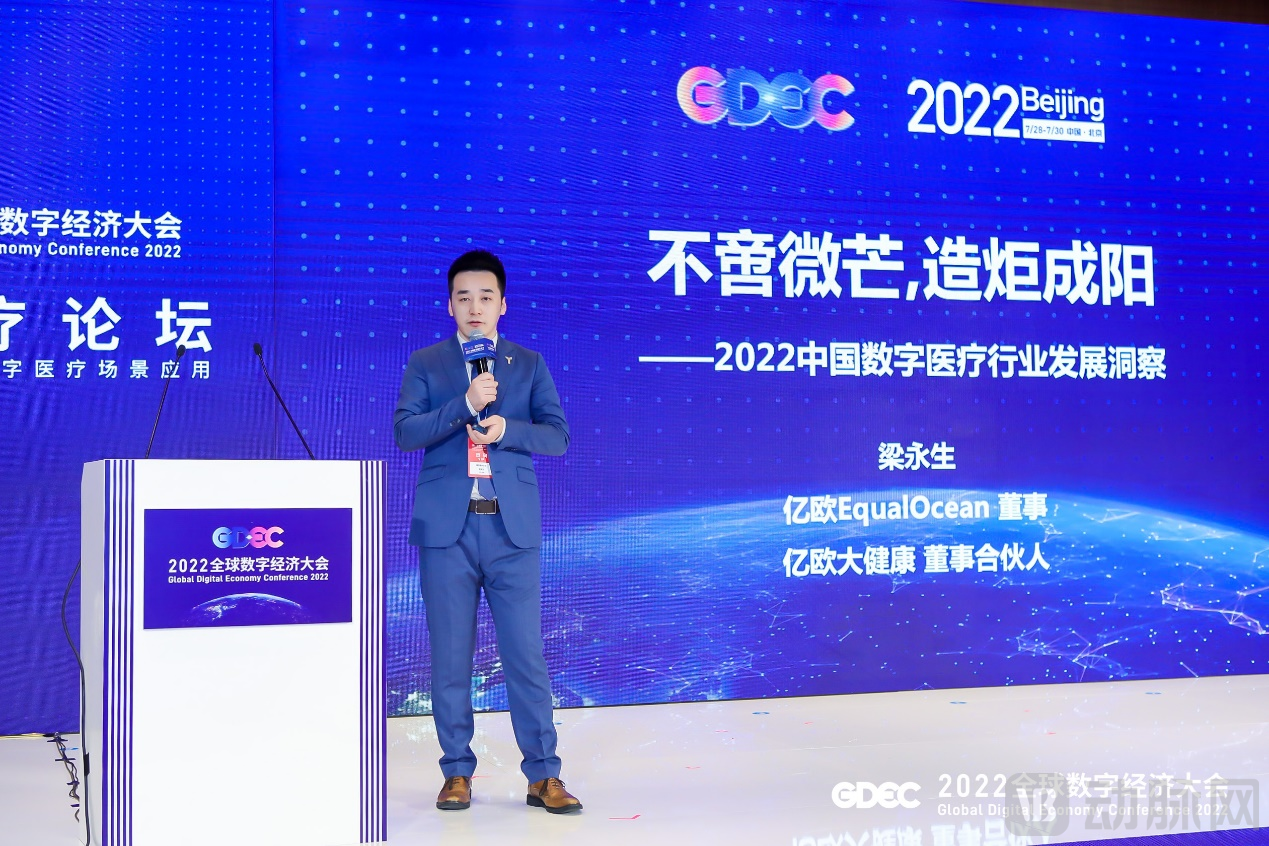
At the conclusion of the conference, Liang Yongsheng, Director of EO Intelligence and Director-Partner of EO Healthcare, presented “2022 Insights into China’s Digital Healthcare Industry.” From the perspective of a third-party industry research institution, he highlighted that while China’s digital healthcare sector is flourishing, it still faces numerous challenges. He recommended strengthening the informatization of primary healthcare, promoting the development of medical consortia, enhancing talent cultivation, advancing the integration of software and hardware, standardizing pricing to ensure fair competition, facilitating multimodal data fusion, and reinforcing process management, so that patients can truly benefit from the innovation and convenience brought by digital healthcare.
Although the digital healthcare industry is still in its early stages, the future is already here. Let us join hands, leveraging the Digital Healthcare Forum of the 2022 Global Digital Economy Conference as an opportunity and guided by the “Beijing Initiative on Digital Healthcare,” to embrace technological and industrial transformations, seize new digital opportunities, and share in the new dividends of the digital economy.