

Boshiyuan Builds a Holistic 'Nurture-Prevent-Transplant-Strengthen' Ecosystem Amid Rising Demand for Full-Cycle Hair Health Management
In 1997, Wang Chaogang returned to China with a Ph.D. in Japanese medical aesthetics and professional experience as a hair care consultant for Procter & Gamble’s Greater China region.
At that time, China’s hair health industry was still in its “infancy,” with a weak scientific research system and limited availability of related products such as shampoos and conditioners.
In this context, like many other companies, Wang Chaogang also chose hair transplantation as the entry point into the hair health industry and introduced international hair transplant techniques to China, establishing Boshiyuan.
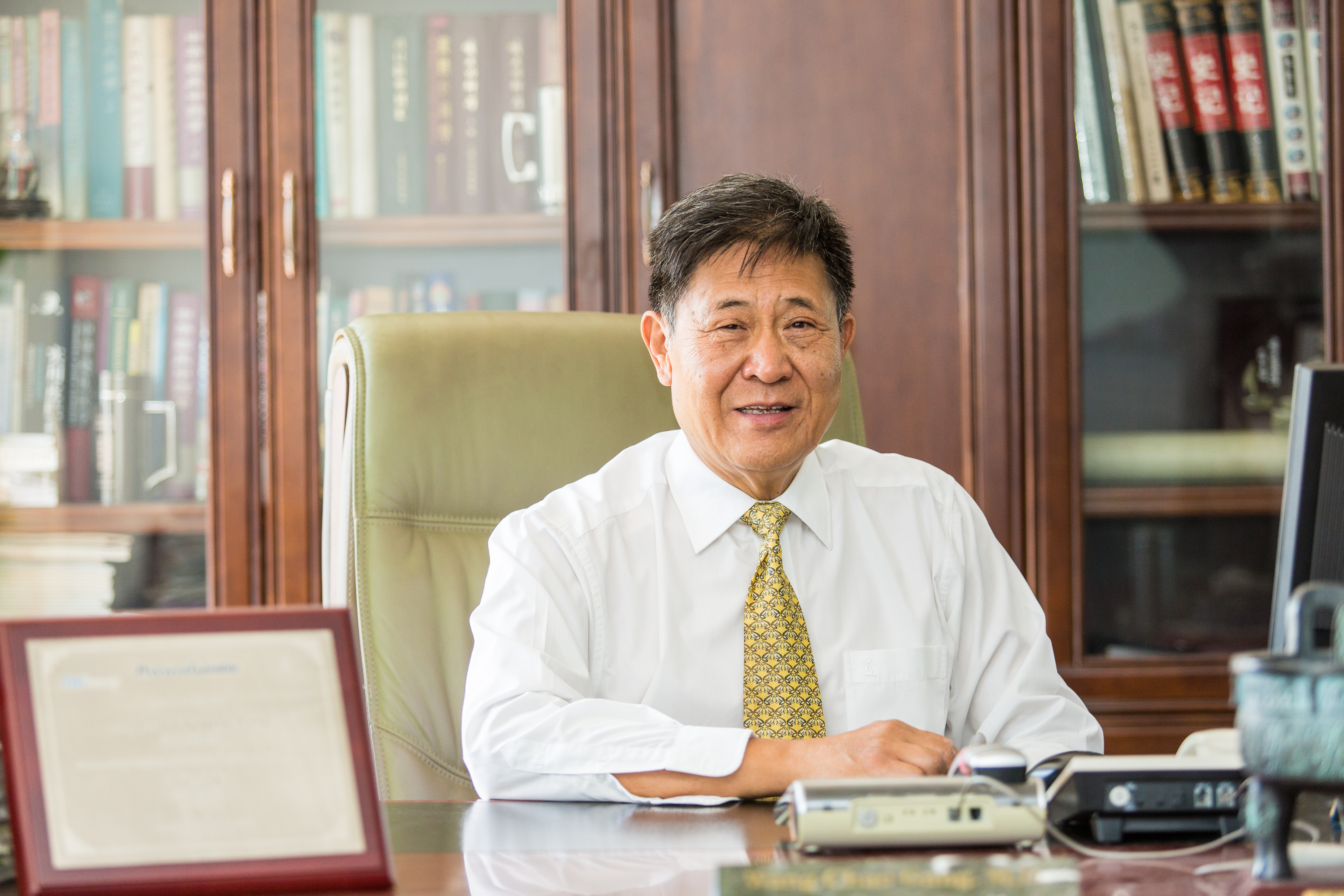
Dr. Wang Chaogang, Founder of Boshiyuan
However, the subsequent development of Boshiyuan was far from smooth. In Wang Chaogang’s own words, the company “took many detours.” It was precisely these “detours” that made Wang Chaogang recognize the limitations of hair transplantation and appreciate the importance of full-lifecycle management of hair health, leading him to pursue a development path distinct from that of other companies.
The hair transplant industry is experiencing robust growth, a judgment that indeed holds true.
Let us begin with the overall size of the industry. According to Frost & Sullivan, the market size of China’s hair medical services was RMB 18.4 billion in 2020 and is projected to grow to RMB 138.1 billion by 2030, at a compound annual growth rate (CAGR) of 22.3%.
Currently, China’s medical hair care services market primarily consists of the hair transplant services market and the medical hair maintenance and strengthening services market. The former is currently the mainstay of the overall medical hair care services market, with a market size of RMB 13.4 billion in 2020; the latter is in its initial development stage, with a market size of RMB 5 billion in 2020, less than half that of the former.
However, according to Frost & Sullivan’s forecasts, the medical hair care and maintenance market holds greater growth potential than the hair transplant services market. As indicated by the aforementioned data, the hair transplant medical services market is projected to reach RMB 75.6 billion by 2030, with a compound annual growth rate (CAGR) of 18.9%, whereas the medical hair care and maintenance services market is expected to grow at a CAGR of 28.7%, reaching RMB 62.5 billion by 2030.
In terms of compound annual growth rate (CAGR), the market for medical hair care and stabilization services has a CAGR approximately 10 percentage points higher than that of the hair transplant medical services market. Moreover, in terms of projected market size, the gap between the medical hair care and stabilization services market and the hair transplant services market is poised to narrow significantly.
Relevant companies have naturally capitalized on this trend, expanding from a singular focus on hair transplant services to a broader portfolio that includes hair transplantation, hair care, and hair stabilization. In other words, the hair health industry has entered a new stage characterized by full-lifecycle management of hair health.
The underlying reasons can be broadly categorized into two aspects. On one hand, the industry has recognized the limitations inherent in the development of hair transplant services.
According to previous reports by VCBeat, although the average transaction value in the hair transplant industry is high, profits are actually low when factoring in labor, rent, marketing costs, and customer repurchase frequency. The profit margin for large chain institutions is approximately 20%. Furthermore, due to the aforementioned factors, the hair transplant industry is prone to price wars, which can indirectly trigger vicious competition and erode patient trust, ultimately creating a vicious cycle that hinders industry development.
On the other hand, the development potential of services such as hair nourishment and strengthening is beginning to stand out.
First, medical hair care and maintenance services have a broader target audience, encompassing not only individuals experiencing hair loss but also those with healthy hair, ranging from those with Grade II to Grade VII hair loss.
Secondly, the repurchase frequency and customer stickiness for medical-grade hair care and maintenance services are relatively high. Generally speaking, hair care services are delivered through a model of regular, multiple sessions, which can boost revenue by increasing visit frequency. According to data from Guoyuan Securities, over 60% of hair care service customers visit stores 2–4 times per month, and 90% of consumers are willing to renew their subscriptions for these services.
Finally, and more importantly, hair care is an indispensable component before and after hair transplantation surgery to achieve or maintain optimal results, with some patients even requiring long-term maintenance regimens. Furthermore, hair strengthening services naturally serve as a high-quality marketing channel for hair transplantation. In this context, hair loss patients who are candidates for transplantation have already developed awareness of hair health management, leading to significantly higher acceptance of surgical treatment and lower costs for “natural conversion.” In other words, hair care and strengthening are not only essential steps in the hair transplantation process but also a natural customer acquisition channel for transplant services.
Recognizing the importance of hair health services beyond hair transplantation, Dr. Garden proposed the construction of a full industry chain encompassing “hair care, prevention, transplantation, and overall hair health” at its inception.
From the perspective of revenue proportion, hair transplant services are not Boshiyuan’s core business, but this does not affect its professionalism in the field of hair transplantation.
Taking hair transplantation technology as an example, in addition to the widely adopted FUE and FUT techniques in the industry, Boshiyuan has successfully conducted trials of autologous PRP-assisted hair transplantation and began promoting the application of MUT hair transplantation technology in its clinics starting in 2016.
VCBeat has learned that, by integrating stem cell-related technologies, the MUT hair transplantation technique not only ensures a high survival rate of hair follicles but also shortens the treatment cycle to some extent, with visible results achievable in as little as three months.
Building on the application of cutting-edge technologies, Boshiyuan places significant emphasis on the continuous upgrade and iteration of surgical protocols to ensure the scientific rigor of its treatment plans. Furthermore, in its hair transplantation services, Boshiyuan implements the “Nourishment, Prevention, Transplantation, and Health” philosophy, leveraging its six major product systems to provide users with pre-operative hair loss control and hair care, as well as post-operative hair strengthening and nourishment services.
These six product systems also serve as Dr. Boyuan’s entry point into the market for nutritional support, disease prevention, and health management. The independent research and development of nourishing and consolidating products has become one of Dr. Boyuan’s distinctive features.

It is reported that Boshiyuan’s product system for prevention, care, and wellness is primarily divided into six categories: hair loss prevention and control, hair health enhancement and transplantation, gray hair prevention and darkening, scientific hair care, scalp conditioning, and at-home maintenance.
From the perspectives of efficacy and application scenarios, anti-hair loss products are primarily designed to reasonably prevent and halt hair loss across various conditions; hair health and transplantation products can improve the follicular growth environment and provide sustained nutrition to hair follicles, thereby alleviating hair loss issues.
Anti-graying and hair-darkening products primarily work by improving melanocyte metabolism and regulating the microenvironment of hair growth, thereby preventing and alleviating gray hair.
Scientific hair care products focus on repairing damaged hair, addressing issues such as dryness, frizz, and fine, brittle strands; scalp conditioning products primarily aim to regulate suboptimal scalp conditions, enhance scalp resilience, and delay scalp aging; at-home products are designed to complement in-store hair health services, thereby reinforcing the effects of hair nourishment and protection.
From an ingredient perspective, Boshiyuan products not only contain traditional Chinese herbal extracts such as Scutellaria baicalensis, Platycladus orientalis, Polygonum multiflorum root, Centella asiatica, and Panax ginseng root, but also incorporate various bioactive ingredients including niacinamide, collagen, fullerene, and peptides. Guided by the concept of integrating traditional Chinese medicine with Western medicine, these formulations enhance the efficacy of hair care and strengthening. Notably, the inclusion of peptides—skincare-grade bioactive ingredients—effectively improves the penetration and biological activity of scalp care products.
Moreover, Boshiyuan’s hair health products received U.S. FDA OTC certification as early as 2015. This achievement is undoubtedly attributable to the diligent efforts of Boshiyuan’s R&D team.
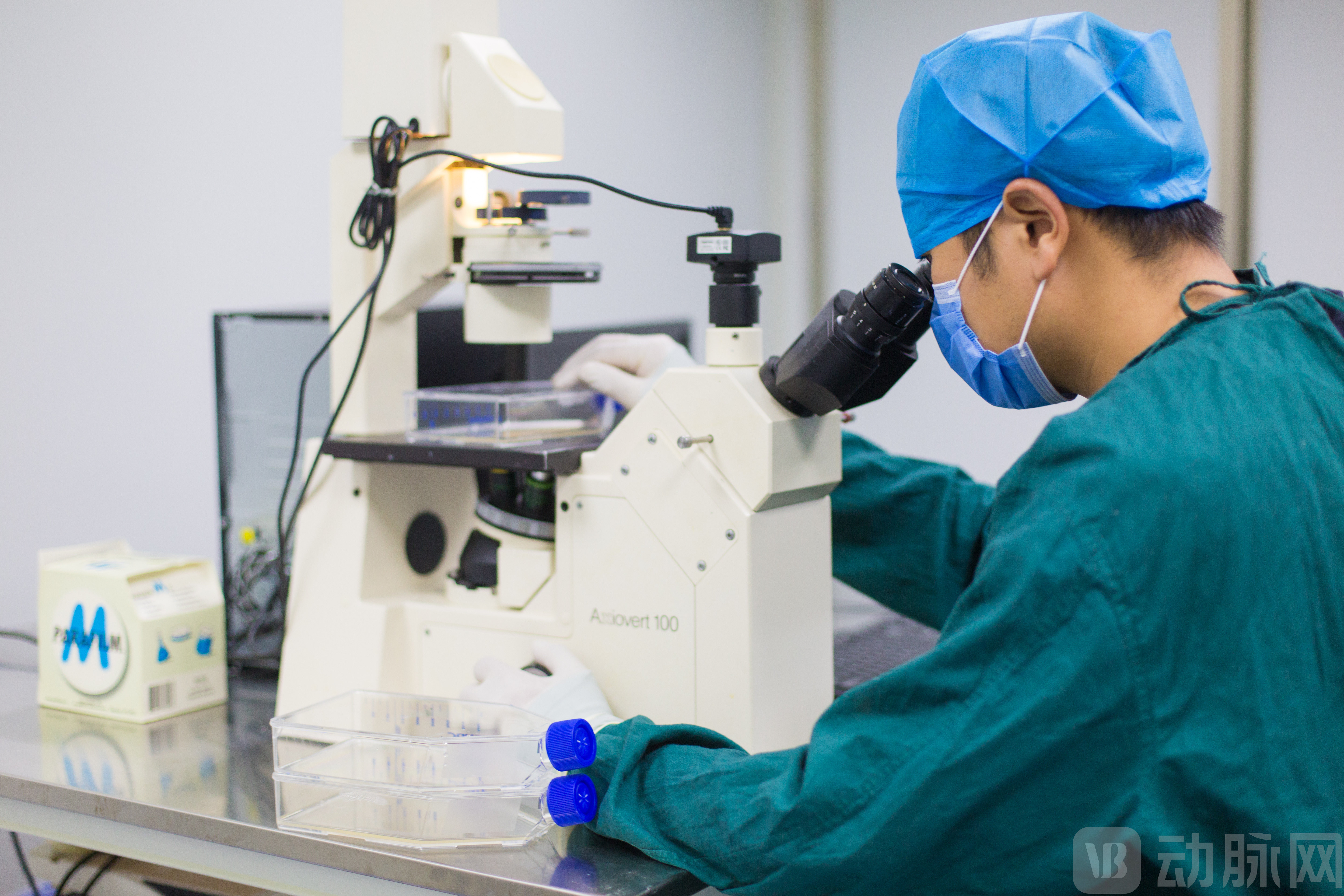
In an interview with VCBeat, Dr. Wang Chaogang introduced the origin of the name “Boshiyuan.” Boshiyuan translates to “The Doctor’s Paradise.” As the name suggests, it brings together a group of expert physicians with specialized backgrounds in medical aesthetics, similar to Dr. Wang Chaogang. This means that since its inception, Boshiyuan has placed great emphasis on building its academic and R&D systems. Accordingly, it established the Boshiyuan Hair Technology Research Group, formed strategic partnerships with Hiroshima University, the University of Tokyo, and the National University of Singapore, and entered into a long-term collaborative alliance with the Southeastern Center for Hair Research in the United States.
Furthermore, Wang Chaogang candidly stated that the scientific research at Boshiyuan is divided into three phases: first, establishing a correct theoretical framework, namely the “Nourishment, Prevention, Transplantation, and Health” system referred to earlier. “Hair health should first be grounded in a sound theoretical framework. Simply put, this framework entails providing early-stage care to prevent issues from arising; initiating hair growth treatments at the first signs of problems to prevent deterioration; and performing surgical interventions as early as possible when the hair loss process cannot be completely halted.”
Therefore, guided by this philosophy, Boshiyuan began to establish a scientific research platform, applying cutting-edge technologies and concepts such as whole-organ hair follicle culture, molecular biology, hair-related cytology, and ultrafiltration separation to conduct scientific research.
However, even the most cutting-edge and advanced technologies ultimately require practical application to realize their true value; therefore, Wang Chaogang emphasized the importance of the correct application of products.
“In the hair health industry, there are no miracle doctors, miracle drugs, or miracle devices—only relatively superior clinical practices.” This is a phrase Wang Chaogang often repeats. By “practices,” he refers to the proficiency in combining medications. “The varying levels of expertise among specialists stem from differences in the prescriptions and drug combinations they recommend, which in turn lead to vastly different treatment outcomes. Therefore, an excellent physician must be able to comprehensively and efficiently apply products, technologies, and services tailored to each patient’s individualized symptoms. This represents the greatest challenge in implementing the ‘Nourish-Prevent-Transplant-Maintain’ system,” stated Wang Chaogang.
To address this challenge, Boshiyuan established a corporate university to disseminate scientific and professional concepts of hair health, along with application and marketing systems, to distributors and chain stores, thereby gradually cultivating the market.
Therefore, Boshiyuan’s business model consists of two parts: first, its self-operated hair transplant clinics; and second, a chain of stores offering hair care, prevention, and stabilization services. Boshiyuan provides the latter with product supply, standardized customization of service systems, and standardized store operations.

According to Wang Chaogang, Boshiyuan has developed a comprehensive and standardized manual system and is currently upgrading from Phase 2.0 to Phase 3.0, aiming to enhance user satisfaction while enabling distributors to achieve corresponding revenue gains.
Building on its accumulated experience in standardized service and operational systems, Boshiyuan established a subsidiary in Wuhan. Wang Chaogang also candidly acknowledged that the purpose of setting up the subsidiary was to create a regional brand effect, thereby setting benchmarks for the service and operations of “franchise” stores and attracting more like-minded individuals to join.
VCBeat has learned that, to date, Bosley Garden operates nearly 2,000 chain stores and more than five specialized hair transplant clinics. Looking ahead, Bosley Garden will continue to leverage its existing offline retail strengths and full-industry-chain advantages, gradually expanding into various niche segments of hair health, with the aim of becoming a competitive domestic brand in this field.