

Mingke Pharma Debuts on STAR Market as China's First Homegrown 'Super Antibiotic' Breaks Foreign Monopoly After 13-Year Development

Delian Capital
Investment Institution Specializing in Technology and Innovative Healthcare Sectors
Today, MICURX officially listed on the STAR Market, opening at RMB 8.16 and subsequently surging more than 40%, with its market capitalization exceeding RMB 7.5 billion.
MICURX issued a total of 130 million shares in this IPO, raising RMB 1.061 billion, which will be primarily used for innovative drug R&D projects, sales channel upgrades and academic promotion initiatives, and replenishment of working capital.
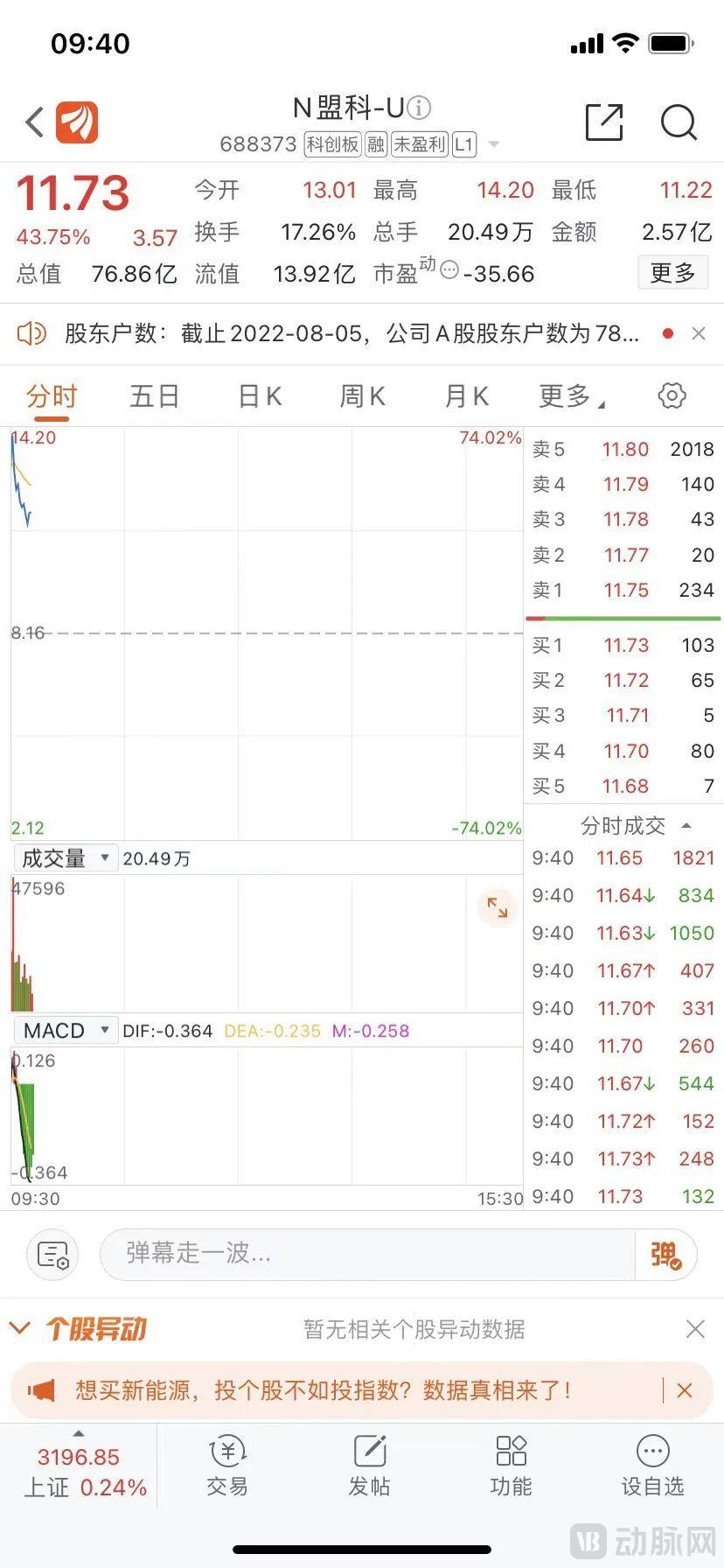
MICURX is an innovative pharmaceutical company focused on developing treatments for infections caused by drug-resistant Gram-positive and Gram-negative bacteria. Currently, the company has three commercialized products and clinical-stage drugs, among which contezolid has entered the commercialization phase in ChinaThe first domestically developed original drug, and the only marketed domestic original oxazolidinone drug.
According to the VCBeat database, MICURX has completed four rounds of financing from 2016 to the present, raising a total of nearly RMB 1.5 billion, including two rounds in 2020 that amounted to RMB 1 billion. During the fundraising process, MICURX attracted numerous renowned investment institutions, including Legend Capital, Yingke Capital, Delian Capital, and Huagai Capital.
Among them, Delian Capital invested in MICURX as early as 2016 and continued to provide investment support in its subsequent financing rounds.
Jiang Yangzhi, Partner at Delian Capital, stated that MICURX is a globally leading pharmaceutical company specializing in antibacterial agents. Since its inception, Dr. Yuan Bo and his team have accumulated extensive experience in the discovery and development of novel antibiotics, with multiple innovative product pipelines currently in clinical trials. The company has successfully transitioned from a biotech to a biopharma enterprise. Its first antibacterial product, contezolid, has entered the commercialization phase, demonstrating excellent clinical efficacy and safety in treating infections caused by drug-resistant pathogens. It is poised to provide clinicians with a new therapeutic option offering distinct advantages in managing such infections. Congratulations to MICURX on completing its IPO, which marks a significant milestone for the company. On this broader platform, MICURX will remain true to its original mission and address substantial unmet clinical needs.
After 13 Years, the First Domestically Developed Original Oxazolidinone Antibiotic Hits the Market
MICURX is Yuan Zhengyu's second entrepreneurial venture.
In 1978, Yuan Zhengyu was admitted to the Department of Chemistry at Fudan University, becoming one of the first cohorts of university students following the reinstatement of the National College Entrance Examination. At the time of his graduation, the CGP (Chemistry Graduate Program), founded by Doering, a member of the U.S. National Academy of Sciences and tenured professor at Harvard University, was being launched in China. Yuan ranked second nationwide and was selected as a member of the inaugural cohort, proceeding to Cornell University in the United States to pursue a Ph.D. in Biochemistry.
In the 1990s, the widespread problem of bacterial antibiotic resistance in the United States created a substantial clinical demand for new drugs targeting resistant strains. In 1996, Yuan Zhengyu entered the field of antibiotic research and development and participated in founding Vicuron, a company dedicated to the development of novel antibacterial agents.
In 2000, Vicuron successfully listed on the NASDAQ. Five years later, anidulafungin, an antifungal drug, and dalbavancin, for treating Gram-positive cocci infections, both of which Yuan Zhengyu was involved in, successfully completed Phase III clinical trials. In June of the same year, Pfizer acquired Vicuron for $1.9 billion, marking the largest deal in the field of new antibacterial drug R&D that year.
In 2007, Yuan Zhengyu returned to Zhangjiang, Shanghai, and founded MICURX to continue the research and development of novel antibacterial drugs.
The technical challenges in developing antimicrobial agents are extremely high. Since the discovery of daptomycin in 1987, no antibiotics with novel mechanisms have been introduced for over three decades. Existing antibiotics can no longer meet clinical treatment needs, and the development of antibiotics with entirely new mechanisms and targets is highly difficult, leading to a vacuum period in antibiotic discovery.
Antimicrobial resistance is a natural evolutionary process in microorganisms. However, the extensive use of antimicrobials in healthcare and animal husbandry has exacerbated the problem of bacterial resistance. In the early stages, the clinical efficacy rate of antimicrobials was even below 50%. If new antibiotics are not developed, the World Health Organization (WHO) estimates that antimicrobial resistance will cause 10 million deaths annually by 2050, surpassing the number of cancer-related deaths in the same year.
China is currently the world’s largest producer and consumer of antibiotics. However, its overall antibiotic market remains dominated by off-patent drugs, which are low-priced and used in large volumes, leading to a more severe problem of bacterial resistance compared to overseas markets. This situation is attributable to factors such as the scarcity of new drugs targeting resistant bacteria in the Chinese market, insufficient academic research resources, and the need for further optimization of rational antibiotic use.
The challenges facing the industry also present opportunities for MICURX. Leveraging its years of R&D accumulation and successful development experience in the field of novel antibacterial agents, MICURX discovered its first drug candidate, MRX-I, in 2008, completed preclinical development and filed an Investigational New Drug (IND) application in 2009, and obtained clinical trial approval in 2011.
After thirteen years of development, Contezolid Tablets, a Class 1 innovative drug independently developed by MICURX, was approved for marketing in June 2021. It became the first domestically developed oxazolidinone antibiotic launched in China, breaking the foreign monopoly in the high-end antibiotic sector. Currently, MICURX is actively advancing multi-center clinical trials for Contezolid and other pipeline candidates, aiming to enter the global antibacterial drug market.
Combining antibacterial efficacy with safety, it was included in the national medical insurance list within six months of launch
Oxazolidinone antibiotics represent another class of fully synthetic antimicrobial agents introduced to the market after sulfonamides and quinolones. They exhibit a broad spectrum of activity against Gram-positive bacteria, including various multidrug-resistant strains, and are indicated for the treatment of infections caused by Gram-positive organisms, such as skin and soft tissue infections.
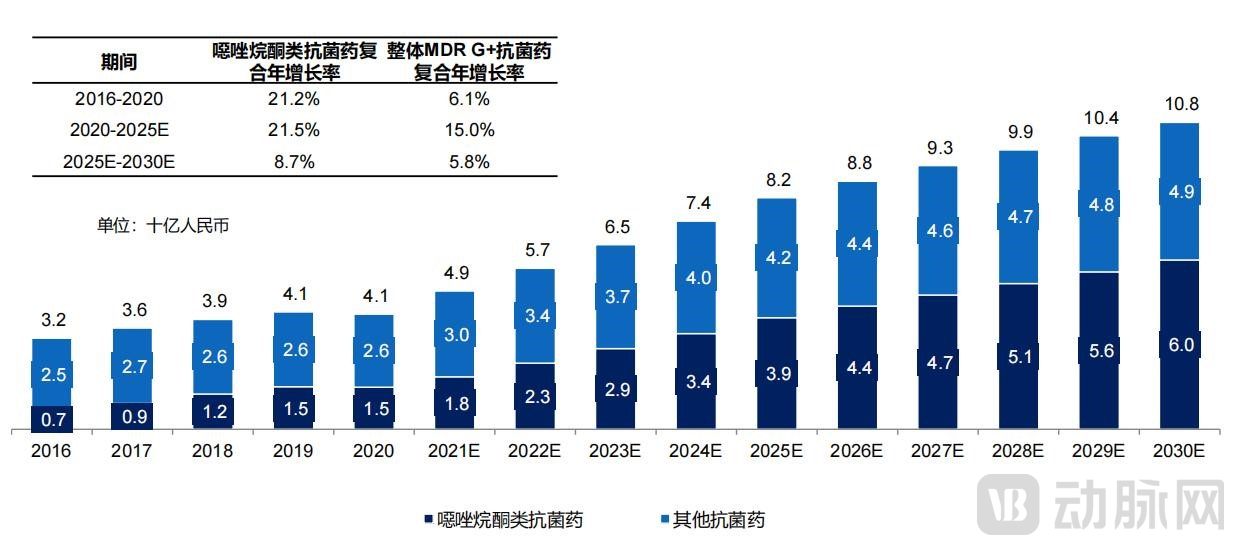
Image source: MICURX prospectus
According to Frost & Sullivan, oxazolidinone antibiotics have continued to show a growth trend in China’s market for antibacterial agents used to treat multidrug-resistant Gram-positive bacterial infections. The market size for oxazolidinone antibiotics in China was RMB 1.5 billion in 2020, with a compound annual growth rate (CAGR) of 21.2% from 2016 to 2020, and is projected to reach RMB 6.0 billion by 2030.
Currently, only three oxazolidinone "super antibiotics"—linezolid, tedizolid, and contezolid—have been approved for marketing in China.
In 2000, linezolid, the first innovative oxazolidinone drug, was approved by the FDA for the treatment of skin and soft tissue infections and pneumonia caused by Gram-positive bacteria. However, safety concerns such as myelosuppression and monoamine oxidase inhibition were identified early in its development. Linezolid use can lead to significant decreases in hematological parameters, increase the risk of drug interactions, and cause notable adverse effects on the central nervous system and blood pressure.
In 2014, tedizolid was approved in the United States for the treatment of acute bacterial skin and skin structure infections; however, its safety profile, particularly regarding bone marrow suppression and monoamine oxidase inhibition, has not been fully validated, and it has failed to effectively address the limitations associated with linezolid.
MICURX, addressing safety concernsAn evaluation model for myelosuppression toxicity was established during the early compound design phase., combined with antimicrobial activity screening, to concurrently conduct structure-activity relationship and structure-toxicity relationship studies, ultimately obtainingCombining Efficacy and Safetycontezolid molecule.
In clinical trials, MICURX has employed PK/PD-guided approaches for the clinical development of novel antibacterial agents (applying clinical pharmacology research techniques and systems to the R&D of new antibiotics), conducted international-standard clinical trials for complicated skin and soft tissue infections (cSSTI), performed Thorough QT/QTc (TQT) studies, and carried out human mass balance studies using radiolabeled investigational drugs.
Preclinical and clinical trials have demonstrated that contezolid achievesMaintain Antibacterial Efficacywhile reducing linezolid-induced myelosuppression and monoamine oxidase inhibition, offering the advantages of greater safety and superior therapeutic efficacy. In all completed clinical studies, no trend toward nephrotoxicity was observed in the contezolid group, nor were any hematological adverse reactions reported. Additionally, it avoids drug-drug interactions and has no contraindications for use in special populations.
In terms of efficacy, contezolid demonstrates robust antibacterial activity against Gram-positive bacteria isolated clinically in both China and the United States, with superior activity against Staphylococcus aureus compared to linezolid. In the first completed Phase III clinical trial for complicated skin and soft tissue infections, contezolid achieved clinical efficacy comparable to that of linezolid.
Six months after its market approval, contezolid was included in the 2021 National Reimbursement Drug List (Category B), providing a guarantee for the product’s subsequent sales. In the second half of 2021, contezolid generated RMB 7.66 million in sales. From January to March 2022, its sales revenue reached RMB 10.687 million, meaning that sales volume in just the first quarter of this year exceeded the total for the entire year of 2021, demonstrating strong commercial prospects.
Targeting the Global Market: Strategic Deployment of Multiple "Super Antibiotics"
In addition to contezolid, which targets Gram-positive bacterial infections, MICURX’s pipeline also covers areas such as Gram-negative bacterial infections, kidney diseases, and COVID-19.
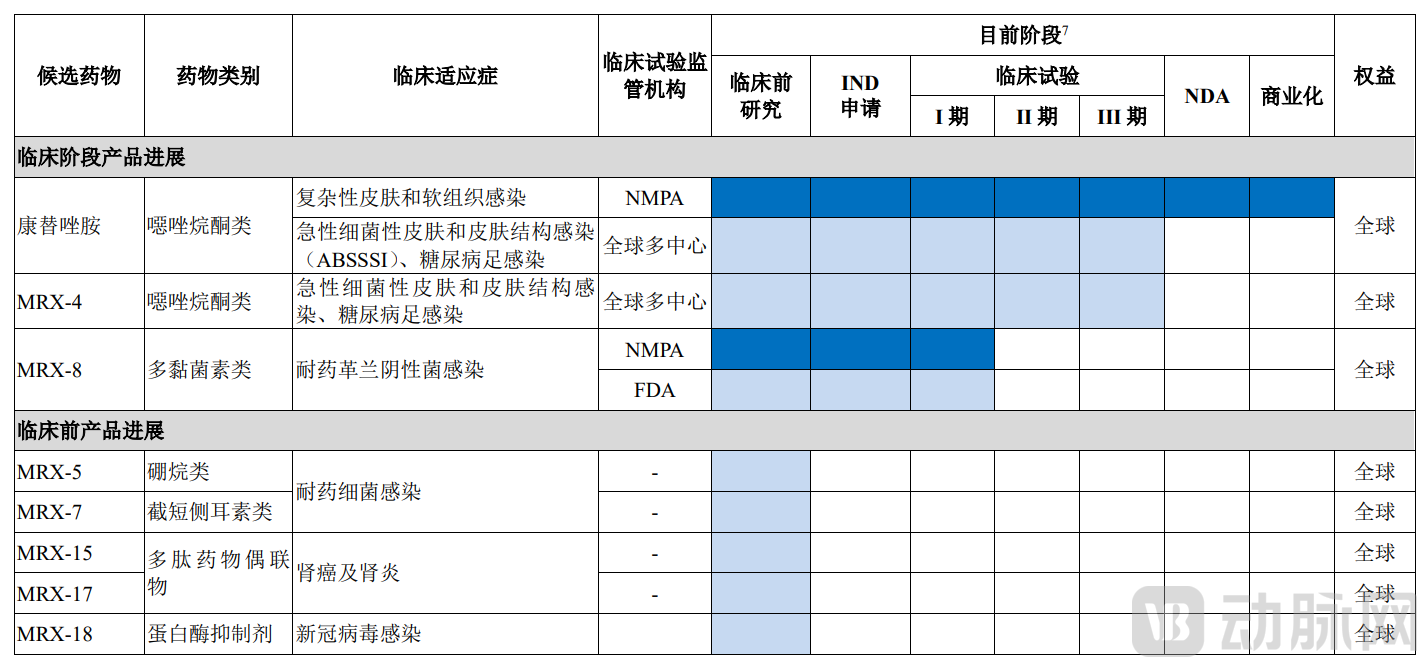
MICURX Product Pipeline Overview Source: MICURX Prospectus
Among them, the other two products in clinical trials include the water-soluble prodrug MRX-4 and the novel polymyxin-class antibacterial agent MRX-8.
MRX-4It is a water-soluble prodrug of contezolid., is converted in vivo to contezolid to exert its therapeutic effect, possessing the same antimicrobial spectrum and pharmacological properties as contezolid, andBroader Indications, making it suitable for patients with conditions such as diabetic foot infections. Currently, MRX-4 has completed Phase II clinical trials in the United States, and a global multicenter Phase III clinical trial evaluating the sequential use of intravenous MRX-4 and contezolid tablets is underway. It is expected to receive simultaneous marketing approval in China and the United States in the future.
In addition to Gram-positive bacteria, existing drugs targeting multidrug-resistant Gram-negative bacteria can cause side effects such as nephrotoxicity, resulting in a lack of ideal antibacterial agents. Meanwhile, the population infected with Gram-negative bacteria has been increasing in recent years. In China, the total number of treatment days with antibacterial drugs for multidrug-resistant Gram-negative bacterial infections grew from 33.6 million days in 2016 to 46.9 million days in 2020, representing a compound annual growth rate (CAGR) of 8.8%.
MRX-8 effectively targets multidrug-resistant Gram-negative bacteria, with clinical data demonstrating significantly reduced nephrotoxicity and neurotoxicity while maintaining excellent antibacterial efficacy.Currently, MRX-8 is in Phase I clinical trials in the United States and has received approval for clinical drug trials in China.
As can be seen, contezolid, as well as MRX-4 and MRX-8, are all developed and commercialized with a global market focus.
In response, MICURX has established R&D centers in both China and the United States, implementing a synchronized Sino-U.S. development model.
It is reported that core members of MICURX’s R&D team have led or participated in the development of multiple marketed innovative anti-infective drugs, including anidulafungin, dalbavancin, and tedizolid, accumulating extensive experience in international innovative drug research, development, and management. The company has established an integrated R&D system for novel antibacterial agents, covering the entire process of new drug development—from early-stage design and screening, preclinical evaluation, global clinical development, and manufacturing management to regulatory submission.
Sustained commercialization capabilities and market competitiveness will become key areas of focus.
Like most innovative drug companies, MICURX remains in a loss-making position. According to its prospectus, MICURX began generating main business revenue in 2021. Its operating revenues from 2019 to 2021 were RMB 0.00 million, RMB 0.00 million, and RMB 7.66 million, respectively, all derived from sales of contezolid. Net profits for the same periods were -RMB 115 million, -RMB 86.3272 million, and -RMB 226 million, respectively.
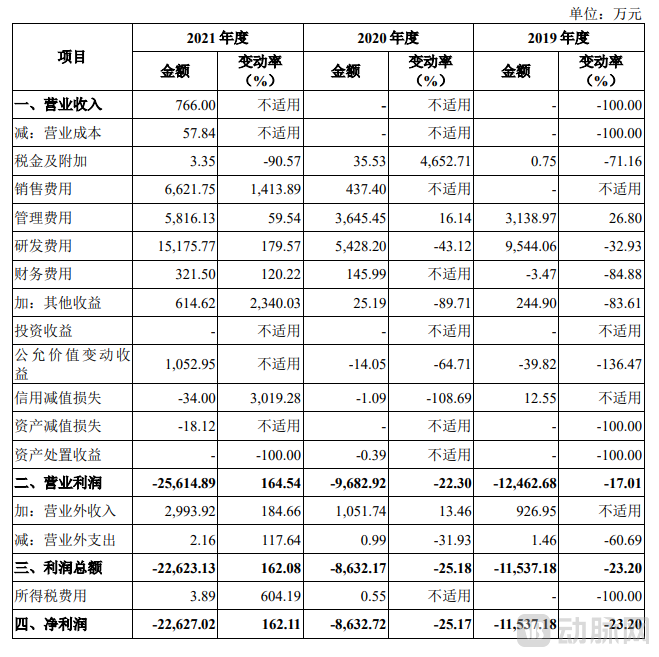
Data Source: MICURX Prospectus
High R&D expenditures are the primary cause of its losses., with the exception of contezolid, which has already been commercialized, other products remain in the research and development (R&D) stage. It can be seen that during the period from 2019 to 2021, MICURX’s annual R&D expenses were RMB 95.4406 million, RMB 54.2820 million, and RMB 152 million, respectively. The company’s total R&D expenditure over the past three years exceeded RMB 300 million.
Source: MICURX Prospectus
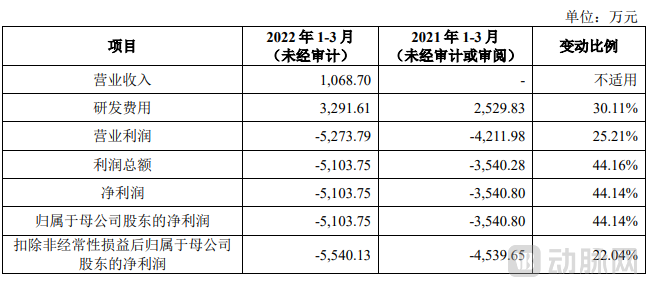
In terms of operational performance, the Company generated RMB 10.687 million in operating income from January to March 2022, derived from sales of its core product, contezolid. With the continuous advancement of contezolid’s commercialization, revenue-generating capacity has increased significantly; revenue for the first three months alone has already surpassed the full-year total for 2021.
As MICURX’s first marketed product, contezolid’s revenue figures serve as a major test of its commercialization capabilities.
Currently, MICURX has established a professional commercialization team with a nationwide sales network, focusing on core markets and hospitals to centrally promote the academic adoption of its innovative products. The company is progressively expanding its coverage of end-user hospitals to maximize its market value in China.
Moreover, the current pipeline’s lack of diversity is a concern within the industry. According to the prospectus, over the next three years, MICURX will have only contezolid in the commercialization stage in China, with all other products still in preclinical or clinical development stages, requiring additional time before successful development and regulatory approval for market launch.
Furthermore, the prospectus indicates that given the market availability of numerous generic versions of linezolid, an oxazolidinone antibiotic in the same class as contezolid, both the originator and generic formulations of linezolid were awarded bids at significantly reduced prices in the 2020 National Centralized Drug Procurement program. Following the inclusion of major competing products in this centralized procurement and their substantial price reductions, contezolid will face significant market challenges.
Amid competition among similar products, contezolid holds its own advantages.
First, contezolid offers clinical advantages such as antibacterial activity, a better safety profile, fewer adverse reactions related to drug interactions, extensive distribution in the body, oral availability, a low risk of inducing resistance, and a broad range of potential indications.
Secondly, in terms of usage frequency, contezolid will be prioritized in clinical practice as a first-line therapeutic agent due to its favorable safety profile.
Furthermore, as stated in its prospectus, MICURX has assured its ability to continue operations over the coming years. This confidence stems primarily from the fact that the industry in which the company operates aligns with national strategic priorities, and that it possesses key core technologies, an efficient R&D system, and sustained innovation capabilities. Additionally, the company has undertaken multiple major scientific research projects and achieved R&D outcomes that have gained market recognition.
For example, the development of MICURX’s core products has received multiple grants and support from CARB-X (Combating Antibiotic Resistant Bacterial Accelerator), a global collaborative program under specialized antibacterial R&D funds in China and the United States. In China, all three of its core products were selected for the National Science and Technology Major Project on “Major New Drug Development.” Furthermore, the company has cumulatively led or participated in six projects under this national major special initiative, with the development of contezolid receiving consecutive funding during the 11th, 12th, and 13th Five-Year Plan periods.
In the United States, contezolid and MRX-4 have been granted Qualified Infectious Disease Product (QIDP) designation by the FDA, which confers Fast Track eligibility and additional post-marketing exclusivity. The development of MRX-8 has received two rounds of funding since 2018 from CARB-X (Combating Antibiotic-Resistant Bacteria Biopharmaceutical Accelerator).
As of the end of the reporting period, MICURX had filed more than 30 invention patent applications in various countries around the world, with 19 patents granted, including 8 in China and 11 overseas, providing comprehensive and long-lifecycle patent protection for its products.
Whether it is forMarket promotion of contezolid, and rapid advancement of the subsequent pipeline,or perhapsPatent Protection, MICURX has made corresponding preparations and strategic arrangements.
To achieve profitability, MICURX will rationally allocate resources to advance the commercialization of its drug candidates, formulate scientifically sound clinical development strategies, maintain proactive communication with regulatory authorities, and execute high-quality clinical trials. Furthermore, the company will continuously drive its commercialization efforts through strategic initiatives including professional academic promotion, product marketing, and efforts to secure inclusion in national medical insurance coverage.
According to the plan, MICURX intends to use RMB 140.8674 million from the funds raised for the construction of its marketing network. By expanding its sales network, the company aims to fully leverage the significant unmet clinical needs in the field of bacterial resistance, broaden its customer base, increase product market share, and strive to expand its sales scale.
Since its founding in 2007, MICURX has entered its 15th year of deep cultivation in the field of antibacterial drugs and has embarked on its second growth curve. With MICURX’s successful IPO, we also look forward to the rapid commercialization of its second “fruit,” bringing better solutions to the field of anti-bacterial infection.
References:
MICURX Prospectus
MICURX Founder Zhengyu Yuan: Fighting a Protracted War on the Front Lines of Antibiotics – A Ningjing Interview