

Exclusive Interview with Liu Da of China Resources: How to Capture the Next Unicorn in Life Sciences?
Liu Da, Managing Director of the China Resources Zhengda Life Science Fund, has a 30-year career that mirrors the evolution of the global biopharmaceutical industry.
In 1991, Liu Da traveled to the United States to enroll in the College of Pharmacy at St. John’s University in New York. At that time, few young people from China pursued undergraduate studies in the U.S., and even fewer completed the five-year pharmacy curriculum plus an additional six-month internship; Liu Da was among this select group.
After graduating from the School of Pharmacy, Liu Da successfully passed the examination for registration as a pharmacist in New York State, becoming one of the few Chinese clinical pharmacists in the United States at that time. Leveraging this opportunity, he underwent training in various hospital departments to gain comprehensive knowledge of medications across all therapeutic areas. “Twenty years ago, there were no effective cancer therapeutics on the market; existing drugs generally caused significant adverse effects and required concomitant medications to manage these side effects.”
Being a pharmacist was merely the starting point of Liu Da’s career. Seeking broader professional opportunities, he decided to pursue an MBA at Thunderbird School of Global Management. Thunderbird offers world-renowned programs in international business management. The fact that the top ten multinational pharmaceutical companies worldwide recruit from Thunderbird underscores the global nature of the pharmaceutical industry.
In 2001, Liu Da secured a six-month internship at Novo Nordisk. He was the only Chinese student among the 30 business school students selected globally for the Global Leader Program, and also the first Chinese professional to work in the Marketing Department at Novo Nordisk’s North American headquarters.
The 2004 Beijing Science and Technology Expo marked a significant turning point in Liu Da’s career. There, he met and earned the appreciation of the then-Chairman of Beijing Pharmaceutical Co., Ltd., leading to their collaboration upon Liu’s return to China. Returning from New York to Beijing, Liu Da was appointed as Deputy General Manager of Beijing Pharmaceutical Co., Ltd.With a global perspective, he began to understand China's pharmaceutical industry.
During this phase, Liu Da gained experience across retail pharmacies, medical devices, strategic partnerships, business development, logistics and supply chain, quality management, as well as marketing and sales. “This was the period when I grew the most rapidly.”
For the first third of his career, Liu Da primarily worked as a pharmacist; in the subsequent two-thirds, he transitioned into roles as a global business development executive and investment manager in the pharmaceutical industry.
In 2010, China Resources Pharmaceutical merged with Beijing Pharmaceutical Group. As a result, Liu Da joined the China Resources system, serving under three successive chairmen. It was at China Resources that he participated in investments in numerous well-known star life-science unicorns in the industry, such as GenScript Biotech, Legend Biotech, New Horizon Health, and JW Therapeutics.
From pharmacist to business development, and later focusing on investment, Liu Da’s career has continuously evolved in tandem with industry advancements. His 30-year professional journey has endowed him with profound insights into the pharmaceutical sector.
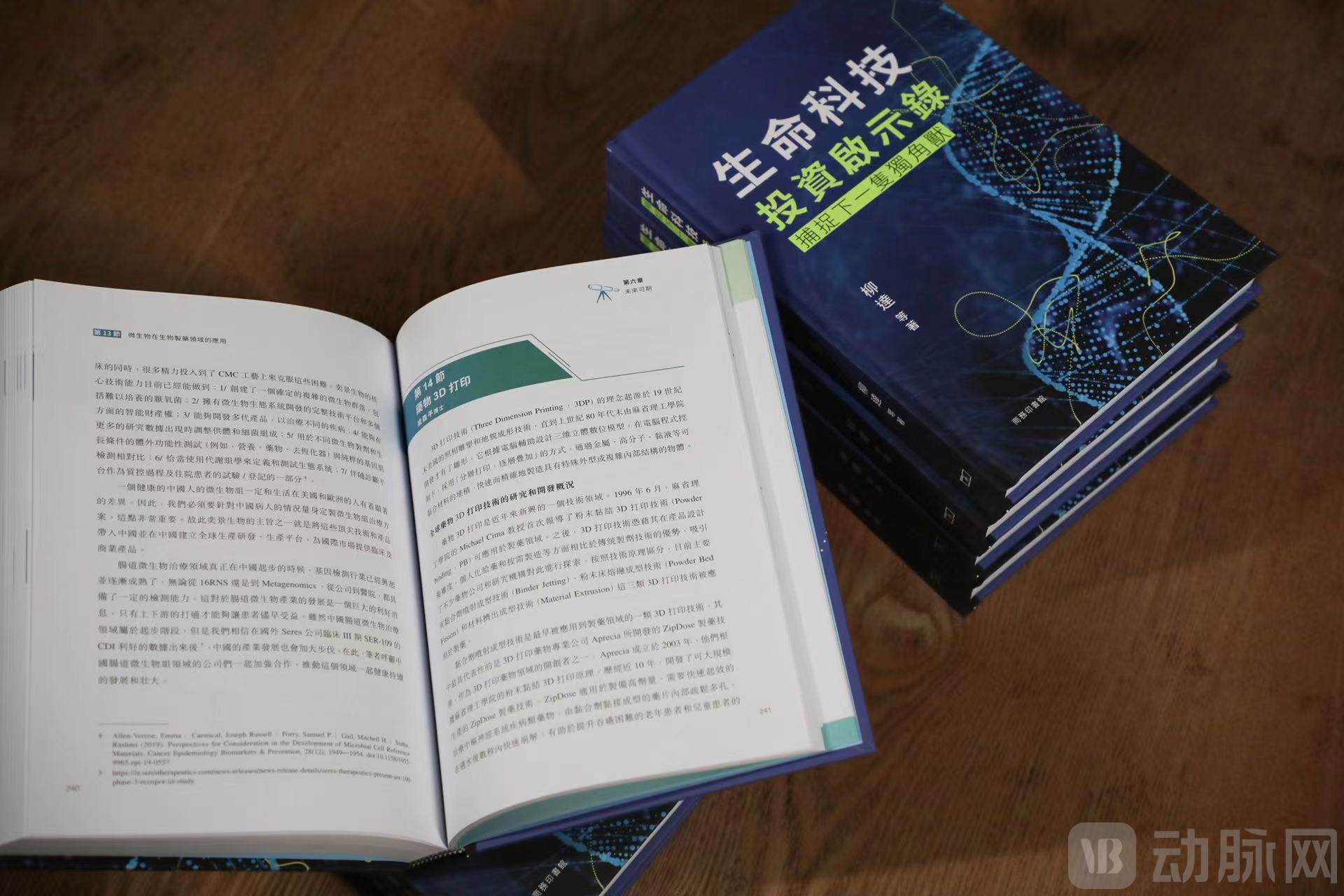
In December 2021, Liu Da authored and published *Apocalypse of Life Technology Investment: Capturing the Next Unicorn*.As mentioned in the book, with strong support from the capital market and driven by international talent, China’s biopharmaceutical and life sciences sectors have developed rapidly. Some leading companies have already begun to out-license breakthrough and innovative technologies and products to globally renowned multinational corporations, or engage in joint research and development with them.China's biopharmaceutical sector has already produced unicorn companies.
Seizing this opportunity,VCBeat Invites Mr. Liu Da to Discuss the Development of the Biopharmaceutical Industry Over the Past 30 Years
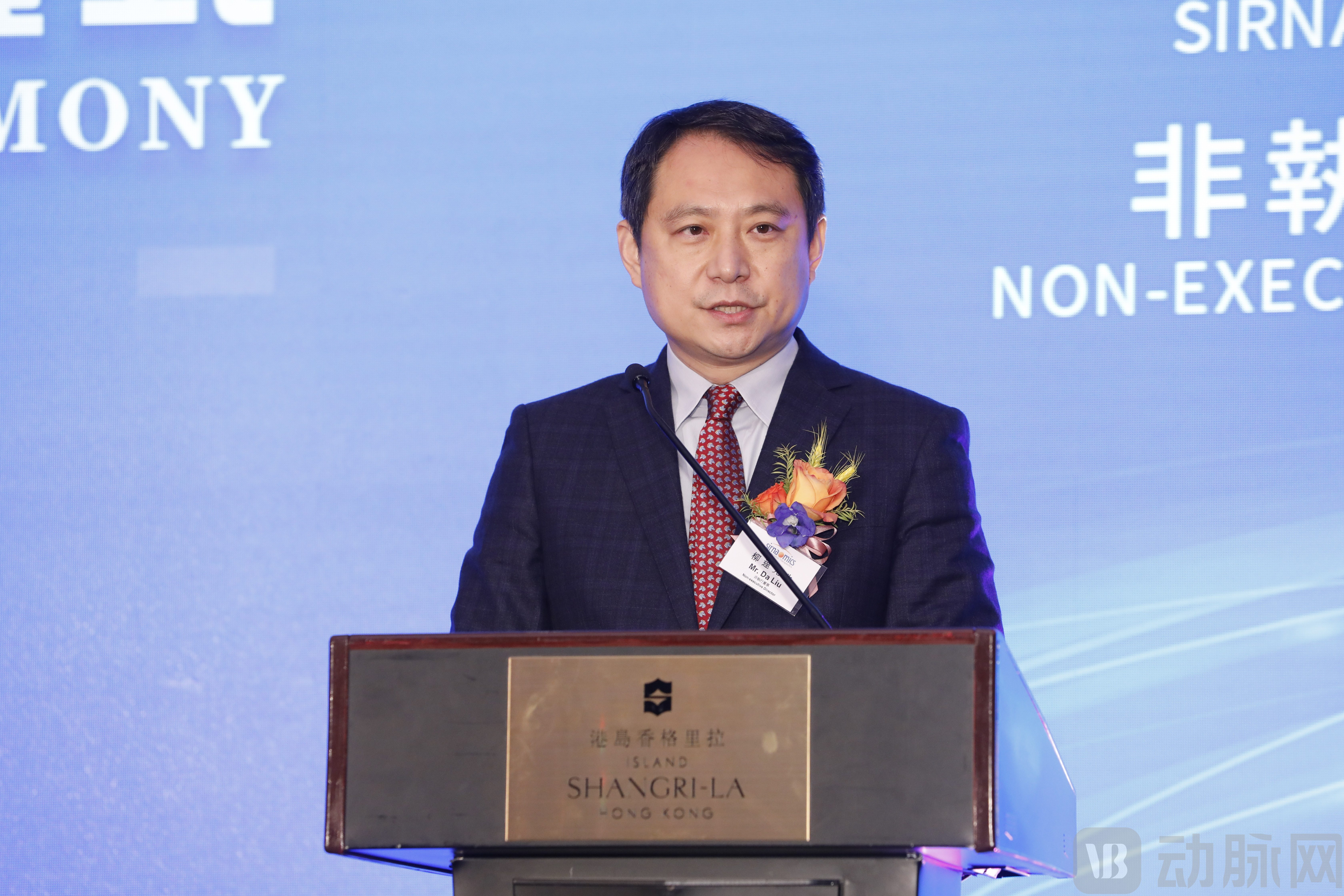
Amid the backdrop of de-globalization, the biopharmaceutical industry retains its globalized DNA
VBInsight: How would you summarize your 30-year career?
Liu Da:At the age of 21, I began working part-time in a pharmacy. Over the past three decades, I have lived and worked in New York, Beijing, and Hong Kong, including 13 years in the United States. I believe that my career path has been aligned with the trends of the times: I served as a pharmacist during the golden age of chemical drug development; I moved into business development amid the growing trend of global collaboration among pharmaceutical companies; and later, I transitioned from within the corporate sector to investment. I view these experiences as a coherent and continuous journey.
VCBeat New Medicine: How to Understand the Development of China’s Biopharmaceutical Industry?
Liu Da:You need to view this from a historical perspective. Thirty years ago in the United States, there were two majors that attracted a significant number of Chinese students to study abroad: biology and computer science. Looking back now, you will realize the significance of this trend. Over the past three decades, biology has evolved into life sciences, and computer science has transformed into information technology. When you examine the current technological landscape, you will find that these two sectors account for the largest share.The foundation for the rapid development of China’s biopharmaceutical industry in recent years was actually laid three decades ago.
VCBeat: You authored the book *Lessons in Life Science Investment: Capturing the Next Unicorn*. What was your original intention behind writing it?
Liu Da:Perceptions evolve across different eras. No individual or book has systematically documented the history of the biopharmaceutical industry, particularly its developments related to China over the past five years. A few years ago, when I relocated from Beijing to Hong Kong with the aim of learning about life sciences investment, I searched extensively for high-quality resources in both Chinese and English but found none. Therefore, I hope to document this period while also serving to popularize knowledge in the field.
I am currently working on the English edition of this book, which will feature updated data and new chapters covering topics such as AI-driven drug discovery, CROs, and emerging regulatory policies.
VCBeat: Why choose to publish this book at this particular time?
Liu Da:First, no one has written a book of this kind. Second, when I began studying pharmacy thirty years ago, it coincided with the dawn of the biopharmaceutical industry. Having witnessed the industry’s development over these three decades—a rare privilege—I consider writing this book the proudest achievement of my career to date.
VCBeat New Medicine: Six years ago, you relocated from Beijing to Hong Kong for work. In your view, how has the investment landscape for biopharmaceuticals in Hong Kong changed in recent years?
Liu Da:Do not view Hong Kong in isolation. Five or six years ago, my first assignment after arriving in Hong Kong was to conduct research at the Hong Kong Science Park. At that time, there were only a dozen life sciences companies within the park; today, there are more than 100. This growth has been driven by China’s rapid economic development and reforms implemented by the National Medical Products Administration (NMPA). I believe one of the most significant contributions made by Hong Kong is the introduction of Chapter 18A by the Hong Kong Stock Exchange, which has greatly promoted the development of the biopharmaceutical industry.
VCBeat: You serve as a director at five technology companies in the United States, Israel, and Singapore, and you previously engaged in global business development (BD) transactions. What perspectives have these experiences provided you?
Liu Da:The biopharmaceutical industry is inherently a global business, with global collaboration being its DNA.Talent is inherently globalized; furthermore, the emergence of new technologies requires publication in mainstream journals and open access worldwide; moreover, clinical trials now increasingly involve international multicenter studies—all of which are manifestations of globalization. Against the backdrop of widespread recognition of globalization, cross-border mergers and acquisitions among multinational pharmaceutical companies are becoming increasingly frequent. However,The prevailing trend of deglobalization, compounded by the impact of the COVID-19 pandemic, is poised to bring about profound changes in the global landscape of the pharmaceutical and life sciences industries.
China’s Biopharmaceutical Industry Has Reached a Critical Juncture in Its Development
Artery New Medicine: When you were writing this book, did you sense that China's biopharmaceutical industry had reached a critical juncture?
Liu Da:Over the past two decades, I have witnessed key milestones in the industry’s development. I believe it is now widely and deeply recognized that this is a vibrant sector, but companies must prioritize technological innovation.
VCBeat: In your view, have any unicorn companies emerged in China’s biopharmaceutical industry? What characteristics do these enterprises possess?
Liu Da:China has already seen the emergence of unicorn companies. I believe several key factors are critical for these enterprises. First, products must be innovative and meet clinical needs. At present, there remain countless diseases that cannot be prevented, diagnosed, or cured, such as neurodegenerative disorders, certain ophthalmic conditions, and non-alcoholic steatohepatitis (NASH). Innovation is the most fundamental factor. Second, companies must adopt a global perspective rather than limiting themselves to the Chinese market; they must have a deep understanding of their specific niche segments worldwide. Third, there should not be a significant gap between the company and global industry leaders. If an enterprise has a low probability of becoming a frontrunner in its specific niche, its likelihood of evolving into a unicorn is also relatively low. Fourth, it is essential to maintain close communication and engagement with the government.
VCBeat: You have invested in many star biotech companies, such as Legend Biotech, Staidson BioPharma, and JW Therapeutics. In your view, do they share any common characteristics?
Liu Da:These companies possess strong professional capabilities, offering insights into global industry development and sound judgment in niche sectors, while remaining committed to addressing unmet clinical needs. Taking CAR-T therapy as an example, cancer treatment had long relied on just three modalities, with little change over decades or even nearly a century. The emergence of CAR-T has brought hope to patients with hematologic malignancies and further improved their quality of life, marking a milestone breakthrough in cancer therapy. Therefore, it is inevitable that unicorn companies will emerge from this field.
VCBeat New Medicine: There is currently extensive discussion regarding the pricing and market dynamics of CAR-T cell therapy. What are your thoughts on this?
Liu Da:As a new technology emerges, it will increasingly mature. Once mature, its costs will naturally decline, thereby benefiting a broader population. Suppressing prices at the nascent stage can easily dampen enthusiasm for technological innovation; therefore, it is imperative to encourage innovation. “You can’t have your cake and eat it too.”
VBInsight: You mentioned in your book that visual health is a field with bright prospects, but why has it been overlooked thus far?
Liu Da:I believe it is more appropriate to refer to ophthalmic diseases as “visual health.” This field received little attention until recently. First, when industry professionals focused heavily on cancer, the severity of other conditions was often underestimated. Second, there were relatively few therapeutic options for eye disorders, with treatment relying primarily on eye drops and surgery. The active ingredients in eye drops are limited—mostly consisting of antibiotics, artificial tears, and anti-inflammatory agents—and innovation and iteration in this area have lagged behind other medical fields. However, with societal progress, population aging, and changes in lifestyle, the number of patients requiring visual health care has continued to rise, generating substantial demand in this sector.
VCBeat New Medicine: You have consistently emphasized the view that “the strong get stronger” in the biopharmaceutical sector. How should this be interpreted?
Liu Da:Large enterprises in the biopharmaceutical sector, backed by substantial capital, are certain to employ various strategies to maintain their market position. When emerging technologies or companies arise, they will bolster their capabilities through measures such as acquisitions.Over the past 50 years, industry leaders have consistently consolidated their market positions through mergers and acquisitions, embodying the principle that “the strong grow stronger.”
Furthermore, for the top 30 global biopharmaceutical and life sciences companies, strategic deployment in nucleic acid therapeutics, cellular immunotherapy, oncolytic viruses, antibody-drug conjugates (ADCs), gene therapy, and stem cell therapy has become the norm. It is common practice for these companies to enter fields of breakthrough innovation and acquire products through mergers and acquisitions valued at billions or even tens of billions of dollars, all of which underscore the principle that “the strong grow stronger.”
VCBeat: In your book, you argue that now is the optimal time to invest in China’s life sciences sector. However, the industry has recently encountered a capital winter. Do you still adhere to this view?
Liu Da:Persevere. The entire industry, including investment, operates in cycles; fluctuations are inevitable, occurring every four to five years, much like the global financial crisis, which recurs approximately every decade. This is a normal phenomenon.
VBInsight: In your view, is China's biopharmaceutical industry currently in its first cycle?
Liu Da:The first cycle has ended, and the second is about to begin.
VCBeat: What are your life plans going forward?
Liu Da:I will be doing something highly meaningful by promoting cooperation between Asia and Europe in the life sciences sector. It is not just a pure investment job, but one that helps others and fulfills the missions of some companies.