

AstraZeneca: Pioneering China's Innovative Health Ecosystem with an Entrepreneurial Spirit

AstraZeneca
Cancer Drug Developer
Amid the turbulent and dynamic wave of medical innovation in China over the past two decades, AstraZeneca has undoubtedly stood out as a distinctive and pivotal player.
Since entering China in 1993, AstraZeneca has been deeply committed to its operations. Over the past nearly 30 years, it has always centered on patientsWhole-Course Disease Managementthe needs of, established aChina Smart Health Innovation Center, International Life Science Innovation Park, and AstraZeneca CICC Healthcare Industry FundA tripartite innovative health ecosystem, starting from Wuxi and expanding to Beijing, Hangzhou, Chengdu, Shanghai, Yixing, and Guangzhou, drives the integration of the medical industry chain tailored to local conditions, fostering regional economic development and international cooperation. AstraZeneca is continuously pushing the boundaries of its business model, actively building a diversified innovation platform, and transforming itself from a traditional pharmaceutical company into an innovative healthcare enterprise.
Where Has AstraZeneca Come From, and Where Is It Headed? The 5th AstraZeneca China Ecosystem Conference, recently held in Wuxi, offers an excellent window into this question.
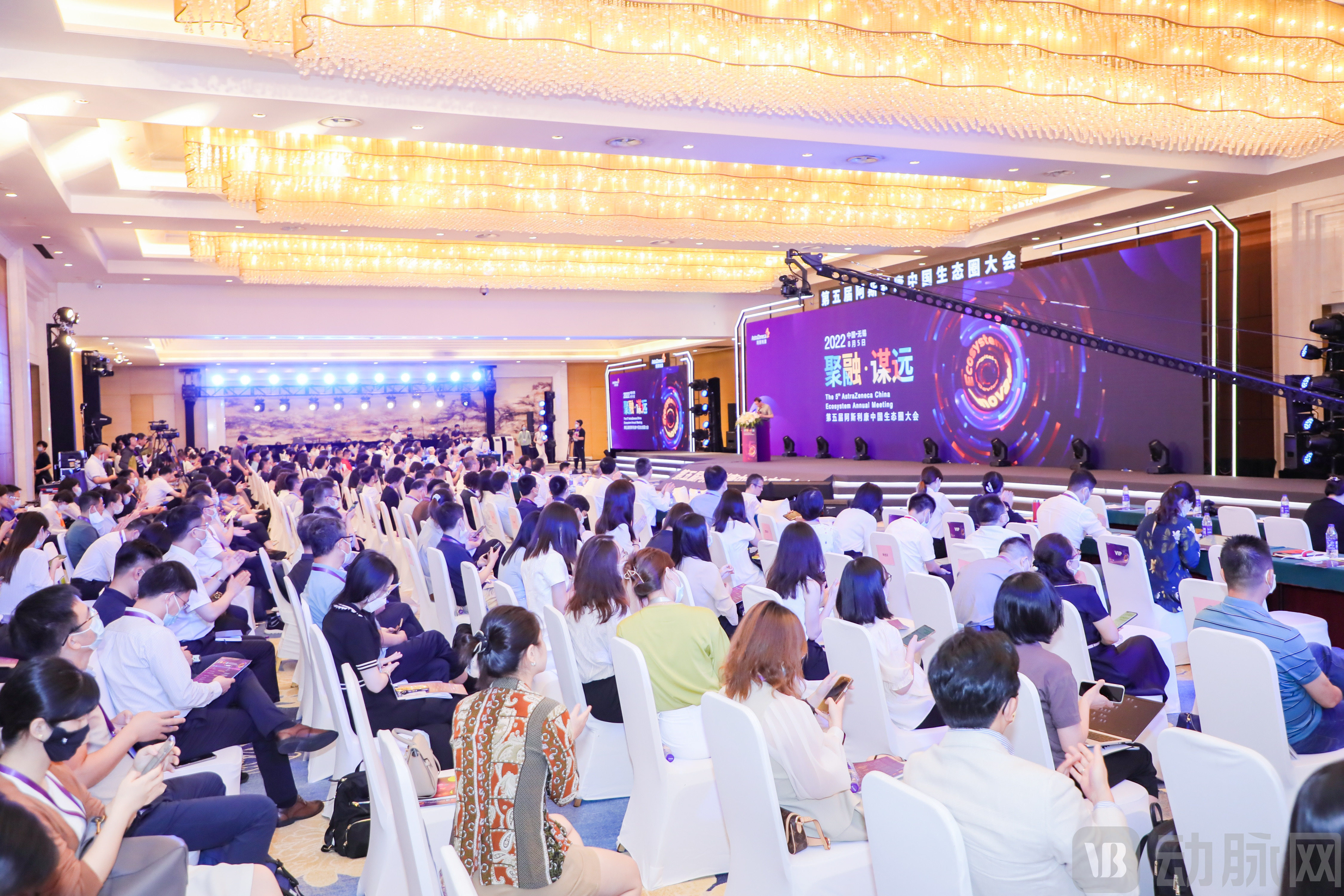
As early as 2001, AstraZeneca invested $134 million to establish a supply base in Wuxi. In 2014, the company began exploring the integration of the Internet of Things (IoT) to build a systematic engineering framework for whole-disease management. Since 2018, AstraZeneca has held the China Ecosystem Conference annually in Wuxi. Leveraging Wuxi as its starting point and capitalizing on local industrial advantages, AstraZeneca has planned and implemented initiatives across China that reflect regional industrial characteristics.7 Innovation Centers and 8 Innovation Parks, accelerating the development and application of innovative healthcare models and whole-course disease management solutions through a model of “joint research by experts, co-creation with industry, and integrated adoption of outcomes.”
AstraZeneca has participated in the Taihu Bay Life and Health Future Conference for two consecutive years as a key strategic partner. This year, the 5th AstraZeneca China Ecosystem Conference, themed “Integration and Vision,” was also held as a flagship event during this period, attracting numerous industry partners—including domestic and international leaders in the life and health sector, high-growth companies, technical experts, and professional investors—to jointly explore the future of the healthcare industry.
Zhu Lili, Vice President of AstraZeneca China and Head of the Digital & Commercial Innovation Department as well as the Commercial Strategy & Excellence Operations Department, stated in an interview that whether it isGovernment, physicians, academia, and industry are all placing greater emphasis on whole-course disease management., with the shared goal of placing patient needs at the center. On this premise, AstraZeneca hopes to buildAn Innovative Health Ecosystem Covering the Entire Value Chain, enabling more outstanding enterprises to join, leverage their respective strengths, enhance the efficiency of comprehensive solutions, and benefit more patients.

Zhu Lili, Vice President of AstraZeneca China, and Head of the Digital & Commercial Innovation Department and the Commercial Strategy & Excellence Department
In his keynote address at the AstraZeneca China Ecosystem Conference, Wang Lei, Global Executive Vice President of AstraZeneca and President of International Business and China, stated that China’s healthcare industry is rapidly undergoing a transformation and upgrade toward collaborative innovation models.“The background for hosting the Ecosystem Conference is our hope to collaborate and integrate with the entire industry.”"In China, we benefit from a favorable business environment, excellent partners, and impressive Chinese innovations that capture attention. We are capable of providing comprehensive solutions for patients in China and around the world. Wuxi is the starting point of AstraZeneca’s commercial innovation strategy. In the future, we hope to support more innovative achievements in launching from here, expanding across China, and benefiting people worldwide."
To more comprehensively empower partners and accelerate project commercialization, AstraZeneca announced several major achievements at this year’s China Ecosystem Conference. Commenting on this, Zhu Lili stated, “Over the past five years, AstraZeneca has joined hands with cross-industry partners inBusiness Innovation, Digital Transformation“...we have accumulated substantial experience in this area. This year, we aim to better align with national strategies by focusing on major disease areas, particularly chronic diseases, and developing more deeply entrenched innovative collaboration models in fields such as cardiovascular disease, chronic respiratory diseases, and oncology.”
First, leverage the advantages of the Innovation Park to evolve from a single clinical protocol into a comprehensive commercial innovation model.
At this Ecosystem Conference, initiated by Ning Guang, an academician of the Chinese Academy of Engineering, and built upon the MMC (Standardized Metabolic Disease Management Center), a strategic collaboration among Wuxi High-Tech Zone, AstraZeneca, and Zhizhong Medical has jointly createdMetabolic Disease Industrial Park (MCampus) Officially Launched,It will serve as an open ecosystem for the integrated development of “clinical care + industry,” helping Wuxi establish an innovative life sciences cluster centered on the diagnosis and treatment of metabolic diseases.
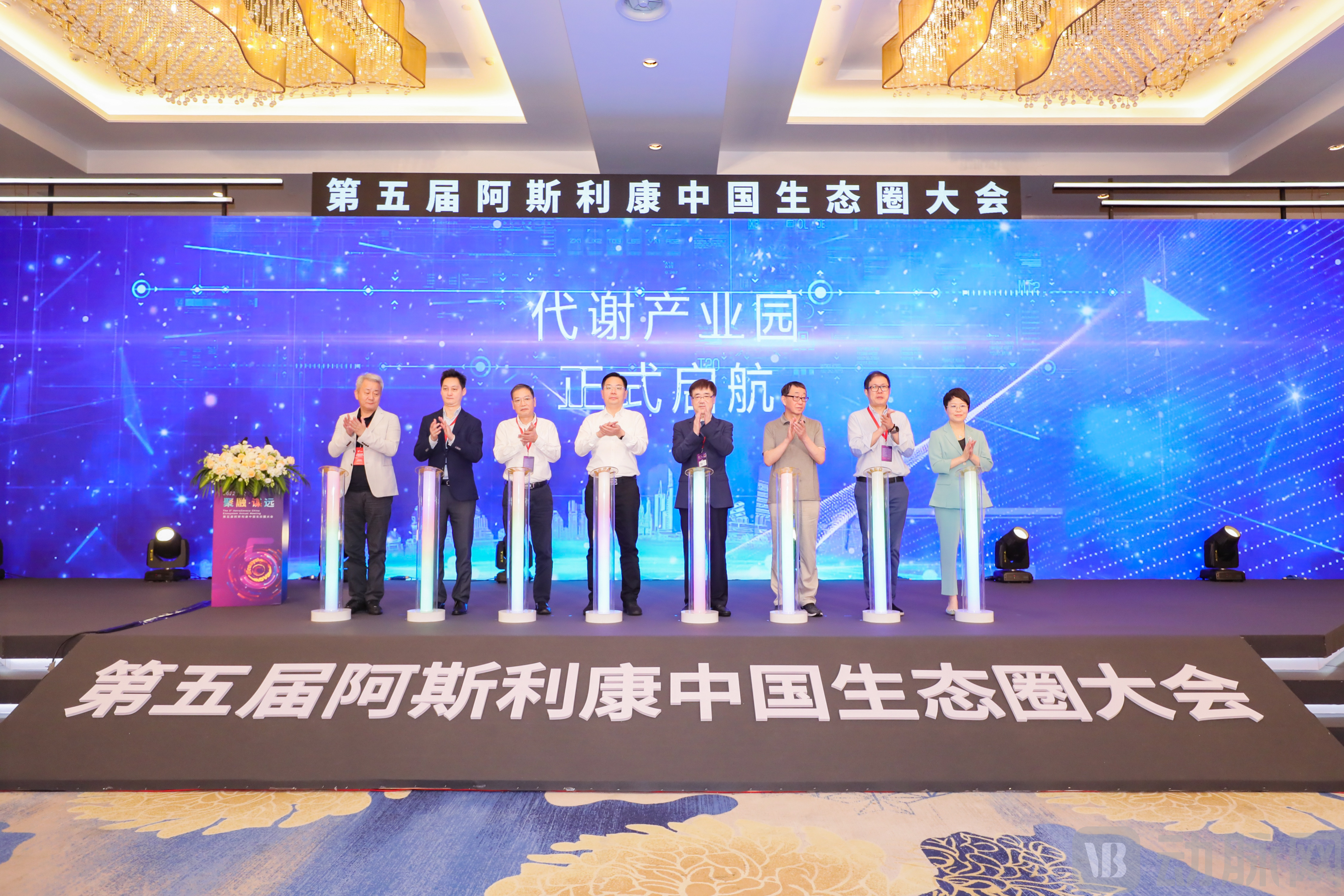
It is reported that the MMC (Metabolic Management Center) was established with support from AstraZeneca’s China Smart Health Innovation Center, aiming to provide patients with comprehensive solutions for the full-course management of diabetes. Incubated and supported by the Wuxi International Life Science Innovation Park, MCampus connects innovative enterprises with capital resources, serving asAstraZeneca’s Benchmark Case: Deepening Expertise in Vertical Therapeutic Areas and Empowering Through Multi-Dimensional Ecosystem Collaboration。In the future, AstraZeneca will further collaborate with diverse partners, with the potential toThis innovative business model is being deeply expanded into other disease areas.
Second, Capital Empowers the Innovation Ecosystem: The AstraZeneca CICC Healthcare Industry Fund Achieves Phase-Based Results
The conference also showcased the latest developments among portfolio companies of the AstraZeneca CICC Healthcare Industry Fund: Abbisko Therapeutics, which focuses on the R&D of novel small-molecule immuno-oncology and targeted oncology drugs, will officially open its Wuxi branch in the third quarter of 2022; and Genetron Health’s fourth-generation gene sequencing platform company, Anxu Yuan, has successfully established its Wuxi R&D and manufacturing base.
Furthermore, portfolio companies of the fund announced significant collaborations with AstraZeneca, including exploratory research partnerships between Yunjian Medicine and AstraZeneca in the fields of proteomics and metabolomics, as well as a collaboration between CytoMed Therapeutics and AstraZeneca’s global division on CAR-T-related drug development. Moreover, AstraZeneca, CICC Capital, and Wuxi Guolian Group officially unveiled a strategic cooperation intention at the main summit of the Taihu Bay Conference, with plans to jointly raise a RMB 5 billion fund focused on innovation in the healthcare industry.
Third, AstraZeneca has entered into a series of collaborations with local innovative enterprises to promote the accessibility of innovative solutions.
Leveraging the platform of the Taihu Bay Conference, AstraZeneca has taken significant collaborative steps in enhancing access to innovative medicines and therapies, digital applications, innovative payment models, exploration of industrial ecosystems, and benefiting grassroots healthcare.
“From the new collaborations launched at the 2022 China Ecosystem Conference, we can see that AstraZeneca maintains its positive attitude toward partnering with leading industry players and continues to expand its coverage across the entire disease management journey, including prevention, screening, diagnosis, treatment, and rehabilitation.” In this regard, Zhu Lili stated that patient needs are the starting point for all of AstraZeneca’s innovative initiatives.. AstraZeneca aims to go “beyond medicines,” leveraging diverse partnerships to support the establishment of a more comprehensive disease diagnosis and treatment system.
Since June 2021, AstraZeneca China has completed a series of organizational restructuring initiatives and established the “Grand Enablement” department. The objective is to achieve closed-loop management for both internal operations and external collaborations, leveraging digital solutions to integrate end-to-end capabilities spanning from research and development to marketing.
Zhu Lili shared,The rationale behind the adjustment is integration; under unified management, various business lines will achieve synergy and mutual support, advancing in tandem for common development.If the innovative technologies of startups incubated by iCampus can meet CCiC’s needs for integrated diagnosis and treatment, CCiC can in turn provide practical support for the new ideas and opportunities generated by these iCampus-incubated enterprises. Zhu Lili also mentioned that AstraZeneca is leveraging its commercialization capabilities and global innovation footprint to help innovative disease management models from China reach the world.
Focusing on vertical sectors was also a major initiative for AstraZeneca in 2022. The Ecosystem Conference further demonstrated AstraZeneca’s emphasis on deepening its expertise in vertical disease areas, including cardiovascular and metabolic chronic diseases, respiratory chronic diseases, and oncology.Regarding the selection of avenues for expanding innovative disease management models, Zhu Lili outlined AstraZeneca’s considerations from two perspectives.
First, actively respond to the “Healthy China 2030” strategy and help improve the health level of the entire population. Zhu Lili mentioned that there is a large number of patients with cardiovascular chronic diseases such as hypertension and diabetes, respiratory chronic diseases represented by chronic obstructive pulmonary disease (COPD) and asthma, as well as tumors, and the pressure of treatment costs is high. Due to the urgent need for prevention and control of these diseases themselves, as well as the mature social conditions for disease prevention and control, strengthening the construction of prevention, control, and treatment systems for these diseases is the strategic focus of national public health system construction.
Second, leveraging AstraZeneca’s strengths to benefit patients across a broader range of disease areas. In addition to its highly promising pipeline and strategic footprint in cardiovascular, renal, metabolic, respiratory, oncology, and gastrointestinal therapeutics, vaccines, neutralizing antibodies, and autoimmune therapies will also create new growth opportunities for AstraZeneca.
Zhu Lili stated that over the past five years, AstraZeneca has progressed from zero to one and then to ten in its exploration of commercial innovation. In 2022,AstraZeneca will place greater emphasis on integrating diagnosis and treatment within vertical specialties, implementing innovative models for whole-disease-course management, and further developing scalable and replicable solutions., while continuing to explore and incubate at the forefront, achieve a leap from 10 to 100.
Meanwhile,AstraZeneca has always maintained a passion for digital innovation and will deeply lay out its strategy across three dimensions: digital healthcare, digital marketing, and digital channels.
From the perspective of China’s domestic landscape, national policies are actively supporting the development of digital technology, while the COVID-19 pandemic has provided an irreversible impetus to digital transformation demands across various industries. With a focus on users, digitization has been directly or indirectly perceived by China’s 1.4 billion people, and a “habitual mindset” toward tech-driven healthcare is gradually taking shape. Against this backdrop, it is particularly crucial for pharmaceutical companies to proactively embrace change and pursue digital transformation.
Zhu Lili emphasized that digitalization must not remain superficial; whether it involves innovative digital technologies and therapies or the application of digital enhancements to traditional medical practices, all efforts must be closely aligned with the “Healthy China 2030” strategy.Aiming to enhance disease management efficiency and improve patients’ quality of life throughout their lifespan.
“Digital innovation also requires collaborative efforts across the industry.”"Disease full-course management covers a broad spectrum, encompassing pharmaceuticals, health foods, medical devices, and software. It requires strong alliances among leading enterprises in the ecosystem to build comprehensive solutions with a core medical foundation that can influence and integrate medical value, leveraging complementary strengths. AstraZeneca will always maintain an open and collaborative mindset, embracing outstanding companies that share a patient-centric philosophy and have relevance and complementarity with AstraZeneca’s business, to grow together," said Zhu Lili.
Moreover, talent is an indispensable force in the journey of corporate innovation and transformation. AstraZeneca’s ecosystem aims to pool high-quality resources from various stakeholders in the healthcare industry, fostering organizational and talent development within the sector while continuously expanding innovative collaborations. According to Wang Lei, AstraZeneca seeks to harness industry-wide strength to support partners in its innovation circle, particularly start-ups and growth-stage companies in China, thereby cultivating more innovative business models that benefit China’s healthcare ecosystem. For instance, the Huijiu Lecture Series brings together outstanding industry leaders and experts, helping leading technology firms strengthen their professional and managerial capabilities through organizational and talent training initiatives, thus empowering their workforce.
Over the past five years of building an innovative health ecosystem, AstraZeneca has demonstrated the courage to tackle challenges and forge ahead, while also engaging in deep, long-term strategic development. The company has consistently maintained its entrepreneurial spirit and passion, truly achieving steady, incremental progress. And theseMultifaceted, Holistic Measures Spanning the Entire Disease Course, it is also a tailored and precise transformation, ultimately converging into an innovative health ecosystem that highlights the “Chinese characteristics” label, precisely nurturing the upward growth of China’s healthcare and wellness industry.