

Regulatory Hurdles and Legal Considerations for Brain-Computer Interface Medical Devices: Prospectus Submission Announcement
Editor’s Note: This article is contributed by the Healthcare Team at AnJie Law Firm, authored by Cai Hang, Zhang Yin, and Wu Lixin. Republished with permission from VCBeat.
Many film enthusiasts still vividly remember the iconic scenes from the science fiction movie *The Matrix*. Today, brain-computer interface (BCI) technology is gradually permeating from the realm of science fiction into everyday reality. Decoding brain signals to control mechanical devices, or conversely, using external signals for neuromodulation, is no longer a scenario confined to films. Many companies have made the same choice as Neo, taking the red pill in the hope that BCI technology can overcome the numerous challenges facing modern medicine.
(I) Introduction to Brain-Computer Interface Technology and Its Medical Applications
Modern medicine has a long history of discovering and monitoring electroencephalogram (EEG) signals. With the advancement of neuroscience, there is now a clearer understanding of brain functional areas responsible for movement, vision, hearing, and language. By acquiring, decoding, and analyzing EEG signals from specific brain regions, it is possible to interpret neural intentions and commands, thereby facilitating the diagnosis and rehabilitative treatment of psychiatric and neurological disorders. Beyond chemotherapy and physical therapy, digital therapeutics represented by brain-computer interface (BCI) technology are regarded as one of the most promising and disruptive innovations in modern medicine.
The technical term “brain-computer interface (BCI)” was first proposed in 1973 by Professor Jacques J. Vidal of the University of California, Los Angeles.[1], refers to establishing a direct connection between the human or animal brain and external devices to enable information exchange between the brain and the devices.
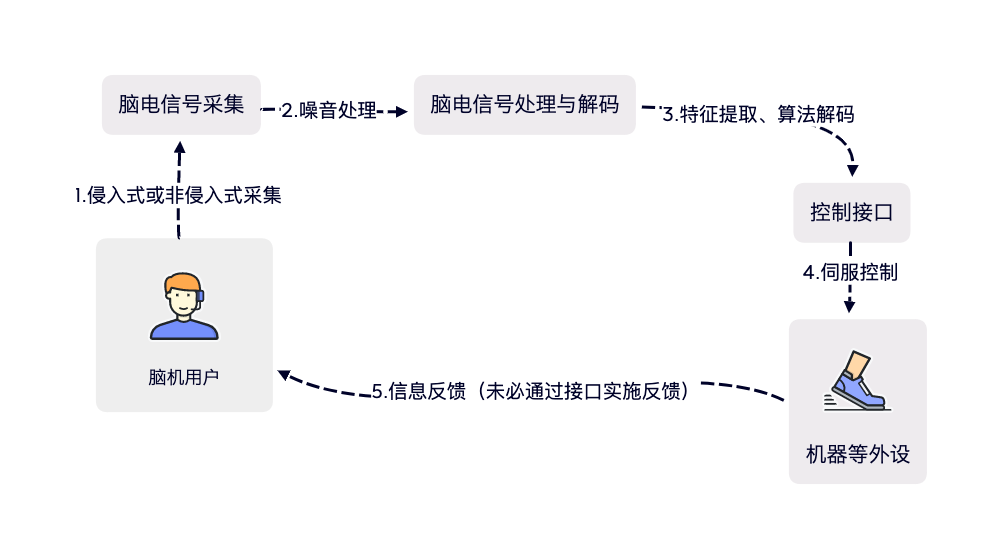 BCI System Schematic Diagram
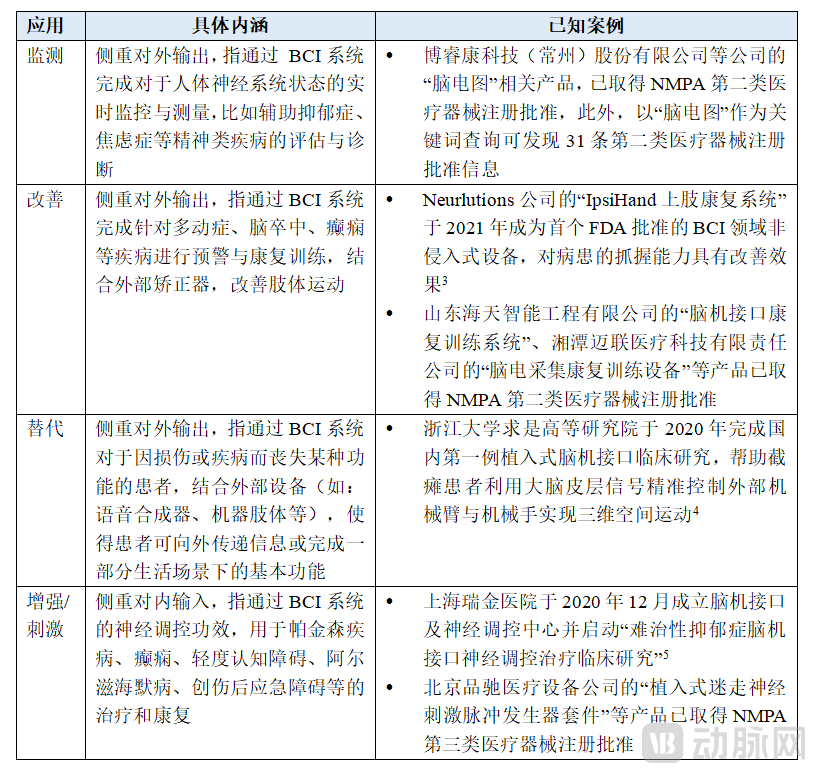
Brain-Computer Interface (BCI) Systems: Short-Term Applications in Healthcare Focus on Monitoring and Improvement, Mid-Term on Replacement, and Long-Term on Enhancement[2]。
(II) Challenges and Core Components of Brain-Computer Interface Technology
In BCI SystemsSignal AcquisitionandAlgorithm AnalysisThese are the two most core steps, and also the key breakthrough points for improving the effectiveness of BCI systems and products.
2.1 Signal Acquisition
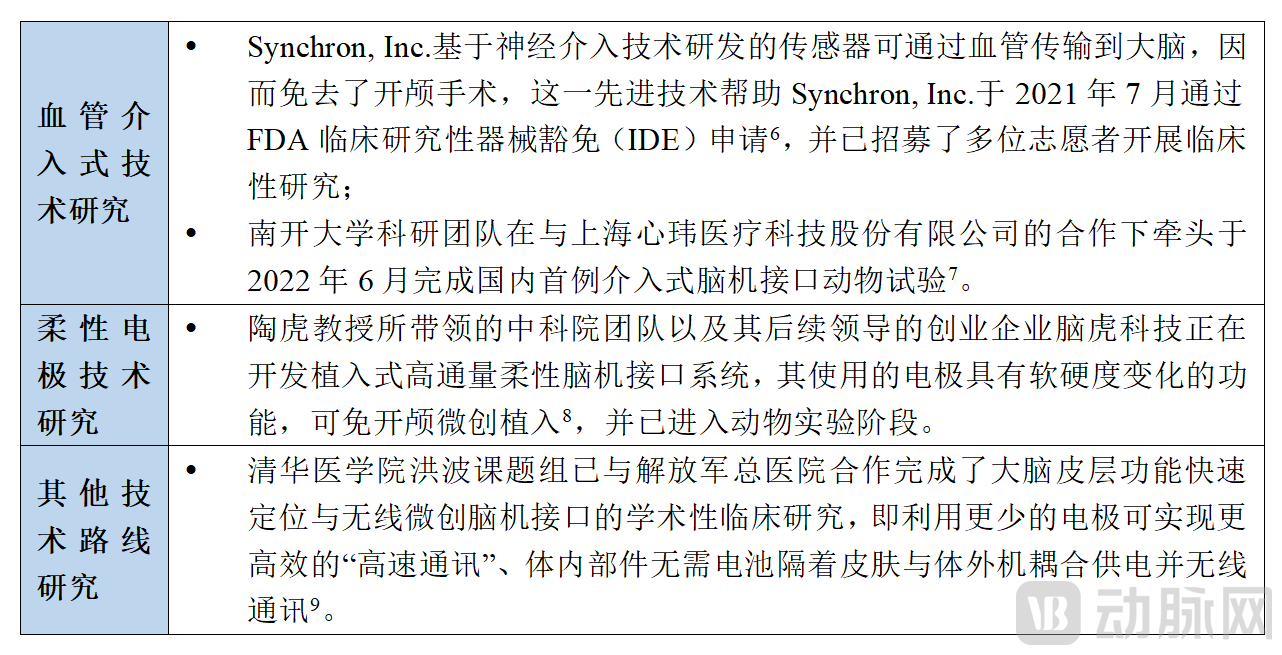
From the perspective of signal acquisition, the mainstream method currently available on the market is non-invasive acquisition. Non-invasive acquisition does not involve implanting electrodes into the cerebral cortex or causing other trauma to the user, thus offering higher safety. However, the signals obtained are subject to significant attenuation due to interference from tissues such as the skull and skin, making it difficult to precisely locate individual neurons. Invasive acquisition can obtain electrocorticography (ECoG) signals. Compared with EEG signals, ECoG signals exhibit higher intensity, accuracy, and resolution, making them more valuable for medical-grade applications. Nevertheless, invasive acquisition requires surgical implantation of electrodes, which may not only trigger rejection responses but also cause irreversible damage to the nervous system. Therefore, in the field of invasive acquisition, a pressing technical challenge that needs to be addressed is how to minimize trauma to the human body during signal collection by employing advanced approaches such as minimally invasive techniques or flexible electrodes. According to public searches, research institutions both domestically and internationally have conducted diverse explorations into minimally invasive invasive acquisition, as shown in the table below:
2.2 Algorithm Analysis
Algorithmic analysis is a crucial component of the Brain-Computer Interface (BCI) framework. The first step in electroencephalogram (EEG) signal processing is to enhance signal quality by highlighting signal features through techniques such as amplification, time/frequency domain filtering, smoothing, and dimensionality reduction. In the second stage, the denoised data undergoes feature extraction, and algorithms are employed to decode the signals, thereby deriving brain command information based on the distribution and variations of EEG rhythms. The two key technologies underpinning this high-quality signal processing and analysis are algorithm design and AI chips.[10]。
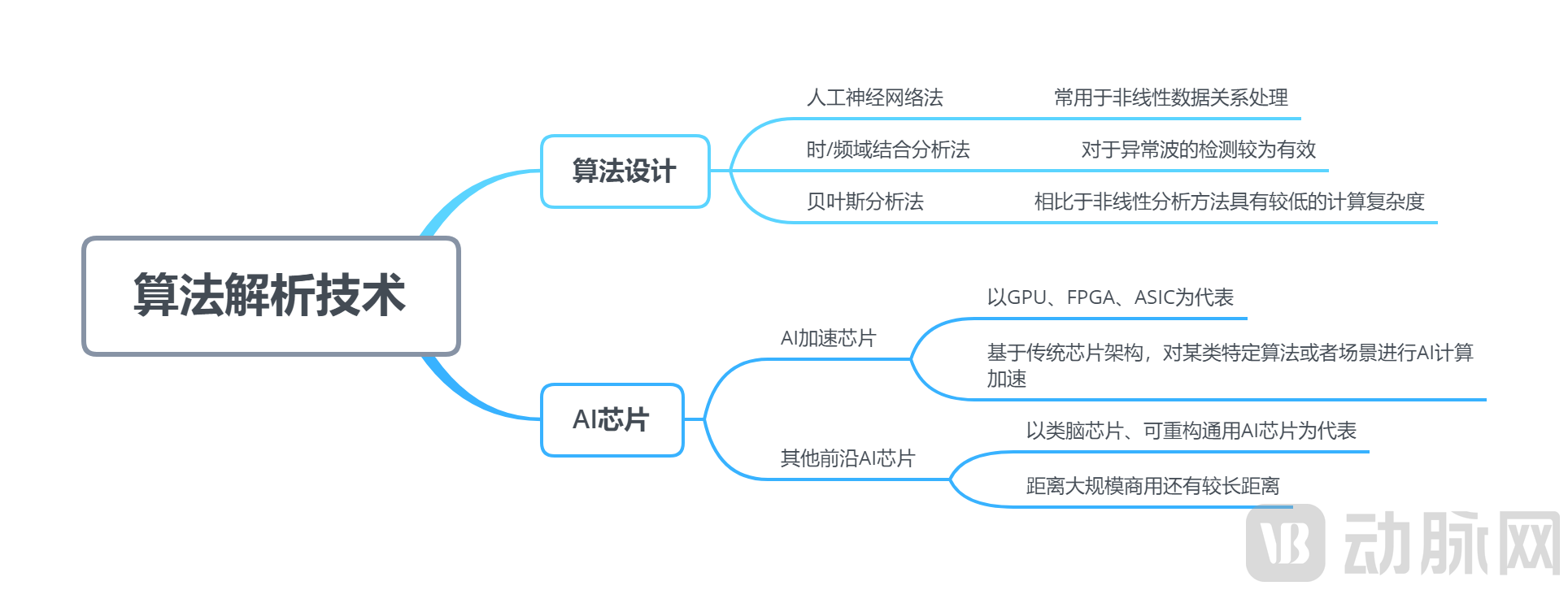
Algorithm Analysis Technical Diagram[11]
Currently, China started relatively late in the development of core electronic components for brain-computer interfaces (BCIs), high-end general-purpose chips, and foundational software products. It remains in a developmental stage, constrained by foreign manufacturers such as Texas Instruments (signal processing chip TI ADS1299) and STMicroelectronics (program-control microcontroller STM32). Notable research advances in the field of BCI chips are summarized in the table below:
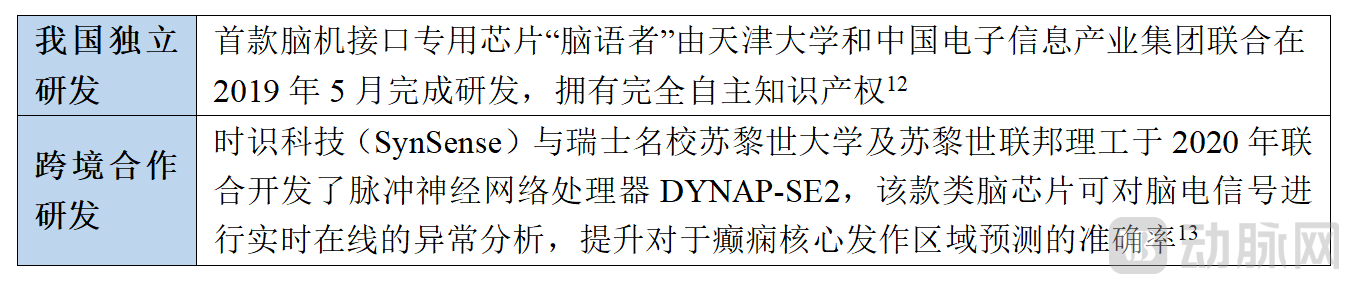
Furthermore, AI chip companies have also begun to focus on the field of brain science. In September 2020, Cambricon Technologies announced a collaboration with the Shanghai Center for Brain Science and Brain-Inspired Intelligence to develop an intelligent computing cluster system.[14], although such collaborations fall under the data center business and do not directly involve research on brain-computer interface (BCI) chips, it is believed that with the enhancement of China’s overall R&D capabilities in AI chips, BCI chip technology is also expected to achieve greater progress in practical applications.
(3) Common Legal Issues in the Application of Brain-Computer Interface Technology in the Medical Field
3.1 Product Registration and Clinical Trials of BCI Medical Devices
Based on factors influencing the risk level of medical devices and two criteria for assessing risk severity, medical devices are classified into different categories (Class I, II, and III) and subject to varying levels of regulatory oversight by medical device regulatory authorities (e.g., product filing or registration approval). In accordance with the provisions of the Medical Device Classification Catalog, the classification and regulatory requirements for BCI devices are detailed in the table below:
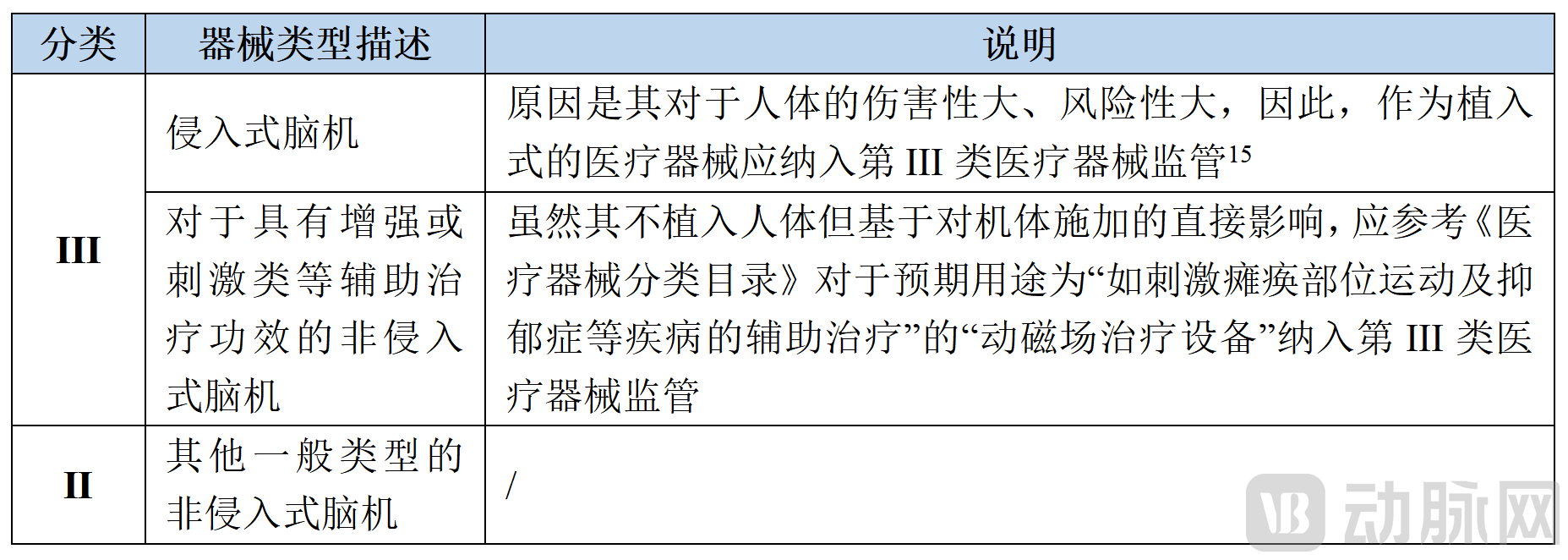
Given that Class III medical devices face significantly higher barriers than Class II devices in terms of registration complexity, regulatory requirements, the hierarchical level of the accepting authority, and application processing time, most brain-computer interface (BCI) companies in China currently opt for non-invasive data acquisition technologies. Invasive BCI devices (defined as those capable of outputting signals externally) are currently confined to clinical research and animal experimentation stages. As of now, there are no publicly disclosed invasive BCI devices that have received formal approval from the National Medical Products Administration (NMPA) to enter human clinical trials.
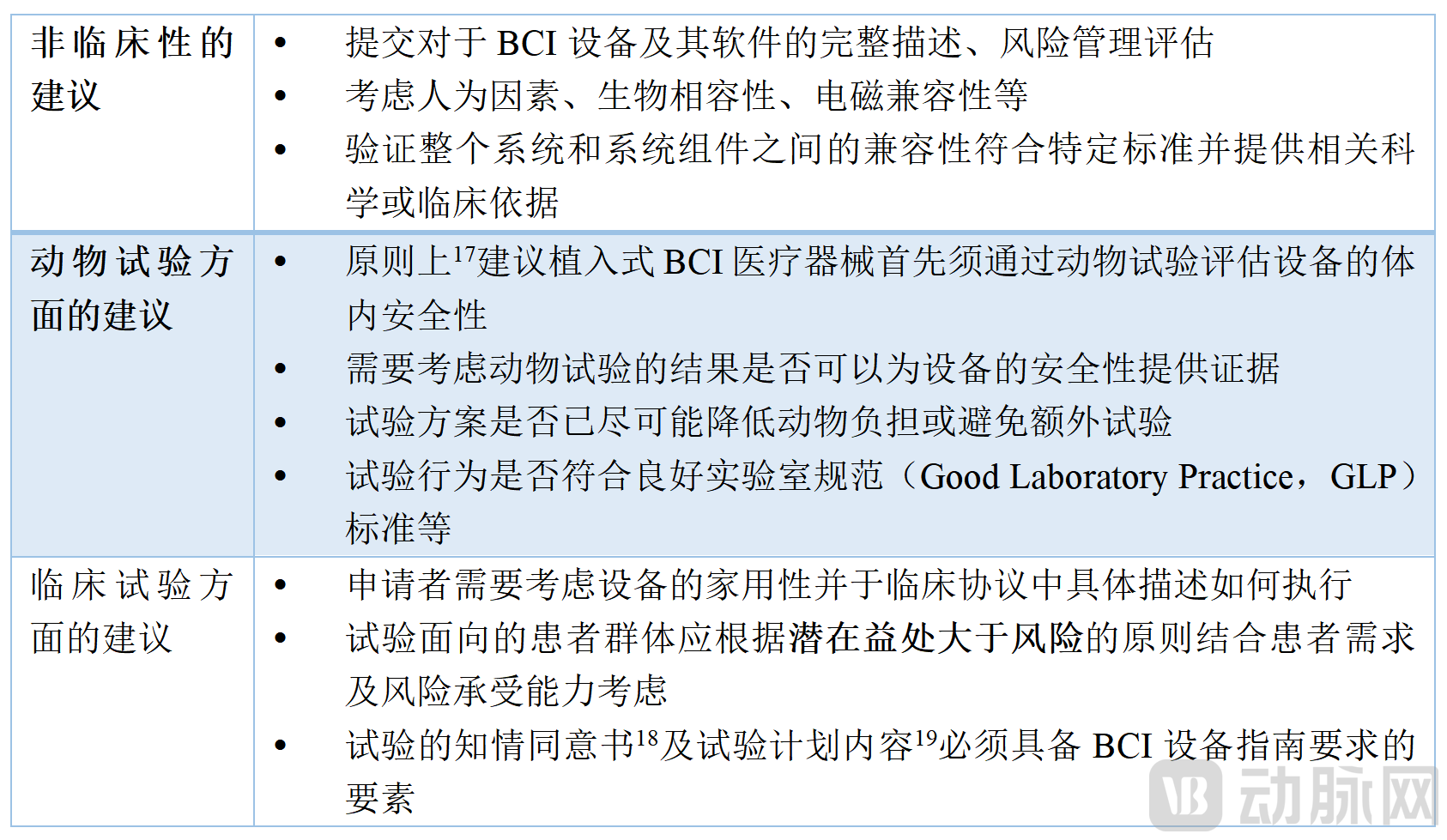
According to the U.S. Food and Drug Administration (FDA)’s “Nonclinical and Clinical Considerations for Implantable Brain-Computer Interface (BCI) Devices for Patients with Paralysis or Amputation—Guidance for Industry and FDA Staff” (“BCI Device Guidelines”)[16], among whichImplantable BCI Medical DevicesGeneral recommendations applicable to the Investigational Device Exemption (IDE) application or the pre-submission phase for market registration are proposed, with the key content summarized in the table below:
China’s National Medical Products Administration (NMPA) has not yet issued similar guidelines. According to public reports and conferences, Chinese experts have called for attention to the safety and ethical issues associated with the application of invasive brain-computer interface devices in clinical trials, including but not limited to:
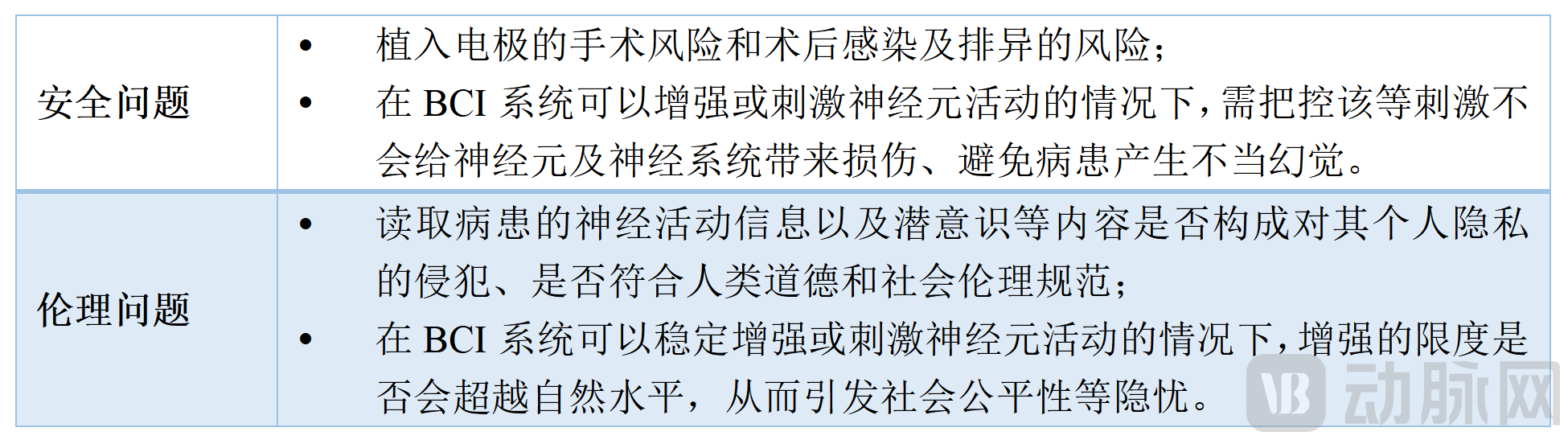
Furthermore, many experts have called for the establishment of standards and data specifications for brain-computer interface (BCI) technology to promote the orderly development of research and industry. Only after issues related to safety, ethics, and standardization are effectively addressed will there be greater assurance for the application of BCI technology in human clinical trials.
3.2 BCI companies may apply for special approval of medical devices
In addition to applying for medical device registration through the standard procedure, enterprises may expedite the approval process via pathways such as innovative review, priority review, emergency review, and conditional approval, provided they meet the corresponding criteria. The National Medical Products Administration (NMPA) will prioritize technical evaluation and administrative approval for these applications. In light of the unique characteristics of brain-computer interface (BCI) medical devices, this section will focus on innovative review and priority review.
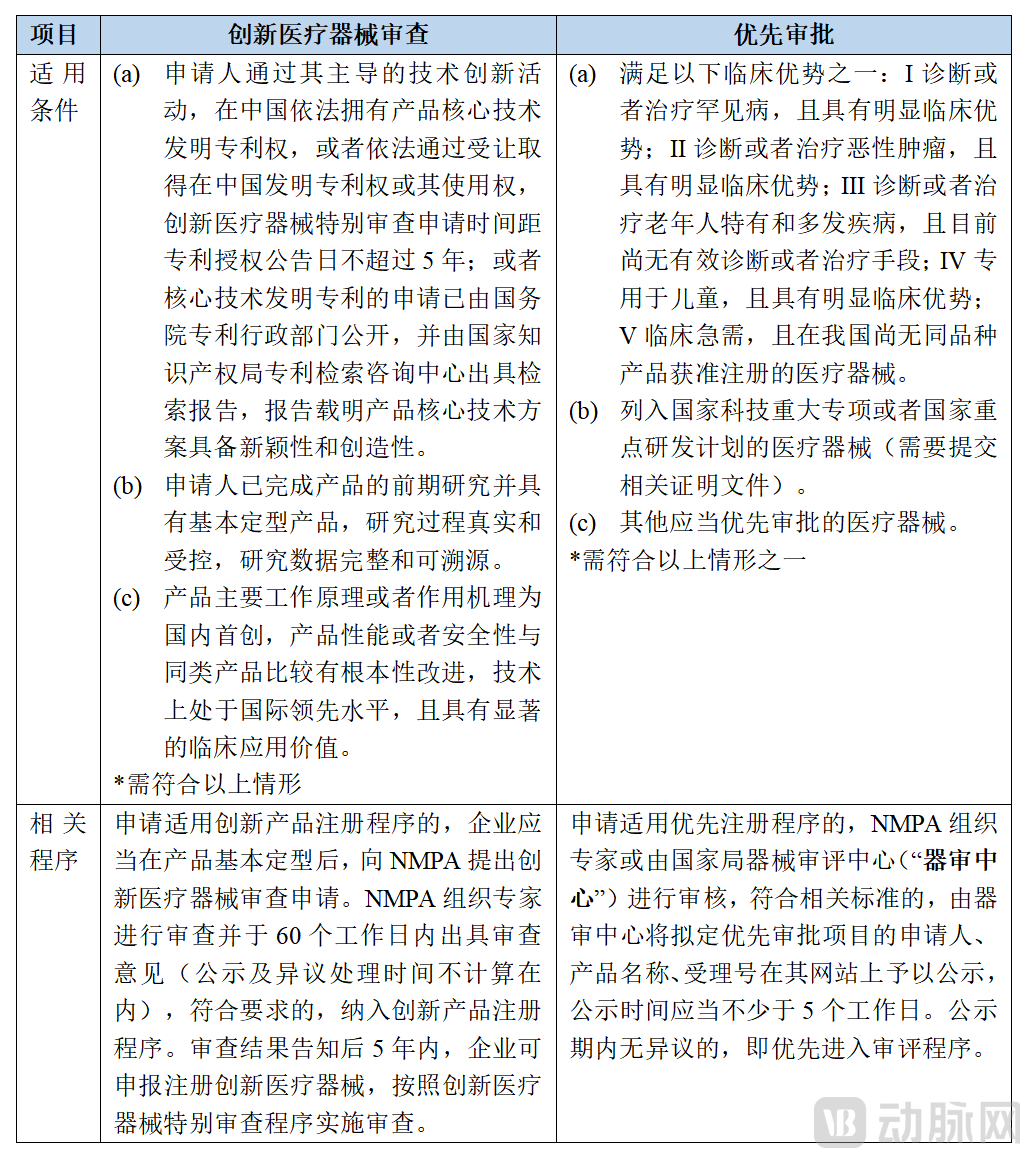
Given the clinical value and global cutting-edge status of BCI technology, companies may consider evaluating whether their BCI medical device products qualify as innovative medical devices in accordance with relevant standards, thereby facilitating early market entry when applicable conditions are met.[20]. Furthermore, some currently recognized important clinical application scenarios for BCI technology involve numerous rare diseases and geriatric conditions (such as Alzheimer’s disease) that lack effective diagnostic or therapeutic options. Companies may also consider determining whether to submit an application for priority review based on the specific characteristics of their medical device products or their intended uses.
3.3 The Potential Impact of the U.S. Export Control Regime on Cross-Border Cooperation for BCI Enterprises
The U.S. government has imposed export controls on China in emerging technology fields, whetherBrain-Computer Interface TechnologyStill related to BCI systemsAI Chip TechnologyAll may potentially fall within the regulatory scope of export controls administered by the U.S. Department of Commerce’s Bureau of Industry and Security (BIS). The core mechanisms of U.S. export controls are as follows:
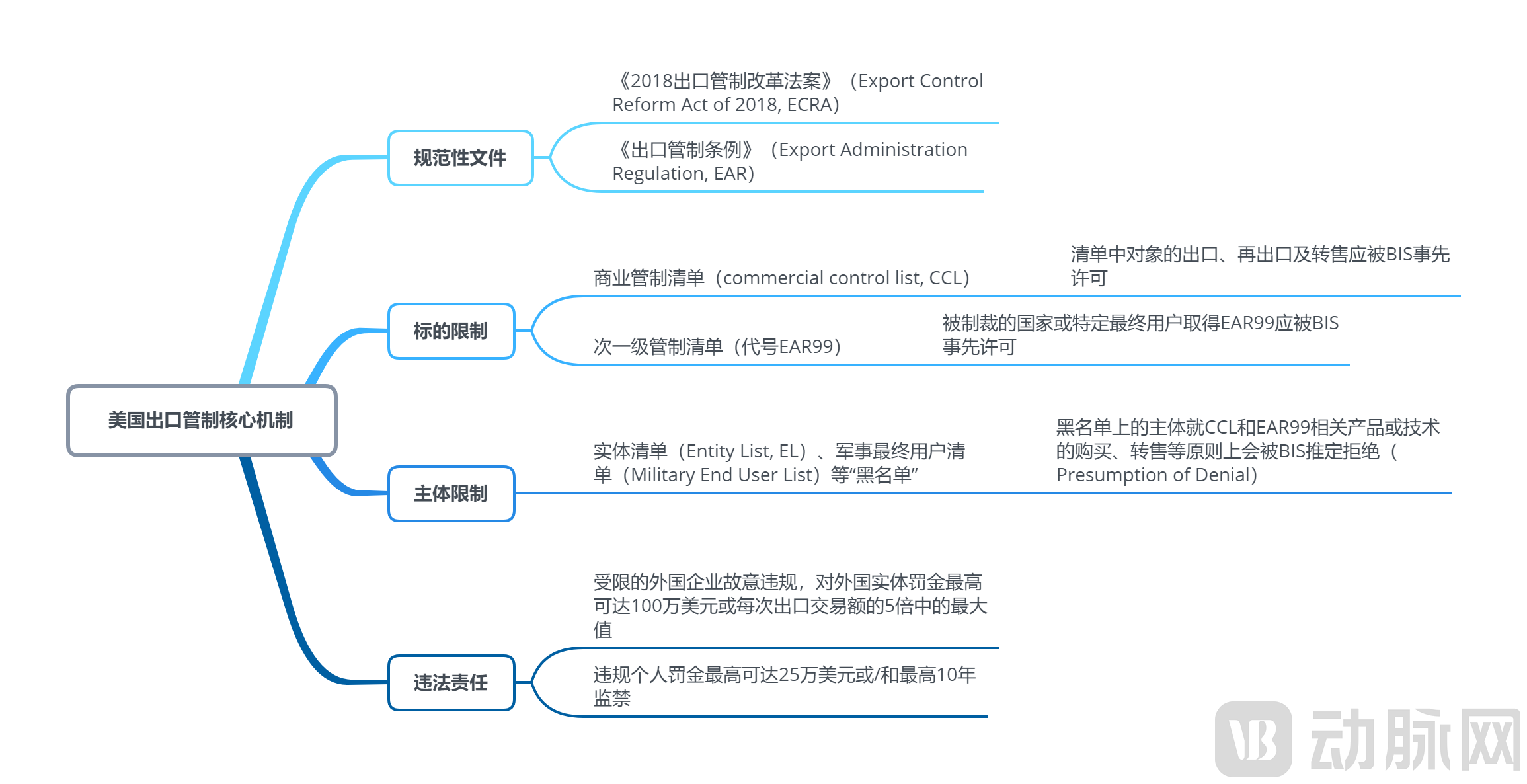
Diagram of the Core Mechanisms of U.S. Export Controls[21]
As of December 18, 2021, a total of 611 Chinese enterprises, institutions, and individuals had been included in the EL[22], including leading Chinese semiconductor companies such as Huawei, SMIC, Shanghai Micro Electronics Equipment (SMEE), and Hygon Information, as well as leading Chinese AI companies such as SenseTime, Megvii, CloudWalk, and DeepGlint.
In October 2021, the BIS issued a request for comments on implementing export controls on brain-computer interface technology.[23], this marks the second attempt following the BIS’s 2018 intention to restrict exports of brain-computer interface technology. More surprisingly, last December, the BIS added the Academy of Military Medical Sciences of the Chinese People's Liberation Army and its 11 subordinate research institutes to the Entity List, citing their involvement in brain-control technology.[24], the U.S. government is highly likely to impose stricter export controls on BCI technology in the future. Furthermore, regarding AI chips, if BCI companies choose suppliers from the United States or engage in AI chip design or licensing activities involving U.S. technology, they may also face export restrictions in the future.
In light of the stringent regulations under the U.S. export control regime and the increasingly intense Sino-U.S. competition, we advise brain-computer interface (BCI) companies to take note of the following: (1)of core technologiesOriginality, it is essential to ensure that core technologies are independently developed by enterprises within China, and that these enterprises implement corresponding intellectual property arrangements and protections (such as software copyrights or patents) for the core technologies. Sensitive issues that may affect the originality of core technologies, such as establishing R&D centers in the United States, collaborating with U.S. universities or research institutions, and hiring American expert consultants, should be approached with caution; (2)Non-Dependency of Core Components, it is essential to ensure that the core components of the product are not controlled by foreign suppliers. For instance, companies can engage multiple suppliers of core raw materials or chips from the United States, Europe, Asia, and within China, thereby ensuring business continuity even in the worst-case scenario where the company itself is placed on the Entity List.
(IV) Conclusion
The cross-disciplinary integration of artificial intelligence and brain science has paved the way for the convergence of machine and human intelligence. Under global scrutiny, the application of brain-computer interface (BCI) technology in medical settings is on the cusp of a transformative shift, with scientists and entrepreneurs striving to gain a competitive edge through independent innovation in this technological frontier. Embracing originality rather than imitation, we anticipate that more disruptive innovative medical devices from “Intelligent Manufacturing in China,” including BCI devices, will reach the market sooner under the policy support of the National Medical Products Administration (NMPA).
Author:

AnJie Broad Health Care Team
Contact QR Code

Introduction to Lawyer Cai Hang: For over a decade, he has specialized in investment and financing services in the healthcare, TMT, and artificial intelligence sectors, wielding significant influence in China’s venture capital legal services landscape. *China Business Law Journal* named him one of the “Top 100 Legal Elites in China,” recognizing him as one of the country’s most outstanding commercial lawyers. He has also been repeatedly recommended by leading legal ranking agencies such as The Legal 500 and Legalband in the fields of TMT and venture capital. In addition to venture capital work, he is highly proficient in mergers and acquisitions and capital markets. Mr. Cai serves as the Managing Partner of AnJie Broader Law Firm’s Shanghai office. Email: caihong@anjielaw.com

Introduction to Attorney Zhang Yin: She has represented renowned domestic and international funds in completing a substantial number of investment and M&A transactions, while also providing legal services for corporate clients’ financing and investment activities. The industries involved primarily include healthcare, biopharmaceuticals, artificial intelligence, entertainment and media, and tourism. Legalband recognized her as one of the “Top 30 Rising Stars in China’s Legal Industry 2021.” In the field of big health compliance, Attorney Zhang has assisted medical enterprises in deeply engaging in compliance matters related to internet hospitals and has represented clients in completing acquisitions of multiple medical institutions and internet healthcare companies. Email: zhangyin@anjielaw.com
*References
[1] Artificial Intelligence Industry Development Alliance: “White Paper on the Application of Brain-Computer Interface Technology in the Medical and Healthcare Field,” released in July 2021
[2] VCBeat: “Brain-Computer Interface + Healthcare Industry Research Report,” released in January 2022
[3] FDA Authorizes Marketing of Device to Facilitate Muscle Rehabilitation in Stroke Patients, https://www.fda.gov/news-events/press-announcements/fda-authorizes-marketing-device-facilitate-muscle-rehabilitation-stroke-patients (last visited August 2nd, 2022)
[4] Wu Yalan et al., “Zhejiang University Completes China’s First Clinical Translational Study of Implantable Brain-Computer Interface,” http://www.news.zju.edu.cn/2020/0117/c24345a1957263/page.htm, accessed August 2, 2022
[5] Tang Wenjia, “Ruijin Hospital Establishes China’s First Brain-Computer Interface and Neuromodulation Center,” http://www.whb.cn./zhuzhan/yiliao/20201211/383728.html, accessed August 2, 2022
[6] Synchron Receives Green Light From FDA to Begin Breakthrough Trial of Implantable Brain Computer Interface in US, http://www.businesswire.com/news/home/20210728005305/en/(last visited August 2nd,2022)
[7] “Nankai University Research Team Leads Completion of China’s First Interventional Brain-Computer Interface Animal Trial,” http://news.nankai.edu.cn/ywsd/system/2022/06/27/030051852.shtml, accessed August 2, 2022
[8] “China’s Neuralink, BrainCo, Emerges; Chen Tianqiao Provides Full Support for China’s Brain Science Initiative,” http://i.ifeng.com/c/8CiQcIBAk4r, accessed August 2, 2022
[9] “Hong Bo’s Research Group at the School of Medicine Successfully Develops a Minimally Invasive Implantable Brain-Computer Interface with High-Speed Communication,” http://neuro.med.tsinghua.edu.cn/?p=905, accessed on August 2, 2022.
[10] Huaxing Medical Perspective: "From Science Fiction to Reality: Focusing on Core Technologies and Breakthroughs in Brain-Computer Interfaces," published in July 2022
[11] VCBeat: “Brain-Computer Interface + Healthcare Industry Research Report,” published in January 2022
[12] “BrainTalker” Chip, http://mctu.tju.edu.cn/info/1079/1318.htm, accessed August 2, 2022
[13] “‘Saving’ the Damaged Brain: SynSense Builds Next-Generation Brain-Computer Interfaces with Neuromorphic Chips,” https://new.qq.com/rain/a/20200908A0BU9I00, accessed August 2, 2022
[14] Wang Xinxin: “Cambricon and Shanghai Center for Brain Science and Brain-Inspired Intelligence Reach Cooperation on Intelligent Computing Cluster System,” http://www.thepaper.cn/newsDetail_forward_9063263, accessed August 2, 2022.
[15] According to the Medical Device Classification Catalog, invasive medical devices may be submitted for registration as separate components. External control devices that do not directly invade the human body, such as “test stimulators” and “programmers,” may be regulated as Class II medical devices.
[16] Implanted Brain-Computer Interface (BCI) Devices for Patients with Paralysis or Amputation - Non-clinical Testing and Clinical Considerations--Guidance for Industry and Food and Drug Administration Staff, https://www.fda.gov/regulatory-information/search-fda-guidance-documents/implanted-brain-computer-interface-bci-devices-patients-paralysis-or-amputation-non-clinical-testing (last visited August 2nd,2022)
[17] As an exception, for devices evaluated in early feasibility studies, animal testing using the final finished device may not be required if sufficient justification is provided to the FDA.
[18] The essential elements of an informed consent form include a description of the study, reasonably foreseeable risks and benefits, alternative treatment options, the extent of confidentiality, and compensation plans in the event of injury. Source: https://www.fda.gov/regulatory-information/search-fda-guidance-documents/guide-informed-consent, accessed on August 2, 2022
[19] The clinical trial protocol must include the objectives, description of study design, duration and follow-up schedule, inclusion/exclusion criteria, patient demographics, treatment regimen, safety/efficacy endpoints, and recommendations for patients.
[20] According to Jiang Deyuan, a drug inspection specialist at the Department of Medical Device Registration Management of the National Medical Products Administration, as stated at the State Council’s regular policy briefing on August 1, 2019, since the implementation of special approval measures for innovative medical devices, the registration timeline for products entering this pathway has been reduced by 83 days compared to similar products. Available at http://www.gov.cn/zhengce/2019-08/01/content_5418020.htm, accessed on August 2, 2022.
[21] Li Zhuying, “An Overview of U.S. Export Controls,” http://www.tradeinvest.cn/information/7246/detail, accessed August 2, 2022
[22] “611 Chinese Companies Blacklisted by the United States (with Full List),” https://new.qq.com/omn/20211221/20211221A0E4TZ00.html, accessed August 2, 2022
[23] Request for Comments Concerning the Imposition of Export Controls on Certain Brain Computer Interface (BCI) Emerging Technology, https://public-inspection.federalregister.gov/2021-23256.pdf (last visited August 2nd,2022)
[24] US Commerce Dept says China has brain-control weaponry, https://www.theregister.com/2021/12/17/the_department_of_commerce_said (last visited August 2nd,2022)