

Billion-Dollar Deals Surge as Healthcare Institutions Enter the Era of Mega M&A
This article is republished from Taihe Capital, with authorization for publication by VCBeat.
In the first half of 2022, China’s M&A market was affected by the COVID-19 pandemic and macroeconomic factors, leading to a year-on-year decline in both the number and value of M&A transactions. Nevertheless, Taihe Capital has remained optimistic about M&A integration among enterprises amid market volatility and has actively explored and facilitated M&A deals across various sectors. Recently,Taihe Capital Completed the Transfer of Controlling Stake in a Regional Ophthalmology Chain Group, this marks another landmark deal in China’s hospital M&A sector following ByteDance’s acquisition of Amcare, ranking among the year’s most significant transactions in this field.
Based on Taihe’s systematic research and firsthand insights from frontline transactions, we believe that China’s hospital sector is entering an era of “mega-mergers.” Here, we share the Taihe Healthcare M&A team’s insights and research into the underlying drivers, characteristics, and future trends of hospital mergers and acquisitions in China.
In 2022, as macroeconomic turbulence intensified, capital began to trend toward polarization:
On one hand, capital is increasingly concentrating in the hard-tech sector represented by the new generation of technological revolution (such as new energy, new materials, and biotechnology), helping to upgrade the national industrial structure, addressing “chokehold” issues in core areas, and seeking excess returns in higher-risk assets.
On the other hand, some capital prioritizes risk avoidance, favoring physical assets that can absorb large volumes of funds, offer a high margin of safety, and provide stable returns. Hospital assets, characterized by substantial capital expenditure, high certainty of returns, and long payback periods, have become the preferred target for capital mergers and acquisitions.
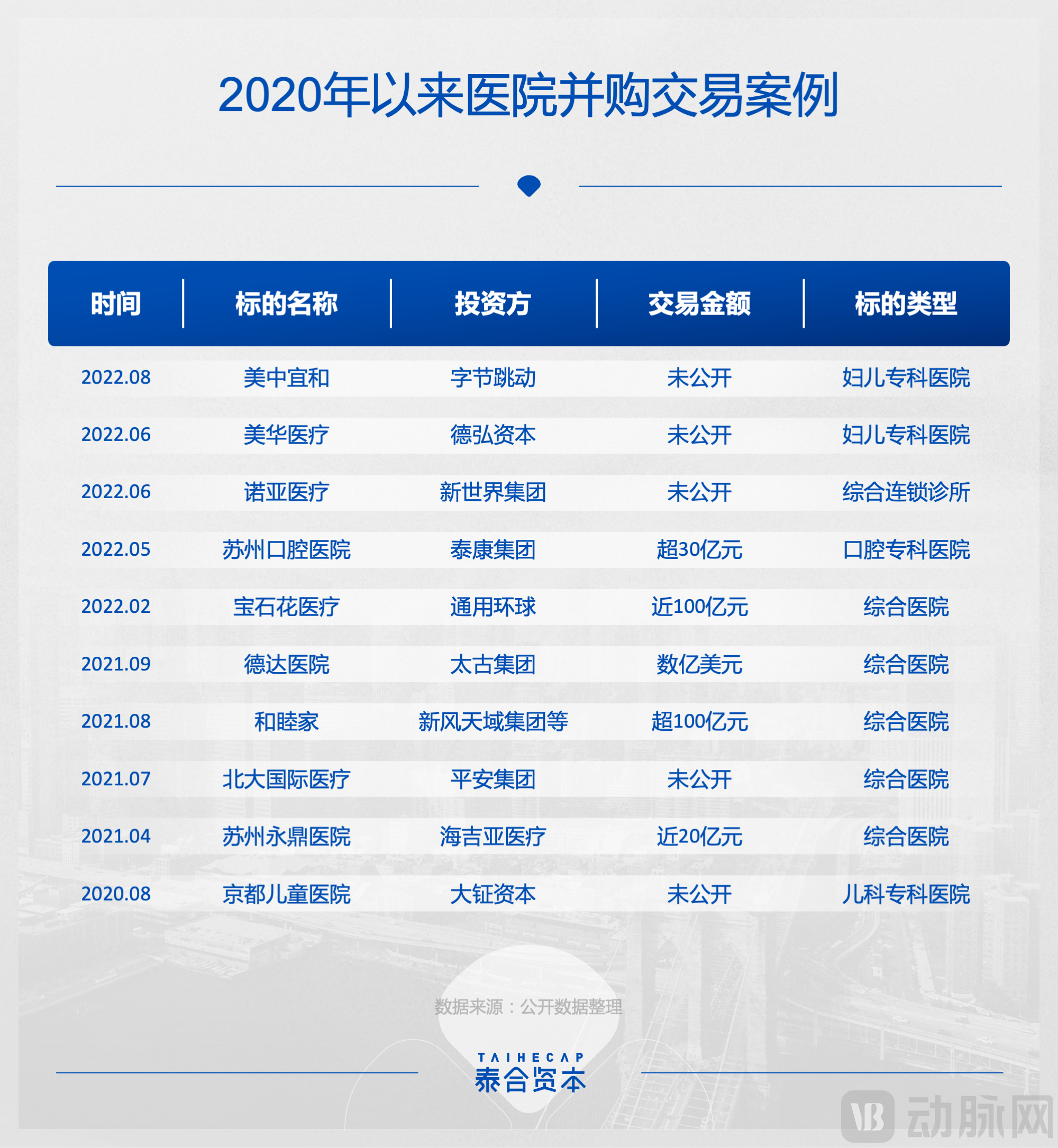
On August 5, news that internet giant ByteDance had acquired Amcare Women’s and Children’s Hospital through a wholly-owned subsidiary undoubtedly drew market attention to hospital assets. In fact, mergers and acquisitions in the healthcare sector have been highly active in recent years: listed company Hygeia Healthcare spent nearly RMB 2 billion to acquire Suzhou Yongding Hospital; private equity firm DH Capital acquired Shanghai American-Sino Women’s and Children’s Hospital; insurance giant Ping An Insurance took over Peking University International Hospital; and Taikang Insurance acquired Suzhou Stomatological Hospital for RMB 3.8 billion, among other deals.
Unlike the previous wave of restructuring in public hospitals, recent years have witnessed a surge in the scale of hospital mergers and acquisitions (M&A), with deal values often reaching billions. The participants in these M&A activities have also changed significantly: in addition to traditional healthcare groups, new players such as private equity (PE) buyout funds, insurance conglomerates, and internet giants have entered the fray.
Drawing on our M&A transaction experience and industry research, this article examines the history of hospital mergers and acquisitions (M&A) in China and the United States through a systematic review and comparison, aiming to uncover the similarities, differences, and underlying mechanisms shaping the two markets. It seeks to address the following questions: What factors drive waves of hospital M&A? What are the distinctive features of hospital M&A in China compared with the United States? What new trends will emerge in the future?
▶ Changes in the payment system are the core driving force behind hospital mergers and acquisitions (M&A) in the United States. Hospital M&A activities in the U.S. have evolved through various stages, from disordered expansion to specialized, vertical integration. In recent years, the trend toward “mega-deals” has become increasingly pronounced, with M&A transactions exceeding $1 billion in value or involving targets with annual revenues surpassing $500 million.Mega MergerAccounting for nearly one-third;
▶ Hospital M&A in China Faces Three Core Challenges Amid a Unique Market Environment:Capital Exit Challenges(IPO channels are constrained, yet capital seeks exit),Growth Bottleneck Challenges(Regional hospitals face growth bottlenecks, and cross-regional management costs are rising),Managing Handover Challenges(The inheritance and management transition of physician teams); the outbreak of the COVID-19 pandemic has further exacerbated the difficulties and challenges in these three areas, further driving the trend of industry mergers, acquisitions, and integration;
▶ China’s Hospital Industry Will Enter“Horizontal Expansion + Vertical Extension”The phase of industry integration that combines both, which we refer to as“Roll-ups”ofIntegrated Acquisition, that is, regional chain groups are consolidated into national healthcare groups, with vertical integration across the upstream and downstream segments of the industry chain; their objectives are to expand scale, establish a brand presence nationwide, and reduce management costs through synergies to achieve economies of scale;
▶ Taihe believes that future hospital M&A transactions in China will primarily fall into four categories: asset allocation by large investment institutions, strategic alliances among leading industry groups, synergistic integration across the upstream and downstream industrial chain, and strategic layout by regional market leaders. As industry consolidation and reshuffling progress, a new cohort of industry giants will emerge in China’s hospital sector, steering it toward more sustainable and healthy development.
Mergers and acquisitions are not merely isolated capital maneuvers, but complex transactions constructed from a vast array of clauses and prolonged negotiations and communications. Therefore,Combining industry observations with M&A transaction practices, we have prepared a “Practical Guide to Hospital Mergers and Acquisitions” at the end of this article., with the aim of providing reference for buyers and sellers.
The Wave of Hospital Mergers and Acquisitions in the United States: Hotspots in M&A Transactions
To understand the development trends of China’s hospital M&A market, we may draw some insights from the wave of hospital mergers and acquisitions in the United States over the past four decades.
Underlying Drivers of the 40-Year M&A Wave: Changes on the Payment Side
In most cases, the establishment and abolition of operational rules will have a profound impact on the development of the industry.The wave of hospital mergers and acquisitions in the United States has its specific historical background, with the core driving factors beingPayment Systemof transformation.
▶ 1980s:Healthcare insurance payment has shifted from fee-for-service reimbursement to global budget prepayment, prompting healthcare institutions to form alliances for mutual support.
The Diagnosis-Related Groups (DRG) payment system is a mechanism for balancing and controlling healthcare budgets. It incentivizes high-efficiency, low-cost medical service delivery, promotes efficient resource utilization, and guides clinically appropriate diagnosis and treatment. During this phase, numerous small healthcare institutions closed or were acquired, while others pursued integration to achieve economies of scale, reduce costs, and enhance bargaining power with insurers, leading to the prevalence of managed care in the United States.
▶ 1990s:From a cost-based system to value-based payment, healthcare institutions have shifted from aggressive horizontal integration to managed expansion.
The United States implemented the Resource-Based Relative Value Scale (RBRVS) payment system for Medicare, while Diagnosis-Related Groups (DRGs) were fully adopted for outpatient, rehabilitation, nursing, and home health agencies outside of hospitals. In the late 1990s, to incentivize healthcare providers to maintain service quality under fixed payment rates, the U.S. gradually introduced value-based payment models. This approach incorporated evaluation metrics related to service quality and efficiency into hospital payment assessments, encouraging healthcare institutions to control costs while ensuring quality. During this period, a large number of independent hospitals were merged into healthcare systems.
▶ Since 2000: From capitation to single-disease payment, healthcare institutions have begun to develop vertically by providing full-course-of-care services.
As the value-based care model continued to evolve and mature, the United States enacted the Affordable Care Act (also known as Obamacare) in 2010. This legislation sought to reform payment methods by implementing bundled payments to cover the entire continuum of care for specific conditions. By evaluating performance based on both the cost and outcomes of treatment across the full course of disease, this payment model encouraged the extension of patient services from in-hospital to out-of-hospital settings. Hospitals not only focused on treatment but also expanded into health management, prompting healthcare groups to extend their services throughout patients’ lifetimes. This shift required hospitals to further enhance their comprehensive service capabilities alongside integration and mergers and acquisitions, thereby driving further consolidation within the industry along specialized and vertical lines.
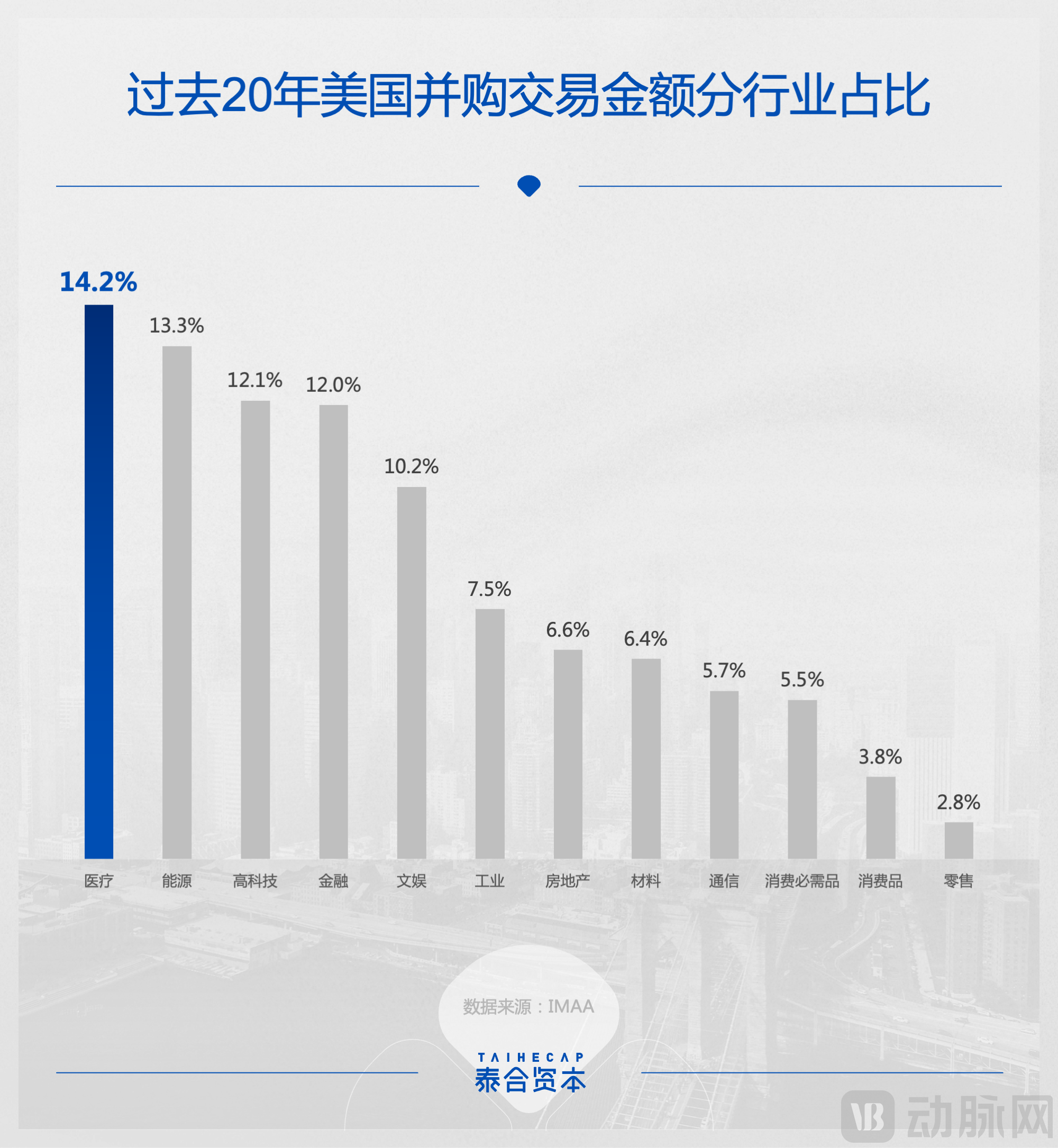
Among these, the development trajectory since 2000 holds greater reference value for the Chinese market.By zooming in on the timeline of the past two decades, we can observe thatThe healthcare sector is the most active area for M&A transactions in the United States.Over the past two decades, the United States has witnessed more than 240,000 M&A transactions, with a cumulative transaction value of approximately $28 trillion. Among these, the healthcare sector recorded the largest M&A volume, surpassing traditional sectors such as energy, TMT (technology, media, and telecommunications), and finance, with a transaction value nearing $4 trillion.Accounting for over 14%, it ranks first among all industries.. As the core providers of the healthcare system, hospitals are also the hottest area for consolidation in the U.S. healthcare industry, with the total annual revenue of acquisition targets exceeding RMB 100 billion.
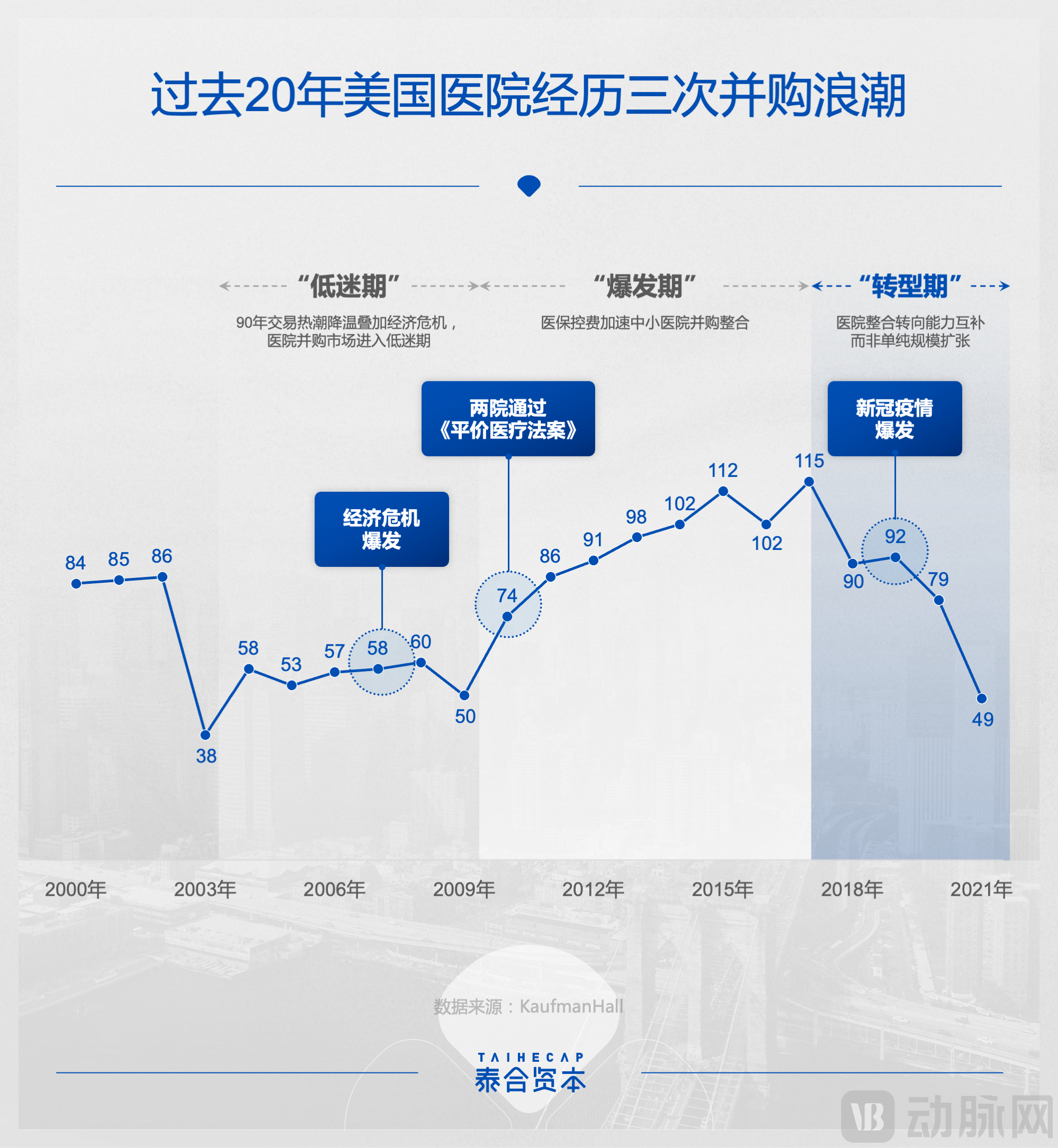
Over the past two decades, the wave of hospital mergers and acquisitions in the United States has also exhibited distinct cyclical characteristics:
▶ 2003–2009:Following the “M&A boom” of the 1990s, the market gradually cooled down. Large institutions placed greater emphasis on internal optimization, and coupled with the impact of the 2008 global financial crisis, this led to a decline in the overall number of M&A transactions;
▶ 2010–2017:Following the implementation of the Affordable Care Act under the Obama healthcare reform, cost-containment pressures accelerated the acquisition and consolidation of small and medium-sized hospitals by medical groups; during this period, the average annual number of transactions reached 182% of that in the previous phase.
▶ 2018–Present:The number of independent institutions in the market seeking M&A opportunities has gradually declined. Following the outbreak of the epidemic at the end of 2019, large institutions have become increasingly prudent in selecting acquisition targets. Their core focus has shifted from past expansion in scale to the integration and supplementation of intellectual capital, market development capabilities, and medical service capabilities, leading to a renewed decline in the number of transactions.
The Past Decade: Digital Transformation + New Entrants + Resurgence of Hospital M&A
If the reform of medical insurance payment is the internal driving force for hospital mergers and acquisitions, then the two major external driving forces areDigital Transformation in the Healthcare SectorandThe entry of new players (such as insurance institutions and tech giants).
As previously mentioned, between 2010 and 2019 in the United States, both the proportion of large transactions and the average transaction size showed an upward trend,Leading institutions are growing in scale, and market concentration is increasing.。
▶ On the one hand,The digitalization and intelligent transformation of healthcare services have driven industry-wide change: digital health and telemedicine have improved hospital operational efficiency, while the application of surgical robots and artificial intelligence in healthcare has enhanced patient care and reduced costs. This has consequently spurred mergers and acquisitions of small and medium-sized medical institutions by large hospitals with stronger IT infrastructure capabilities, as well as strategic partnerships between hospitals and health information technology companies.
▶ On the other hand,The continuous evolution of the market has also led to the emergence of new players: insurance institutions have entered the arena with the goal of managing costs across the entire patient lifecycle, attracting patient traffic through healthcare entities to achieve greater economies of scale; meanwhile, other non-healthcare enterprises, such as internet giants, are actively venturing into the healthcare sector to leverage their advantages in technology, efficiency, and consumer insights, seeking opportunities for disruptive technological innovation.
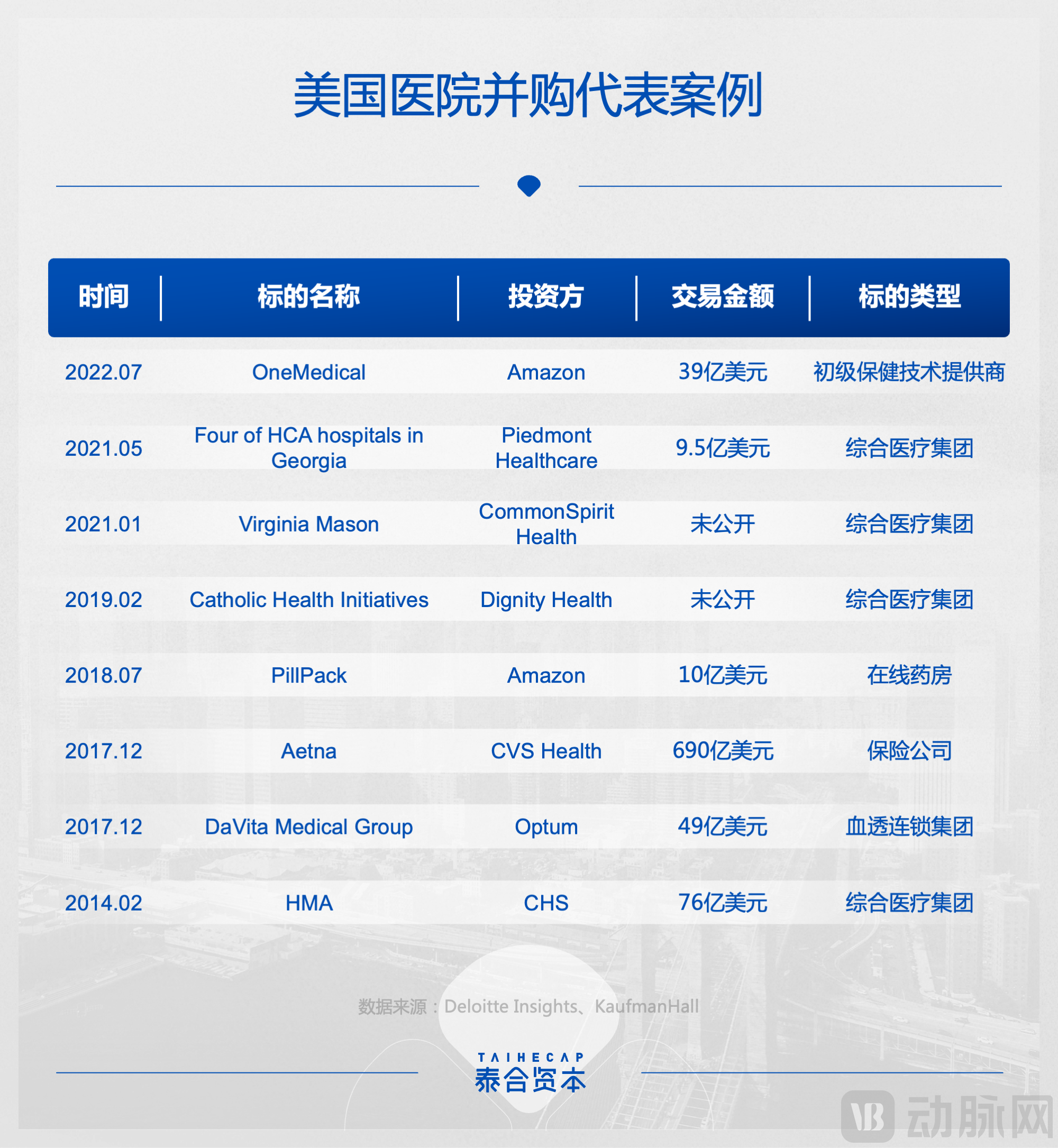
During this period, numerous typical cases have emerged, such as the merger and integration of large healthcare service groups with mid-sized healthcare groups.(CHS Acquires HMA); insurance institutions and healthcare service providers have also integrated payment and services through mergers and acquisitions(Optum, a subsidiary of UnitedHealth Group, acquires medical group DaVita Medical Group); tech giants are also entering the healthcare sector(such as Amazon’s nearly $1 billion acquisition of the online pharmacy PillPack, as well as its establishment of proprietary offline health clinics)Wait.
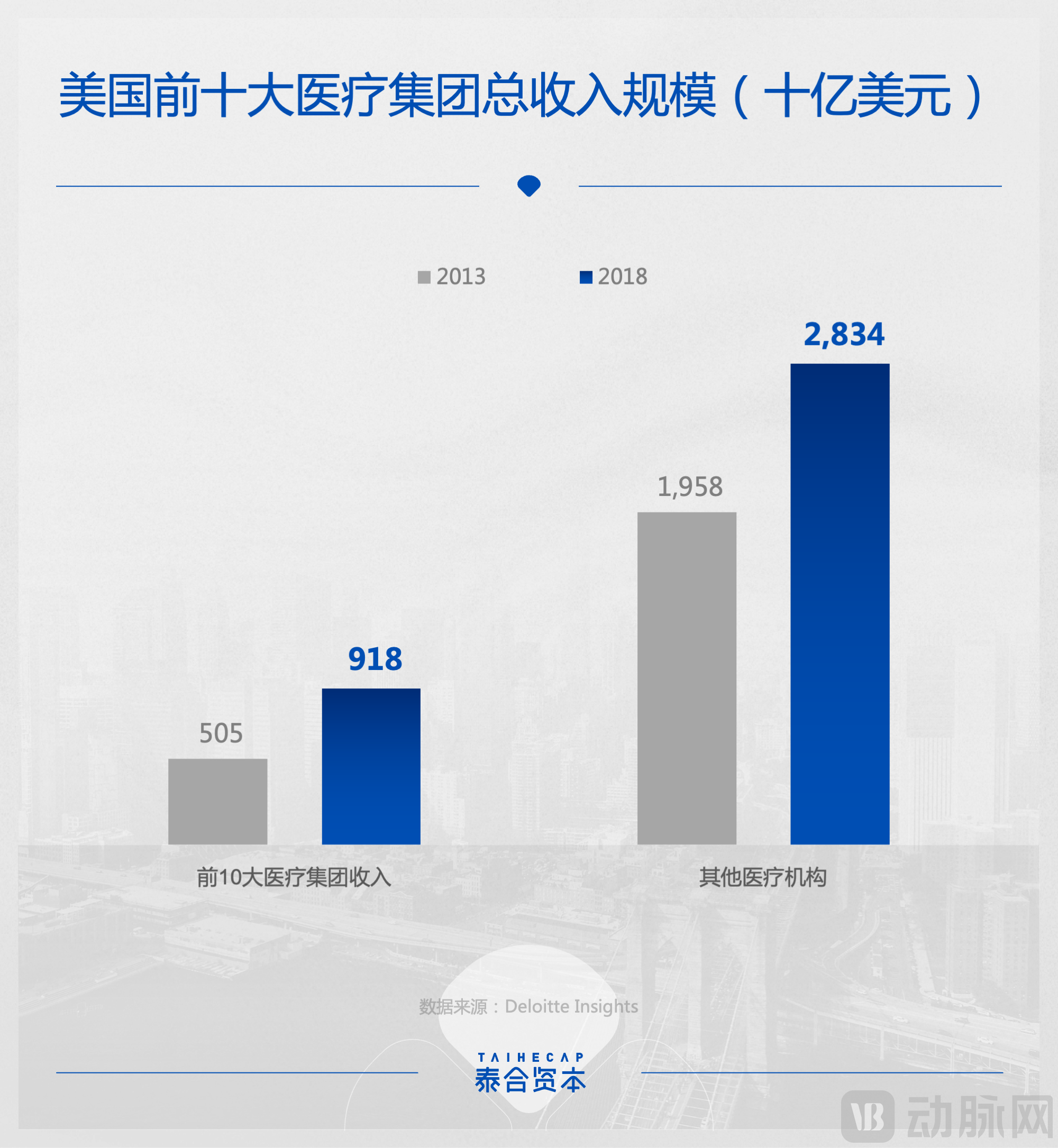
Amid the M&A Boom, the Strong Get Stronger.During this period, the market share and revenue scale of the top ten U.S. healthcare groups increased significantly. Between 2013 and 2018, the market share of the top ten U.S. healthcare groups rose to 24%, with their combined revenue growth rate nearly double that of other healthcare institutions.
The Post-Pandemic Era Ushers in an Age of “Mega-Mergers”
Taihe’s observations reveal that since the global outbreak of the COVID-19 pandemic in 2020,The scale of hospital mergers and acquisitions in the United States is growing ever larger, with “Mega Mergers” continually emerging.
The latest example emerged in late July, when Amazon’s $3.9 billion acquisition of healthcare provider One Medical sent shockwaves through the market, marking Amazon’s largest healthcare acquisition to date.。
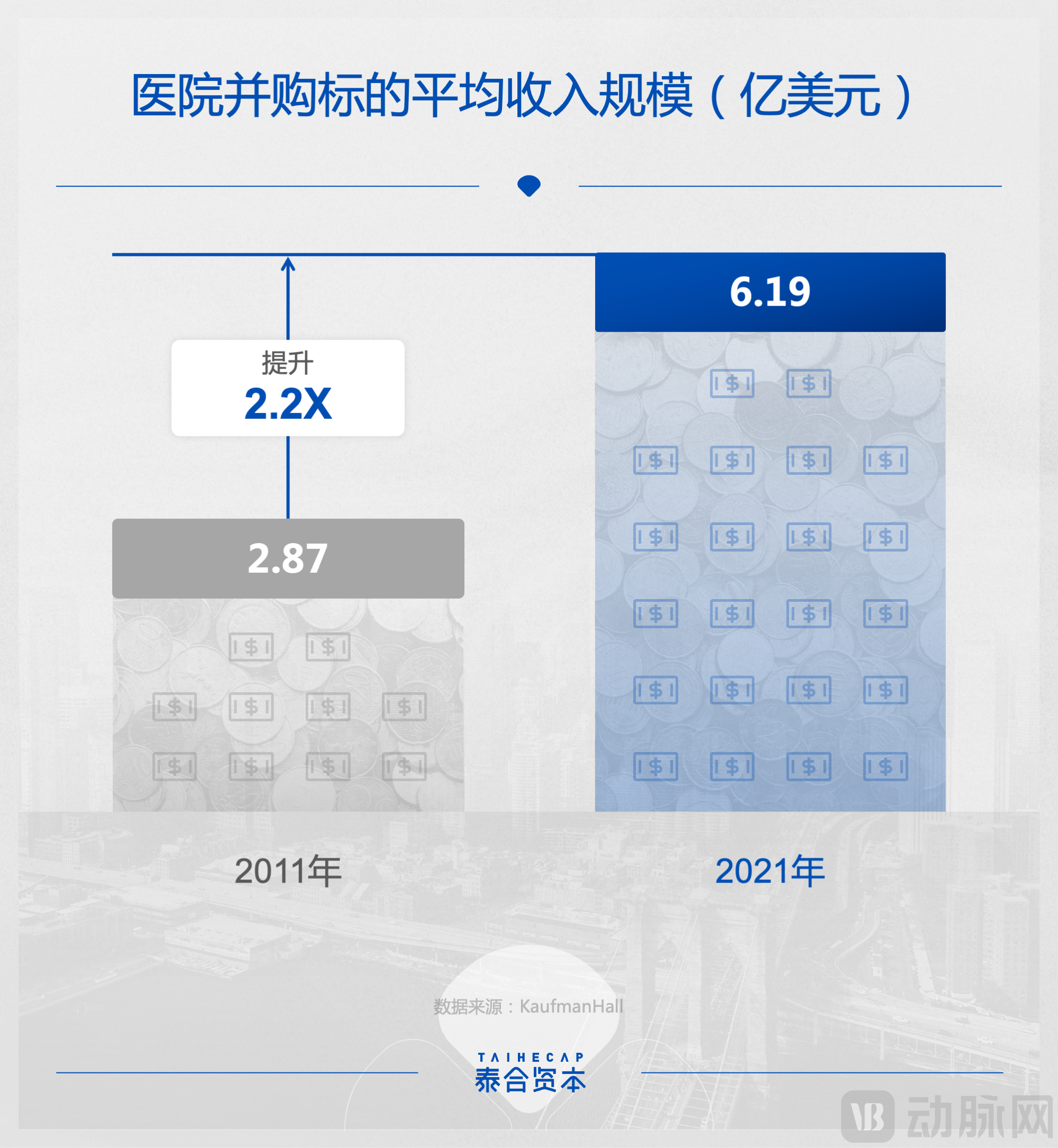
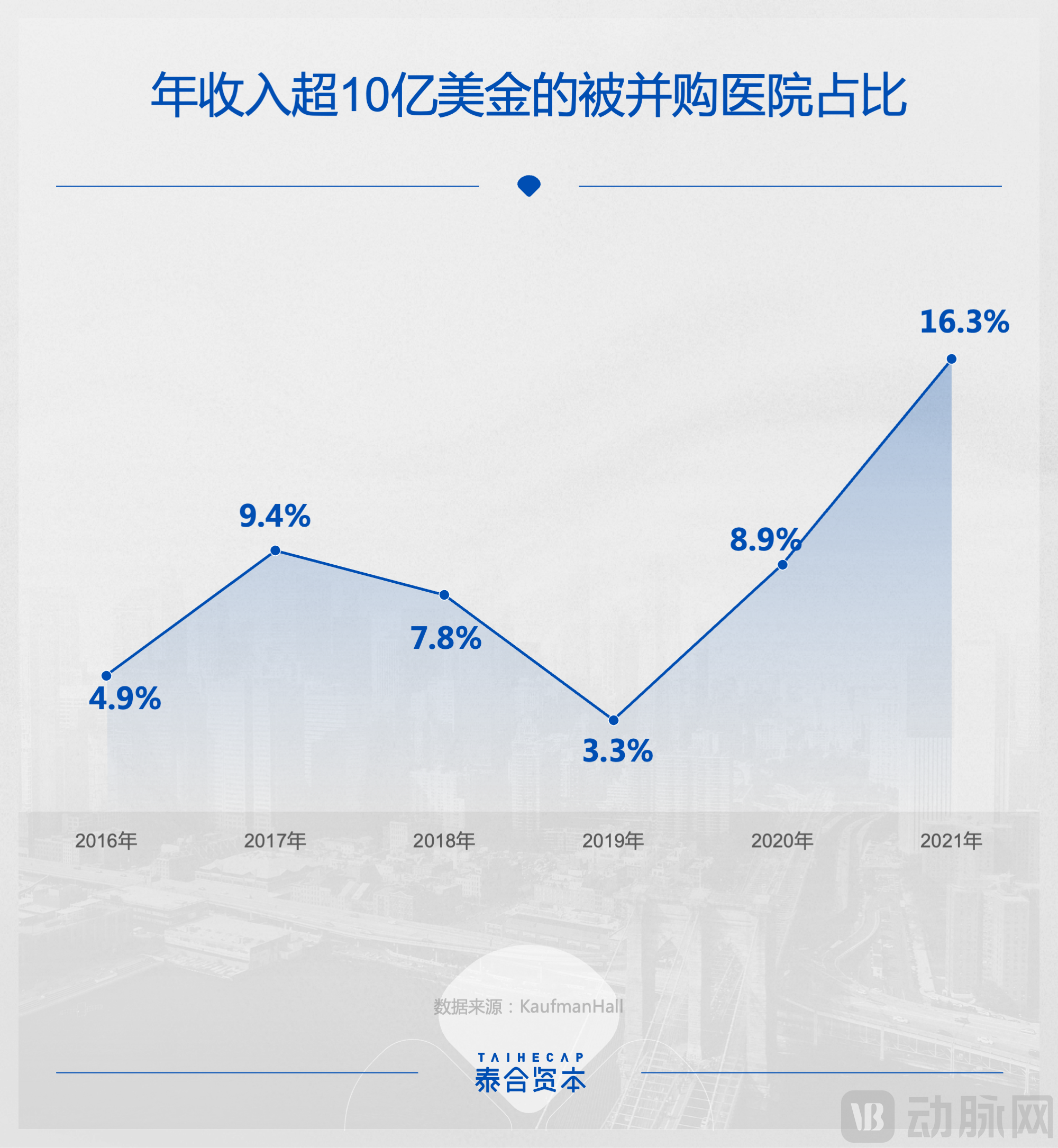
In 2021, the average revenue size of targets in U.S. hospital M&A transactions was nearly $619 million, compared to only about $287 million a decade earlier, representing more than a twofold increase in the average deal size. Meanwhile, the proportion of mega-deals with target revenues exceeding $1 billion rose from 4.9% in 2016 to 16.3% in 2021, reflecting steadily increasing market concentration and an increasingly pronounced trend of industry consolidation.
"Why Have 'Mega-Mergers' Become the Norm?"
The primary driving force behind this trend is the need for large healthcare groups to optimize their business structures and carry out regional integration. The pandemic in 2020 further reshaped the landscape of the U.S. healthcare market, with many healthcare institutions encountering financial difficulties, disruptions to core operations, and significant increases in labor and supply costs due to workforce and supply chain constraints, leading to sharp declines in profits or even losses. Healthcare institutions have become more aware ofThe Importance of Scale in Risk Mitigation, and refocus limited resources on core businesses.
For instance, Tenet Healthcare, a prominent U.S. healthcare group, has been actively engaged in strategic acquisitions and divestitures: in December 2020, it acquired more than 45 ambulatory surgery centers from SurgCenter Development for $1.1 billion; six months later, it sold five hospitals in South Florida and associated physician practices to Boston-based hospital operator Steward Health Care for approximately $1.1 billion.
Through simultaneous acquisitions and divestitures, Tenet Healthcare is optimizing its asset structure, expanding the Group’s service capabilities, and simultaneously reducing the overall cost of healthcare services.
It can be said that, at this stage,The pandemic catalyzed industry transformation and accelerated the pace of strategic layout for various healthcare service institutions.Institutions with strong financial health and minimal operational disruption from the pandemic will accelerate their pace of regional consolidation. The mergers and acquisitions during this phase exhibit the following characteristics:
▶ Strategic Synergy:Healthcare institutions place greater emphasis on evaluating strategic synergies when selecting M&A targets, leading to more prudent decision-making;
▶ Scale Advantage:Medical groups are increasingly aware of the necessity of scale, which signifies stronger resource allocation capabilities, as well as greater operational and financial resilience against risks;
▶ Focus on Core Business:Major players are focusing more on core assets and markets, divesting regional assets or non-core businesses that lack competitive advantages to provide capital and resources for strengthening their core operations;
▶ Business Upgrade:Prioritize business scale, adjust market positioning, enhance disciplinary capabilities, and expand new service offerings to meet consumer demand for novel or upgraded services.
The Chinese Path: Alike, Yet Not Quite
Similar to the wave of mergers and acquisitions in the United States over the past four decades, the core driver of hospital M&A in China is also healthcare insurance payment reform—Cost control is the core demand.
Since the inception of healthcare insurance reforms, public hospitals in China have embarked on restructuring and seeking alliances for mutual support; meanwhile, after a period of unchecked early growth, private hospitals have seen the emergence of specialized hospital groups and capital institutions.The broader market is beginning to exhibit scale effects among leading players, with mergers and acquisitions becoming more standardized and systematic.Furthermore, the evolution of hospital mergers and acquisitions in China has been accompanied by technological advancements and an increasing number of participating stakeholders.
In the post-pandemic era, hospital mergers and acquisitions have further demonstratedMore Business-Focused, More Professional Managed Integrationcharacteristics. As previously mentioned, M&A activities in China’s healthcare market have become increasingly frequent since 2020, with deal amounts often reaching billions of yuan. We anticipate that the development trajectory of the Chinese market will mirror that of the U.S. market, with all M&A transactions aimed at enhancing business focus and specialization, thereby strengthening the integration capabilities of leading healthcare groups.
However, compared with the United States,The Chinese market boasts a larger patient population base and a greater number of hospitals.For all parties involved in mergers and acquisitions (M&A), this presents both greater opportunities and heightened challenges. How to select the direction for M&A and identify suitable specific targets within that chosen direction will become the core focus of M&A activities.
M&A in Chinese Hospitals Over the Past Decade
The rise of hospital mergers and acquisitions in China can be traced back to the “New Healthcare Reform” launched in 2009, which centered on cost containment within the public healthcare system. In 2012, the policy of “separating pharmaceutical sales from medical services” was implemented, fundamentally disrupting the revenue model whereby public hospitals relied on drug markups to subsidize physician compensation. Consequently, public hospitals began seeking new pathways for sustainable development.
Following the exploratory phase, from 2015 to 2016, the state began to gradually guide the restructuring of public hospitals. During this process, public hospitals started to engage with social capital, leading to a surge in market transactions. This stage was characterized primarily by simple horizontal mergers and acquisitions, whereby regional standalone hospitals formed alliances to expand their coverage, aiming to share patient resources and achieve economies of scale in costs.
Meanwhile, the operations of private hospitals have become more mature and market-oriented. From 2016 to 2017, the A-share healthcare index began to strengthen, making healthcare a highly scrutinized growth sector in the secondary market. As the restructuring of public hospitals gradually drew to a close, hospital mergers and acquisitions (M&A), led by specialized chain providers, started to become mainstream. Leading specialized chain institutions and listed companies began to actively pursue M&A-driven expansion based on their existing business footprints.
2018 was a watershed year.
This year, the restructuring of public hospitals entered a cooling-off period, with increasingly stringent requirements for cost control.Simple regional clustering can no longer resolve the overall profitability challenges stemming from inadequate management capabilities, leading to the gradual emergence of specialized vertical and management-driven mergers and acquisitions.Subsequently:
▶ Regional small and medium-sized standalone hospitals and chain hospital groups have begun seeking partnerships with large medical groups, while leading healthcare players in specialized sectors have successively gone public. For instance, Heye Eye Hospital, Purui Eye Hospital, and Huaxia Eye Hospital have all targeted the A-share market, with the first two already successfully listed on the A-share exchange. In the dental sector, Arrail Dental commenced its IPO on the Hong Kong Stock Exchange and was officially listed last year. Aier Eye Hospital, the A-share leader in ophthalmology, has been intensively consolidating regional eye hospitals; Jinxin Fertility in the assisted reproduction sector has launched nationwide M&A activities; and Hygeia Healthcare in the oncology field has also initiated external acquisitions and mergers. Leading medical groups across various specialized segments have ushered in a wave of nationwide consolidation and M&A.
▶ Comprehensive management groups with professional capabilities (such as private equity firms and insurance capital) seized this opportunity to “buy the dip” and enter the market; for example, New Frontier Health completed the privatization of United Family Healthcare, and Taikang Insurance Group made a strategic investment in Sanbo Brain Hospital.
▶ Internet and tech giants are seeking transformation by exploring upgrades in medical technology while strengthening their social responsibility; for instance, JD Health is expanding into medical services, and Xiaohe Medical, under ByteDance Health, has entered the obstetrics and gynecology sector through its investment in Amcare.
▶ Additionally, some industrial unicorns have entered the market by integrating specialized industry chains. For instance, Lancy Co., Ltd. has invested in medical aesthetics chain clinics and plastic surgery hospitals, while Haier Group has been continuously building a healthcare ecosystem through its “industrial investment banking” model.
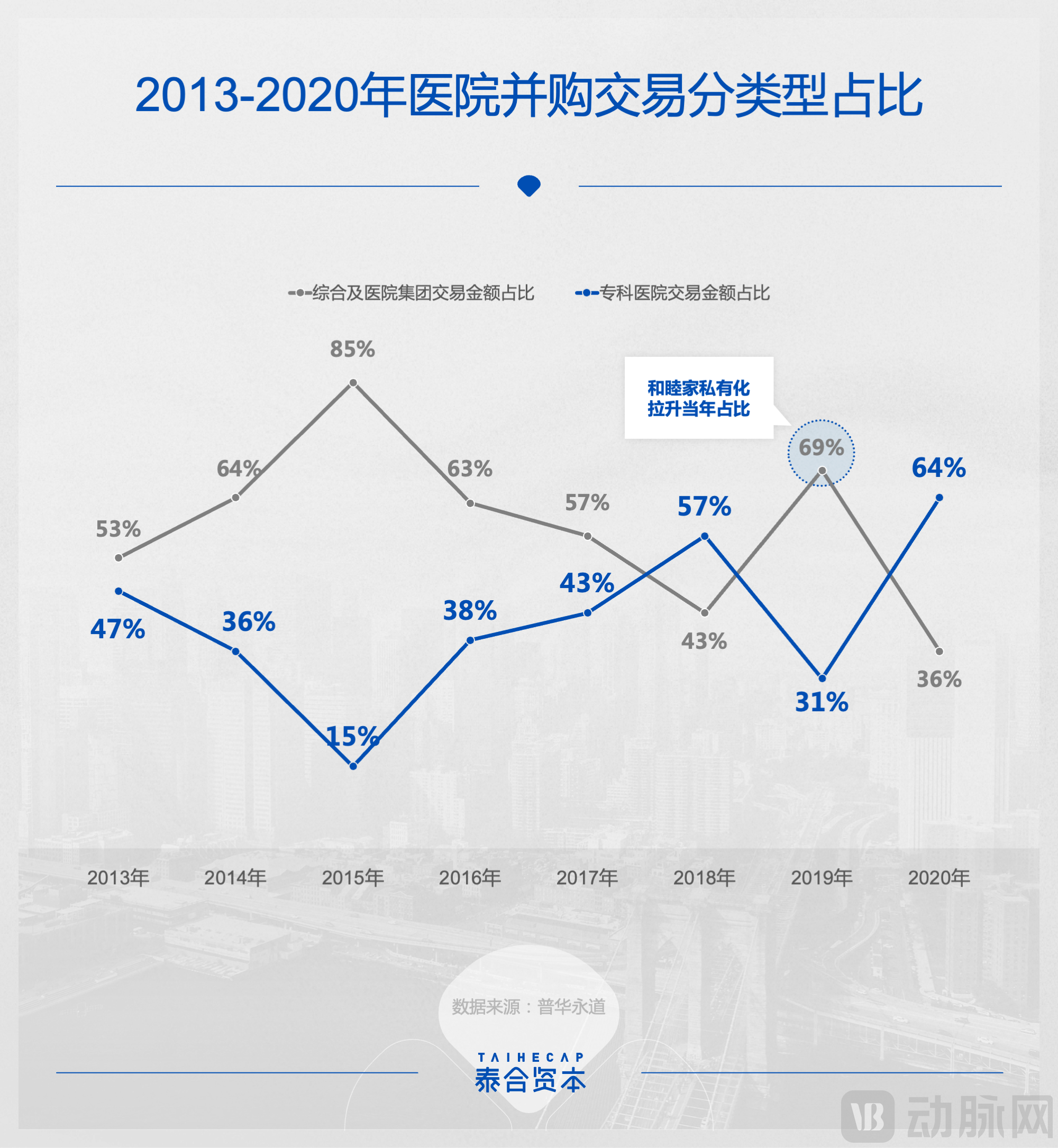
Since 2018, specialized hospitals with distinctive clinical specialties and high-quality physician resources have gradually gained favor among investors.M&A funding is shifting from general hospital groups to specialized hospital chains, with mergers and acquisitions of private hospitals becoming the mainstream trend.According to PwC statistics, in 2020, the transaction value of mergers and acquisitions (M&A) involving specialized hospitals in China accounted for more than 60% of the total M&A funds in the hospital sector.
Starting from that year, the financial pressure on medical insurance funds gradually intensified, with the growth rate of national basic medical insurance expenditures beginning to exceed that of revenues; if fiscal subsidies included in medical insurance revenues are further excluded, this gap would widen even more.
In 2020, the National Healthcare Security Administration launched pilot programs for Diagnosis-Related Groups (DRG) and Big Data Diagnosis-Intervention Packet (DIP), with the goal of fully completing payment method reforms by 2024. This means that healthcare institutions can no longer operate in an extensive or expansion-oriented manner; instead, they must prioritize operational efficiency, cost control, and reflecting the technical value of medical services themselves. Meanwhile, some national comprehensive demonstration regions have begun exploring new models of performance-based value payment.
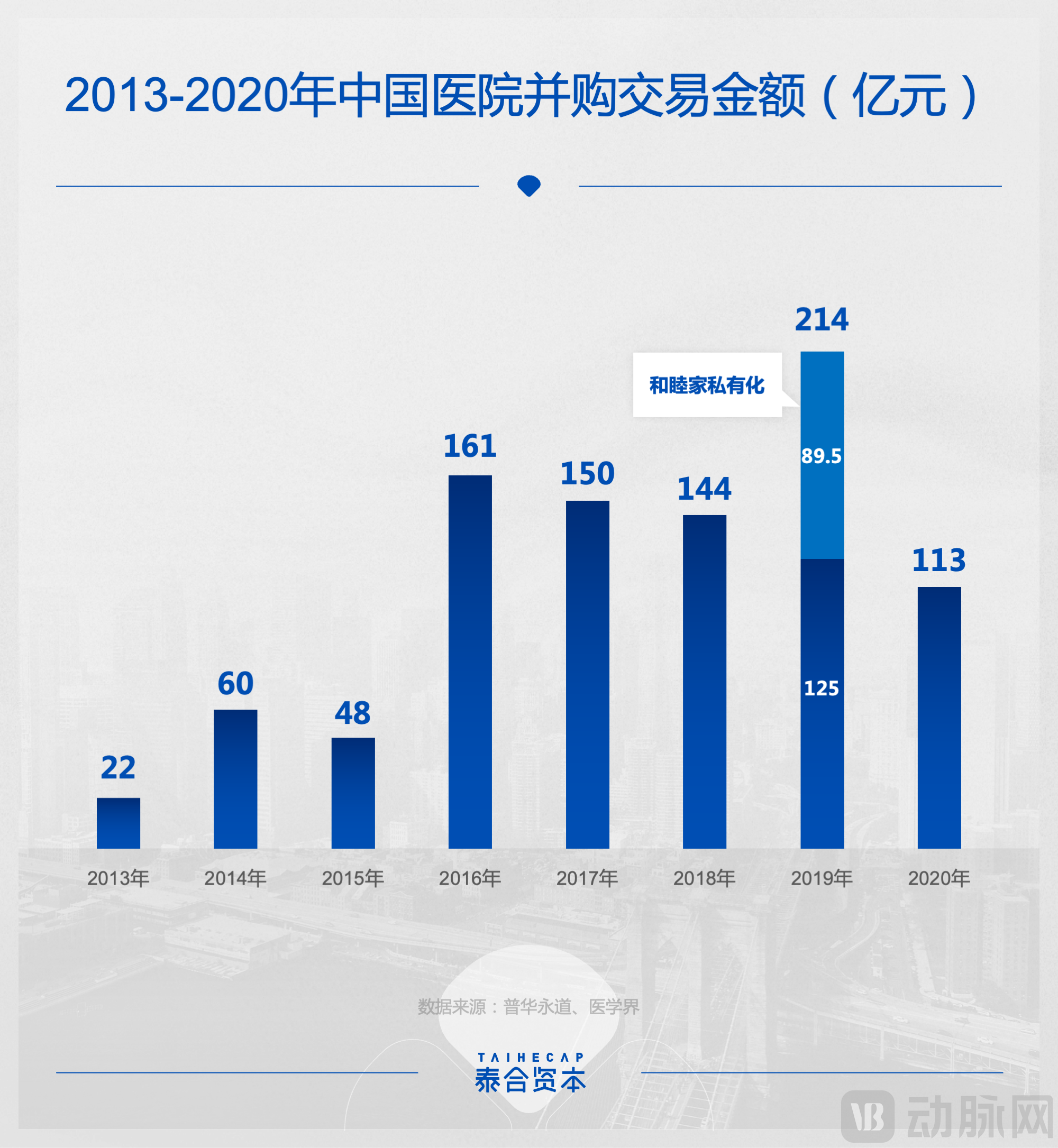
A New Phase Has Arrived for the Hospital M&A Market.According to medical industry statistics, the annual number of hospital merger and acquisition (M&A) transactions in China remained below 100 between 2013 and 2016. The figure began to rise after 2016, surpassing 200 deals in 2019, while the average transaction value per deal also increased compared to earlier years.The Market Enters a Gradually Maturing Phase。
In the Post-Pandemic Era, “Roll-Up” Acquisitions Will Become Mainstream
In 2020, the outbreak of the pandemic dealt a severe blow to hospitals.
▶ On the one hand,For hospitals and healthcare groups, to mitigate the risks associated with continuous operations, a significant number of hospitals have begun to actively seek support from social capital to ensure the stability of their capital chains. Furthermore, given the lengthy incubation period required for hospital assets, most healthcare groups require meticulous management across multiple generations (for instance, Mayo Clinic, Massachusetts General Hospital, and HCA Healthcare in the United States have all been in operation for over a century). In contrast, the majority of domestic healthcare groups in China were established around the year 2000 and are now beginning to face challenges related to the academic succession of expert teams and the transition of management leadership.Amid the confluence of multiple factors, seller supply in the M&A market has begun to increase.
▶ On the other hand, buyers have also undergone dramatic changes.For publicly listed healthcare groups, market capitalization management requires more systematic, professional, and vertically integrated industry M&A and consolidation. They need to break through the bottlenecks of organic growth and achieve further expansion through inorganic growth via mergers and acquisitions. For industry giants, social responsibility has become a more critical issue. Using hospitals as an entry point allows them to give back to society while simultaneously managing employee health. For instance, Kweichow Moutai’s hospital construction initiative is a non-profit livelihood project that addresses the reality that Renhuai City, with a population of 720,000, previously lacked any Grade A tertiary hospital.
Also driving the surge in M&A activity is the need for capital exit.In 2015, the state promulgated and implemented the “Several Policy Measures on Promoting the Accelerated Development of Socially-Run Medical Institutions,” encouraging private capital to participate in healthcare services and hospital construction. Various investors began investing in and building hospitals; consequently, as fund terms have matured in recent years, many social capital entities face exit pressures. Currently, there remains significant uncertainty regarding overall exit channels in the secondary market, making mergers and acquisitions (M&A) in the primary market a more practical exit option.
▶ We have observed that the M&A market has been reinvigorated over the past two years, entering a phase characterized by greater focus and vertical specialization, which we refer to as “Roll-ups” or consolidative acquisitions.Specifically, this involves the consolidation of regional chain groups into national healthcare groups, as well as vertical integration across the upstream and downstream segments of the industry chain. The objectives are to expand scale, establish a brand presence nationwide, and reduce costs through synergistic integration, thereby achieving economies of scale.
This wave of M&A differs from previous ones. For acquirers, simple mergers and acquisitions no longer drive overall growth. With a dazzling array of targets available in the market, buyers must more carefully scrutinize the fundamental endowments of potential targets to identify those that truly align with their regional business networks and specialty areas. Therefore,Mergers and acquisitions will become more focused (on their own specialty businesses) and more specialized (in strengthening their own business networks).
What Might Happen in the Future
We anticipate that future M&A transactions involving Chinese hospitals will largely fall into four categories:
1. Asset Allocation of Large Investment Institutions
Amid economic tightening and global inflation, leading buy-side institutions—such as state-backed funds, insurance capital, and US dollar-denominated private equity firms—are beginning to focus on specific sectors and make significant investments from an asset allocation perspective. Aiming to optimize portfolio allocation, safeguard the margin of safety for their capital, and secure deterministic asset returns, these investors place particular emphasis on the profitability and long-term operational sustainability of target companies.
2. Strategic Alliances and Consolidation Among Leading Industrial Groups
Industrial healthcare groups expand their regional market share through mergers and acquisitions (M&A), diversifying institutional formats and service offerings. On one hand, general hospital groups extend their reach to the primary care level by acquiring satellite hospitals and outpatient clinics, thereby establishing a comprehensive, multi-tiered service network. On the other hand, national specialized chain groups acquire regional specialized chains to rapidly capture regional markets, leveraging minimal M&A costs to maximize their market capitalization on the secondary market. Regardless of the approach, industry buyers place greater emphasis on operational barriers in the target’s region, such as brand reputation, expert medical teams, and the quality of the patient base.
3. Collaborative Integration of the Upstream and Downstream Industry Chains
For pharmaceutical and medical device manufacturers, acquiring hospitals to establish a presence at the terminal end of the industry chain can secure a broader patient base, strengthen pharmaceutical R&D, and facilitate the downstream application of R&D outcomes, thereby promoting the coordinated development of upstream R&D and terminal services; consequently, greater emphasis is placed on industrial synergies.
4. Strategic Layout of Regional Leading Enterprises
For regional leading enterprises, acquiring hospitals can diversify their business layout, leverage idle funds and local patient resources, seek a second growth curve, and simultaneously fulfill their social responsibility.
Practical Guide to Hospital Mergers and Acquisitions
Mergers and acquisitions (M&A) are not merely isolated capital maneuvers, but complex transactions constructed from a vast array of clauses and prolonged negotiations and communications. Taihe has accumulated extensive experience through its past industry observations and M&A transaction practices,At the conclusion of this article, we hope that the following practical guide to mergers and acquisitions will provide tangible assistance to buyers and sellers in the industry.
First, what types of hospital targets are suitable for mergers and acquisitions? Generally speaking, they should possess the following attributes:
▶ A regional healthcare chain group with established presence over time and strong user reputation within its region;
▶ Robust expert resources, featuring a comprehensive team of specialist physicians and a well-structured talent pipeline;
▶ The company is in sound operational condition, with overall revenue growth exceeding 15% in recent years and demonstrating certain profitability/earnings potential.
▶ The equity structure is clear, and the management team is united with aligned objectives, ensuring operational stability during the transition period of control transfer.
For the acquirer, the purpose of the transaction is to obtain strategic synergy value while isolating historical corporate risks as much as possible.
For acquirers, to identify high-quality targets, the following issues should be prioritized:
▶ Is integration highly challenging? Can the expected outcomes be achieved?
Group-level management requires acquired hospitals to gradually integrate their finance and tax, human resources, and IT systems into the new platform. This integration process is not instantaneous; in particular, HR integration tends to be more complex. The effectiveness of this integration determines whether the “synergy value” sought through the M&A transaction can be realized, and related integration efforts typically commence prior to closing.
▶ Are core resources stable? Is the business sustainable?
Physicians and management teams are the core assets of healthcare service providers. It is typically necessary to negotiate arrangements for key personnel during the transaction agreement phase to ensure the stability of the medical and operational teams post-closing. Furthermore, attention must be paid to whether the licenses and qualifications required for operations, as well as the leases for business premises, carry risks of imminent expiration or significant renewal challenges.
▶ Have historical legacy issues been properly resolved?
If issues are identified during due diligence, a rectification plan must be developed, and the allocation of risks should be reasonably stipulated through contractual clauses—particularly those concerning liabilities, related-party transactions, and legal disputes, as these are often the focal points of negotiations between the parties.
For the transferor, the most critical considerations are the certainty of returns and the controllability of risks:
▶ Payment Methods and Milestones
Cash and stock payments are more common, with the ratio typically depending on: 1) the acquirer’s ability to pay cash consideration; 2) differences in valuation expectations between both parties; 3) whether there is a strong desire to bind certain aspects of the target company for joint development. The setting of payment milestones and proportions generally aligns with the transfer of risks.
▶ Performance Commitment
Performance commitments are typically applicable when the original shareholders retain authority over the company’s operations and management, serving as a mechanism for adjusting the transaction price. The transferor should strive to establish achievable performance targets and seek to secure incentive mechanisms upon the attainment of such targets.
▶ Assumption of Historical Risks
The impact of historical issues on a company tends to diminish over time. The transferor should conduct a detailed risk analysis by category and likelihood, develop tailored mitigation strategies, and strive to avoid vague, catch-all indemnification commitments that may expose it to unnecessary risks.
▶ Rights and Exit for Remaining Shares
In transactions involving less than 100% equity transfer, the transferor becomes a minority shareholder post-closing. Given the limited liquidity of such holdings, it is customary to establish ex-ante agreements on minority shareholder protections and exit mechanisms for the remaining shares to prevent post-transaction disputes.
▶ Tax Planning
Prior to the transaction, potential tax burden optimization strategies can be analyzed to facilitate timely structural adjustments.
Conclusion
In the first half of 2022, the global pandemic resurged alongside the Russia-Ukraine conflict, while expectations of U.S. interest rate hikes and balance sheet reduction materialized, accelerating capital flight from high-risk countries and its repatriation to the United States. Meanwhile, consumer demand weakened further, and the global economy faced heightened risks of stagflation. We believe that against this macroeconomic backdrop, high-quality hospital assets will become the preferred choice for capital preservation and long-term investment allocation.
On the other hand, for China’s healthcare services sector, as industrial mergers, acquisitions, and consolidation reshape the landscape, a new cohort of industry giants will emerge in the Chinese hospital sector, steering it toward more sustainable and healthy development.
References:
[1] IMAA:United States-M&A Statistics,https://imaa-institute.org/mergers-and-acquisitions-statistics/united-states-ma-statistics/
[2]Deloitte Insights: The potential for rapid consolidation of health systems;
[3]Kaufmanhal:2017-2021 M&A in Review;https://www.kaufmanhall.com/insights-all?f%5B0%5D=type%3A466&order=desc&sort=field_publication_date
[4]Americal Hospital Association: Building Value for the Future Through Integration, Investment and Structured Transformation, December 2018
[5] “The Evolution and Drivers of Medicare Payment Reform in the United States and Its Implications for China,” China Pharmacy, Vol. 31, No. 5, 2020