

Xuzhou Medical University's Professor Wang Gang Aims to Break Through the Trillion-Dollar Solid Tumor Market with Fully Human B7H3 CAR-T Therapy
Currently, CAR-T therapy is undoubtedly the "new star" of tumor immunotherapy.
CAR-T Therapy: Chimeric Antigen Receptor T-Cell ImmunotherapyAs the “elite special forces” within the immune arsenal, CAR-T therapy differs from conventional small-molecule or biologic therapies. It primarily involves extracting T cells from the patient’s blood, genetically engineering them to express chimeric antigen receptors (CARs), and thereby enabling them to recognize and attack tumor cells that express specific antigens.
To put it more vividly, CAR-T therapy equips T cells with a GPS navigation system, enabling them to directly identify and kill cancer cells.
In fact, as a “new technology,” CAR-T therapy took less than 30 years from the initial conceptualization to the market launch of the first product. In the 1990s, Professor Zelig Eshhar, an Israeli immunologist, proposed the concept of CAR-T. In 2011, Professor Carl June from the University of Pennsylvania in the United States clinically cured two patients with relapsed/refractory B-cell lymphocytic leukemia using CD19-targeted CAR-T therapy. In 2017, the U.S. Food and Drug Administration (FDA) approved the world’s first CAR-T product for marketing. In 2021, China’s National Medical Products Administration (NMPA) also approved two CAR-T products for marketing. In February 2022, Legend Biotech’s CAR-T product, cital-cel, was successfully launched and marketed in the United States.
Despite their short time on the market, CAR-T therapies have demonstrated strong applicability. According to statistical data, global sales of CAR-T products reached $1.71 billion in 2021, and had already attained $1.2 billion in the first half of 2022, indicating a clear upward trend.
In such a dynamic and promising new arena, numerous innovative ideas are bound to emerge.Professor Wang Gang’s Fully Human B7H3 CAR-T Therapy at Xuzhou Medical Universityis one of them. It is reported that this therapy has independently screened and obtained fully human scFv sequences targeting human B7H3, and has built immune cell therapies such as CAR-T/NK/iNKT based on these sequences.
Recently, at the invitation of the 2022 Second High-Value Patent Project Selection in the Biomedical Field, Professor Wang Gang, a core member of Professor Zheng Junnian’s immune cell therapy team at Xuzhou Medical University, discussed scientific research achievements and subsequent translation withVBInsight Orange BureauConducted an in-depth dialogue.
A Trillion-Yuan Market Remains Untapped
Tackling Solid Tumors: The Road for CAR-T Therapy Is Long and Arduous.
"To date, there are eight CAR-T therapies available on the market, including six approved in the United States and two in China. However, a notable limitation is that all these approved drugs target hematologic malignancies."
In an interview, Wang Gang remarked that the commercialization progress of CAR-T has consistently drawn significant attention, both in China and abroad. Although this innovative immunotherapy, CAR-T cell therapy, has been proven to achieve remarkable efficacy in hematologic malignancies, butSolid tumors have long been a major obstacle to CAR-T cell therapy.
From the market perspective,No CAR-T products for solid tumors have been approved to date.In terms of R&D progress, we have also learned that the most advanced solid tumor CAR-T candidates are still in Phase II clinical trials. Although CAR-T therapy has demonstrated favorable safety profiles in some small-scale studies targeting mesothelioma, sarcoma, gastric cancer, and pancreatic cancer, its clinical efficacy remains far inferior to that observed in hematologic malignancies.
Solid Tumor CAR-T Therapy Still Faces Multiple Challenges:
First, there is a lack of effective targets. Most clinical trials have employed tumor-associated antigens (TAAs) as targets; however, TAAs are also expressed in some normal tissues, posing off-target risks and safety concerns for CAR-T cell therapy.
Second, solid tumors exhibit high heterogeneity, with significant variations in immune characteristics, growth rates, and invasive capabilities among tumor cells across different patients or within different sites of the same patient. This results in a given CAR-T therapy being able to eliminate only a subset of solid tumor cells, while residual tumor cells continue to proliferate and metastasize.
Third, the tumor microenvironment exhibits significant immunosuppression; inhibitory immune cells and suppressive cytokines both dampen the activity of CAR-T cells that infiltrate the tumor. Furthermore, tumor cells impair the anti-tumor efficacy of CAR-T cells through antigen loss, aberrant co-stimulatory signaling, and expression of immune checkpoint molecules, leading to immune tolerance within the TME.
“The market size of CAR-T therapy for solid tumors can reach the level of hundreds of billions or even trillions.”However, due to strong market demand and high technical barriers, CAR-T therapy for solid tumors remains in a blue-ocean market.
So how does one become the “first to eat the crab”? Wang Gang’s answer is to use technology as a stepping stone.
Overcoming Technical Challenges: Existing Treatment Cases
In light of the current research challenges, Professor Wang Gang’s “Fully Human B7H3 CAR-T Therapy” has established two core objectives since the project’s inception.
First, to address the immunogenicity of murine-derived scFv that induces HAMA responses, thereby minimizing the immunogenicity of CAR-T cells and preventing immune rejection after infusion; second, to develop universal iNKT chassis cells that leverage their intrinsic properties to effectively eliminate immunosuppressive cells such as TAMs and MDSCs within the tumor microenvironment, thereby enhancing anti-tumor immunity, while also capitalizing on their natural universality to develop off-the-shelf CAR-iNKT cell products.
With a clear direction in place, Wang Gang’s team beganTargeting B7H3 for solid tumors, we independently screened and obtained fully human scFv sequences targeting human B7H3, and based on these, developed immunotherapeutic technologies including CAR-T, CAR-NK, and CAR-iNKT cells.
Furthermore, the team independently developed an in vitro induction and expansion system for human iNKT cells, achieving a purity of over 99% and an expansion fold change of more than 2,000 times. This system serves as the foundation for developing universal immune cell therapy technologies. Additionally, they have developed a technology for preparing enhanced CAR-NK immune cells. Currently, functional validation has been completed in various tumor models.
Certainly, achieving such results was no easy feat; Wang Gang’s team encountered numerous difficulties during the research process. Wang Gang told VCBeat Orange Bureau that the team has focused on exploratory clinical studies since 2015. Initially, they also conducted analyses using murine models, but after entering clinical trials, the tumor recurrence rate proved too high, and the outcomes were less than satisfactory.
To overcome this challenge, the team began constructing a fully human scFv display library. After four rounds of screening, they successfully identified antibody sequences capable of specifically recognizing and binding to the human B7H3 antigen. Following extensive validation, the team confirmed that CAR-T cells engineered with these antibodies exhibited potent targeted cytotoxicity against tumor cells.
And when it came to the core technological advantages, Wang Gang also spoke with eloquence and ease.Currently, all eight marketed drugs are derived from murine/alpaca antibodies., and the key to the team's technology lies inFully Human, meaning that all amino acid sequences are derived from the human body.
In fact, a major reason why organ or limb transplantation between different species is difficult lies in the challenge of effectively preventing rejection. The same issue applies to antibody therapy: murine antibodies are recognized by the human immune system, triggering a human anti-mouse antibody (HAMA) response, which diminishes the efficacy of monoclonal antibody drugs and causes severe adverse reactions.
This, to some extent, also explains the particularly high relapse rate of CAR-T therapy, while adoptingFully human scFv can minimize the immunogenicity of CAR-T, potentially prolonging the in vivo survival time of immune cells and ultimately improving therapeutic efficacy.
Of course, such technological advantages have also been validated.
Following a breakthrough in model validation, it is reported that CAR-T/NK/iNKT cells constructed based on fully human scFv sequences targeting human B7H3 have demonstrated tumor-killing efficacy in more than 10 types of tumor cell models, including ovarian cancer, liver cancer, lung cancer, renal cancer, and prostate cancer. Furthermore, their therapeutic efficacy has been validated in mouse xenograft models of human ovarian cancer, lung cancer, renal cancer, prostate cancer, pancreatic cancer, and glioma.
Furthermore, regarding successes in real-world cases, Wang Gang revealed, “Currently, six applications for ethical approval of exploratory clinical trials have been submitted for the technology, and”Completed treatment for six patients with ovarian cancer, prostate cancer, liver cancer, and other malignancies."In these cases, its safety has been preliminarily verified, and antitumor effects have been observed; clinical efficacy is still under continuous observation."
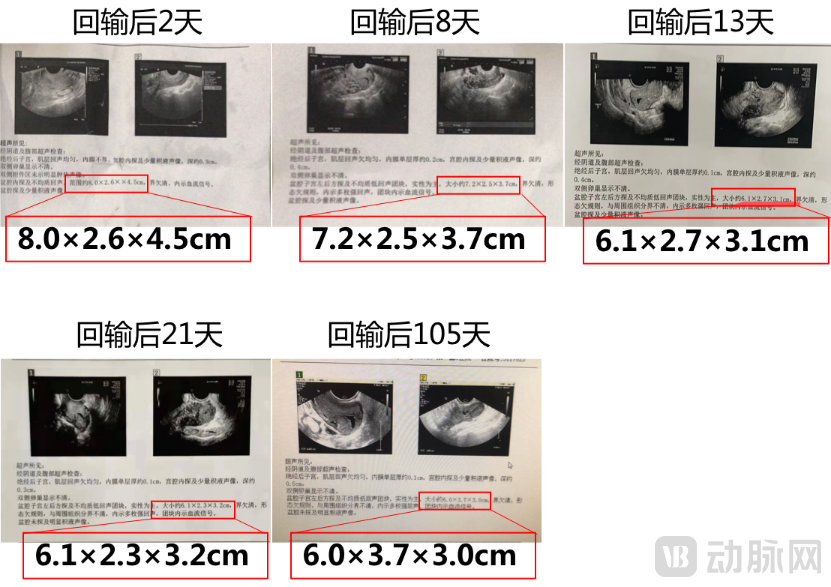
Figure: Test results of the first patient with advanced ovarian cancer treated with B7H3 CAR-T
Securing financing is a major hurdle in commercialization, as well as the “centerpiece” of the process.
Upon entering the phase of technology transfer and commercialization, financing inevitably becomes a topic of particular concern.
But like most university professors, Wang Gang possesses advanced technology, andHe is still short of funds.
This is primarily due to three reasons: First, there is a lack of channels for face-to-face communication with investors; specifically, universities mainly provide policy support for the commercialization of research outcomes. Second, there is inaccurate assessment of investment institutions, lacking a suitable investor profile. Third, there is a deficiency in business communication skills, which is mainly manifested in university professors’ unclear understanding of commercialization models, company operations, product promotion, and future development plans, resulting in an unclear positioning of the product itself.
In fact, for early-stage exploratory clinical projects in the medical field, a “lack of funding” can trigger a series of vicious cycles, Wang Gang revealed.Without adequate financial support, there is a high risk of missing or incomplete clinical trial data. During the process of translating research into practical applications, teams need to secure investment to enhance the rigor of clinical trials, and even to generate clinical data that directly meets the requirements for an Investigational New Drug (IND) application.
Certainly, the urgent need for funding has also prompted Wang Gang to reflect on the question of “how to find investors.” First, he is seeking assistance by leveraging external resources. Wang Gang revealed that his team is currently collaborating with a patent portfolio management company, which is actively helping them identify opportunities to promote the commercialization of their technological achievements.
Compared to relying on external resources,The Proactivity of University Professors in the Financing Process Is More Important“Only by taking the initiative can stories unfold.” In order to encounter investors, Wang Gang’s team alsoEngaging with more investors through roadshows or participation in technology transfer projects to increase awareness of the project among business professionals.
Note:Xuzhou Medical University Immune Cell Therapy TeamFounded by Professor Zheng Junnian in 2009, the team is one of the earliest in China to engage in CAR-T technology research and development. It obtained the first authorized invention patent in this field nationwide in 2012. By the end of 2015, it was among the first in China to conduct clinical studies on humanized CAR-T therapy for hematologic malignancies. In 2016 and 2018, its standardized processes for immune cell therapy preparation and clinical application passed accreditation by the Association for the Advancement of Blood & Biotherapies (AABB) twice, earning certification. In 2021, the team cured Anjum, a senior Pakistani official who had suffered from multiple myeloma for many years, using its pioneering combination therapy of BCMA- and CD19-targeted humanized CAR-T cells. This achievement was reported by top-tier media outlets such as CCTV and Xinhua News Agency. To date, in collaboration with the Department of Hematology at the Affiliated Hospital of Xuzhou Medical University, the team has completed exploratory clinical studies involving over 500 cases of refractory/relapsed B-cell leukemia, lymphoma, and multiple myeloma. More than 20 related clinical study results have been published in internationally renowned journals, including the Journal of Clinical Oncology, The Lancet Haematology, Blood, and Leukemia. The team’s independently developed BCMA/CD19 bispecific CAR-T product has been administered to 50 patients with multiple myeloma, achieving a disease control rate of 100%, an objective response rate of 92%, and a complete response rate of 56%. A joint industrialization development agreement has been signed with a leading domestic pharmaceutical company. Relying on the Institute of Tumor Biotherapy at Xuzhou Medical University, the team has access to 12 provincial-level or higher research platforms, including the National-Local Joint Engineering Laboratory for Tumor Biotherapy, the Provincial-Ministerial Co-established Collaborative Innovation Center for Tumor Biotherapy, the Jiangsu Provincial Cell Therapy Drug Industry Innovation Center, and Jiangsu Province-key laboratories, engineering laboratories, engineering technology research centers, translational medicine centers, and public technical service centers named “Tumor Biotherapy.” The team employs 61 full-time technical R&D personnel, including 57 PhD holders and 27 individuals with overseas experience.