

Hesperos Achieves Industry Milestone as First to Submit IND Using Microphysiological System Data, Igniting the Organ-on-a-Chip Field

Hesperos
Pharmaceutical, Cosmetics, and Food Industry Analytical Testing Platform
The Organ-on-a-Chip Industry Reaches a Milestone.The FDA has recently approved the first new drug worldwide to enter clinical trials based on preclinical data derived from “organ-on-a-chip” research (NCT04658472).
NCT04658472: Patient recruitment has commenced for a new drug trial conducted by Sanofi in collaboration with the organ-on-a-chip company Hesperos, aimed at treating two rare autoimmune demyelinating neuropathies: chronic inflammatory demyelinating polyneuropathy (CIDP) and multifocal motor neuropathy (MMN).
The signs were there all along. In April this year, Hesperos published a manuscript titled “Inhibition of the Classical Complement Pathway in a ‘Human-on-a-Chip’ Model of Autoimmune Demyelinating Neuropathy” in Advanced Therapeutics, systematically summarizing the neurophysiological characteristics of autoimmune demyelinating neuropathies in CIDP and MMN.
Hesperos has developed organ-on-a-chip models for these two diseases using motor neurons and Schwann cells differentiated from induced pluripotent stem cells (iPSCs). This represents the first rare-disease chip model to accurately simulate the physiological characteristics of CIDP and MMN, and more importantly—The efficacy data described in the study supported Sanofi’s IND application, making it the first IND submission to include data from microphysiological systems.
This approval not only signifies the FDA’s recognition of the credibility of “organ-on-a-chip” research, but also provides a new avenue for drug development in rare diseases that currently lack animal models.
James Hickman, Chief Scientist at Hesperos Inc. and Professor at the University of Florida, stated in an interview with the foreign media outlet ZME Science: “The biggest question in this field is regulatory acceptance by the FDA and EMA; therefore, the FDA’s acceptance of efficacy data from human-on-a-chip systems in Investigational New Drug (IND) applications and its authorization to proceed with clinical trials,”This has removed a major obstacle for the entire field.”
“We have successfully interconnected various organ-on-a-chip systems, creating a multi-organ system with clinically relevant functional readouts (such as muscle contraction and electrical activity) in serum-free media,” Hickman added. “Now that we have begun engaging with regulatory authorities, we can expand our work on rare diseases and start planning the next steps to secure regulatory approval for safety.”
Why Did Hesperos Achieve a Breakthrough in the Organ-on-a-Chip Field? Rome Was Not Built in a Day; Hesperos’s Development Story Begins with a Predictive Model.
Until the 1990s, research on a wide range of human diseases was predominantly conducted using animal models. However, these models have certain limitations in predicting therapeutic outcomes for humans, as they cannot accurately replicate the pathological states of human diseases, a shortcoming that is particularly evident in drug development for rare diseases.
Based on this, Dr. Michel Shuler, one of the founders of Hesperos, envisioned a more predictive model—a prediction model centered on an engineered multicellular culture system and designed using PBPK (physiologically based pharmacokinetic) modeling tools—and named this model the “animal-on-a-chip.”
Meanwhile, James Hickman is developing engineered cell culture systems that use serum-free media to test electrical functional readings of organs under physiological and mechanical stimuli, such as cardiac and skeletal muscle contraction, as well as neuronal and cardiac electrophysiological properties. Hickman has also developed modeling and simulation tools to predict and evaluate the function of these organ systems, finding that they enable not only acute measurements but also long-term chronic assessments.
In 1995, Hickman reported the first serum-free, customized culture system for neuronal systems and pioneered the establishment of functional in vitro systems. He was also among the earliest researchers to report on neurotoxicity studies conducted on microelectrode arrays within such customized systems.
In 2009, Shuler and Hickman met face-to-face to exchange ideas and discuss their research progress, deciding to leverage the unique attributes of their respective fields to develop a multi-organ system capable of acute or chronic functional readouts. This led them to refine the original concept of the “animal-on-a-chip” predictive model into the “organ-on-a-chip.”
At the time, this concept was revolutionary for the field. To enable PBPK modeling built on in vitro platforms to predict in vivo behavior, they conducted extensive experiments and adjustments.
Dr. Hickman developed a universal culture medium system that supports a wide variety of cell types and offers high test reliability.
In 2012, the NIH (National Institutes of Health) established NCATS (National Center for Advancing Translational Sciences) to facilitate the translation of scientific discoveries from the laboratory to clinical use;The NIH, in collaboration with the Defense Advanced Research Projects Agency (DARPA), is focused on advancing the development of organ-on-a-chip technology. With government guidance, Shuler and Hickman secured funding during the initial grant period of the NIH initiative.
In 2015, Shuler and Hickman co-founded Hesperos in the United States. Leveraging its technical prowess, Hesperos became the first company to receive funding under the NIH/DARPA program. Furthermore, its organ-on-a-chip technology was the first among all funded companies to meet the Phase II requirements of the NIH/DARPA program, which mandate that the technology be a mature, regulatory-accepted solution. This clearly demonstrates that Hesperos’ technology had already gained industry recognition at that time.
From the initial conception of predictive models to hands-on research and ultimately the founding of Hesperos, Shuler and Hickman have relied on their expertise and technological prowess to succeed over the past two decades. Of course, they also seized the development opportunities provided by national strategic initiatives.
Following progress in its early-stage research, Hesperos is also taking proactive steps to lay the groundwork for future commercialization.
Dr. Kronauge, the CEO who assumed office this May, is more adept at bringing products to market than the two founders. Dr. Kronauge has over 30 years of experience in drug development and product commercialization, having held key positions at Cystosite Biopharma, iSeek Biopharma, InviCRO LLC, Tomopath, Molecular Insight Pharmaceuticals, and other companies.
Over the past seven years, Hesperos has expanded its customized in vitro culture systems to include cardiac, muscle, glial, endothelial, hepatocyte, bone marrow, cancer, and epithelial cells, while upgrading its original “organ-on-a-chip” predictive models into a comprehensive “Human-on-a-Chip” technology platform.
Hesperos brings together biologists, surface chemists, and engineers to integrate chips with human pathophysiology, constructing organ-on-a-chip structures within a fully interconnected chip system using serum-free culture media. By scaling from individual organ-on-a-chip structures to fully functional, interconnected multi-organ systems and leveraging human microfluidic systems-on-chip to characterize individual biology, Hesperos has built the first “Human-on-a-Chip” platform to accelerate drug discovery.
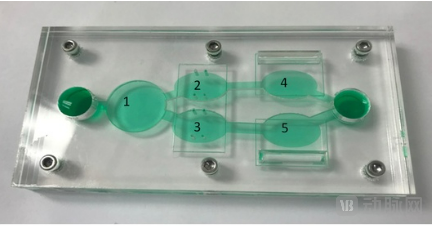
Image from the Hesperos official website
Specifically, “Human-on-a-Chip” involves constructing multiple interconnected organs (2–5) on a chip, including the heart, liver, lungs, brain, skin, muscle, gastrointestinal tract, kidneys, pancreas, endocrine system, bone marrow, and neuromuscular junctions. Using serum-free cell culture media and a gravity-driven flow system (pump-free), this platform simulates human organ responses to drugs in vitro, enabling real-time, non-invasive monitoring of organ activity to detect subtle functional changes over time. This allows for preclinical insights into the efficacy and off-target toxicity of both monotherapy and polytherapy regimens.
In simulating organ function,Unlike other tests that infer organ function based on biomarker activity and protein analysis, Hesperos’ models can reconstruct muscle and tissue functions, as well as working systems for neural and inter-organ communication. The resulting functional reports correlate closely with what clinicians observe in human clinical trials.
In terms of data-driven analysis,Hesperos’s system generates thousands of data points related to the key functions of each organ. After generating a large volume of data points, Hesperos’s custom analytics system can rapidly and effectively parse the data, identifying subtle changes in organ function as well as large-scale alterations in morphology and behavior, thereby providing deep insights into each drug.
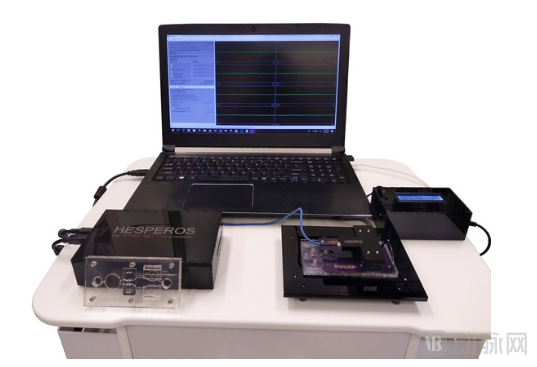
Image from the official Hesperos website
The use of the “Human-on-a-Chip” platform can reduce the need for animal testing, especially byCustom models are built for therapeutic development, with systems tailored to specific needs, suitable for constructing a variety of human disease models. These models provide physiologically realistic simulations of disease states and human responses to treatment, offering robust preclinical insights.
In addition to conventional organ-on-a-chip models,Hesperos also leverages its “Human-on-a-Chip” platform to pioneer new human-on-a-chip models—Barrier tissue models,Strive to continuously enhance the platform's development capabilities.
Hesperos’ barrier tissue models can determine the transport characteristics of novel compounds and their responses as toxicity targets, as well as assess drug safety related to barrier tissues and gastrointestinal first-pass metabolism. Specifically, within the context of disease models, Hesperos investigates the role of these diseased tissues in disease pathology and etiology by observing the responses of barrier tissues composed of cells derived from mutant induced pluripotent stem cells (iPSCs) to drugs and their metabolites.
For example, Hesperos utilizes a blood-brain barrier model composed of iPSC-derived cells to analyze drug transport rates, transport mechanisms, and barrier effects within disease models by observing drug status and dosage across the blood-brain barrier.
For another example, Hesperos uses a gastrointestinal barrier model constructed from iPSC-derived intestinal cells and immortalized patient biopsy-derived intestinal epithelial cells (hiECs) to determine drug absorption and first-pass metabolism profiles.
Hesperos is also developing models of the renal proximal tubule barrier, skin barrier, pharmacokinetics, and high-performance liquid chromatography–mass spectrometry (HPLC-MS). The company aims to build more novel organ-on-a-chip models, continuously expand its portfolio of available organs and barriers, and enable the customization of various human disease models according to specific needs.
It is precisely Hesperos’ expertise in constructing multi-organ models and its advanced data analytics on the “Human-on-a-Chip” platform that have enabled human organ chips to replace traditional animal testing, thereby shortening drug development timelines and reducing R&D costs. This has not only fostered collaborations between Hesperos and a growing number of pharmaceutical companies for preclinical drug trials but also positioned Hesperos at the forefront of the organ-on-a-chip field. Its partnership with Sanofi exemplifies its leadership across the entire organ-on-a-chip industry.
The “double ten” rule has long been widely cited in the pharmaceutical industry: FDA survey data indicate that the average development cycle for each new drug is approximately 10 years, with costs around $1 billion. Moreover, about 92% of drugs that prove safe and effective in animal studies ultimately fail in clinical trials.
Traditional animal experiments suffer from drawbacks such as long durations, high costs, and significant ethical controversies. Moreover, they often fail to accurately reflect human responses to various research indicators. Consequently, organ-on-a-chip technologies based on human cells have gradually become a focal point of academic research due to their higher degree of humanization.
The organ-on-a-chip sector was first “ignited” in 2010, with the landmark event being a paper published in ScienceArticles on lung-on-a-chip in the journal.This lung-on-a-chip simulates the gas exchange and contraction processes of human alveoli during respiration, and can be used for research on pulmonary inflammation and lung infections.
The publication of this article immediately garnered widespread attention, propelling organ-on-a-chip technology onto a fast track of development. From early prototypes to single-organ chips modeling the lung, intestine, and liver, and further to multi-organ chips interconnecting multiple organs, researchers have progressively developed organ-on-a-chip models with more comprehensive functionality and higher fidelity, alongside the transition from conventional culture media to serum-free formulations.
In 2011, the U.S. National Institutes of Health (NIH), the Food and Drug Administration (FDA), and the Department of Defense jointly launched the Microphysiological Systems (MPS) Program, elevating organ-on-a-chip technology to the level of national strategy for the first time. Subsequently, European countries also increased their investments in organ-on-a-chip research.
In 2016, organ-on-a-chip technology was listed by the World Economic Forum in Davos as one of the “Top Ten Emerging Technologies.” According to Yole’s estimates, the compound annual growth rate (CAGR) for organ-on-a-chip between 2017 and 2022 ranged from 38% to 57%, with the market size in 2022 falling between USD 60 million and USD 117 million. In the medium to long term, the organ-on-a-chip sector has the potential to develop into a multi-billion-dollar market.
Data from market research firm Research Dive also highlights the significant market potential of organ-on-a-chip technology, with the global market size projected to grow from $54.64 million in 2021 to nearly $700 million by 2028, representing a compound annual growth rate (CAGR) of approximately 37.6%.
Among all applications of organ-on-a-chip technology, Mordor Intelligence’s data analysis projects that the drug development segment will hold the largest market share, with a projected compound annual growth rate (CAGR) of 34.72% during the forecast period (2018–2024).
Various data analyses consistently demonstrate that organ-on-a-chip technology holds immense potential for both scientific research and the market. Organ-on-a-chip systems offer significant value in studying molecular mechanisms, prioritizing candidate drugs, conducting toxicity testing, and identifying biomarkers.
This time,This milestone between Hesperos and Sanofi will undoubtedly once again “ignite” the blue ocean of organ-on-a-chip technology, sparking a new wave in the life sciences.
Undeniably, organ-on-a-chip technology is providing new avenues for improving the clinical translation rate of novel drug development.
China also began to systematically promote the development and application of organ-on-a-chip technology from the perspectives of basic research and regulation in 2021. On January 28, 2021, the Ministry of Science and Technology issued the “Notice on Soliciting Comments on the Application Guidelines for the 2021 Projects under Six Key Special Programs of the National Key R&D Program during the 14th Five-Year Plan Period,” listing “malignant tumor disease models based on organoids” as one of the first batch of key special tasks launched under the National Key R&D Program during the 14th Five-Year Plan Period.