

Scientist Entrepreneurs and Capital: The Era of Mutual Selection Begins
Scientist-Entrepreneurs Are in Frenzied Demand Among VCs.
As the commercialization of scientific research becomes a buzzword and market enthusiasm continues to surge, an increasing number of scientists and professors are stepping out of their ivory towers—either proactively or reactively—to engage with the industry side, while investment institutions are flocking in. All these signs indicate that a new era of scientist-led entrepreneurship in the healthcare sector is dawning.
But will scientists’ rush into new entrepreneurial ventures guarantee success? What is driving investors to aggressively compete for scientific talent?
It is evident that capital is inherently profit-driven. Although investors may hold scientist-entrepreneurs in high regard, this does not guarantee that every scientist launching a venture will secure funding.
Capital investment aims to achieve long-term, stable returns by investing in early-stage technologies; meanwhile, scientist-entrepreneurs accept capital investment to leverage financial resources for the industrialization of their technologies. This is a mutually beneficial process driven by two-way selection.
Thus, how to facilitate a successful “mutual selection” between capital and scientist-entrepreneurs, thereby achieving collaborative success and mutual benefit, is a question worthy of in-depth discussion.
Focusing on the questions surrounding scientist entrepreneurship and capital throughout the entire process of scientific and technological innovation commercialization, VCBeat Chengguo Bureau, in collaboration with the Science and Technology Innovation Office of Fudan University School of Management, has curated an online panel titled “Scientist Entrepreneurship—Dancing with Capital,” specially invitingZhu Qi, Associate Professor in the Department of Finance and Accounting at Fudan University School of Management; Bao Ji, Associate Researcher and Doctoral Supervisor at West China Hospital; Zhang Yi, Vice President of Kemegxin; Su Xiaodi, Executive Director at Lilly Asia Ventures; and Zhang Xiaoyu, Certified International Technology Transfer ManagerFocusing on the “how,” let’s delve into how scientist-founders should select capital, win over investors, and achieve mutual success with them.
VCBeat Orange Bureau looks forward to the collision of perspectives from different angles, providing reference-worthy insights for scientists and investors.
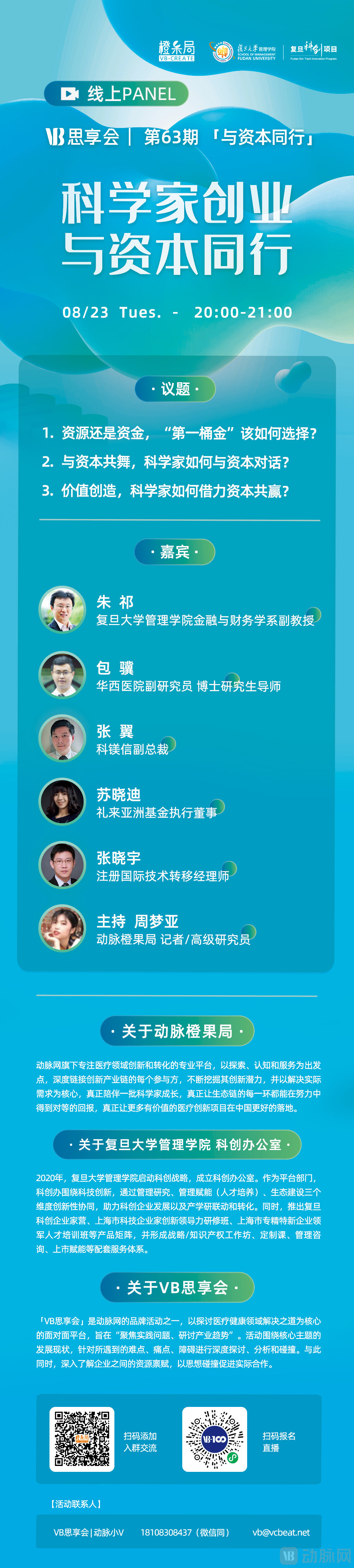
Guest Introduction
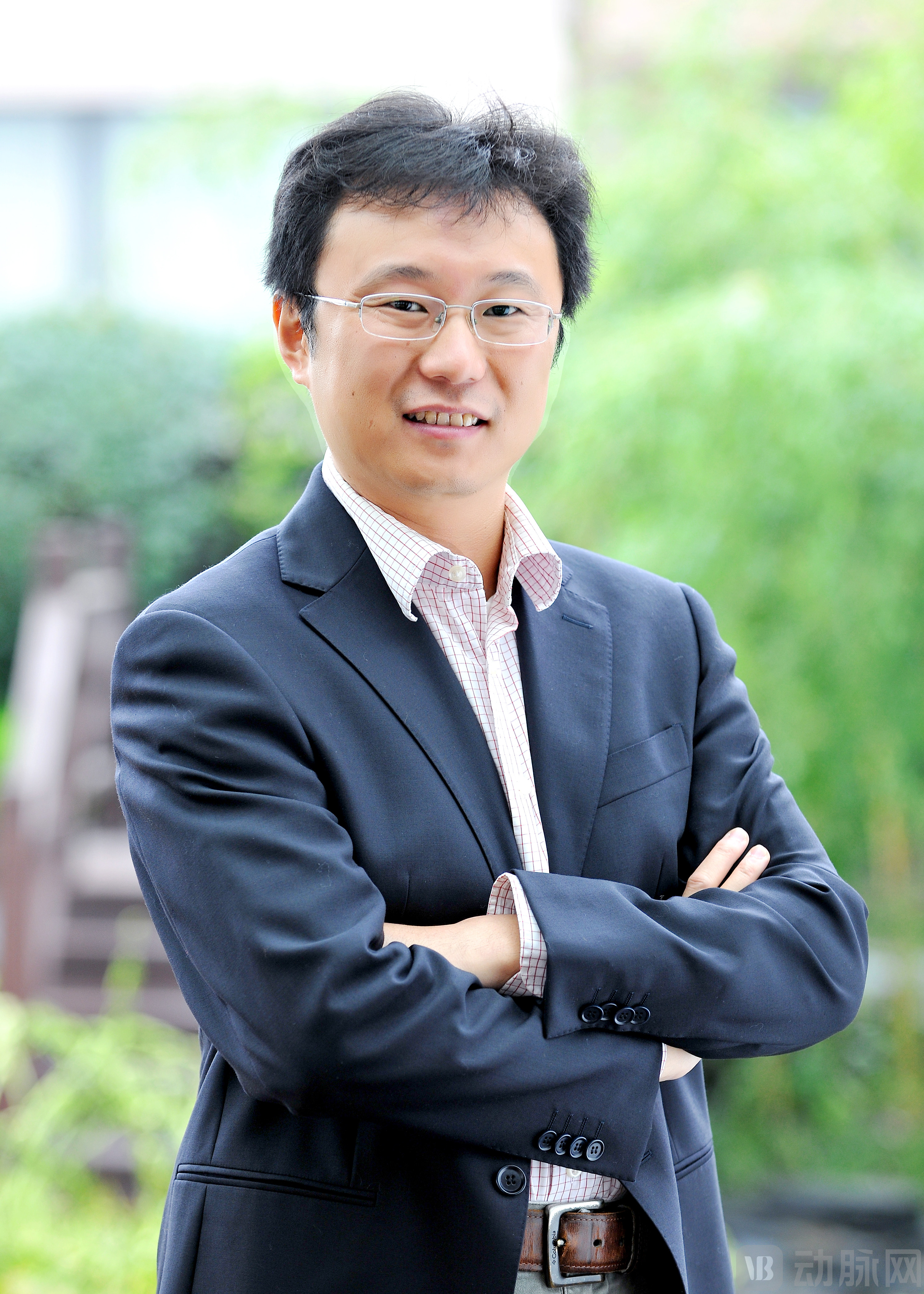
Zhu Qi
Associate Professor, Department of Finance and Accounting, School of Management, Fudan University
Specializing in financial asset pricing and internet finance research; served as a consultant to the China Securities Regulatory Commission (CSRC), organizing and leading multiple cohorts of senior executives from China’s capital markets in professional training programs at the Wharton School, University of Pennsylvania; provided training and management consulting services to organizations such as the Cathaya Group and the Meizuan Group.
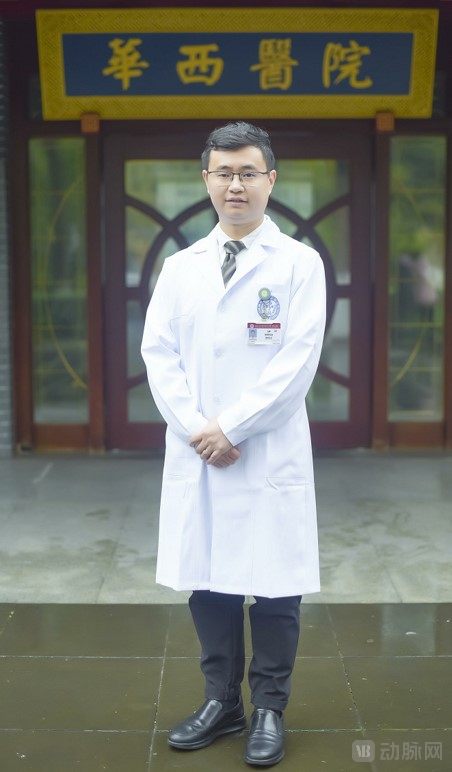
Bao Ji
Associate Researcher, West China Hospital; Doctoral Supervisor
Director of the Organoid and Gene Editing Laboratory, Institute of Clinical Pathology, West China Hospital; Assistant to the Dean of Teaching, West China Hospital; eight patents have been commercialized, including two licensed to the Mayo Clinic.
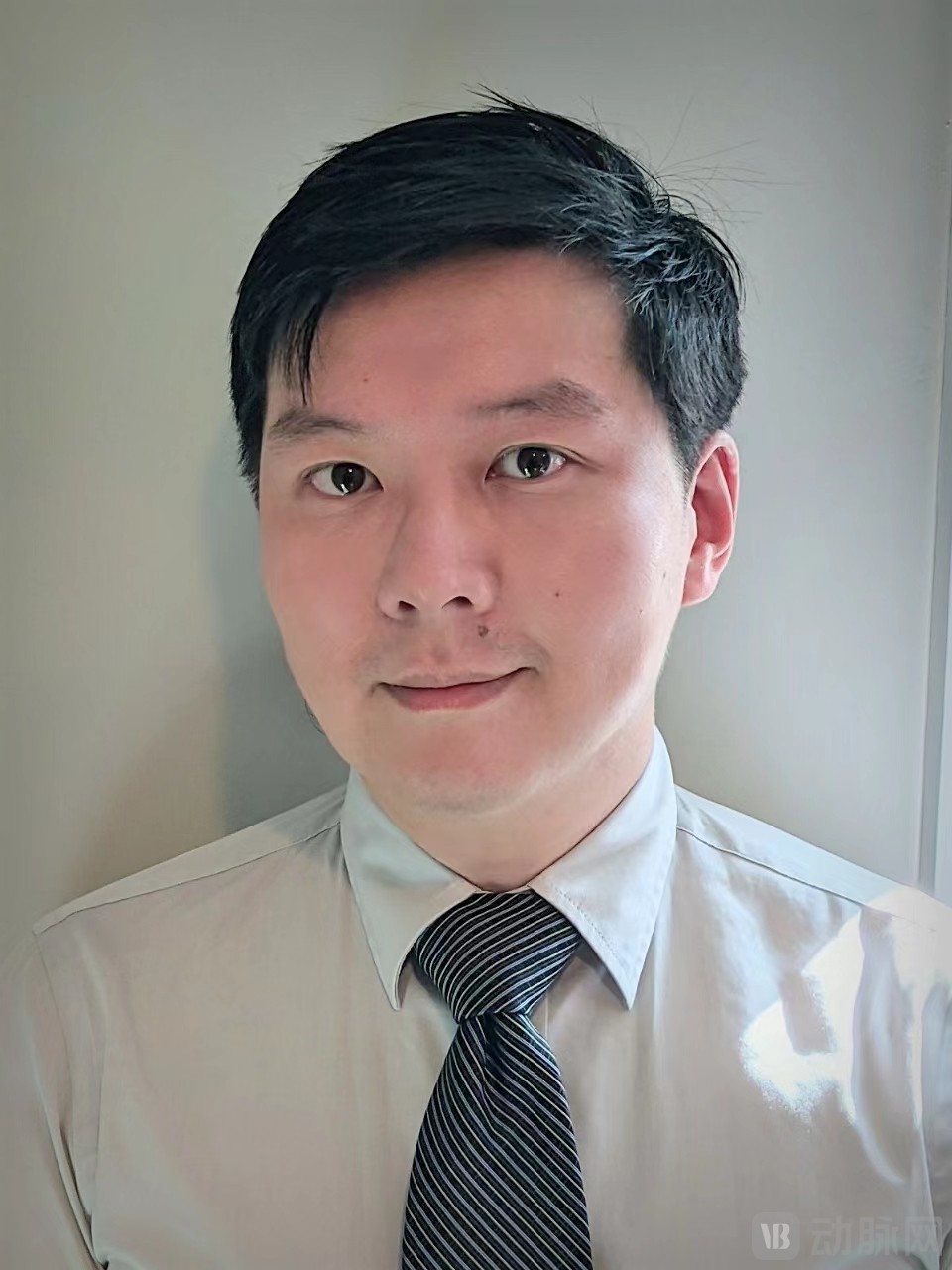
Zhang Yi
Vice President of Kemeixin
Dr. Zhang joined Kemeixin in November 2021, leading the development of its LNP platform. He is an expert in drug delivery with decades of experience. Previously, he served as Chief Scientist at Beam Therapeutics (a pioneer in gene editing that successfully listed in the U.S. in 2020) and as Senior Scientist at Codiak Biosciences (a biopharmaceutical company dedicated to developing exosome-based therapies as a novel class of drugs, which went public on the NASDAQ in 2020). In addition to his deep involvement in drug technology R&D at multiple pharmaceutical unicorn companies, Dr. Zhang has achieved significant accomplishments in academic research: In 2018, he contributed to the submission of the first clinical program for LNP-mRNA enzyme replacement therapy; in 2020, his patented cationic lipid was utilized in the clinical development of an mRNA influenza vaccine.
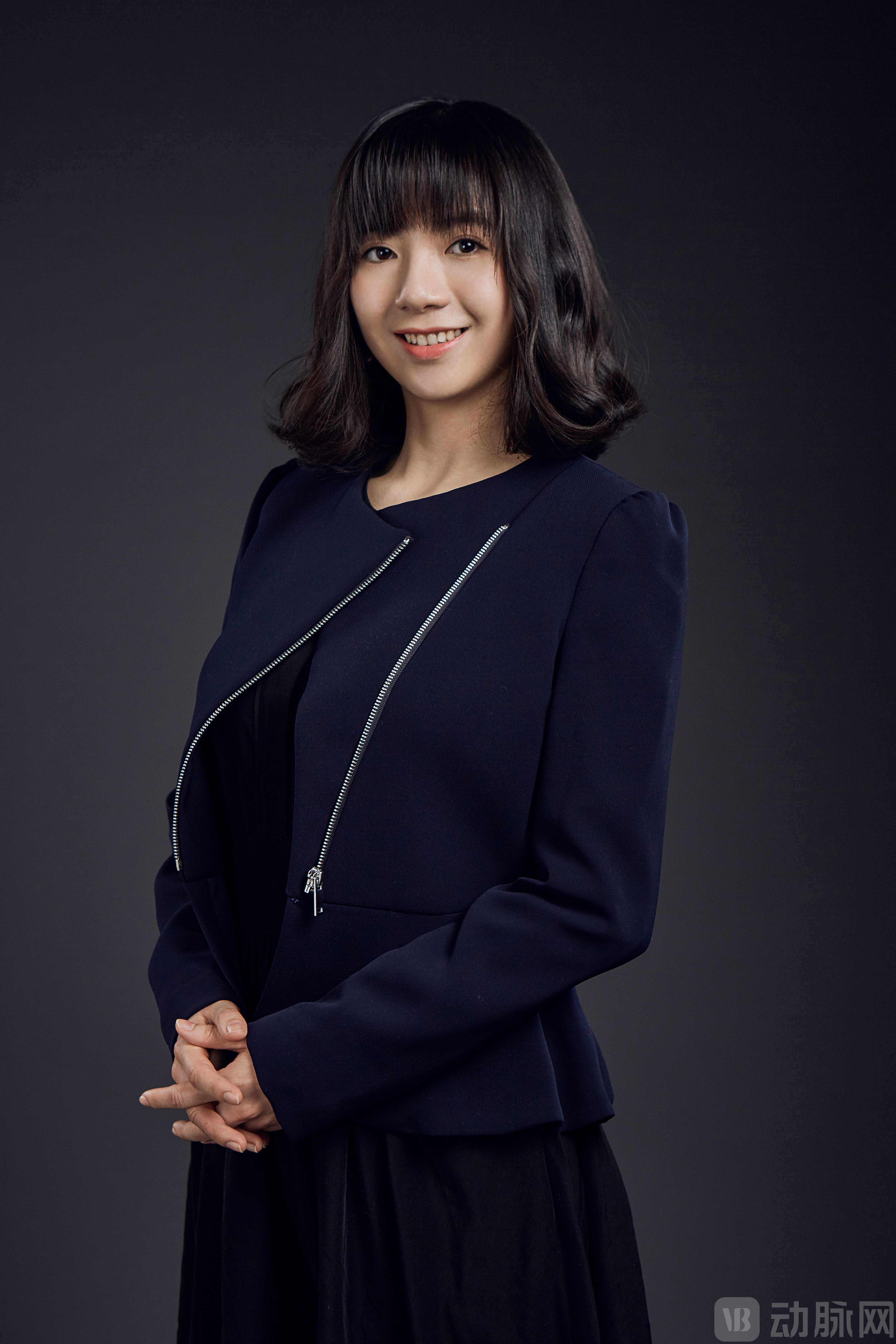
Su Xiaodi
Executive Director, Lilly Asia Ventures
Joined Lilly Asia Ventures in 2017, focusing on investments in biopharmaceuticals and related fields. Led and invested in projects including RemeGen, Dizal Pharmaceutical, Mingji Biologics, Shufang Pharmaceuticals, Yanming Biotech, Dianjing Biotech, Baifang Yingku, and LinkMed. Holds a Bachelor’s degree in Biology from Fudan University, a Ph.D. in Immunology from Weill Cornell Medicine, and completed postdoctoral training at Hospital for Special Surgery in New York. Previously served as a Life Sciences Consultant at L.E.K. Consulting before joining Lilly Asia Ventures.
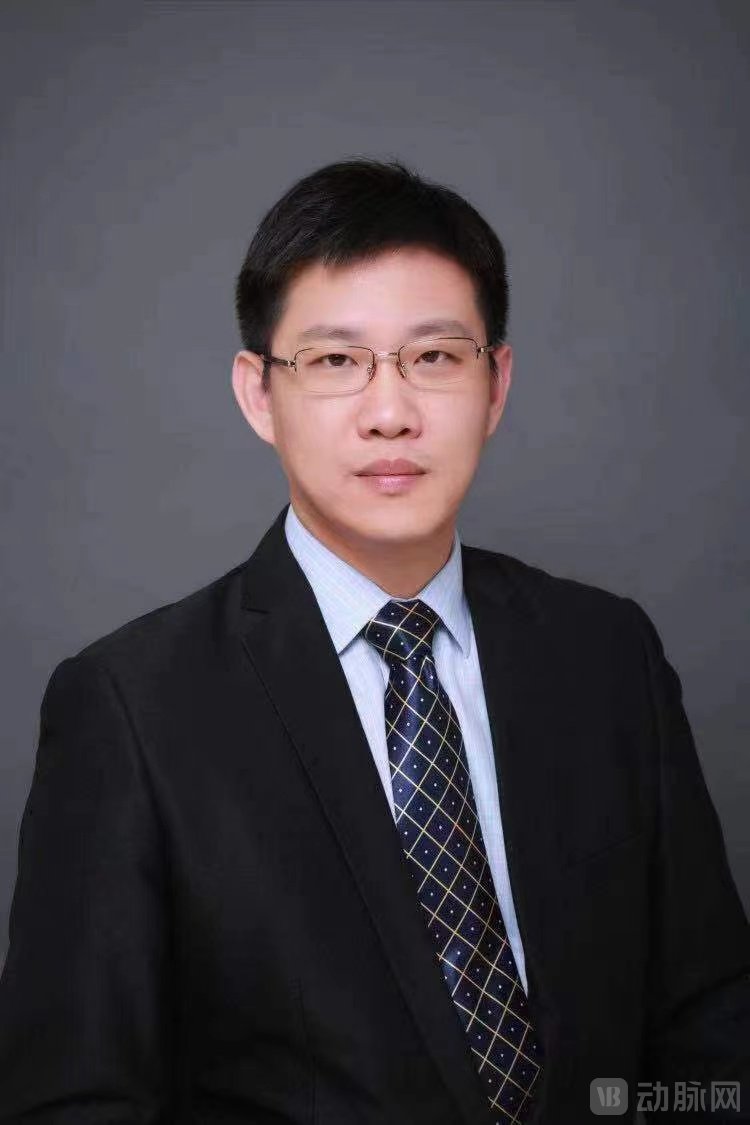
Zhang Xiaoyu
Certified International Technology Transfer Manager
The first Registered Technology Transfer Professional (RTTP) in China certified by the Alliance of Technology Transfer Professionals (ATTP), established through the four major global technology transfer organizations, with over a decade of experience working at university incubators, government agencies, and venture capital firms in the United Kingdom, the United States, and China.
Accumulated experience in over 1,500 technical projects, hundreds of strategic consulting engagements and due diligence for M&A transactions, and more than 160 technology transfer cases. This includes over 70 joint R&D collaborations between domestic and international universities and enterprises, 64 successful product development and corporate incubation initiatives, and 41 university-industry partnerships involving the licensing or assignment of academic achievements from domestic and foreign institutions. Cultivated six companies listed on the NEEQ (New Third Board) and one company listed on the Main Board.
Organizer Introduction
A specialized platform under VCBeat, dedicated to innovation and translation in the healthcare sector. Guided by the principles of exploration, insight, and service, it deeply connects every stakeholder in the innovation value chain, continuously unlocking their innovative potential. With a core focus on addressing practical needs, the platform genuinely supports the growth of scientists, ensures that each link in the ecosystem receives equitable returns for their efforts, and facilitates the successful implementation of more high-value medical innovation projects in China.
In 2020, the School of Management at Fudan University launched its sci-tech innovation strategy and established the Office of Sci-Tech Innovation. As a platform department, the Office fosters innovative synergy across three dimensions—management research, management empowerment (talent development), and ecosystem building—to support the growth of sci-tech innovation enterprises and facilitate industry-academia-research collaboration and technology transfer. Meanwhile, it has rolled out a product matrix including the Fudan Sci-Tech Entrepreneur Camp, the Shanghai Sci-Tech Entrepreneur Innovation Leadership Executive Program, and the Shanghai Specialized, Refined, Differential, and Innovative (SRDI) Enterprise Leading Talent Training Program, complemented by a supporting service system featuring strategy/intellectual property workshops, customized courses, management consulting, and IPO enablement services.
“VB Think Tank” is one of VCBeat’s flagship events, serving as a face-to-face platform centered on exploring solutions in the healthcare sector, with the aim of “focusing on practical challenges and discussing industry trends.” The event conducts in-depth discussions, analyses, and exchanges around the current development status of core themes, addressing encountered difficulties, pain points, and barriers. Meanwhile, it gains a thorough understanding of the resource endowments of participating enterprises, fostering practical collaborations through intellectual exchange.