

Congfeng Technology Files IPO Prospectus: Pioneering Home and Community-Based Chronic Disease Treatment with Microfocused Ultrasound Innovation
“Make the home a place of treatment, and family members the therapists.”
This is the original aspiration that drove Huang Hannian to establish Congfeng Technology, and it also constitutes the company’s distinctive commercial identity and foundational starting point for its development.
Congfeng Technology, founded in 2019 and headquartered at Pingshan Innovation Plaza in Shenzhen, is a startup technology company dedicated to the research and development, manufacturing, and sales of non-invasive therapeutic devices. The company has developed next-generation Microfocused Ultrasound Therapy (MIFU) and Sonodynamic Therapy (SDT) technologies, striving to bring world-leading medical technologies and equipment to every individual, family, community, hospital, and research institution, thereby jointly building a precise, accurate, convenient, and efficient healthcare environment.
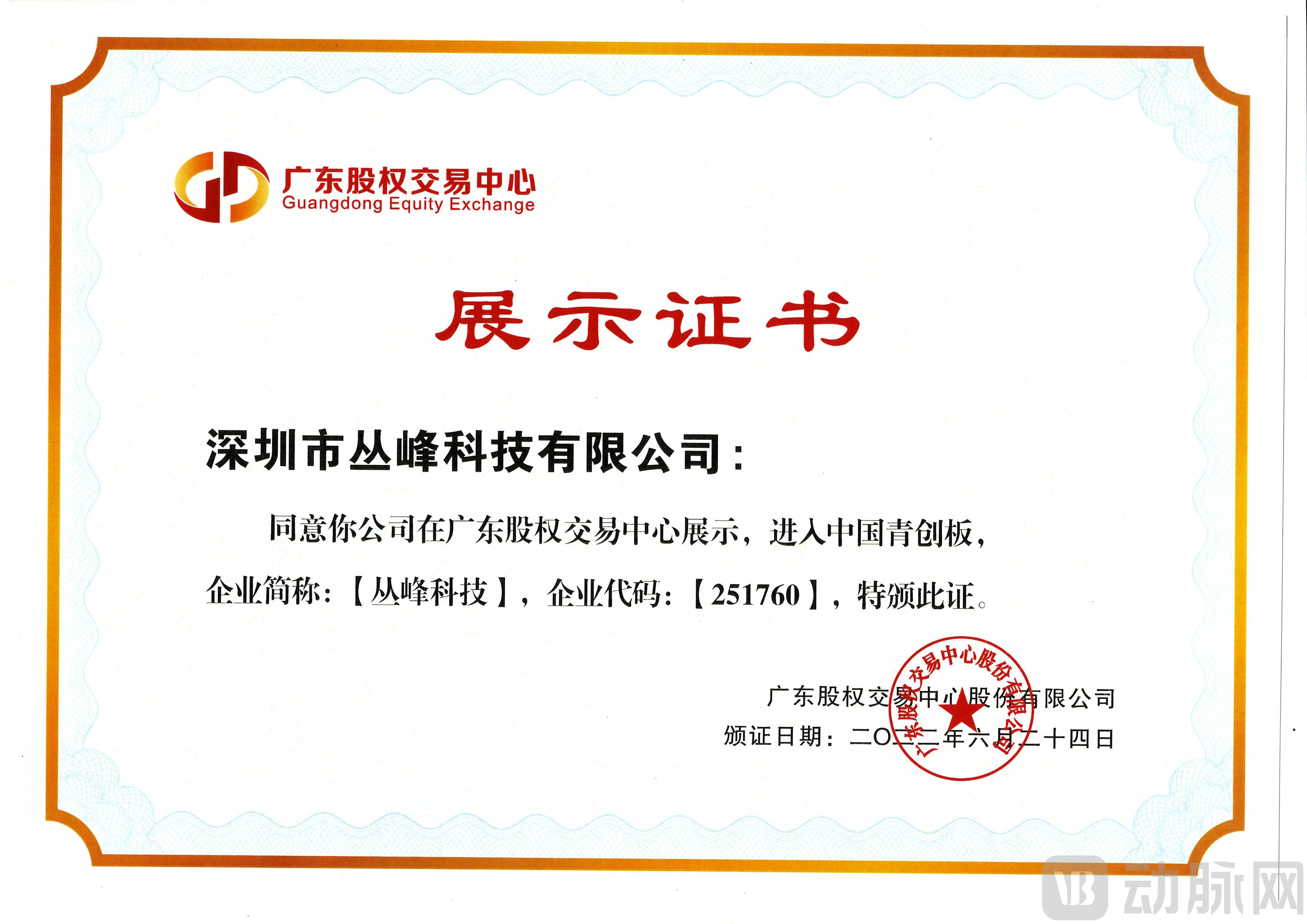
On June 24, 2022, Congfeng Technology was listed on the China Youth Innovation Board of the Guangdong Equity Exchange Center, with the enterprise code: 251760.
As global population aging intensifies, public health awareness grows, and technologies such as the Internet and the Internet of Things (IoT) rapidly permeate and develop, the home medical device sector is accelerating toward maturity. The trend of professional-grade medical devices becoming suitable for home use is becoming increasingly pronounced, ushering the market into a period of explosive growth.
Data from U.S. venture capital and private equity firm Insight Partners shows that the global market size for home medical devices reached $33.635 billion in 2020 and is projected to reach $57.103 billion by 2028.
According to statistical data from the China Medical Device Blue Book (2021 Edition) published by the Chinese Society for Drug and Device Regulatory Science, the growth rate of home medical equipment in China has exceeded that of the overall medical device sector, with its proportion increasing year by year. The market size expanded from RMB 48 billion in 2015 to RMB 152.1 billion in 2020, representing a compound annual growth rate (CAGR) of 25.94%.
However, the majority of home-use medical devices, both domestically and internationally, are diagnostic equipment, such as blood pressure monitors and blood glucose meters. The market for home-based therapeutic medical devices remains underserved, representing a blue ocean opportunity. This gap exists primarily because therapeutic devices are generally expensive, with hospitals or healthcare institutions typically serving as the payers; furthermore, these devices usually require operators to possess specialized professional knowledge, creating a barrier to entry for end users.
“At that time, Huang Hannian’s family sought hospital treatment for elbow pain. ‘The entire course of treatment lasted a year, with fifty to sixty visits in total, consuming considerable time, energy, and money.’”
Attentive observer Huang Hannian noted that while there are numerous medical-grade home diagnostic devices, consumer-grade medical equipment offering the same therapeutic parameters and efficacy as hospital-based systems remains scarce. Yet such devices have the potential to significantly reduce consultation time, treatment costs, and privacy concerns, while simultaneously addressing patients’ therapeutic challenges.
After conducting thorough market and technical research, Huang Hannian, then Director of the Shenzhen Shengke Institute of Biomedical Research, decided to give up his secure government job, resign, and start his own business. In 2019, he founded Congfeng Technology, with a commitment to becoming a globally renowned supplier of home- and community-based therapeutic devices.
Huang Hannian has been in the biomedical industry for ten years. He is an expert in the field of non-invasive therapy and has made remarkable achievements in his professional area. He once served as the Director of the Guangdong Provincial Engineering Technology Research Center for Ultrasonic Cavitation and the Director of the Shenzhen Shengke Institute of Biomedical Sciences. He has been engaged in scientific research and tackling key problems, making progress in many frontier innovative technologies such as intelligent bionic systems, cancer treatment technology, and pain management technology. He has presided over or participated in six provincial and municipal projects, with a total of 15 authorized patents as the first inventor and five new patent applications. He led his team to win the first prize in the enterprise group and the second prize in the biomedical industry final at the Shenzhen Innovation and Entrepreneurship Competition, and was named one of Guangdong Province's "Stars of Mass Entrepreneurship and Innovation."
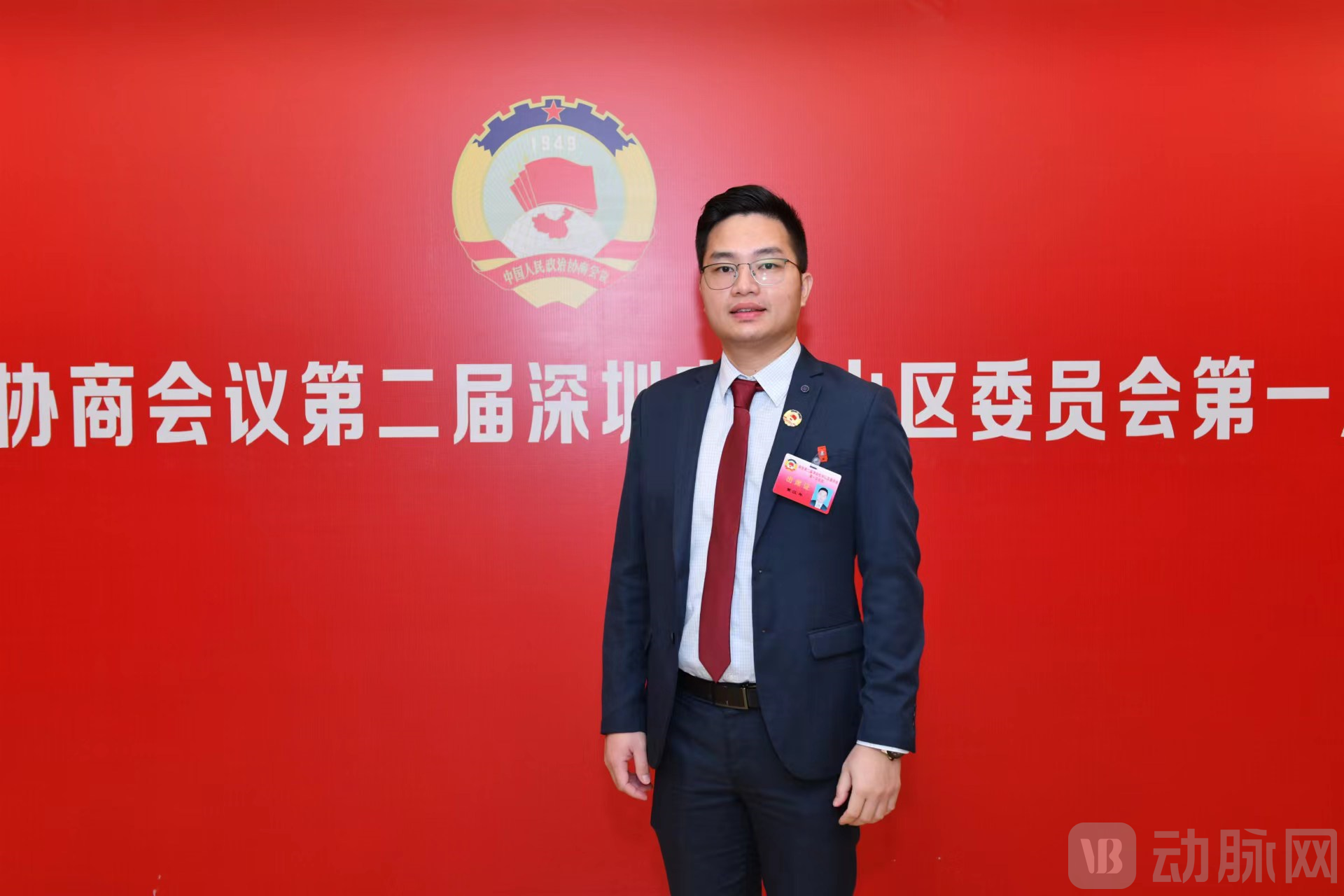
Huang Hannian, Founder of Congfeng Medical
Drawing on his professional expertise, Huang Hannian chose to focus on micro-focused ultrasound technology. Micro-focused ultrasound utilizes an ultrasound focusing transducer to emit specific acoustic waves. After converging through the acoustic channel, these waves form a high-energy region in the focal zone, enabling them to focus on and penetrate human soft tissue. The entire process is non-invasive, safe, and radiation-free, offering excellent thermal, mechanical, and cavitation effects. Compared with planar ultrasound, it delivers more focused energy; compared with high-intensity focused ultrasound (HIFU), it induces a milder thermal response without causing destructive thermal damage, while demonstrating superior tissue penetration, positioning accuracy, and energy deposition.
According to Huang Hannian, in theory, micro-focused ultrasound can penetrate any part of the human body except for the lungs (due to their air-filled cavities) and bones, enabling non-invasive treatment. Therefore, this technology holds broad application prospects.
Leveraging the unique advantages of microfocused ultrasound technology, Congfeng Technology’s R&D team has dedicated itself to developing the next-generation Mifu therapeutic technology (MIFU, Microfocused Ultrasound Therapy) and sonodynamic therapy (SDT, Sonodynamic Therapy).
The former utilizes sound waves to penetrate the skin and non-invasively reach diseased tissues deep within the body, offering a broad range of applications. The latter is a proprietary technology held by Congfeng Technology; it is a non-invasive tumor therapy that employs ultrasound to activate sonosensitizers, generating reactive oxygen species (ROS) to induce tumor cell death. Characterized by its non-invasiveness, targeted action, and operational simplicity, this technology holds extensive application prospects.
At this stage, the company has developed a series of effective non-invasive medical products for community and home-based treatment, focusing on three areas: chronic pain, postpartum rehabilitation, and erectile dysfunction (ED) recovery.
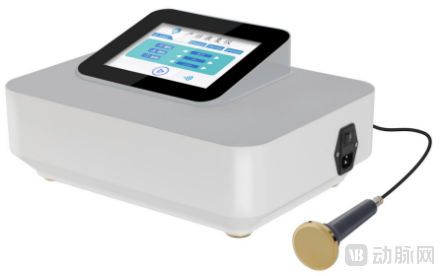
Congfeng Technology Postpartum Rehabilitation Therapy Device
Congfeng Technology’s Postpartum Rehabilitation Therapy Device employs Mifu therapeutic technology, which offers penetrative and focal capabilities for precise targeted therapy. It delivers excellent thermal, mechanical, and cavitation effects in postpartum rehabilitation. The device not only repairs pelvic floor muscles but also provides anti-inflammatory, antibacterial, cervical contraction, smooth muscle contraction, fluid reduction, uterine tightening, and analgesic benefits. It helps reduce the incidence of reproductive system inflammation, effectively alleviates postpartum pain, prevents prolapse of the uterus and cervix, and accelerates postpartum recovery. Additionally, its breast-tightening effect helps postpartum women regain confidence.
Huang Hannian’s decision to enter the market with postpartum rehabilitation therapy devices was driven by three key considerations: First, such products are not new; prior market education efforts by other companies and institutions have already fostered a certain level of consumer awareness and acceptance. Second, these devices demonstrate clear safety and efficacy during use. Third, supported by national policies and rising living standards, the market for postpartum rehabilitation therapy devices is expected to continue expanding, offering broad growth potential. Based on this strategy, Congfeng Technology is currently leveraging postpartum rehabilitation therapy devices as its initial focus to build up financial, technological, and market reserves, rolling out different products in phases to gradually unlock their technological and commercial value.
Compared with traditional postpartum rehabilitation treatment systems on the market, Congfeng Technology’s postpartum rehabilitation treatment system is mainly reflected in four aspects:
1. Non-invasive, non-interventional therapy. The product does not require intrusion into the body during use, causing no discomfort or trauma to the user. It is safe, convenient, and radiation-free. It facilitates non-pharmacological uterine involution and does not affect breastfeeding.
Second, it has a broader range of indications. Traditional postpartum rehabilitation therapies mostly target the pelvic floor muscles; however, these muscles constitute only a part of the comprehensive postpartum recovery system. Congfeng Technology’s postpartum rehabilitation device not only repairs the pelvic floor muscles but also addresses the restoration and tightening of other areas, including the uterine cavity, cervix, and breasts.
Third, it is safe, effective, and free of side effects. Traditional treatment methods employ low-frequency electrical stimulation, which may reduce sensitivity in the female birth canal and cause certain side effects. In contrast, Congfeng Technology’s postpartum rehabilitation device utilizes Mifu therapeutic technology, an innovative approach deeply developed based on the principles of micro-focused ultrasound technology, to accelerate uterine involution, shorten the duration of vaginal bleeding, and reduce the incidence of poor uterine involution.
Fourth, complete postpartum rehabilitation therapy within the "golden recovery window" of 5 to 45 days after delivery. Currently, most postpartum women are advised to wait until 42 days after childbirth before undergoing postpartum rehabilitation. This is not because 42 days represents the optimal time for recovery, but rather because the electrical stimulation used in such therapies may cause certain side effects if applied when the body’s condition is still suboptimal. It is well known that earlier initiation of postpartum rehabilitation yields better outcomes; indeed, the period from 5 to 45 days postpartum constitutes the golden repair window, during which therapeutic interventions produce faster and more effective results. Congfeng Technology’s postpartum rehabilitation device delivers low-intensity ultrasound waves through tissue, focusing an effective ultrasound dose on the uterine smooth muscle. By leveraging the mechanical, thermal, and sonochemical effects of ultrasound, it induces rhythmic uterine contractions, thereby alleviating "postpartum pain" and accelerating tissue repair.
In addition, the company has also expanded into ultrasound therapy devices and ED treatment devices.
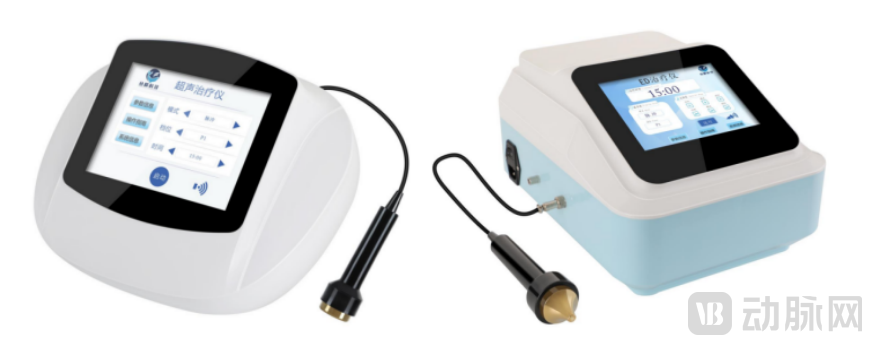
Congfeng Technology Ultrasound Therapy Device (left) and ED Therapy Device (right)
The ultrasonic therapeutic device can generate a high-energy bio-effect field, which eliminates aseptic inflammation and resolves adhesions. By leveraging conduction through the nervous system, blood circulation, and meridians, it enhances the function of various glands and improves overall metabolic exchange in the human body.
The ED treatment device employs a new generation of non-invasive therapeutic technology known as Mifu therapy, which can repair cellular tissues based on pathophysiological principles. The cavitation effect of Mifu technology follows a "destroy-then-regenerate" mechanism, promoting angiogenesis. Currently, animal clinical trials have confirmed the significant efficacy of this product.
How to leverage limited capital to drive sustainable corporate development is a challenge faced by many startups. Congfeng Technology has offered its own solution: adopt a targeted and gradual approach to product research and development.
According to Huang Hannian, Congfeng Technology is currently focusing on the development of postpartum rehabilitation therapy devices, positioning them as its cash cow business to lay the foundation for the in-depth development and industrialization of subsequent ultrasound therapy devices and ED (erectile dysfunction) therapy devices.
In terms of sales channels, Congfeng Technology adopts a dual online-offline strategy. Offline, it will work closely with distributors, while online, it will integrate e-commerce channels. The company’s primary revenue streams will come from the sale and leasing of equipment, as well as the sale of consumables. Additionally, it will leverage new media platforms to expand its reach, enhance brand awareness, and boost sales volume.
Looking ahead, Huang Hannian has given considerable thought to the future: “The pandemic has prompted widespread reflection globally. The management of many minor or chronic conditions will gradually shift from hospital settings to community- and home-based care, which aligns precisely with Cong Feng’s vision. Moving forward, we will collaborate with physician groups to deliver comprehensive solutions encompassing both devices and services. For instance, when a patient first uses the device, a physician will conduct an in-home assessment of the patient’s condition. After the patient has used the product for a period of time, the physician will make another home visit to evaluate treatment efficacy and optimize the therapeutic regimen.”
In the future, the company will continue to focus on nerve entrapment, soft tissue and joint pain treatment, postpartum pelvic floor rehabilitation, and erectile dysfunction (ED) recovery, striving to become a well-known domestic supplier of home- and community-based therapeutic devices.
About Pingshan Innovation Plaza
Innovation Plaza is the first government-developed innovative industrial carrier in Pingshan Central District. It will cluster Pingshan District’s three leading industries—biotechnology, new energy (automotive), and next-generation information technology and intelligent manufacturing—along with modern service industries and cultural and creative industries. With a focus on attracting corporate headquarters and public industrial service platforms, and leveraging applications of cloud computing, big data, the Internet of Things, and mobile internet technologies, it aims to establish a headquarters base for innovative enterprises in eastern Shenzhen.