

German MedTech Leader Ottobock Launches Comprehensive Stroke Rehabilitation Solution Ahead of IPO
Stroke, known as "Zhong Feng" in traditional Chinese medicine (TCM), is one of the top three causes of death and disability worldwide. According to the Chinese Stroke Association, China ranks first globally in the number of new stroke cases each year, reaching 2.5 million in 2020, with a trend toward affecting younger populations. Currently, the total number of stroke patients in China has exceeded 28 million, among whom 70%–80% suffer from varying degrees of functional impairments in motor skills, cognition, and other areas.
On August 20, 2022, the Chinese Association of Rehabilitation Medicine convened the Second Annual Academic Conference of the Professional Committee on Rehabilitation Assistive Technology Applications. Ottobock, a German-invested enterprise in China, was invited to attend and presented its “Holistic Solution for Stroke.” This solution, aimed at stroke rehabilitation, comprehensively addressed international trends in assistive technology, clinical applications of assistive devices for different limb segments, management of motor impairments and other complications, as well as strategies for stabilizing the body and enabling precise movements.
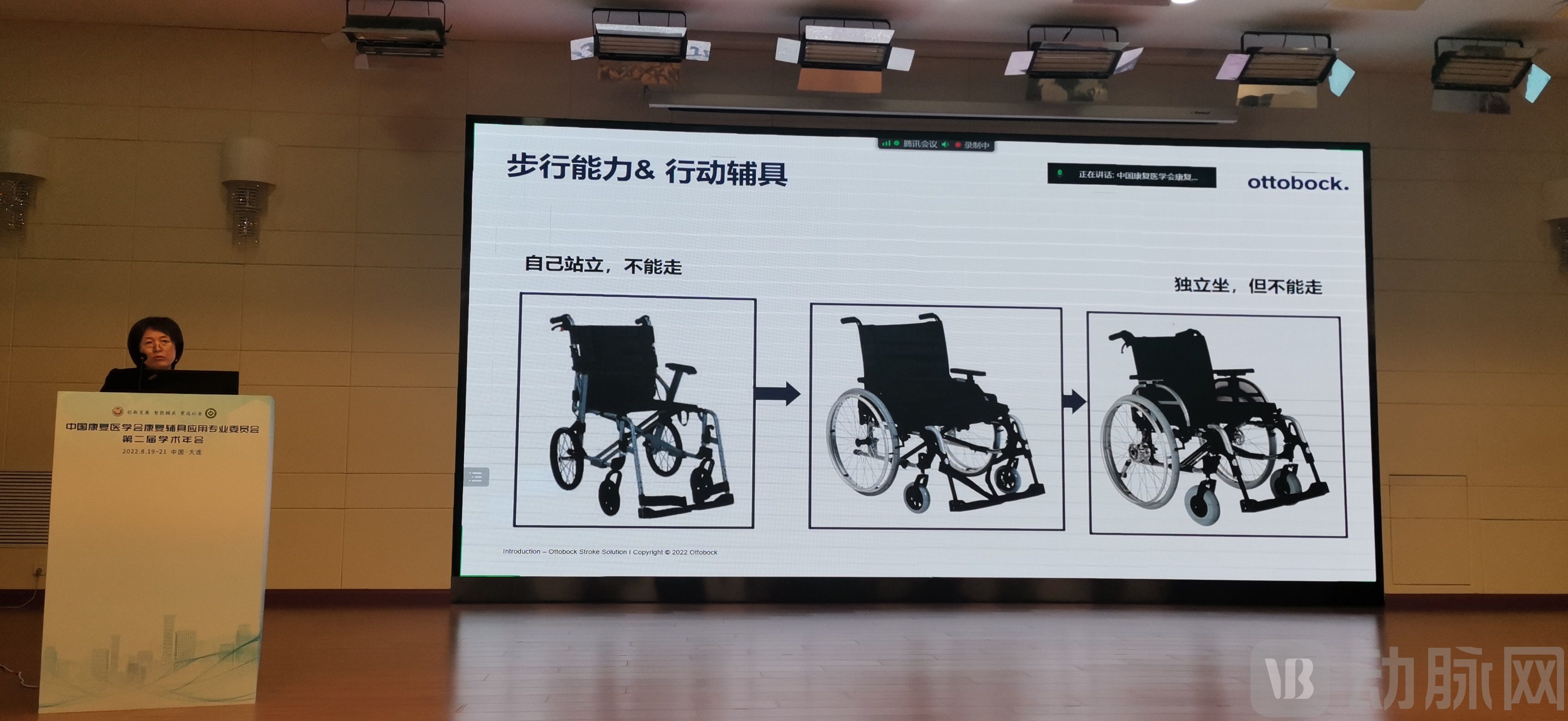
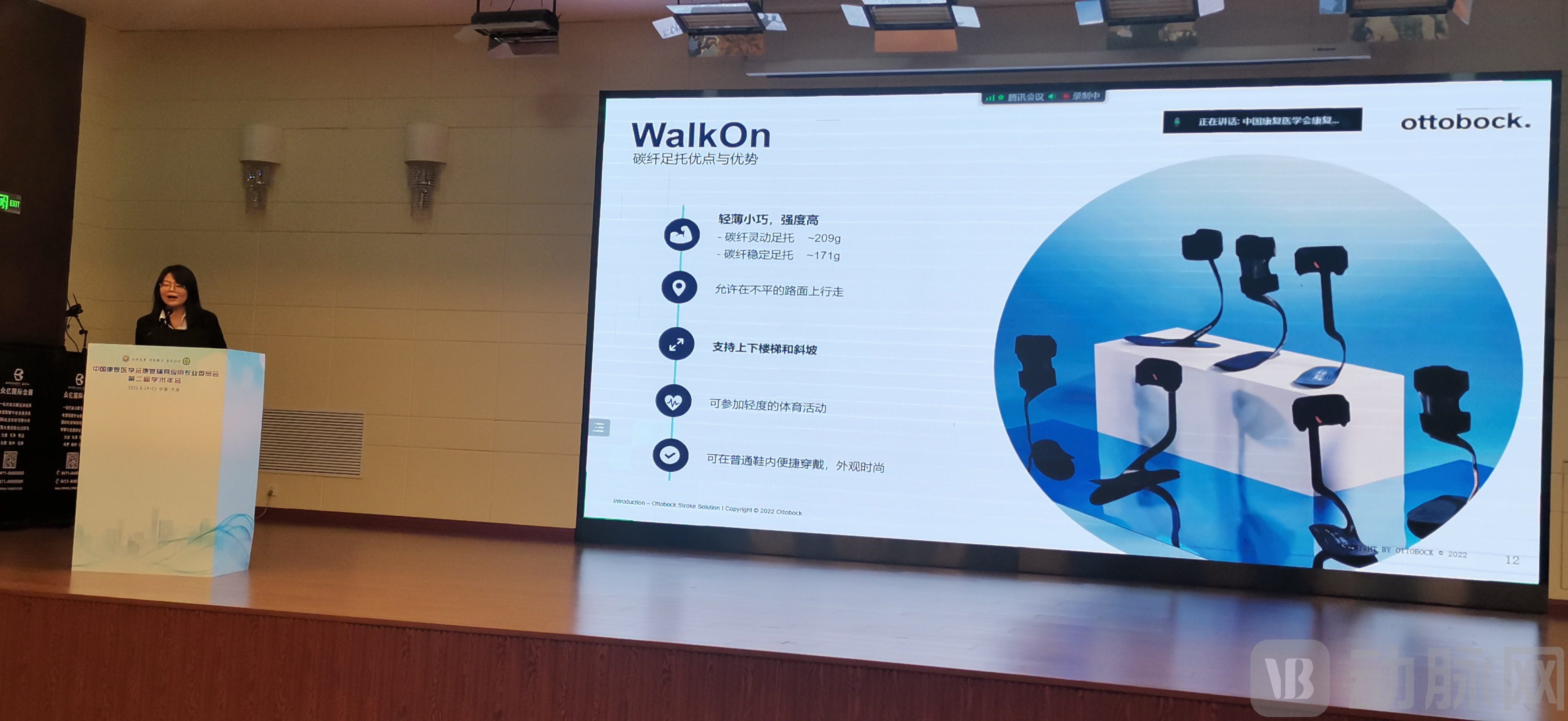
On-site Presentation of the “Comprehensive Stroke Solution” by Ms. Deng Tingting, Marketing Manager, and Ms. Wang Caixia, Manager, at Otto Bock (China) Industrial Co., Ltd.
Ottobock was founded in Berlin, Germany, in 1919, specializing in prosthetics and rehabilitation equipment and products. In 1993, it established a wholly foreign-owned enterprise in China. In 2008, Ottobock collaborated with the China Disabled Persons’ Federation and the Beijing Organizing Committee for the Olympic Games to train technicians, and served as the provider of prosthetic, orthotic, and wheelchair repair services for athletes from various countries at the Beijing 2008 Paralympic Games. In 2010, as an official partner of the Life Sunshine Pavilion at the Shanghai World Expo, Ottobock set up a themed exhibition area titled “Exploring the Mysteries of Human Movement.” During the 2022 Beijing Winter Olympics, Ottobock worked with the Winter Olympics Organizing Committee to provide wheelchair assistive devices, professional maintenance, and sports solutions for the torch relay, athletes’ participation in the opening and closing ceremonies, and their daily lives.
Ottobock has long been dedicated to advancements in material technology and biomechanics. Recently, it launched the WalkOn series of carbon fiber ankle-foot orthoses (AFOs) designed to correct foot drop. Weighing only 171 grams, these devices demonstrated merely a 20% reduction in strength after two million simulated walking cycles, achieving an optimal balance between lightness and durability. Carbon fiber, known as the “king of advanced materials” in industrial applications, boasts approximately five times the strength of steel and exceptional durability. It is widely used in aerospace, automotive, and medical device industries. Ottobock applies this high-strength, thin, lightweight, and comfortable carbon fiber material to orthotic braces, helping patients store and release energy during walking, thereby reducing their own energy expenditure. For patients with athletic needs, carbon fiber dynamic AFOs can also assist users in engaging in low-impact, non-contact physical activities such as running and cycling. Additionally, Ottobock’s GenuGuard knee brace enhances sensorimotor control through extensive coverage, improves joint function by adjusting angles and increasing joint stability, and provides support to prevent and inhibit knee hyperextension during walking while facilitating deep flexion.
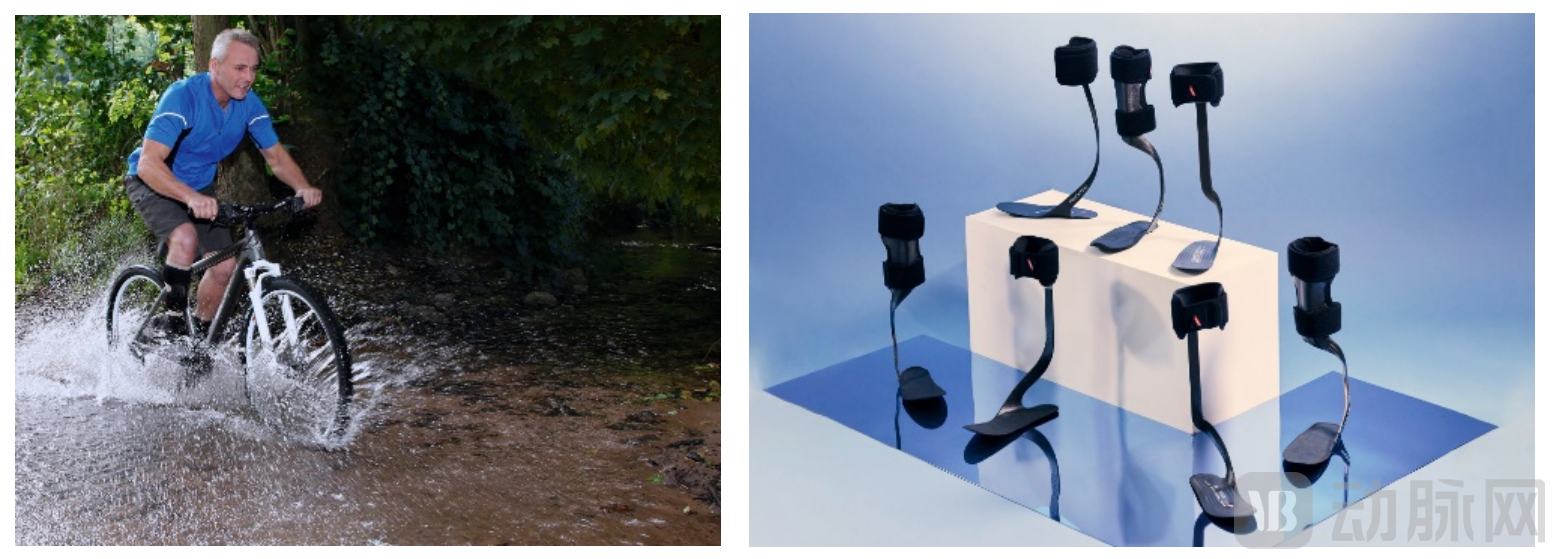
WalkOn Series Carbon Fiber Foot Orthoses for Lower Limb Motor Impairment
According to Rehabilitation Medicine, the incidence of shoulder-hand syndrome following stroke-induced hemiplegia in China ranges from 12.5% to 70%, excluding lower limb motor impairments. Onset can occur as early as the second day post-stroke and as late as six months thereafter. Common symptoms include pain in the shoulder and hand, limited range of motion in the joints, and subluxation of the glenohumeral joint. In such cases, proactive prevention and symptomatic rehabilitation training can help patients manage these issues. Specifically, the use of a shoulder support can stabilize the glenohumeral joint while allowing free movement of the forearm, thereby facilitating reduction of the shoulder joint, improving body posture, and enhancing gait.
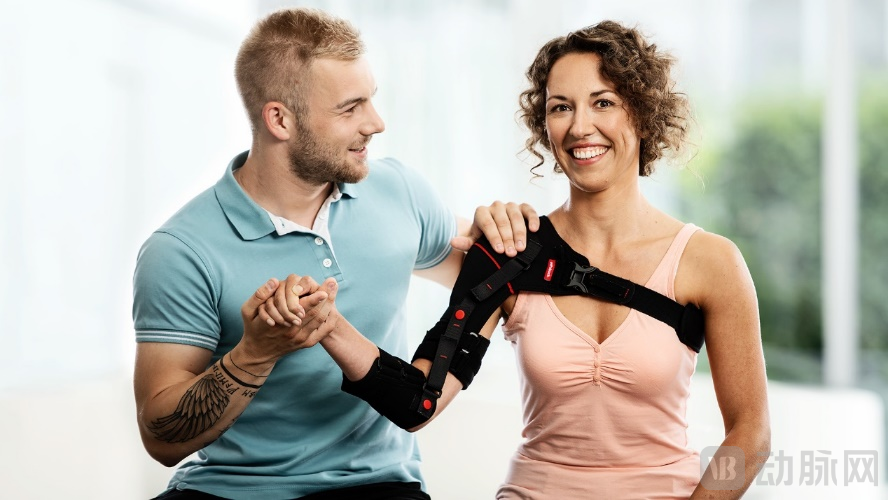
Guardian Star Series Shoulder and Wrist Supports
Shoulder and wrist orthoses incorporate numerous high-tech materials, such as Tritech temperature-regulating fabric, which offers both compressibility and breathability. Ottobock applies this “micro-air-conditioning” design to products like shoulder and wrist orthoses, achieving consistent temperature control suitable for long-term patient use. The Guardian Star series also features specially designed pads to prevent pathological movements, such as spasms. In terms of usability, patients can easily don the Guardian Star shoulder and wrist orthoses independently with one hand and quickly remove them during rest.
For hemiplegia patients in the recovery and sequelae phases, targeted and supportive rehabilitation devices are required. Focusing on the patient’s ability to propel themselves forward by pushing off with their unaffected foot, Ottobock has customized a hemiplegic wheelchair. Its front casters feature a specially designed outward-flaring fork structure to prevent collision with the patient’s unaffected foot, while the handrim on the unaffected side enables single-arm drive functionality for forward movement, backward movement, and turning. Meanwhile, on the affected side, a specialized hand support can be added to help prevent shoulder dislocation and alleviate hand spasticity. For stroke patients with milder symptoms and less severe mobility impairment, Ottobock also offers a range of supportive mobility aids tailored to different levels of functional ability for both clinical use and patient adoption.
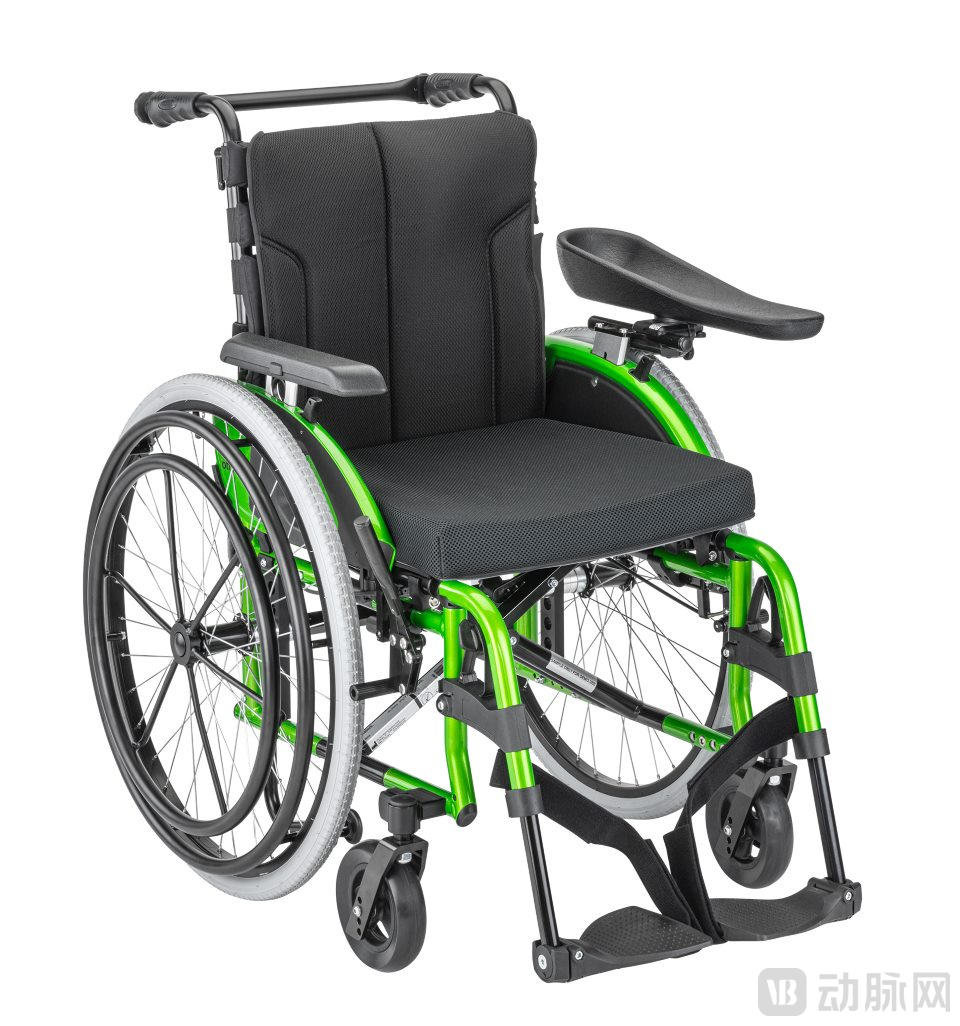
Hemiplegia Wheelchair
At this academic conference on the application of rehabilitation assistive devices, rehabilitation experts Professor Wu Jixiang and Professor He Jianhua expressed their endorsement of Ottobock’s “Holistic Stroke Solution”: “In the rehabilitation of stroke patients, support from upper and lower limb orthoses and wheelchairs tailored to different mobility levels helps patients regain independent mobility, improve motor performance, and enhance their quality of daily life.” It is hoped that Ottobock will continue to leverage advanced technologies in foundational areas to provide comprehensive products and services, helping stroke patients enjoy a high quality of life and regain freedom of movement, thereby contributing to the health and well-being of the Chinese people.