

Daxing Airport Aerotropolis Leverages Streamlined Approvals and Global Resources to Build an International Life Health Port
The development of any industry is inseparable from a region that boasts industrial cluster advantages and deep collaborative capabilities, as exemplified by Silicon Valley in the semiconductor sector. As the world’s most successful and influential hub for technological innovation, “Silicon Valley” has long served as the gold standard and model for industrial parks worldwide to emulate.
In the life and health sector, there are many different types of “Silicon Valleys,” such as the Texas Medical Center, known as the world’s largest integrated healthcare service hub; Boston’s Longwood Medical and Academic Area, which integrates medical research and education; Shizuoka Pharma Valley, focused on oncology specialties; and Dubai Healthcare City, dominated by consumer-oriented specialties. These national-level industrial clusters attract market attention, shape industry trends, and continuously export successful models and development experience to the global community.
The Texas Medical Center in Houston, Texas, USA, originated with Hermann Hospital, which opened in 1925. After nearly a century of development along a pathway integrating clinical care, research, and education, and anchored by its medical positioning of “comprehensive general services with specialized excellence in cardiology, pediatrics, and oncology,” it has become a world-class healthcare destination, serving 10 million patients annually.
Boston’s Longwood Medical and Academic Area, also located in the United States, began with Harvard Medical School—a leading academic and research institution—and has developed into a world-class hospital industry cluster. Centered around Harvard University’s medical schools, the Longwood area concentrates various institutions involved in medical care, education, research, and industry, including Beth Israel Deaconess Medical Center, Massachusetts College of Pharmacy and Health Sciences, Merck’s R&D center, and Hi-Lab, a pharmaceutical incubator.
Japan’s Shizuoka Medical Valley originated from the Shizuoka Cancer Center Hospital, around which a rehabilitation and healthcare center was established. By integrating medical research, education, and the rehabilitation and wellness industries into the broader healthcare sector, it successfully achieved the interconnection of “medical care, elderly care, and industry,” ultimately evolving into a world-class medical hub. In contrast to the first three industrial clusters at the forefront of medical innovation, Dubai Healthcare City, lacking innate support from top-tier academic and research institutions, has carved out its own “Dubai Model” by leveraging its tourism strengths to develop a medical tourism cluster dominated by consumer-oriented specialty services.
At first glance, these four industrial clusters exhibit numerous differences, such as their respective development paths and industrial focal points. However, an in-depth analysis by sub-sector reveals many similarities among them.
Adjacent to the international airport, bringing global customers and cargo flow.In terms of location and transportation, all four industrial clusters are in close proximity to major international airports. For instance, the Texas Medical Center is within a one-hour drive from George Bush Intercontinental Airport; the Longwood Medical and Academic Area in Boston and Dubai Healthcare City are located 11 kilometers and 4 kilometers, respectively, from their nearest international airports. Shizuoka Prefecture, home to the Shizuoka Pharmaceutical Valley, lies between Tokyo and Osaka along a major transportation corridor, centrally positioned among three key airports: Tokyo Haneda, Tokyo Narita, and Shizuoka Airport. This convenient accessibility has, to some extent, underpinned the sustainable development of these four industrial clusters.
The government steps in, driving industrial takeoff through proactive policies.The government is an indispensable component in the development of industrial clusters. Among these four industrial clusters, although the timing of government intervention varied, the outcomes following its involvement were all highly significant. Taking the Texas Medical Center as an example, the participation of the Houston municipal government marked the second major development opportunity for the Center, following its receipt of support from the Anderson Foundation and the establishment of the MD Anderson Cancer Center. This governmental involvement served as a primary driving force behind its achievement of “scaling from 1 to 100.”
In 1943, the City of Houston specifically allocated 134 acres of land to the Texas Medical Center, offering near-free land incentives and substantial research funding. This attracted numerous institutions, including Baylor College of Medicine and Methodist Hospital, to establish their presence there, with many more institutions subsequently moving in or commencing construction over the following decades. Currently, the Texas Medical Center covers an area of 140,000 square meters, employs over 106,000 people, receives 10 million patients annually, and performs 180,000 surgeries per year.
Clear industrial positioning to establish a self-sustaining ecosystem.The Texas Medical Center is positioned as a “general + specialized” hub; Shizuoka Pharma Valley is committed to building a world-class medical center specializing in oncology; Dubai Healthcare City is dominated by consumer-oriented specialties; and Boston’s Longwood Medical and Academic Area is a typical integrated park combining medical research, education, and clinical care.
The academic and research foundations of Boston’s Longwood Medical and Academic Area (LMAA) date back to the establishment of Harvard Medical School in 1782, with further expansion following the founding of Harvard School of Dental Medicine. Over the course of a century, Boston Children’s Hospital was established, marking the nascent stage of the region’s medical industry, drawn by the abundance of outstanding medical students and advanced healthcare technologies incubated locally. With continuous technological breakthroughs and support from renowned U.S. venture capital firms such as HealthQuest Capital and Flagship Pioneering, the area has gained significant prominence. Major entities including Merck’s Research Center, LabCentral, and Hi-Lab have chosen to establish their presence here, gradually forming an integrated ecosystem that combines medical research, healthcare services, and pharmaceutical enterprises. Reportedly, the Longwood Medical and Academic Area is home to 57,000 employees and 29,000 students, handles 2.3 million outpatient visits annually, and generates $10 billion in annual revenue.
Overall, these world-leading medical cities each have their unique strengths, but they all share four key success factors: policy support, a suitable pace of development, rational positioning, and an effective ecosystem mechanism. Focusing on China, these dimensions are preciselyBeijing Daxing International Airport Economic Zone (hereinafter referred to as the Daxing Airport Economic Zone)Capable of leveraging the advantages inherent in the life and health industry.
As of the end of July 2022, the number of registered enterprises in the Daxing Airport Economic Zone had reached a cumulative total of 2,961, including 53 foreign-invested enterprises. In the life and health sector, the Daxing Airport Economic Zone (Beijing Area) has registered and established 231 related companies and implemented eight life and health industry projects, including the National Key Laboratory of Peking Union Medical College Hospital, Shanghai Pharmaceuticals Group (a Fortune Global 500 company), and leading enterprises in the field of cell therapy.Shanghai Cell Therapy Group, Aige Stem Cell Technology (an innovative biopharmaceutical enterprise specializing in stem cell drug R&D), and Shinogene Biotechnology (a preclinical drug safety assessment company utilizing large animal models)and other key projects.
No development happens overnight. How has the Daxing Airport Economic Zone achieved such remarkable results in a short period? What is the underlying logic behind its growth? What resource advantages and operational systems have enabled it to attract global pharmaceutical and medical device giants to establish their presence there? What insights can its industrial model offer for the development of other regions? To address these questions, VCBeat has compiled this article for our readers.
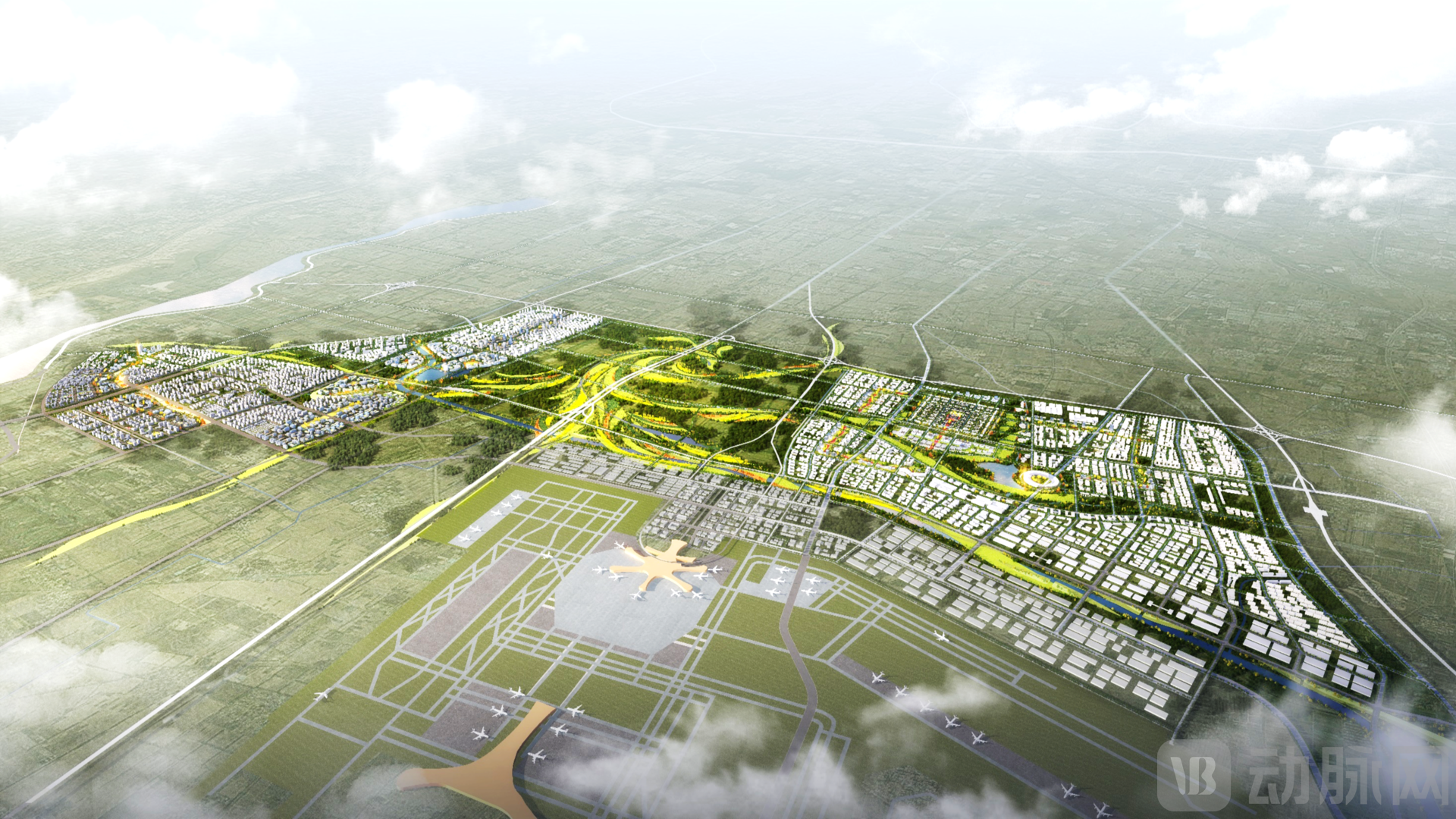
Located in the heart of the Beijing-Tianjin-Hebei region, the Daxing Airport Economic Zone is home to Beijing Daxing International Airport, the world’s largest comprehensive transportation hub. With travel times to major economic centers and transportation hubs—including Beijing’s Municipal Administrative Center, the Xiong’an New Area, and Tianjin—kept within two hours, it has established a transportation network that enables rapid domestic access across the Beijing-Tianjin-Hebei region and close global connectivity internationally.
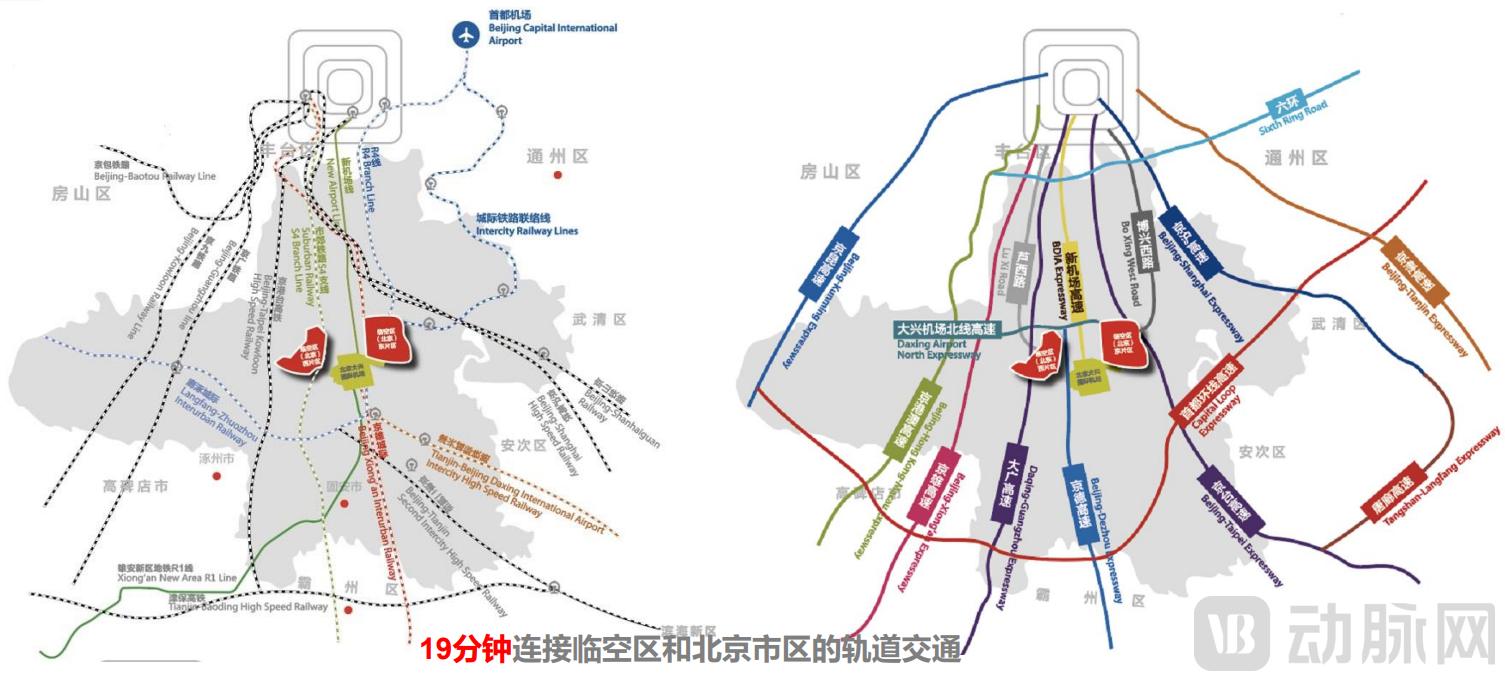
It is worth noting that the Daxing Airport Economic Zone is proactively harnessing the spillover effects generated by Beijing Daxing International Airport. By 2025, the airport is projected to handle 72 million passenger trips and 620,000 flight movements annually, with an annual cargo throughput reaching 2 million metric tons. Behind this substantial passenger volume and dense route network lies a significant accumulation of high-net-worth individuals and high-value cargo in the Daxing Airport Economic Zone, laying a solid foundation for establishing a high-caliber health industry cluster.
Globally, it is common practice to leverage aviation advantages by locating biopharmaceutical industries with air cold-chain logistics needs in areas surrounding airports, as well as clustering regional headquarters of foreign-invested pharmaceutical companies.
There are two primary reasons for this. First, given the unique characteristics of biopharmaceutical products—such as high value, strict time sensitivity, urgency, and stringent temperature-control requirements—they demand exceptionally high standards for transportation time and environmental conditions. Consequently, areas adjacent to aviation hubs are highly suitable for enterprises specializing in vaccines and biological pharmaceuticals. Second, the dense network of airport routes enables the Daxing Airport Economic Zone to offer extensive radiation reach and high accessibility. This makes it ideal for headquarters personnel of large pharmaceutical companies with frequent travel needs, reducing transit time and enhancing the convenience of personnel mobility.
Leveraging the route advantages of Daxing International Airport, the Daxing Airport Economic Zone has launched all-cargo flight routes, thereby establishing a global biomedical transshipment hub, distribution center, supply chain center, and exhibition and trade center. In pharmaceutical circulation, the Daxing Airport Economic Zone has introducedShanghai Pharmaceuticals, etc.A leading enterprise in pharmaceutical distribution has laid a solid foundation for subsequent industrial development.
From the perspective of China’s overall biopharmaceutical industry landscape, although multiple regional industrial clusters—including the Beijing-Tianjin-Hebei region—have already taken shape, the sector as a whole lacks pioneering leadership.
Situated in the “tri-core resonance” zone encompassing Beijing, Tianjin, and Xiong’an, the Daxing Airport Economic Zone can leverage the strategic opportunity presented by the establishment of a high-caliber new airport to foster interactive development with the Daxing Biomedical Base, the Yizhuang Biopharmaceutical Industrial Park, and the Changping Life Science Park. It is poised to become a pioneer in China’s national health industry, lead the clustering of biopharmaceutical industries in the Beijing-Tianjin-Hebei region, and emerge as a new driver of national development.
In the special planning for the life and health industry, Daxing Airport Economic Zone has engaged professional institutions such as Boston Consulting Group, Ernst & Young, and Surbana Jurong from Singapore to conduct systematic demonstrations on the positioning and planning of the zone’s life and health industry, optimize the layout and utilization of regional industrial space resources, and promote the development of the life and health sector.
As our flight takes off from Beijing Daxing International Airport, a view through the porthole reveals the 150-square-kilometer Daxing Airport Economic Zone under intensive construction surrounding the terminal building. Of this area, 50 square kilometers are located in Beijing and 100 square kilometers in Hebei Province.
In December 2020, the Daxing Airport Economic Zone was officially established with state approval, and isThe only region in China that enjoys the policy advantages of Free Trade Zones (FTZs) in two provinces/municipalities and hosts the sole cross-provincial/municipal Comprehensive Bonded Zone.This means that the Daxing Airport Economic Zone can leverage its own level of development to strive for more autonomous approval authority, more breakthrough preferential policies, and higher-level infrastructure construction, therebyStreamline approval processes, implement pilot policy initiatives, and reduce corporate development costs for healthcare institutions and domestic and international medical enterprises., which can create a siphon effect on health industry resources.
On the Simplification of Approval Procedures, taking the Beijing portion of the Daxing Airport Economic Zone as an example,BeijingMunicipal and district-level governmentsTwo batches will involve the delegation of a total of 178 administrative powers from departments including Development and Reform, Housing and Urban-Rural Development, and Ecology to the Administrative Committee of the Airport Economic Zone (Daxing)., these administrative powers span areas such as development and reform, planning and natural resources, housing and urban-rural development, ecology, and water affairs. They cover the entire process of land primary development and construction projects from project initiation to completion, including high-value administrative authorities such as approval of government-funded investment projects (within jurisdictional limits), approval for the expropriation of collectively owned land, preparation and review of comprehensive planning implementation schemes, and issuance of construction permits for construction projects.
It is worth mentioning that the innovative mechanism of “regional assessment + standardized land + notification and commitment + comprehensive services” in the Daxing Airport Economic Zone has enabled multi-departmental coordination, forming a working model characterized by “shared assessments, standardized land transfers, approval upon commitment, and end-to-end service coverage,” thereby significantly compressing the approval time across the entire chain, which has already allowedSF Express, JD.comProjects such as these have achieved “land acquisition and immediate commencement of construction,” while other approval and review items that originally required 20 or 30 days can now be completed on the spot at the fastest.
In terms of piloting preferential policies, the Daxing Airport Economic Zone is a prime area for achieving synergistic development through the integration of multiple policy frameworks, including the Pilot Free Trade Zone, Zhongguancun Science Park, Comprehensive Bonded Zone, and the Expanded Opening-up of the Service Sector., and it benefits from the “1+N” policy framework of Daxing District, which provides comprehensive policy support and safeguards for foreign trade enterprises, specialized and sophisticated SMEs with unique innovations, listed companies, and the pharmaceutical and health industries.
In June 2022, Beijing established a “white list” system for imported R&D materials used by biopharmaceutical enterprises (R&D institutions). For items included in the “white list,” biopharmaceutical enterprises (R&D institutions) are exempt from submitting the Import Drug Clearance Form when handling customs clearance procedures with Beijing Customs, thereby further enhancing import facilitation.
In terms of actual supporting facilities, the Daxing Airport Economic Zone has also spared no effort.In terms of capital, the Daxing Airport Economic Zone has established a 50-billion-yuan fund-of-funds and built a specialized fund system for the life and health industry, with investments already made inOriza Ventures, Yahui Capital, Cowin Capital, and Yuanyi Capital...and five other specialized funds in life and health, have made direct investmentsSinogen, Faber New Sky, Haosi Biotech, and other biomedical projects.
Overall, the strong support from governments at all levels—from the national level down to municipal and district authorities—has been the core driving force behind the Daxing Airport Economic Zone’s phased leapfrog development, evolving from nothing to something, from something to strength, and from strength to excellence.
Industrial clusters take two forms: one where enterprises emerge before the industrial park, with Silicon Valley being the most typical example; and the other where the industrial park is established first to attract enterprises, with Shanghai Zhangjiang and Zhongguancun in China serving as representative cases.
Drawing on its inherent advantages and benchmarking against the development experience of Silicon Valley, the Daxing Airport Economic Zone has promoted a “city–people–industry” regional development model and established a set of practical logic. This approach emphasizes “attracting talent through urban amenities and fostering industry through urban development,” prioritizes overall regional coordination, and ensures the provision of comprehensive basic infrastructure, including cultural, educational, and healthcare facilities. By leveraging policy, transportation, and resource advantages to attract domestic and overseas enterprises, and by strengthening the construction of industrial technology incubation platforms, the zone aims to build a robust industrial ecosystem.
Specifically,First, the Daxing Airport Economic Zone leverages the industrial atmosphere fostered by the clustering of health service industries and the substantial demand across its extensive industrial chain to attract large enterprises, extending invitations to leading domestic and international corporations with established industrial scale.。
Since 2019, the Daxing Airport Economic Zone has hosted a series of events in major domestic cities such as Xiamen, Shenzhen, Shanghai, Chongqing, and Beijing, as well as in key international hubs including Dubai (UAE), Cologne (Germany), and Paris (France). These initiatives, such as “Foreign Enterprises Entering the Aviation City,” “Embassies in China Visiting the Aviation City,” and overseas project promotion roadshows, aim to enhance the zone’s international brand visibility by building a global platform and seeking in-depth cooperation with high-quality projects from both home and abroad.
Secondly, the Daxing Airport Economic Zone focuses on frontier medical technologies such as precision medicine and services, stem cell technology, and medical consumables. It is building an innovative R&D platform, improving supporting research services, and attracting R&D-oriented enterprises and research hospitals to settle in, thereby fostering a cluster of medical technology innovation industries.
Daxing District has gathered a cluster of national-level drug regulatory testing and pharmaceutical R&D institutions, including the National Institutes for Food and Drug Control, the Center for Drug Evaluation of the National Medical Products Administration, the Chinese Academy of Medical Sciences, the China Academy of Chinese Medical Sciences, the State Key Laboratory affiliated with Peking Union Medical College Hospital, the China Institute of Veterinary Drug Control, and the China Animal Disease Prevention and Control Center. Furthermore, the district has added new scientific centers and research-oriented hospitals, such as Capital Medical University, the Chengnan Campus of Peking University First Hospital, and the Yufa Campus of Peking Union Medical College Hospital, thereby facilitating the translation of biomedical achievements within the district.
Then, the Daxing Airport Economic ZoneStarting with basic medical research, leveraging the robust R&D, manufacturing, and sales capabilities of large enterprises, and utilizing healthcare service platforms, we focus on the synergistic effects of key disciplines to build an integrated health ecosystem that combines medical research, healthcare services, and the pharmaceutical industry.
Currently, the Daxing Airport Economic Zone has established international R&D platforms, including the Beijing Cell Therapy Engineering Technology Center, the Beijing Institute for Translational Research in Cell Therapy, a preclinical drug safety evaluation platform, a cell therapy incubation platform, and a cell therapy CDMO platform. Furthermore, the Daxing Airport Economic Zone will focus on developing specialized medical services, strategically position itself in niche R&D areas of diagnostic devices, effectively leverage park resources, and build a comprehensive value chain for medical services.
The development of an industrial cluster hinges on the establishment of a core industrial park.The Daxing Airport Economic Zone has formed an industrial agglomeration pattern, with the International Life and Health Community as its industrial foundation, the Comprehensive Bonded Zone’s Biopharmaceutical Incubator as the source of innovation, and the Free Trade Zone Innovation Service Center as the platform carrier., with a total planned area exceeding 3 million square meters.
The International Life and Health Community is located in the Yufa area, covering a total area of approximately 2.9 square kilometers. It includes the Regenerative Medicine Innovation Park and the International Medical Device Industrial Park. Focusing on international R&D and the implementation of cutting-edge global technologies, it integrates the “R&D–Healthcare–Industry” value chain, establishes a stronghold for original innovation in key technologies, builds the New Gateway International Life and Health Port, and constructs supply, innovation, and service chains to support the global life and health industry.
It is reported that within the 100,000-square-meter biomedical incubator and the 70,000-square-meter Beijing Free Trade Zone Innovation Service Center in the Daxing Airport Comprehensive Bonded Zone, there has been a gathering ofBGI, Beijing Cell, Sinogene Biotechnology, AiGe Stem Cells, the Public Service Platform for Translational Cell Therapy, and other well-known enterprises and institutions in the industryBy the end of the 14th Five-Year Plan period, a life and health industry system centered on the integration of medical care, health insurance, and pharmaceuticals is expected to take shape, and the Daxing Airport Economic Zone will become a hub for innovation and entrepreneurship among biomedical R&D enterprises in China.
In the future, the Daxing Airport Economic Zone will further leverage the hub efficiency of Beijing Daxing International Airport and the streamlined customs clearance advantages of the Comprehensive Bonded Zone, striving to build an international port for life and health. This port will serve as a channel and engine for connecting and utilizing both domestic and international resources and markets.
At the “Future Starts Here—Daxing” event for foreign-invested life and health enterprises entering Hangcheng, held on August 23,Roche, BD, Bayer, Promedior, Puxin Biotech, IBM, Amazon Web Services, and imecEight enterprises engaged in a lively discussion with the Daxing Airport Economic Zone on reflections and practices regarding the life and health industry cluster.
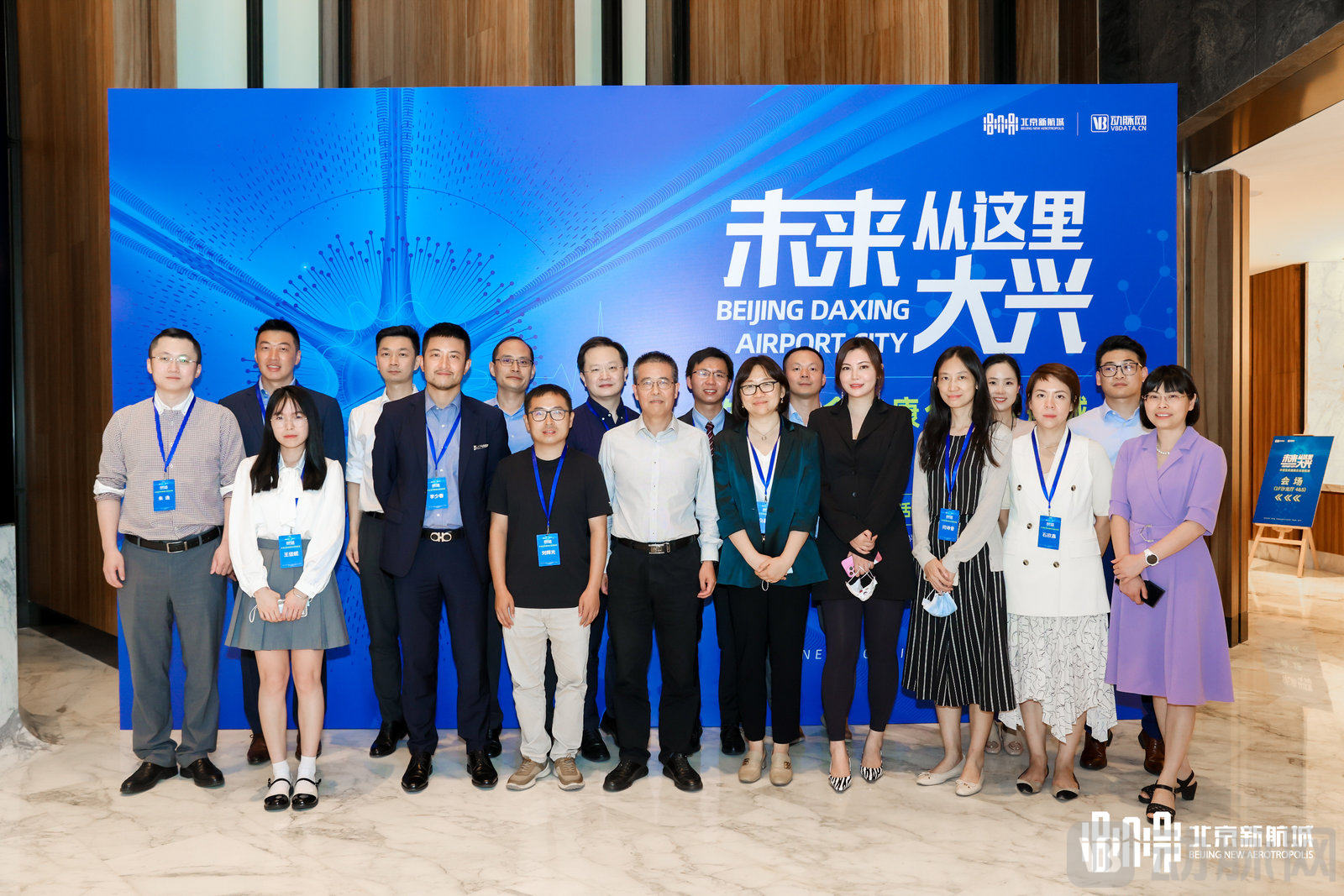
City Outlook: New Opportunities for the Life and Health Industry in an Era of Transformation
The seminar will be held atLuo Boming, Deputy Secretary of the Party Working Committee and Full-time Deputy Director of the Administrative Committee of the Airport Economic ZoneThe ceremony officially commenced with the opening address. Luo Ming emphasized that the Daxing Airport Economic Zone, built around Daxing International Airport, will leverage this “new engine of national development” to become a world-class modern airport economic zone and a global aviation city driving the future.
Li Gen, Deputy Director of the Investment Promotion Center of Daxing DistrictIt was stated that, judging from economic growth rates, industrial transformation, and regional positioning, the Daxing Airport Economic Zone is currently in a phase of ultra-high-speed, leapfrog development. A detailed promotion of Daxing District was presented, highlighting its nearly 60% economic growth rate, convenient regional transportation, comprehensive supporting living facilities, the “1+2+4” ecosystem framework, six major functional zones, and preferential policies characterized by the “superposition of five layers of policy support.”
Subsequently,Wang Shuochun, Investment Promotion Bureau of the Airport Economic ZoneAn overview of the Daxing Airport Economic Zone was presented from the perspective of the life and health industry. He stated that the zone will remain committed to establishing an international R&D center and incubators, while leveraging the logistical and cold-chain advantages of Daxing International Airport to build a dedicated port for biopharmaceuticals and healthcare. To this end, the Daxing Airport Economic Zone has undertaken initiatives in industry planning, supply chain clustering, development of specialized service platforms, and establishment of industrial funds, achieving significant results. Meanwhile, the zone has reserved numerous plots of land, seeking collaboration with more multinational corporations to jointly develop projects such as China headquarters, incubators, and inspection and testing facilities.
Government-Enterprise Dialogue: Reflections and Practices on Building a Global Life and Health Industry Cluster
First, multinational corporations shared the criteria they used to select industrial parks for their operations and the key factors influencing their decisions.
Chang Yongkuan, Head of the National Personalized Medicine Incubator at Roche PharmaceuticalsThree key areas of focus were highlighted: First, policy stability and continuity will bolster corporate confidence in collaboration, encouraging companies to engage in more long-term planning and deployment. This is particularly crucial for the sustained improvement of innovation quality in the biopharmaceutical sector. Second, attention should be paid to the needs of industry talent. As talent is the foundation of innovation, the government must leverage its capacity for overall resource coordination to help enterprises attract, retain, and fully utilize talented professionals. Third, it is essential to effectively tap into the regional endowment advantages of the biopharmaceutical industry, such as medical institutions and digital pharmaceutical industry partners, thereby creating a favorable industrial environment for the implementation of corporate cooperation projects.
Xu Dongling, Head of Government Affairs for North China at BD (Becton, Dickinson and Company)It stated that the abundance of regional medical resources, the strength of policy support and the openness of the policy environment, as well as the alignment between the region’s development plan and its own development path, were the primary considerations for BD’s decision on where to establish its presence.
Pei Ming, General Manager of Premier Research ChinaFrom the perspective of a global CRO company, two key considerations are shared. At the CRO level, the core focus is on how industrial zones can leverage platform-based management to assist tenant companies in product development, knowledge accumulation, and talent development. Secondly, given the numerous challenges faced by Chinese companies in their global expansion, an internationalized industrial zone must be equipped to address these overseas market entry issues for tenant companies promptly. Finally, policy support related to infrastructure development and the establishment of talent hubs is essential.
Li Shaochun, General Manager of Healthcare and Life Sciences Industry, IBM Greater ChinaTwo collaboration models between industrial parks and borderless healthcare and life sciences enterprises were shared. Openness is the primary and most critical characteristic. For Chinese healthcare and life sciences companies to achieve “shared construction and co-creation,” they must collaborate with ecosystem participants both inside and outside their organizations, as well as within and beyond the industry, to jointly build a comprehensive health ecosystem platform. First, as a B2B enterprise, IBM collaborates with large pharmaceutical companies to create a model for technological transformation and empowerment in airport economic zones, a approach that has already proven effective in certain biopharmaceutical clusters. Second, regional enterprises are empowered through platform-based innovation. By building an open-architecture digital biopharmaceutical innovation platform, foundational technical platforms and capabilities are provided across various stages—including new drug R&D, manufacturing, and market distribution—to diverse entities such as research institutions, biotechnology firms, raw material suppliers and processors, manufacturers, wholesalers and distributors, and healthcare providers. Together with third-party industry partners, this approach fosters an ecological innovation platform that empowers corporate development and transformation.
Zhu Yi, CEO of Jiangsu Puxin Biopharmaceutical Co., Ltd.It was stated that the accessibility and stability of talent are top priorities. The government can provide policy support, such as strengthening the development of industrial clusters, to facilitate the circulation of talent within a relatively defined scope and thereby enhance talent stability. In addition, hardware infrastructure is also a key consideration for Puxin Biology in its site selection and establishment needs.
Furthermore, foreign-invested enterprises have also put forward their own proposals for building an international biomedical industrial park in the Daxing Airport Economic Zone.
Li Jian, Chief Business Director for the Healthcare and Life Sciences Industry, Amazon Web Services Greater ChinaDrawing on the successful experiences of globally renowned life sciences clusters, represented by the US Bay Area and Greater Boston, five key aspects warrant our attention: First, research universities—particularly those committed to deep engagement in industry innovation—serve as the foundation of the entire innovation ecosystem and are a vital source for technology transfer and talent development. Second, hospitals: As life science and health products and services ultimately serve patients, close integration with clinical practice and collaboration with hospitals are essential. Third, companies of various types: Firms of different sizes provide technical and business training opportunities for professionals, fostering talent accumulation and healthy mobility, which is crucial for the ecological development of industrial parks. Fourth, venture capital: Professional investment teams can accelerate the growth of startups, attract talent, and support business expansion. Fifth, enabling platform resources: These provide support in technology, business operations, and digitalization, helping enterprises transform ideas into products.
At the end of the meeting,Luo Boming, Deputy Secretary of the Party Working Committee and Full-time Deputy Director of the Administrative Committee of Linkong AreaHe provided a concise summary of the discussion. He stated that the Airport Economic Zone aims to gain an in-depth understanding of enterprises’ needs through exchanges with foreign-invested companies, so as to better develop the zone and more effectively support the growth of large multinational corporations. The Airport Economic Zone seeks to collaborate with pharmaceutical companies to jointly build a new Aviation Innovation City.
Local conditions shape local industries. The Daxing Airport Economic Zone boasts fertile ground for the life and health economy. It is believed that, after a certain period of consolidation, along with the continuous aggregation of leading domestic and international enterprises and the ongoing emergence of innovative startups, an international cluster of life and health industries will take shape.