

National-Level Research Project on Post-Diagnosis Disease Management Officially Launched: Internet-Enabled Model Paves New Path for High-Quality Hospital Development
On August 20, the “2022 Forum on Patient Safety and Service Quality Improvement,” themed “Pragmatism, Innovation, and Enhancement,” was grandly convened. During the forum, at the sub-forum on “Research on Post-Consultation Disease Management Models,” byInitiated by the Hospital Management Institute of the National Health Commission (hereinafter referred to as the “Hospital Institute”), with Peking University Cancer Hospital serving as the lead research institution, and Hangzhou Jianhai Technology Co., Ltd. (hereinafter referred to as “Jianhai Technology”) providing service design and full-process technical supportThe national-level project “Exploratory Research on Post-Diagnosis Disease Management Models” has officially launched!
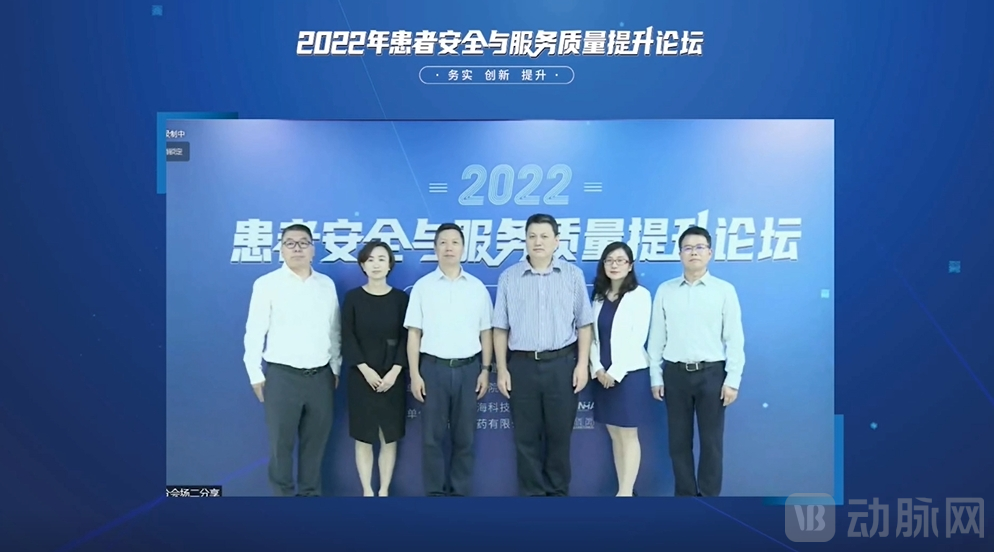

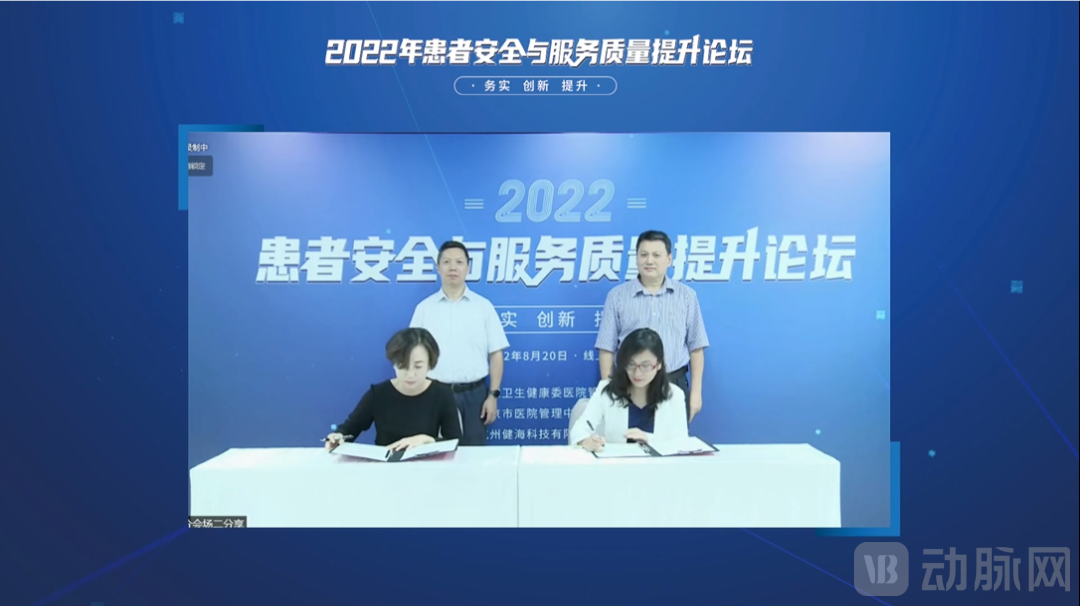
Tripartite Signing Ceremony for the Research Project on “Exploring Post-Consultation Disease Management Models”
At a critical stage in the high-quality development of public hospitals, exploring the establishment of a high-quality and efficient integrated healthcare service system and accelerating the transition of health work from being “disease-centered” to “health-centered” has become an important issue of our times. During the hosting segment of the project launch ceremony, Zhang Yu, a researcher at the Hospital Research Institute, stated, “The requirements for the high-quality development of public hospitals also mean that smart hospital construction must cover the entire process of pre-diagnosis, during-diagnosis, and post-diagnosis. Currently, work in the pre-diagnosis and during-diagnosis phases is relatively mature in China, while research in the post-diagnosis phase remains relatively weak. This constitutes the primary background for launching the research project on exploring post-diagnosis disease management models.”
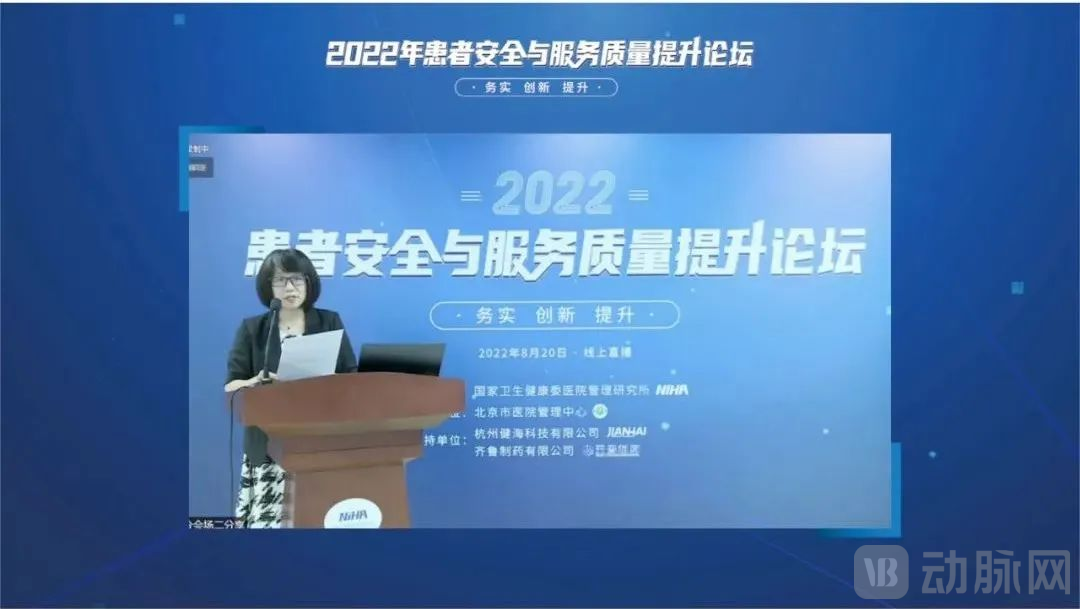 Researcher, Hospital Research Institute: Zhang Yu
“Exploratory Research on Post-Consultation Disease Management Models” project aims toPost-Diagnosis Disease Management for Three Major Single-Disease Categories: Breast Tumors, Gastrointestinal Tumors, and Colorectal TumorsA National Status Analysis and Needs Assessment in China, Exploring Post-Consultation Disease Management Service Models under the Current Policy and Regulatory Framework to Enhance Patient Treatment Outcomes and Quality of Life, Improve Treatment Adherence and Timely Follow-up Visit Rates, and Reduce Recurrence Rates across Various Diseases; the project also addressesPost-diagnosis disease management explores and researches areas such as health economics and lean management—including improving the efficiency of disease management—to support the high-quality development of public hospitals and truly establish a new model of integrated medical and preventive services.。
Xu Xiao, Director of the Department of Medical Services and Safety Research at the Hospital Research Institute, provided a detailed introduction to the extended practical implementation of the project: “The research project on ‘Exploration of Post-Consultation Disease Management Models’ selected 5–8 general hospitals of various levels and types, as well as specialized oncology hospitals across China, as pilot medical institutions in accordance with the enrollment criteria. The project focused on implementing the management model within departments responsible for the diagnosis and treatment of specific single diseases, and further promoted its application in 30 hospitals. Meanwhile, the research team will organize experts to develop application evaluation indicators, establishing metrics from multiple dimensions—including medical institutions, patients and their families, and internet platforms—to assess the effectiveness of practical implementation.”Ultimately, establish post-diagnosis disease management pathways for three specific conditions—breast tumors, gastrointestinal tumors, and colorectal tumors—develop technical specifications for post-diagnosis disease management, and formulate an indicator system for evaluating post-diagnosis disease management models.。
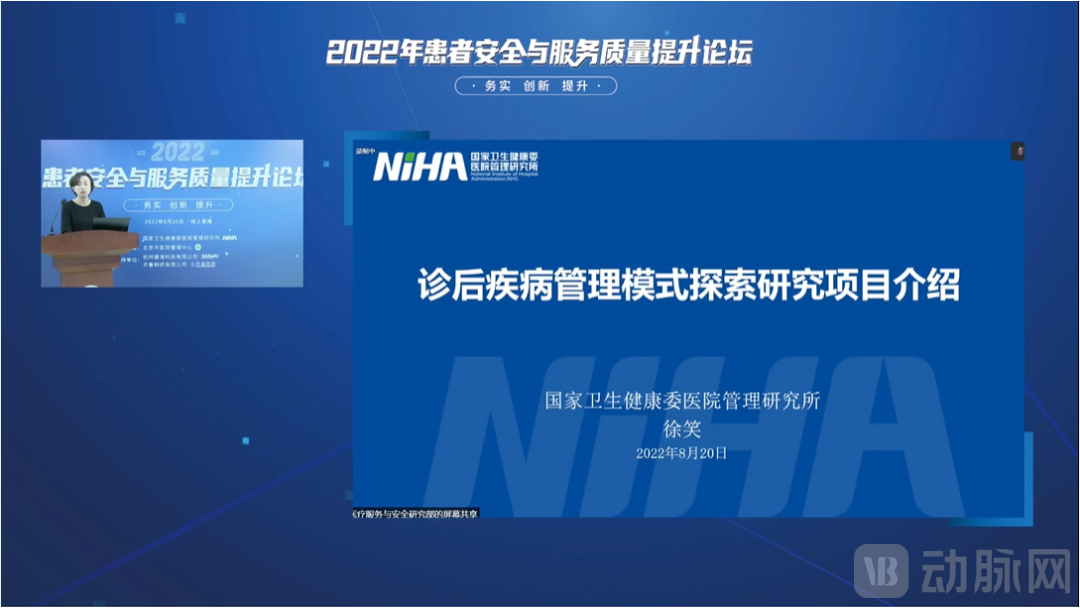 Xu Xiao, Director of the Department of Medical Services and Safety Research, Hospital Research Institute
“Post-consultation disease management, as an indispensable component of the closed-loop healthcare service system, holds significant value in enhancing medical quality and patient satisfaction, improving hospitals’ refined management capabilities, reducing health insurance expenditures, and strengthening the translation of clinical research and discipline development. We look forward to the active participation and deep engagement of hospitals across the country to jointly promote the scientific validation of post-consultation disease management and the implementation of quantifiable evaluation standards,” stated Director Xu Xiao.
With the official launch of the research project “Exploration of Post-Consultation Disease Management Models,” the Hospital Research Institute, Peking University Cancer Hospital, and Jianhai Technology will collaborate closely to steadily and systematically advance the research.Establish National-Level Industry Norms and Standards for Post-Diagnosis Disease Management, Pave New Pathways for High-Quality Hospital Development, and Provide New Momentum for the Healthy China Initiative!
During the subsequent thematic sharing session, Liu Lin, Party Secretary of the Affiliated Hospital of Ningbo University School of Medicine, while serving as the moderator, stated, “We believe that with the launch of this project, we will be able to explore a post-diagnosis disease management model that truly addresses the pain points in post-discharge management and meets patients’ genuine needs, thereby identifying better solutions for the high-quality development of hospitals.”
Liu Lin, Party Secretary of the Affiliated Hospital of Ningbo University School of Medicine
Yang Lei, Assistant Research Fellow at the Hospital Research Institute, shared insights on “Current Status and Future Development Trends of Post-Consultation Disease Management.” “Currently, awareness of post-consultation care among medical institutions in China is continuously strengthening. Post-consultation disease management presents both opportunities and challenges,”Continuous practice and research, standardization, expansion, and innovation are needed to drive industry development.。”
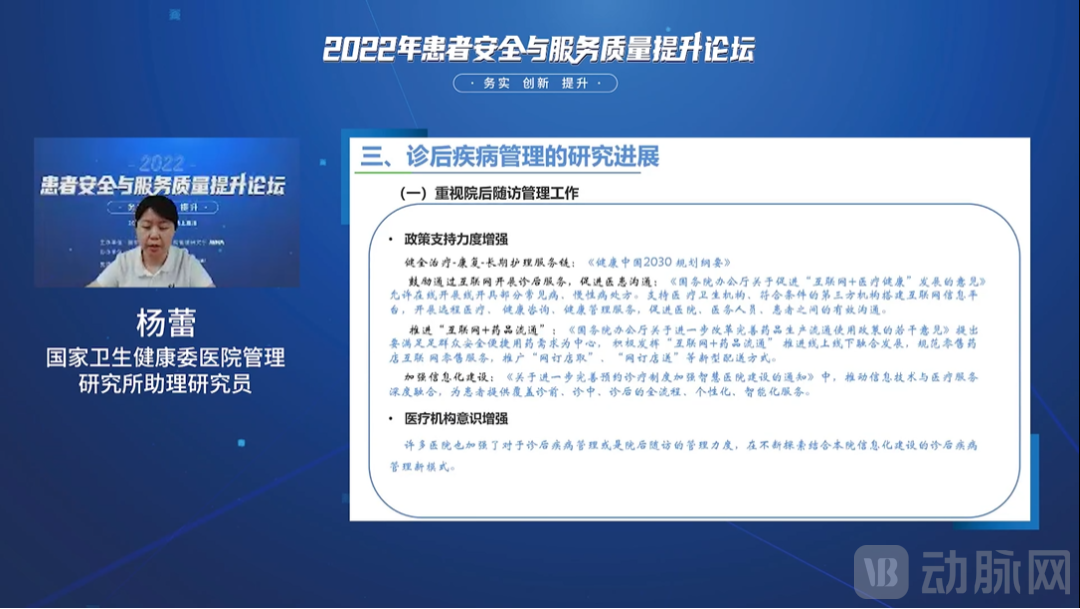
Yang Lei, Assistant Researcher at the Hospital Institute
Tian Zhen, Deputy Director of the Outpatient Department at Peking University Cancer Hospital, on “Exploratory Research into Post-Consultation Disease Management Models”Background, Objectives and Significance, Research Design, Methodology, Research Indicators, and Progress of the Study“...was comprehensively introduced. ‘We also hope that, through subsequent research projects, we can advance end-to-end services and full-lifecycle health management, truly achieving safe and effective care for patients while enhancing quality and efficiency in hospitals.’”
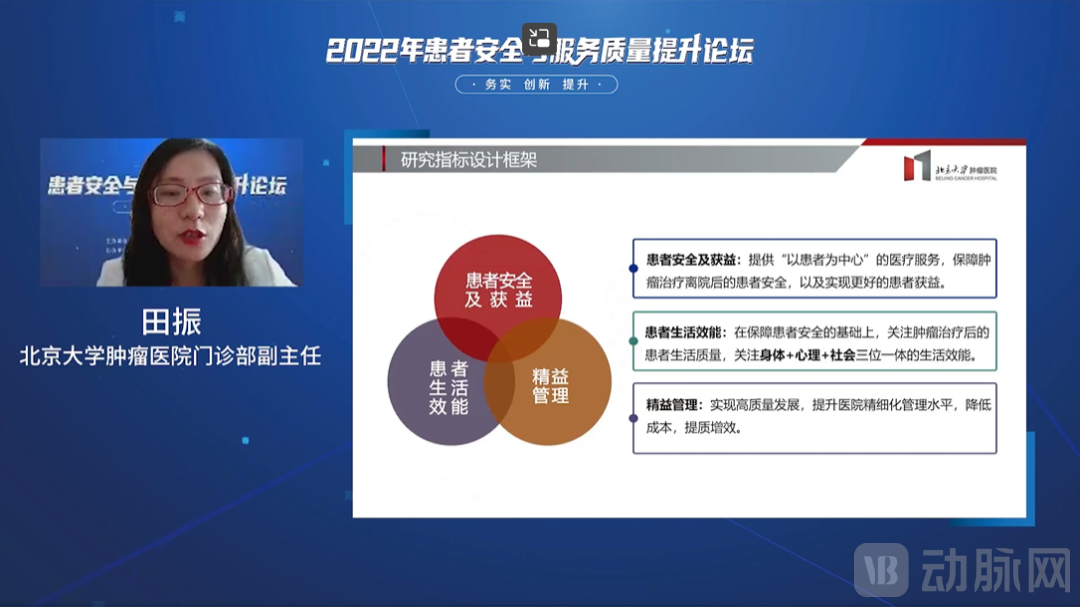
Tian Zhen, Deputy Director of the Outpatient Department, Peking University Cancer Hospital
Shi Hui, President of the First People's Hospital of Lianyungang, shared insights on the application and innovation of post-diagnosis disease management in hospitals. "The First People's Hospital of Lianyungang has taken the development of its internet hospital as a starting point,Provide a post-diagnosis disease management system covering pre-hospital, in-hospital, and post-hospital stages, while establishing a Digital Therapeutics Innovation Research Center., to establish a comprehensive digital management system for patients and a clinical research validation framework for digital therapeutics.”
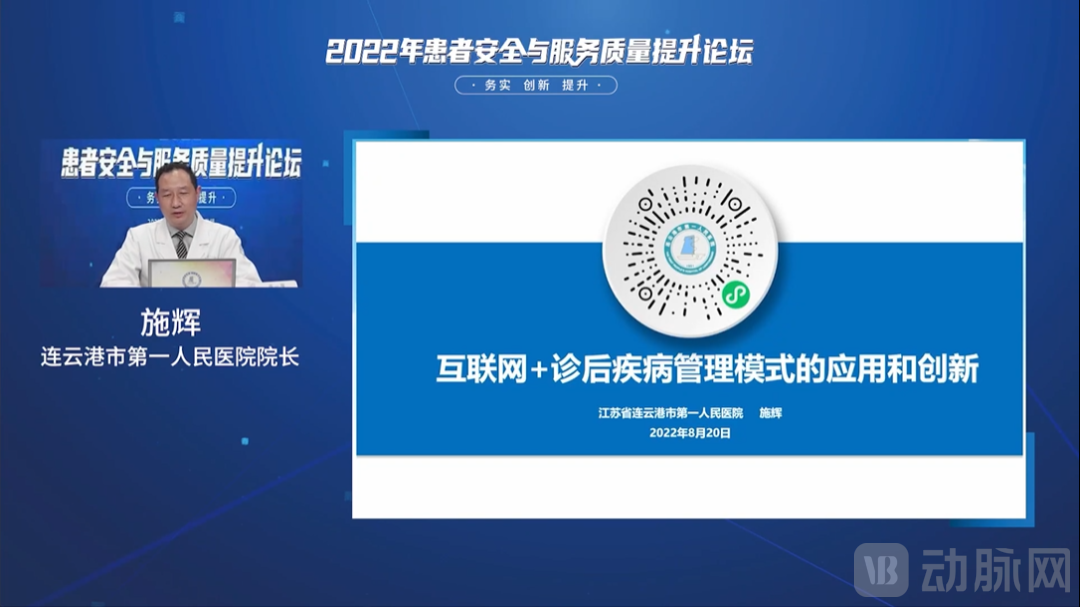
Shi Hui, President of Lianyungang First People's Hospital
Jiang Chen, Head Nurse of the Oncology Department at Nanjing Maternity and Child Health Care Hospital, stated in her presentation titled “Internet-Empowered Full-Course Management for Patients with Gynecologic Malignancies,” “Providing full-course rehabilitation management services through ‘Internet Plus’ technology not only improves patients’ quality of life but also holds significant importance for the high-quality development of hospitals, society, and the nursing profession.”

Jiang Chen, Head Nurse, Department of Oncology, Nanjing Maternity and Child Health Care Hospital
Luo Hong, Executive Director of the Faculty of Medicine at Hangzhou Normal University, shared insights on “The Application of Health Coaching Techniques in Internet-Plus Post-Consultation Disease Management Services.” “In the management of patients with chronic diseases, common challenges often include recurrent symptoms, poor treatment adherence, and inability to sustain treatment, whereasHealth coaching techniques have become one of the rapidly developing and effective behavioral intervention strategies.。”
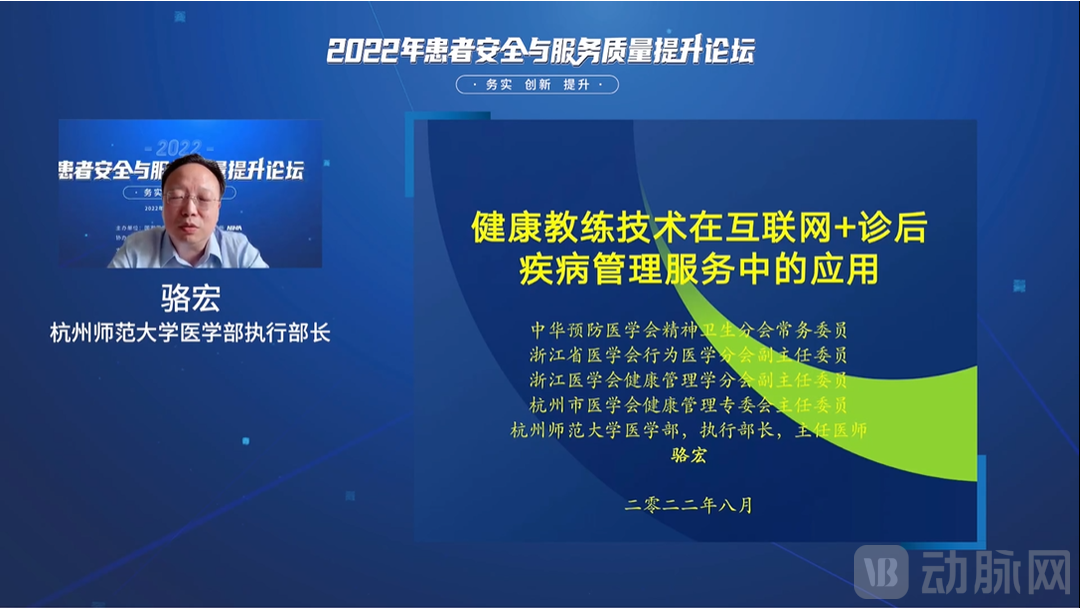
Executive Dean of the Faculty of Medicine, Hangzhou Normal University: Luo Hong
Jianhai Technology is the founder of China’s first “Health Coach Research Institute” and a pioneer in the development and service operations of Internet-plus post-diagnosis disease management in China. Zhu Yangyang, Deputy General Manager of Jianhai Technology, stated in his thematic presentation,With health coaching techniques and digital therapeutics as the two core management tools, over the past seven years since its establishment, Jianhai Technology has continuously served more than 1,000 hospitals across China, co-established post-diagnosis disease management centers with nearly 100 hospitals, and provided diversified, in-depth post-diagnosis disease management services to over 23 million patients.
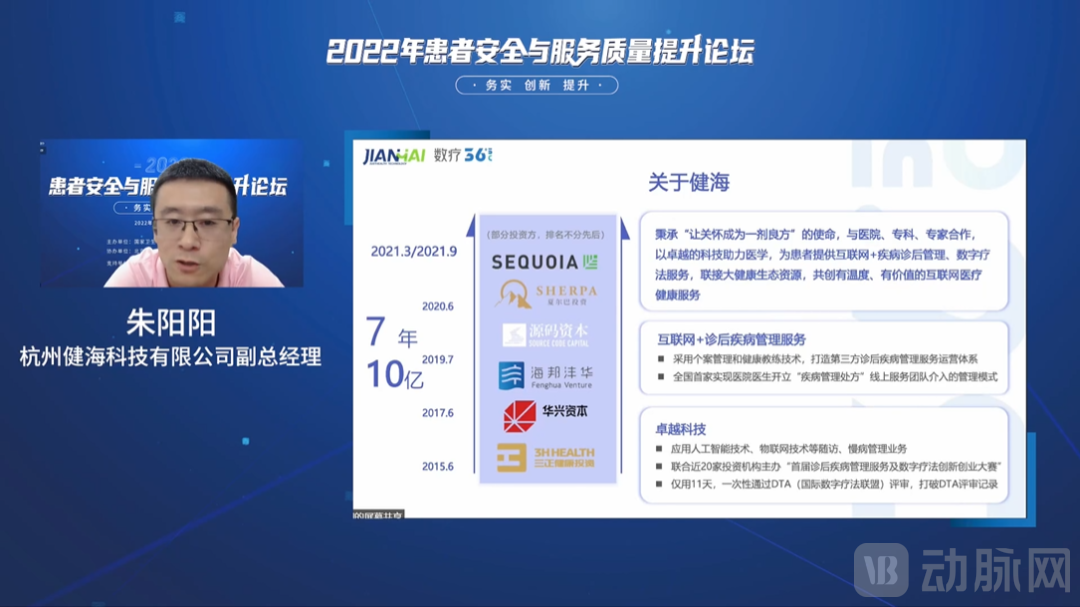
Zhu Yangyang, Deputy General Manager of Jianhai Technology
Moving forward, Jianhai Technology will continue to deepen its roots in the field of "Internet + Post-diagnosis Disease Management," sustain its pioneering leadership role, actively align with national policy directives, and cooperate with relevant regulatory authorities. By joining forces with industry experts and peers, we are committed to jointly establishing industry standards and best practices, and co-building a robust ecosystem for post-diagnosis disease management.