

TARA Biosystems Files IPO Prospectus Before Acquisition: Pioneering Cardiac Organoid Platform for Cardiovascular Drug Discovery

Tara
Predictive Cardiac Tissue Model Provider
Continuously validated by real-world clinical data, organoid technology is becoming increasingly mature in applications such as elucidating disease development mechanisms and progression, as well as drug screening and discovery, with its scope of clinical use gradually expanding.
TARA Biosystems, established in 2014, has been continuously exploring the vertical field of cardiac organoids.
Specializing in translational cardiac tissue models, its core business leverages 3D organoid technology to assess the safety and efficacy endpoints of cardiovascular drugs and to advance cardiac disease research.The service targets pharmaceutical manufacturers with an urgent need for R&D of drugs to treat cardiac diseases, counting global pharmaceutical giants such as GlaxoSmithKline and Amgen among its clients.
Compared to organoids of the kidney, liver, lung, intestine, and brain, there are few companies globally engaged in the research and production of cardiac organoids. This scarcity is primarily due to the complexity of human heart structure and the lack of substantial progress in vascularization research. Furthermore, the progression of heart diseases is closely linked to constantly changing external environments; the combination of these factors has frequently hindered the global development of cardiovascular drugs. However, 3D organoid technology, by fully recapitulating the phenotypes of human heart organs and offering advantages in in vitro manipulability, provides the most suitable current solution for heart disease modeling, drug discovery, cardiotoxicity testing, and clinical applications.
How to Bridge the Global Gap in Cardiac Organoids: The Quick-Eyed TARA Biosystems Was the First to Target This Field.
TARA Biosystems specializes in solutions for major disease areas—cardiovascular diseases,It can provide highly specialized services to pharmaceutical companies, CROs, and research institutions in the mid-to-downstream segments of the biopharmaceutical industry, thereby addressing a long-standing and pressing challenge for humanity: the research and development of cardiovascular disease drugs.
TARA Biosystems has two star co-founders. One of them, Dr. Misti Ushio, a graduate of Johns Hopkins University, brings over 20 years of experience spanning the biopharmaceutical and life sciences sectors. Previously, she served as Chief Strategy Officer and Managing Director at Harris & Harris Group, where she was primarily responsible for partnering with and investing in life sciences companies, driving the commercialization of research-driven life sciences enterprises. Earlier in her career, she worked at Merck & Co., where she was involved in the development of vaccines and biologics, and at Columbia University, where she managed intellectual property for engineering and scientific products.
Dr. Graziano is a partner at TARA Biosystems, with over 30 years of experience in biotechnology and pharmaceutical discovery and development. He is currently responsible for the company’s medical and technological advancement. He began his career at Merck Research Laboratories, where his core work focused on initiating and leading drug discovery projects in the fields of cardiometabolism and neuroscience. After Merck, he joined Schering-Plough as Executive Director and Head of Cardiometabolic Drug Discovery. Prior to joining TARA Biosystems, Dr. Graziano served as Vice President of Research Biology at MyoKardia, dedicated to treating severe and rare cardiovascular diseases. As a member of MyoKardia’s executive committee at the time, he led the company’s efforts in developing novel assays and platforms to facilitate the discovery and development of heart failure therapies.
Dr. Misti Ushio’s business management expertise, combined with Dr. Graziano’s technical strengths in cardiovascular disease, has endowed them with core competitiveness in the organoid sector, enabling them to successfully carve out a path of differentiated innovation in a highly challenging vertical market.
In the United States, heart disease accounts for one-quarter of all annual deaths and incurs total treatment costs of $200 billion, imposing a heavy burden on household finances and healthcare payers. Globally, the incidence of heart disease is also on the rise; in low- and middle-income countries, more than three-quarters of deaths are directly attributable to cardiovascular diseases (including heart failure, cardiomyopathy, and a range of vascular disorders). This substantial cardiovascular disease burden remains unresolved. Current interventions are largely focused on managing high cholesterol and hypertension, while detailed research into the pathogenesis of heart disease and drug development has yet to be fully activated. For patients, there is a lack of effective therapeutic agents for a spectrum of common and rare cardiac conditions, including myocardial infarction, heart failure, arrhythmias, sudden cardiac death, and cardiomyopathy.
TARA Biosystems has developed the Cardiotype cardiomyocyte tissue model and the Biowire™ analysis platform by integrating three breakthrough technological domains: medical science, 3D tissue engineering, and stem cell technology., human iPSC-derived cardiomyocytes are introduced into the system and subsequently differentiated into cardiac tissue that beats like a real heart and exhibits functional similarities to the human heart.
The Biowire™ II platform accurately simulates the complex motions of the human heart by applying biomimetic electrical and mechanical stimulation to Cardiotype cardiac model tissues, thereby facilitating cardiac drug discovery and clinical development. Furthermore, the Biowire™ II platform uniquely integrates elastic sensing elements; the engineered tissues are suspended on these elements, enabling non-destructive measurement of the forces exerted during cardiac tissue contraction and assessment of the safety and efficacy of cardiac-related drug compounds.
TARA Biosystems has undergone three rounds of financing, raising a total of $21.3 million. In 2020, it received its largest single investment of $10 million from the U.S. venture capital firm OMX to expand TARA Biosystems’ capabilities in cardiac drug discovery and development.
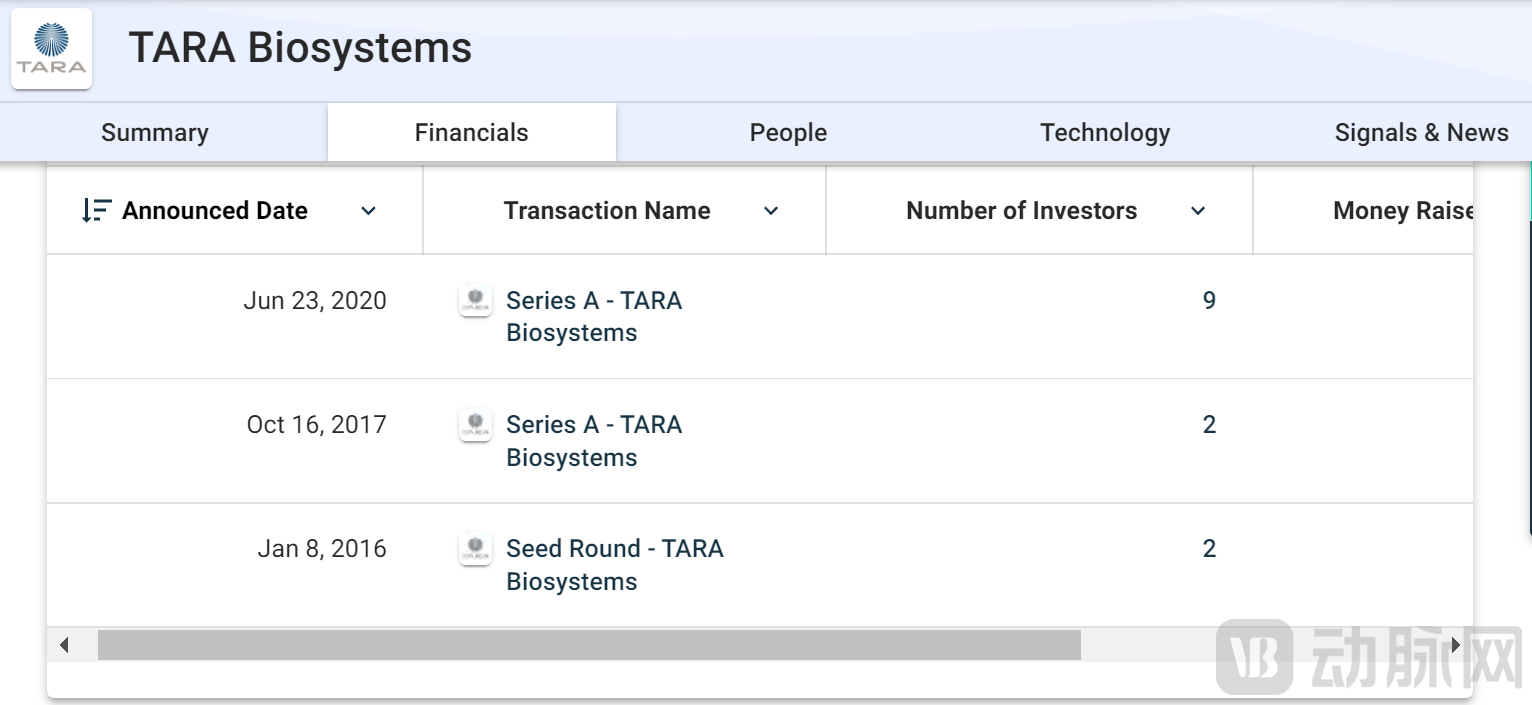
Subsequently, TARA Biosystems entered an in-depth phase of technological evolution, successfully publishing its collaborative research with Amgen on advances in assessing cardiac tissue contractility in the journal Methods in Pharmacology and Toxicology.It has been clearly validated that the contractile responses of TARA Biosystems’ in vitro human heart models are consistent with those observed in humans, providing reliable clinical data for investigational drugs aimed at improving cardiac contractility.
TARA’s commercialization strategy primarily positions it as an upstream organoid service provider, offering drug development, mechanistic investigation, and clinical trial support for cardiovascular therapies to mid- and downstream pharmaceutical companies and research institutions. By addressing diverse cardiac drug development needs and identifying critical breakthroughs in drug research, TARA generates revenue mainly through equipment sales and testing services.
Currently, TARA Biosystems has provided services to more than 30 pharmaceutical and biotechnology companies.Researchers at GlaxoSmithKline collaborated with TARA to select a panel of clinically relevant drugs with known efficacy and toxicity profiles in the heart for analysis on TARA’s Biowire™ II platform, and utilized TARA’s Cardiotype™ cardiac model tissues to evaluate methodologies for drug development and preclinical drug screening.
Renowned biotechnology companies VantAI and TARA Biosystems have also launched a collaboration to identify and develop novel therapies for heart disease, leveraging TARA’s in vitro human biology models and VantAI’s computational drug discovery capabilities.
As the global organoid industry chain continues to improve,Other players in the same field as TARA Biosystems, including Hans Clevers, Xilis, and Emulate, have successively expanded their ecosystem layouts.Fortunately, on April 5 this year, TARA Biosystems also found its place in the fierce market competition by being acquired by Valo Health.
Valo is a fully integrated small-molecule drug discovery and development company, encompassing target identification, molecular discovery, and clinical development. Its core product, the Opal Computational Platform (Opal), not only predicts molecules that can serve as new drugs but also forecasts how these drugs will affect patients’ bodies. This acquisition builds upon Valo’s commitment to discovering novel therapies for cardiovascular diseases.Following the acquisition of TARA, Valo Health established the world’s first AI-driven drug development platform featuring 3D cardiac organoid models, marking a significant milestone in its global cardiovascular drug development efforts.。
Organoid research holds immense promise. Highly biomimetic disease models are expected to continue driving new advancements in precision medicine, regenerative medicine, and other fields. The future commercial prospects of TARA Biosystems, a leader in the field of cardiovascular diseases, warrant continued attention.