

Epistem Files IPO Prospectus: Leveraging HUB-Backed Organoid Technology for Differentiated Drug Toxicity Screening Solutions

EpiStem
Contract Service Provider
Organoids can faithfully recapitulate in vivo organ development in vitro, offering advantages over traditional 2D cell models and patient-derived xenograft (PDX) drug screening models, including faster turnaround, higher throughput, and stronger clinical relevance, thereby enabling pharmaceutical companies to maximize cost reduction and efficiency gains.
In 2009, Hans Clevers, the pioneer of organoid technology, led a research team to cultivate the world’s first mini-gut organoids using adult stem cells derived from mouse intestines, ushering in a “new era” in the development of organoid technology. Subsequently, HUB (Hubrecht Organoid Technology), the world’s first organoid R&D center established by him, facilitated the emergence of numerous organoid companies through technology licensing, among which Epistem, a research service provider founded in 2000, has attracted significant attention.

Epistem has been committed to translating its pioneering research in epithelial stem cell biology into industrial applications. Leveraging HUB organoid technology and its own competitive advantages, Epistem has developed organoid models specialized for the intestinal and hepatic sectors, with a core focus on drug toxicity testing.
In 2000, Professor Chris Potten and Professor Cath Booth co-founded Epistem.
Cath Booth currently serves as the Chief Executive Officer of Epistem. She holds a Bachelor of Science degree from Brunel University London and a Ph.D. from the MRC Laboratory of Molecular Biology at the University of Cambridge. After spending more than a decade conducting research on epithelial stem cells in Professor Chris Potten’s laboratory at the Paterson Institute for Cancer Research in the UK, she co-founded Epistem with Professor Chris Potten.

Epistem Co-Founder and CEO: Dr. Cath Booth
Chris Potten is one of the most influential figures in the field of epithelial and stem cell biology. He previously served as Head of Epithelial Biology, Deputy Director of Research, and Cancer Research UK Lifetime Fellow at the Paterson Institute for Cancer Research in Manchester, UK, where he identified and characterized the location and behavior of stem cells in the intestine, skin, hair follicles, and breast.
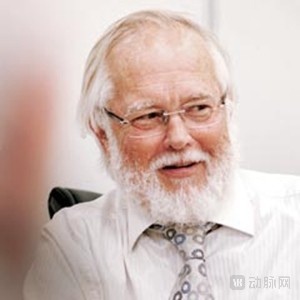
Epistem Co-founder: Professor Chris Potten (deceased)
The two founders have endowed EpiStem with a robust scientific foundation in epithelial stem cell research, thereby accumulating the core capabilities necessary for EpiStem to pioneer the organoid sector.
In 2007, Epistem listed on the London AIM market under the trading name Epistem Holdings Inc. To reflect its strategic positioning in the molecular diagnostics market, Epistem Holdings PLC was renamed Genedrive PLC (LON:GDR) in 2016. Since then, the company has operated two brands under this umbrella: Genedrive for its molecular diagnostics business, and Epistem, which provides contract research and genomic analysis services to the pharmaceutical and biotechnology sectors.
In 2018, Foresight Group completed the management buyout (MBO) of Epistem from Genedrive PLC for £20 million, marking Epistem’s formal spin-off as an independent entity.
After more than two decades of development, EpiStem has established disease and therapeutic research models in oncology, inflammatory bowel disease, gastrointestinal toxicity and mucositis, rheumatoid arthritis, and immune cell profiling.Also provides 3D organoid models for drug toxicity testing.
EpiStem has developed intestinal and liver organoid models based on licensed HUB organoid technology.
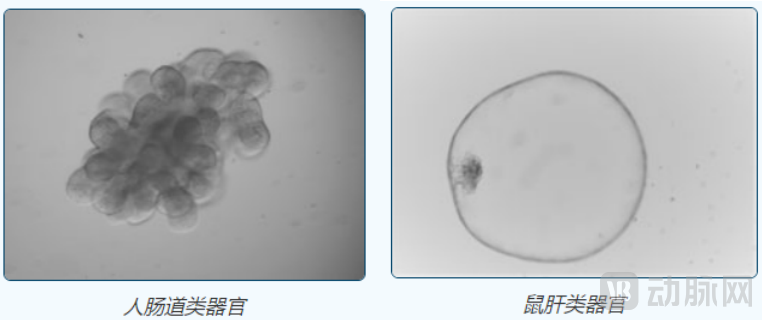
HUB, founded in 2013 by Hans Clevers, the pioneer of organoid technology, is dedicated to commercializing his organoid technologies and stands as the world’s earliest organoid research and development center.
HUB’s organoid technology does not require reprogramming or transformation of stem cells, thereby enabling the development of disease and healthy organoids that retain the genetic and epigenetic composition of the original tissues, including clinically relevant mutations.
Furthermore,HUB organoids are directly derived from adult stem cells (ASCs) present in all epithelial organs and exhibit tissue specificity; for instance, colonic stem cells can only generate colonic organoids. This distinguishes HUB organoid technology from other organoid technologies derived from induced pluripotent stem cells (iPSCs) or embryonic stem cells (ESCs).
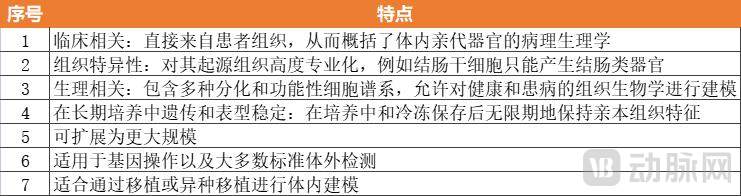
Characteristics of HUB Organoid Technology
Leveraging HUB-based organoid technology, Epistem has capitalized on its unique strengths to establish a differentiated portfolio by developing intestinal and hepatic organoid models. The company focuses its applications on assisting pharmaceutical and biotechnology companies in identifying and addressing off-target and off-tissue toxicities. Specifically, Epistem utilizes its organoid platforms to help clients assess the potential human toxicity of new compounds, thereby enabling better prioritization of lead candidates. This allows clients to make early decisions regarding the discontinuation of drug development programs, the identification of alternative candidates, or the formulation of toxicity mitigation strategies.
EpiStem’s intestinal organoids contain stem cells capable of regenerating tissue and recapitulating in vivo structural features, including all differentiated cell types. This enables in vitro investigation of tissue responses—ranging from general effects on proliferation and cell death to specific impacts on particular cell types, transport mechanisms, and signaling pathways. To date, candidates evaluated using EpiStem’s intestinal organoids include Wnt modulators, cytokines/growth factors, steroids, lectins, and kinase inhibitors.
EpiStem’s liver organoids are grown from mouse bile duct fragments and plated in multi-well plates to allow for the evaluation of test agents. To date, candidate drugs evaluated using EpiStem’s liver organoids include transporter-targeting drugs, steroids, and farnesoid X receptor agonists and antagonists.
Organoids hold immense application potential in areas such as in vitro disease modeling, drug discovery and development, companion diagnostics, safety and toxicity testing, and personalized medicine. As one of the first companies to obtain HUB Organoids licensing, Epistem has carved out a distinct position within the broad organoid landscape by focusing on niche segments and specific application scenarios, thereby pursuing a differentiated strategy that merits attention.