

3D-Printed Intracranial Pressure Balancing Device for Post-Decompressive Craniectomy Complication Prevention: Pioneering a Global Market Gap
Postoperative complications are an important indicator for evaluating surgical outcomes.
Clinically, physicians typically use mortality rates and the incidence of various specific complications to assess the efficacy of surgical procedures and perioperative management strategies; therefore, the prevention of postoperative complications has become a critical focus for clinicians.
Likewise, with over 30 years of clinical experience,Li Jinping, Chief Physician of the Department of Neurosurgery, Beijing Chaoyang HospitalHe also struggled with the prevention of postoperative complications. After years of observation and summarization, Li Jinping is leading his team to study aIntracranial Pressure Balancing Device for the Prevention of Complications After Decompressive Craniectomy, to minimize postoperative complications arising from alterations in intracranial hemodynamics and cerebrospinal fluid circulation dynamics due to the breach of cranial cavity integrity.
In light of the scientific achievements of Li Jinping’s team, several questions naturally arise: Why is the prevention of complications following decompressive craniectomy so critical? What are the technical advantages of the intracranial pressure balancing device developed by Li Jinping’s team? How will it be translated into clinical practice in the future? Recently,VBOrange BureauEngaged in an in-depth dialogue with Director Li Jinping to address these questions.
Nearly 50% Incidence Rate, with a Treatment Gap Both Domestically and Internationally
Decompressive craniectomy is an effective neurosurgical intervention for the clinical management of malignant intracranial hypertension.
Li Jinping explained to VCBeat that patients with intracranial hypertension caused by various factors, such as severe traumatic brain injury, massive cerebral hemorrhage, and tumor-related stroke, require decompressive craniectomy to provide more space for the swollen brain tissue, alleviate compression on critical structures, and thereby maximize life-saving outcomes.
However, treatment is a full-cycle process, with surgery being only one component; subsequent rehabilitation is equally important. In fact, patients require cranioplasty within 3 to 6 months after the initial surgery. During this period, due to the integrity of the skull being compromised, the reduced external pressure on the brain tissue at the site of the cranial defect may lead to complications such as subdural effusion, brain tissue herniation, reverse brain herniation, hydrocephalus, and sinking skin flap syndrome. These complications can significantly impair the patient’s neurological functional recovery.
Specifically, complications manifest in three aspects: first,Lack of protection for brain tissue postoperatively.When patients are repositioned, receive nursing care, or experience accidental bumps, there is a high likelihood of causing new injuries to the fragile brain tissue;
Second,Local blood flow is affected.Due to the absence of the skull, brain tissue herniation occurs following a decrease in pressure, which compromises cerebral circulation beneath the bone flap. This results in sustained hypoperfusion, potentially leading to severe outcomes such as encephalomalacia or even necrosis, thereby exacerbating the patient's neurological deficits;
Third,Impaired cerebrospinal fluid circulation. As the closed cranial structure is disrupted, cerebrospinal fluid (CSF) circulation becomes disordered, with increased local CSF secretion leading to fluid accumulation in the brain interstitial spaces, ventricles, and subdural space. These accumulations indirectly compress brain tissue, impairing its normal recovery.
Studies have shown that the incidence of complications after decompressive craniectomyNearly 50%, there is a high demand among patients with intracranial hypertension. For these patients, early restoration of cranial cavity integrity can effectively reduce the incidence of complications.
How was postoperative prevention managed in the past? Li Jinping revealed that, clinically, physicians primarily used bandages and swimming caps for wrapping and adjustment. In the market, there were also products similar to skull defect protection caps, designed in a hat shape with linings of polymer materials and anti-collision devices. However, these are unsuitable for long-term use by bedridden patients and exert pressure on the skin surrounding the bone flap, making them inappropriate for prolonged wear.
To meet the dual criteria of prophylactic efficacy and patient comfort? As it currently stands,No effective solution has yet been proposed on the market.
Smart Use of 3D Printing: Models Have Begun In-Hospital Trial Use
Game-changers are often diligent in thought and courageous in action.
In 2020, the team led by Li Jinping developed the “3D-Printed Cranial Bone Window Protection Component” intracranial pressure balancing deviceGranted PatentsIt is understood that the intracranial pressure-balancing device can be placed on the outer side of the defective skull, serving to cover the skull defect, protect brain tissue, and stabilize intracranial pressure.
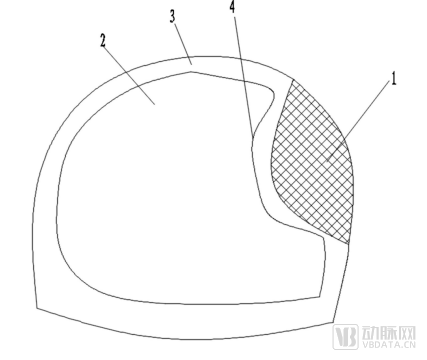
Figure: 3D-printed model of an intracranial pressure balancing device
(1. Protective component; 2. Skull; 3. Scalp; 4. Bone window)
Upon further dissection of the model, this 3D-printed intracranial pressure balancing device consists of a protective component and a fixation device. The protective component is shaped to match the bone window, with its periphery extending 1 cm beyond the edge of the bone window. Notably, the protective component is a 3D-printed protective plate with a central region thickness of only 5 mm, while the peripheral thickness is less than that of the central region. Several ventilation holes are incorporated into the central region, and an elastic bandage serving as the fixation device is arranged on the outer side of the protective component.
In terms of materials, this intracranial pressure balancing device is made from non-toxic and harmless materials. Furthermore, the hardness of the materials varies by location; for instance, a soft material is used at the edges of the protective component where it contacts the scalp, while the hardness in the central region is greater than that at the periphery.
Thus, the device is not only convenient and breathable for patients to wear, making it suitable for both ambulatory individuals and those on long-term bed rest, but it can also be placed inside a wig cap. This allows patients to maintain a natural appearance prior to cranioplasty, thereby reducing psychological distress.
These advancements are all attributable to the application of 3D printing technology. In fact, 3D printing has already seen numerous successful applications in the medical field, such as 3D-printed models for preoperative surgical planning, anatomical models for educational purposes, and customized 3D-printed surgical implants. Within the niche segment focused on preventing complications following decompressive craniectomy,There are currently no identical or similar medical products to the personalized 3D-printed intracranial pressure balancing device on either the domestic or international markets., Li Jinping is leading his team to integrate 3D technology into it.
Riding the wave of 3D printing’s popularity, Li Jinping’s team transmits patients’ CT data to manufacturing companies for computer-aided 3D modeling. The resulting 3D-printed models are far superior to traditional bandage-based preventive techniques in terms of defect location and size as well as curvature design. These 3D-printed models are personalized according to each patient’s head shape, ensuring a better fit and more effective stabilization of intracranial pressure.
However, scientific research is no easy task, especially for physicians, who must not only devote themselves to demanding clinical duties but also attend to the optimized design of technologies. In fact, Li Jinping’s team encountered two major challenges during the research and development process:
The first one isFixation Difficulty, initially, the team also used bandages for fixation, but later found that the fixation effect was not ideal. As soon as the patient turned over, the protective component would shift, failing to provide any protection. After multiple attempts to change the fixation device, the team finally adopted elastic bandages to enhance the stability of the protective component.
The second isMaterial Shortage, as the technical process failed to meet standards, the team abandoned the initially selected silicone material and opted for gauze instead. The gauze was placed on the inner side to avoid skin pressure and prevent allergic reactions. Furthermore, considering that summer sweat could easily saturate the gauze, the team designed a layered structure to ensure patient comfort during the summer months.
In terms of technological R&D, Li Jinping’s team has consistently focused on optimizing safety, efficacy, and comfort. Currently, the technology has reached a relatively mature stage. It is reported that the team has secured a research project funded by the Beijing Municipal Science & Technology Commission, and the technical model is currently undergoing clinical trials in hospitals.
The team prefers the transfer method and is seeking financially strong investors.
Currently, the team is seeking financing assistance.
From scientific research to the translation of achievements, Li Jinping has never fought alone; throughout this journey, the Innovation Center of Beijing Chaoyang Hospital has consistently provided support and guidance. Since the initial proposal of the idea, Beijing Chaoyang Hospital has offered strong support and established an innovation platform in 2020 to facilitate technology incubation. Furthermore, regarding R&D funding, the team secured 400,000 yuan in research grants through project applications.
However, relying solely on research grants is far from sufficient to ensure the long-term and robust development of the technology, prompting the team to seek additional investors. Li Jinping revealed that the team had previously engaged in discussions with two companies. One of them proposed that the R&D personnel participate in corporate management and co-found the company. However, as a physician, Li Jinping prioritizes patient care over entrepreneurial ventures. Furthermore, due to the team’s lack of business experience, they often found themselves ill-equipped to handle corporate management, ultimately causing the partnership to fall through.
In fact, throughout the process of translation, he has always adhered to his original aspiration of bringing mature products to market to benefit more patients. Therefore, in choosing the approach for translation, they alsoA stronger preference for transfer methods to bring in capable enterprises。
So why does the team have a strong preference for the transfer method? Beyond the team’s willingness, an examination of the characteristics of this approach reveals that, upon completion of the intellectual property transfer, all benefits and risks are fully shifted to the enterprise. This creates a clear demarcation between the two parties, ensuring that R&D personnel do not become involved in the company’s management.
Among these, the strength of enterprises is mainly reflected in two aspects: first, the ability to provide certain financial support to promote subsequent research and development of projects; second, in terms of medical device production technology, the quality of manufactured products must meet national standards, thereby truly benefiting patients.
So, how can one identify companies with strong capabilities? Currently, Li Jinping’s team primarily relies on referrals from 3D material manufacturing companies. In addition, physician entrepreneurs can take a proactive approach by promoting their technologies to raise awareness among more enterprises, thereby facilitating connections with potential partners.
After identifying the enterprise, Li Jinping stated that the team would collaborate with the company to advance the project’s research and development. Once the project matures and enters the market, the team will also provide active technical guidance to support product updates and iterations.