

The Pivotal Moment in the Rise of Suzhou's Biopharmaceutical Industry: An Exclusive In-Depth Interview
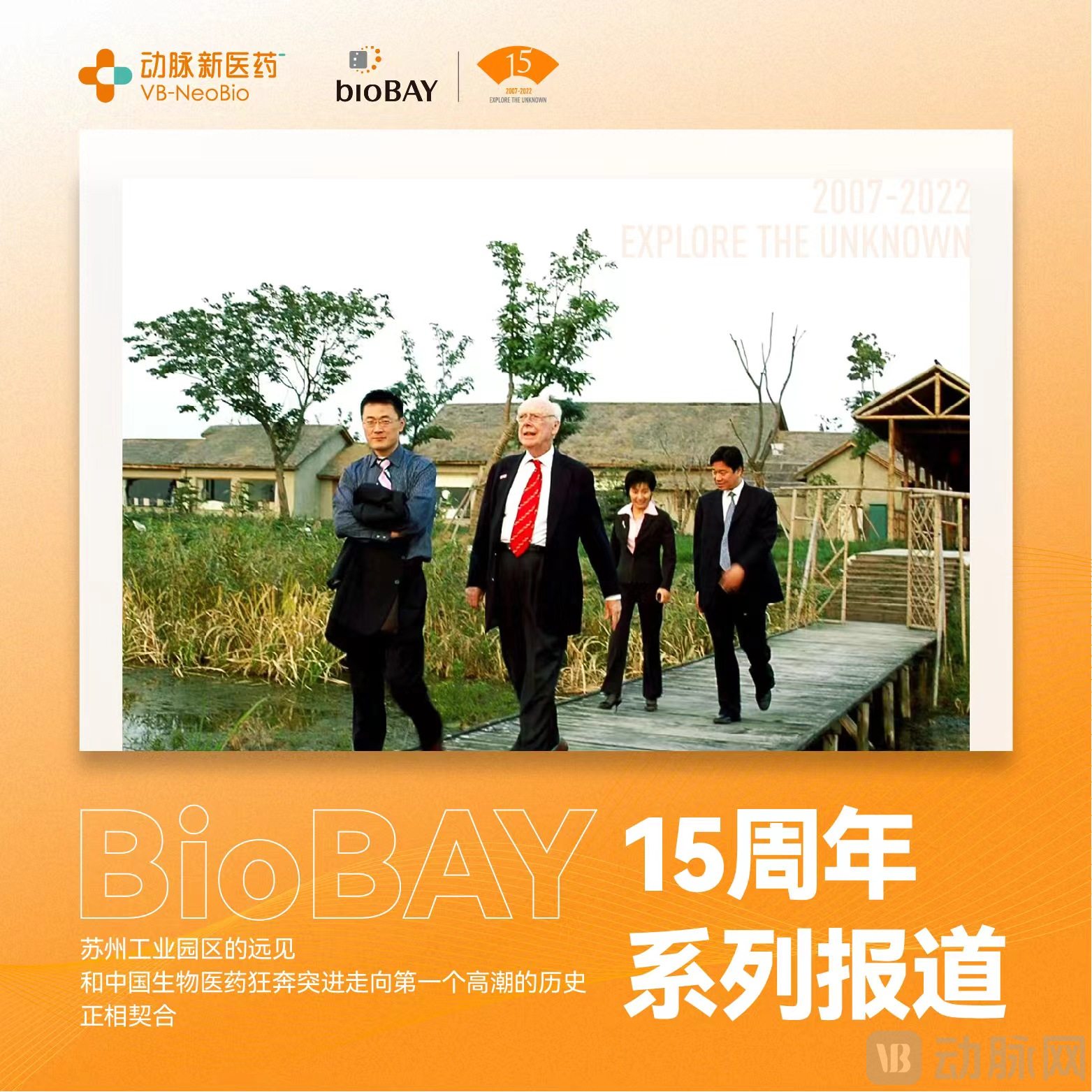
Introduction: It is difficult for individuals to narrate macro-level trends. However, in this extensive 10,000-word article, we spent three months conducting in-depth interviews with more than 20 individuals who have witnessed the 15-year development of BioBAY. We aim to discern, through historical details and pivotal moments, what qualities a city has demonstrated and what developmental patterns a scientific industry has followed.
On October 25, 2006, the Suzhou Jinji Lake Hotel—the first five-star state-owned hotel in the Suzhou Industrial Park—hosted a grand event just six months after its opening.
A reception is underway, with the guest of honor being James Watson, the “Father of DNA” and Nobel Laureate in Physiology or Medicine.
Suzhou was not originally a destination in Watson’s itinerary. One of the most renowned scientists of the 20th century, he was approaching 80 years of age at the time yet remained high-spirited. This marked his second visit to China since 1981 and was a trip to China replete with symbolic ceremonies.
The itinerary was extremely tight, with planned stops in Beijing, Xi’an, Hangzhou, and Shanghai, in that order. The enthusiastic welcome exceeded expectations; crowds of fans jostling to obtain autographs even caused the situation to spiral out of control at one point.
The itinerary for Suzhou was originally limited to just two hours, squeezed into the gaps between other scheduled activities. Later, this two-hour window was extended to half a day and one evening.
However, it was only in Suzhou, in a banquet hall at the Jinji Lake Hotel, that he delivered his first and only formal presentation during his visit to China, speaking in his capacity as one of the world’s leading biologists. The presentation reviewed the entire history of the biopharmaceutical industry’s development, with a particular focus on the rise of the U.S. biotech sector since 1980.
Seated in the audience were leaders of the Suzhou Industrial Park Administrative Committee and executives of the Suzhou BioBay (hereinafter referred to as “BioBAY”), who were then intensively planning the establishment of an emerging industrial park by Dushu Lake in southeastern Suzhou.
Watson was impressed by his visit to Suzhou on that occasion, a factor that subsequently proved decisive in securing the Cold Spring Harbor Asia Conference for the city. Moreover, the introduction of Cold Spring Harbor has been instrumental in fostering an innovative ecosystem and attracting top talent, which holds profound significance for the development of Suzhou’s biopharmaceutical industry.
In The Decisive Moments in History, Stefan Zweig conveys a view of history in which decisions of profound consequence hinge on a single date, a single hour, and often merely a single minute. Such dramatic, fate-laden moments frequently determine the course of history.
Such decisive historical moments are few and far between, but in the history of Suzhou’s biopharmaceutical industry, James Watson’s half-day visit to Suzhou on October 25, 2006, was undoubtedly one of them.
But it would take several years before people gradually came to realize that,An unusual moment, an unusual place, a new urban district on the cusp of transformation, and an industrial park with a visionary layout for the biopharmaceutical industry are unlocking the doors to opportunity and a new era.
1Is Suzhou Ready?
On May 17, 2022, Ji Maoye, who served as Watson’s assistant back then and is now the CEO of Cold Spring Harbor Asia, sat in a spacious and well-lit conference room at BioBAY. Recalling the meeting that took place 15 years ago, he remarked with emotion, “This starting point, this level of stature, and the unique confluence of circumstances surrounding it—I believe such conditions are unmatched anywhere else.”
In October 2006, when Watson visited China, Ji Maoye, a native of Suzhou, was conducting postdoctoral research at the Cold Spring Harbor Laboratory in the United States.
Six months ago, on April 15, 2006, at a chance encounter facilitated by Academician Yang Huanming, co-founder of BGI Group, he met Lin Xianghong, then Chairman of Sino-Singapore Venture Capital, and Liu Yuwen, the first President of BioBAY.
Cold Spring Harbor Laboratory in the United States is seeking a suitable city to host its only overseas branch—Cold Spring Harbor Asia. Cities such as Tokyo, Japan; Seoul, South Korea; Singapore; Hong Kong; Shanghai; Beijing; Guangzhou; and Hangzhou are competing for this opportunity. Suzhou was not initially among the planned contenders. However, following pleasant meetings and conversations with Lin Xianghong and Liu Yuwen, the idea of hosting Cold Spring Harbor’s Asian conference in Suzhou took root in Ji Maoye’s mind.
Therefore, for Ji Maoye, the most critical objective of Watson’s visit to China was to finalize the establishment of Cold Spring Harbor Laboratory in Suzhou, which he regarded as the only tangible achievement that truly mattered. He was also well aware that given Watson’s capricious nature, if he were to say “Forget it” after the Suzhou trip, the entire plan would be irretrievably lost.
In the lobby of the Jinji Lake Hotel, one of the most famous scientists of the 20th century once again revealed his worldly and sophisticated side. To assess whether the partner had the financial strength, he even noticed the expensive crystal chandeliers imported from Vienna in the lobby.
The banquet featured grand and pleasant interactions between both parties. From the food and beverages served to the Suzhou embroidery portrait gifts imbued with local cultural characteristics, every thoughtful detail delighted both hosts and guests. Following the dinner, Watson delivered his first formal presentation with PowerPoint slides since arriving in China.
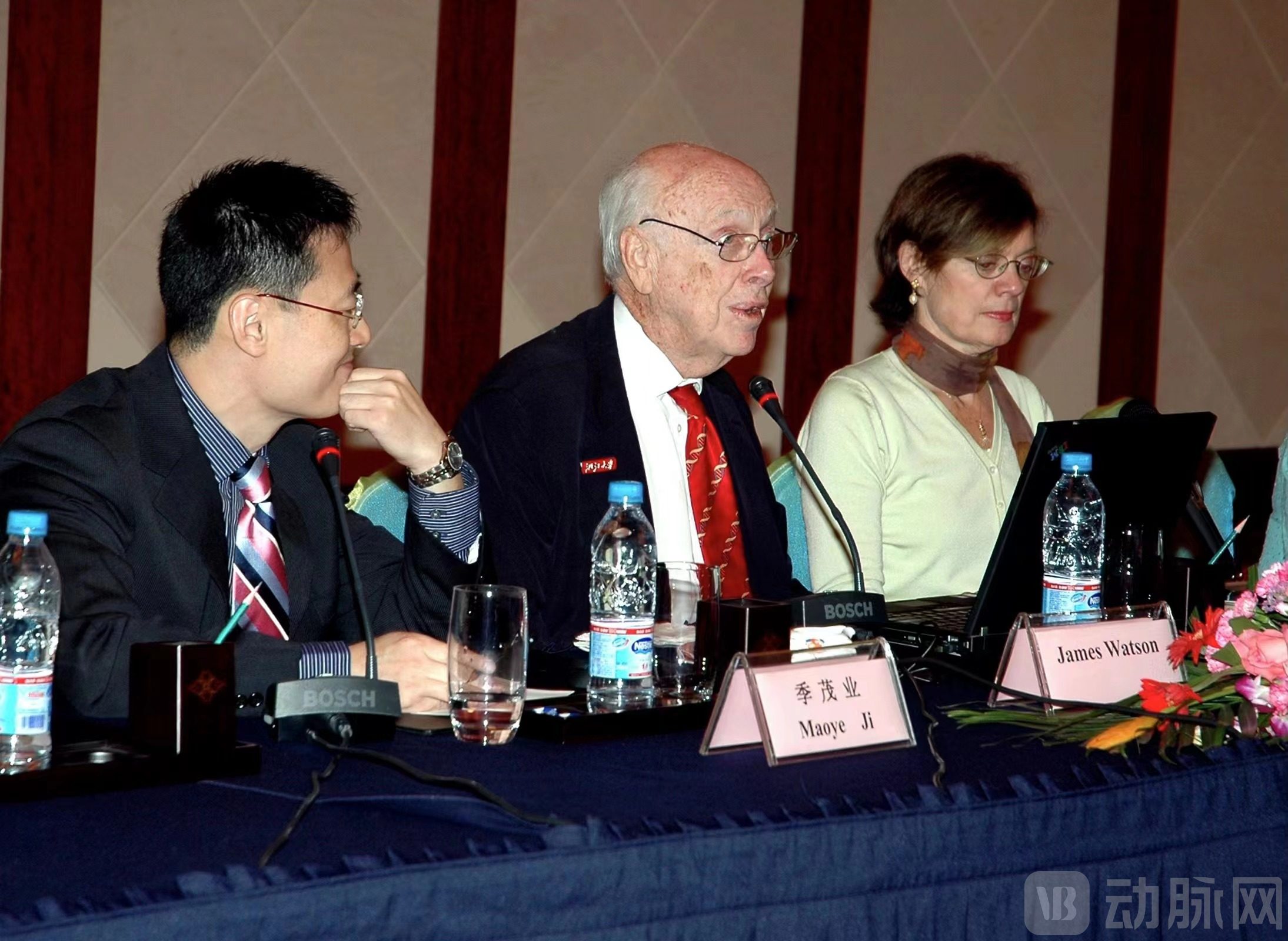
Ji Maoye (far left) and James Watson (second from left) at a symposium held at the Jinji Lake Hotel on October 25, 2006 / Photo provided by the interviewee
In 2006, China had been a member of the WTO for only five years. It was not yet common practice for U.S. institutions or companies to establish a presence in the country. Unlike Beijing and Shanghai, Suzhou lacked the geographical advantages of a major metropolis and had little historical foundation in the biopharmaceutical industry. No one knows exactly which details ultimately swayed James Watson. However, the following day, on the way from Suzhou to Shanghai, when Ji Maoye anxiously asked, “How about Suzhou as a candidate city for Cold Spring Harbor Asia?” Watson had already made up his mind. He replied cheerfully, “OK, you go ahead.”
Watson’s affirmative response meant that the matter was already more than half accomplished. A month later, Ma Minglong, then Director of the Management Committee, led a team to visit Cold Spring Harbor Laboratory in the United States, striking while the iron was hot to finalize the arrangement.
“At the time, the industrial park adopted the principle of ‘focusing on major priorities while letting go of minor ones.’ In response to the high standards demanded by the American side, the park made considerable efforts to facilitate Cold Spring Harbor’s entry into China,” recalled Liu Yuwen in a later interview. “These efforts included providing financial support to the Cold Spring Harbor Asia project to ensure its continued operation, and constructing a five-star-standard hotel for Cold Spring Harbor Asia.”
What appeared to be a “loss-making” venture at the time was later proven to demonstrate remarkable strategic foresight, with the value it created far exceeding the hundreds of millions of yuan invested.
Adagene Inc. settled in BioBAY at the end of 2011. Its founder, Luo Peizhi, had entrepreneurial experience in the San Francisco Bay Area. He understood that the key reason why the Bay Area and Boston have become hubs for innovative biopharmaceutical companies in the United States lies primarily in the creation of a robust ecosystem. By introducing Cold Spring Harbor Laboratory, Suzhou has successfully built such an ecosystem. “The speakers invited by Cold Spring Harbor are among the world’s top scientists working in the newest and most cutting-edge fields. With this ecosystem, we can come together, foster active intellectual exchange, and spark innovation.”This is something that no other cities or industries in China have done.。”
Without Watson’s visit and the endorsement of Cold Spring Harbor, whether the story of BioBAY would have unfolded as it has today remains unknown.
Introduction of Cold Spring Harbor,It can be regarded as the industrial park government’s first “masterpiece.”. The working style of the leaders of the Suzhou Industrial Park Administrative Committee and the BioBAY investment promotion team left a profound impression on many who witnessed it firsthand. At the time, they may not have had a fully clear assessment of the value of the Cold Spring Harbor Laboratory meetings, but they possessed an underlying intuition; beneath this intuition, theirEfficiency, Professionalism, and an Open Attitude, which will shape the development trajectory of BioBAY over the next 15 years.
Over the subsequent 15 years, BioBAY has proven itself to be a superior industrial park, rather than merely benefiting from the opportunities of the times.
2The First Highlight Moment for Overseas Returnee Entrepreneurs
History is always written at moments where chance and necessity intertwine. Yet those living through history are always late to recognize the historical moment they inhabit.
On June 27, 2007, a sweltering summer day, BioBAY officially opened its doors and welcomed its first cohort of tenant companies. Red carpets were laid out over the muddy grounds, and tents were erected.
Bruce Stillman, President of Cold Spring Harbor Laboratory, was also present at the event, as the establishment of Cold Spring Harbor Asia in Suzhou has reached the stage of formal contract signing.
But once the spotlight faded, everyone, including Bruce Stillman, may have had their doubts: Could biotech companies truly rise from what was then nothing but rice paddies and wasteland on the shores of Dushu Lake?
Attracting returning overseas entrepreneurs to settle in has immediately become the biggest challenge facing everyone.
Genepharma, founded by Zhang Peizhuo’s team, was among the first batch of companies to settle in BioBAY. In 2007, when they first drove a detour to this location, only two buildings stood before their eyes; Building A3 had just been topped out, and hard hats were required for entry.
A psychological gap is inevitable. It was still the details that moved the earliest batch of residents and gave them their initial confidence.
Lu Yang, founder of Starnovo Medicine, was struck by the unusually wide green belts lining Modern Avenue in Suzhou—a rarity both domestically and internationally—giving him an immediate sense of the foresight and ambition of the park’s developers. What left a deep impression on Yu Qiang, founder of Shengshi Taike, was the BioBAY investment promotion team’s fluent English. Jiang Biwang, founder of Nanomicro Tech, was moved by the fact that park leaders personally traveled to Shenzhen while ill to extend invitations.
Although the specifics vary, their ultimate reasons for choosing Suzhou are largely similar: through repeated interactions, the Industrial Park has demonstrated a professional, open, and pragmatic attitude in serving enterprises.
Whether it is Zhang Peizhuo, Lu Yang, or Yu Qiang and Jiang Biwang,These earliest entrepreneurs to settle in all bear distinct marks of their era:They were among the first cohort of Chinese university students sponsored by the state, among the earliest to pursue studies abroad, and also among the first group of returnees with professional experience in the overseas pharmaceutical and healthcare industries.
Living in the same era, they often shared similar experiences and values. When they returned from overseas at the beginning of this century, armed with their knowledge, skills, and experience, their ambitions to make a significant impact and serve their homeland were immediately confronted by stark reality. It was an age when all capital flowed into real estate, and no one understood innovation in the biopharmaceutical sector.
Zhang Peizhuo considers himself a speaker with great charisma, but he clearly remembers once putting a then-prominent investor to sleep during a presentation.
Suzhou was not the first choice for most of them; Beijing, Shanghai, Guangzhou, and Shenzhen were.
However, given the prevailing circumstances at the time, only Suzhou’s initiatives for independent innovation and talent attraction through investment promotion extended acceptance to them.Unlike the approaches taken by other cities, Suzhou’s plan involves channeling more funding to support small and medium-sized enterprises (SMEs), with particular emphasis on safeguarding very small technology-based firms.
Investment promotion staff who have worked at BioBAY for many years all remember the motto: “We provide consistent services to enterprises, regardless of their size.” They also understand that this principle is fundamentally aimed at protecting innovative small businesses.
Suzhou’s talent attraction policies at the time, including startup funding, rental subsidies, home purchase subsidies, loan interest discounts, and angel investment,It can be regarded as the prototype of China’s current talent introduction policy.Yu Qiang, who has secured a “grand slam” of various talent-support policies, benefited from startup funding, rental subsidies for R&D facilities, and interest-subsidized loans. Coupled with several million yuan in venture capital invested by Sino-Singapore Venture Capital into companies selected as Suzhou Industrial Park Entrepreneurial Leading Talent Enterprises, these funds sustained Shengshi Taike’s operations until 2016.
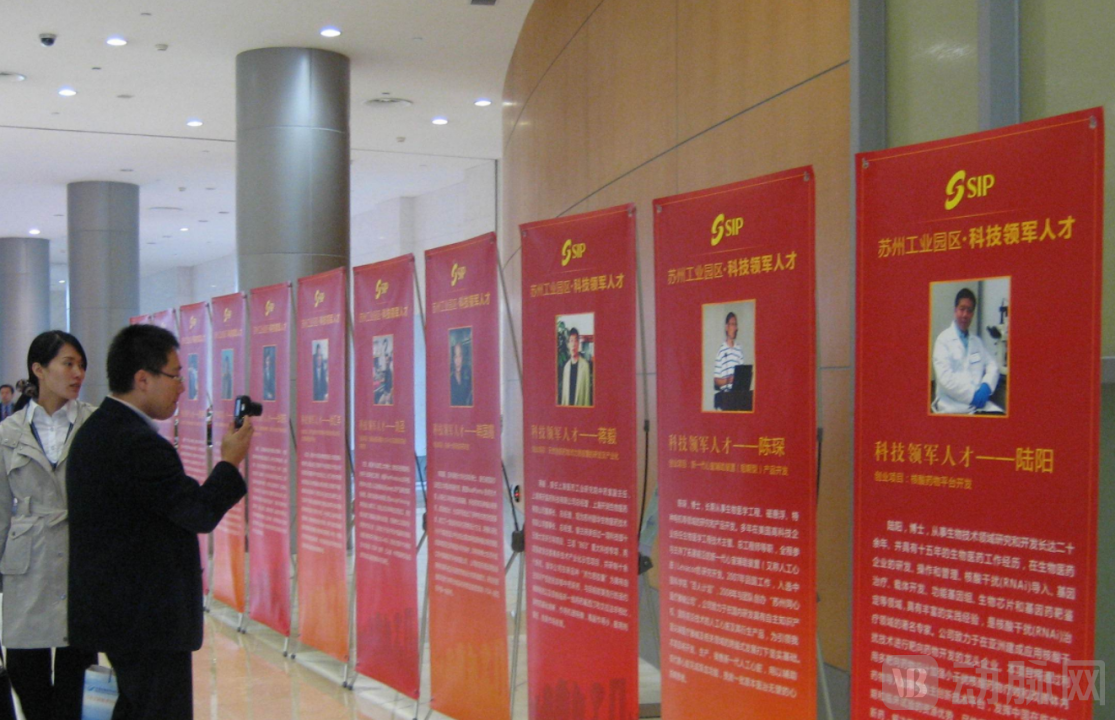
October 31, 2008, at the award ceremony for Leading Talents in Suzhou Industrial Park / Photo provided by the interviewee
In 2008, when Dr. Lu Yang, founder of Sirnaomics, returned to China with small interfering RNA (siRNA) technology to establish a Chinese subsidiary, he first visited Zhangjiang in Shanghai, where he learned that each returning overseas team would receive a landing startup fund of RMB 150,000. For Dr. Lu, who had already established a company in the United States, RMB 150,000 seemed like a drop in the bucket. However, after arriving in Suzhou, the investment promotion team, upon understanding the details of his overseas-returnee team’s project, immediately offered a landing startup fund of RMB 500,000, an additional RMB 500,000 as a registration bonus, and promised assistance in applying for the park’s Leading Talent program. At the time, it was understood that securing the Leading Talent designation would bring total funding support close to RMB 15 million. Such talent attraction and incentive programs were unparalleled across China at that time.
At that time, the breakthrough in RNA interference mechanisms had just been awarded the Nobel Prize in 2006, and Lu Yang had just published an article as the corresponding author in Nature Medicine, making him one of the leading figures in the international industry. However, RNA interference was still far from commercialization, and very few people in China understood the related fields.
It is precisely such a cutting-edge field that received strong support from the BioBAY investment promotion team 14 years ago.
Several months later, after a series of meticulous preparations and several rounds of rigorous defense presentations, Lu Yang’s team was selected as part of the second cohort of Park Leading Talents. Lu Yang recalls this as the first highlight of his early days as a returnee entrepreneur: the defense session for the Park Leading Talents program was highly formal, with three deputy directors of the industrial park seated on the panel of judges for the final round. After being awarded the title, a grand commendation ceremony was held at the Suzhou Culture, Sports and Convention Center, where they wore large red sashes and posed for photographs with the then Municipal Party Committee Secretary.
In October 2008, the Suzhou branch of Sinomab Therapeutics was officially opened. Lu Yang invited Mr. Eric Luedtke, County Executive of Montgomery County, Maryland, USA (where Sinomab’s headquarters is located), who was visiting China at the time, to attend the ribbon-cutting ceremony at Sinomab’s R&D base in BioBAY, Suzhou.Even the American county sheriff was shocked to discover that Suzhou, China, is home to a biomedical industrial base of such considerable scale.
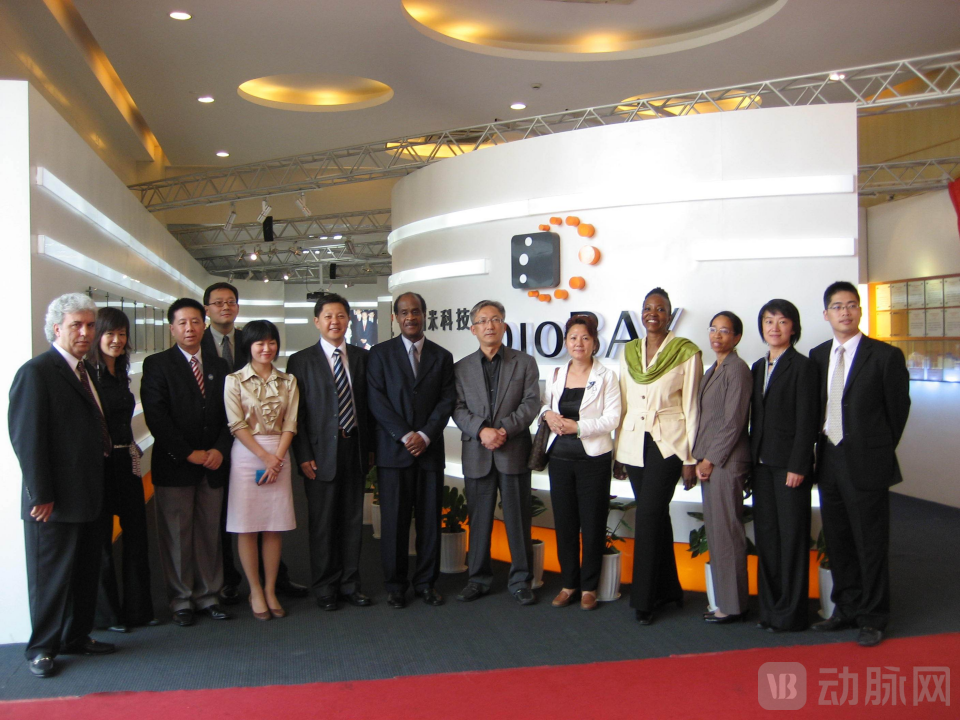
In October 2008, Mr. Eric Luedtke, County Executive of Montgomery County, Maryland (headquarters location of Sinopharm), visited BioBAY / Photo provided by the interviewee
3A 15-Year Test of Stress and Patience
The Suzhou Industrial Park covers an area of 278 square kilometers, but at its inception, the core area of BioBAY spanned just one square kilometer.
Although BioBAY is a new frontier in the industrial park, it has gathered the largest number of leading talents within one square kilometer, with substantial wealth being incubated everywhere.However, few people have heard of BioBAY, and many even regard it merely as a temporary address for new enterprises.
How long will these returnees stay in Suzhou? When signing the Leading Talent Agreement, one of the clauses asks, “What percentage of your time can you commit to spending in Suzhou?” Zhang Peizuo vaguely recalls that he filled in 75%.
In 2010, Lu Yang, who had already established his company in Suzhou, met a former senior leader from the biopharmaceutical industry in Beijing. The leader was surprised and asked what Lu Yang was doing in Suzhou. Lu Yang told him that Suzhou was home to BioBAY, an entity not to be underestimated, which would go on to lead China’s innovative drug development. This former leader took these words to heart; after 2013, he visited Suzhou several times a year specifically to evaluate BioBAY.
Behind the scenes lay an invisible call for policy support. In the early years, when Beijing had not yet taken notice of Suzhou’s efforts in biomedicine, staff from BioBAY’s marketing department frequently traveled to the capital. “We collaborated with Xinhua News Agency to produce two special editions, one of which was delivered to the venue of the Two Sessions as soon as it convened, specifically highlighting our biomedical industry.”
Not to mention across China, even within Jiangsu Province, Suzhou is not the hub of the pharmaceutical industry. Around 2006, Taizhou received strong support from the Jiangsu provincial government to develop its pharmaceutical sector.
Around 2015, the national government formulated a policy for industrial clusters, eventually including Suzhou. Many people lamented that after years of quiet dedication, they had finally garnered the attention of decision-makers. Later, with the implementation of the Marketing Authorization Holder (MAH) system, Suzhou was among the first batch of pilot cities.
Over the years, Suzhou’s biopharmaceutical industry has not only remained distant from Beijing’s policy-making circles but also from the lives of ordinary people.
For the Suzhou Industrial Park, established in 1994, it was not the scientific research industry that generated its initial capital accumulation, but rather high-end manufacturing sectors such as semiconductors. Factories, assembly lines, and rumbling heavy machinery were the true symbols of the city’s economic strength.
The first decade of this century witnessed China’s rapid advancement in industrial park development and urbanization. In an era where everything was “fast-tracked,” cities could also be built at breakneck speed. Before the rise of its biopharmaceutical industry, Suzhou Industrial Park became a hub for high-end manufacturing in China and the world’s IT foundry in less than ten years.
It is conceivable that once the industry undergoes transformation, changes in strategic approaches will invariably require significant determination and entail substantial risks.
Particularly given the investment climate at the time, the government emerged as the largest angel investor in relevant industries. Through just three iterations of the “Entrepreneurship Program for Leading Scientific and Technological Talents,” the industrial park’s cumulative investment reached RMB 1 billion. Lin Xianghong was even tasked with ensuring that, provided a talent-led project passed rigorous expert review and was designated as a leading project of the Suzhou Industrial Park, Yuanhe Holdings would immediately follow up with investment.
Yang Jianzhong, then Deputy Secretary of the Party Working Committee of Suzhou Industrial Park and the official in charge of the Science and Technology Bureau, stated in an interview, “The pressure we felt at the time stemmed from the fear that if it failed to succeed in the future, we would be condemned as historical culprits. Therefore, the Secretary of our Party Working Committee constantly pressed me, asking when these enterprises would achieve their breakthrough.”
Yang Jianzhong’s answer was: ten years.
Ten years easily exceeds the term of a single leadership tenure. Naturally, there was internal opposition, with critics arguing that rather than investing heavily in technology-driven enterprises, it would be more prudent to allocate funds toward attracting traditional businesses, which could generate tax revenue immediately.
The biomedical industry struggles to generate visible returns in the short term. Therefore, around 2011, the Suzhou Industrial Park introduced a Samsung project for high-generation thin-film transistor liquid crystal displays (TFT-LCDs). With an initial investment of $3 billion, it became the largest South Korean investment project in China at that time.
The introduction of this major project has temporarily silenced critics, buying valuable time and space for the development of the biopharmaceutical industry.
Suzhou biopharmaceutical industry insiders familiar with the situation at the time recalled, “Secretary Ma would sometimes say, ‘I understand you; we stand by you. We must persevere, no matter how hard it gets.’”
Starting with Ma Minglong, although the park’s leadership has changed several times since then, policy and financial support for the biopharmaceutical sector has never been interrupted.——There has never been a shortage of leading talents; even after five to six or seven to eight years, not a single company has managed to scale up.
“Developing an industrial park requires foresight, anticipating its form ten or twenty years down the line. This follows a certain pattern and process of development; one cannot rush to achieve success.” Liu Yuwen’s remarks during the interview may have seemed like mere diplomatic platitudes, delivered with casual ease, but only those who have lived through this history understand that every word carried immense weight.
4Companies that persevered have finally caught the wind.
The greatest challenge lies in perseverance and patience; this holds true for governments, and likewise for enterprises.
Compared with today’s entrepreneurs, the entrepreneurial opportunities back then were far from ideal. In the first decade of this century, few pharmaceutical startups emerged, let alone enjoyed support from the capital market; even when investment was available, the meager funding was disappointing. Most companies were simply bleeding cash, with no clear direction in sight and no end in view.
As the earliest enterprises to settle in BioBAY, they have embarked on different development paths, yet they are constantly engaged in battles for “funding” and “talent.” Yu Qiang often jokes that entrepreneurs like him exhibit a pattern of “three highs and three lows”: high educational attainment, high technical expertise, and high aspirations; yet they must bow to policy, bow to capital, and bow to talent.
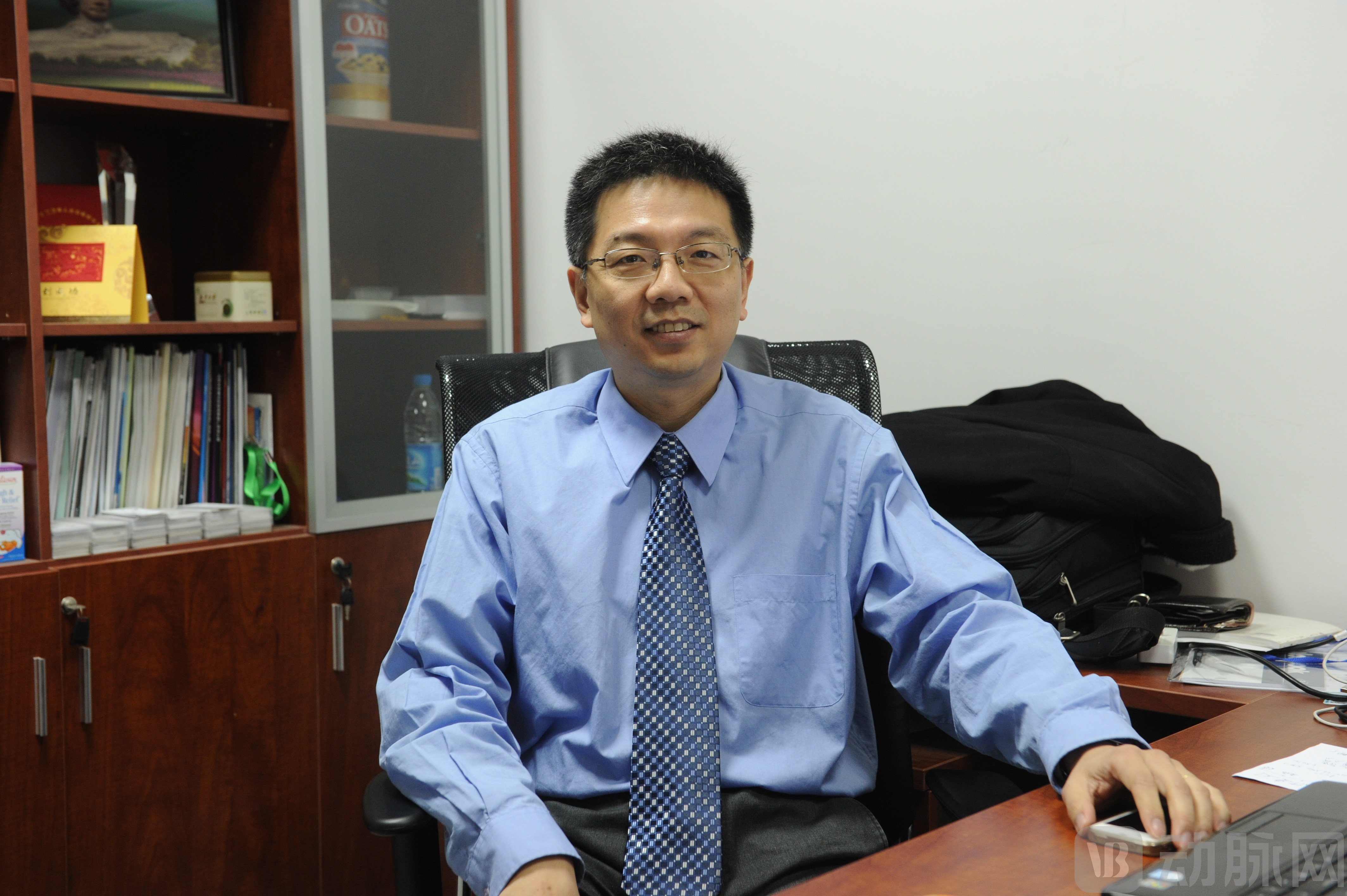
Dr. Yu Qiang, Founder of Shengshi Taike / Image provided by the interviewee
The greatest challenge is always financial constraints, and the most difficult choice is always between long-term and short-term interests.
Just as the industrial park government had to withstand pressure, Nanomicro’s founder, Jiang Biwang, once shouldered the burden alone.
Researching nanospheres, Jiang Biwang felt upon joining the park that the positioning of the Bio-Nano Industrial Park, which integrates biotechnology and nanotechnology, was tailor-made for his company. The park also placed great importance on NanoMicro; immediately after its move-in, it provided a standalone building (C1) and spent over 100,000 yuan to help the company create an attractive logo.
For a long period, Jiang Biwang devoted 90% of his efforts to biopharmaceuticals, which consistently operated at a loss, while allocating only 10% of his efforts to liquid crystal displays (LCDs), which sustained the company and generated profits. At that time, his insistence on pursuing biopharmaceuticals faced opposition from partners, investors, and even employees. Many were perplexed: why forgo the lucrative electronics business in favor of waiting for an uncertain inflection point in the biopharmaceutical industry?
However, Jiang Biwang was well aware that once the manufacturing process for raw materials used in biopharmaceuticals is finalized, it is extremely difficult to switch suppliers. It is imperative to perfect these foundational products before the biopharmaceutical industry reaches large-scale production; waiting until the industry has already taken off would be too late.
After his partners left the company, Jiang Biwang persevered alone. Originally intending to focus solely on technology and product development, he was forced to take charge of marketing and finance as well, a burden that once turned his hair white from the stresses of entrepreneurship.
Every industry has its own soil for growth, which can also be described as the zeitgeist of the era. For the first generation of entrepreneurs, some of their actions were premature; history neither understood nor foresaw them.They are stuck at the crossroads of the era, inevitably enduring some grievances and hardships.
There are many such enterprises within BioBAY. Liang Bo, founder of Berry Genomics, recalled the arduous journey of registering and obtaining certification for their PGT-A kit, with every step posing significant challenges. At that time, most companies in China’s genetic testing industry provided services through third-party arrangements. Determined to pursue a compliant path, Liang committed to conducting large-scale clinical trials, ultimately securing approval for market launch as a Class III medical device.
In the absence of national standards and comparable products, Beikang first applied for national classification in 2015. In 2016, it gained access to the National Class III Medical Device IVD Innovation Green Channel. Clinical trials were launched in 2017. At each stage, considerable work had to be initiated from scratch, involving countless communications. Recalling his journey, Liang Bo remarked, “By the time we actually obtained the certificate, the sense of joy had already faded, leaving only numbness.”
Sirnaomics was the first company in China to file a clinical trial application for an RNAi therapeutic. It began communicating with the Center for Drug Evaluation (CDE) in 2013, and after considerable effort, obtained approval to submit its application. “We filed it on October 20, 2014, and went through multiple rounds of review, making several trips to the National Medical Products Administration,” recalled Lu Yang. On April 25, 2017, Sirnaomics’ drug finally received clinical trial approval. By then, two and a half years had passed since the initial submission.
Survival is an enduring challenge for entrepreneurs. At this stage, returning founders must leverage all their assets—IQ, EQ, personal networks, and resources. Yu Qiang, founder of Shengshi Taike, simultaneously engaged in the pharmaceutical intermediates business to generate cash flow. The first RMB 1 million earned by Kintor Pharmaceutical came from conducting efficacy trials for Shengshi Taike. Starnovo Medicine kept its annual expenditures relatively low, at around RMB 5–6 million. By partnering with Guangdong Xiangxue Pharmaceutical, Starnovo’s Suzhou entity achieved profitability over the three-year period from 2011 to 2013, even paying a modest amount in taxes in one year.
If things get even tougher, sell off pipelines at low prices. Entrepreneurs must explore every possible avenue to survive first.Because if we take a long-term view, over the past 15 years, enterprises that have pursued genuine innovation and steadfast entrepreneurship have all encountered their own strategic opportunities. They have even ridden the wave of an unprecedented boom in the biopharmaceutical industry—a surge they themselves had never anticipated.
After 2018, China’s biopharmaceutical industry reached a critical threshold for scaled-up development. “The biopharmaceutical sector has taken off. The industry must choose either imported products or ours.” Jiang Biwang’s patience has paid off; many biopharmaceutical companies in BioBAY have now become customers of Nanomicro. “Over the past five years, we have achieved an average annual growth rate of more than 60%, with revenues doubling in 2021.”
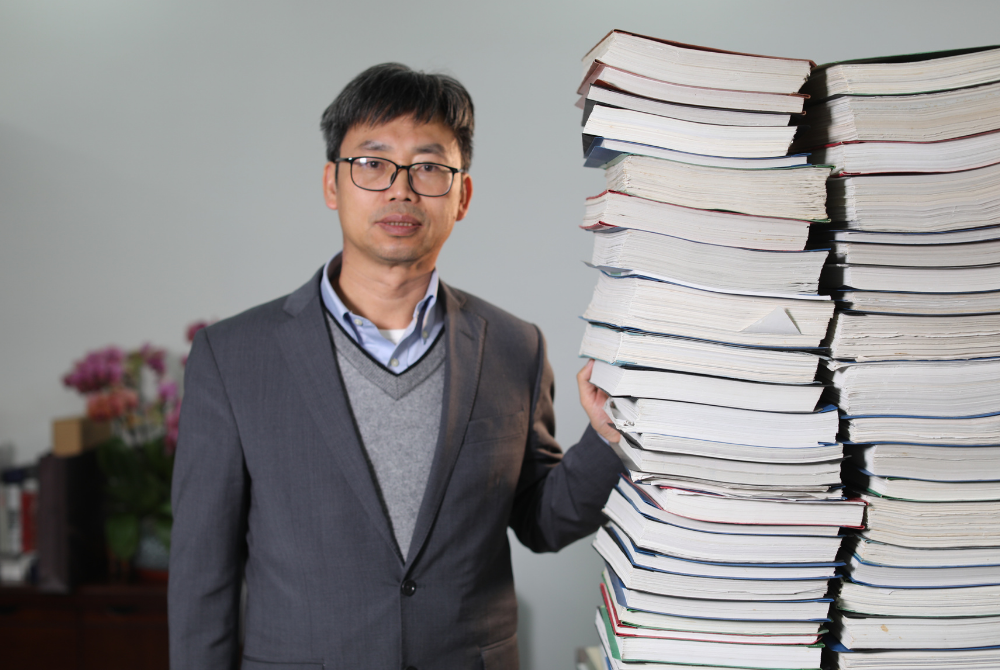
Dr. Jiang Biwang, Founder of Nanomicro Tech / Photo provided by the interviewee
Prior to 2020, small nucleic acids were plagued by skepticism over their “undruggability.” In the post-pandemic era, however, “nucleic acids” suddenly became a hot topic. At the end of 2021, Sirnaomics listed on the Hong Kong Stock Exchange, becoming China’s first publicly traded company focused on RNA therapeutics.
Shengshi Taike’s flagship project, the clinical trials for its oral diabetes drug Shenggliptin, are nearing completion. The drug is expected to fill the gap in domestically developed, original DPP-4 inhibitors. Yu Qiang plans to complete the clinical trials this year and submit a New Drug Application (NDA).
Kintor Pharmaceutical’s first project, proxalutamide, inadvertently became a candidate drug for treating COVID-19, with each release of clinical data captivating public attention and influencing its stock price.
5A Decade of Accumulation, Released in One Moment
On October 31, 2018, Innovent Biologics was listed on the Main Board of the Hong Kong Stock Exchange. This marked another unforgettable historical moment for many within the BioBAY community.
Little known is the fact that Innovent was initially established as a monoclonal antibody company through a joint agreement signed in 2010 by Suzhou Industrial Park Venture Capital, BioBAY, and Fidelity Investments from the United States. Following the signing of this agreement, Innovent Biologics was officially founded in 2011.
“I think a major change for Innovent was the beginning of government involvement in the establishment and development of enterprises,” said Tong Youzhi, founder of Kintor Pharmaceutical. It was not only government intervention; capital also flowed in rapidly and in large amounts thereafter.
As buyers change, so does the market. The demands, fields, directions, and methodologies of biopharmaceutical startups are rapidly evolving. After companies like Innovent broke through the status quo, entrepreneurs have become restless; everyone can sense that the zeitgeist has shifted.
Early-stage entrepreneurs in the park began to sense the change around 2016. In 2015, China issued Document No. 44, the most significant policy in the history of the country’s innovative drug sector. By 2016, the impact of reforms to the pharmaceutical approval system started to become evident. “The capital market entered a new phase of heightened activity, with more investors willing to back companies that had already taken root in Suzhou,” observed Zhang Peizhuo.
Before the 2015 financing round, Shengshi Taike faced its most challenging period. The funds provided by the Suzhou Industrial Park’s leading talent program were nearly exhausted, and with clinical trials imminent, the company urgently needed capital, leaving it in a precarious financial gap. Fortunately, by the end of that year, Shengshi Taike secured Pre-A round financing, alleviating its immediate cash flow crisis. Subsequently, on December 12, 2017, the company publicly announced the completion of its Series A financing. “At the time, this was a substantial sum, which rapidly accelerated the development of our entire pipeline.”
In 2017, exactly as Yang Jianzhong had predicted a decade earlier, the biopharmaceutical companies within the park ushered in a boom, ten years after its opening.
Gracell Biotechnologies was incorporated in May of the same year. Dr. Cao Wei, the founder, keenly seized the opportunities of the era. This “serial entrepreneur” left Cytopeutics in 2016 to pursue investments in the biopharmaceutical sector while simultaneously preparing for the establishment of Gracell Biotechnologies. He frankly stated that he had caught the wave of rapid development in China’s biopharmaceutical industry, considering himself among the “very fortunate cohort of entrepreneurs.”
“Entrepreneurs can only make bolder commitments when they have strong capital support; otherwise, they are forced into a last-stand scenario. When factors such as policy, capital, and talent resonate with one another to create multifaceted favorable conditions, it often better fosters robust innovative outcomes,” remarked Cao Wei. “Looking back at the past few years, we have indeed been moving in this direction. Many entrepreneurs, when sharing their experiences, often note that we are living in a golden era—a time of perfect alignment of timing, geographic advantage, and human harmony for biomedical innovation.”
Keen-eyed investors are flocking in, as the entrepreneurial ecosystem is exceptionally fertile. Mid- and senior-level executives from large multinational corporations are also resigning en masse to launch their own ventures. Armed with capital, an increasing number of these startups are achieving peak performance right from their inception.
Starting with the second president, Pang Junyong, BioBAY’s investment promotion strategy gradually evolved to focus on attracting star entrepreneurs, projects that had reached a certain stage of maturity, and even large enterprises.
But it was not until the introduction of Chapter 18A of the Hong Kong Stock Exchange that Suzhou’s decade-long accumulation in developing its biopharmaceutical industry was suddenly unleashed.
In early 2021, within just over a month, BioBAY saw five new companies go public: Gracell Biotechnologies, Hybio Pharmaceutical, Kangzhong Medical, Beikang Medical, and Adagene.
A more widely circulated statistic is that in 2021, companies in BioBAY rang the listing bell nine times, with 53 enterprises securing 60 rounds of financing, attracting over RMB 50 billion in investment throughout the year.
Sirnaomics rang the bell and listed on the Hong Kong Stock Exchange on the last day of 2021. “In 2020 and 2021, companies went public one after another. This is something you wouldn’t see elsewhere,” said Lu Yang. “BioBAY alone had 18; just imagine how significant that influence was.”It has become a national benchmark.”
Propelled by the influence of its public listing and the broader momentum of the biopharmaceutical industry, BioBAY reached the pinnacle of its reputation.
As a pioneer, Suzhou has spurred competition among domestic biopharmaceutical industrial parks. In addition to Beijing, Shanghai, and Shenzhen, cities such as Nanjing, Hangzhou, and even Chengdu and Chongqing are all making concerted efforts with substantial capital investments. The strategic importance of the biopharmaceutical industry is becoming increasingly clear at the national level.
“Those who plant trees in the past allow future generations to enjoy the shade.” This historical principle applies equally to the biopharmaceutical industry.
Times have truly changed. The entrepreneurs who later founded companies at BioBAY face a policy, capital, and talent landscape that is entirely different.
Cell and gene therapy has become a major focus of investment promotion at BioBAY. Shize Biotech and Xueji Biotech are landmark innovative enterprises in the stem cell field within the park. Their founders, Li Xiang and Zhu Fangfang, both born in the 1980s, studied under Professor Deng Hongkui, Director of the Center for Stem Cell Research at Peking University. They returned to China to start their businesses after the outbreak of the pandemic in 2020.
They represent a new generation of entrepreneurs: with clear entrepreneurial goals, they stand on the same starting line as their counterparts worldwide.
Every step of their entrepreneurial journey was meticulously planned. Having returned to China around 2021, securing the initial capital needed for their startup was no longer a challenge. Project financing proceeded very smoothly, with investment institutions often competing for allocation quotas.
Li Xiang met with investors in the afternoon, using only a single PowerPoint presentation, and secured tens of millions of yuan in angel-round investment by that evening. Zhu Fangfang returned to China in November 2020 and immediately began working on behalf of Xueji upon arrival, reaching out to investor contacts. The company was registered on June 9, 2021, by which time she had largely finalized a seed-round financing deal worth tens of millions of yuan.

Founder of Xueji Biotech, post-1985 female PhD Zhu Fangfang / Photo provided by the interviewee
Star entrepreneur and the ultimate “fundraising king,” Abogen Biosciences, completed its Series B, Series C, and Series C+ financing rounds in March, August, and November 2021, respectively, raising a cumulative total of over RMB 6.6 billion within the year.
These are astronomical figures that their predecessors at BioBAY could hardly have imagined.
Policies are being adjusted, capital is shifting, industrial parks are undergoing transformation, and entrepreneurs are experiencing a generational transition.
6Epilogue
Years ago, BeiGene co-founder Wang Xiaodong stated at a conference, “Although the companies currently in the park are still in their early stages, they possess a long-term vision. In ten years’ time, if you’re involved in biopharmaceuticals in China and don’t have a presence in Suzhou BioBAY, you’d be embarrassed to tell anyone.”
This prediction has fully come true.
Looking back over the past 15 years, what strikes me most is this: When discussing the success of BioBAY, it often seems like an inevitable outcome driven by broader trends. People tend to overlook a crucial fact: for nearly 10 of those 15 years, Suzhou’s BioBAY did not receive sufficient attention.
Its success today can be traced back 15 years or even further, to the development plan of Suzhou Industrial Park and its long-term vision and economic ambitions at that time.The park firmly believes that large-scale biomedical research can generate substantial economic and social value; its strategic layout in the biopharmaceutical sector precedes the national development plan by 5 to 10 years.
Guided by long-term vision, the industrial park has provided sustained, stable, and long-term policy support. By building an ecosystem of capital and talent, it has gathered a group of entrepreneurs—such as Zhang Peizhuo, Tong Youzhi, Luo Peizhi, and Cao Wei—who share similar experiences, values, and temperaments. These individuals also possess long-term perspectives and are willing to innovate and take risks.
In 2015, BioBAY bore the distinct imprint of its leadership team and the Suzhou Municipal Government’s operational style, as well as the hallmark of an era characterized by robust growth in the biopharmaceutical industry.With vision, trends, and strategy all in place, success is neither accidental nor a matter of luck.
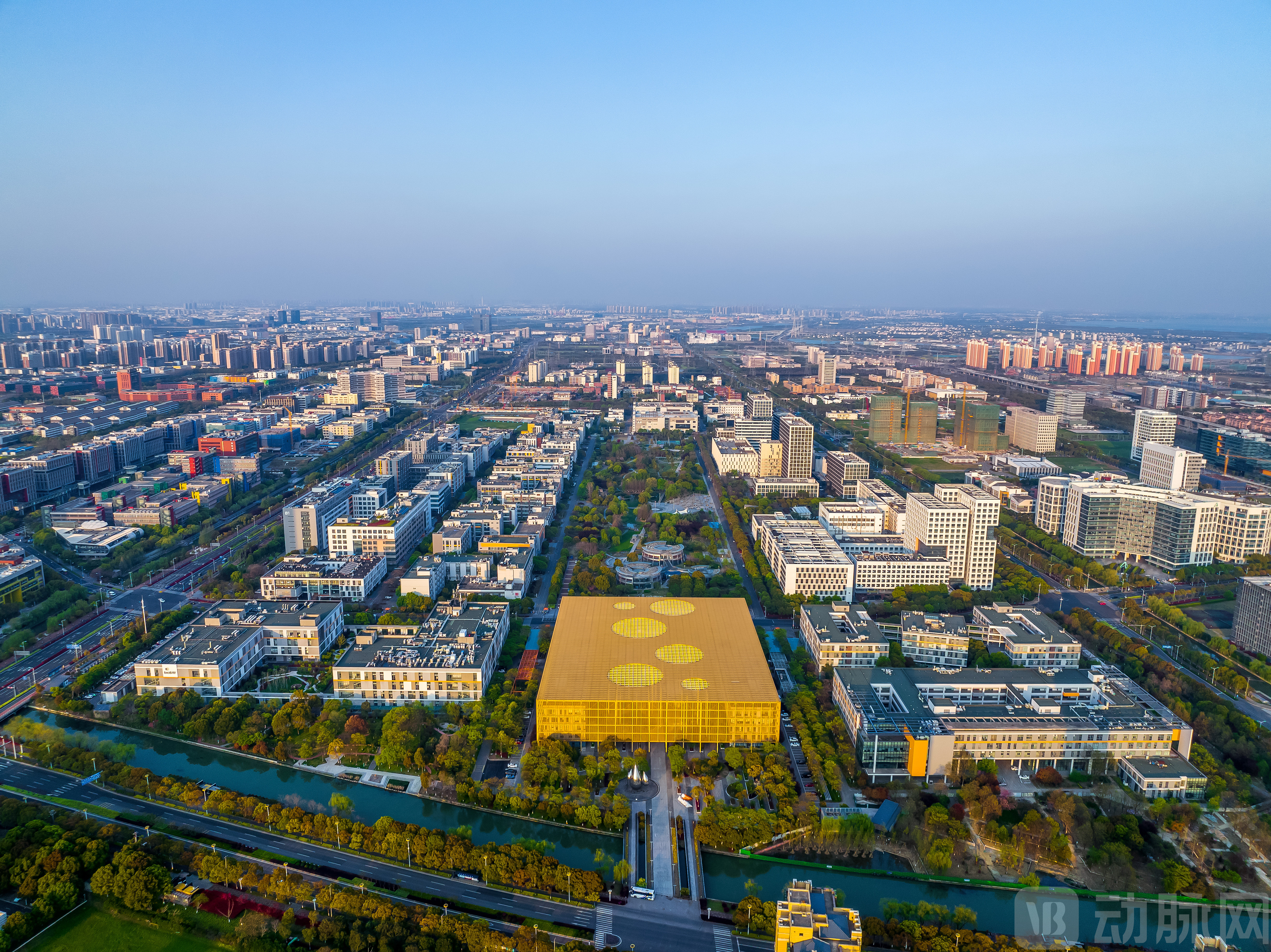
Aerial View of BioBAY
However, history has once again changed its face.
Starting in the second half of 2021, a widespread sentiment emerged that the good times had come to an abrupt end—stock prices in the secondary market plummeted, and investment activity in the primary market cooled. Where does the future of biopharmaceutical innovation lie?
Tong Youzhi lamented that he was going through the most difficult period since founding his company. After its listing on the Hong Kong Stock Exchange, the company’s stock price has fluctuated significantly, completing a full cycle, with uncertainty hanging over everyone.
Luo Peizhi believes that this is an inevitable cycle in the development of biomedicine.
Within the linear view of history held by the Chinese people, history is driven by a series of significant events and the individuals involved in them along an extended timeline. However, the real world does not always unfold so smoothly or progress in a straight line.
When viewed over a sufficiently long timeline, history sometimes appears to move in cyclical loops, seemingly returning to where it began. However, for founders within BioBAY who have been building their startups for more than a decade, the adage “seeing mountains as mountains and waters as waters” now reflects a higher level of insight—China’s biopharmaceutical industry has undergone irreversible and transformative changes over the past 15 years.Their enterprise is also poised to become a truly cycle-resilient business.
Of course, it is widely understood that Suzhou’s biopharmaceutical industry cannot remain indefinitely in the incubation stage, nor can it rest on the advantages established in antibody-based therapeutics. Instead, it must continually strive to seize the next wave of emerging technologies and new opportunities.
A constant sense of crisis reminds everyone that, 15 years after the establishment of BioBAY, “industrial foresight” must still be regarded as its lifeline.
Today, Yin Jianguo, who was formally elected as the third President of BioBAY in 2021, has become the new representative for the park’s biopharmaceutical science and technology innovation direction. His industrial agenda will also mark the next chapter in the vision for this biopharmaceutical industrial park held by Suzhou Industrial Park, and even by the provincial and municipal governments.
New Battlefield, New Stories Still Unfolding Intensely.