

Forward Therapeutics Pioneers Musculoskeletal Digital Therapeutics in China with AI-Driven JOYMOTION Platform
Rapidly advancing technologies such as artificial intelligence, big data, and intelligent sensing are accelerating the restructuring of the healthcare industry, with cross-disciplinary integration and innovative convergence emerging as the most prominent features of the current medical landscape. As a novel digital health solution, digital therapeutics stands at the forefront of this era, opening up new possibilities for the field of medical rehabilitation.
On the afternoon of September 3, at the “AI Healthcare and Metaverse Forum” held during the 2022 World Artificial Intelligence Conference in Shanghai,Fudong Musculoskeletal Officially ReleasedJOYMOTION Yue Xingdong™ Musculoskeletal Digital Therapeutics Products。
The forum also invited Jin Chunlin, Director of the Shanghai Health and Healthy Development Research Center; Professor Ma Xin, Vice President of Huashan Hospital Affiliated to Fudan University; Professor Ban Xiaojuan, Deputy Dean of the Graduate School at the University of Science and Technology Beijing, Executive Director of the Chinese Association for Artificial Intelligence, and Chair of its Smart Healthcare Professional Committee; and Zhang Xin, Deputy Director of the Treatment Center at Shanghai First Rehabilitation Hospital. They jointly participated in a roundtable discussion themed “Prospects for the Application of Artificial Intelligence in Digital Therapeutics for Bone and Sports Medicine.”
Following the conference, VCBeat conducted exclusive interviews with participating experts. What is the current scope of AI applications in medicine? What sparks will fly from the collision between rapidly evolving AI technologies and the rigorous healthcare environment? How can integrated, digital precision rehabilitation diagnosis and treatment promote value-based healthcare? Through insights shared by these experts, we aim to offer a glimpse into the industry’s future landscape.
Three-Year Forward-Looking Strategy Gains Approval: “Yue Xingdong” Digital Therapeutics Product Officially Launched
Fudong Musculoskeletal, established in 2018, is a medical innovation company specializing in musculoskeletal rehabilitation and orthopedics and sports medicine. The company has proactively laid out itsDigital Therapeutics Product for Bone and Sports Medicine—JOYMOTION™️, already in June this yearApproved Class II Medical Device Certificate. The company will leverage AI to conduct more in-depth R&D and accelerate the approval process for Class III medical device certificates.
At the forum, Lu Yiming, Chief Medical Officer of Fudong Musculoskeletal, presented and introduced the JOYMOTION™️ digital therapeutics product under the theme “Innovative Applications of Artificial Intelligence in Musculoskeletal Digital Therapeutics.”
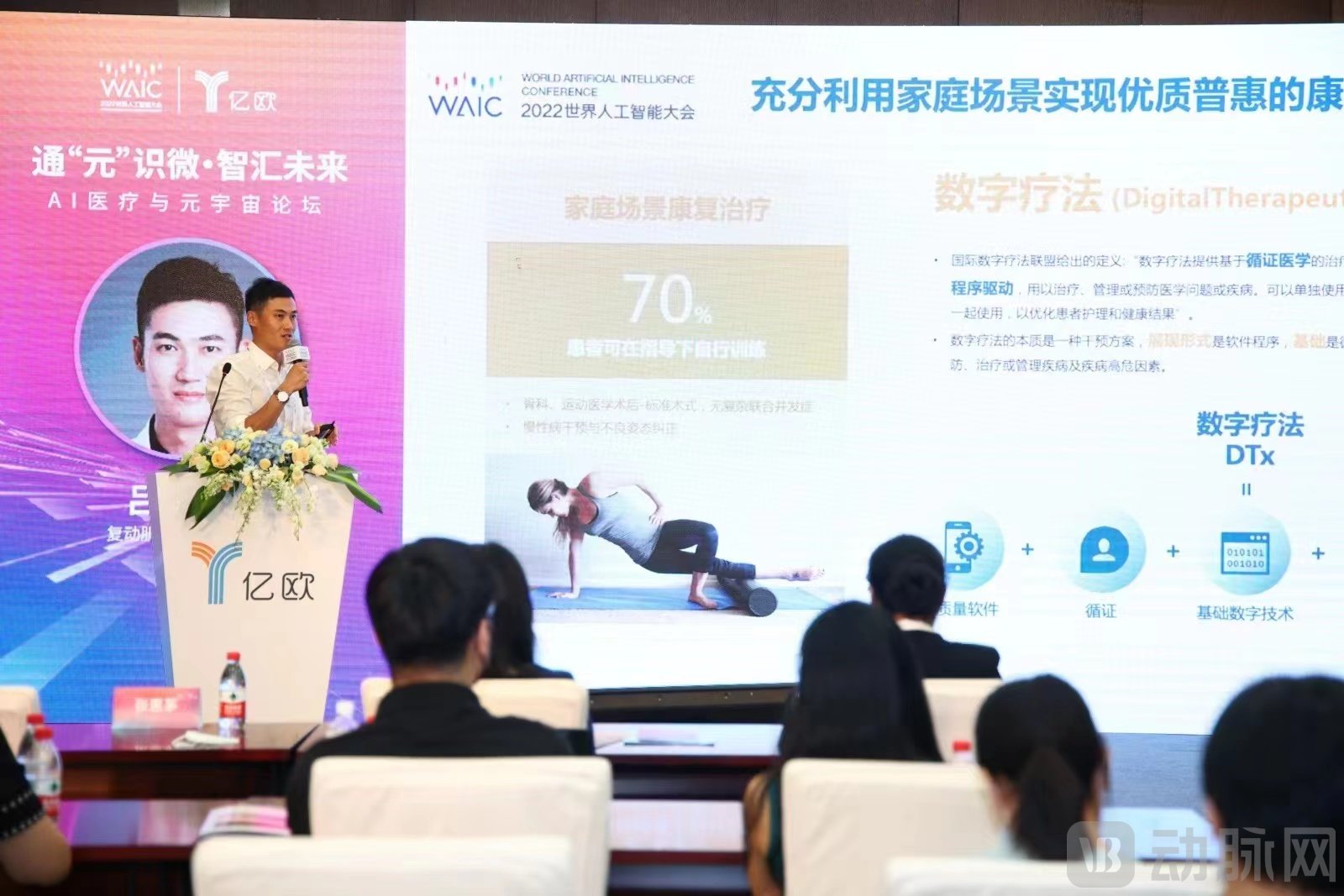
Lu Yiming, Chief Medical Officer of Fudong Musculoskeletal, provides an on-site introduction to the product.
As a remote rehabilitation therapy system integrating hardware and software, the JOYMOTION™️ digital therapeutic product consists of a patient-side mobile app, a physician-side management backend, and a wearable sensor suite. It serves patients in orthopedics and sports medicine, enabling rehabilitative treatment for orthopedic conditions and sports-related injuries affecting the upper limbs, lower limbs, spine, and other regions.
JOYMOTION Yue Action™️Centered on digital therapeutics and empowered by artificial intelligence technologies and backend data systems, it enables an integrated, precision rehabilitation approach that achieves interconnectedness among devices, patients, and institutions., breaking through the limitations of space and personnel, providing remote rehabilitation support for doctors, therapists, and patients.
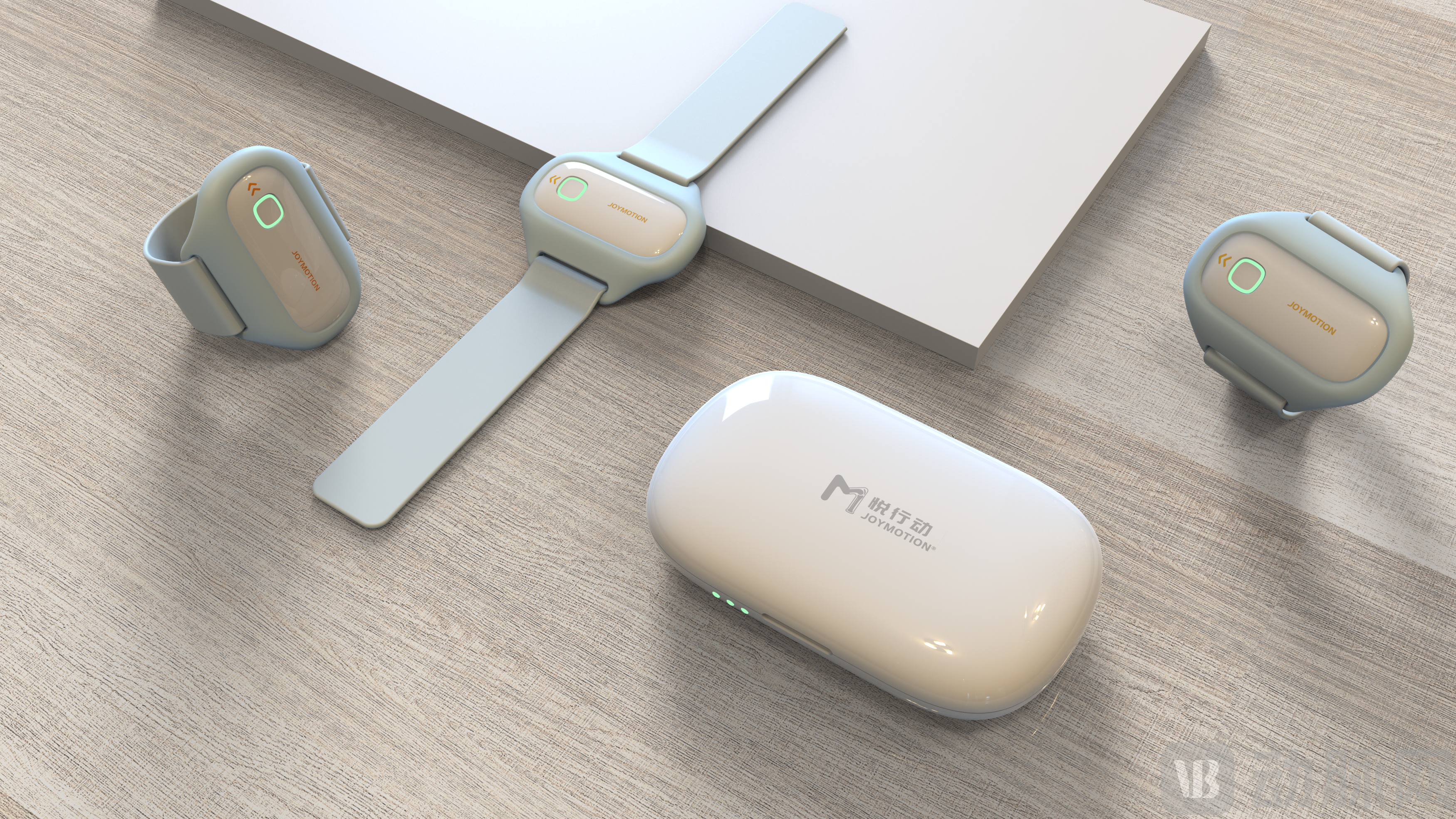
JOYMOTION Yue Xingdong™️ Digital Therapeutics Product Officially Launched
According to Lu Yiming, the patient journey for this product is divided into three stages: comprehensive assessment, regimen generation, and home-based rehabilitation training.
Comprehensive AssessmentIncluding five dimensions: surgical information, functional scales, current status, brace usage, and other medical history. Patient information is obtained throughCollected through multidimensional methods, including sensor data, questionnaires, medical imaging, and video consultations., while introducing professional physicians and AI algorithms to evaluate patient information.
Upon completion of the comprehensive assessment, proceed toSolution GenerationThe process will generate a plan by assessing joint range of motion, functional activities, strength, balance, and basic functional tests. Comprehensive evaluation will be tailored to each patient’s condition and progress.Throughout the entire rehabilitation process,ApprovedContinuous Dynamic Phase Assessment and Protocol Adjustment,Maximize the precision and effectiveness of patient rehabilitation programs.
Home-Based Rehabilitation TrainingDuring this phase, patients wear sensors for training. The sensors collect user movement data in real time, provide immediate error correction and feedback on their movements, thereby replacing the traditional one-on-one supervision and guidance by rehabilitation therapists. Furthermore, all user training data are recorded on an AI data analysis platform to continuously optimize individual rehabilitation plans.
Its technical advantages lie in, first,Adopting Multiple AI Classification Algorithms, based on the multi-dimensional data collected for each user during the assessment, a recommended rehabilitation plan is provided; after final confirmation by a specialist physician, the plan is delivered to the user for rehabilitation training.In clinical trials, the AI algorithm's recommended rehabilitation plans achieved a concordance rate of over 95% with those devised by expert physicians at tertiary hospitals.Second, by integrating individual patient differences and stage-specific progress, the rehabilitation plan will beMultiple Iterative Dynamic Adjustments, enabling the generation of "personalized" intelligent rehabilitation plans to make rehabilitation therapy more precise and effective.
Integrated, Digital Treatment Approaches Facilitate the Implementation of Value-Based Healthcare
In addition to the JOYMOTION™ digital therapeutics product, the PhysioCloud cloud service platform, and offline rehabilitation medical centers, Fudong Musculoskeletal has also developed its own line of orthotic brace products,Pioneered the industry’s first integrated, precision diagnosis and treatment model for orthopedics, rehabilitation, and assistive devices.
Behind this lies Fudong Musculoskeletal’s continuous deepening commitment and ongoing innovation in advancing precision-based, integrated care.
For musculoskeletal injuries, the belief that a 100-day rest period is sufficient for recovery after “soft tissue and bone injuries” may be the prevailing perception among most patients in China. However, from the perspective of orthopedic and sports medicine physicians, there is a growing consensus that rehabilitation is a critical component of the diagnostic and therapeutic process.
However, at the same time, China’s rehabilitation sector still faces urgent challenges, including a severe shortage of rehabilitation therapists, uneven distribution and significant disparities in the quality of rehabilitation resources, as well as fragmented and inefficient rehabilitation processes.
Amid the broader context of healthcare insurance cost containment, JOYMOTION’s JoyAction™ digital therapeutics productPatient-centered, enabling multi-scenario stepped care and full-cycle management with bidirectional data interoperability, helping to address issues such as fragmented, untimely, and inefficient rehabilitation service processes.Will Provide Greater Support for Value-Based Healthcare。

Participating Experts Engage in Roundtable Discussion
Jin Chunlin, Director of the Shanghai Health and Development Research Centerstated that reducing medical costs and improving healthcare outcomes are the core of value-based healthcare. The integration of digital therapeutics with AI will have a significant impact on value-based healthcare.
First, digital therapeutics enhance the accessibility and convenience of healthcare resources, thereby improving patient adherence and drivingImprovement in Overall Treatment Efficiency. Secondly, the integration of AI with remote rehabilitation has improved physicians' diagnostic and treatment efficiency,Reduced Healthcare Costs. Finally, digital and integrated treatment approaches connect physicians, rehabilitation therapists, and patients, ensuring that patients’ rehabilitation therapy is continuous and effective.Enhance the overall level of treatment.
Furthermore, only slightly over 56% of physicians in China hold a bachelor’s degree or higher, while 44% have educational qualifications below the undergraduate level. Relatively speaking, there is a substantial need to enhance the overall competencies of primary-care physicians. Digital health, precisely, canEmpowering the Standardization of Physicians' Overall Diagnostic and Treatment Capabilities。
For medical insurance, establish a positive incentive mechanism with final therapeutic outcomes as the endpoint."Improvements in treatment efficiency and effectiveness will promote strategic purchasing by health insurance."“Although medical insurance funds are limited, if treatment outcomes improve, the limited resources will be allocated to areas of greater value, which constitutes the true core competitiveness,” said Jin Chunlin.
Zhang Xin, Deputy Director of the Treatment Center at Shanghai First Rehabilitation HospitalHe stated that enabling patients to achieve favorable functional outcomes through rehabilitation, ultimately allowing them to return to their families, reintegrate into society, and resume physical activities, constitutes the core mission of rehabilitation professionals. However, participation in this process remains insufficient, and awareness is still lacking. There is a need for enhanced patient education to promote wider acceptance and understanding of the concept of functional recovery.
Meanwhile, an integrated and digital approach consolidates fragmented rehabilitation information.Providing evidence-based proof through massive data and key-stage metrics is the inevitable path to universal healthcare.
AI Empowers Iterative Innovation in Digital Therapeutics for Bone and Sports Medicine
The integration of digital therapeutics and artificial intelligence has become an inevitable trend.
Professor Ban Xiaojuan, Institute of Artificial Intelligence, University of Science and Technology BeijingThe application of artificial intelligence technology in the field of digital healthcare can be categorized into three levels: first, internet-based healthcare; second, assisted diagnosis; and third, therapeutic interventions such as rehabilitation training. Among these,Orthopedic rehabilitation is precisely an area where artificial intelligence technology can intervene more extensively and deeply.
First, information collected via sensors enables 3D image reconstruction, facilitating the recognition and tracking of human posture. In this regard, artificial intelligence is poised to surpass physicians and rehabilitation therapists, offering more precise tracking capabilities and higher efficiency.
Secondly, China is at the forefront of the world in the field of artificial intelligence. With the rapid development of 5G and intelligent sensing technologies, digital healthcare will be driven to upgrade and iterate.
Moreover, China’s demographic dividend is also significant. With public hospitals dominating the healthcare system, larger sample sizes are available at lower data acquisition costs. The integration of big data centers with artificial intelligence applications has created highly favorable conditions for the development of digital health.
However, as an important niche within the wave of healthcare digitalization, digital therapeutics is still in its early stages of development. There are still challenges in promoting digital therapeutics in China. The first consideration isPrivacy Protection and Data Security Issues, secondly, the data were collected from different patients, in different environments, and even using different acquisition methods; theseDiscrepancy issues must all be resolved. Finally,Strive to reduce physicians' workload by making software systems more automated and intelligent., which will help truly drive the development of digital healthcare.
In response, Professor Ban Xiaojuan proposed recommendations in three areas: first,More Convenient, the device can achieve real-time monitoring in daily life. Second,More Precise, which stems from the acquisition of sensor and multi-source data. Thirdly,Immersion, enabling patients to undergo training in an engaging environment, thereby improving adherence and achieving better outcomes. With the increasing integration and interaction between digital therapeutics, virtual reality, and the metaverse in the future, the field may witness even greater advancements.
Professor Ma Xin, Vice President of Huashan Hospital Affiliated to Fudan Universitystated that the application of AI in the medical field has become a hot topic, with many top hospitals abroad, such as Mayo Clinic and Cleveland Clinic in the United States, beginning to strengthen their research in artificial intelligence.Leveraging AI technology for disease monitoring can free up significant human resources, reduce healthcare costs, and improve patient access to treatment.
Huashan Hospital has also achieved notable results in the clinical studies of the JOYMOTION YueXingdong™️ digital therapeutic product, providing excellent guidance for patient rehabilitation. The product continues to undergo ongoing refinement and improvement to enhance awareness and acceptance among a broader patient population.
Digital therapeutics is currently in a period of opportunity, requiring the joint participation and close collaboration of physicians, rehabilitation therapists, engineers, and technology professionals to integrate fragmented processes. Guided by the needs of both patients and clinicians, this approach enables engineers to gain a profound understanding of medical requirements.Deeper Integration of Medicine and Engineering, continuously refine the product to benefit more patients.
From Zhang Xin’s perspective, technology professionals tend to prioritize technological advancement; however, even mature technologies often face challenges in achieving precise implementation within specific scenarios. In the future, critical questions worthy of continued reflection include how to enhance product fluency, user experience, immersion, and interactivity, as well as how to achieve equity and universality in healthcare.
Looking toward a future defined by the integrated development of artificial intelligence and digital therapeutics, Jin Chunlin stated that while the prospects are bright, the path ahead will be winding. The integration of AI technology may disrupt the delivery of healthcare services; in the future, cloud-based hospitals may emerge as the primary providers of medical care, driving profound changes in healthcare efficiency, patient experience, modes of care delivery, and even people’s lifestyles.
Evidence-Based, Innovative, Integrated, and Inclusive: Pioneering Musculoskeletal Health in China
It is understood that the JOYMOTION™️ digital therapeutics productClinical trials have been conducted at Grade A tertiary hospitals and Fudong Musculoskeletal Rehabilitation Clinic, covering more than 230 patients.Among them, there were approximately 142 cases of postoperative knee sports injuries, and approximately 88 patients with lower back pain and chronic knee pain.Overall Patient Satisfaction Score (NPS, 0–10): 9.4
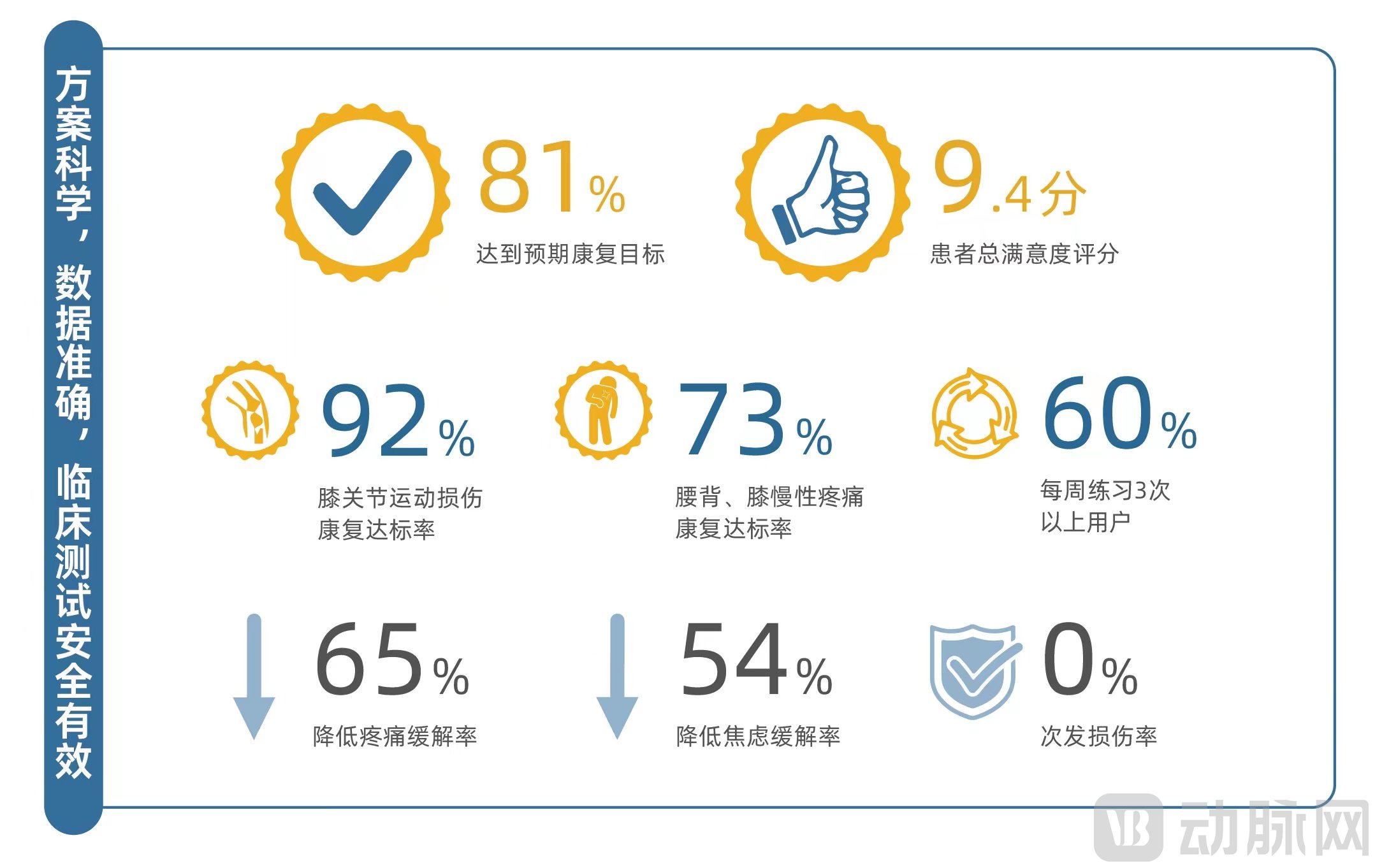
Clinically Tested, Safe and Effective
Fudong Musculoskeletal, the only digital therapeutics team in China with its own medical institutionDeeply integrating “industry, academia, and research” since its inception, leveraging its own medical institutions and close collaboration with multi-center public hospitals to accelerate product development and market launch.
To date, Fudong Musculoskeletal has participated in multiple multicenter research projects at NYU Langone Medical Center, Peking Union Medical College Hospital of the Chinese Academy of Sciences, Shanghai Sixth People’s Hospital, and Huashan Hospital Affiliated to Fudan University, as well as in numerous national key research topics and R&D programs.
In terms of technical patents, we have jointly developed intelligent musculoskeletal products with the Biomechanics and Intelligent Rehabilitation Technology Laboratory of the Institute of Engineering and Applied Technology at Fudan University, and Shanghai Sixth People's Hospital. To date, we have secured more than ten invention patents and utility model patents, and independently hold over thirty intellectual property rights.
Unlike laboratory studies, where data are more readily accessible, obtaining real-world data for clinical research is exceptionally challenging. Based on this premise, Fudong Musculoskeletal has been establishing and refining a multi-disease database generated through the digitalization of the entire diagnosis and treatment cycle. By processing long-accumulated primary patient information, the database can map out the full pathway of patients’ medical rehabilitation, providing substantial data support for clinical research projects undertaken by specialist physicians.
Guided by the core philosophy of “Evidence-Based, Innovative, Integrated, and Inclusive,” Fudong Musculoskeletal Health, as a pioneer in musculoskeletal health in China, is committed to its highest mission of empowering patients to enjoy a life of freedom and ease through continuous innovation and rigorous, evidence-based diagnostic and treatment protocols.