Zhongguancun Life Science Park Files Prospectus Highlighting Original Innovation and Six Major Tech Platforms
As China’s biopharmaceutical industry accelerates its advancement, a growing number of startups with proprietary technologies are emerging, and an increasing number of regions are prioritizing the biopharmaceutical sector to help establish it as a new engine for the nation’s economic growth.
As a highly talent- and technology-intensive industry, the biopharmaceutical sector possesses an inherent propensity for clustering. Although China’s exploration of biopharmaceutical industrial parks began relatively later compared to developed countries in Europe and the United States, more than three decades of rapid development have enabled these parks to achieve a qualitative leap.
According to data released by the China National Center for Biotechnology Development, the total output value of China’s biomedical industrial parks reached approximately RMB 3.5 trillion in 2021, accounting for 22.80% of the total output value of these parks. The biomedical industry has demonstrated significant clustering and pillar effects, playing a crucial role in driving the steady growth of regional economies.
Among these,Zhongguancun Life Science Park(hereinafter referred to as "Life Science Park") as a highland for original innovation in life sciences in China,After 22 years of cultivation and development, innovative achievements have continued to emerge. These include BeiGene’s zanubrutinib, InnoCare Pharma’s orelabrutinib, and others.A large number of original new drugs have gone global from the Life Science Park, where more than 300 renowned domestic and international scientists and high-level talents have gathered, and over 600 innovative pharmaceutical companies have settled in., covering the entire industry chain from basic research and pilot-scale R&D to production, distribution, and end-user healthcare.
Starting with Original Innovative Technology to Build a Full Industry Chain Ecosystem
Currently, four industrial clusters have initially taken shape in the Bohai Rim, Yangtze River Delta, Pearl River Delta, and Central and Western regions, radiating outward from their respective central parks.
Among them, Zhangjiang Pharma Valley in the Yangtze River Delta has leveraged Shanghai’s strong industrial foundation and its aggressive attraction of foreign enterprise resources to establish a complete pharmaceutical industry chain within and around its park, enabling startup pharmaceutical companies to accelerate product development by tapping into nearby resources. Nearby Suzhou BioBAY has caught up as a latecomer by relying on specialized services and a favorable entrepreneurial ecosystem. Guangdong, located in the Pearl River Delta, has chosen to integrate biopharmaceuticals with its locally dominant electronic information technology and artificial intelligence industries.
The Zhongguancun Life Science Park in the Bohai Rim region leverages its unique locational advantages and strengths in original innovation.Surrounded by a dense concentration of China’s premier universities and research institutions, the area hosts key R&D centers such as the National Institute of Biological Sciences, Beijing (NIBS) and the Beijing Institute for Brain Disorders and Brain-like Intelligence. Whether in terms of academic resources, research institutes, or clinical facilities, the Life Science Park is undoubtedly a leading hub for original innovation.
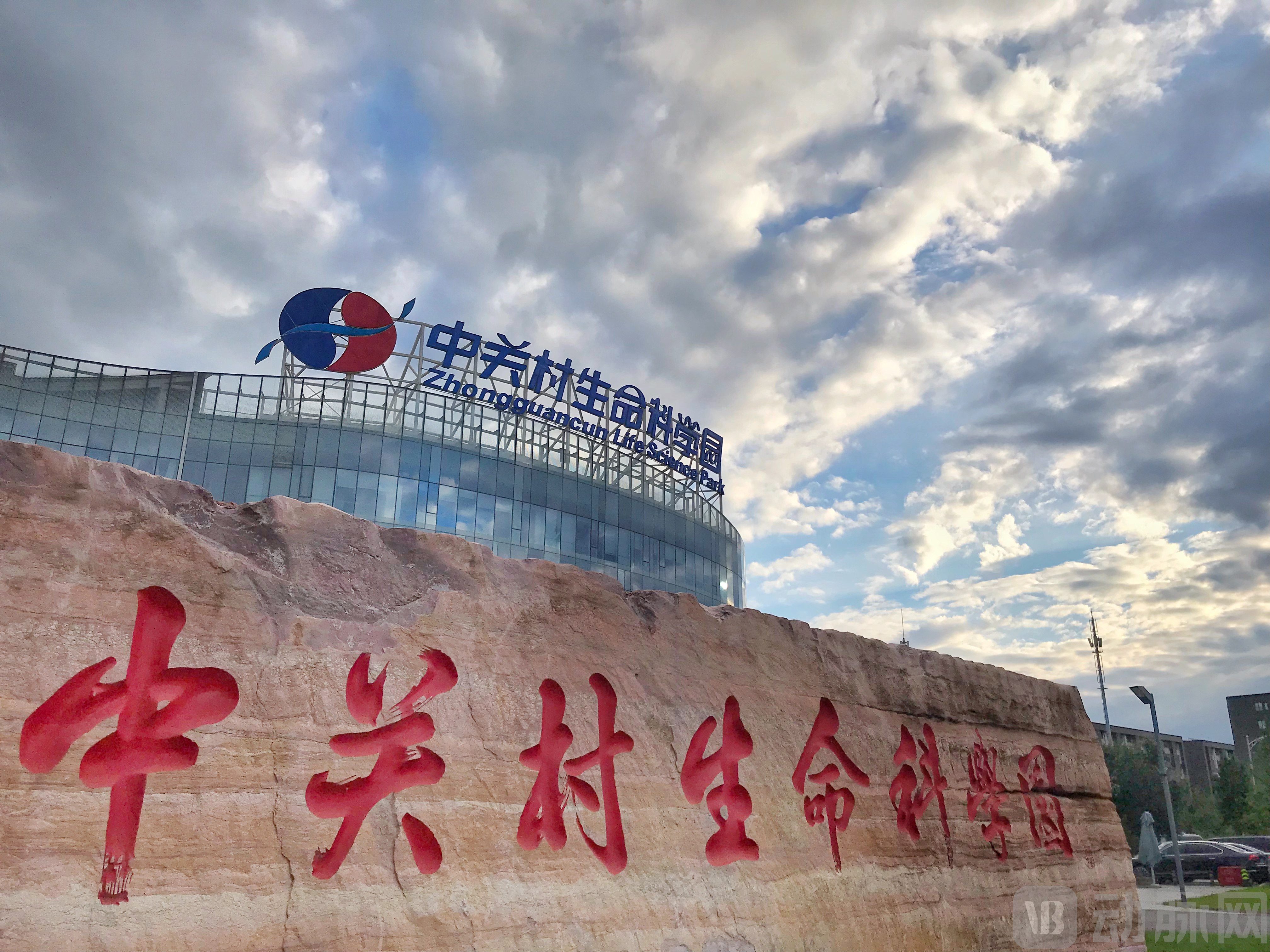
Zhongguancun Life Science Park
Nevertheless, compared with the emerging industrial cluster effects generated by the “G60 Science and Technology Innovation Corridor” and the “Yangtze River Basin Biopharmaceutical Innovation Service Alliance” in the Yangtze River Delta region, Beijing’s surrounding areas have not developed a relatively complete biopharmaceutical industry chain. The insufficient synergistic effect within the Beijing-Tianjin-Hebei region has, to some extent, constrained the industrialization development of the Life Science Park.
In recent years,Life Science Park is actively building a comprehensive service system covering the entire industrial chain. In terms of supporting industrial resources, the park has established a complete value chain encompassing basic research, pilot-scale R&D, production and distribution, and clinical medical services.Given the long development cycles and high risks inherent in biomedical enterprises, the R&D and innovation process—spanning laboratory research, preclinical studies, clinical trials, regulatory approval for market launch, scaled manufacturing, and distribution and sales—entails demands for public technical services such as drug screening, animal experimentation, and safety evaluation. Building on its existing base of CRO and CMO companies, the industrial park has established a public service platform.
It is worth mentioning that, to promote the further improvement and deep integration of the upstream and downstream segments of the industrial chain, on March 24, 2023, Zhongguancun Life Science Park Company will join forces with multiple biotechnology innovation platforms to jointly create“2023 Zhongguancun Life Science Park Technology Platform Industry-Research Innovation Summit”Activities centered on core themes such as “AI-empowered new drug development, breakthroughs in undruggable targets, evaluation of biotechnological drugs, and preservation and utilization of clinical biological samples,” to promoteEstablish a new innovation technology platform support system that is multi-level, wide-ranging, functional, and open.
Leveraging Six Major Innovative Technology Platforms to Drive High-Quality Upgrading of the Industrial Chain
Biobanks Drive Collaborative Innovation in Industry, Academia, Research, and Application
High-quality biological samples constitute the material foundation for translational medicine, precision medicine, and innovative drug development. It can be stated that without stable-quality biological samples as a prerequisite and guarantee, the currently advocated high-quality, innovation-driven development of the pharmaceutical and healthcare industry would become ineffective and insubstantial.
In recent years, with the successive introduction of national laws and regulations on human genetic resources and supportive policies for the biopharmaceutical industry, a wave of biobank construction has swept across various institutions. However, establishing and maintaining high-quality biobank operations, addressing challenges such as the imbalance between extensive sample storage and limited utilization, low translational efficiency, and achieving sustainable development remain significant industry-wide challenges.
Based on this, the Beijing Municipal Science & Technology Commission, in collaboration with Zhongguancun Life Science Park, jointly supported the establishment ofBeijing Life Science Park Biotechnology Research Institute Co., Ltd. (Beijing Biobank) — Beijing Public Service Platform for Clinical Data and Sample Resources, the platform’s core function is positioned as a public service for third-party biological sample resources, committed to serving as a bridge connecting holders of biological sample resources with researchers in the fields of life sciences and biomedical research.Addressing issues such as information asymmetry between upstream and downstream sectors in the development of biological sample resources and difficulties in sample sharing。
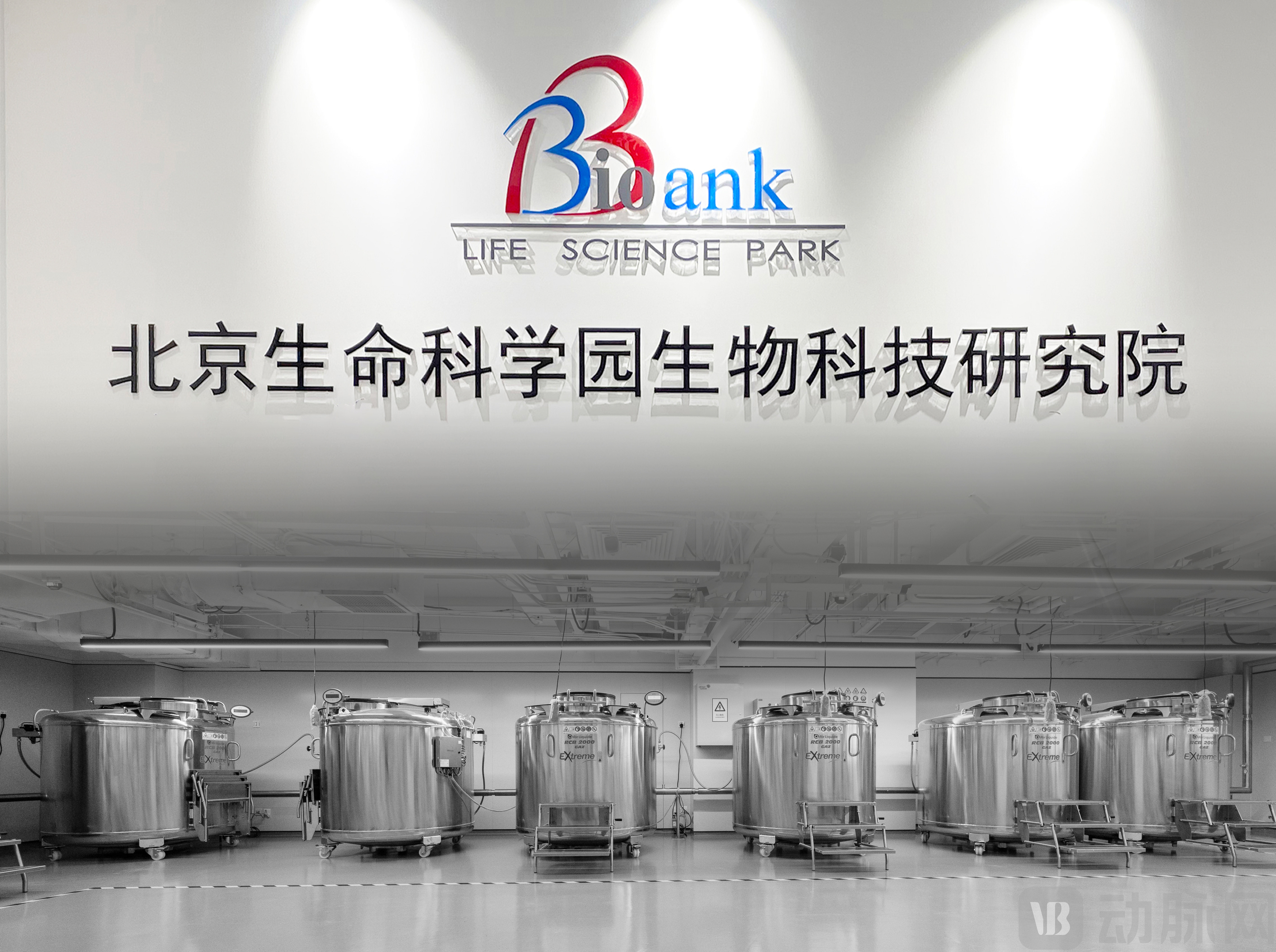
Beijing Biobank
Beijing Biobank strictly adheres to relevant laws, regulations, and biobanking standards, including the Regulations on the Management of Human Genetic Resources of the People's Republic of China, CNAS-CL10:2020 Accreditation Criteria for the Quality and Competence of Biobanks, and GB 19489-2008 General Requirements for Laboratory Biosafety. It has been established in the Changping Campus of Zhongguancun Life Science ParkA 2,000 m² biobank with a maximum storage capacity of 10 million samples.Under the premise of stable operations and management, the Beijing Biobank has deepened the application of its platform functions and leveraged its core strengths to expand into five major service modules: sample storage management services, sample preservation technical services, the “StarNet” Initiative—comprehensive solutions for biobank construction, sample brokerage services, and collaborative services for scientific research projects. This strategy maximizes the platform advantages of a third-party biobank in leading industry standards, integrating and sharing resources, and innovating service models.
AI: Pioneering a Disruptive Transformation in New Drug Development
Since the dawn of the 21st century, artificial intelligence (AI) and biotechnology have each experienced explosive growth. The advancement of deep learning has ushered in a new era for AI, resolving long-standing bottlenecks in academia, such as protein structure prediction. Meanwhile, the rapid progress of various omics technologies—exemplified by second-generation high-throughput sequencing and cryo-electron microscopy—has provided life sciences research with robust data generation capabilities. Currently, AI is involved in every stage of biomedical development. With further technological breakthroughs on the horizon, AI is poised to bring about disruptive transformation to new drug discovery and development, holding vast promise for the future.
“Zhongguancun AI New Drug R&D Platform”It was jointly built and put into use by Jiaojing Biotechnology and Zhongguancun Life Science Park at the end of 2021.AI-Empowered Next-Generation Macromolecular Drug Design Platform. Spanning nearly 1,200 square meters, the platform is an integrated R&D facility comprising functional modules such as a high-performance computing center, high-throughput automation equipment, and drug validation laboratories. The platform focuses on leveraging innovative technologies, including artificial intelligence and omics big data, to accelerate new drug discovery and validation.Current business mainlyFocusing on the earliest stage, from drug discovery to PCC validation.
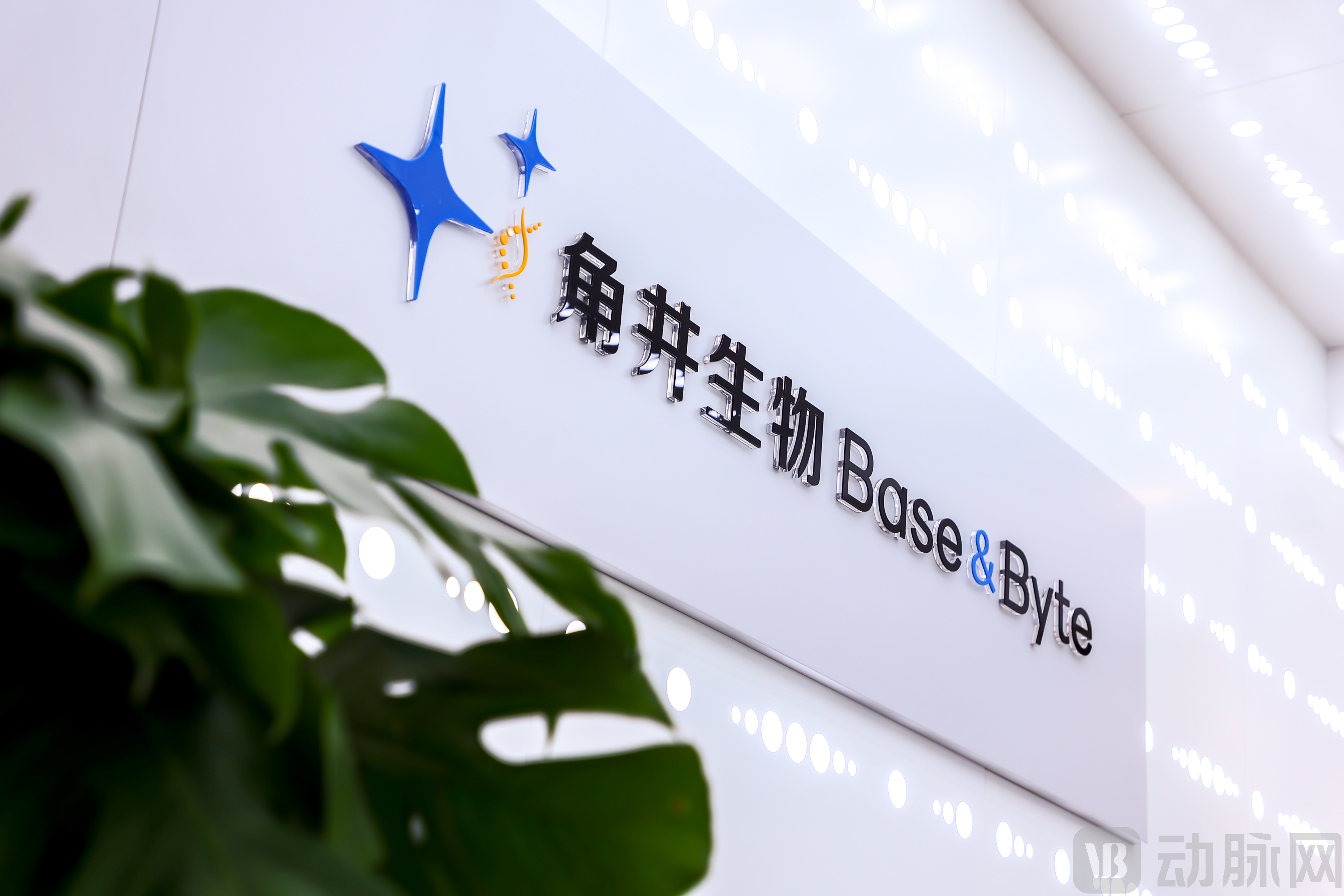
Jiaojing Bio - AI Drug Discovery Platform
AI-Empowered Macromolecular Drug Discovery Is a Highly Multidisciplinary Endeavor. At the outset of platform development, Jiaojing Bio assembled a high-caliber, interdisciplinary R&D team integrating expertise in artificial intelligence algorithms, seasoned macromolecular drug development, and high-throughput wet-lab experimentation. The company is committed to leveraging the Zhongguancun AI New Drug R&D Platform to develop novel therapeutics and treatment regimens.
Jiaojing Bio positions the Zhongguancun AI Drug Discovery Platform as an open, co-developed collaborative hub, bringing together leading expertise and enterprises in the field to establish a world-class stronghold for AI-driven drug development. Recently, Alibaba Cloud, a global leader in cloud computing and intelligent computing services, has signed a strategic cooperation agreement with Jiaojing Bio to jointly build the AI Drug Discovery Platform at the Zhongguancun Life Science Park.
Innovative Drugs and Innovative Technology Platforms: Focusing on Breakthroughs in Undruggable Targets
In the field of drug development, there is an inescapable “anti-Moore’s law”: as the peaks of drug R&D continue to rise, pharmaceutical companies are destined to find it increasingly difficult to reap the fruits of innovation. Among these,Undruggable targets have plagued the entire biopharmaceutical industry for decades, with the root cause being our insufficient technological innovation and tools.
From a technical perspective, cryo-electron microscopy (cryo-EM), as the latest method and tool in structural biology, has achieved major breakthroughs in recent years. It enables R&D teams to clearly visualize the molecular structure of target proteins, particularly the interaction mechanisms between drug molecules and their targets. This capability is critical for optimizing drug candidates, reducing adverse effects, and enhancing therapeutic efficacy.
Shuimu Future Operates the World’s Largest Commercial Cryo-EM Technology Service Platform, dedicated to making cryo-electron microscopy more accessible, and enabling faster, better, and more cost-effective applications in frontline drug development。In pursuit of this goal, Shuimu Future established a three-step strategy at its inception and has currently achieved the breakthrough from 0 to 1: attaining world-leading levels in the efficiency, output, and resolution of cryo-electron microscopy. In the second phase, scaling from 1 to 100, Shuimu Future aims to account for more than half of the global annual structural biology output, becoming a large-scale, high-throughput, and highly efficient structural biology platform.
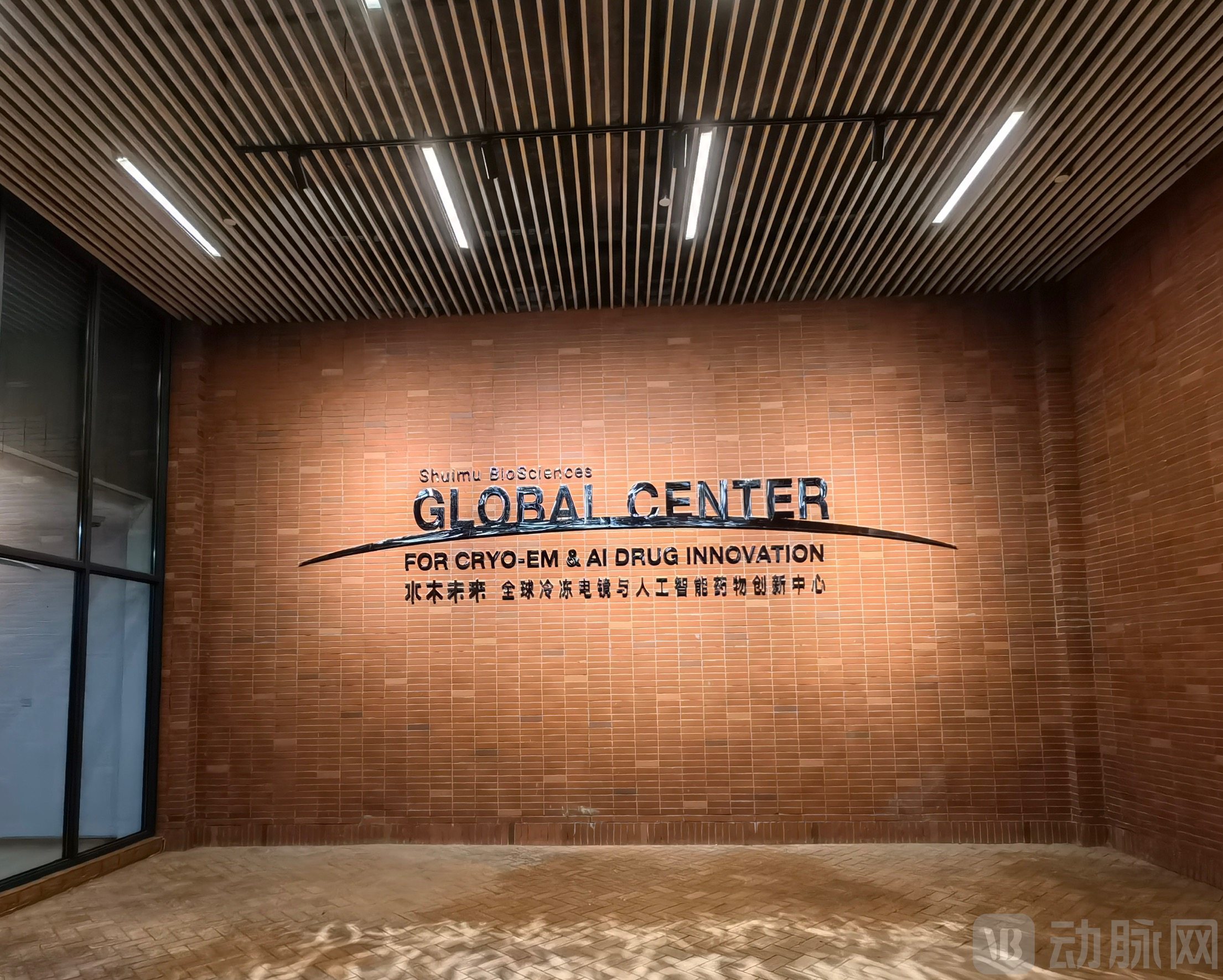
Shuimu Future - Cryo-EM Platform
A vast number of undruggable targets lack suitable therapeutic agents. Furthermore, small-molecule drugs face drug resistance caused by target gene mutations during treatment.The Development of Small-Molecule Degraders: Targeting the Degradation of Undruggable Proteins or Drug-Resistant Mutants Provides a New Paradigm for Protein Therapeutic Intervention, such as PROTACs and molecular glues (MGDs), which have developed rapidly in recent years. Unbiased, high-sensitivity, and quantitatively accurate mass spectrometry platforms are well-suited for evaluating the specificity and efficiency of targeted degradation. High-resolution mass spectrometry-based proteomic analysis enables unbiased profiling of all proteins in a sample, eliminating prior biases and making it more suitable for comprehensive assessment of compound off-target effects across the entire proteome. Consequently, volcano plots generated from mass spectrometry-based quantitative proteomics data have become an essential standard and necessity in nearly all studies of targeted degradation drugs. Volcano plots comprehensively display differential expression analysis of the global proteome, providing the most thorough and accurate evaluation of drug degradation efficiency and off-target effects.Targeted protein degradation technologies and high-resolution mass spectrometry-based omics platforms have played a pivotal role in transforming targets from “undruggable” to “druggable.”
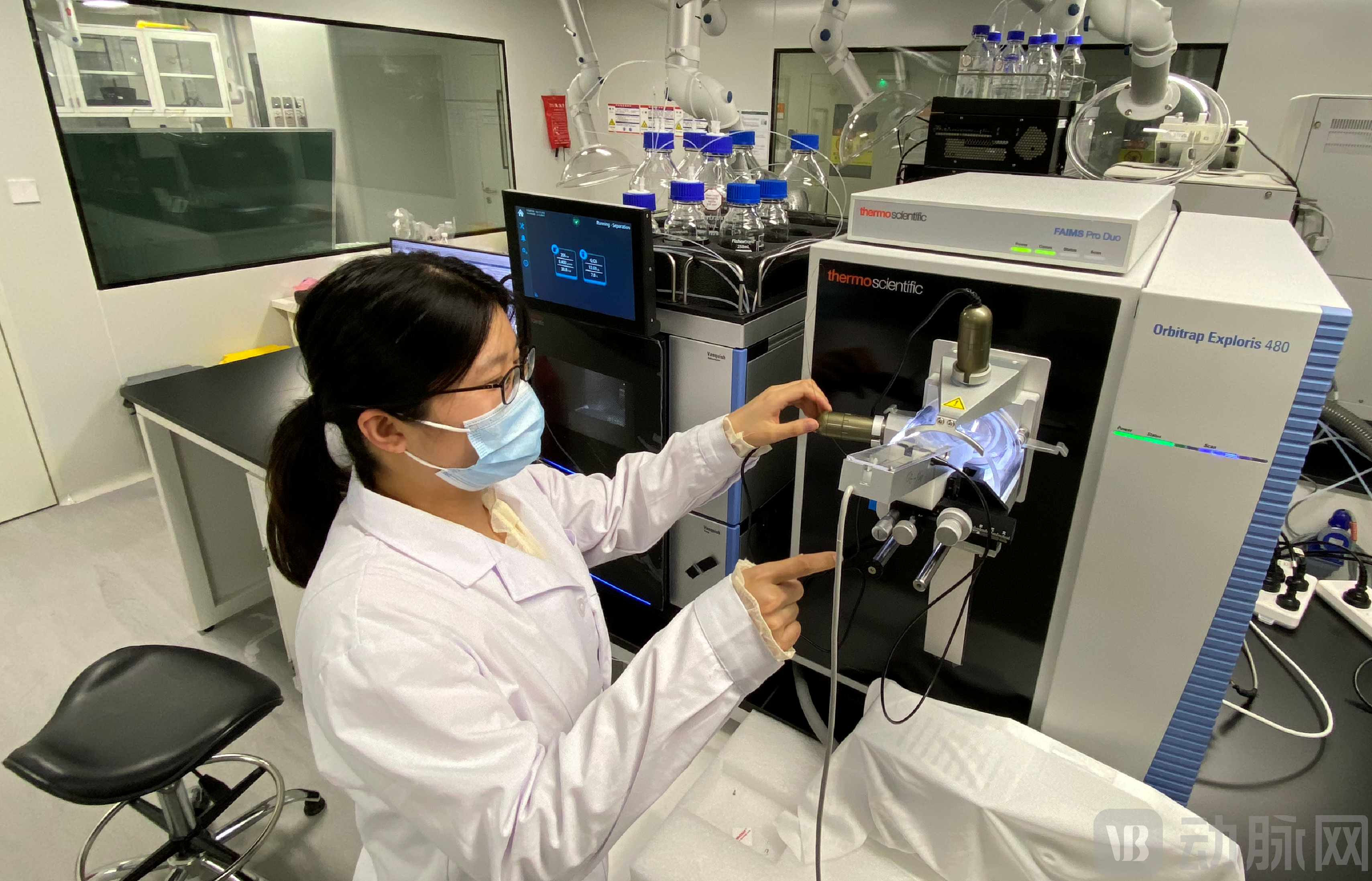
Jiahua Yaorui (Danbaizhi) - High-Resolution Mass Spectrometry Omics Platform
Jiahua Yaorui (Danbaizhi) provides pharmaceutical R&D enterprises withAnalytical Support Based on High-Resolution Mass Spectrometry and Proteomics Technologies1) Deep kinomics and deep phosphoproteomics analysis of kinase inhibitors, particularly tyrosine kinase inhibitors (TKIs); 2) Proteomic analysis of the target specificity and degradation efficacy of targeted protein degraders such as PROTACs and molecular glues; 3) Mass spectrometry-based sequencing analysis of immune-related molecules, such as neoantigens and antibody complementarity-determining regions (CDRs); 4) Discovery of proteomic signatures of pharmacodynamic biomarkers in plasma and urine; 5) Mass spectrometry characterization of large- and small-molecule therapeutics, including monoclonal antibodies (mAbs), antibody-drug conjugates (ADCs), adeno-associated viruses (AAVs), and oligonucleotides.
How Can Integrating Drug Design, Drug Screening, and Multi-Dimensional Drug Evaluation Platforms Pave New Avenues for the Development of Drugs Targeting Undruggable Targets?iCEP has builtIntegrated Biological Services Platform, dedicated to providing end-to-end biological services for innovative drug development—from target discovery and validation, through lead compound screening and optimization, to the preclinical candidate molecule stage.
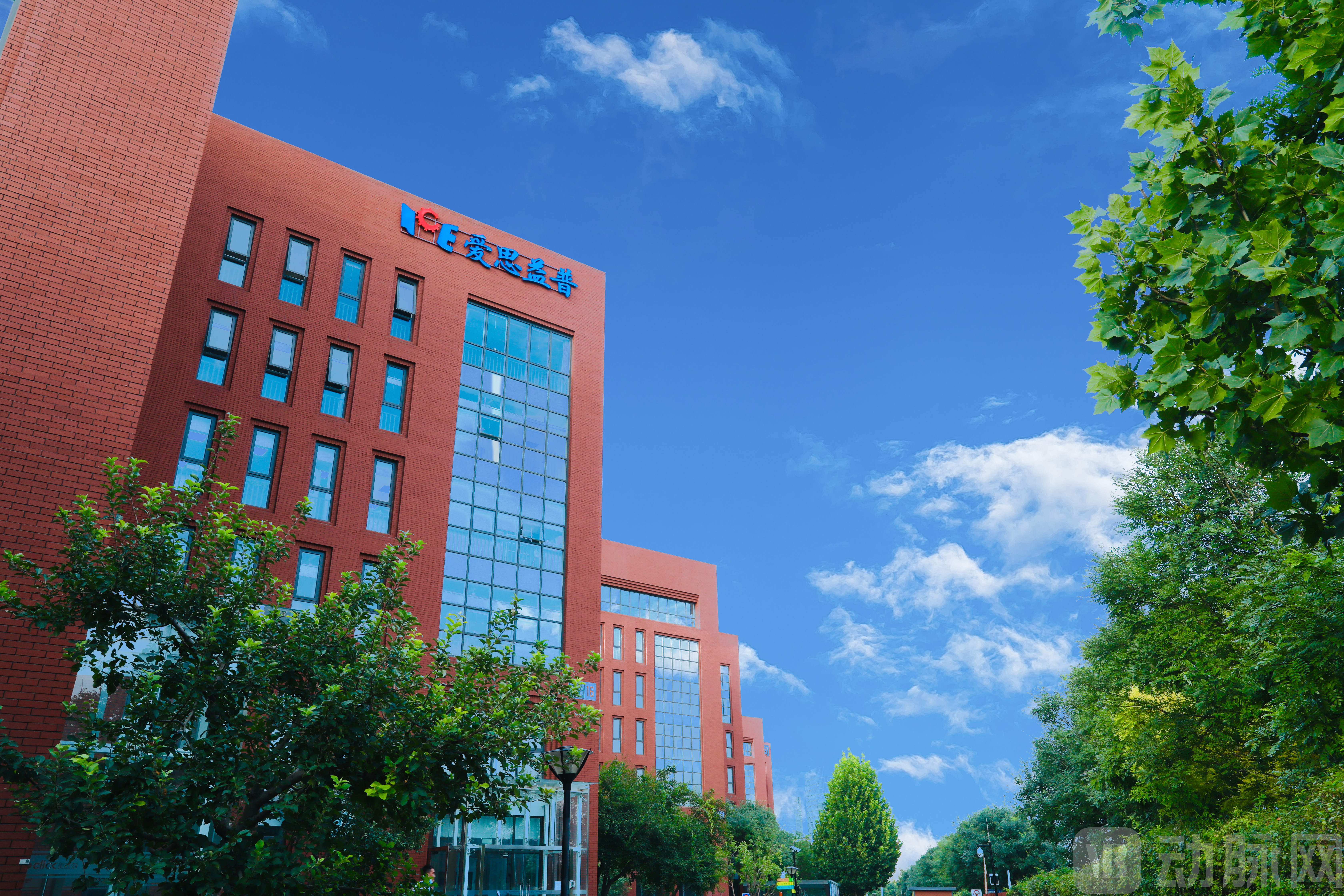
iSPE - Integrated Biological Service Platform
Among these, the target-based drug screening platform has established screening cell lines and validation methods for over 100 ion channels, more than 150 GPCRs, over 1,000 kinase and enzymatic targets, and more than 40 nuclear receptors, covering the majority of druggable targets. The in vitro and in vivo efficacy screening and evaluation platform includes pharmacodynamic evaluations based on cell, tissue, or animal models in the fields of tumor immunology, cardiovascular diseases, and the central nervous system. Additionally, the early-stage druggability screening and evaluation platform encompasses early ADME and PK studies, as well as early-stage off-target effect screening (e.g., hERG, safety panels, kinase profiling, etc.).
Through integrated services, iSPEP places greater emphasis onAddressing the Needs of New Drug R&D Companies in Terms of Speed, Efficiency, and Cost, leveraging professional expertise and efficient communication to help clients enhance the efficiency of new drug development.
Covering the Full Drug Development Lifecycle: One-Stop Evaluation Services to Support Drug Decision-Making
With continuous breakthroughs in various types of biotech drugs and novel therapies, how to make optimal decisions at each key stage during the non-clinical and clinical evaluation of drugs has become a widely concerned issue.
Currently, the rapid updates in new targets, new mechanisms, and new technologies in the biological field have provided opportunities for the design concepts of various new drugs. The development of new drugs is no longer limited to the traditional concept of "large and small molecules," but has become an interdisciplinary system covering multiple fields such as cell therapy, targeted therapy, and gene therapy; similarlyThe new drug evaluation system is also a complex framework that is multidisciplinary, multi-dimensional, multi-stage, and multi-link, evolving with the times.
Junke Zhengyuan has participated in the evaluation of approximately 50% of marketed biopharmaceuticals, including numerous historically significant new drug assessments such as those for the first fusion protein drug, the first antibody-drug conjugate (ADC), the first PD-1 antibody drug, and the first bispecific antibody drug. With extensive experience in new drug evaluation, the company has established a scientifically robust and comprehensive evaluation system encompassing pharmacokinetics, various in vitro and in vivo efficacy models, early safety assessment, bioanalysis, pharmaceutical research, and new drug development strategy formulation. This enables Junke Zhengyuan to provide comprehensive and scientific support for drug evaluations at different stages.
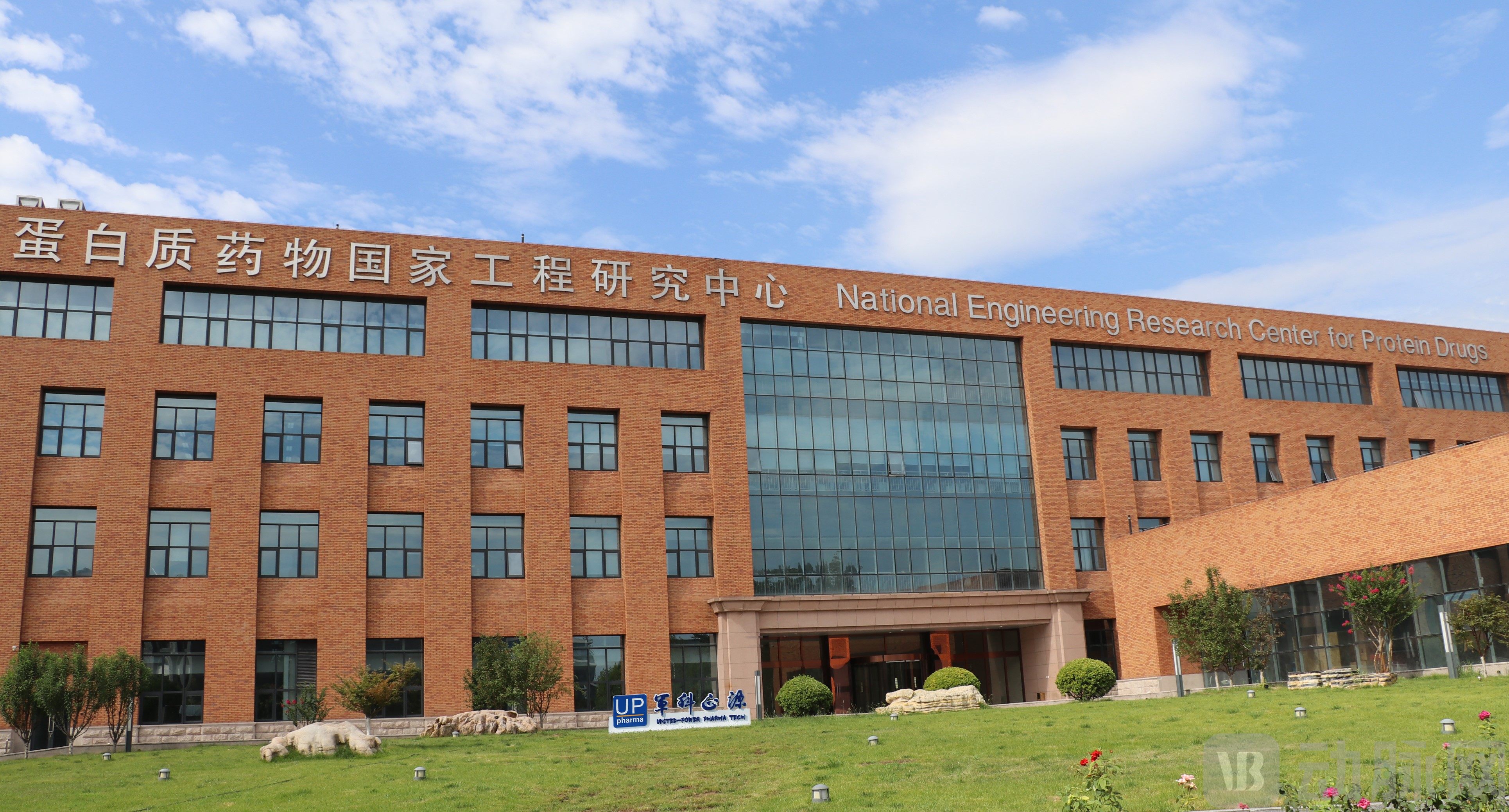
AMS Biopharmaceutical Evaluation Platform
The Biopharmaceutical Evaluation Platform of Junke Zhengyuan offers professional, scientific, one-stop evaluation services covering the entire drug development lifecycle, including pharmaceutical studies, drug screening, pharmacokinetics, in vitro and in vivo efficacy evaluation, safety assessment, and bioanalysis of clinical samples.The service model encompasses not only traditional client-customized R&D and the commercialization of R&D technological achievements, but also the “VIC model” for collaborative drug development—namely, “VC (Venture Capital) + IP (Intellectual Property) + CRO (Contract Research Organization)” —thereby offering clients a broader range of options.
With the continuous advancement and application of bioanalytical technologies, new drug R&D professionals can leverage broader platforms to obtain more precise data, providing robust technical support and data backing for drug evaluation. Junke Zhengyuan’s bioanalytical technology platform is capable of addressing various bottlenecks in drug research, playing a leading and driving role in technological innovation.
The Innovation Service System Continues to Expand, Covering the Full Industry-Academia-Research Ecosystem
As China’s biopharmaceutical industry and its related support sectors gradually reach a turning point toward innovation, the sector’s innovative capabilities are steadily strengthening. Continuous breakthroughs in key biotechnologies are bringing countless opportunities for innovation in the biopharmaceutical industry.
Leveraging this summit,Life Park will integrate resources to tackle technical challenges faced by biopharmaceutical enterprises within the park, and continuously improve its innovation service system., to facilitate the broader and more rapid dissemination and sharing of scientific research achievements within the park, thereby promoting the enhancement of the park’s overall innovation capacity.
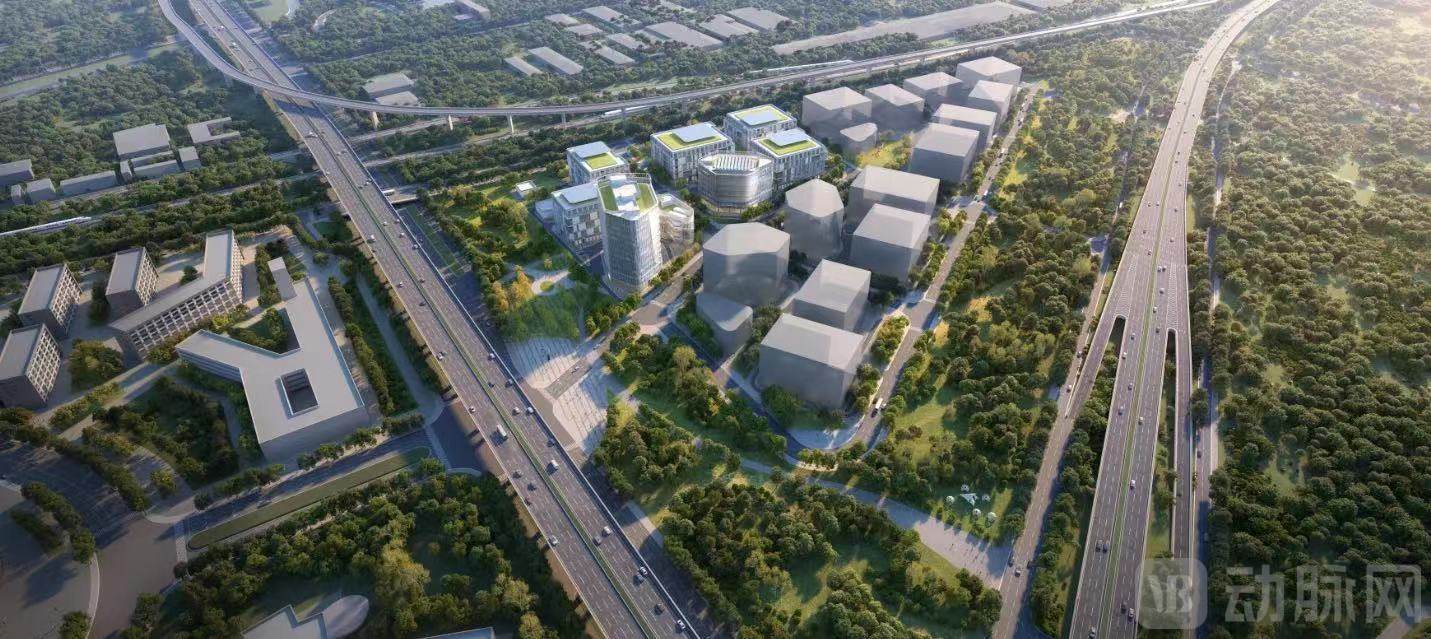
Master Plan of Phase III, Zhongguancun Life Science Park
The innovative service system continues to deepen and expand. Currently, the spaces in Phase I and Phase II of the Life Science Park are nearly saturated, while Phase III is under planning and construction. As the flagship project of Phase III, the Shengminggu International Precision Medicine Industrial Park will focus on more specialized sectors, prioritizing the introduction of R&D centers of multinational corporations, national or northern China headquarters of domestic listed companies and industry leaders, as well as top-tier global research institutions. It will actively undertake the translation of original innovations from research institutions and universities into industrialization projects, further improving the ecosystem of industrial chain services.
Looking to the future, Life Science Park will continue to drive original innovation by collaborating with national laboratories, new-type R&D institutions, research-oriented hospitals, and innovative pharmaceutical companies. This effort aims to build an innovation ecosystem covering the entire chain of industry, academia, and research within the park, foster a batch of original achievements with global influence, accelerate the development of a globally leading “Life Valley,” and achieve an “accelerated pace” in the construction of the “Two Zones.”
[Summit Preview]
On March 24, 2023, Beijing Zhongguancun Life Science Park Co., Ltd. joined forces with multiple technology platforms to jointly host the “2023 Zhongguancun Life Science Park Technology Platform Industry-Research Innovation Summit.” Centered on core themes such as “AI-enabled new drug R&D,” “breaking through undruggable targets,” “biotech drug evaluation,” and “clinical biospecimen banking and utilization,” the summit brought together industry leaders, investment experts, and entrepreneurs from leading and innovative enterprises. By integrating wisdom and resources across sectors, the event aimed to strengthen the industry-academia-research-application chain and promote the development of a multi-level, broad-spectrum, functional, and open support system for innovative technology platforms.