

United Imaging Intelligence Showcases Medical AI Responsibility, Conscience, and Imagination at Four WAIC Forums
The healthcare sector has become one of the most valuable and meaningful application scenarios for artificial intelligence.
At the beginning of September, the annual World Artificial Intelligence Conference (WAIC) concluded successfully. Pioneers from government, industry, academia, research institutions, and healthcare gathered on the same stage to discuss the development and implementation of medical AI.

On September 2, the forum “Artificial Intelligence Empowering High-Quality Hospital Development” was held at the Zhangjiang Science Hall in Shanghai. Zhou Xiang, Co-CEO of United Imaging Intelligence, joined other distinguished guests, including Gu Jianying, Vice President of Zhongshan Hospital Affiliated to Fudan University; Chen Chang, Party Secretary of Shanghai Pulmonary Hospital; and Hu Weiguo, Vice President of Ruijin Hospital Affiliated to Shanghai Jiao Tong University School of Medicine. Together, they explored how artificial intelligence can deepen the integration of medical practice, industry, and research, and how technological innovation can empower high-quality hospital development.
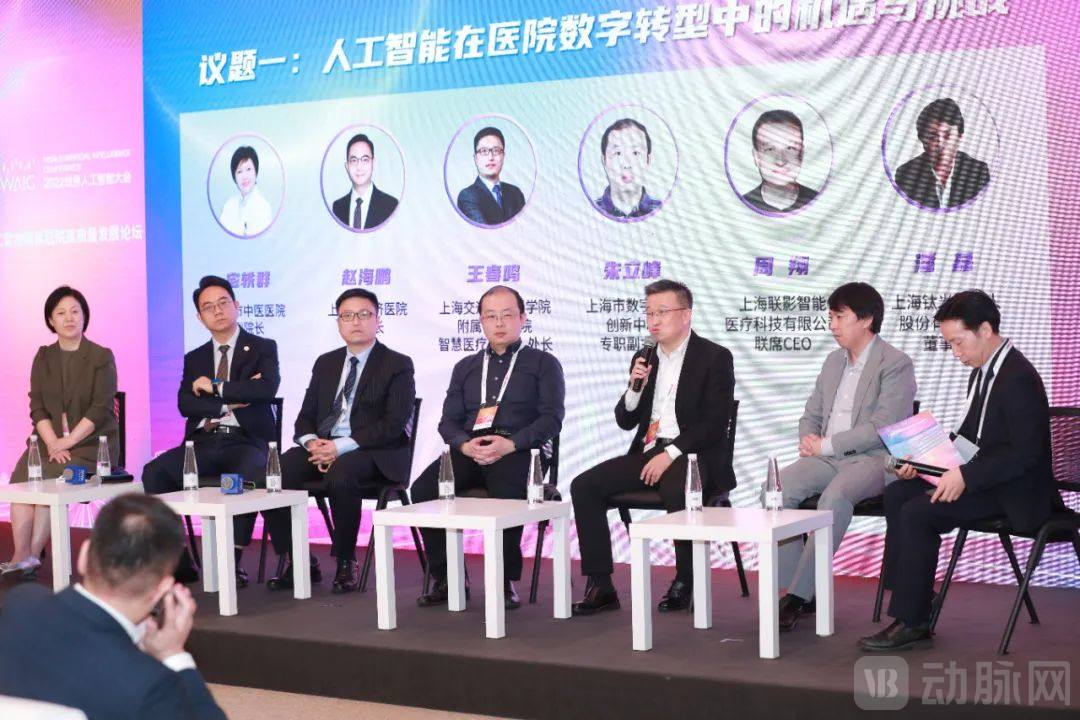 Forum on AI-Empowered High-Quality Development of Hospitals
At the conference, United Imaging Intelligence, Zhongshan Hospital Fudan University, Shanghai Pulmonary Hospital, and Ruijin Hospital Shanghai Jiao Tong University School of Medicine jointly received the Award for Outstanding Technological Innovation in Artificial Intelligence.
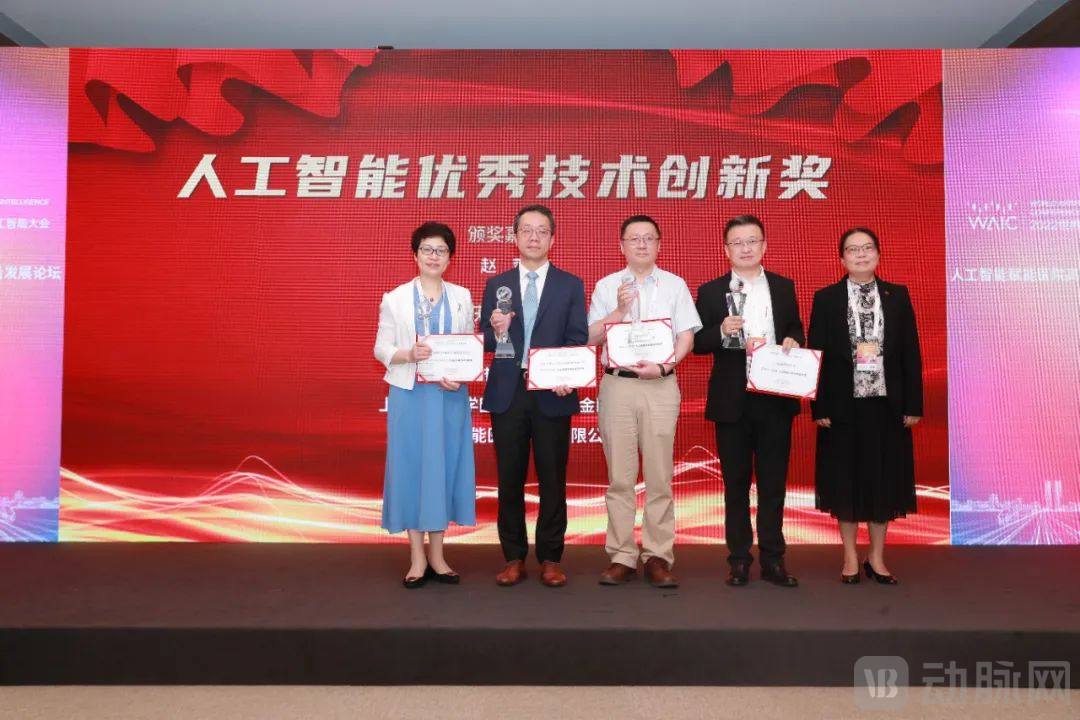 AI Excellent Technology Innovation Award Recipients and Presenters: Gu Jianying, Vice President of Zhongshan Hospital Affiliated to Fudan University; Chen Chang, Party Secretary of Shanghai Pulmonary Hospital; Hu Weiguo, Vice President of Ruijin Hospital Affiliated to Shanghai Jiao Tong University School of Medicine; Zhou Xiang, Co-CEO of Shanghai United Imaging Intelligence Medical Technology Co., Ltd.; Zhao Rong, Deputy Director of Shanghai Shenkang Hospital Development Center (from left to right)
How to Leverage Artificial Intelligence to Better Support the High-Quality Development of Hospitals? Data interoperability, integrated whole-process precision diagnosis and treatment, and the innovation and translation of clinical research are key factors promoting the high-quality development of hospitals.
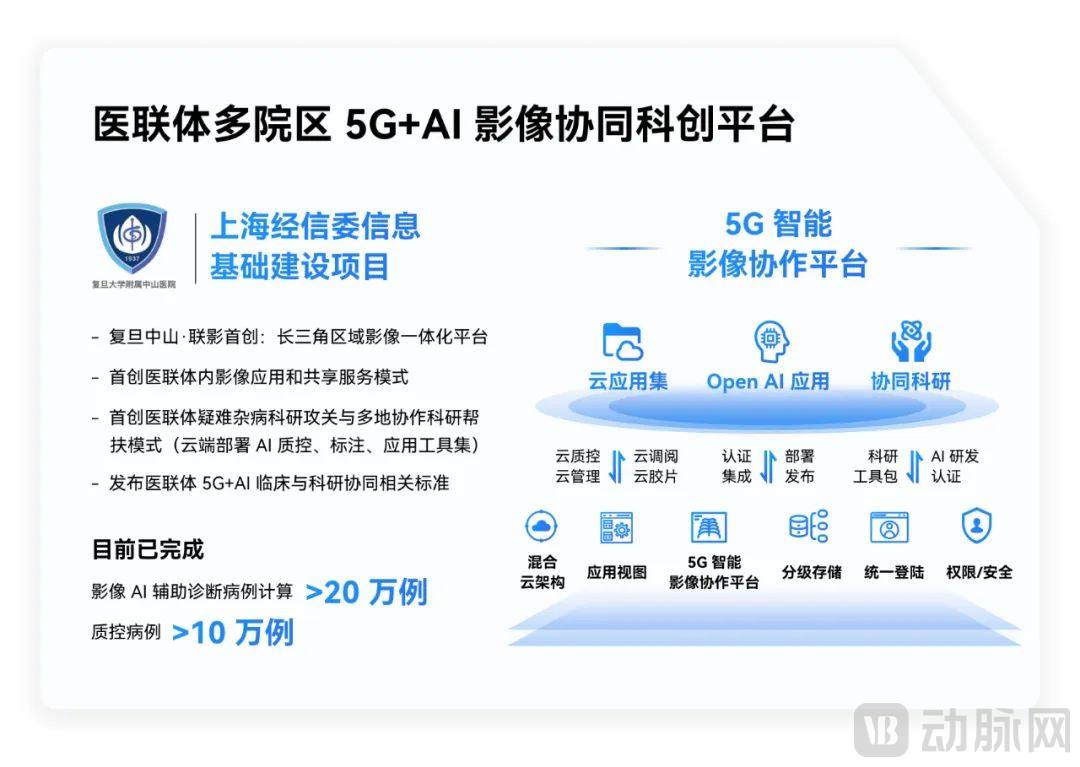
This is particularly critical for large tertiary hospitals, where close integration of medical consortia to achieve interoperable data sharing, deep collaboration across clinical scenarios, and homogenization of healthcare service quality is of paramount importance. The “5G-Integrated Medical Consortium Imaging Collaborative Innovation Platform,” co-developed by United Imaging Intelligence and Zhongshan Hospital, was selected as one of the Top 30 finalists for the SAIL Award at this year’s World Artificial Intelligence Conference. The platform enables rapid sharing, dynamic interaction, massive storage, and real-time computation of imaging data within the medical consortium. It supports innovative utilization of imaging data across multiple scenarios, including telemedicine, mobile health, internet hospitals, and integrated operations of medical consortia. Through full-stack development and clinical application of imaging artificial intelligence, it fosters an innovation cycle characterized by technological improvement, data accumulation, and knowledge consolidation. To date, the platform has helped Zhongshan Hospital integrate resources across eight affiliated institutions within its medical consortium, including Zhongshan Hospital Xiamen Branch.
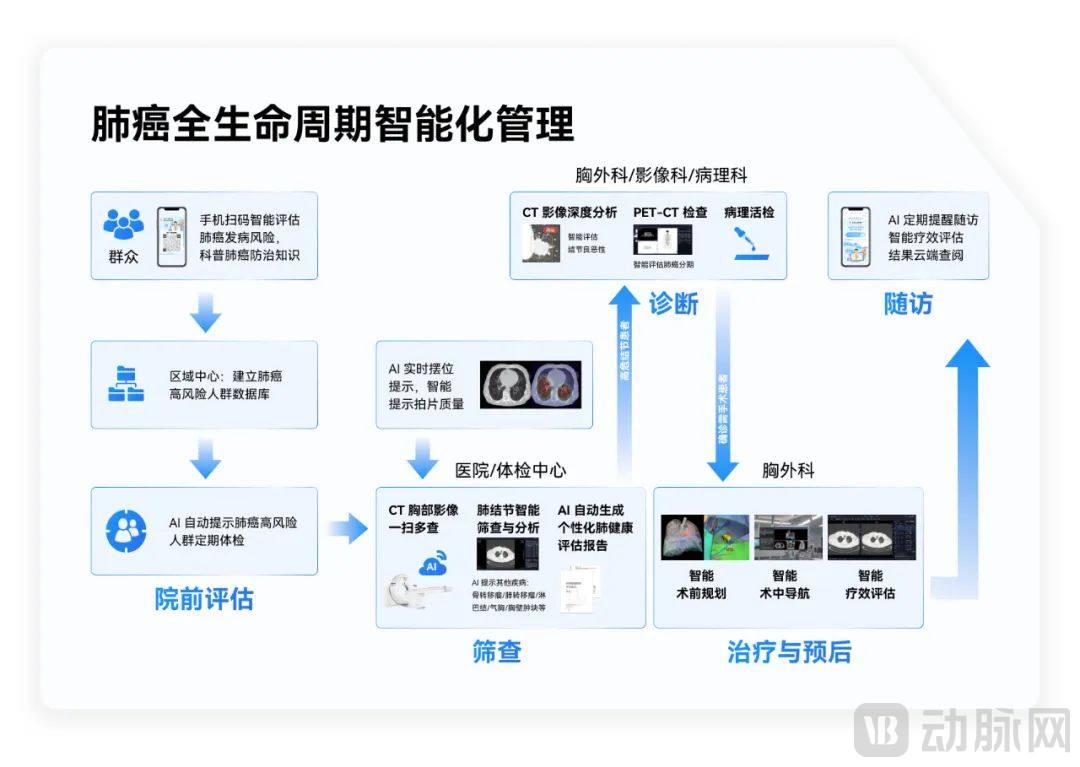
As AI products expand their reach and become more closely integrated into physicians’ daily workflows, it has become evident that AI applications limited to a single anatomical site or clinical scenario fall far short of meeting hospitals’ real-world needs. Only by implementing multi-scenario, multi-disease, end-to-end, integrated AI-powered intelligent diagnosis and treatment can we usher in a new era of clinical care and support the high-quality development of hospitals. AI can enable an integrated, end-to-end intelligent system for diagnosis, treatment, and health management, spanning pre-hospital assessment, screening, diagnosis, treatment and prognosis, follow-up, and routine health management. Through such an integrated care pathway, patients can achieve better, timelier, and more systematic disease resolution, while hospitals can enhance patient retention and cure rates via comprehensive, end-to-end disease management strategies, thereby establishing a closed-loop, full-lifecycle model of diagnosis and treatment.
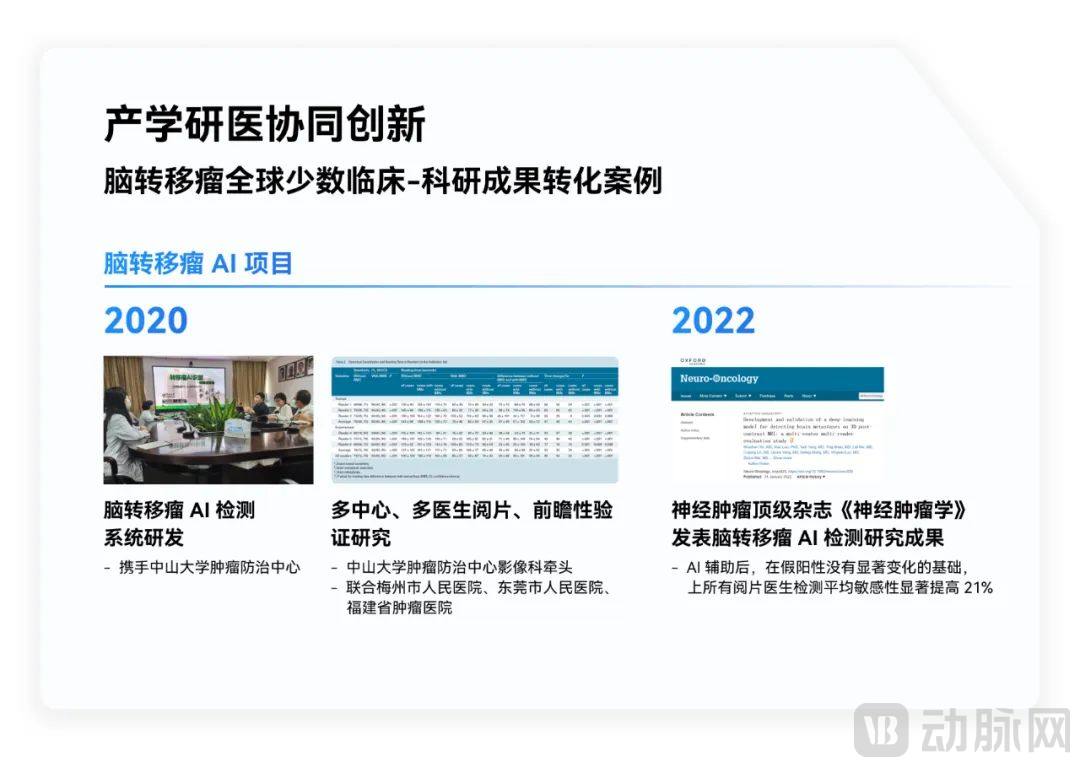
Furthermore, hospitals are not only responsible for routine clinical diagnosis and treatment but also tasked with scientific research, facing significant challenges in translating clinical research innovations into practice. Such innovation and translation serve as a powerful engine for the high-quality development of hospitals. In this regard, artificial intelligence (AI) can help build a healthcare innovation ecosystem. Enterprises can collaborate with hospitals to develop AI-driven medical products that truly meet clinicians’ needs, starting from actual clinical demands. Together, they can conduct multicenter clinical validations based on these innovative AI products and leverage AI-powered research platforms to address scientific questions, thereby accelerating the generation of high-quality research outputs and facilitating the successful translation of valuable clinical research innovations.

Nowadays, artificial intelligence has permeated every aspect of human life, and we have inevitably entered an era of coexistence with machines. While AI holds infinite possibilities, it also presents immense challenges, particularly in the life-critical field of healthcare. This raises a pressing question: if something goes wrong, who is responsible?
On the morning of September 3, the sub-forum “Conscientious AI Technology” of the 2022 World Artificial Intelligence Conference, jointly organized by the Shanghai Western Returned Scholars Association and the United Front Work Department of the Xuhui District Committee of the Communist Party of China, along with the inauguration ceremony of the Artificial Intelligence Branch of the Shanghai Western Returned Scholars Association, was held at West Bund in Xuhui District. The sub-forum centered on discussions around “conscientious AI,” focusing on the opportunities and risks brought about by artificial intelligence technologies, and exploring how to develop AI technologies that align with human laws and ethics. Experts in attendance discussed issues related to privacy, legal compliance, fairness, and transparency arising from the application of artificial intelligence.
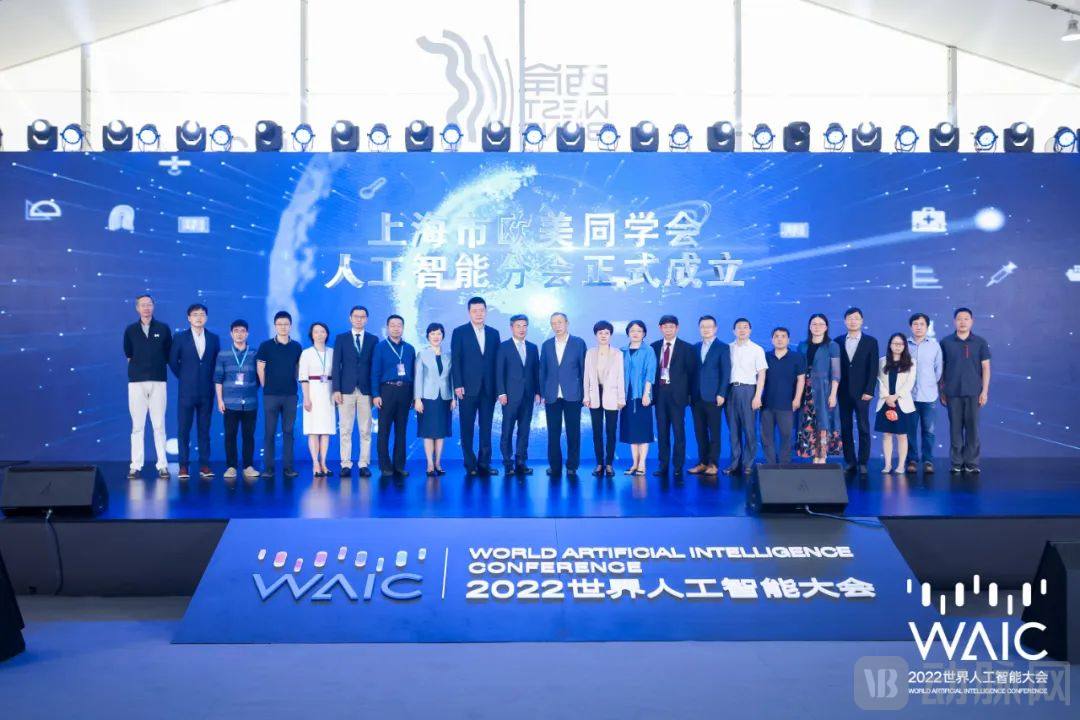
Conscientious AI Technology Forum
Dr. Zhou Xiang, Co-CEO of United Imaging Intelligence, stated that today’s artificial intelligence still lacks “self-awareness.” It is unaware of the context and limitations of what it has learned, ignorant of matters outside its “learning scope,” and unable to recognize when it “might be mistaken.” Consequently, it cannot make independent decisions in high-risk scenarios.
“Conscientious AI” stems from “risk-aware AI scientists” and “a conscientious corporate culture.” In the healthcare sector, AI companies must thoroughly understand these risks and design appropriate mitigation measures into their software and intended workflows. They must truly prioritize both efficacy and safety, ensuring they “Do no harm” while fully supporting and empowering physicians. This principle serves as a fundamental baseline for “conscientious medical AI.”
As medical AI constitutes a medical product impacting public health and safety, governments worldwide enforce stringent regulations and rigorous approval processes. These frameworks comprehensively evaluate the intended use, safety, and efficacy of products, mandating statistically significant clinical data to substantiate the claimed utility of AI solutions. United Imaging Intelligence has maintained close communication and collaboration with regulatory authorities and clinical experts at hospitals, committed to jointly facilitating the safe and effective deployment of AI products.
Every clinical application scenario of AI in the healthcare sector requires rigorous analysis and prudent regulatory approval. This constitutes both an additional cost and a defining characteristic of the industry. As more medical AI products are safely and effectively deployed, and as AI companies and users deepen their understanding and management of potential risks, we believe that the prologue to the era of medical AI has only just begun, with even greater advancements yet to come. With its deep-rooted expertise and strategic presence in the healthcare industry, combined with agile and open innovation capabilities, United Imaging Intelligence is poised to continue leading the growth and expansion of the medical AI sector.

On September 2, under the guidance of the Shanghai Municipal Commission of Economy and Informatization, the “2022 WAIC Seminar on High-Quality Development of the AI Health Industry,” organized by the Shanghai Industrial Innovation Center of the China Academy of Information and Communications Technology (CAICT) in collaboration with the Fudan University Institute of Intelligent Medicine (Preparatory), was held at the CAICT Shanghai Industrial Innovation Center. The conference focused on topics such as AI-enabled medical devices, the medical metaverse, digital therapeutics, and future hospitals, conducting in-depth discussions on practical applications of AI in healthcare as well as the current status and challenges facing industry development. Dr. Shi Feng, Vice President of R&D at United Imaging Intelligence, presented the company’s progress in frontier research on neuroimaging.
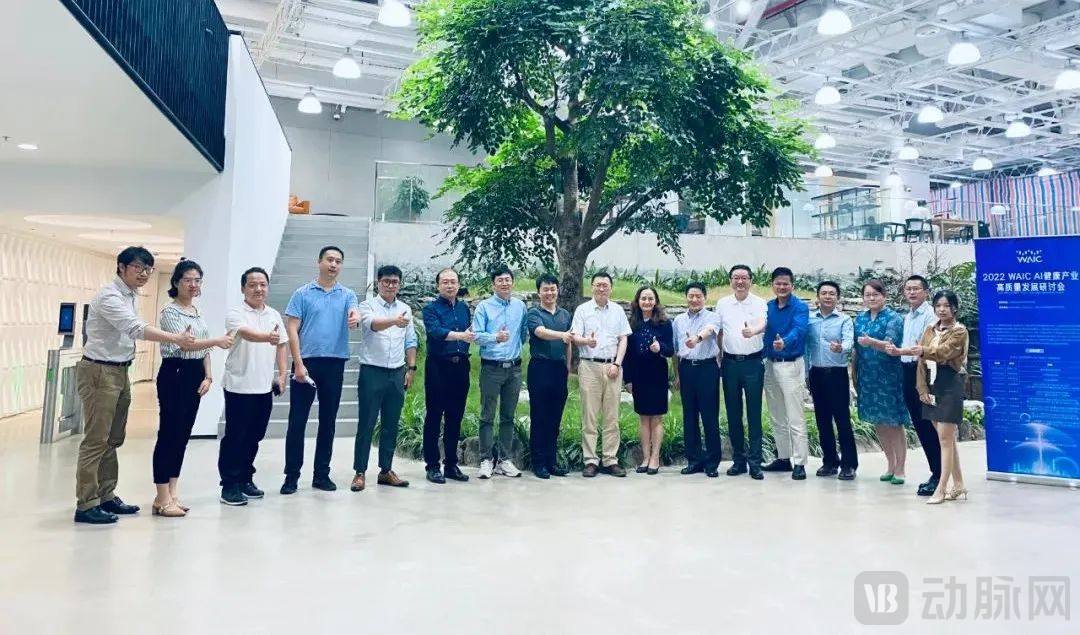 Seminar on High-Quality Development of the AI Health Industry
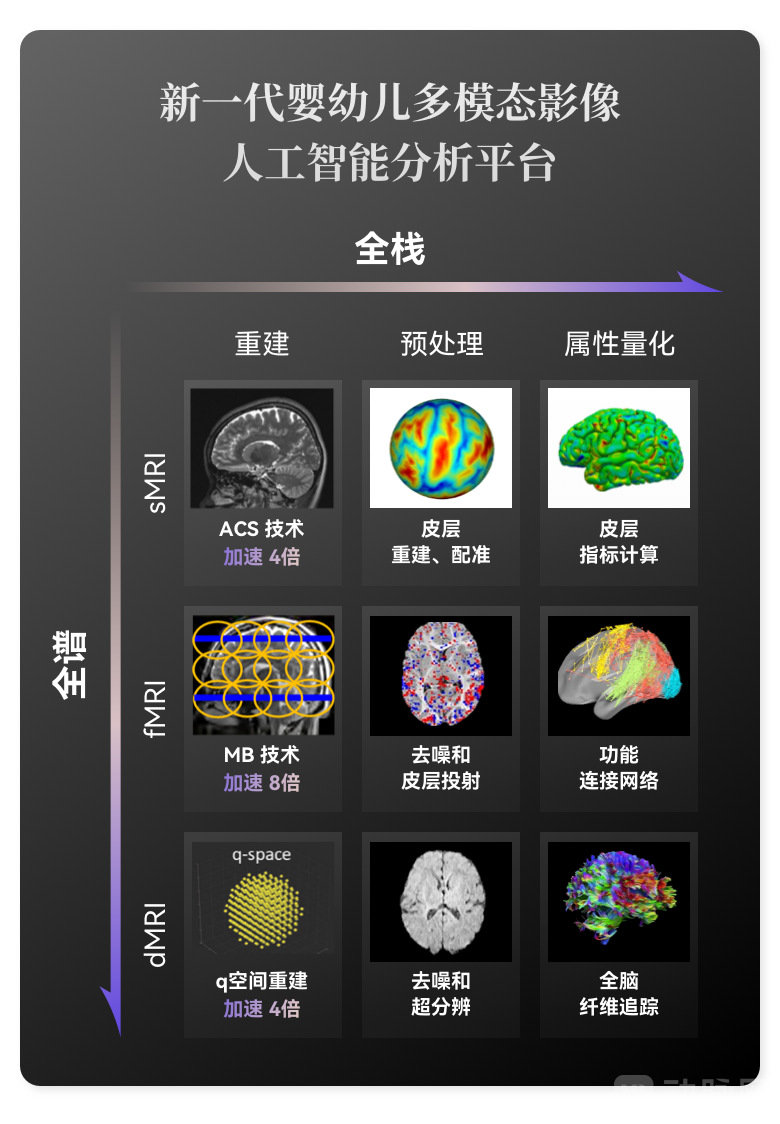
United Imaging Intelligence has participated in the 0–6 Year Old Human Brain Development Research Project, led by ShanghaiTech University. By developing innovative artificial intelligence technologies—ranging from rapid imaging and image denoising to high-precision infant brain image analysis and intelligent multimodal fusion—the company has ultimately built an intelligent brain imaging analysis platform. This platform enables high-precision, automated multimodal brain imaging analysis for infants and young children, supporting the establishment of infant brain development atlases and the assessment of early social-emotional and communicative development. Recently approved as a major project under the Ministry of Science and Technology’s “Brain Science and Brain-Like Research” 2030 Initiative, this project constitutes a key component of China’s Brain Project. It provides critical evidence for the early identification, diagnosis, and even treatment of infant-related conditions such as autism spectrum disorder, attention-deficit/hyperactivity disorder, and developmental disorders, holding significant importance for infant health and well-being as well as national welfare and livelihood.
Just as the universe holds infinite mysteries waiting to be explored, so does the brain. In the future, neuroscience may transcend academic papers and computer screens, breaking through dimensional barriers to realize a neural metaverse.
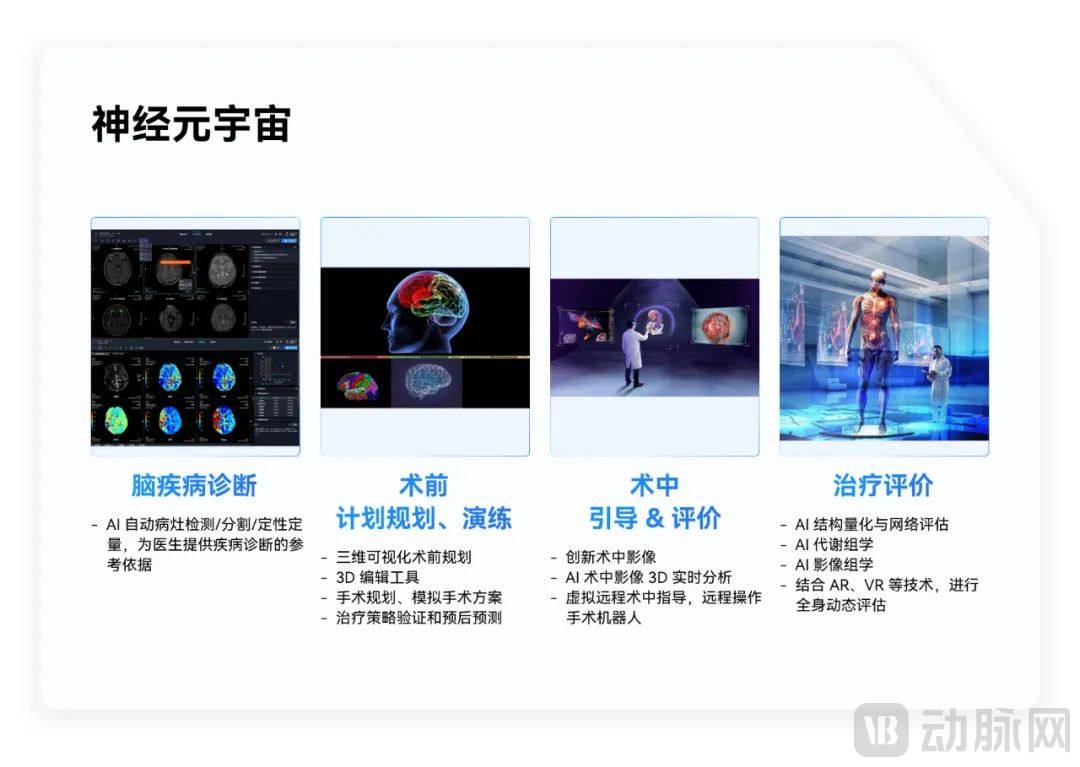
In fact, we currently possess the technological foundation necessary to realize the Neuro-Metaverse. For instance, in the diagnosis of brain diseases, AI can already perform automatic detection and segmentation of lesions, as well as qualitative and quantitative analysis, providing reference data for clinical diagnosis. In terms of treatment, preoperatively, AI offers 3D visualization for surgical planning, enabling one-click 3D reconstruction of lesions and affected organs. It provides comprehensive 3D editing tools to assist physicians in surgical planning and simulation, while supplying quantitative metrics to help validate treatment strategies and predict prognosis. Intraoperatively, by integrating technologies such as AR and VR, real-time 3D analysis of intraoperative imaging, virtual remote surgical guidance, and remote operation of surgical robots can be achieved. Post-treatment, through analyses leveraging AI-based structural quantification and network assessment, AI metabolomics, and AI radiomics, combined with AR and VR technologies, dynamic whole-body assessments can be conducted. This enables physicians to comprehensively monitor treatment outcomes, allows patients to gain an immersive understanding of their health status, and facilitates more effective communication between doctors and patients.
With the continuous advancement of medical standards and modern technology, medical AI holds immense potential. It is hoped that deeper collaboration among industry, academia, research, and clinical practice will be fostered in the future to jointly drive the development of cutting-edge life sciences.

On September 3, the “China-Singapore AI Ecosystem Integration” Forum, a Singapore satellite event of the World Artificial Intelligence Conference, kicked off online with a dialogue on “AI for Good and AI Unicorns.” Singapore is home to numerous technology and artificial intelligence unicorn companies originating from ASEAN, attracting top-tier AI and tech firms from around the world to establish their headquarters there. Shanghai is accelerating its efforts to build a globally influential science and technology innovation hub and an internationally competitive “Shanghai Highland” for artificial intelligence. The forum brought together experts and entrepreneurs from China and Singapore to engage in exchanges and dialogues under the vision of promoting AI for Good, thereby fostering deeper cooperation and communication between the two countries in the field of technology.
At the forum, Dr. Zhou Xiang, Co-CEO of United Imaging Intelligence, shared insights on the progress and future prospects of AI enterprises in healthcare, represented by United Imaging Intelligence, and engaged in dialogue with ASEAN AI unicorns. Dr. Zhou stated that the Asia-Pacific region is experiencing the highest growth in the global market size for medical imaging AI. In China, advancements in artificial intelligence are accelerating and becoming increasingly comprehensive across industry, research, and government regulatory approval sectors, even beginning to lead the world. United Imaging Intelligence is committed to promoting the global sharing of technological achievements. In the field of medical AI, it aims to bring more AI products and technologies from China to the international market, making high-quality life sciences accessible to a broader global population and truly realizing a shared vision of universal health.