

Joint Research by PLA General Hospital, Hutchmed, and Taimei Medical on Surufatinib Response Prediction in Neuroendocrine Tumors Selected for ESMO Poster Presentation
Recently, Taimei Medical Technology received welcome news: a cutting-edge study led by Professor Xu Jianming from the First Medical Center of the Chinese PLA General Hospital, with joint support from Hutchmed and the Imaging Science Division of Taimei Medical Technology, has been selected for poster presentation at the European Society for Medical Oncology (ESMO) Annual Meeting. This study leverages radiomics biomarkers to precisely identify patient populations with neuroendocrine tumors (NETs) who are likely to respond to surufatinib treatment. By constructing an AI model based on machine learning technologies, the study accurately identifies and intelligently screens NET patients who may exhibit a positive therapeutic response, thereby helping to improve response rates, enhance overall oncological outcomes for NET patients, and advance personalized precision medicine.
Neuroendocrine tumors (NETs) are a relatively rare class of neoplasms. However, with advances in diagnostic technologies such as endoscopy and biomarker detection, both the incidence and prevalence of NETs have shown a significant upward trend. NETs have an insidious onset, can originate from various sites throughout the body, and exhibit high heterogeneity. Patients present with diverse symptoms and signs, leading to frequent clinical misdiagnosis. The time from disease onset to confirmed diagnosis typically ranges from 5 to 7 years. In recent years, despite the significant rise in incidence and prevalence driven by improved diagnostic capabilities, research on this disease within the oncology community remains insufficient. Consequently, most patients are diagnosed at an advanced stage, and only a minority are eligible for curative surgical resection. Furthermore, the slow progress in the development of innovative therapies and drugs has resulted in substantial treatment challenges.
Globally, no new drugs have been approved for nearly a decade. This is particularly true for non-pancreatic neuroendocrine tumors (NETs), where the high complexity of the disease and significant treatment challenges have left few therapies with satisfactory efficacy, resulting in substantial unmet clinical needs.
As an innovative targeted drug independently developed by Hutchmed, surufatinib’s two landmark studies focused on pancreatic and non-pancreatic neuroendocrine tumors (NETs), respectively. This study design is itself highly distinctive, and the results have been equally impressive.
Surufatinib is a next-generation VEGFR-TKI (oral tyrosine kinase inhibitor) with immune-activating properties. It is the first globally approved therapy for neuroendocrine tumors (NETs) of any primary site, indicated for the treatment of unresectable, locally advanced or metastatic, progressive, well-differentiated (G1, G2), non-functional NETs of pancreatic and extra-pancreatic origin. Regardless of SSTR status, Ki-67 index, or tumor burden, surufatinib significantly prolongs progression-free survival (PFS) and induces tumor shrinkage. The objective response rates (ORR) for extra-pancreatic NETs (EP-NETs) and pancreatic NETs (P-NETs) are 10.3% and 19.2%, respectively—five times higher than everolimus and twice as high as sunitinib. Tumor shrinkage was achieved in 68% of patients with EP-NETs and 84% of patients with P-NETs. Subgroup analyses from Phase III clinical trials of surufatinib demonstrated that higher Ki-67 expression levels were associated with more pronounced tumor shrinkage and greater PFS benefits, suggesting that surufatinib offers superior efficacy compared to everolimus and sunitinib, with a favorable safety profile. It has been recommended by major guidelines and consensus statements. In clinical practice, it is crucial to identify patients likely to benefit from surufatinib earlier, faster, and more precisely. As a leading independent review committee (IRC) service provider in China, Taimei Medical Technology has joined forces with top-tier experts and innovative pharmaceutical companies, leveraging intelligent technologies to address clinical challenges and contribute to cutting-edge research.
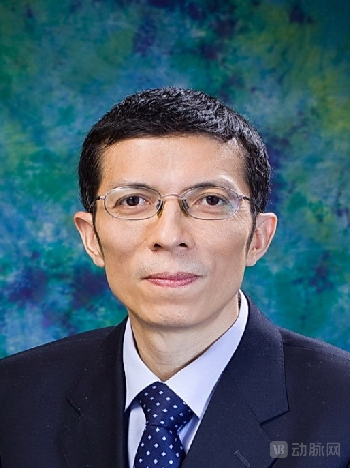
Professor Xu Jianming, First Medical Center of the Chinese PLA General Hospital
Professor Xu Jianming’s Team at the Chinese PLA General Hospital, Hutchmed, and Taimei Medical Technology’s Imaging Science Division
Leveraging radiomics signatures and machine learning techniques to more precisely identify effective responders to treatment in patients with neuroendocrine tumors (NETs) in both clinical trials and real-world clinical practice.
Data represents the primary challenge facing this study—globally, clinical trial data related to neuroendocrine tumors (NETs) remains considerably scarce. In this study, under the leadership of Professor Xu Jianming, the collaborative research team constructed a high-quality NET data cohort, a rarity in the current industry, by leveraging clinical and imaging data from NET patients enrolled in three pivotal trials of surufatinib (a drug developed by Hutchmed), including one Phase II and two Phase III registration studies. The team also executed high-standard data cleaning, quality control, and lesion annotation, laying a solid foundation for the superior performance of the final AI model.
Precise delineation of lesions presents another significant challenge in this study. Traditional image-based diagnosis of tumor diseases relies solely on measurements of the long and short axes; however, this study requires researchers to define individualized and precise boundaries for lesion delineation across a vast volume of neuroendocrine tumor (NET) images. This imposes higher standards on a series of processes, including the selection of annotation experts, annotation tools, annotation methods, and quality control.
On one hand, the lesions are mostly diffuse and small in size, making delineation difficult. This necessitates repeated review and identification across multiple phases, including the portal venous phase, arterial phase, and equilibrium phase, which significantly increases the workload. For diffusely multifocal coalescent metastases and tumors with abnormal peritumoral perfusion, the lack of clear lesion boundaries further complicates delineation. On the other hand, the concurrent presence of cysts and hemangiomas within the liver, which closely mimic metastatic lesions, poses substantial challenges to both annotation and quality control.
Taimei Medical Technology has extensive experience in independent review of medical imaging. It not only boasts high-caliber project operations, medical, and research teams, as well as abundant external expert resources, but has also assisted multiple key studies and research projects in passing the review by the National Medical Products Administration (NMPA). In this project, the Imaging Science Division of Taimei Medical Technology actively coordinated IRC expert resources. Senior imaging experts performed layer-by-layer lesion delineation on contrast-enhanced abdominal CT images, thereby completing the image annotation of over 10,000 cases of rare neuroendocrine tumors (NETs) and metastases with high quality. By integrating medical quality control strategies, the team delivered outstanding results in the annotation work.
Subsequently, the research team processed and analyzed radiomics parameters and clinical factors, integrating feature engineering with diverse modeling strategies to obtain optimal model performance.
“Compared with traditional patient screening models, this study can more precisely identify potential subject populations that respond to innovative drugs, thereby accelerating the clinical adoption of new therapies,” said Professor Xu Jianming. “Meanwhile, this study is expected to provide valuable insights for similar research, helping innovative pharmaceutical companies better advance their clinical trials. In the future, we will continue to deepen our collaboration with Taimei Medical Technology to facilitate the discovery of more scientific achievements.”