

Strong Alliance for Mutual Success: China Resources Medical Devices and Keya Medical Sign Strategic Cooperation Agreement
On September 7, as the entire nation eagerly anticipated the convening of the 20th National Congress of the Communist Party of China, China Resources Pharmaceutical Commercial Group Medical Device Co., Ltd. (hereinafter referred to as “CR Medical Devices”) and Keya Medical Technology Co., Ltd. (hereinafter referred to as “Keya Medical”) signed a comprehensive strategic cooperation agreement to jointly promote the high-quality development of county-level hospitals in China. The signing was timely, featuring strong strategic complementarity, deep potential for collaboration, and a high degree of consensus. The aim is to work together to further channel high-quality medical resources to the grassroots level, continuously enhance the comprehensive capabilities of county hospitals, meet the basic healthcare needs of residents in county areas, and achieve the goal of “major diseases treated within the county.” Chen Wei, Assistant General Manager of China Resources Pharmaceutical Commercial Group; Wang Xingkai, Chairman of CR Medical Devices; Li Bing, Director of the Marketing Center; Wang Liwei, Chairman and CEO of Keya Medical; and Jiao Tong, Vice President of Keya Medical, attended the ceremony on behalf of their respective companies and signed the Memorandum of Strategic Cooperation.
It is reported that both parties will fully leverage their respective strengths to engage in comprehensive, AI-driven collaboration and multi-level cooperation in the field of “Internet Plus” county-level healthcare. With a core focus on improving medical quality, they aim to enhance diagnostic and treatment capabilities at the county level through advanced technologies, support medical institutions in building tightly integrated county-level medical consortia, and ultimately promote the health and well-being of the public.
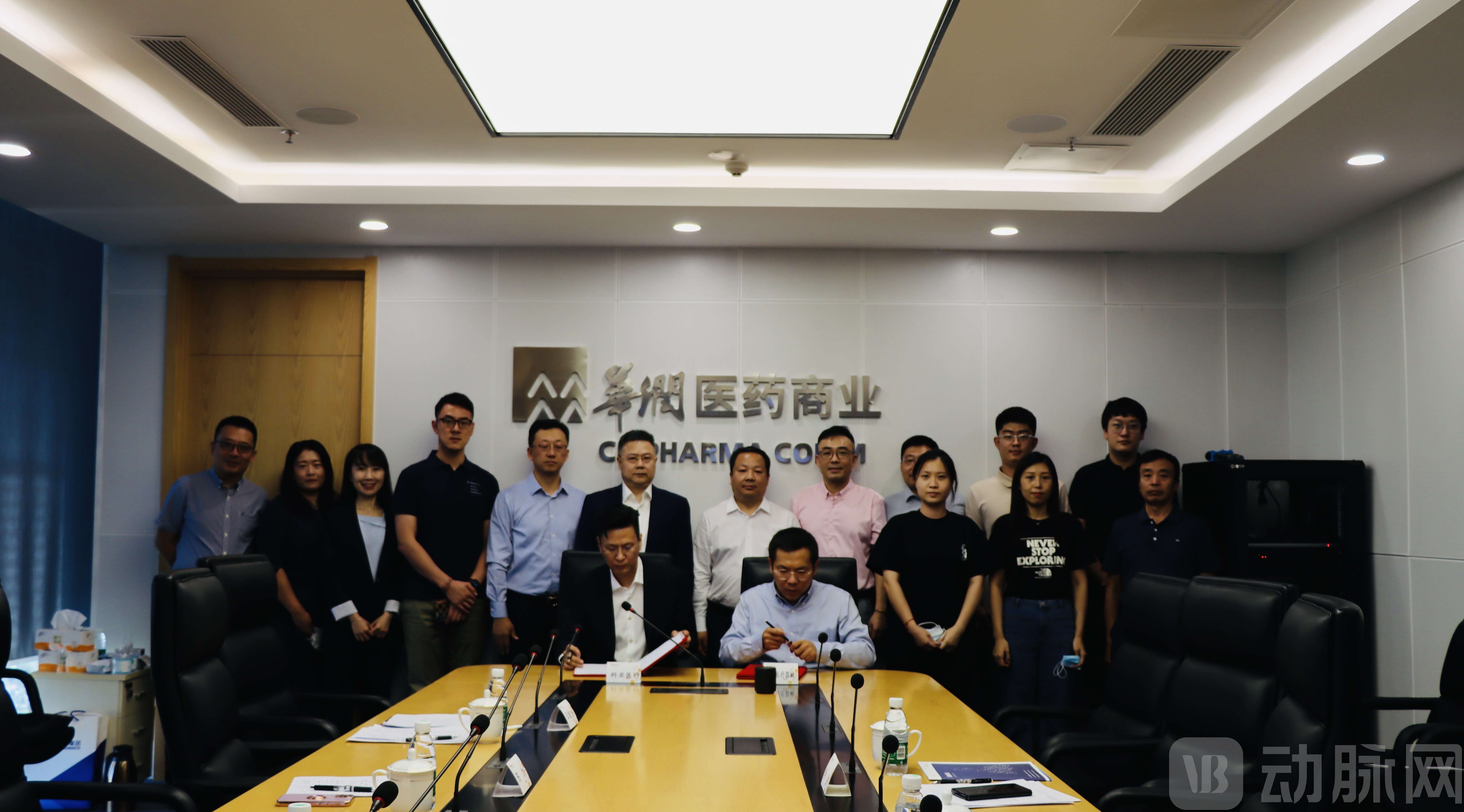 On-site of the Strategic Cooperation Signing Ceremony
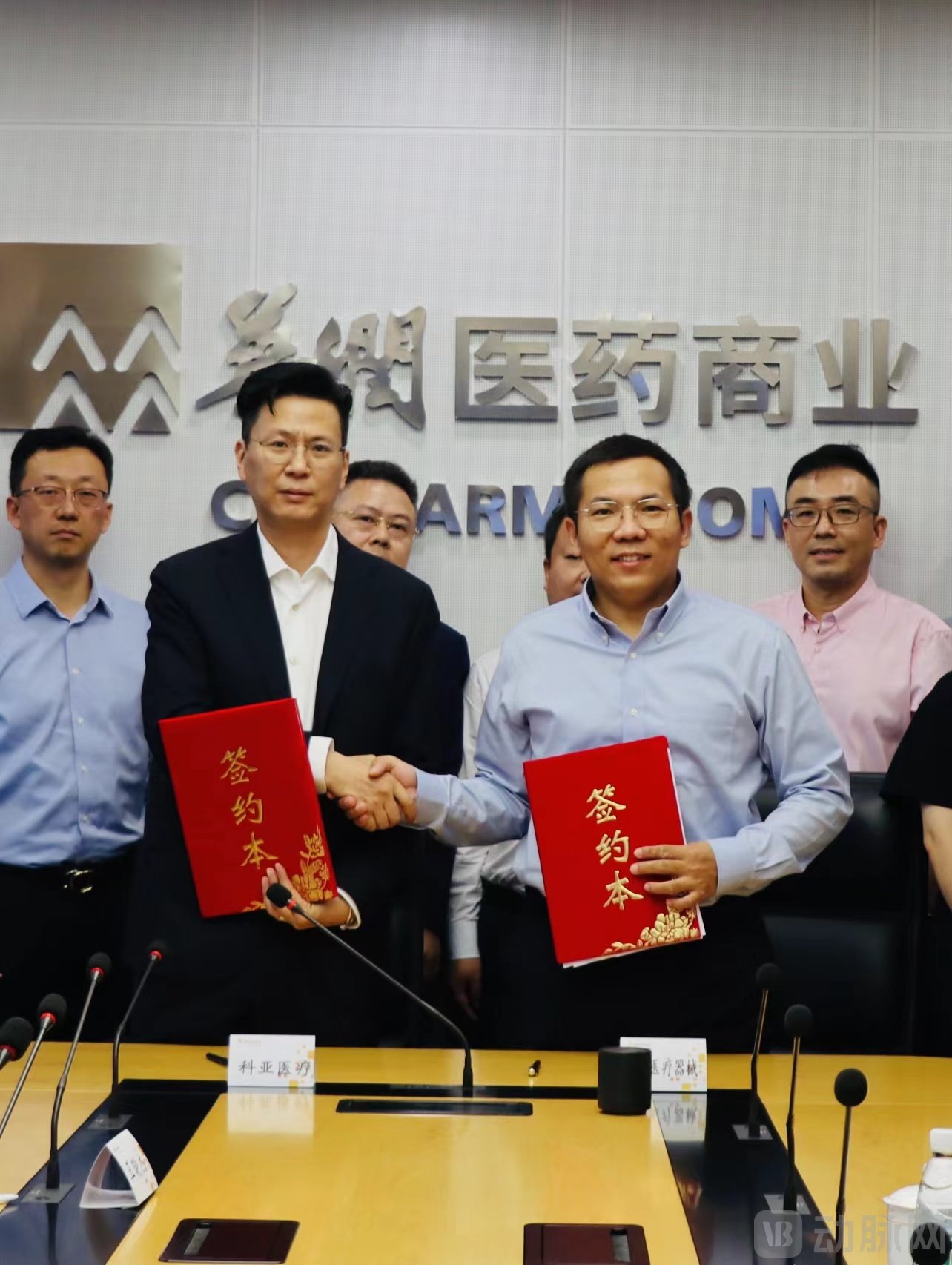
Scene of the Strategic Cooperation Signing Ceremony (Wang Liwei, Chairman and CEO of Keya Medical, is on the far left; Wang Xingkai, Chairman of China Resources Medical Devices, is on the far right)
At the signing ceremony, Chen Wei, Assistant General Manager of China Resources Pharmaceutical Commercial Group, stated that the initial intent of this collaboration was aligned with national policy requirements. According to the "Work Plan for Enhancing the Comprehensive Capabilities of County Hospitals under the 'Thousand Counties Project' (2021–2025)" issued by the National Health Commission in 2021, the overall requirements for enhancing the comprehensive capabilities of county hospitals under the "Thousand Counties Project" were clearly defined. The goal is to ensure that at least 1,000 county hospitals across China reach the medical service standards of tertiary hospitals by 2025. Against this backdrop, China Resources Medical Devices, guided by its mission of "Co-creating a Better Life," has joined forces with Keya Medical. This strategic partnership not only demonstrates support for national policies but also reflects full confidence in Keya Medical’s products and technologies. Both parties aim to innovate service models and develop robust medical products and high-quality services tailored to local conditions in county-level areas. This initiative seeks to strengthen specialized clinical capabilities in resource-scarce regions, gradually improve the diagnosis and treatment of common and frequently occurring diseases within counties, and make due contributions to enhancing the public’s sense of health and well-being.
Wang Liwei, Chairman and CEO of Keya Medical, stated in his address that the "Healthy China Action (2019–2030)" includes the "Prevention and Control of Cardiovascular and Cerebrovascular Diseases" as one of its 15 major special initiatives. Keya Medical’s AI products had already been meticulously developed prior to this policy rollout. Its independently developed products, DeepVessel FFR and DeepVessel Analytics, cover three major clinical application areas: smart cardiology, smart neurology, and smart thoracic care. These solutions have been clinically deployed in over 1,100 hospitals across 28 provinces, municipalities, and autonomous regions throughout China."We must enhance our sense of mission and responsibility, proactively shoulder our duties, focus on big data and artificial intelligence technologies, and fully consider their practical implementation in county-level medical institutions," said Wang Liwei, outlining his vision. Driven by original AI technology and grounded in thorough research into clinical needs, Keya Medical has applied artificial intelligence to the diagnosis, treatment, and management of diseases, with a primary focus on cardiovascular conditions. From disease screening and diagnosis to assisting physicians in determining treatment strategies during therapy, and further to applications in chronic disease management, these innovations will promote diagnostic and therapeutic capabilities as well as disciplinary development in cardiology and related departments at the county level.Wang Liwei believes that the core purpose of medical AI products is to help reduce costs and increase efficiency while improving the diagnostic and treatment standards of medical institutions at all levels. By fully unlocking hospitals' development potential, effectively expanding their service reach, alleviating the strain on medical resources, and promoting the rational allocation of healthcare resources, these technologies ultimately achieve a win-win outcome for the government, hospitals, and patients.
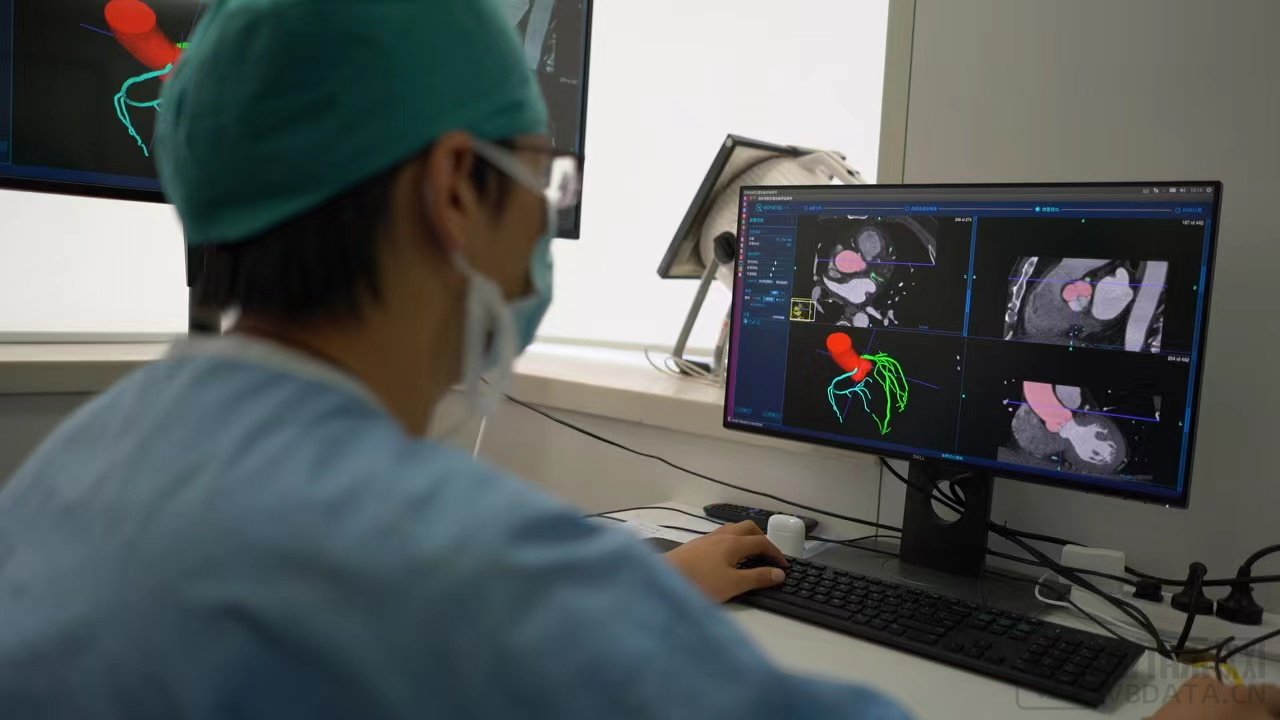
The image shows a cardiologist from the Chinese PLA General Hospital using DeepPulse Fraction DVFFR for patient diagnosis and treatment.
We believe that with the implementation of the comprehensive strategic partnership between China Resources Medical Devices and Keya Medical, both parties will continue to build consensus, leverage their complementary resource advantages, and capitalize on their respective professional and brand strengths. This collaboration aims to better serve the health needs of the Chinese people, promote the robust and orderly development of China’s healthcare industry, and contribute to the early realization of the “Healthy China 2030” goals.