

Zhongsheng Suyuan's First iPSC-Derived Cell Therapy NCR100 Receives IND Approval in China for Knee Osteoarthritis

Nuwacell
Cell Therapy Product Developer
Recently,The Center for Drug Evaluation (CDE) of the National Medical Products Administration (NMPA) of China has approved the clinical trial application (Acceptance No.: CXSL2200291) for “NCR100 Injection” developed by Anhui Zhongsheng Traceability Biotechnology Co., Ltd. (hereinafter referred to as “Zhongsheng Traceability”). The proposed indication is knee osteoarthritis.
It is reported that,NCR100 Injection is a formulation of mesenchymal-like cells (iMSCs) derived from human induced pluripotent stem cells (hiPSCs).Mesenchymal-like cells are a type of adult stem cell with the potential to differentiate into bone, cartilage, and adipose tissue. They possess potent immunomodulatory functions and can be used to treat tissue injury repair, autoimmune diseases, graft-versus-host disease after organ transplantation, cardiovascular diseases, and nervous system disorders. Additionally, they can serve as vectors for gene therapy.
This is the first iPSC-derived cell product to receive domestic IND approval, developed by Anhui Zhongsheng Traceability Biotechnology Co., Ltd. after six years of dedicated research and development since its establishment in 2016. Currently, among the clinical applications of iPSC-derived MSCs being conducted globally, Australian pharmaceutical company Cynata Therapeutics has made the most rapid progress in its clinical trials. In China, Anhui Zhongsheng Traceability is poised to take the lead in this field.
Dr. Junying Yu, founder of Zhongsheng Traceability, is dedicated to the translation of hiPSC technology from research to application and the development of related cell therapy products. She published landmark academic findings on the reprogramming-based generation of hiPSCs in the prestigious international journal Science and possesses extensive experience in the industrial translation of hiPSC technologies both domestically and internationally.
Seizing this opportunity, VCBeat promptly invited Dr. Yu Junying for an in-depth interview.
One of the International Pioneers of hiPSC Technology
In 1996, the birth of Dolly the cloned sheep caused a worldwide sensation, sparking intense discussion and research within the academic community, and also igniting the curiosity of Yu Junying, who was then a student at the School of Life Sciences, Peking University.
Dolly was the result of scientists transplanting mammary gland cells from a ewe into enucleated oocytes, which demonstrated that mature oocytes possess the ability to reprogram fully differentiated cells back to an early developmental state. But why do oocytes have this capability? This question became a subject of great interest to Yu Junying and motivated her to pursue graduate studies in the United States.
In 1997, Junying Yu entered the Department of Biology at the University of Pennsylvania for advanced studies and was awarded a Ph.D. in Cell and Molecular Biology. During her doctoral studies, she discovered that reprogramming capacity is the mechanism by which oocytes can revert fully differentiated cells to an early developmental state. The five years of her doctoral program passed quickly. Although she had identified the existence of reprogramming capacity, Dr. Yu recognized that there was still a long way to go to truly understand this cellular phenomenon. Furthermore, given the scarcity of oocyte materials for research, she realized that a shift in approach was necessary to conduct more in-depth investigations.
Yu Junying learned that, in addition to oocytes, embryonic stem cells also possess reprogramming capacity. After earning her Ph.D., she joined Dr. James Thomson’s research group at the University of Wisconsin–Madison for postdoctoral training. In 1998, Thomson’s team was the first in the world to derive human embryonic stem cells (hESCs) from embryos, earning James Thomson the title of “the father of embryonic stem cells.” With James Thomson’s support, Yu Junying’s first research project was to demonstrate the reprogramming capacity of human embryonic stem cells.
In 2007, Junying Yu, as the first and corresponding author, reported in *Science* a major research breakthrough: the successful conversion of human skin cells into induced pluripotent stem cells (iPSCs) under in vitro culture conditions, pioneering the hiPSC reprogramming technology.The research group of Shinya Yamanaka, who was awarded the 2012 Nobel Prize in Physiology or Medicine, published identical findings concurrently with Yu Junying.
This is a landmark research achievement. According to Junying Yu, its greatest scientific significance lies in demonstrating that the differentiated state of cells can be reversed through simple technical means, fundamentally altering our understanding of cellular differentiation. In the early stages of this study, Yu believed that fully reverting differentiated cells to a pluripotent state was a highly complex scientific challenge; however, it ultimately proved to be much simpler. “In fact, the genes governing this reversible process have long existed. This study provides the first proof that we can use simple gene-editing techniques to revert differentiated cells to a pluripotent state,” Yu explained.
Yu Junying’s research findings not only hold significant scientific importance but also lay the foundation for her subsequent efforts to address and resolve practical application challenges associated with human embryonic stem cells. In Yu Junying’s view, human embryonic stem cells face difficulties in immune matching, a problem that hiPSC technology is poised to solve.In 2009, Science published Junying Yu’s new research findings, which achieved the generation of hiPSCs without transgenic integration. This non-integrating reprogramming technology, pioneered by her, has opened the door to the clinical application of hiPSC-derived cell products.
Yu Junying has never been solely focused on achieving scientific research outcomes; she is more committed to translating these findings into practical applications, implementing them in clinical settings, and realizing the true application value of human induced pluripotent stem cells (hiPSCs).
In 2009, Dr. Junying Yu joined Cellular Dynamics International, founded by Dr. James Thomson, where she headed the Advanced Research Division and dedicated her efforts to translating hiPSC technology from research to production and developing related cell-based products.
This marked Yu Junying’s first transition from academia to industry, an experience she found invaluable. “Translating academic achievements into products is no simple task, particularly during the process development phase, which demands greater innovative input. In fact, product development innovation in industry needs to stay ahead of that in research institutions.” During her six years at Cellular Dynamics, the company achieved large-scale production of various functional cell types derived from human induced pluripotent stem cells (hiPSCs).
For Yu Junying, the greatest takeaway from her time at Cellular Dynamics was learning how to solve problems step by step and ultimately achieve product translation in a down-to-earth manner. Yet she is not content with the status quo,

Develop three functional cell technology platforms to enable parallel development of multiple product pipelines
Upon her return to China, Yu Junying did not immediately embark on entrepreneurship. She had considered joining domestic research institutes, but this path would not have enabled the clinical translation of hiPSC-derived cell therapies. When she returned to China in 2015, there was a significant gap between China and foreign countries in their understanding of hiPSCs. Not only was academic research confined to basic studies, but only one or two companies in the industry were focusing on this area. Moreover, there were still debates within China regarding the hiPSC field.
The domestic industrial environment made Yu Junying realize that only by doing it herself could she truly get things done.
In 2016, Zhongsheng Traceability, a company dedicated to the R&D and clinical translation of hiPSC technology, was established in Hefei, Anhui.At its inception, Yu Junying had already defined the company’s ultimate development goal: to produce hiPSC-derived cell products as pharmaceutical drugs, rather than promoting them merely as application technologies.
Guided by this corporate positioning, Zhongsheng Traceability has developed three functional cell platforms—iMSC, iNK, and imDAP—along with multiple corresponding cell therapy pipelines, among which the iMSC pipeline is advancing most rapidly.
iPSC-Derived iMSC (Mesenchymal-Like Cell) Formulation
Currently, the cellular sources for mesenchymal stem cell (MSC) therapy in China are primarily categorized into autologous sources, such as bone marrow and adipose tissue, and allogeneic sources, such as umbilical cord and placenta. However, the use of MSCs from either autologous or allogeneic sources is commonly associated with challenges including difficult procurement, short shelf life, limited total output per production batch, and high heterogeneity in cell quality. Furthermore, issues such as a significant age-related decline in MSC quantity and expansion potential, as well as a marked reduction in differentiation capacity, are frequently observed. These drawbacks largely contribute to the inconsistent therapeutic efficacy of adult-derived MSCs.
To address these challenges, Anhui Zhongsheng Traceability Biotechnology Co., Ltd. has opted to employ induced pluripotent stem cell (iPSC) technology for the industrial-scale production of induced mesenchymal stem cells (iMSCs), thereby achieving standardization and controllability in MSC-based therapies. By increasing the initial quantity of human iPSCs (hiPSCs), the company produces the “youngest” iMSCs, which possess the robust proliferative capacity and complete differentiation potential characteristic of embryonic or neonatal stages, thus eliminating the need for excessive MSC expansion to attain the required cell numbers.
By optimizing its manufacturing process, Zhongsheng Traceability is now capable of producing induced mesenchymal stem cells (iMSCs) with specific differentiation propensities and applying them to the treatment of target diseases.
iPSC-derived iNK (Natural Killer Cell) Formulation
Autologous immune cell products face challenges such as limited production scale, significant difficulties in quality control, prolonged manufacturing cycles, and high treatment costs. Consequently, the development of “off-the-shelf” allogeneic cell therapy products has become one of the primary directions in the field of tumor immunotherapy.
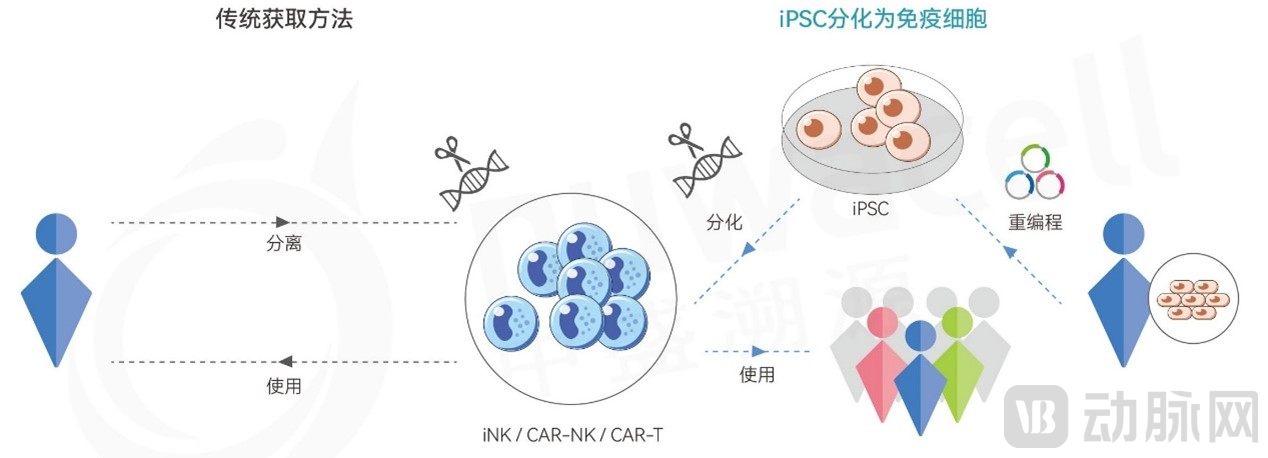
Meanwhile, the potential of CAR-engineered NK cells has also garnered attention. By expressing chimeric receptors specific to tumor-associated antigens on the surface of NK cells, these cells are enabled to selectively recognize and destroy tumor cells.
Currently, Anhui Zhongsheng Traceability Biotechnology Co., Ltd. has established a research and development and production platform for hiPSC-derived immune cells. Leveraging an efficient system for the directed differentiation and activation of NK cells, the company has produced and validated the cytotoxic efficacy and safety of its NK cells against tumor cells. Its independently developed NK cell product has entered the regulatory filing stage.
iPSC-Derived imDAP (Dopaminergic Neural Progenitor Cell) Injection
Current evidence indicates that dopamine deficiency caused by the degeneration of midbrain dopaminergic (DA) neurons is one of the primary causes of Parkinson’s disease. To address this issue, Zhongsheng Traceability utilizes iPSC technology to differentiate a sufficient quantity of healthy DA neural precursor cells in vitro. These cells are then selectively transplanted into the brain’s striatum to replace lost DA neurons and reconstruct the physiological dopamine delivery system, offering new therapeutic possibilities for Parkinson’s disease.
Chinese Super-Donor iPSC Cell Bank
In addition to continuously advancing its product pipeline, Anhui Zhongsheng Traceability Biotechnology Co., Ltd. has been committed to building a super-donor stem cell bank tailored to the Chinese population. In Yu Junying’s view, although companies can technically prepare iPSC-based products for each individual patient, such a personalized approach incurs prohibitive costs, which contradicts her original intention of developing universally accessible cell therapies affordable to the general public.
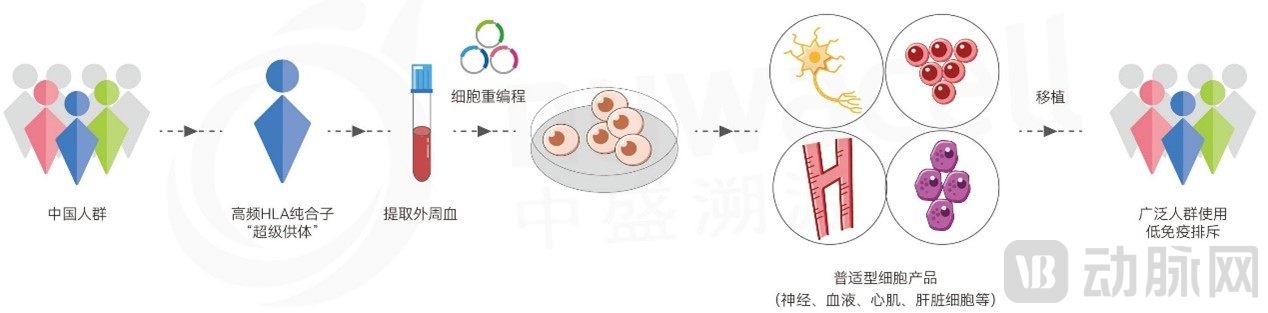
Regarding the establishment of a super-donor iPSC cell bank, Yu Junying stated, “A single super-donor can cover tens of millions of people.” Currently, the United States, Japan, the European Union, and South Korea are all establishing super-donor iPSC cell banks. Anhui Zhongsheng Traceability Biotechnology Co., Ltd. has also long been active in this field. Since the successful preparation of the first super-donor iPSC line from the Chinese population in September 2018, the company has successfully prepared and stored pluripotent stem cell lines from 30 super-donors. Based on estimates using five-locus full HLA matching, these lines can cover approximately 20% of the national population, equivalent to 300 million people in China. Furthermore, the company has established standardized protocols and quality control standards for the clinical-grade preparation and banking of hiPSCs.
The iPSC Sector Remains in Its Early Stages of Development
Yu Junying recalled the arduous process of establishing Anhui Zhongsheng Traceability Biotechnology Co., Ltd. To her surprise, even the company’s laboratory had to be built from scratch, starting with an unfinished shell. To construct a high-standard laboratory, Yu spent nearly a year on preliminary research, design, and renovation. “Looking back, I still feel it was well worth the effort. The laboratory successfully balances purification and energy efficiency.”
Today, Anhui Zhongsheng Traceability Biotechnology Co., Ltd. not only possesses professional laboratories but has also established cell R&D and production facilities compliant with cGMP requirements.
Following the commissioning of the laboratory, Anhui Zhongsheng Traceability Biotechnology Co., Ltd. gradually stabilized its operations. However, inconsistencies in the quality of upstream raw materials led to unstable culture quality for induced pluripotent stem cells (iPSCs). Influenced by factors such as cell culture quality, upstream raw material costs, and supply reliability, Dr. Junying Yu decided to have Zhongsheng Traceability independently develop these raw materials to support the research, development, and production of iPSC-derived cellular products.
Driven by the industrial environment at the time, Anhui Zhongsheng Traceability Biotechnology Co., Ltd. naturally established a business segment for upstream raw material production. Yu Junying noted that the production of cell therapies in China heavily relied on imported raw materials, which was not conducive to the healthy growth of domestic pharmaceutical companies.Anhui Zhongsheng Traceability Biotechnology Co., Ltd.’s clinical-grade pluripotent stem cell culture and differentiation raw material system features independently developed and manufactured core reagents and culture media. This not only establishes a safe and reliable supply chain of production materials to support the company’s iPSC-based new drug development but also, from an industrial perspective, offers the potential to reduce production costs and achieve import substitution for China’s upstream tool and raw material sector.
Yu Junying believes that although the domestic iPSC sector has entered a golden age of investment in recent years, it remains in its early stages, resembling the state of antibody drugs around 2010. However, “iPSC-derived cell products are more complex, as manufacturing processes vary by cell type; therefore, further standardization is needed in both industry development and government regulation.”
Amid the ongoing investment frenzy in the iPSC sector, Anhui Zhongsheng Traceability Biotechnology Co., Ltd. has maintained a focused commitment to R&D, advancing steadily. Dr. Junying Yu aims to accelerate the entry of its product pipelines into clinical trials, with the goal of bringing products to market to meet clinical needs. Meanwhile, she also looks forward to partnering with suitable pharmaceutical companies to jointly develop cell-based therapies, thereby achieving the clinical translation of iPSC technology at an early date.