

Hangzhou-Based BrainCo Raises $500M, Becomes World’s No.2 in Non-Invasive BCI with $17B Market Opportunity

BrainCo
Non-invasive brain-computer interface technology solution provider

Neuralink
Brain-Computer Interface System Developer

Merge Labs
Non-invasive brain-computer interface technology research provider

Author | Pencil Dao Xiwen
Editor | Pencil Dao Wang Fang, Zou Wei
This year, $8 billion in global financing has flowed into brain-computer interfaces. But you might not know: the company with the second-highest global financing is not in the United States, but in Hangzhou, China.
It is one of Hangzhou's six rising stars — BrainCo.
As of early this year, it completed financing of approximately US$500 million (about 3.4 billion yuan), second only to Neuralink under Musk; its valuation exceeded 12 billion yuan, making it the first brain-computer interface unicorn in China.
On April 20, Pencil News visited BrainCo in Hangzhou to explore a few questions:Brain-Computer Interface: Musk is working on it, Altman is investing in it, the market is at least $400 billion (3 trillion yuan). But is the technology real? Are there any users for the product? Can the business make money? Are there any new opportunities?
Examining the Key Points, Summarized into 8 Critical Questions, to Help You Understand: Why is Brain-Computer Interface So Popular, and What Are Its Core Opportunities?
By reading this article, you will gain the following insights:
1. Why has brain-computer interface suddenly become popular again? Is it another round of "sounds impressive, but can't be implemented" story?
2. Why are the first people whose lives will be changed by brain-computer interfaces the 5 million people who are almost invisible due to their disabilities?
3. How difficult is it to create brain-computer interfaces? Why do some say it's like "hearing a mosquito buzz from 50 kilometers away"?
4. Surgery, No Surgery, Semi-Surgery: Which Technical Route is More Reliable?
5. Which products are still in the lab, and which ones are already being used daily without your knowledge?
6. How mature is the product? I heard someone has already used a bionic hand to hammer nails.
7. How about the business model? At a price range of 100,000 to 1 million yuan, how many ordinary people can benefit from it?
Disclaimer: The main content of this article was collected and obtained by Pencil Dao, based on authoritative public information. Some images are from the BrainCo official website, and some images were co-created by Pencil Dao and AI. It does not constitute any investment advice.
Why Brain-Computer Interface Suddenly Gains Popularity Again?
Conclusion first: This wave of heat didn't come out of nowhere. Behind it, there are actually several forces simultaneously converging on a single point.
1. Musk has brought this matter to the forefront.
Musk started Neuralink in 2016, a year and a half later than BrainCo. But by 2026, Neuralink has already announced plans for mass production.
The significance of this event lies in —— previous brain-computer interfaces were more like laboratory experiments. But now, for the first time, they have been continuously brought into the public eye by someone "with significant influence."
2. Not only Musk, but Altman (the founder of OpenAI) has also entered.
If it were just Musk, this would be understandable. But the problem is, Altman has also gotten involved.
In early 2026, he co-founded a brain-computer interface company called Merge Labs, into which OpenAI invested $250 million.
Musk and Altman simultaneously heavily invest in one track, which is actually quite rare.
3. The essential demand behind it is actually a "huge disease category."
Why are they both targeting brain-computer interfaces at the same time? Because it can treat a critical illness.
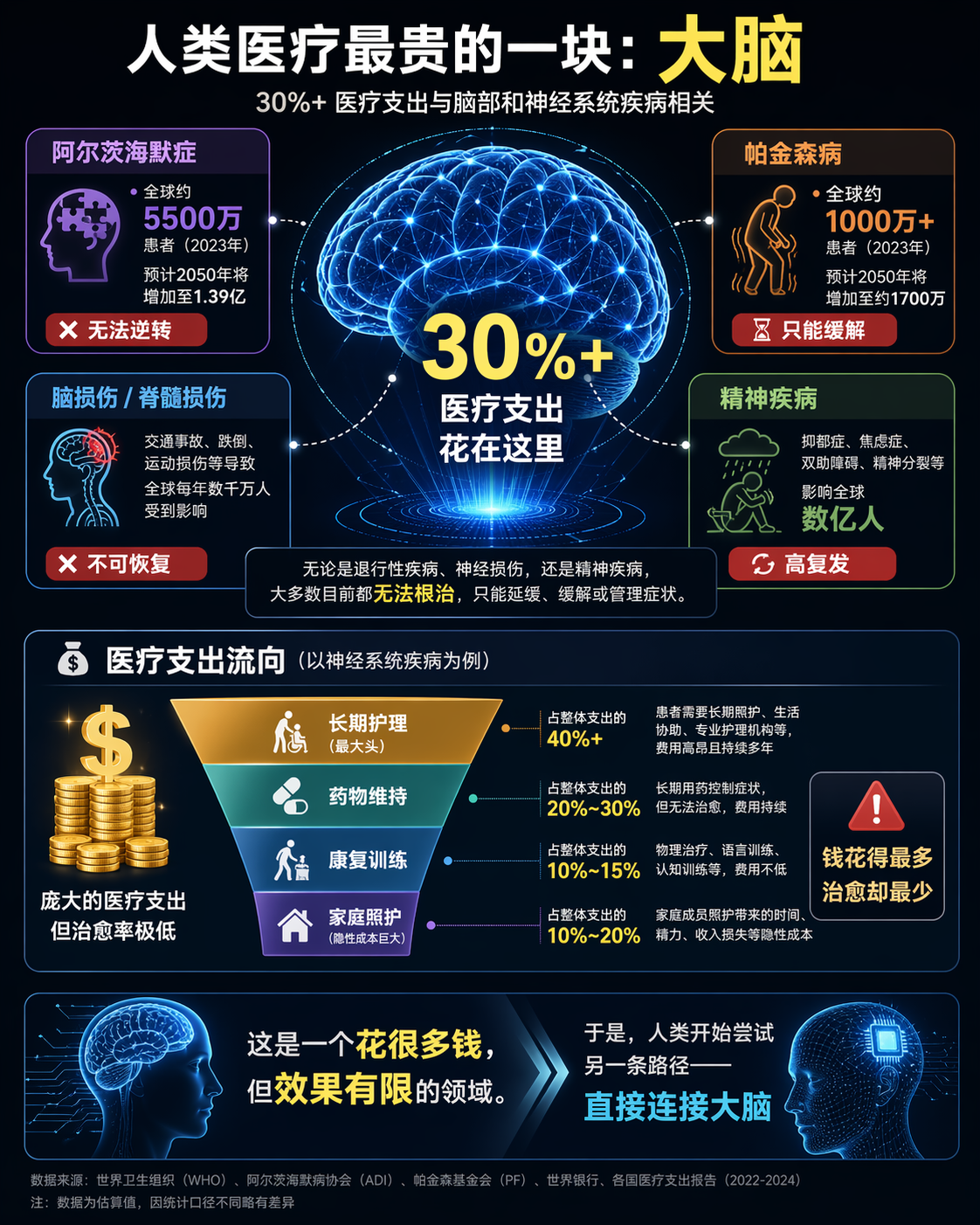
Currently, over 30% of human healthcare spending is related to brain and nervous system diseases. However, these diseases share one common characteristic – many of them are "incurable," such as Alzheimer's, Parkinson's, and nerve damage...
Medications can alleviate symptoms, but it's hard to truly solve the underlying issues. On the other hand, brain-computer interfaces are considered to potentially rewrite these problems at their core.
4. How big is the market? Big to the point of being abstract.
A set of data from Morgan Stanley: In the future, the brain-computer interface could potentially become a $400 billion market in the U.S. healthcare sector alone.
This number, if heard directly, seems to evoke no particular feeling.
If you say, it is almost equivalent to the scale of China's entire new energy vehicle industry in one year —— does it become specific all at once?
5. Heat is not only shouted by the media, the industry starts to get busy.
The "hype" in many fields often stays in the news. But this wave of brain-computer interface is somewhat different.
BrainCo revealed that the number of inquiries for cooperation and procurement negotiations in the first quarter of this year was five times that of the same period last year.
Whereas the same period last year, it was already pretty hot — "That was when Hangzhou's 'Six Little Dragons' were at their peak of popularity."
6. Even universities have begun to "collectively shift direction."
During the visit, BrainCo mentioned a detail: many universities in China have started to significantly increase their investment in brain-computer interfaces. People who originally worked on robotics, AI, and neuroscience are also shifting towards this field.
This is actually a very typical signal: a direction has started to "attract people."
The first to change were 5 million severely disabled individuals.
Many people talk about brain-computer interfaces, and the first reaction is: future humans, superpowers, science fiction world.
But the fact is, the first thing this stuff changes is not "future humans," but a group of people you've hardly "seen."
1. How many of China's 5 million severely disabled people have you seen?
A statistic shows that: There are approximately 24 million people with physical disabilities in China. Among them, nearly 5 million have had their hands or feet amputated.
Here's the question — how many of them have you seen? Most people will pause for a moment. Every day, when we go to work, take the subway, or visit shopping malls, we hardly see these people. But in fact, they are just hidden where you can't see them.
2. They stayed hidden at home, not going out.
Han Bicheng once said: "I lived in China for 19 years, and I hardly ever saw anyone without hands or feet."
To figure this out, he conducted a very "dumb" research: he visited more than 100 families of disabled people without hands, intending to map out their two-week travel trajectories - similar to the exercise records in our mobile phones, line by line.
As a result, two weeks later, they didn't draw anything. It wasn't due to insufficient data—there simply was no trajectory.
The real movement trajectories of 100 people, when finally drawn, become 100 points. Each point stops at the same place: home.
It was only then that they realized: these people were not non-existent, but trapped at home.
3. Brain-computer interfaces are liberating them.
Previously, these 5 million people have long stayed at home and needed family members to take care of them. The reality is often this: one disabled person means that at least one person in the family has to accompany them for a long time. Not for a few months, but for many years.
And for now, what brain-computer interfaces need to address is a very fundamental question: Can they enable these people to walk out of their homes again?
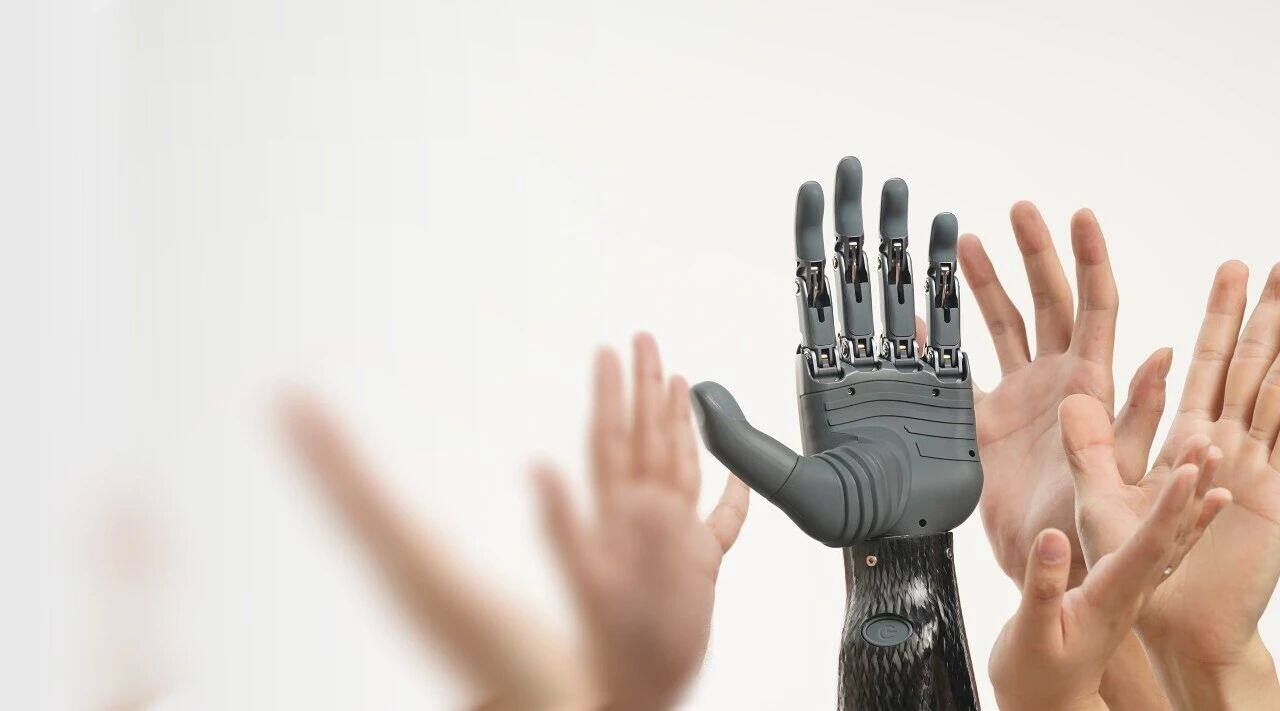
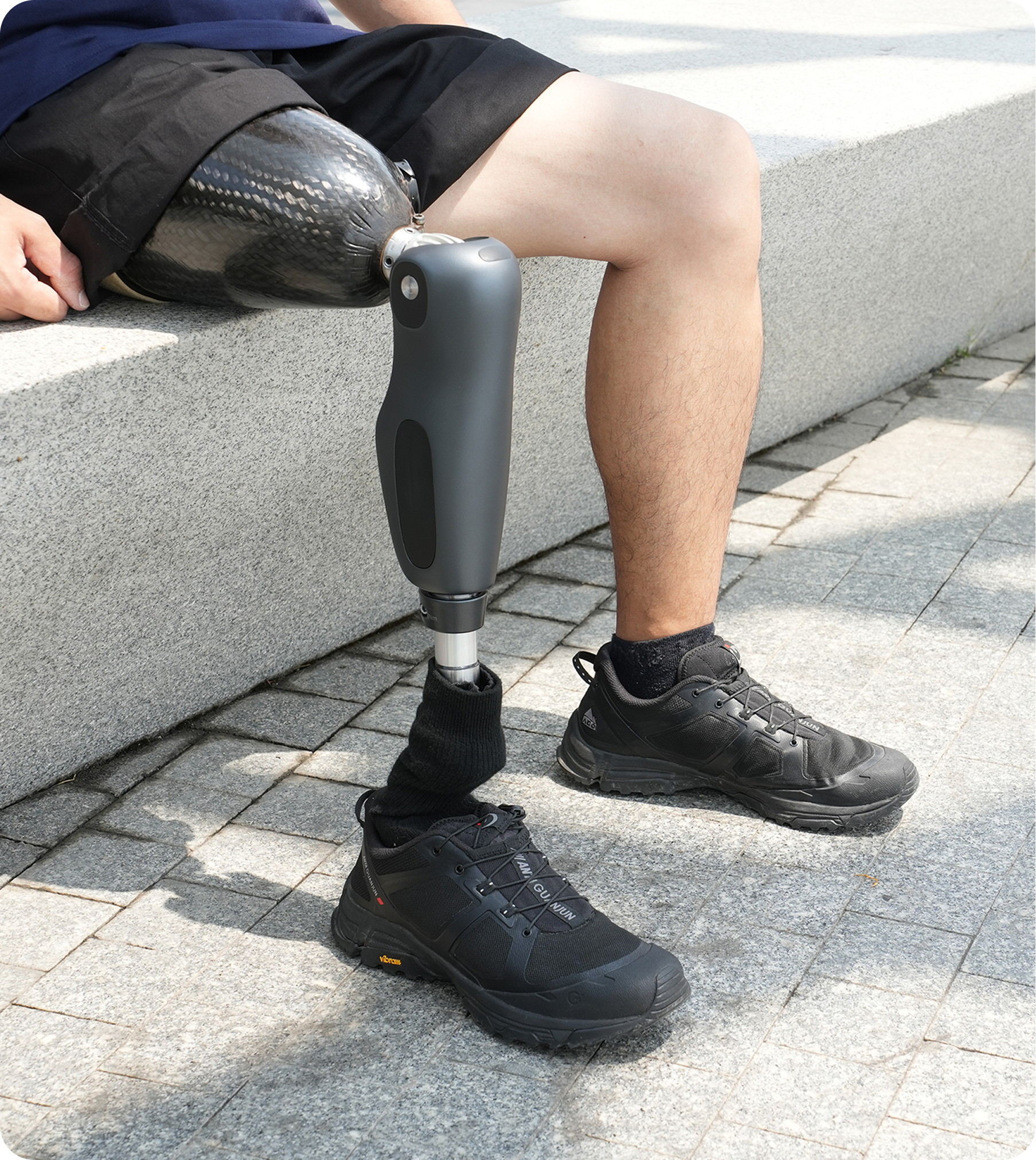
Among these 5 million people, some have already used BrainCo's products, such as smart prosthetics designed for users with forearm and thigh amputations.
Craniotomy or No Craniotomy, Which Path Will Work?
Brain-computer interfaces have multiple technical routes, some requiring surgery and others not.
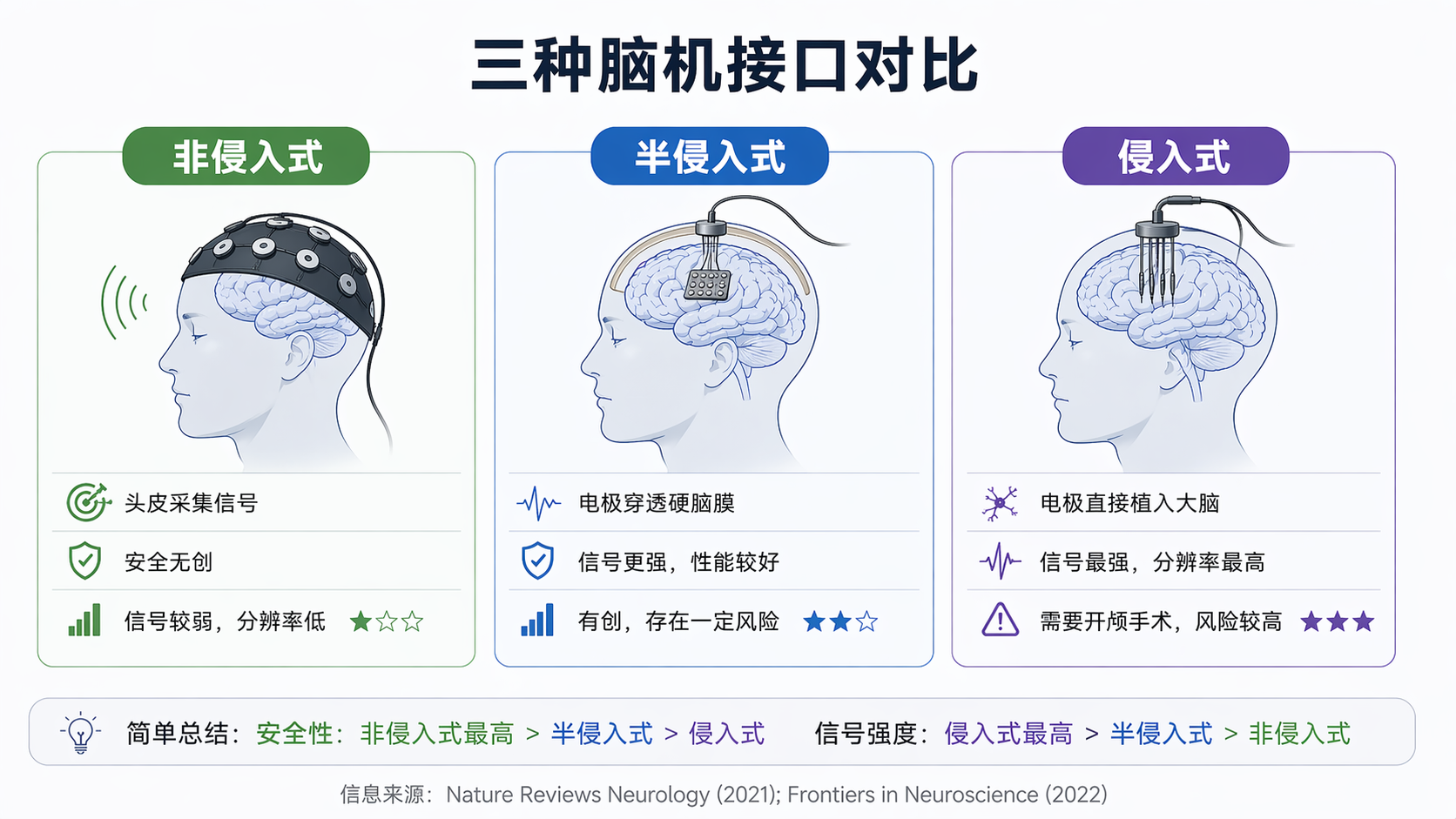
Many people, when they first hear about brain-computer interfaces, instinctively think: if the goal is to "read the brain," then the most direct method would be — to implant a chip, which means invasive.
But BrainCo didn't take this path from the very beginning.
1. Some doctors risk their lives as part of their research experiments.
There is an "extreme" true story.
A doctor named Philip Kennedy was very eager to advance brain-computer interface research. But the problem was — there were too few people (subjects) willing to undergo craniotomy.
Finally, he made a decision: to experiment on himself directly. He had his team implant two electrodes into his brain.
58 days later, due to the risk of infection, the two electrodes were removed. But what was even more astonishing was that — as soon as he finished the surgery and regained consciousness, he walked into the lab, talking while recording his own brain signals.
After listening to this story, it only leads to one conclusion: this could be a subject for scientific research, but it's hard to turn into a "product that ordinary people would want to use."
2. In terms of effectiveness, invasive methods are indeed the strongest.
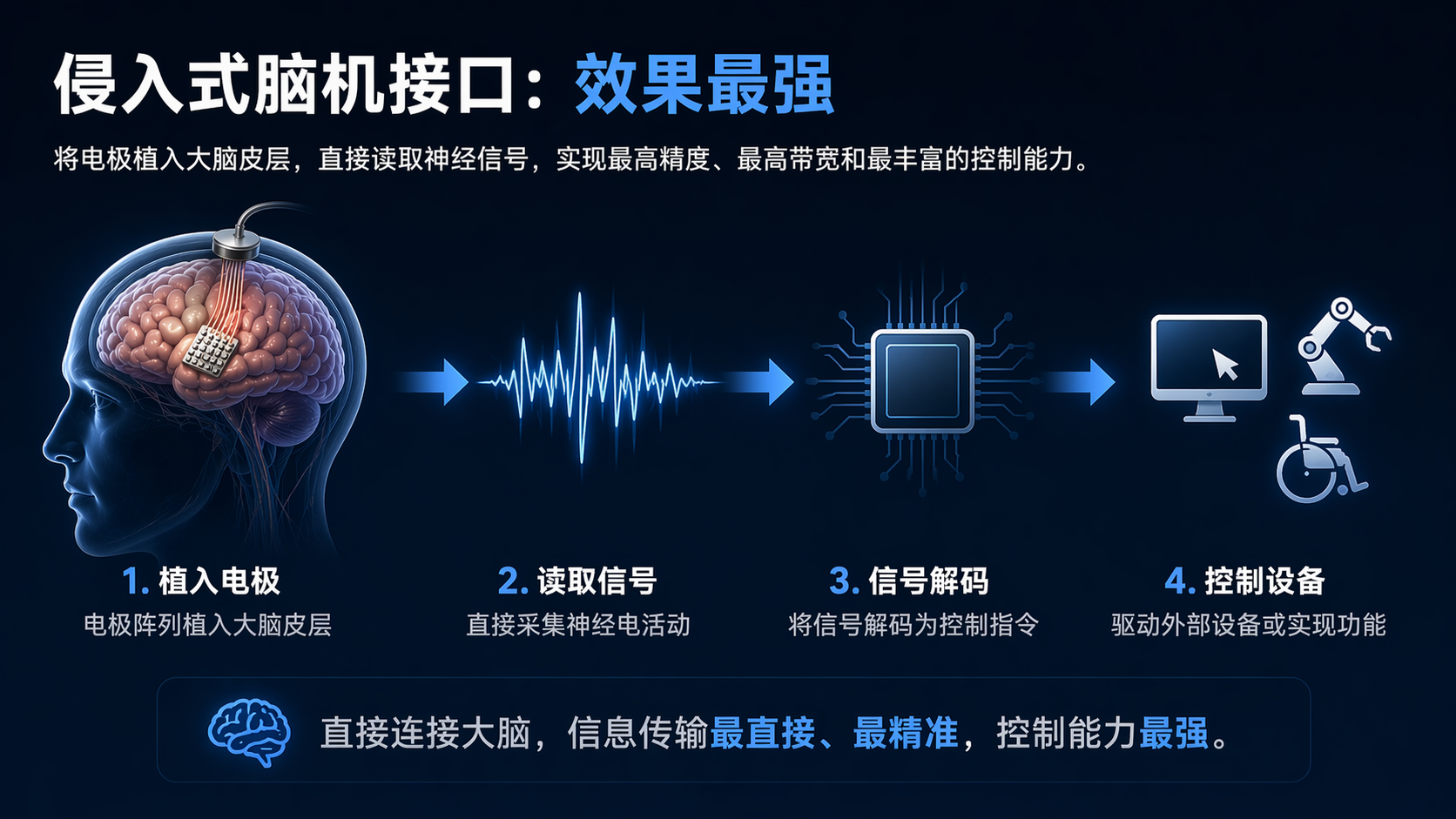
But on the other hand, why do people keep pursuing invasive methods? Because they really work.
An easy-to-understand analogy: Invasive is like listening to a concert from the VIP front row; non-invasive is more like standing outside the venue to listen.
One voice is crystal clear, while the other is full of noise.
The reason is also very simple: invasive methods involve placing electrodes directly into the cerebral cortex, which can record the firing of individual neurons, providing the cleanest signals. Neuralink (founded by Elon Musk) is following this approach.
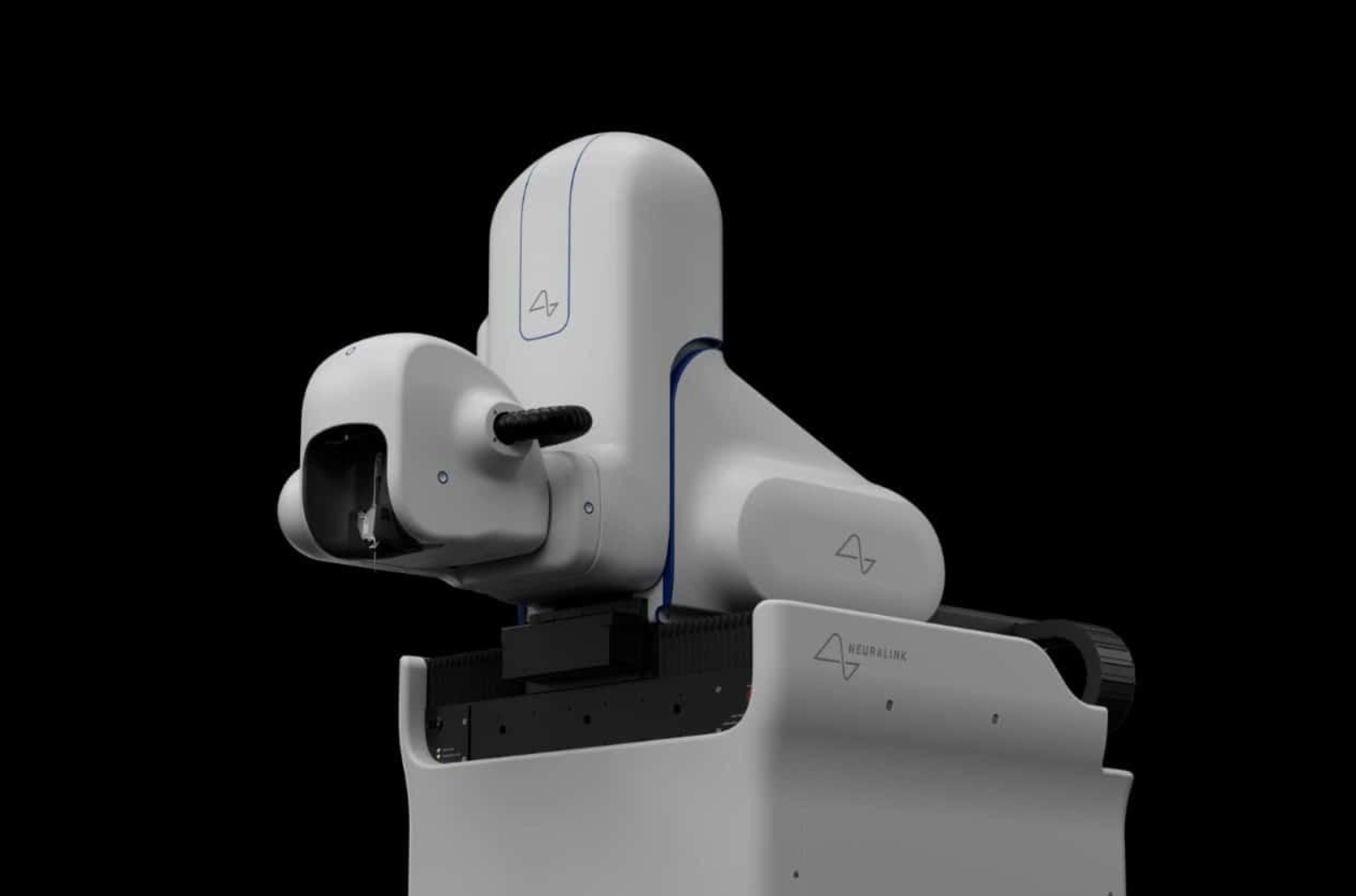
But the problem is: the body is not designed for electronic devices.
Inside the human body, it is actually not a suitable environment for electronic devices to work in: there is blood, tissue fluid, and various immune reactions.
Over time, a series of problems will arise: bleeding, rejection, electrode breakage, signal attenuation...
These problems, Neuralink has not truly solved at present.
They have indeed made many engineering optimizations, such as biocompatible enclosures, wireless charging, and electrode-implanting robots.
But no matter how strong the engineering capabilities are, it doesn't mean that these "fundamental issues" have disappeared.
3. Semi-invasive, which seems like a compromise, but it also comes with a cost.
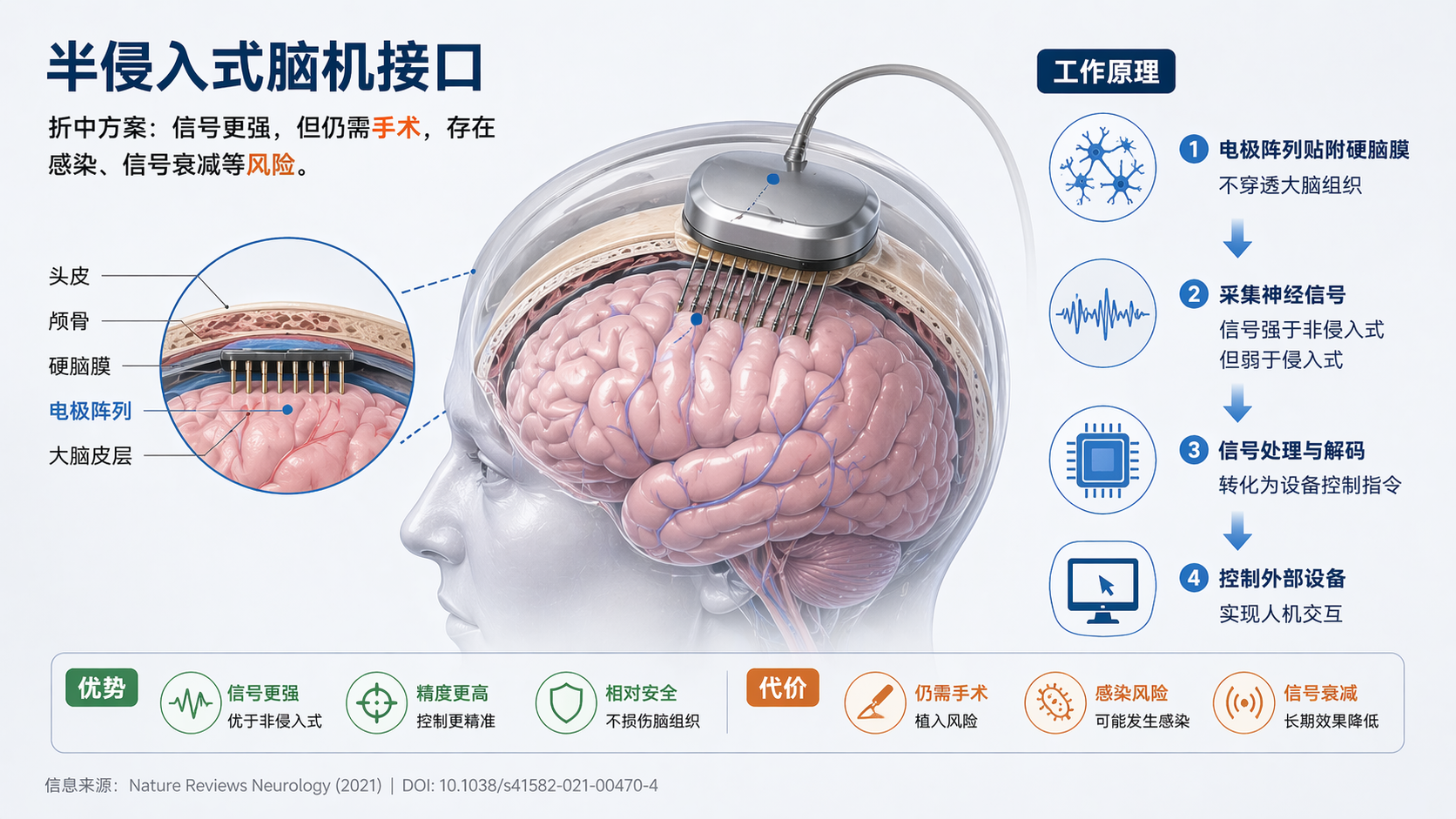
In simple terms, semi-invasive means: instead of directly opening the skull, the device is delivered near the brain through blood vessels.
It sounds milder. But avoiding one risk introduces another, such as blood clots.
So, essentially, it is not a "perfect solution," but rather a compromise.
4. Non-invasive is the safest, but also the most difficult.
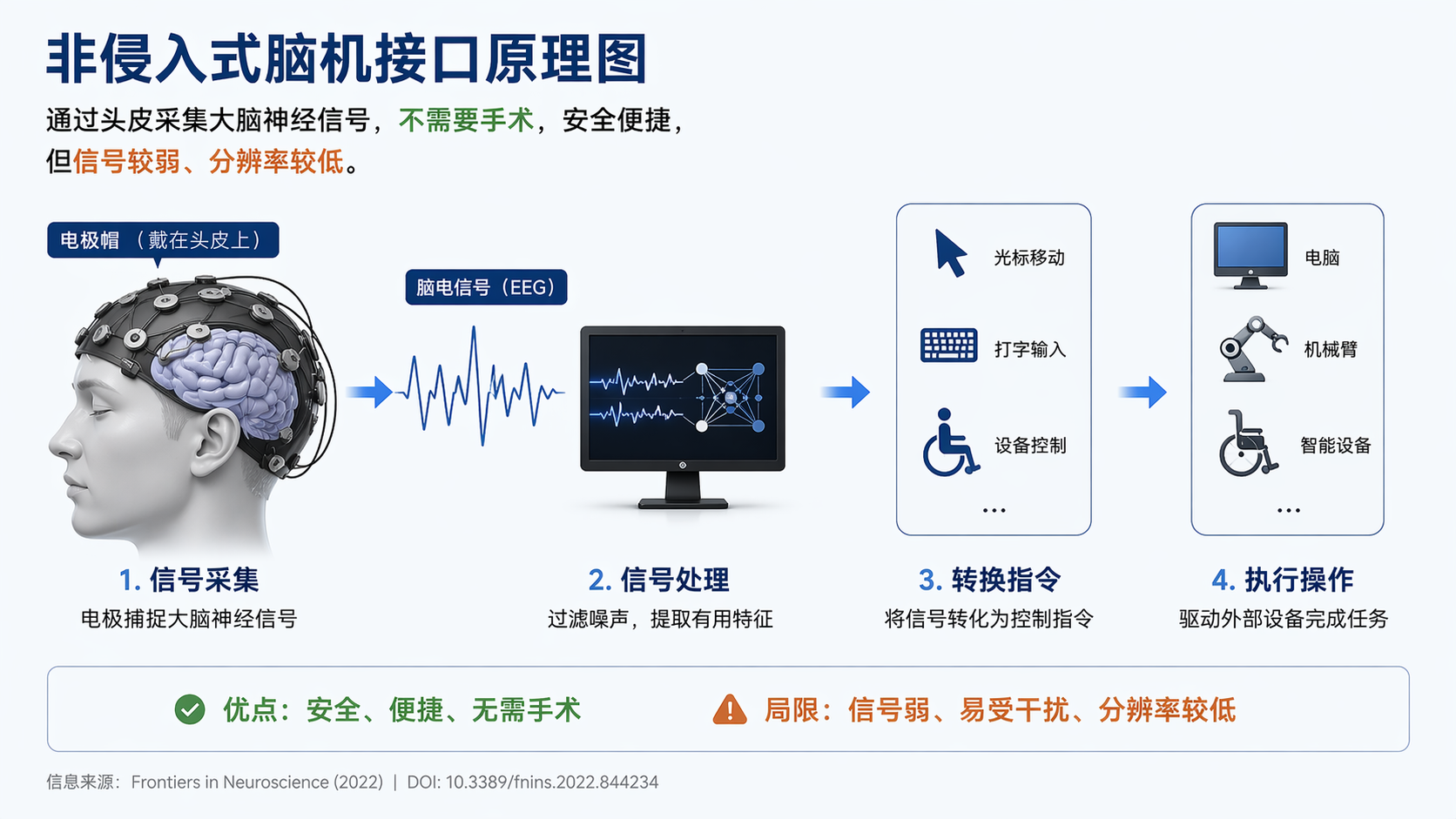
Finally, the route chosen by BrainCo is non-invasive.
The advantages are obvious: no surgery required, wearable on the head, and acceptable to ordinary people. But the problems are equally numerous: the signal is too weak, like trying to capture a very faint sound from a great distance.
How Difficult Is Non-Invasive, Really?
If I were to sum it up in one sentence: You want to understand the brain without picking up a scalpel. It’s like trying to capture the sound of a mosquito flapping its wings from 50 kilometers away.
Brain-Computer Interface, is it being used by anyone?
Our experience shows that: Not only have people used it, but they have also incorporated it into their daily lives.
1. Real case: A 9-year-old disabled person who lost both hands.
That day, we watched a video. The person in the footage lost both hands at the age of 9 after being injured by a homemade explosive device made in the village.
The focus is on what happened next: After being equipped with the BrainCo-powered smart prosthetic hand, what was he doing? Turning on the computer, pressing the power button, typing on the keyboard, inserting a USB drive, and operating with the mouse.
2. It's not just "movable," but "usable."
Many people's impression of prosthetics still停留在 “open, close”. But this hand, clearly not.
In the video, the user says that he can now: work out, do side pulls with dumbbells, ride a spinning bike, and even — write calligraphy.
You can understand it as: It’s not just "functional," but has already started to enter the "usable" stage.
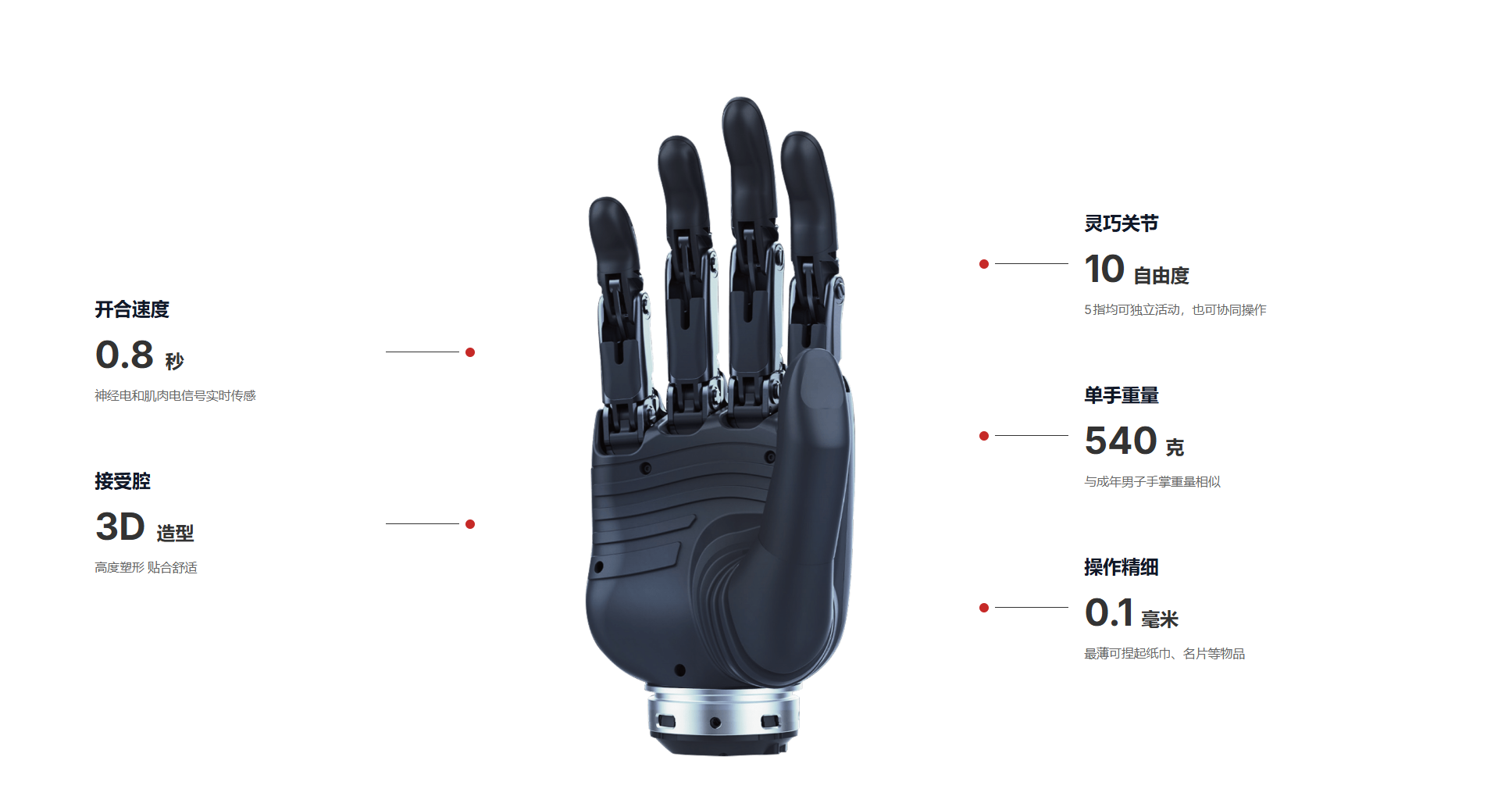
3. The key to usability is not strength, but fine control.
BrainCo introduced that many prosthetic hands nowadays essentially still have only two types of motions: "open" and "close." To perform different operations, users need to rely on shaking or switching postures to "change modes."
But what BrainCo is doing is something else: not switching modes, but direct control. Simply put — whichever finger you want to move, it moves that finger.
4. How long has the product been iterated?
In 2020, BrainCo's first-generation bionic hand product was mass-produced, capable of reading neural signals from the residual limb.
In 2023, able to play the piano fluently and write with a brush pen;
In 2024, it began to function more like a "real hand" and is still trying to make the appearance look more natural.
You can see a very clear path: from "functional" to "usable," and then to "as realistic as possible."
5. It is already "a new species."
This hand later received a rather significant award — TIME Magazine's Invention of the Year.
The reason given is: it may be the first time that humans have turned "controlling limbs with thoughts" into a usable product.
What are the other applications? Bionic hands, bionic legs, sleep devices, etc.
We have heard some interesting cases, and we think you will find them incredible too.
1. Bionic Hand: Some people use it to hammer nails.
BrainCo shared an interesting case. They have a user who comes in every few months to maintain their prosthetic hand.
Moreover, the maintenance location is very fixed — always the same position.
At first, the team was quite puzzled: according to the designed strength, this thing shouldn't break so easily.
So they decided to go and see how this person is using it.
On site, the mystery was revealed. This user lives in the countryside and usually has a lot of work to do.
He did something the engineers never expected: using this prosthetic hand to hammer nails every day, and he found it quite handy.
He also spoke very practically: "It's even more useful than a hammer, and it doesn't hurt anyway."
Strangely, the engineer's response was not to warn users against using it that way, as it would break. Instead, they thought: since users will use it this way, let's make it sturdier.
BrainCo later summarized the advantages of its own products: mainly focusing on sturdiness.
This hand: Dropped from a height of 5 meters, it remains undamaged in most cases; run over by a car, it also remains undamaged in most cases.
2. Bionic Leg: Capable of mountain climbing, rock climbing, and parachuting.
Many people may think that the hand is more complex and should be more difficult to handle. But the reality is —— the leg is more difficult.
A smart bionic leg doesn’t just "walk" — it stabilizes for you before you even realize you need it.
If it judges slowly or makes a wrong judgment, there will be only one result: falling.
So the difficulty is not about "whether it can move," but whether it can keep up with human rhythm.
But now, BrainCo's bionic leg can do some pretty impressive things. One of their colleagues, Xiao Lin, after being fitted with the smart bionic leg, climbed a 45-meter-high rock climbing wall in Dameisha, Shenzhen.
Mountaineering, surfing, parachuting... You name it, he's basically tried it all.
3. More devices.
In the AI Town of Hangzhou, at BrainCo's Experience Center, we saw many products.
For example, brain-computer interface modulation devices make the brain's state "visible and trainable."
1) Concentration Training Device: Determines the state of concentration through EEG signals and is used for concentration training.
2) ADHD Training System: A long-term training system designed for individuals with attention deficit.
3) Autism (ASD) Training: Improving cognition and behavior through feedback mechanisms.
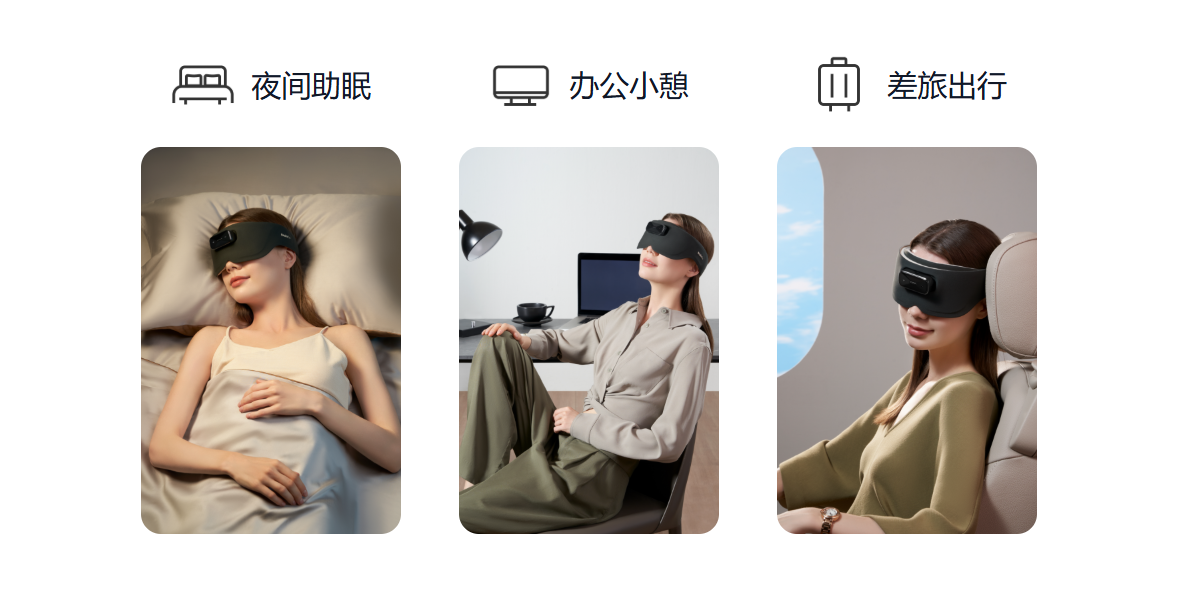
Such as sleep and health devices.
1) Sleep Monitoring and Intervention Devices: Determine sleep status through EEG data; help extend deep sleep and improve sleep onset quality.
For example, human-computer interaction devices that allow direct communication between the brain and machines.
1) Mind typing, mind communication (hands-free operation).
2) Fine motor intention recognition (using "thoughts" to control devices).
Application Stage: Has it gone into mass production?
What we are seeing is that the brain-computer interface industry in China has started to take on the appearance of a proper industry, rather than being just "a few labs doing their own thing."
1. It has already been mass-produced.
BrainCo achieved a mass production of 100,000 units in 2022. The key point here is not the "large quantity," but rather — brain-computer interfaces are inherently difficult to scale.
Because it deals with extremely weak neural signals, it requires high precision and stability. The ability to mass-produce means it is no longer just "a few devices in the lab" but is — starting to become a real product.
2. The regulatory system has been accepted.
BrainCo listed a series: U.S. FDA, European CE, China NMPA Class II medical device certification, as well as the first medical device certification for a wearable brain-computer interface device.
These things may sound a bit dry, but they represent one thing: the regulatory system is accepting it, and the product can legally enter the market.
3. Clinical trials have already begun.
BrainCo has conducted multi-center clinical research with the Shanghai Children's Medical Center and Hangzhou Children's Hospital, and the results have been positive.
Once it enters the clinical stage, it means that — this matter has begun to move from "technical validation" towards "real-world application."
4. Rules are being gradually established.
There is a more fundamental signal: relevant standards for brain-computer interfaces are now being formulated both in China and internationally.
Not just one or two, but dozens: from terminology and equipment to signal quality and clinical applications, rules are being slowly established.
And a set of standards usually takes 2 to 3 years from drafting to implementation.
What does this indicate? This industry has already begun to see people preparing for "long-term existence."
Who Will Foot the Bill for the High Price?
Speaking of this, there is actually a more realistic question that cannot be avoided: Who will buy such an expensive thing? Is it sustainable?
1. In the United States, this is already a "proven" business.
In the United States, the price of a smart prosthetic limb is approximately $100,000. It sounds expensive, but commercial insurance can fully cover it. Users not only don’t have to pay out of pocket, but every four years they can get a new one for free.
That is to say, in the United States, the logic behind this matter is: users can afford it, the healthcare system is willing to pay for it, and companies can make a profit.
Therefore, in the U.S. market, companies can quickly achieve self-sufficiency.
2. In China, prices are falling, but there are new challenges.
BrainCo has reduced the cost to one-fifth or even one-seventh of similar products in Europe and America through full independent research and development. What originally cost 700,000 to 1,000,000 yuan has now been brought down to around 100,000 yuan.
This is already a significant decrease. But the problem is — for those who truly need it, it's still too expensive.
A more realistic point is that, unlike the United States, the relevant commercial insurance system in China is not yet well-developed, and in many cases, individuals need to bear most of the costs.
3. How to make it more affordable for more people? ESG model.
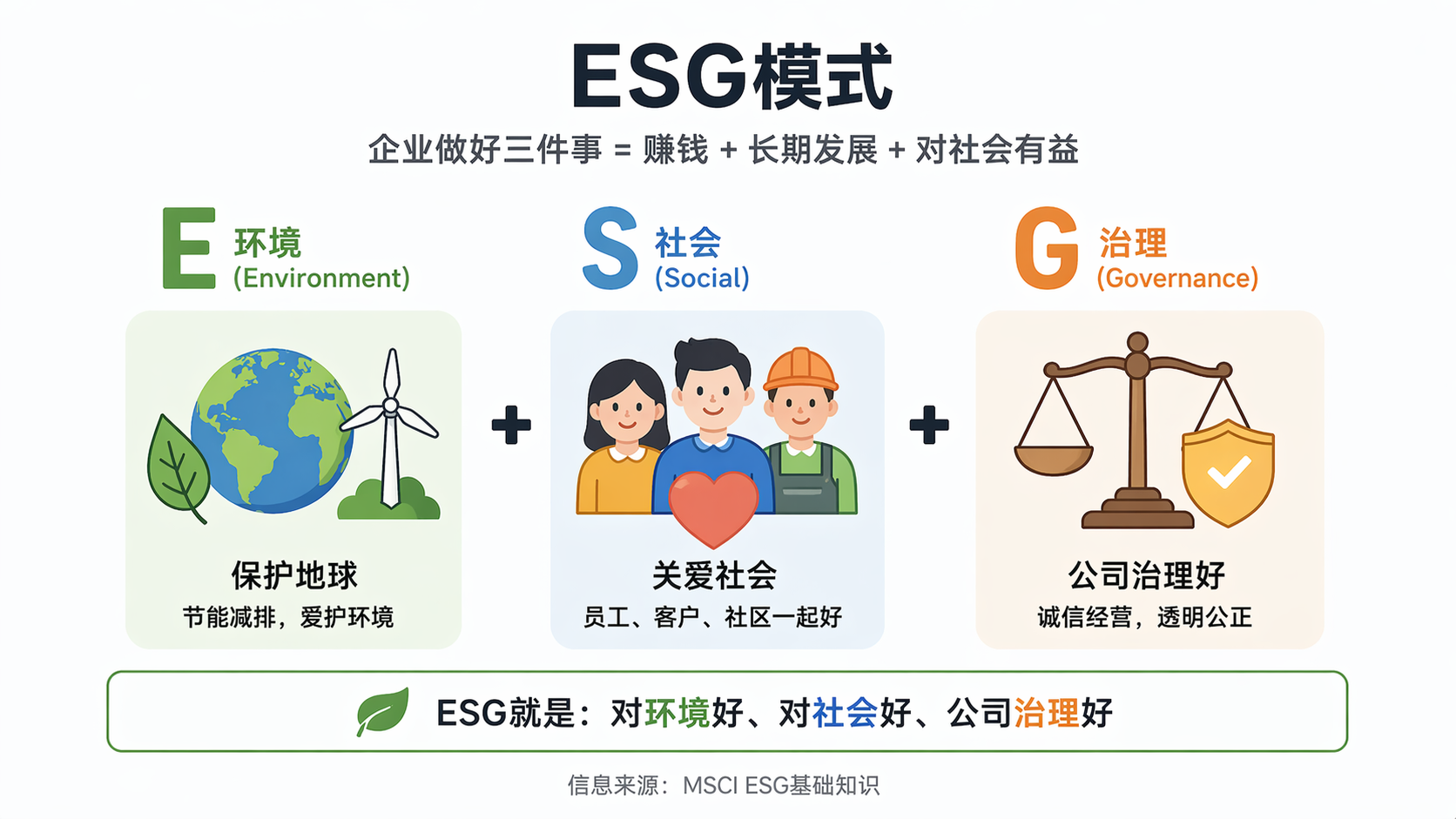
BrainCo stated that they are exploring a set of well-defined public welfare models.
For example, the "Intelligent Bionic Prosthesis Fitting Special Project" implemented in Zhejiang has been participated in by the Provincial Department of Finance, the Provincial Medical Insurance Bureau, the Provincial Federation of the Disabled, the Provincial Civil Affairs Department, and the Provincial Charity Federation. The project is funded through a multi-party fundraising approach involving "government finance + medical insurance + society."
Among these measures, the Provincial Medical Insurance Bureau has included intelligent bionic prosthetics in the coverage of long-term care insurance payments. The Provincial Federation of Disabled Persons has sought corporate support, with charitable enterprises making donations. The Provincial Department of Finance, in collaboration with the Provincial Federation of Disabled Persons, has also raised the maximum subsidy standard for "intelligent bionic thigh prosthetics" to 50,000 yuan per person.
BrainCo's role in this system is to ensure that products and services are properly delivered.
By 2025, through this model: Zhejiang has installed 2046 people, and the policy is sufficient to support free installation of smart prosthetics for the disabled.
In Zhejiang, this model has almost covered all severe lower limb disabilities in the province.
4. Why are companies willing to pay? And even after donating prosthetics, why are they still willing to hire some disabled people?
First, this money was supposed to be spent anyway. In Beijing, a company with 500 employees is required to arrange employment for 1.6% of disabled individuals, which amounts to approximately eight people. If they fail to do so, they must pay a sum — the disability insurance fund.
A simple calculation shows that: based on the average salary, the amount to be paid annually is approximately 1 million yuan. Taking a certain IoT listed company as an example, the disability security fund it pays in a year is over 100 million yuan.
Secondly, companies can truly benefit. Companies spend money to buy products, help people install prosthetics, and hire some of those who regain their ability to work, gaining several benefits:
First, donations can be deducted before tax (tax reduction within a certain limit).
Second, hiring disabled people can reduce or even replace the originally required disability protection fund.
Third, access to real ESG cases (fulfilling social responsibility) is possible.
5. Which companies are taking action?
Zero Run donated 5 million yuan last year to help 100 people get prosthetics. You can understand this as: it helped people and also promoted the brand.
Another example is White Elephant Food. After hearing about this project, their first reaction was not "how much to donate," but: "I have 3,000 disabled people in my factory, help me screen them all, and fit whoever can be fitted."
"The first batch was not enough, so he added: 'Also screen my hometown, Zhumadian, Henan, and install as many as possible.'"
Brain-Computer Interface: Changing the Fate of a Group
A key criterion for how much value a technology has brought is: to what extent it has changed people.
1. A story about "Where Did the Legs Go."
We heard a story about Aquan. At the age of 6, he had an amputation due to a car accident and was in a coma for more than ten days.
After waking up, he touched his missing legs and asked his mother, "Where have my legs gone?"
After thinking for a moment, Mom said something that many parents would say: "They went out to play and will come back later."
It is a comfort, and also a white lie.
2. Thirty years later, this statement "came true."
Later, he was fitted with BrainCo's intelligent bionic leg.
Once, he shared his story on the stage of the Beijing Harvard Alumni Association.
He came on stage with the help of two small stools. After finishing his speech, he said to the audience, "Wait for me just a moment."
Then he walked backstage. A few minutes later, he came back out — this time, standing straight.
He said a sentence: "Mom, my leg has really come back."
3. How do users evaluate brain-computer interfaces.
A user's exact words are as follows:
Our country has world-leading aircraft, high-speed trains that travel thousands of miles, and the power to send rockets into space. But once, all of this seemed so far away from me, as if it had nothing to do with me.
Until the country's technology helped me get smart bionic legs, and the moment I stood up again for the first time, I truly felt the strength of the country, because it did not forget about me.
Finally, Pencil News hopes that: in the future, more people like Aquan can benefit from the development of new technologies.