PLA's First Domestic Flexible Brain-Computer Interface Surgery Completed with Zhonghua Brain-Computer's Innovative System
NEURACOM
Implantable Brain-Computer Interface Developer

Medical Device Media Reporting Pioneer
Share Professional Medical Device Knowledge
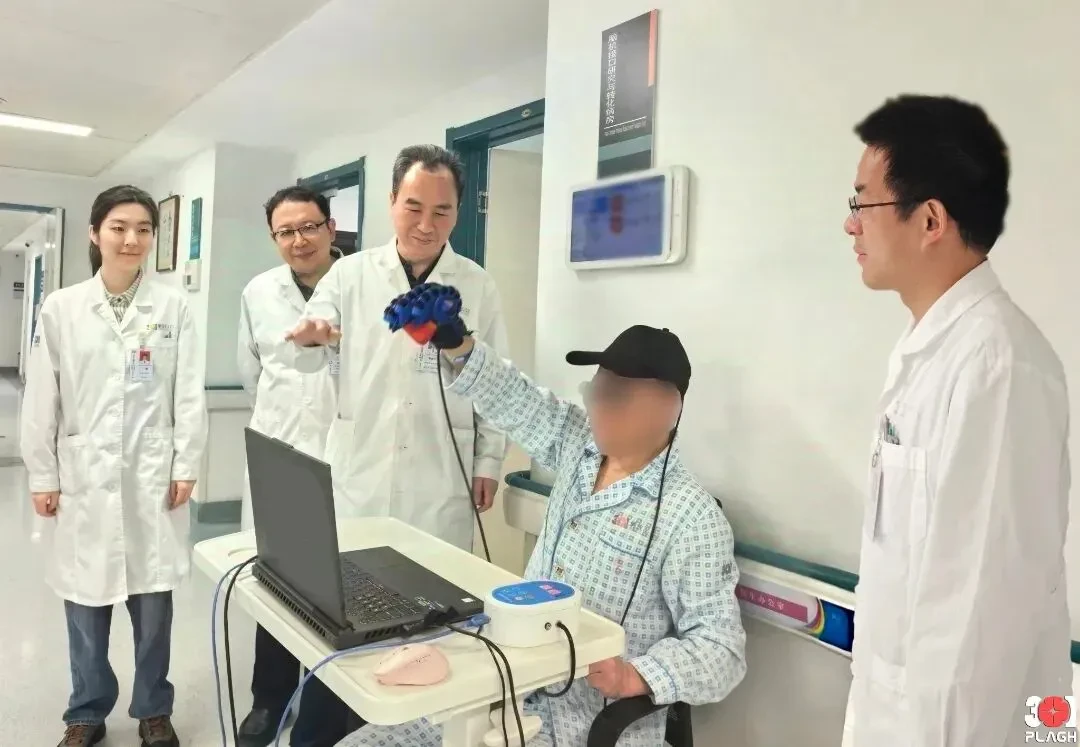
Three deputy chief physicians, Huolin Zhao, Rui Hui, and Yanyang Zhang, participated in the entire surgery.
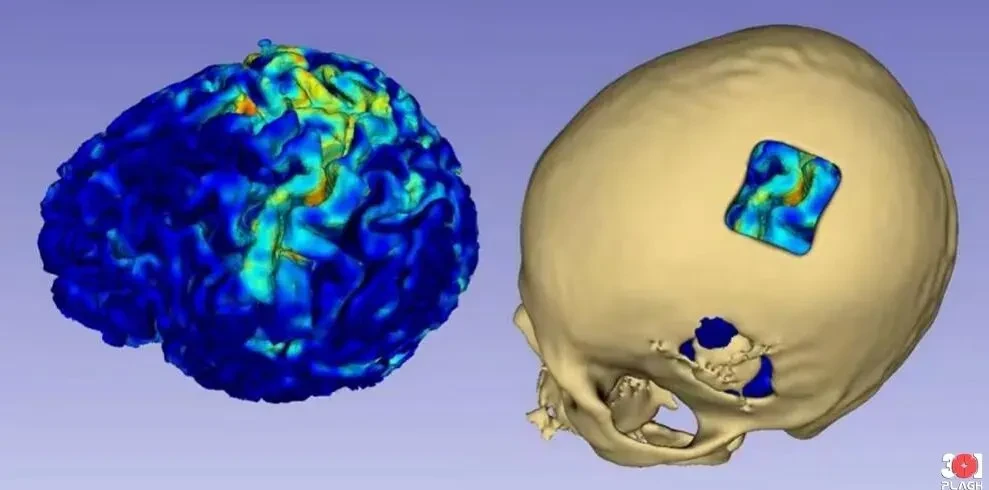
It is reported that the high-channel flexible thin-film electrode exhibits excellent biocompatibility, enabling it to closely conform to the cortical curvature for stable and efficient acquisition of cortical neural electrical signals with higher decoding accuracy. The wireless transmission chip eliminates the constraints of wired connections, enhancing patient comfort and convenience in daily activities, making it more suitable for long-term rehabilitation therapy.
This system builds a complete pathway of "brain neural signal acquisition - wireless transmission - closed-loop regulation," which can bypass damaged neural pathways, directly interpret the patient's motor intentions, help patients actively control their limbs, and create a brand-new treatment approach for stroke patients with hemiplegia who have not responded well to conventional rehabilitation.
Behind this breakthrough lies the perseverance of Chinese companies in overcoming difficulties and breaking through technological blockades. Faced with the technological blockade and export controls imposed by Western countries led by the United States in the field of brain-computer interfaces, Huang Li, chief scientist and chairman of NEURACOM, resolutely founded the company and led his team to independently develop the "65,000-channel bidirectional implantable brain-computer interface system." They completed the world's first multi-channel bidirectional brain-computer interface chip design and the fabrication of a 65,000-channel bidirectional microneedle array. This achievement passed the evaluation of scientific and technological achievements in August 2023, reaching an internationally leading level, and was selected as one of the top ten advances in China's brain-computer interface in 2023. Huang Li himself was also named the "Person of the Year" for specialized, refined, unique, and innovative enterprises in 2023 due to his outstanding contributions on the path to self-reliance and strength in science and technology.
The rapid breakthrough of China-produced brain-computer interface technology also relies on the strong support of the industrial ecosystem. Wuhan, with its robust optoelectronics industry foundation, abundant clinical medical and research resources, provides fertile ground for the development of the brain-computer interface industry. Currently, Wuhan has established several high-level innovation platforms such as the Brain-Computer Interface Research Institute of the Chinese Academy of Sciences and Huazhong University of Science and Technology, and built the first brain science industrial base in Central China. It has gathered 15 upstream and downstream companies covering the entire industrial chain, including core equipment and clinical validation. At the same time, a special fund of 500 million yuan has been set up, along with the introduction of the “Brain-Computer Interface 11 Measures” policy to attract and cultivate leading enterprises, promote medical-engineering integration and demonstration applications, and comprehensively build an important growth pole for China’s brain-computer interface industry, providing solid support for the technological breakthroughs of China-produced innovations.
The First Case of Domestic Flexible Brain-Computer Interface Implant Surgery in the Military Completed by 301 Hospital: A Significant Breakthrough in Clinical Application and a Vivid Example of Independent Innovation in China's Medical Technology. In the future, with continuous technological iteration and expanding clinical applications, more patients with neurological dysfunction will regain self-care abilities and life dignity through domestically produced brain-computer interface technology.
More exciting content
Welcome to follow WeChat Video Channel


GE Healthcare Global CEO Bets on Tianjin Again
A Century-Old Medical Device Giant: "China's First" Lands in Shanghai
Minimally Invasive Bets on Surgical Robotics Company, Completes Major Acquisition
Siemens Announces: Timeline for Healthcare Business Spin-off
Well-known Innovative Medical Device Company Layoffs 16%
Beijing High-End Vascular Intervention Company Completes 200 Million Yuan Financing
For the First Time, Mindray Adjusts Its Business Segments
Global Dental "Top Leader" Undergoes Major Management Overhaul
750 Million, China-Made Imaging Leader Plans Acquisition
A New Era in Surgery Has Arrived, United Imaging Breaks Through with an Ecosystem

BusinessBusiness cooperation email: qxzj@landianyiliao.com