

Chinese-Originated PADN Technology Takes Center Stage at TCT, Pioneering a New Era in Pulmonary Hypertension Intervention

Pulnovo Medical
Developer of Medical Devices in the Field of Pulmonary Hypertension Treatment
In 1988, Professor Martin B. Leon, a pioneer in cardiovascular interventional therapy, founded the TCT (Transcatheter Cardiovascular Therapeutics) conference, which began as a small gathering of just 150 participants. Thirty-four years later, TCT has become the largest academic conference for interventional cardiology experts worldwide. As a premier industry event, TCT remains the focal point of the vascular intervention field.
Given TCT’s authoritative influence within the industry, experimental data presented at the TCT conference often reshapes development trends and ushers in new waves of innovation.
September 16–19, 2022, the Transcatheter Cardiovascular Therapeutics (TCT 2022) conference was held in Boston, USA.
This year, the focus of TCT was undoubtedly on heart failure-related fields. The TCT conference this year showcased a total of 32 latest clinical advancements in two daily Late Breaking Clinical Science (LBCS) sessions. Unlike previous conferences, the sessions were not divided into “clinical trials” and “clinical science,” but rather categorized into several forums: structural heart disease, vascular diseases and hypertension, and late-breaking clinical science (LBCS) advances in coronary artery disease.
Global leaders in cardiovascular intervention, including Medtronic, Abbott, Edwards Lifesciences, and Philips, will announce their latest academic advancements at this year’s TCT conference.
In addition to the well-known industry leaders mentioned above, the TCT Conference also featured noteworthy “new faces.” For instance, at the Latest Clinical Breakthroughs Symposium (LBCS) on Vascular Disease and Hypertension, much-anticipated highlights included not only the release of data on renal denervation (RDN), a technology heavily backed by Medtronic, but alsoPulnovo Medical, an innovative Chinese medical device company, was invited to present for the first time at this year’s TCT conference the data results from its PADN-CFDA pivotal clinical trial, owing to the breakthrough achievements of its proprietary PADN technology in the field of pulmonary hypertension.and published simultaneously in JACC.
PADN is a vascular interventional ablation technique that utilizes radiofrequency ablation to block the pulmonary adventitial sympathetic nerves, thereby reducing pulmonary artery pressure and slowing disease progression. There are two reasons why PADN is considered a new face in the field. First, from a technical perspective, PADN fills the clinical gap of having no device-approved therapies for pulmonary hypertension. For decades, the high mortality rate associated with pulmonary hypertension has been a persistent challenge for cardiovascular specialists. The release of clinical trial data on PADN signals to cardiologists worldwide the emergence of a breakthrough intervention capable of genuinely reducing patient mortality and improving quality of life. Second, Pulnovo Medical, the developer of PADN technology, is itself an emerging force in the industry. Founded in 2013, Pulnovo Medical has dedicated ten years to advancing this technology, which has received FDA Breakthrough Device designation and is poised to launch global clinical trials.
TCT has long served as the bellwether for the cardiology field. As Chinese players take their seats at the global table, what new changes will they bring to the industry? VCBeat (WeChat ID: vcbeat) provides an analysis.
Among the four major themes at the TCT 2022 LBCS Forum, the Vascular Disease and Hypertension forum was one of the most closely watched. Unlike the fields of structural heart disease and coronary artery disease, where products have already passed the commercialization stage, this forum featured several breakthrough technological innovations: Pulnovo Medical’s PADN, Medtronic’s SYMPLICITY HTN-3 transcatheter renal denervation system, Inari Medical’s FlowTriever mechanical thrombectomy device, and ReCor Medical’s Paradise ultrasound-based transcatheter renal denervation system. The latest clinical trial progress of these products may usher in a new era in the treatment of related diseases.
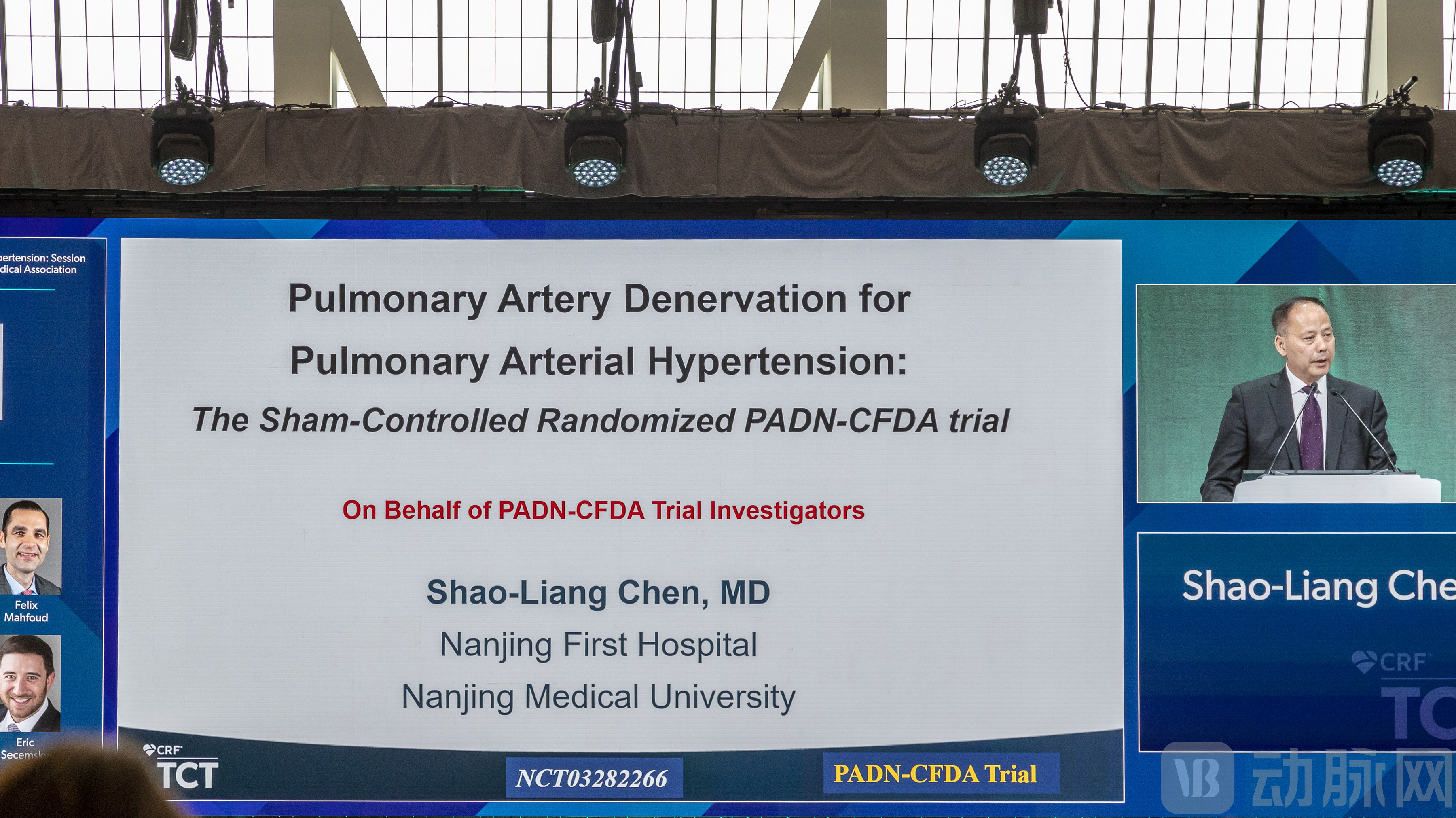
Unlike Medtronic’s SYMPLICITY HTN-3 and ReCor’s Paradise, which focus on the “treatment” of hypertension via denervation, Pulnovo Medical’s PADN technology targets the “cure” of pulmonary arterial hypertension.
According to the latest report in The Lancet, in 2021, the number of people with pulmonary hypertension (PH) worldwide accounted for 1% of the total global population, with approximately 40 million PH patients globally. Group 1 pulmonary hypertension is a progressive disease with high rates of disability and mortality. Apart from chronic thromboembolic pulmonary hypertension, which has the potential for a "cure," there are currently no curable subtypes within the entire family of pulmonary hypertension.
PADN has brought new treatment options for pulmonary hypertension, and its simple operability and effective reduction of pulmonary vascular resistance have drawn global attention to Chinese research.
Pulnovo Medical’s PADN technology product received FDA Breakthrough Device designation in February 2021. By the end of 2021, the PADN-CFDA registrational clinical study had completed enrollment and follow-up for all patients. At this year’s TCT conference, Pulnovo Medical presented key data from the PADN-CFDA randomized controlled trial, marking the launch of its global multicenter clinical trial program.
The PADN-CFDA study is a simulated controlled interventional clinical trial. The primary endpoint is the improvement in six-minute walk distance at the six-month follow-up. Secondary endpoints include pulmonary artery systolic pressure (SPAP), mean pulmonary artery pressure (MPAP), cardiac output (CO), pulmonary capillary wedge pressure (PCWP), pulmonary vascular resistance (PVR), and pulmonary arterial compliance (PAC) measured by right heart catheterization at 6 months; right atrial area (RAA), long-axis diameter of the right atrium (RAD), short-axis diameter of the right atrium (RAD), right ventricular fractional area change (RVFAC), tricuspid E/e’ ratio, tricuspid annular plane systolic excursion (TAPSE), right ventricular Tei index, pulmonary artery systolic pressure (PASP), mean pulmonary artery pressure (MPAP), right ventricular global longitudinal strain (RVGLS), and left ventricular global longitudinal strain (LVGLS) assessed by transthoracic echocardiography at 6 months post-procedure; and the surgeon’s evaluation of the intraoperative handling performance of the investigational product.
The PADN-CFDA trial enrolled 128 patients with Group 1 pulmonary arterial hypertension (PAH) who had not received any PAH-specific medications for at least 30 days prior to enrollment. These patients were randomly assigned to receive either PADN combined with a phosphodiesterase-5 inhibitor (PDE-5i; sildenafil or tadalafil) or sham surgery plus a PDE-5i. If symptoms persisted, additional pharmacological therapy could be initiated at the one-month follow-up visit after randomization.
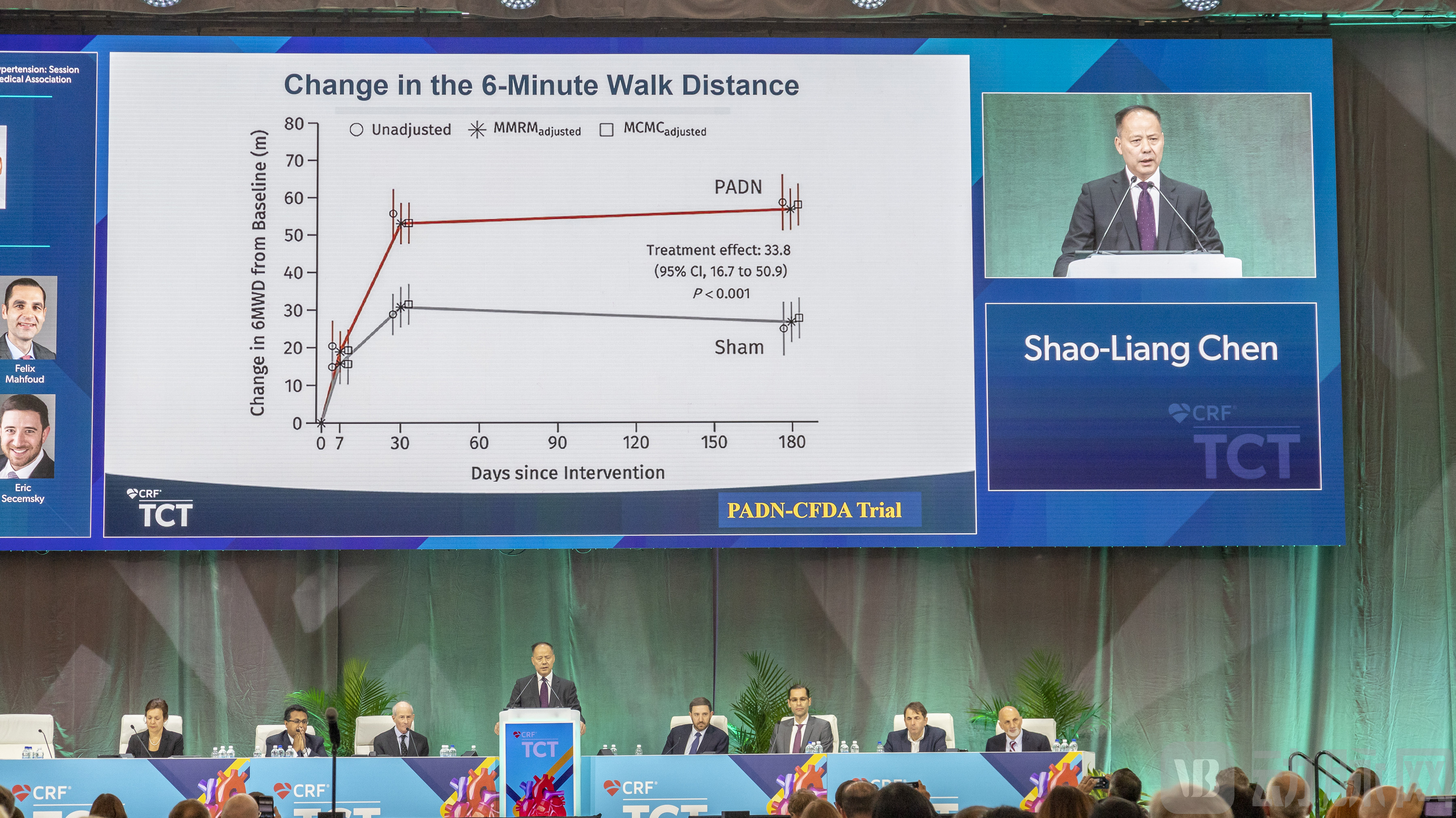
Based on the clinical trial results, compared with the sham group, the PADN group showed more significant improvement in 6MWD from baseline to 6 months (mean adjusted between-group difference: 33.8 m, p < 0.001). From baseline to 6 months, pulmonary vascular resistance (PVR) decreased by -3.0 ± 0.3 WUs in the PADN group and by -1.9 ± 0.3 WUs in the sham group.
Professor Chen Shaoliang stated that, based on the REVEAL score, walking distance did not improve in low-risk patients, whereas it “increased substantially” in moderate- to high-risk patients. The median increase in 6-minute walk distance (6MWD) at 6 months postoperatively in the PADN group was 61.0 m (IQR), significantly greater than the 18.0 m observed in the sham surgery group (p=0.004).
Secondary endpoints: PADN improved right ventricular function, reduced tricuspid regurgitation, and lowered NT-proBNP levels. During the 6-month follow-up period, the PADN group experienced fewer clinical deteriorations (1.6% vs. 313.8%) and more satisfactory clinical responses (57.1% vs. 32.3%).
PADN improved exercise tolerance, hemodynamics, and clinical outcomes in patients with Group 1 pulmonary hypertension during the 6-month follow-up period.
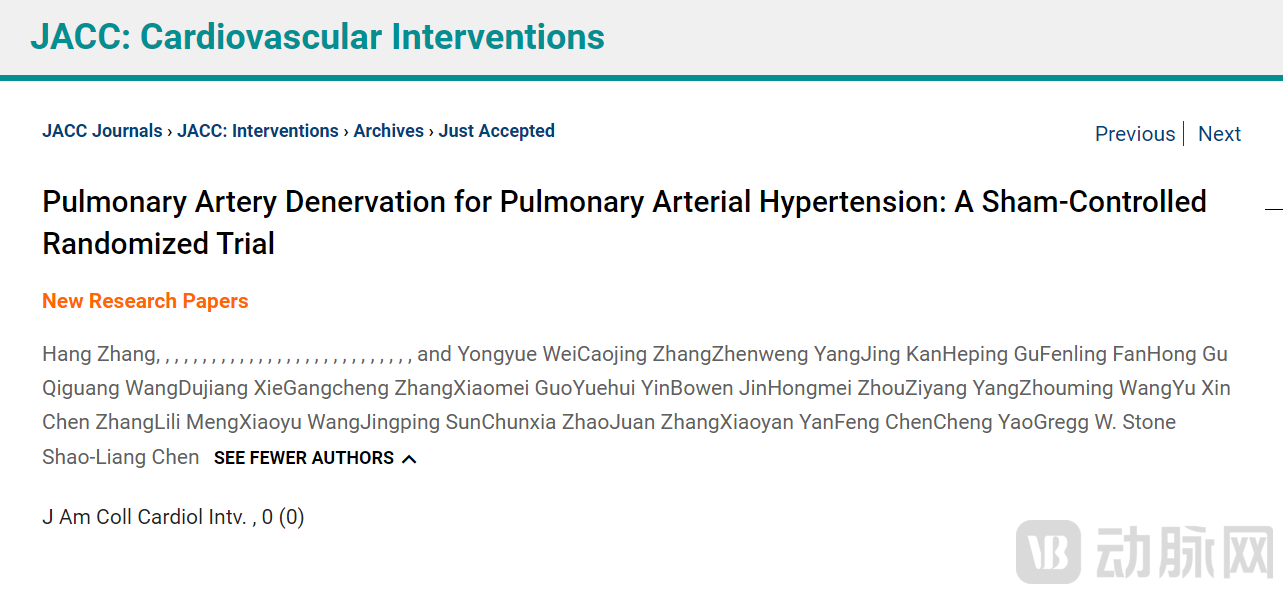
The release of the PADN-CFDA clinical trial also garnered attention from mainstream global cardiovascular media, includingtctMD, Medscape, American College of Cardiology (ACC)Domestic media, among others, have featured special reports on these results.
As one of the few domestic enterprises with global innovation capabilities, Pulnovo Medical has not followed the me-better path of imitation and incremental improvement. Instead, it has pursued original, zero-to-one product development driven by clinical needs. It is no small feat for PADN, an innovative breakthrough product developed in China, to make its mark on the international stage.
What new transformations can PADN bring to the field of pulmonary hypertension, according to global experts?
Professor Gregg W. Stone, a leading international expert in interventional cardiology, stated: “Apart from the PADN technology, no devices have been approved for the treatment of pulmonary hypertension (PH), and very few devices are currently under development. However, PH treatment remains one of the major clinical challenges that cannot be overlooked. Patients with Group 1 PH were the initial indication included for PADN therapy. Yet, the etiologies of PH are diverse, with Group 1 representing only the tip of the iceberg; this includes millions of patients with PH associated with left heart disease and those with chronic thromboembolic pulmonary hypertension (CTEPH). Although targeted drug therapy can provide moderate improvement for patients with Group 1 PH, these medications are expensive, have numerous side effects, and require lifelong adherence. In contrast, device-based therapy is a one-time procedure that is simple and rapid. While the duration of efficacy after a single procedure has not yet been fully established, early studies by Professor Chen Shaoliang suggest that its effectiveness lasts for at least five years. Therefore, a single PADN treatment, requiring only one hour of surgical time, can achieve effects comparable to those of one or two targeted drug therapies. This represents a significant advancement in the treatment of Group 1 PH. Furthermore, for other types of PH, particularly PH associated with left heart disease, there are no suitable targeted drugs available; current pharmacological interventions focus on treating left heart failure but fail to improve pulmonary hypertension. Thus, PADN offers a unique therapeutic option for these patients as well.”
Professor Stone is an interventional cardiologist and Director of Academic Affairs for the Cardiovascular Health System at the Icahn School of Medicine at Mount Sinai in New York, USA. He is a Professor of Medicine (Cardiology) and Population Health Science and Policy, as well as Co-Director of Medical Research and Education at the New York Cardiovascular Research Foundation. Professor Stone also serves as Chairman of the Global PADN Trial Committee and a member of the Scientific Advisory Board of Pulnovo Medical.
As a globally leading interventional cardiology expert, Professor Stone has spearheaded numerous pivotal clinical trials for major products worldwide. His decision to participate in the global clinical trial of PADN was driven by two key factors: first, the significant unmet clinical need in pulmonary hypertension (PH), a condition that carries a high risk of progressing to right heart failure and even death; and second, his belief that PADN technology represents a milestone advancement in the field of PH treatment. As a pioneer in developing therapies for pulmonary hypertension, Pulnovo Medical has already demonstrated robust evidence of efficacy and safety across multiple randomized controlled trials.
Professor Stone participated in the preparatory work for the U.S. multicenter clinical trial of PADN and also disclosed the progress made in advancing the trial.
He stated, “In the United States, clinical studies will be conducted more rigorously and under stricter control, including aspects such as background medications and patient enrollment criteria. We will select patients who have exhausted therapeutic options for their condition, most of whom are on dual-targeted therapy. Data from other heart failure-related clinical trials show that two-thirds to three-quarters of randomized controlled trials yield negative results. The low success rate can be attributed to issues with the drug or device itself, or flaws in trial design (such as insufficient sample size, inappropriate inclusion/exclusion criteria, or incorrect clinical endpoints). Fortunately, the clinical studies I have overseen have achieved a success rate of over 80%. In designing the global multicenter clinical study for PADN, we will pay close attention to every detail. Given that the three clinical trials conducted to date have all yielded positive results, I am optimistic that this study will also have a high likelihood of success.”
Previously, PADN received FDA Breakthrough Device Designation, and the U.S. FDA has also expressed strong enthusiasm for the PAH clinical trials in the United States. Professor Stone revealed that the PADN Global Trial Committee recently held a pre-submission meeting with the FDA, during which they presented an overview of the company, its technology, and the preliminary design of the clinical trials, and submitted relevant materials for preliminary review. The FDA provided several highly valuable recommendations.
The PADN Clinical Trial Committee has also developed a clear plan for the upcoming steps of the clinical trial.
Professor Stone stated, “We have made thorough preparations in terms of trial design. The Scientific Advisory Committee will finalize the remaining details of the clinical trial at its first in-person meeting of the Clinical Steering Committee in New York this September. However, regardless of when the investigational new drug application is submitted, we will face challenges related to both preclinical and clinical studies. Based on my personal experience, the FDA typically requires only minor modifications to the clinical trial portion, and we usually receive conditional approval. In contrast, for the preclinical phase—such as animal studies and electronic product testing—the FDA mandates that these be completed in a standardized manner before initiating clinical trials. We are currently engaged in active communications to ensure that this does not impact the progress of subsequent clinical trials. Overall, the U.S. clinical trials for PAH are progressing well.”
With the release of PADN-CFDA clinical trial data, Pulnovo Medical has achieved a significant milestone in its commercialization efforts in China. The presentation of PADN-CFDA data at the TCT conference and the inclusion of PADN in the ESC guidelines for the diagnosis and treatment of pulmonary hypertension further demonstrate Pulnovo Medical’s strong global expansion capabilities.
At the European Society of Cardiology (ESC) Annual Congress held in August, the “2022 ESC/ERS Guidelines for the Diagnosis and Treatment of Pulmonary Hypertension,” developed by the Task Force on the Diagnosis and Treatment of Pulmonary Hypertension of the European Society of Cardiology (ESC) and the European Respiratory Society (ERS), was updated for the first time in seven years. The new guidelines feature a special introduction to PADN, an original Chinese innovation, in the section on interventional therapy for pulmonary hypertension. The guidelines state that small-scale clinical studies suggest that PADN can improve exercise tolerance and hemodynamic parameters in patients with residual pulmonary hypertension after pulmonary endarterectomy (PEA), and they affirm the improvement in clinical outcomes achieved with PADN in patients with pulmonary arterial hypertension (PAH).
PADN has been successfully included in the latest edition of the European guidelines for the management of pulmonary hypertension (PH), indicating that this innovative, China-originated technology has garnered widespread international attention and recognition. This inclusion will help enhance PADN’s global reputation and facilitate the commercialization of PADN products in the global market. The emergence of PADN will contribute to improving clinical outcomes for PH patients and provide physicians worldwide with a new therapeutic option for the clinical management of PH.
In addition to being included in clinical guidelines, global clinical trials for PADN have also achieved breakthroughs.
On September 7 (Beijing Time), the inaugural meeting of the Steering Committee for Pulnovo Medical’s PADN (Pulmonary Artery Denervation) international multicenter clinical trial was successfully held in New York, USA.
The inaugural Steering Committee (SC) meeting for PADN convened leading global cardiovascular experts, including Professor Gregg W. Stone; Professor Chen Shaoliang, the founder of PADN technology; Dr. Ori Ben-Yehuda, a cardiologist at La Jolla Health and Hillcrest Hospital, University of California, San Diego; Dr. Raymond Benza, a renowned U.S. authority in pulmonary hypertension and cardiologist at The Ohio State University Wexner Medical Center; Dr. Teresa DeMarco, a cardiologist at the University of California, San Francisco Medical Center; Dr. Hossein-Ardeschir Ghofrani, a cardiovascular specialist at Giessen University Hospital, Germany; Dr. Hyong (Nick) Kim, a pulmonologist and Director of the Pulmonary Vascular Medicine Program at UC San Diego Health; Dr. Irene Lang, Professor of Vascular Biology and a leading European clinical cardiologist in pulmonary hypertension at the Medical University of Vienna, Austria; Dr. Shami Mahmud, Chief of Cardiovascular Medicine, Executive Medical Director of the Cardiovascular Institute, and Director of Interventional Cardiology at UC San Diego Health; and Dr. Erika Rosenzweig, a pulmonary hypertension expert at Columbia University Medical Center. These nine top-tier scholars and experts in the fields of cardiology and pulmonology delivered insightful presentations and engaged in in-depth discussions on topics such as the guiding principles and workflows for international multicenter clinical trials, the latest results from the PADN domestic multicenter clinical trial under the China Food and Drug Administration (CFDA), and progress in the Investigational Device Exemption (IDE) application for U.S. FDA device clinical trials.
Subsequently, the global multicenter clinical trial of PADN will be conducted under the leadership of multiple experts.
As China’s domestic medical industry ushers in a new era of globalization, Pulnovo Medical, with its original breakthrough technologies, is undoubtedly positioned on the fast track to global expansion.
Prior to accelerating commercialization, the Pulnovo Medical team had accumulated extensive clinical resources, as well as rigorous academic research capabilities and robust commercial execution expertise, over the past decade.
At the strategic level, Pulnovo Medical introduced the “Operating Table to Market (OTM)” innovation platform in its early development stages. Leveraging extensive clinical resources, the OTM platform identifies technological breakthroughs and innovative therapies by starting from clinical needs.
The OTM Platform serves as the solid foundation for Pulnovo Medical to bring its original innovations to the global market. On the OTM Innovation Platform, comprehensive end-to-end capabilities are essential for incubating innovative products, with commercialization capabilities playing a pivotal role in market promotion.
For a long time, the domestic medical device market has been dominated by multinational corporations, and the commercialization model for domestic medical device products has largely been a replication of the China market commercialization strategies for mature overseas products.
Pulnovo Medical stated, “Overseas products typically enter the Chinese market only after a period of commercialization abroad, by which time the procedural techniques are relatively mature, target patient populations are clearly defined, and evidence-based support is robust. The progress of domestic commercialization also involves applying our overseas marketing system to the Chinese market.”
"The product's domestic promotion strategy is fundamentally grounded in evidence-based medicine, leveraging existing theoretical frameworks and expert endorsements. For localized market penetration, it formulates tailored strategies by aligning with guidance from Chinese experts and integrating real-world clinical practices in China."
As a pioneer of domestic global innovation, Pulnovo Medical has no precedents to draw upon for the commercialization of locally adapted global innovations in China, and thus must rely on its own efforts to forge an entirely new path. Pulnovo Medical has also built its commercialization methodology from scratch.
Pulnovo Medical has chosen to gradually establish an evidence-based system in its commercialization path, starting from effectively addressing unmet clinical needs and gaining widespread recognition from physicians through significant clinical value. In terms of market layout, Pulnovo Medical, with its global clinical development capabilities, was determined to pursue a global industrial layout from the very beginning, achieving global academic promotion and commercialization by obtaining endorsements from top global experts.
During the R&D process, Pulnovo Medical adheres to global clinical development and registration guided by evidence-based medicine. In terms of commercialization capabilities, Pulnovo is also led by a team with international vision and local experience to drive global business expansion.
Take Ms. Lian Jia, CEO of Pulnovo Medical, as an example. With over 20 years of industry experience, she possesses extensive international operational expertise in market commercialization, industrial strategy development, and global capital market operations. Having held executive positions at Johnson & Johnson, Gardono, and Cordis, she brings a global perspective along with profound insights into the Chinese market.
Driven by a forward-looking global strategy and executed by an elite team, Pulnovo Medical has achieved multiple milestones in its commercialization efforts. Undoubtedly, the medical device market is characterized by intense R&D competition and a certain degree of homogenization. The market has demonstrated that bubbles fueled by speculative capital will inevitably burst; only by addressing genuine clinical needs and solving real pain points can companies earn sustained market recognition.
In a healthcare ecosystem that champions innovation and technology, original innovation often commands greater respect; however, it imposes more stringent requirements on research capabilities, engineering proficiency, standardization competence, and commercialization acumen. As the TCT conference draws to a close, innovative forces from China have emerged as the global spotlight’s focal point, delivering breakthrough achievements. This signifies that domestic innovation is no longer merely in a follower role; Chinese innovations are now gaining recognition on a global scale. This development holds profound significance for China’s medical device industry.