Six National Key Labs and 62 PIs: Nanomaterials, Drug Delivery, and Regenerative Medicine at the Forefront of Biomedical Innovation

HongShan
Business Consulting, Enterprise Management Consulting Investment Institutions
Materials are the material foundation and precursor of human civilization, and almost every major technological revolution is related to materials. For example, in 1958, Jack Kilby created the world's first silicon transistor using silicon material, ushering in the era of integrated circuits; the emergence of synthetic rubber revolutionized people's clothing, food, housing, and transportation.
Transportation, energy and power, electronic information, aerospace... materials permeate every aspect of life and technology. In the medical field, materials also play a role in various areas such as medical devices, drug development, and equipment consumables.
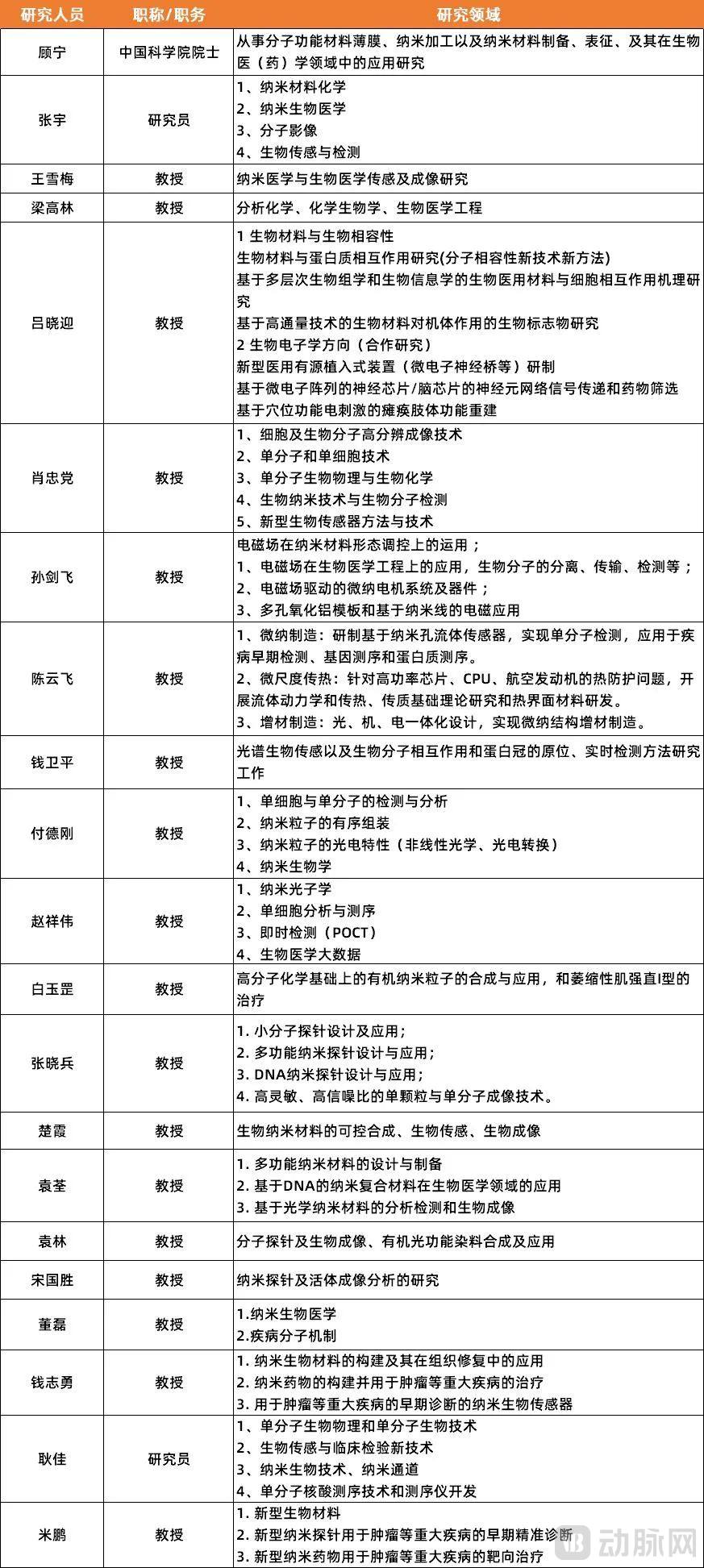
In this article, we analyzed six State Key Laboratories engaged in biomedical materials research, covering 62 researchers. By examining their research activities, we aim to gain insights into the trends and hotspots in biomedical materials and assess the gap between scientific research and industrial application in this field.
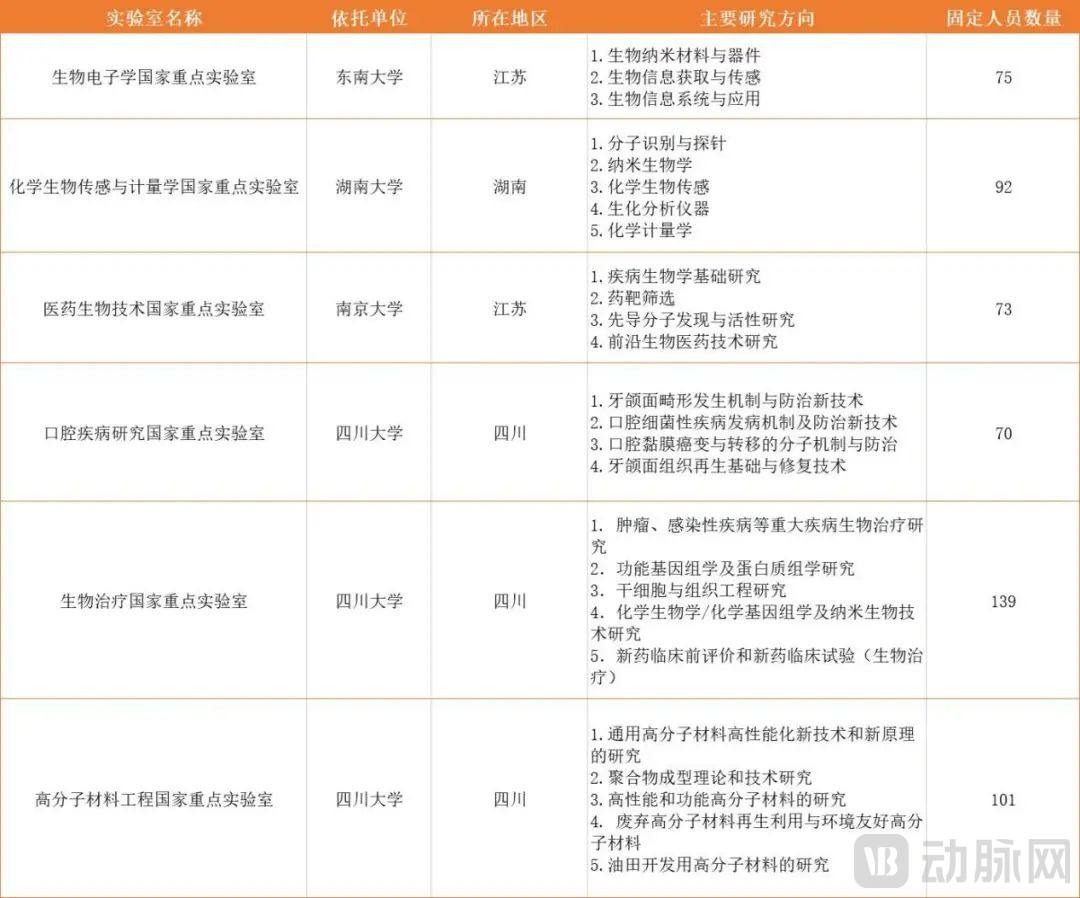
The six national key laboratories related to biomedical materials included in this inventory
What Are China’s National Key Laboratories Researching? Let us first examine the research pursuits of these scientists. Data analysis reveals that their research is diverse and extensive. At the materials level, it encompasses nanomaterials, biomimetic materials, polymer materials, and regenerative materials. In terms of applications, it spans multiple directions, including biosensing, drug development, 3D printing, and microfluidics. In translational research, it covers various niche industry sectors such as medical devices, in vitro diagnostics, drug delivery, and tissue regeneration engineering.
According to the research heat map, nanobiology and medicine, regenerative materials, biosensors, and biomimetic materials have garnered the most attention.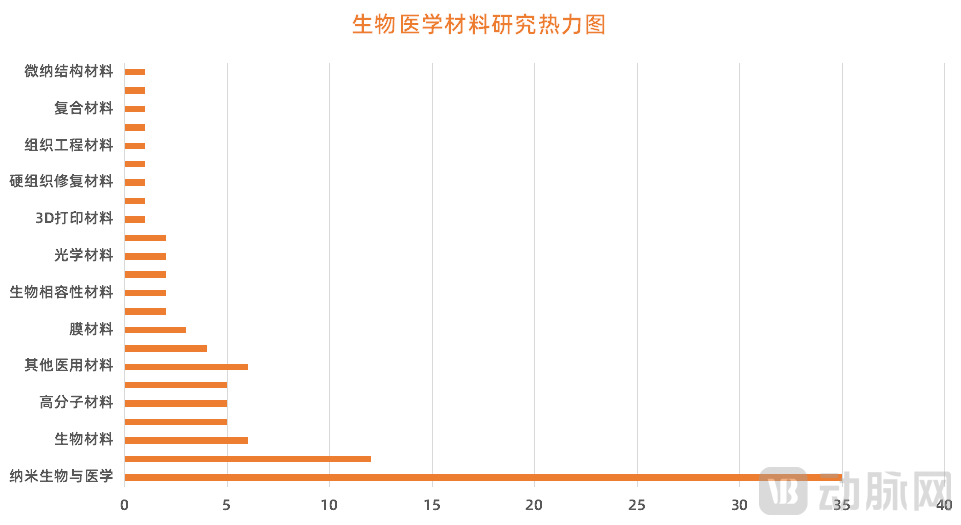
Note: The labels corresponding to the research heatmap are not all on the same dimension. To avoid overly generalized statistical results, we have listed certain application studies with high research interest separately to reflect the detailed distribution of research.
1Nanobiology and Medicine
Strictly speaking, research in nanobiology and medicine encompasses not only nanomaterials themselves but also their associated material properties and characterization techniques, as well as the detection and regulation of biological processes based on these foundations, constituting an important component of the field of nanoscience.
Among the 62 researchers included in our statistics, 35 are engaged in nanobiology and medical research, a field that holds an absolutely dominant position in the overall research landscape.
These studies are primarily reflected in two directions: drug research and disease diagnosis. Among them, the direction of drug research mainly focuses on two aspects: drug delivery and nanomedicine.

In fact, nanomaterials were applied in the field of drug delivery as early as the 1960s. When British scientist Bangham discovered liposomes in 1965, research into nano-drug carriers began. The Chinese pharmaceutical community also introduced nano-drug delivery systems to China at an early stage and initiated related research. At that time, nanoparticles were referred to as “millimicron particles,” with “millimicron” being the term used for “nano.”
Among the researchers included in this statistical analysis, eight are engaged in research on “Nanobiology and Medicine + Drug Delivery.” Drug delivery is also one of the mainstream directions in nanobiology and medicine research. This research trend aligns with industry trends.

In terms of specific implementation pathways, there are multiple approaches to the study of nanomaterials in drug delivery, such as using liposomes to carry drugs, employing polymeric micelles, utilizing nanorobots, or leveraging self-assembling drug systems for autonomous assembly.
Moreover, nanomaterials have made significant contributions to disease diagnosis research. For instance, antibodies can be conjugated to nanoparticles to enable targeted diagnosis of specific molecules. Additionally, imaging agents containing nanoparticles, prepared or constructed using nanotechnology, are employed to enhance contrast in medical imaging. Molecular diagnostics and bioimaging technologies developed based on nanomaterials, along with fluorescence and biochemical detection techniques, show great promise for the early diagnosis of diseases.

2Recycled Materials
Aging, disease, and trauma are the three major enemies of human health. Apart from aging, certain diseases and traumatic injuries can cause irreversible damage to the human body, including the loss or degeneration of organs and tissues. If these lost or aged organs could be regenerated, it would seem possible to mitigate or even eliminate the adverse effects of such conditions on the human body—thus giving rise to regenerative medicine.
Regenerative medicine primarily follows two technological pathways: cell-based regeneration and material-based regeneration. Among the 62 researchers included in this statistics, 12 are engaged in regenerative research.
Whether it is organs or bone tissue, physical-level replacement and “regeneration” have already been achieved. However, since these solutions lack biological performance, there has been a persistent desire to find methods for true biological regeneration of tissues and organs.
Typically, material-based regenerative research is conducted using materials with tissue-inductive properties. Cells expanded extensively in vitro are seeded onto porous scaffolds made of tissue-inductive materials and cultured either in vitro or in vivo. Subsequently, the biological matrix degrades after cell growth is complete, ultimately yielding viable cells, organs, or organoids.
Based on this theory, some researchers have combined tissue engineering with drug delivery and gene therapy, giving rise to biomaterial-integrated cell therapies.

3Biomimetic Materials
Organisms naturally synthesize a vast array of complex and highly functional compounds and substances. These synthetic processes, or the functions of certain entities, surpass human technological design schemes, approaching perfection through millions of years of natural selection. The act or technology of attempting to mimic these functions is known as biomimicry.
Biomimetic materials are developed by emulating various biological features or properties, integrating materials science, life sciences, and bionics. Natural evolution has endowed biological materials with the most rational and optimized macro-, meso-, and micro-scale structures, as well as self-adaptive and self-healing capabilities.
Biomimetic design should not only mimic the structure of biological entities but also replicate their functions. Among the research directions identified in our survey, biomimetic materials primarily focus on the fields of polymer materials and nanomaterials.
Due to the unique characteristics of their molecular structure and mass, polymeric materials are widely utilized across numerous industrial manufacturing sectors. Given their extensive range of properties and functionalities, some researchers regard polymers as a collection of “living” materials with distinct “personalities.” Through modification, processing, and compounding of polymers, the performance of these materials can be tailored and optimized.
Therefore, polymeric materials have also become a key focus in biomimetic material design, leading to the development of functional materials whose properties better align with the absorption and metabolic patterns of human biochemical substances.
With breakthroughs in foundational technologies such as molecular biology and molecular science, bionic technology has advanced to the molecular level, enabling the study of structure-function relationships. Bionics is evolving from natural biomimicry to nanobionics, with extensive translational applications in medicine, including biomimetic cell membranes and biomimetic drug delivery systems.
Furthermore, the Chinese Academy of Sciences (CAS), in joint funding with the People’s Government of Jiangsu Province, the People’s Government of Suzhou Municipality, and Suzhou Industrial Park, established the Suzhou Institute of Nano-Tech and Nano-Bionics, CAS, to conduct fundamental, strategic, and forward-looking research in the fields of nanobionics and medicine.

As the foundation of development, materials are extensively applied in the medical field, ranging from gauze and syringes to medical devices and equipment, as well as replacement human tissues and organs. The application of materials in medicine covers nearly every aspect. Among these research efforts, the most prominent practical advancements have been made in in vitro diagnostics, drug delivery, and biosensing.
1In Vitro Diagnostics
Among these researchers, 21 are engaged in materials research related to in vitro diagnostics. At the level of material categories, these materials are still predominantly nanomaterials and polymer materials. Among them, molecular diagnostics is the most prominent subfield.
Molecular diagnostics is a diagnostic technology established on the basis of theoretical and technical advancements in interdisciplinary fields such as molecular biology, materials science, and supramolecular chemistry, typically utilizing DNA and RNA as biomarkers. Research on materials in this field primarily encompasses detection and analysis techniques, diagnostic chips, and probes for molecular diagnostics.
Of course, it should be noted that bioimaging technology is also a key focus in the field of diagnostics. The research directions within this field include optoelectronic materials and components, as well as contrast agents.
Compared with traditional contrast-enhanced ultrasound, nanoscale contrast agents highly meet the requirements for ideal agents in ultrasound molecular imaging and are gradually being applied to specific ultrasound molecular imaging. The most frequently reported nanoscale contrast agents are liquid perfluorocarbon nanoparticles and nanoemulsions, which exhibit superior targeting capabilities compared with conventional microbubbles; another class of nanoscale liposomal contrast agents possesses scattering properties.
2Drug Delivery
Drug delivery has always been an enduring topic in pharmaceutical research and development. In simple terms, it aims to achieve the release of the correct drug dosage at the right time and in the right space, thereby enhancing drug utilization efficiency.
Whether for small-molecule drugs or biologics, nearly all pharmaceuticals face challenges related to drug delivery. This process not only influences the therapeutic efficacy of the final drug product but can even become a critical determinant of the success or failure of drug development. Drug delivery is also closely intertwined with materials science. In this field, materials used for drug delivery include lipid-based systems, polymeric materials, and inorganic materials.
Polymers have a long history in the pharmaceutical field. They are commonly applied in areas such as controlled-release systems for drugs and bioactive substances, as well as non-viral vectors. Polymeric materials can be classified into linear polymers and dendritic polymers.
In drug delivery research, molecules with different structures correspond to distinct drug-loading strategies based on their respective advantages, such as reservoir-type and encapsulation-type systems. With the rise of biologics and biotherapies, the delivery of these bioactive substances—including drug molecules, gene fragments, peptides and proteins, growth factors, nucleic acid-based drugs, and cells—has emerged as a new direction in research.
Nanomaterials are also an indispensable topic in drug delivery. Indeed, nanomaterials used for drug delivery include liposomes, polymeric materials, and inorganic materials; what distinguishes them is that their structures meet the criteria for nanomaterials, thereby conferring superior properties.
Overcoming the limitations of traditional drug delivery through methods such as nanotechnology-based cell-specific targeting, molecular transport to specific organelles, and intracellular trafficking. Nanoparticles can enhance the stability and solubility of encapsulated cargo, facilitate transmembrane transport, and prolong circulation time, thereby improving safety and efficacy. They are widely used in immunotherapy and gene therapy.

As an additional note, beyond drug delivery, microelectronic chips based on novel materials are also applied in the drug screening process.
3Biosensing
Biosensors: Analytical tools or systems that are sensitive to biological substances and convert their concentrations into electrical signals for detection, comprising immobilized biorecognition elements as sensing components, appropriate physicochemical transducers, and signal amplification devices.
Specifically, the implementation of biosensing requires three processes:
First is sensing, which converts biological signals into electrical signals. This process requires the extraction of biomaterials that perform the sensing function. In the field of materials research, the sensing process first necessitates biomaterials and enzymes capable of fulfilling these functions.
Second is observation, which involves converting the continuous and regular signals detected by biomaterials into information that humans can understand. This process requires modern microelectronics and automation technologies to transmit and process the data. In the context of materials science, this necessitates support from bioelectronics research.
Third, response: presenting information to users through optical, piezoelectric, electrochemical, thermal, and electromagnetic methods, thereby providing a basis for decision-making.
Among these researchers, the majority of biosensor studies are based on nanomaterials, optical materials, and biomaterials. In this context, in addition to biological substances such as antibodies, antigens, and cells, sensitive elements and transducers—including oxygen electrodes, phototubes, and piezoelectric crystals—are all closely related to materials research.
In addition to meeting performance requirements, these materials should be reusable and amenable to large-scale production. Therefore, research efforts encompass not only the development of new materials and material modification but also the optimization of manufacturing processes.

Nanomaterials permeate all themes, from basic research and applied research to product commercialization.
The concept of nanomaterials is actually a classification of materials based on their structural characteristics, encompassing polymeric, inorganic, and organic materials at the nanoscale. It refers to materials in which at least one structural unit in three-dimensional space has dimensions within the range of 1 to 100 nanometers.
As its size approaches the electron coherence length, its properties undergo significant changes due to self-organization induced by strong coherence. Furthermore, since its dimensions are comparable to the wavelength of light and it exhibits prominent surface effects, its characteristics—such as melting point, magnetism, optical properties, thermal conductivity, and electrical conductivity—often differ markedly from those observed in the bulk state of the material.
Therefore, nanomaterials have demonstrated exceptional capabilities across various industries and fields, including biomedicine, energy, and chemical catalysis, garnering significant attention from numerous countries and research institutions worldwide. In 2000, the United States enacted the National Nanotechnology Initiative, prioritizing “nanoscience, nanomaterials, and materials with novel production technologies” as key areas for development.
During the Eighth Five-Year Plan period, China also included “nanomaterials science and technology” in its National Climbing Program, and issued the Outline of National Nanotechnology Development in 2001. During the 13th Five-Year Plan period, China established the National Center for Nanoscience and Technology, national nanotechnology industrialization bases, and the National Engineering Research Center for Nanotechnology and Applications to promote basic research, applied research, and industrialization.
Moreover, there are more than 70 nanotechnology research platforms within the Chinese Academy of Sciences system and various universities. From the perspectives of strategic orientation, industrial demand and guidance, and research enthusiasm, nanomaterials are arguably the most noteworthy area in the field of biomedical materials, perhaps without equal.
Of course, due to limitations in scope and individual capacity, this article focuses solely on targeted biomedical materials. A vast body of research on material processing and engineering has not been included in this review. However, raw materials and manufacturing processes are equally important, and studies on material modification, processing, and production techniques also deserve attention.
▶ List of Researchers in Biomaterials