

Keya Medical Launches DeepVessel FFR in Shandong, Advancing AI-Powered Precision Cardiology to Support 'Healthy China 2030'
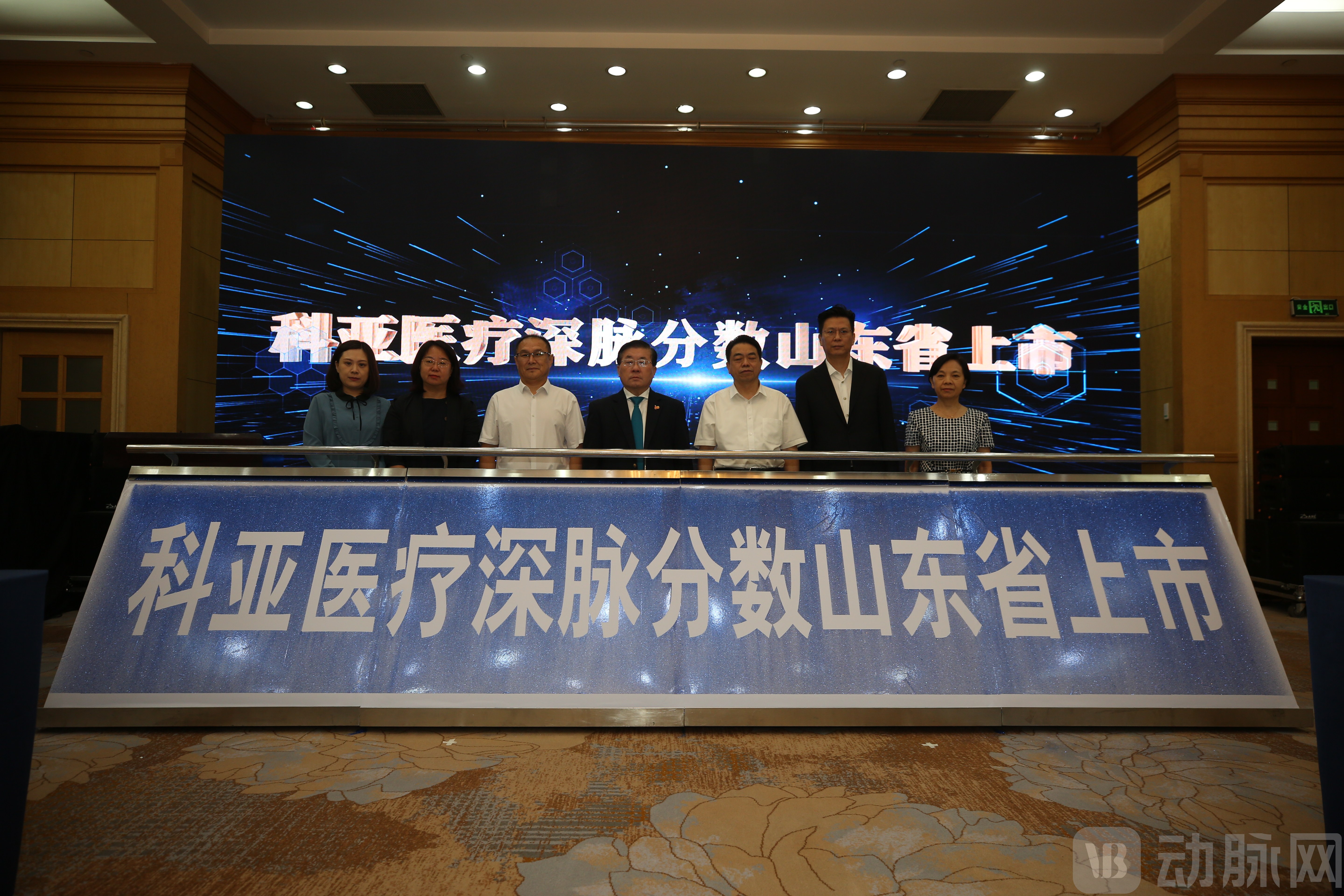
On September 24, the First Qilu Symposium on Non-invasive Hemodynamic Functional Assessment of Coronary Arteries was held in Jinan, Shandong Province. The symposium focused on key technical challenges in the industry and the translation rate of related scientific research achievements, aiming to continuously refine and achieve breakthroughs through collaborative discussions among attending experts, thereby enhancing the precision and refinement of diagnosis and treatment. During the symposium, the unveiling ceremony of the Shandong University–Keya Digital Cardiac Intelligence Technology R&D Center and the launch ceremony of “DeepVessel FFR (DVFFR)” were concurrently held. With the official market launch of “DeepVessel FFR (DVFFR)” in Shandong Province, whole-course disease intervention facilitated by this technology will significantly improve the efficiency of disease screening, diagnosis, and management, thereby better realizing patient health management.
It is understood that the Shandong University–Keya Digital Cardiac Intelligence Technology R&D Center is a university-enterprise collaboration platform integrating industry, academia, and research. It aims to leverage the respective strengths of both parties, establish a long-term cooperative research framework for mutual benefit, and optimize the integration of academic and social resources. Meanwhile, it seeks to facilitate the implementation of national industrial policies, fully tap into market demand, promote deep integration among industry, academia, and research, and accelerate the translation and application of artificial intelligence (AI) research achievements in the field of cardiology. Professor Zhang Pengfei from the Department of Cardiology at Qilu Hospital has been appointed as the Director of the Center, and Academician Zhang Yun has been appointed as the Chair of the Center’s Academic Committee. In the future, the Center will focus on achieving continuous breakthroughs in next-generation AI fundamental theories, novel human-computer interaction technologies, and advanced robotics, thereby enhancing the precision and refinement of diagnosis and treatment.
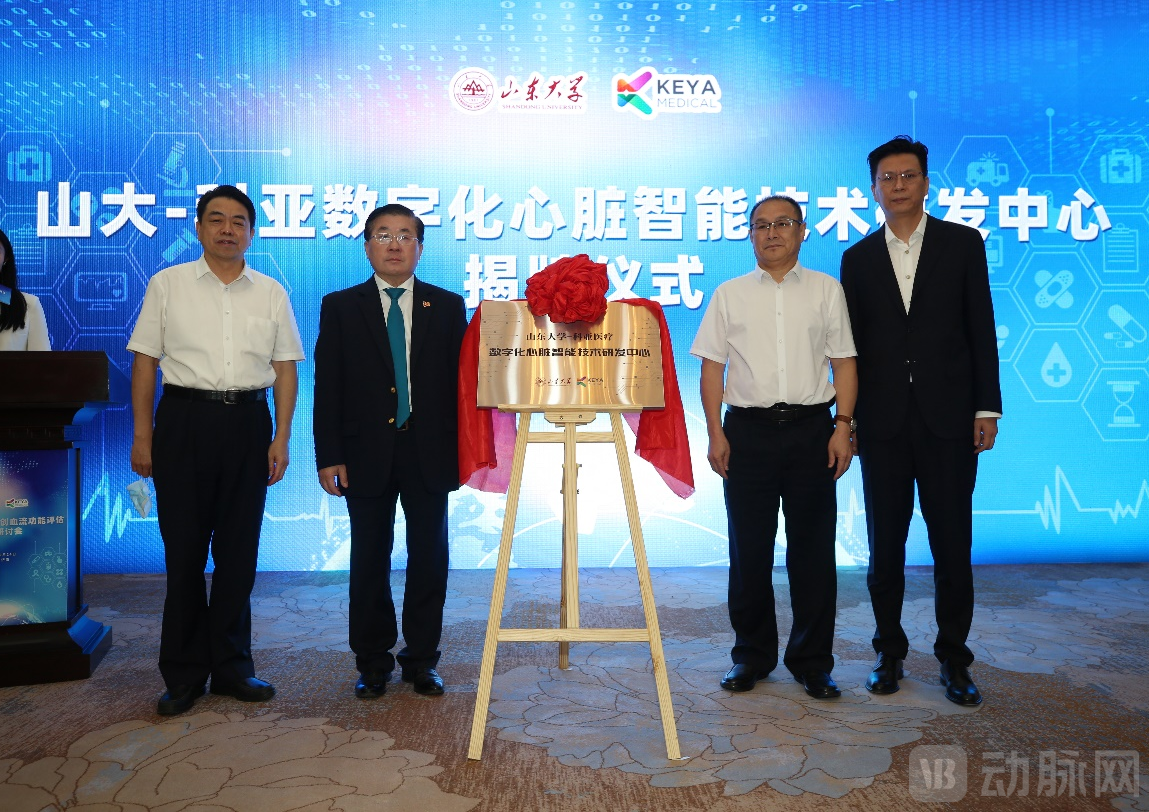 From left to right: Chen Yuguo, President of Qilu Hospital of Shandong University; Zhang Yun, Academician of the Chinese Academy of Engineering; Wang Liwei, Chairman of Keya Medical; and Wang Guangchang, Deputy Director of the Technology Transfer Center of Shandong University.
In his opening remarks at the symposium, Chen Yuguo, President of Qilu Hospital of Shandong University, stated that innovation is the most prominent resource of our era and lies at the core of advanced development in medical technology. This symposium provides a valuable opportunity for collaboration, exchange, and learning. As we advance along the path of technological innovation, we will develop more strategies and approaches to enhance product promotion and technical services, thereby better meeting the health needs of a broader population.
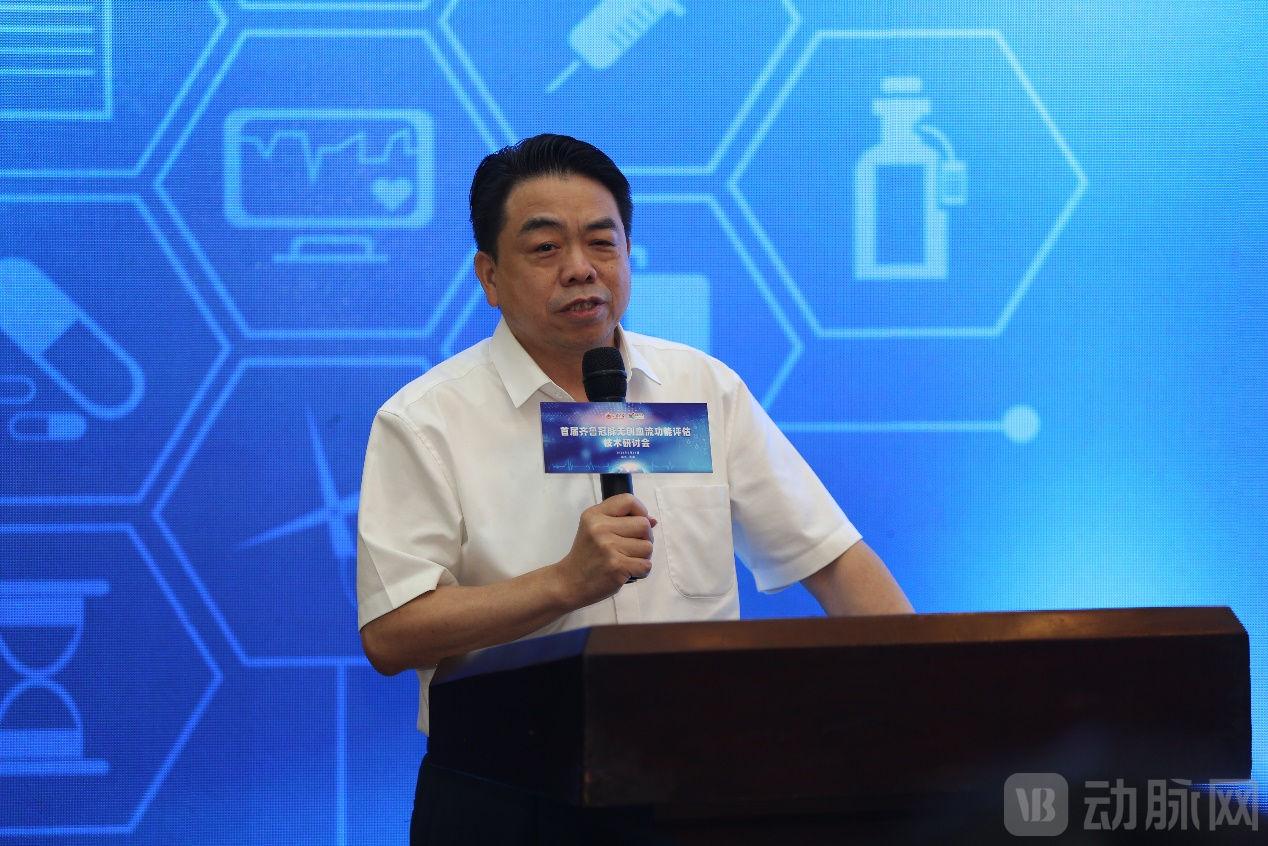 Address by Chen Yuguo, President of Qilu Hospital of Shandong University
Academician Zhang Yun of the Chinese Academy of Engineering stated in his address that the development of non-invasive functional assessment of coronary arteries has entered a “fast lane.” We will direct greater attention to primary care settings and micro-level applications. It is our hope to deepen collaboration with Keya Medical, further extending non-invasive coronary artery services from the “highways” to the “rural roads,” thereby achieving comprehensive coverage across the entire coronary care system.
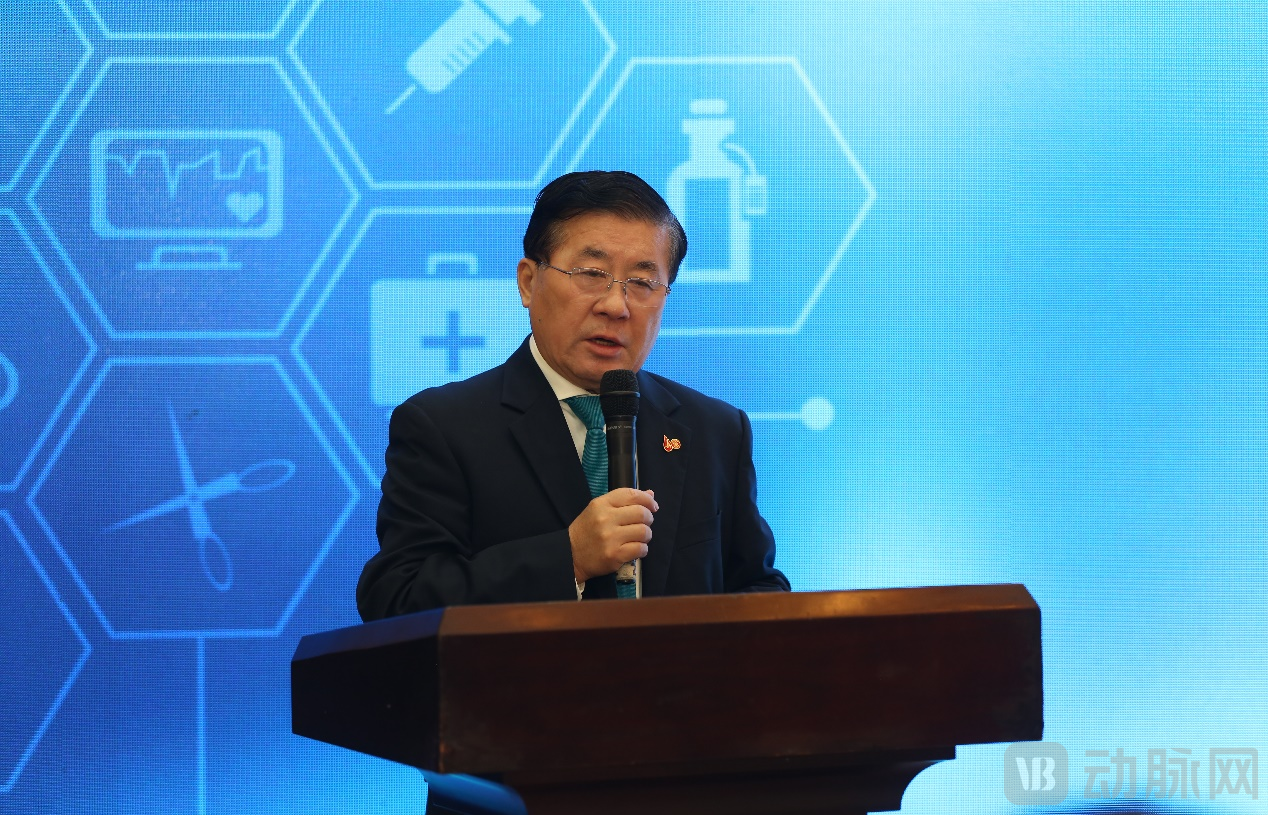 Address by Academician Zhang Yun of the Chinese Academy of Engineering
In his address, Wang Liwei, Chairman of Keya Medical Technology Co., Ltd., stated that since its inception, Keya Medical has been dedicated to leveraging artificial intelligence technologies to empower the screening, diagnosis, treatment, and management of cardiovascular diseases, optimizing clinical pathways, and providing precision medical services to patients, healthcare institutions, and research organizations. He expressed his expectation that the Shandong University–Keya Digital Cardiac Intelligence Technology R&D Center will continue to develop outstanding products for implementation in Shandong Province and across China, thereby fully supporting the realization of the strategic goals outlined in “Healthy China 2030.”
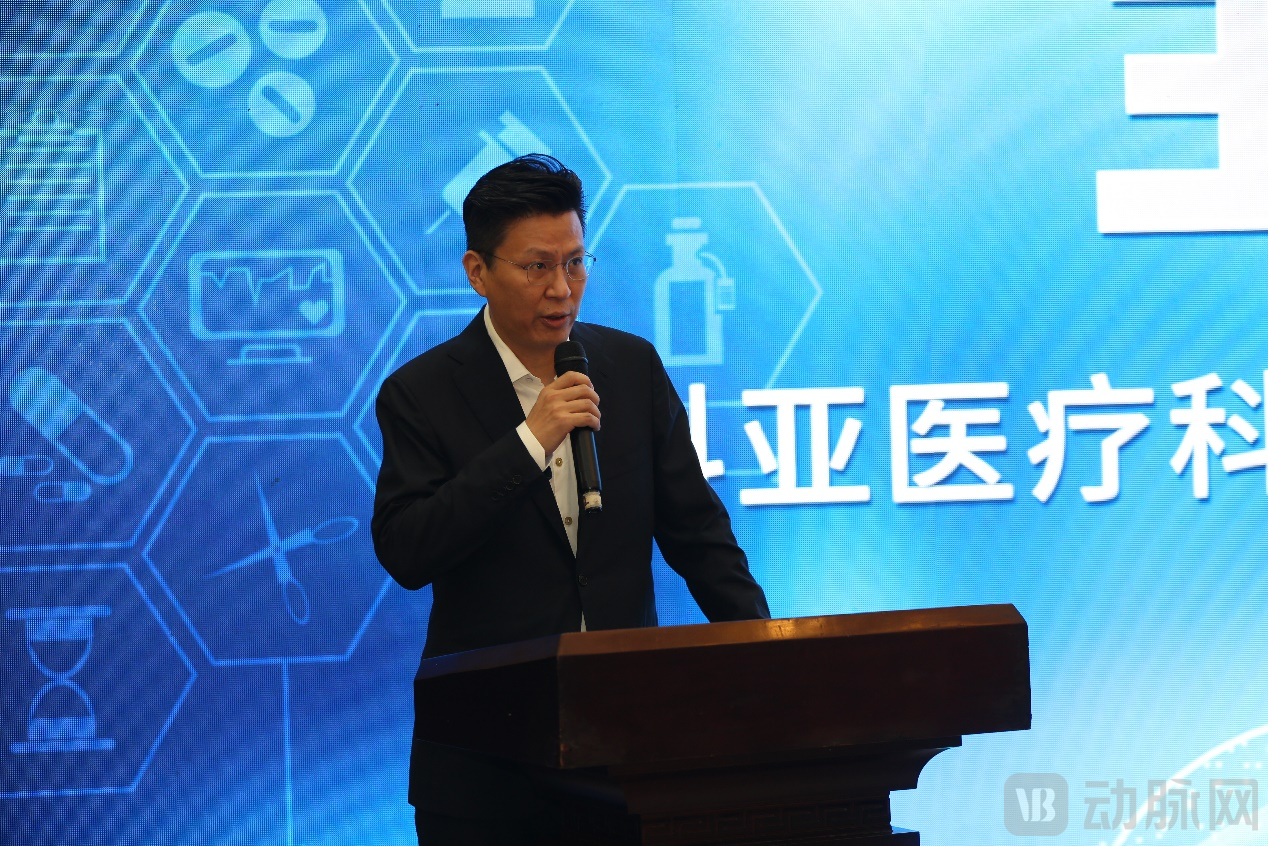 Address by Wang Liwei, Chairman of Keya Medical Technology Co., Ltd.
Following the meeting, experts and scholars delivered academic presentations and engaged in group discussions on topics such as the clinical guidance value of CT-FFR and its application in acute coronary syndrome. The First Qilu Symposium on Non-invasive Coronary Hemodynamic Functional Assessment served as a bridge for academic research and experience exchange, further facilitating the alignment between corporate technological needs and university-based scientific talent. This effort aims to accelerate the translation and implementation of artificial intelligence research achievements in cardiology, thereby driving industrial innovation and commercialization.