

Henglu Bio: Leveraging 20 Years of Expertise in Product Selection, IP Strategy, and Market Insight to Bridge the 'Valley of Death' in Synthetic Biology Commercialization
In 2021, enthusiasm for synthetic biology continued to rise, reaching a peak phase. Media outlets, investment firms, and related companies closely followed developments in this field, with some even claiming that “synthetic biology can create everything.”
Amid high external expectations for synthetic biology, the industry widely acknowledges the existence of a “valley of death” in its commercialization journey: scientific achievements made at the laboratory stage often fail to evolve into commercially viable products due to a lack of industrialization experience, leaving them unable to overcome the myriad challenges encountered during scale-up from small-scale trials and pilot testing to mass production.
“Translating research outcomes into practical applications tests a synthetic biology company’s top-level design capabilities, spanning from market demand to technological innovation, from research achievements to patent strategy, and from industrial progression to commercial implementation. A deficiency in any of these stages will hinder the company’s healthy development.”Professor Fang Xu, Founder and Chief Scientist of Henglu Biotechnology, told VCBeat New Medicine.
Shandong Henglu Biotechnology Co., Ltd. is a synthetic biology company founded in 2018. Since its inception, the company has established a clear strategic approach, with comprehensive plans in place for product selection, commercialization, market development, and technology. Its current product pipeline includes human milk oligosaccharides (HMOs), salidroside, tyrosol, hydroxytyrosol, and marine bioactive peptides, with applications spanning various sectors such as infant formula (milk powder), foods for special medical purposes (FSMP), active pharmaceutical ingredients (APIs), pharmaceuticals, and cosmetics.
In the early stages of biotechnology development, identifying new substances for synthesis typically required extensive screening in nature to discover novel enzyme resources or microorganisms. With technological advancement, artificial intelligence has entered the life sciences, fostering the convergence of information technology (IT) and biotechnology (BT). This integration has significantly accelerated the “design-build-test-learn” cycle in synthetic biology.
On the other hand, with the emergence of AlphaFold 2 in 2020, the process of elucidating enzyme structures, which previously took a year, can now be accomplished through computational methods in just minutes or hours. Driven by advancements in IT and BT, synthetic biology has achieved significant breakthroughs in engineering and standardization, ushering in the era of Biotechnology 3.0.
Professor Fang Xu stated, “Synthetic biology is much like the IT industry in its early days. During the nascent stage of IT development, people viewed the technology as highly innovative and capable of changing the world; however, how it would transform the world and the market still required continuous exploration through practical applications. Synthetic biology is currently undergoing such a phase.”
“At first, everyone thought synthetic biology was magical, with most technologies originating from leading universities and research institutes. However, the real challenges only become apparent when it comes to commercialization,” said Professor Fang Xu. As the industry continues to develop steadily,Synthetic biology is transitioning from its early stages to a relatively mature phase. Practitioners are carefully rethinking and innovating key aspects such as product selection, mass production, and patent strategies, establishing an integrated productization mechanism that spans from laboratory research outcomes to standardized factory production. This will accelerate the commercialization of research findings and promote the healthy development of synthetic biology.
Counting from 1995, when Professor Fang Xu began his research career as a faculty member at Guangxi University, he has accumulated 27 years of experience in scientific research and industrialization. In 1999, Professor Fang went to Kyoto University in Japan for further studies. Before returning to China, he served as a researcher at the National Institute of Advanced Industrial Science and Technology (AIST) in Japan.
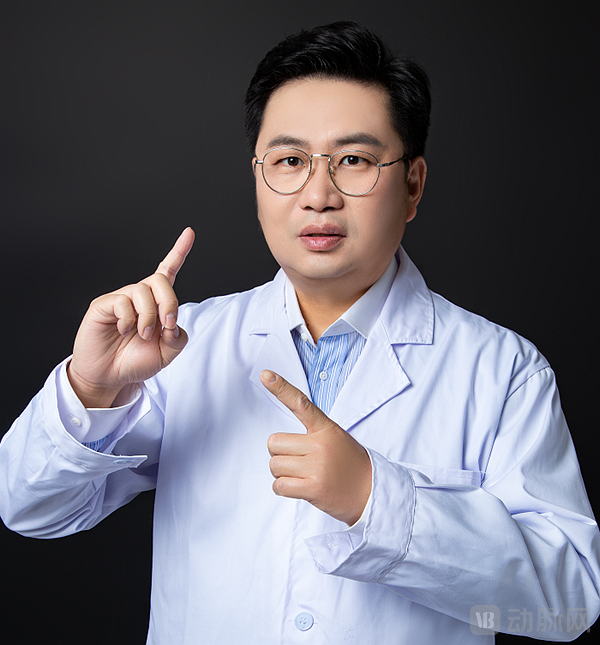
Professor Fang Xu, Founder and Chief Scientist of Henglu Biotechnology. Image source: Henglu Biotechnology
In 2009, Professor Fang Xu returned to China and assumed the positions of Professor and Doctoral Supervisor at the State Key Laboratory of Microbial Technology and the National Engineering Research Center for Carbohydrate Technology, both affiliated with Shandong University. He has long been engaged in the production of high-value-added products using biocatalysis and synthetic biology, and has published more than 40 SCI-indexed papers in the field of bioengineering.
“From my return to China in 2009 until my decision to start a business in 2017, I observed that the level of basic research in China had been rising rapidly during this period. Currently, many of our basic research technologies have achieved a globally leading position. However, in terms of industrial translation, I still see significant gaps, which is what we often refer to abroad as the ‘Valley of Death’ in technology transfer,” said Professor Fang Xu.
To bridge the "valley of death," a professional research translation team is required.
Before embarking on his own entrepreneurial venture, Professor Fang Xu also attempted to transfer some of his scientific research achievements to others for commercialization. However, the outcomes failed to meet his predetermined goals. “Transforming laboratory-based technology into mature industrial technology requires continuous technical iteration and upgrades in accordance with market demands. This process involves substantial know-how, necessitating ongoing interaction between the technology founder and the production department. Only by personally engaging in this process can one gain the deepest understanding.”
This is also the case in the current translation process of synthetic biologyCommon Misconceptions, people often believe that:Once the target compound has been synthesized in the laboratory, the preliminary R&D phase is considered complete. In reality, this marks only the first step toward commercialization, with a long road ahead. First, to transform synthetic biology lab-scale samples into marketable products, laboratory techniques must be scaled up to manufacturing processes. Research on product separation, purification, crystallization, and physicochemical properties is indispensable. Subsequently, market research must be conducted, followed by multi-scale process amplification.
“The industrialization of synthetic biology requires extensive know-how, most of which resides within the industry.”Professor Fang Xu told VCBeat New Medicine, “One way to help new synthetic biology technologies and products cross the ‘valley of death’ in translation is to build a bridge between scientists emerging from universities and the industrial sector, fostering interaction among advanced technologies, industrial production, and market demand, thereby unleashing vitality at the source.”
In 2018, Professor Fang Xu co-founded Henglu Biotechnology with a friend who had many years of experience in the IT industry. “As the founders of the company, we each represent different fields and are well-versed in the cutting-edge advantages of ‘IT’ and ‘BT,’ injecting a highly interdisciplinary and deeply integrated technical background into Henglu Biotechnology.”
Professor Fang Xu is also well aware that conducting scientific research and building an industry are fundamentally different endeavors. While there are connections between the two, a significant gap remains, requiring in-depth understanding of various industry-specific know-how, including technology translation, product selection, and patent strategy.
From an enterprise perspective, synthetic biology represents only a small technological step within the entire industrial chain. In addition to requiring interdisciplinary IT capabilities, it demands expertise and talent in areas such as production scale-up, production management, and quality control. “There needs to be continuous communication between the technology and market sides; through market feedback, technologies must undergo ongoing secondary R&D and iteration to develop products with genuine market value.”
Professor Fang Xu remarked, “Looking back now, it seems as if my previous experiences studying abroad, my industrialization work in Japan, my research and technology transfer efforts after returning to China, as well as the friends I have met and the resources I have accumulated over the years, were all destined preparations for this very moment.”“All accumulated resources have been invested in the current Henglu Biotechnology.”
Drawing on years of expertise in synthetic biology, Professor Fang Xu’s primary concern when founding his company was product selection.In terms of product selection, companies evaluate and choose based on three criteria: raw materials, market, and technology. Professor Fang Xu stated, “Technology is an important factor; however, we typically validate the raw materials and market feasibility first before assessing the technology. This is because, among the three, technology offers the greatest flexibility.”
Shandong Henglu Biotechnology Co., Ltd. prioritized human milk oligosaccharides (HMOs) as its flagship product in its portfolio strategy. During the initial product selection phase, related products were already available on the market, with most production technologies controlled by foreign companies.
It is understood that some overseas companies have already added 2’-FL (a type of HMO) as a supplement to infant formula, launching products labeled with “HMOs” into the market and gradually establishing an existing market for 2’-FL. The HMO market has been developing since 2016 and is currently still in the introduction phase. In fact, Shandong Henglu Biotechnology Co., Ltd. had already successfully produced 2’-FL in its laboratory as early as 2016.
After careful analysis, Shandong Henglu Biotechnology Co., Ltd. concluded that a startup should not follow the crowd in its product commercialization strategy, but rather blaze a new trail to gain a first-mover advantage. Accordingly, while continuing its research on the stability of mass production for 2’-FL, the company focused its efforts on scaling up the production of the LNT series, known as core oligosaccharides within the human milk oligosaccharides (HMOs) category.
By the end of 2021, Henglu Biotechnology successfully prepared LNT II, LNT, LNB, and LNnT using its proprietary enzymatic process and achieved mass production capability. It marked the first time in China that crystalline human milk oligosaccharides (HMOs) were produced at scale, with product purity reaching 99.9%. Toxicological testing conducted by third-party institutions demonstrated that the products are more compliant with China’s food safety laws and regulations, exhibiting superior safety profiles.
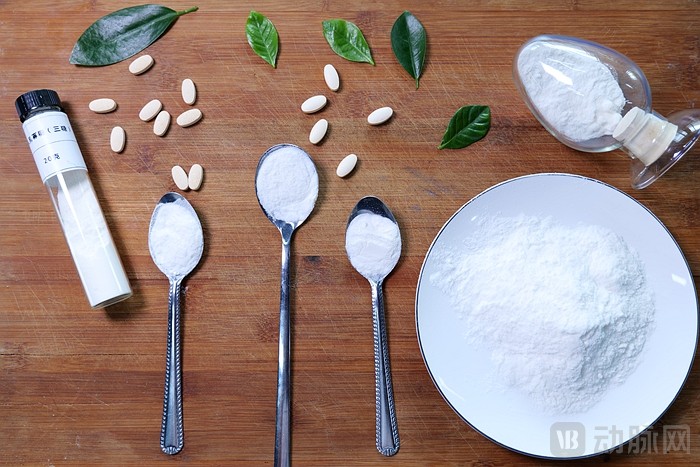
Henglu Biotech Successfully Produces LNT II via Enzymatic Process | Image source: Henglu Biotech
This year, some overseas companies have gradually begun to implement LNT.These initiatives related to the product portfolio further validate the foresight of Shandong Henglu Biotechnology Co., Ltd. in targeting the incremental market for the LNT series.“Shandong Henglu Biotechnology Co., Ltd. has been preparing for this for four years and is fully poised to launch.” Rather than blindly following trends, the company has identified undiscovered technologies through in-depth market analysis, thereby securing a stronger competitive position in emerging markets.
Take Henglu Biotechnology’s core project, the salidroside pipeline, as an example. Salidroside is currently widely used in traditional Chinese medicine and cosmetics. However, Rhodiola rosea, the natural source of salidroside, is a Class II nationally protected rare plant in China. Coupled with the fact that current extraction methods are relatively traditional, there is an annual market shortfall of approximately 2,000 metric tons. After conducting preliminary research on the market and raw materials, Henglu Biotechnology began to achieve technological breakthroughs and mass production by synthesizing salidroside using cell factories.
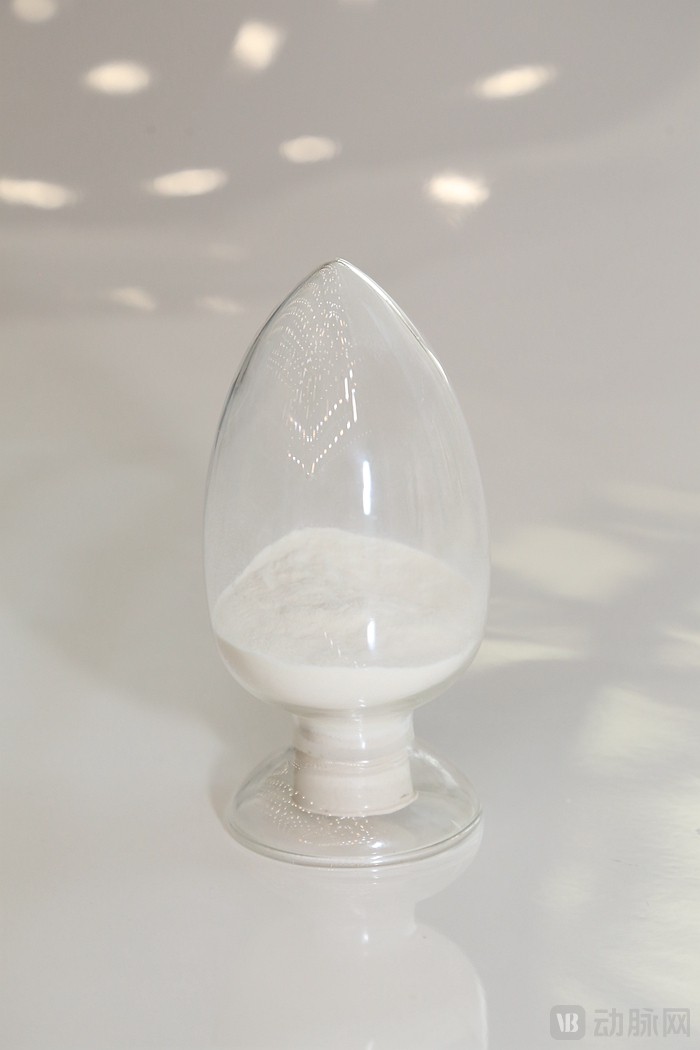
Shandong Henglu Biotechnology Synthesizes Salidroside Using Cell Factories, Image Source: Shandong Henglu Biotechnology
In addition, Henglu Biotechnology will integrate the research and development and production of the aforementioned products with those of sugar substitutes, sharing the same equipment to maximize equipment utilization and production capacity.
Beyond product selection, synthetic biology must also overcome the significant technical barriers to achieve successful industrialization.
As latecomers in the field of synthetic biology, Chinese enterprises must acknowledge that many large foreign corporations have long established formidable patent barriers in this area.
Professor Fang Xu observed, “Unlike substance patents, process patents are more easily circumvented. Others may bypass the relevant patent barriers by altering or improving any single step in the production process.”
Shandong Henglu Biotechnology Co., Ltd. focuses primarily on substance patents,Substance patents refer to patents covering the active pharmaceutical ingredient (API) of a drug. The API consists of chemical formulas of various elements, which define the drug’s composition. Taking salidroside as an example, Shandong Henglu Biotechnology Co., Ltd. achieved large-scale production of salidroside as early as 2020. Subsequently, during feasibility assessments, the company discovered that if an enterprise intends to produce salidroside as a replacement for this component in traditional Chinese medicine preparations, it must follow the regulatory submission pathway for Class 1 new drugs.
“This process requires a time investment of five to ten years. In five years, other companies would have long since breached our patent barriers.”
In this scenario, Shandong Henglu Biotechnology Co., Ltd. spent two years focusing on substance patents by developing a synthetic derivative of salidroside—a compound not found in nature—with an overall efficacy superior to that of natural salidroside. The company filed for substance patents covering this novel chemical structure. Once granted, these patents will allow the compound to be marketed as a pharmaceutical drug and ensure that Shandong Henglu Biotechnology maintains a technological barrier for 30 years.
“Even if we spend 10 years developing salidroside-related drugs, there will still be a 20-year lead that others cannot surpass.”
In the field of HMOs, since HMOs must have natural structures and cannot be patented as substances, Shandong Henglu Biotechnology Co., Ltd. has chosen toCrystal Form Patententry. In addition, Henglu Biotechnology has also laid out relatedUse Patents, Detection Patentsetc.
Professor Fang Xu summarized, “In addition to patent barriers, Henglu Biotechnology has also introduced AI into the development of its pipeline.”"The integration of synthetic biology with AI not only reduces R&D costs but, more importantly, shortens time-to-market, enabling companies to bring products to market ahead of competitors."
To date, Henglu Biotechnology has achieved initial success in the field of synthetic biology in China.
2018When the company was established in March, Henglu Biotechnology was approved as a key project under the Ministry of Human Resources and Social Security’s Start-up Support Program for Overseas Returnees. It was the only key project in Shandong Province at that time. “This project marks Henglu Biotechnology as one of the first synthetic biology companies in China to engage in the research and development of human milk oligosaccharides (HMOs).”
2020, Henglu has obtained patent licensing in the field of HMOs, achieving a landmark result.
This Year, Shandong Henglu Biotechnology Co., Ltd. released the first research report on HMOs in China. Leveraging artificial intelligence technology, big data analysis, and modeling, this report forecasts the future market development of the entire HMO sector.
Next Year, Henglu Biotechnology’s HMOs are expected to obtain U.S. GRAS certification. In 2023, Henglu Biotechnology will first launch HMO-based functional foods in the U.S. market, and introduce HMO-fortified infant formula and HMO beverages through overseas subsidiaries of major Chinese dairy companies. It is anticipated that by late 2023 to early 2024, Henglu Biotechnology will complete cross-border e-commerce procedures and launch its own HMO products to domestic consumers via cross-border e-commerce platforms.
As its product pipeline advances at a brisk pace, Henglu Biotechnology is actively pursuing financing and has received capital support from the Shandong Provincial Government and local authorities. In 2020, the Shandong Science and Technology Innovation New Momentum Venture Investment Fund completed an equity investment in Henglu Biotechnology.
Nowadays, to accelerate the subsequent industrialization process, Henglu Biotechnology has launched a new round of financing, planning to raise over 100 million yuan.
Looking to the future, Professor Fang Xu remarked with a smile, “Synthetic biology is an emerging market. As a startup, Shandong Henglu Biotechnology Co., Ltd. still has much to learn from century-old international corporations. Our relationship with other companies is not purely competitive; given the substantial size of the market, we are fully open to collaboration and joint exploration with other enterprises, fostering a healthy competitive landscape and a win-win future.”