

Tencent Wins Two Top Awards at National Healthcare Security Administration's Smart Medical Insurance Competition with Its Role as a Digital Connector
“These insured individuals exhibited abnormal behavior and data patterns.” Recently, law enforcement agencies received a report on health insurance fraud. Unlike previous public tips, this case was uncovered with the aid of technological tools such as big data and artificial intelligence algorithms, which helped identify the “fraudsters” hidden among the vast population. In-depth investigations revealed a 24-member fraud ring, leading to the identification and arrest of an additional 56 suspects, all of whom were apprehended in a single operation.
The ability to uncover an 80-member insurance fraud ring in a single operation was made possible by the integrated application of digital technologies within Tencent’s “Precision Healthcare Fund Supervision Solution Based on Big Data.” Recently, the award ceremony for the “Smart Healthcare Insurance Solutions Competition,” hosted by the National Healthcare Security Administration, was held. Emerging from 156 entries submitted by 133 companies across 25 provinces and municipalities nationwide, this solution secured first place in the overall finals after intense competition through preliminary, semi-final, and final rounds. Additionally, Tencent’s other project, the “Smart Public Service Solution for Healthcare Insurance,” won second place in the overall rankings of the public service sub-track.
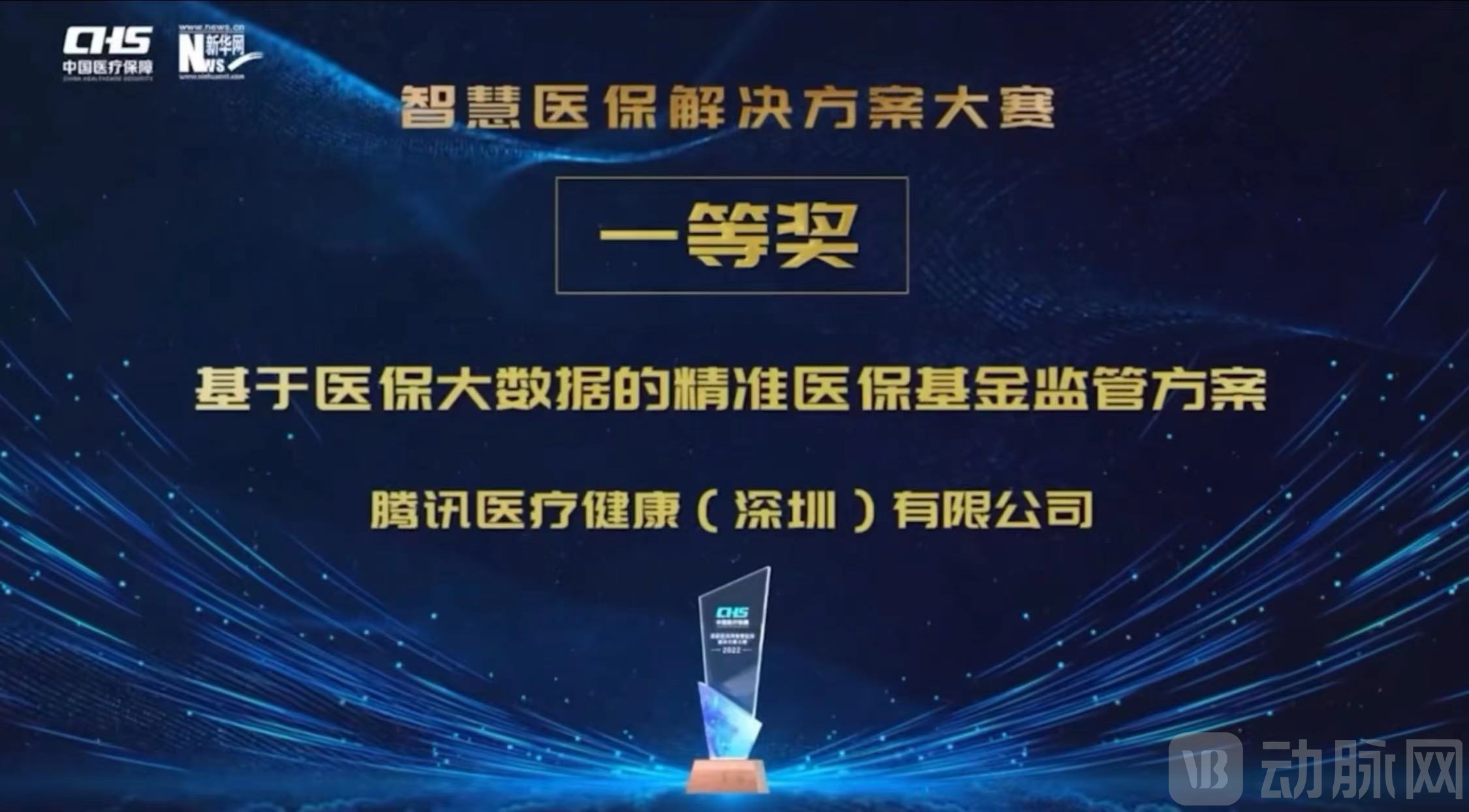
This competition aims to harness the collective intelligence of society to address bottlenecks constraining the high-quality development of medical insurance. It encourages participating teams to identify high-value issues and propose verifiable, effective solutions, thereby providing strong impetus to the medical insurance sector. The aforementioned solutions will be implemented across various regions in the future, relying on a unified foundational platform—WeChat for Medical Insurance. Ni Jianwen, Vice President of Tencent Health, stated that Tencent has built the “Smart Medical Insurance Connector”—WeChat for Medical Insurance—leveraging its connectivity capabilities and big data technology as a foundation. This initiative connects various business application scenarios, focusing on constructing comprehensive and accessible “elevators” for the “Smart Medical Insurance Building,” enabling information to flow in an orderly manner within the building and allowing the public to conveniently access services.
From ensuring healthcare security fund integrity to delivering public healthcare security services, Tencent Health aligns with the policy directives for digitalization and intelligent transformation of healthcare security outlined in China’s 14th Five-Year Plan for Universal Healthcare Security. Leveraging its technological strengths and connectivity capabilities, Tencent Health drives a closed-loop smart healthcare security service ecosystem through digital technologies, contributing to the establishment of a unified, efficient, compatible, convenient, and secure healthcare security information system with nationwide coverage.
Why Is Smart Healthcare Insurance So Important? From a macroeconomic perspective, healthcare security serves as the ballast for enhancing public well-being and maintaining social harmony and stability. According to the 2021 Statistical Bulletin on the Development of National Healthcare Security, by the end of 2021, the number of participants in basic medical insurance across China reached 1.36 billion, with an enrollment rate consistently exceeding 95%, thereby establishing the world’s largest healthcare coverage network in terms of population covered.
In September 2021, the General Office of the State Council issued the National “14th Five-Year” Plan for Universal Medical Security, pointing out that it is necessary to achieve a significant improvement in the informatization level of medical security, continuously improve Internet-plus healthcare and medical insurance services, and fully apply big data and intelligent monitoring in medical insurance. Under the broader framework of continuous advancements in digital technology and the accelerated construction of Digital China, building smart medical insurance has become an important means to improve people’s livelihoods and safeguard their lives and health, as well as an inevitable requirement for deepening healthcare reform and leading the high-quality development of the medical insurance sector.
However, the vast number of insured individuals and the multitude of participating entities have generated healthcare security data of staggering volume and complexity, leading to issues such as fragmented information systems, inconsistent standards, significant disparities in business functionalities, and siloed services. This implies that the development of smart healthcare security requires integrating multiple stakeholders and leveraging digital technologies to fully unleash their connectivity and activation capabilities, thereby achieving a unified, nationwide approach to healthcare security informatization from top to bottom.
Among these, the supervision of medical insurance funds and the provision of public medical insurance services are two key directions for the practical application of digital technologies in the medical insurance sector, as well as two critical elements in achieving a closed-loop smart medical insurance service system.
Supervision of the medical insurance fund is the top priority for the healthy development of medical insurance. However, traditional supervisory methods rely heavily on manual labor, resulting in high costs, low efficiency, and insufficient regulatory capacity. This renders them passive in confronting organized fraud involving multiple roles and participants, as well as concealed modus operandi. The 14th Five-Year Plan explicitly calls for the comprehensive establishment of an intelligent monitoring system, promoting a transformation in medical insurance fund supervision toward big data-driven, all-encompassing, full-process, and whole-link intelligent monitoring.
Tencent’s “Precision Medical Insurance Fund Supervision Solution Based on Big Data,” which won the First Prize in the overall rankings of the “Smart Medical Insurance Solutions Competition,” leverages leading artificial intelligence technologies from Tencent Tianyan Laboratory. By integrating medical insurance big data, a medical insurance knowledge graph, an inappropriate medication detection engine, a terminology standardization engine, and innovative AI technologies such as healthcare federated learning, the solution pioneers the industry’s first algorithmic model for detecting organized fraud against medical insurance funds, along with measures such as pre-transaction interception for online payments.
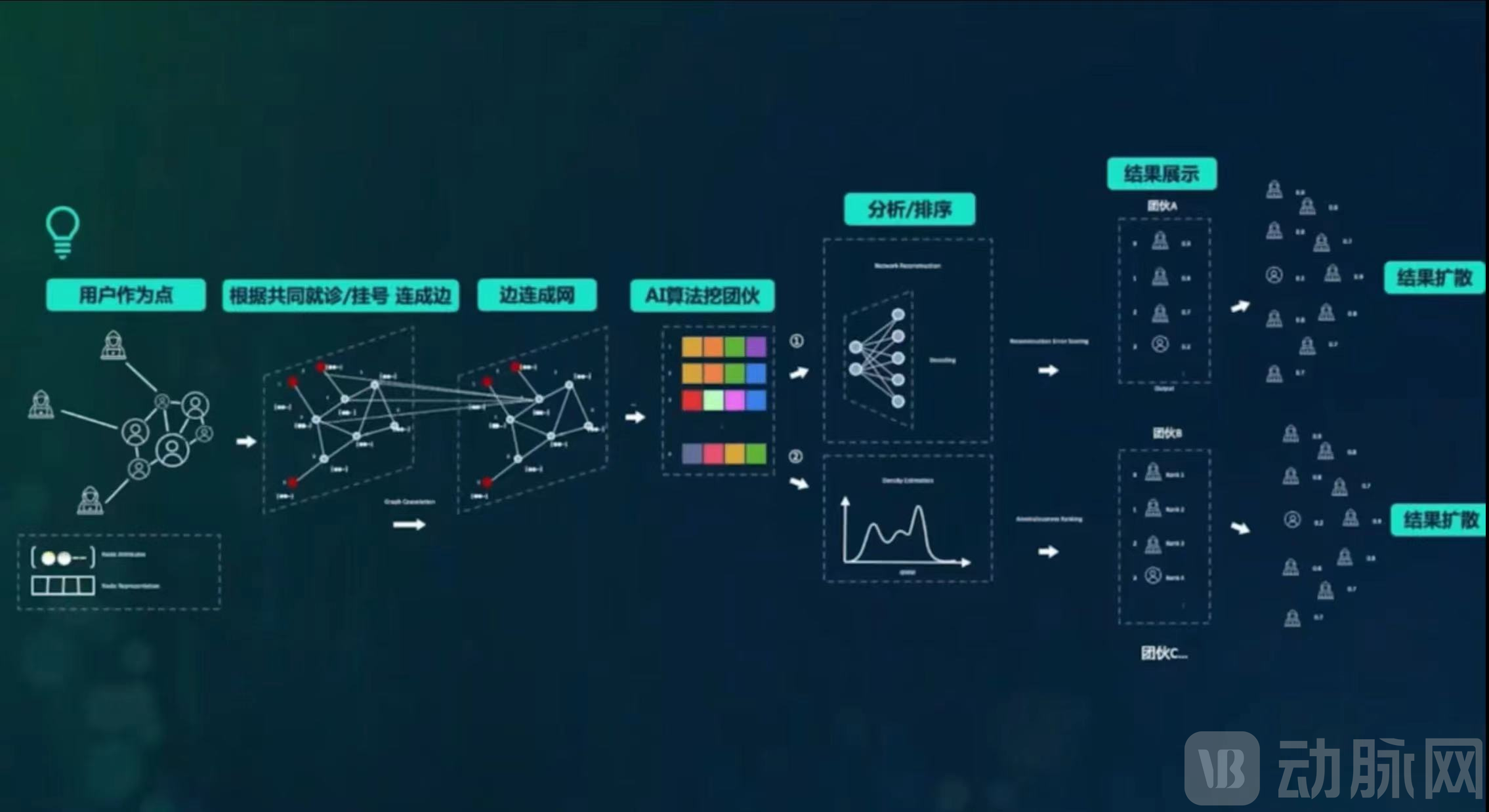
This solution can proactively identify anomalies among insured individuals, uncover clues related to fraudulent syndicates, and perform intelligent data analysis to further detect key populations with abnormal medical insurance behaviors, thereby providing reference for regulatory decision-making by relevant authorities. The solution also aligns with the data standards of the National Unified Information Platform, facilitating flexible access, deployment, and promotion across departments at all levels nationwide.
Meanwhile, Tencent leverages WeChat for Medical Insurance to build a bridge between regulation and service, enabling regulatory bodies such as the Healthcare Security Administration to manage and access insured persons’ data more rapidly for evidence collection—including video recordings and LBS-based geographic location data—and to conveniently establish communication groups based on specific sets of anomalous data. This facilitates the synchronization of task reminders, communication, evidence collection, investigation, feedback, and handling, thereby enhancing regulatory efficiency. In the future, this solution can further integrate into additional regulatory scenarios via WeChat for Medical Insurance, such as outpatient services, pharmacies, and online-to-offline payments, shifting regulatory oversight upstream to achieve the goals of rapid early warning, real-time communication, and timely loss mitigation.
On the other hand, as a foundational platform, WeChat for Medical Insurance plays a core role in the field of public medical insurance services. To provide insured individuals with comprehensive and high-quality online medical insurance services, it is necessary to build a “high-speed highway” connecting the medical insurance authorities to ordinary patients, linking various levels of institutions and departments—including the Healthcare Security Administration, designated healthcare providers, and grassroots administrative agencies—thereby helping medical insurance service providers upgrade their service capabilities.
Tencent’s “Smart Healthcare Insurance Public Service Solution” secured second place overall in the public service sub-track of the “Smart Healthcare Insurance Solutions Competition.” Built upon the user ecosystem encompassing WeChat, WeCom, and Government WeCom, the solution leverages Healthcare Insurance WeChat to connect multiple stakeholders—including healthcare security bureaus, designated medical institutions and pharmacies, participating employers, and insured individuals—across diverse scenarios. This lays the foundation for the informatization and intelligent service delivery of healthcare insurance systems, enabling insured individuals to receive more proactive and smarter healthcare insurance services.
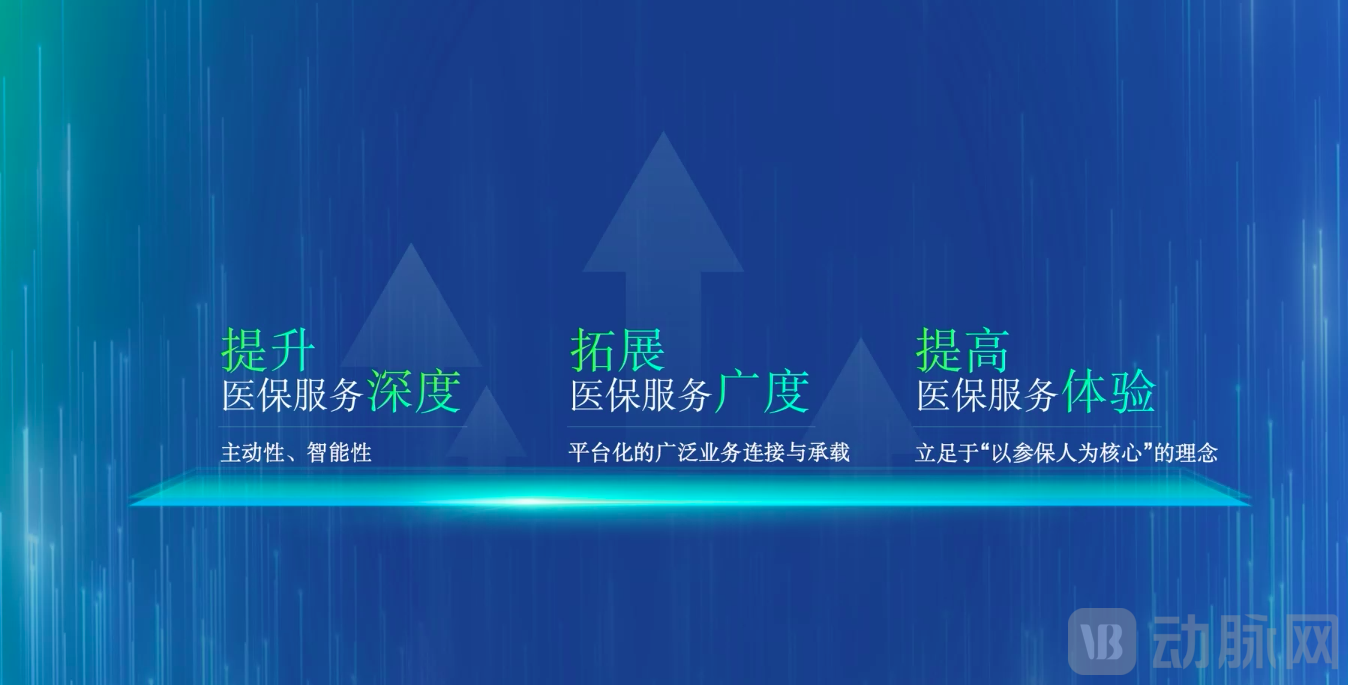
On one hand, the Medical Insurance WeChat platform establishes a channel for information and operational collaboration between the Healthcare Security Administration and medical institutions, enabling comprehensive city-wide oversight of medical insurance and designated healthcare providers (“one-map visibility”). This facilitates the timely dissemination of policies and notifications to departments and subordinate units, supports virtual meetings, and promotes transparent management. On the other hand, the online medical insurance service matrix delivered via the Medical Insurance WeChat platform provides insured individuals with access to various services, including online payment and settlement, inquiry of contribution records and consumption details, enrollment registration, filing for out-of-area medical treatment, and premium payments, thereby continuously expanding smart and convenient application scenarios for medical insurance services.
Supporting the Construction of the “Smart Healthcare Security Building” and Promoting a Closed-Loop Smart Healthcare Security Service
Based on the original intent and award outcomes of the Smart Health Insurance Solutions Competition, it is evident that under the policy guidance aimed at establishing a unified national health insurance informatization framework, integrating and connecting internal and external data to build convenient and intelligent connectivity mechanisms is crucial and serves as the foundation for achieving smart management of health insurance services.
Leveraging its capabilities in technology, resources, and ecosystem connectivity, Tencent Health is actively advancing the development of smart medical insurance. It has innovatively launched the Smart Medical Insurance Reform Service Platform—the WeChat Medical Insurance Platform—based on the WeChat ecosystem. This platform connects medical insurance bureaus, healthcare providers such as hospitals and pharmacies, and urban insured residents, enabling unified and collaborative data management to drive a closed-loop smart medical insurance service system.
On one hand, in response to the innovative development needs of municipal-level healthcare security administration governance services, Tencent Health leverages its advanced technologies in cloud computing, big data, and artificial intelligence to address challenges related to healthcare security fund safety and administration. On the other hand, relying on the Electronic Healthcare Security Certificate, Tencent Health continuously engages with insured individuals, providing efficient public healthcare security services and more convenient medical consultation and pharmaceutical purchase experiences.
Tencent Health will continue to focus on the frontiers of technological innovation and application, address the needs of healthcare security reform and development, and prioritize the well-being and health of the people. By opening up its technology and connectivity capabilities to industry partners, Tencent Health aims to “lay a solid foundation and install efficient elevators” for enhancing the modernization of healthcare security governance, thereby supporting the comprehensive construction of the “Smart Healthcare Security Building.” In collaboration with provinces and municipalities across China, it will accelerate the modernization of the healthcare security governance system and capabilities, ensuring that healthcare security services are “convenient and accessible, intelligent and precise, available online, and secure and reliable,” thus tangibly improving the experience and satisfaction of insured individuals.