

Jiaona Intelligence Files for IPO: Pioneering Nanotech-Based Breath Diagnosis for Early Gastric Cancer Screening
Since 1992, when I enrolled at the Fourth Military Medical University,Professor Cui DaxiangHas been dedicated to the research of oncology diagnosis and treatment for over 30 years, receiving several scientific research awards and honorary titles.
Professor Cui Daxiang is not only a doctoral supervisor but also a recipient of the National Science Fund for Distinguished Young Scholars, a Chang Jiang Scholar Chair Professor, and a Chair Professor at Shanghai Jiao Tong University. He has been selected into the National Hundred, Thousand, and Ten Thousand Talents Project, awarded the title of “Expert with Outstanding Contributions among Middle-aged and Young Experts,” and serves as the Chief Scientist of the Major Scientific Research Program on Nanoscience. Additionally, he is the Deputy Director and General Manager of the National Engineering Research Center for Nanotechnology and Applications, as well as the Deputy Director of the Key Laboratory of Thin Film and Microfabrication Technology under the Ministry of Education. In 2021, he was elected as a Foreign Academician of the Russian Academy of Natural Sciences.
Professor Cui has also received one Second Prize of the National Science and Technology Progress Award, one First Prize for Technological Invention from the Ministry of Education, one First Prize for Technological Invention from Shanghai Municipality, two First Prizes from the China Association of Inventions, and the honorary title of “Contemporary Inventor.” He holds two patents in Europe and the United States, has been granted 75 Chinese patents, served as editor-in-chief for two monographs, participated in the writing and publication of eight monographs (including five in Chinese and English), and contributed to the development of products that have obtained nine medical device certifications.
However, Professor Cui is more inclined to devote himself to scientific research and the translational application of achievements to solve practical problems than to pursue awards and honors. He has published over 430 SCI-indexed papers in international professional journals, was named a Highly Cited Researcher globally in both 2020 and 2021, and has had his work cited and commented on by prestigious journals such as Science, Nature Nanotechnology, and Chemical Reviews. His publications have garnered over 20,000 non-self citations, with an H-index of 74. Professor Cui has been invited to deliver more than 50 keynote addresses at international academic conferences and served as one of the conference chairs for the 2nd IEEE International Conference on Nano-Biomedicine.
Such a highly accomplished scientist,Shanghai National Engineering Research Center for Nanotechnology and Applicationswith the support of, was founded in 2021Shanghai Jiaona Intelligent Technology Development Co., Ltd. (hereinafter referred to as “Jiaona Intelligent”), determined to translate and apply decades of scientific research achievements, thereby enabling deeper research in practice while contributing to the national health initiative and the endeavor to build a leading nation in science and technology.
As a leading figure in China’s nanotechnology research, how has Professor Cui Daxiang translated scientific achievements into practical applications? What are the advantages of nano-based breath diagnosis? What are its underlying principles and core technologies? What profound impact will this detection method have on early screening for gastric cancer? With these questions in mind, VCBeat conducted an exclusive interview withProfessor Cui Daxiang, Chief Scientist of Jiaona Intelligence。
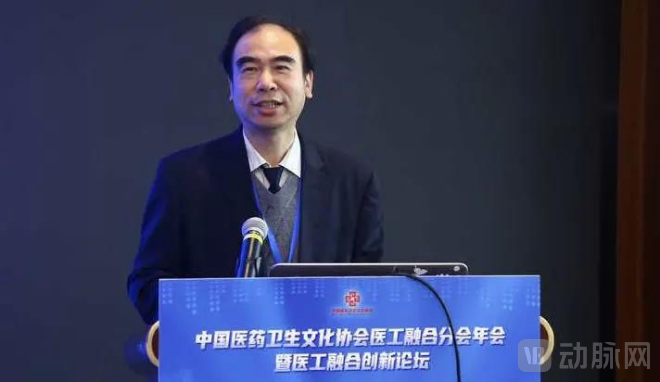
VCBeat: Professor Cui, when did you begin your research in nanotechnology applications, and what are your primary research areas?
Cui Daxiang:I received my Bachelor of Medicine degree from the Second Military Medical University in 1990, my Master of Medicine degree from the Fourth Military Medical University in 1995, and my Ph.D. in Biochemistry and Molecular Biology in 1998. Since graduation, while working at the Institute of Applied Gene Diagnostic Technology of the Chinese People’s Liberation Army at the Fourth Military Medical University, I have been engaged in research related to gastric cancer warning and early diagnosis. After being promoted to Associate Professor in 2000, I went to the Max Planck Institute in Germany for postdoctoral research, where I obtained certifications as a Project Manager and in Biosafety Management. I participated in the establishment of the Max Planck Institute’s Center for Bio-Nano Engineering, serving as the Head of Biosafety and Laboratory Group Leader, conducting research in the field of bionanomedicine. In September 2004, I returned to China and was appointed as a Professor at the Institute of Micro- and Nano-Science and Technology at Shanghai Jiao Tong University through a competitive selection process. I established the Laboratory of Nano-Bioengineering and served as its Director. Since then, alongside conducting research, I have also explored the application of nanomedical technologies.
My research focuses on nanomaterials and intelligent diagnostic and therapeutic equipment, early warning and diagnostic systems for gastric cancer, multifunctional nanoprobes and molecular imaging of tumors, as well as cell therapy and gene or drug delivery systems based on nanotechnology. Several diagnostic kits developed in my laboratory have been successfully translated into clinical applications for disease diagnosis.
VCBeat: There are numerous application scenarios for nanotechnology in biomedicine. Why did you choose early screening and diagnosis of gastric cancer as the priority entry point for technology translation and application?
Cui Daxiang:With the rapid development of the national economy, people are placing increasing emphasis on their personal health, and the prevention and control of gastric cancer has become a public health issue of widespread concern. According to the 2022 China Cancer Statistics Report, there were 397,000 new cases of gastric cancer and 289,000 deaths in China. The vast majority of early-stage gastric cancer cases present with no obvious symptoms and are easily overlooked. Furthermore, gastric cancer is often diagnosed at an intermediate or advanced stage; even with surgical intervention, the five-year survival rate remains below 30%. However, if gastric cancer is detected and treated at an early stage, the five-year survival rate can exceed 90%, potentially leading to a cure. Given China’s large population base, I believe that early screening for gastric cancer is becoming increasingly important and urgent for national health in the current context.
Serological screening and endoscopic screening are currently the primary methods for early gastric cancer detection. Among these, gastroscopy is regarded as the “gold standard” for early gastric cancer screening due to its high diagnostic accuracy. However, both approaches are invasive for patients. Despite years of application, they have failed to improve the detection rate of early gastric cancer in China, which remains at approximately 5%–15%. To enhance the detection rate, it is essential to develop new non-invasive technological products for early gastric cancer screening. Therefore, I have been dedicated to researching a superior non-invasive, simple, and rapid screening method to address the aforementioned challenges.
VCBeat: What inspired you to combine nanotechnology with breath-based diagnostics?
Cui Daxiang:Most existing diagnostic techniques are invasive and thus not patient-friendly. This has, to some extent, hindered the widespread adoption of early screening, causing diseases that could have been diagnosed and treated at an early stage to progress undetected until they significantly impact patients’ quality of life. By that time, the diseases are often in their middle to late stages, characterized by difficult treatment and low cure rates.
Life begins with every breath. Although exhalation appears intangible, it serves as a barometer of human health. Each exhaled breath contains biomarkers that reflect the physiological and pathological states of various organs, providing a basis for disease diagnosis and health monitoring. Breath testing offers a non-invasive, convenient, and precise new approach to medical laboratory diagnostics, aligning with the trend toward greater precision, convenience, and non-invasiveness in medical testing. It has become an “invisible” hotspot within the precision medicine industry. Therefore, by integrating my professional expertise with clinical pain points, I have developed a nano-breath diagnostic technology for early gastric cancer screening.
VCBeat: What are the distinguishing features of the nano-based early screening and diagnostic technology for gastric cancer?
Cui Daxiang:As previously mentioned, both serological screening and endoscopic screening have their respective limitations. Nanotechnology-based early screening and diagnostic techniques for gastric cancer effectively address these shortcomings.
For patients, this is a patient-friendly, effective, non-invasive, harmless, and painless diagnostic method. Without the need for needle sticks or gastroscopy, early gastric cancer screening can be completed simply by exhaling into a device. This approach is convenient, rapid, and highly accurate, significantly enhancing the patient healthcare experience. It also implicitly increases the likelihood and widespread adoption of screening, thereby delivering health economic value. Furthermore, unlike gastroscopy, which imposes high demands on physician expertise and equipment, this non-invasive method eliminates the risk of infection-related hygiene incidents associated with instrument sterilization.
To date, we have completed studies on over 2,000 clinical specimens. The results demonstrate a specificity of 94% and a sensitivity of 87%, with accuracy exceeding national standards. Nevertheless, there remains a gap between these results and our internally established targets. In subsequent R&D iterations, we will continuously upgrade our technological products to ensure higher accuracy.
VCBeat: Early screening for gastric cancer requires addressing the issue of early-stage biomarkers. How did you identify these biomarkers?
Cui Daxiang:Human breath contains numerous volatile organic compounds (VOCs), which include disease-specific molecules that can be utilized for diagnostic purposes. The most critical aspect of early screening is to identify breath biomarkers capable of distinguishing patients with early-stage gastric cancer from healthy individuals. We collected breath samples from patients with early-stage gastric cancer, those with advanced-stage gastric cancer, and healthy controls. Using improved mass spectrometry technology, we screened a large panel of highly differential breath biomarkers, ensuring consistency with the diagnosis of early-stage gastric cancer and achieving a concordance rate of over 90%. Ultimately, we identified 14 breath biomarkers to differentiate among early-stage gastric cancer, advanced-stage gastric cancer, and healthy individuals, thereby facilitating the screening of patients with early-stage gastric cancer.
VCBeat: What is the core technology behind the nano-based early screening and diagnostic technology for gastric cancer?
Cui Daxiang:There are two core technologies: one is the identification of breath biomarkers for early gastric cancer screening, and the other is an ultra-sensitive and highly specific sensing system for detecting these breath biomarkers. Our core technology lies in establishing unique Raman spectra for breath biomarkers used in early gastric cancer screening, thereby resolving the specificity issue in biomarker detection. Due to the extremely low concentrations of these biomarkers in human exhaled breath, they cannot be detected by conventional methods.
To enhance the sensitivity of exhaled biomarker detection, we have developed a nanoparticle-enhanced sensor for analyzing exhaled breath biomarkers and invented a surface-enhanced Raman scattering (SERS) sensing chip based on graphene oxide with in-situ grown gold nanoparticles, achieving single-molecule level sensitivity. Building on this foundation, we have developed analytical processing software, established a theoretical model for early gastric cancer screening, and created a database of exhaled breath biomarkers. We plan to collect over 10,000 clinical breath samples to continuously validate and optimize the system, refine the database, and improve detection accuracy.
VCBeat: What was the biggest challenge you and your team encountered during the R&D process?
Cui Daxiang:Each solution that appears to resolve the previous problem may itself become the next new problem. For instance, at the outset, our major challenge was how to accurately identify biomarkers capable of distinguishing between early, intermediate, and advanced stages of gastric cancer. The difficulty lay in collecting breath samples from patients at different disease stages in clinical hospital wards. During the actual collection process, we found that breath biomarkers were relatively easy to obtain from healthy individuals and patients with intermediate-to-advanced gastric cancer, but considerably more difficult to collect from those with early-stage gastric cancer. After acquiring these data, another challenge emerged: how to accurately distinguish the target signals amidst interference, given the low abundance of the biomarkers. This requires us to have patience, courage, perseverance, and technical capability to overcome one technological barrier after another, continuously improving the precision and earliness of gastric cancer screening.
VCBeat: What is the overall progress of the nano breath test project for early gastric cancer screening? How accurate and sensitive is the detection technology?
Cui Daxiang:Supported by the Major Research Plan on Nanoscience and the National Key R&D Program, we have achieved a series of advances in the screening of gastric cancer-related biomarkers, the controllable preparation of nanoparticles, the enhancement of sensitivity and specificity for biomarker detection, and the development of rapid detection sensors.
We have completed the collection and testing of over 2,000 clinical samples at more than ten hospitals, including Shanghai Jiao Tong University School of Medicine Affiliated Hospitals, Huashan Hospital Fudan University, Shanghai General Hospital, Shanghai Sixth People’s Hospital, and Nanjing Drum Tower Hospital, thereby validating the accuracy of our early gastric cancer screening system. Our next step is to conduct multicenter clinical trials to further optimize the early gastric cancer screening system.
Clinical specimen validation demonstrated that the product has a specificity of 94% and a sensitivity of 87%. Integrated with the established theoretical model for early gastric cancer screening via breath analysis, it is expected to significantly enhance detection accuracy, raising the early gastric cancer detection rate to 97.8%.
VCBeat: What do you see as the advantages of Jiaona’s core intelligent technology team?
Cui Daxiang:Our core strengths undoubtedly lie in technological R&D and talent. Leveraging the talent pool and technical reserves of the Shanghai National Engineering Research Center for Nanotechnology and Applications, our team has assembled top-tier experts in China’s nano-diagnostics field and possesses leading industry technologies.
To further pursue technical excellence and implement a strategic layout for international development, the team has invited Dr. Zhenmin Ni, Chairman and CEO of the U.S. diagnostics company Akrigene, and Dr. Xinjing Wang, Director of the DNA Diagnostics Laboratory at the U.S. National Institutes of Health (NIH), to join its ranks, thereby establishing an international expert technical team based in China with a global reach.
Furthermore, regarding application translation and commercialization, we have prior experience in successfully translating similar technological achievements. We possess professional capital operation resources and advantages in the industrialization of intellectual property, enabling us to effectively balance technology, commercialization, and capital operations. Moreover, the team has recruited a group of highly capable members with expertise in financing management, marketing, and product translation. Leveraging their respective strengths, we are confident in accelerating and enhancing the application and translation of our products.
VCBeat: What are the development plans for Jiaona Intelligence and its future listed platform company?
Cui Daxiang:Going public is inevitable; however, at this stage, we will not place excessive emphasis on an IPO, allowing events to unfold naturally. While our product technology has demonstrated excellent clinical efficacy under laboratory conditions, its performance in large-scale industrial production remains to be validated. Therefore, our team will prioritize refining our technology and products, focusing our efforts on delivering superior and valuable services. We plan to pursue both vertical and horizontal expansion and evolution. Vertically, we will optimize and validate the hardware and software components—such as biomarker identification and sensors—within our nano-breath diagnosis technology for early gastric cancer screening, and expedite multi-center, large-sample, prospective validation studies. Horizontally, we will simultaneously advance the development and improvement of supporting systems, reagents, chips, and other related products, while exploring the application of our technology to lung cancer, liver cancer, breast cancer, colorectal cancer, and other diseases. Our goal is to build a comprehensive nanomedicine diagnosis and treatment platform, making a tangible contribution to the national health initiative.
In terms of development strategy, we plan to adopt a “three-step” approach. First is the horizontal and vertical expansion mentioned earlier; second, we will establish an internationally leading gastric cancer screening database to provide evidence for early warning, early screening, and whole-process monitoring of gastric cancer, as well as to offer guidance for its treatment; finally, we will provide research services for cancer treatment based on nanobiotechnology and develop related drugs, aiming to improve the therapeutic efficacy of existing medications while pioneering innovative products such as nanomedicines, immune cell therapies, and nanovaccines.
The road is long and arduous, yet persistence leads to success; unwavering effort promises a bright future. We look forward to conquering more intractable human diseases through nanotechnology!