

Enhanced Attention, Scenario Implementation, and Technological Iteration — 2022 Brain-Computer Interface Industry Research Report
Preface
Brain-computer interface (BCI) technology is hailed as the “information superhighway” for communication between the human brain and the external world. It is widely recognized as a key core technology for next-generation human-computer interaction and hybrid human-machine intelligence, and has even been listed by the U.S. Department of Commerce as an export-controlled technology. BCI technology offers hope for restoring sensory and motor functions and treating neurological disorders, while also endowing humans with “superpowers”—the ability to control various smart devices through thought alone. By “upgrading” the human brain, it will also enhance our competitiveness in the face of artificial intelligence that possesses human-level or even superior intelligence. China has already achieved critical breakthroughs in BCI technology, which will enable it to take a leading role in brain science and neuromorphic intelligence research, achieving “leapfrog development.”
Based on this, VCBeat has authored the "2022 Brain-Computer Interface Industry Research Report," which focuses on addressing the following key questions:
1. What is the current state of development in the brain-computer interface (BCI) industry?
2. In which scenarios has brain-computer interface (BCI) technology already been applied? What are the anticipated future applications?
3. What are the current challenges facing brain-computer interface technology? What progress has been made in technological breakthroughs?
To clarify the aforementioned issues, VCBeat conducted extensive research within the industry and, in conjunction with its own research findings, attempted toIndustry Overview, Application Scenarios, Technical Challenges, and Future Trend Analysis...and other dimensions to comprehensively analyze the brain-computer interface (BCI) industry, aiming to provide valuable industry insights for stakeholders and participants.
(Note: To access the full report, please scan the QR code at the end of the document.)
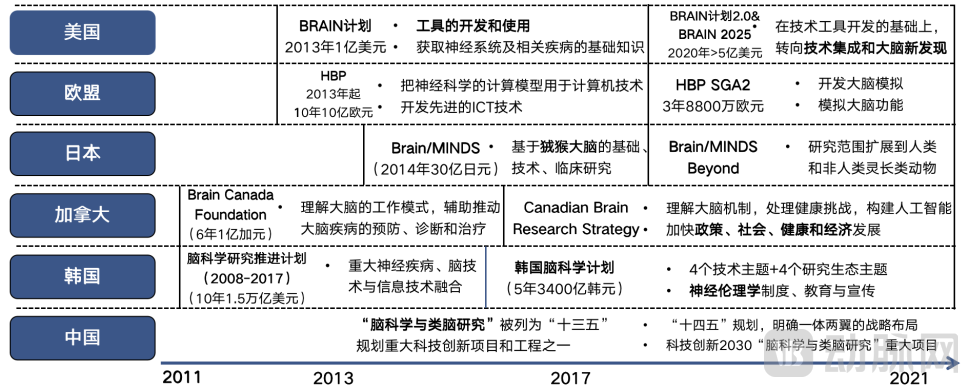
1.1 Brain initiatives are surging worldwide, with the United States currently holding a technological lead
Understanding the structure and function of the brain is one of the most challenging frontier scientific issues of the 21st century, with broad application prospects. In recent years, many countries around the world have successively proposed Human Brain Projects that integrate brain science, neuroscience, and information science, aiming to secure a strategic advantage in global technological competition.
As a global leader in technological innovation, the United States has conducted brain science research earlier and invested more heavily, temporarily leading in the field of basic brain science research.
Source: Public information, VCBeat
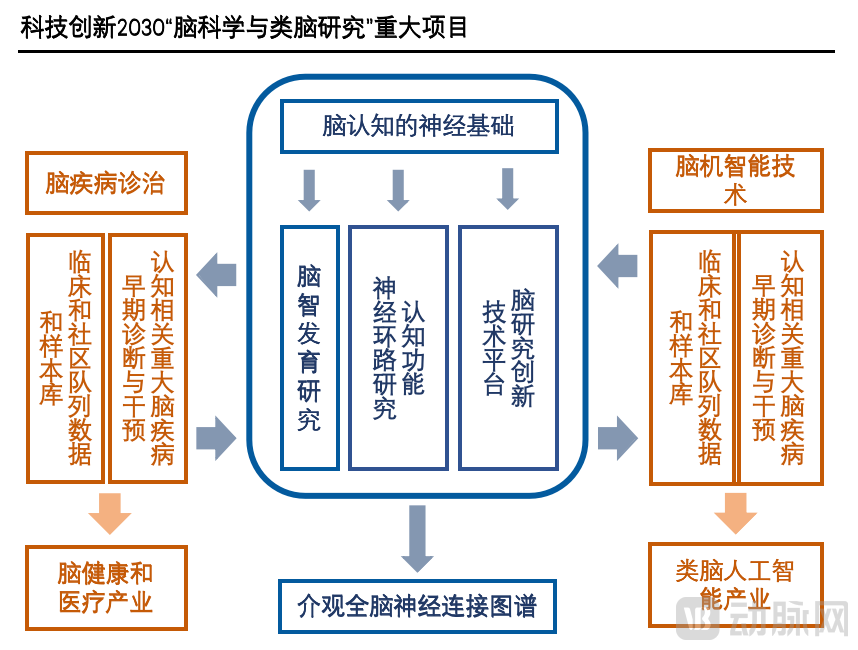
1.2 China’s Brain Project Has a Well-Established Foundational Framework, with Brain-Computer Integration Listed as a Key Research Priority
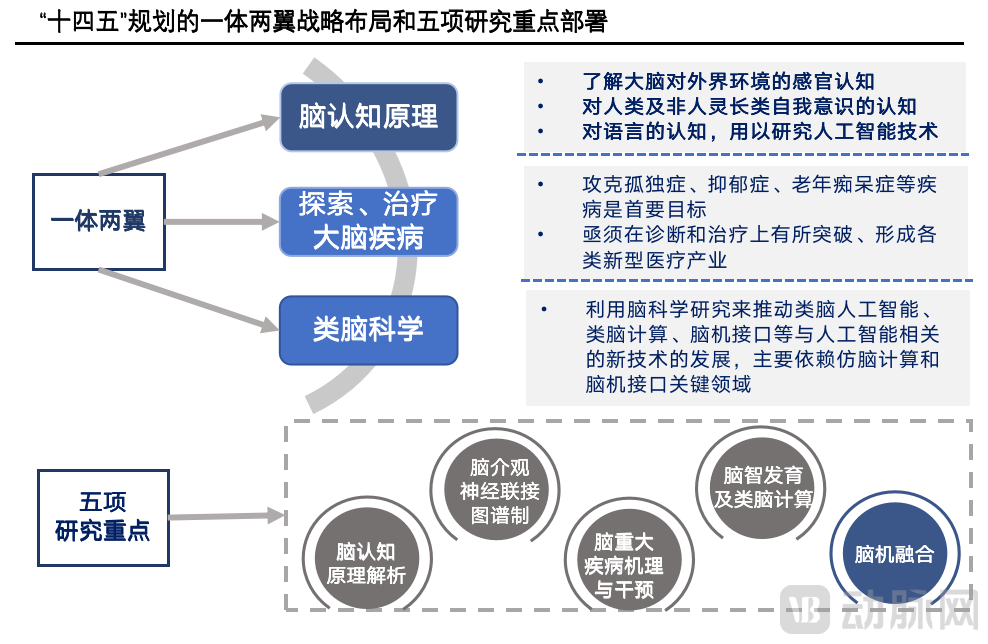
China’s Brain Project centers on the neural basis of brain cognition, with diagnosis and treatment of brain disorders and brain-inspired intelligence technologies as its two supporting pillars. It establishes a foundational framework to advance brain science and brain-inspired research from three perspectives—understanding the brain, protecting the brain, and simulating the brain—thereby forming a comprehensive strategic layout known as “one main body with two wings.”
China’s 14th Five-Year Plan has designated five key research areas, with brain-computer integration included in the category of priority technologies. In 2021, China officially launched the “Brain Science and Brain-Inspired Research” project, a major national science and technology innovation initiative under the 2030 Agenda with funding exceeding RMB 10 billion. Currently, research under the China Brain Project has entered the phase of practical implementation.
Source: Public information, VCBeat.
1.3 Brain-Computer Interfaces: The Next Major Frontier in the Convergence of Biotechnology and Information Technology
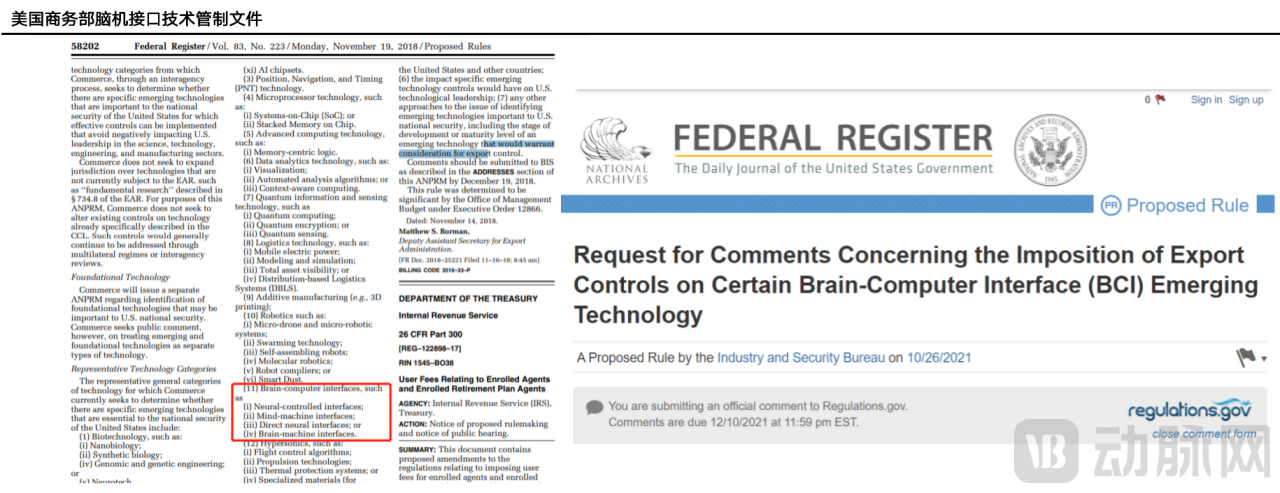
On November 19, 2018, the U.S. Department of Commerce’s Bureau of Industry and Security (BIS) listed 14 categories of “emerging and foundational technologies” for export control in its “Framework for Identifying Emerging and Foundational Technologies,” with brain-computer interface technology ranked 11th.
On October 26, 2021, the U.S. Department of Commerce’s Bureau of Industry and Security issued a pre-notice designating brain-computer interfaces as potential emerging and foundational technologies critical to U.S. national security, subject to appropriate export, reexport, and transfer (within China) controls.
1.4 Brain-Computer Interface Technology Is Currently in the Phase of Application Trials
The development of brain-computer interface technology can be divided into three phases: the academic exploration phase, the scientific validation phase, and the applied experimentation phase.
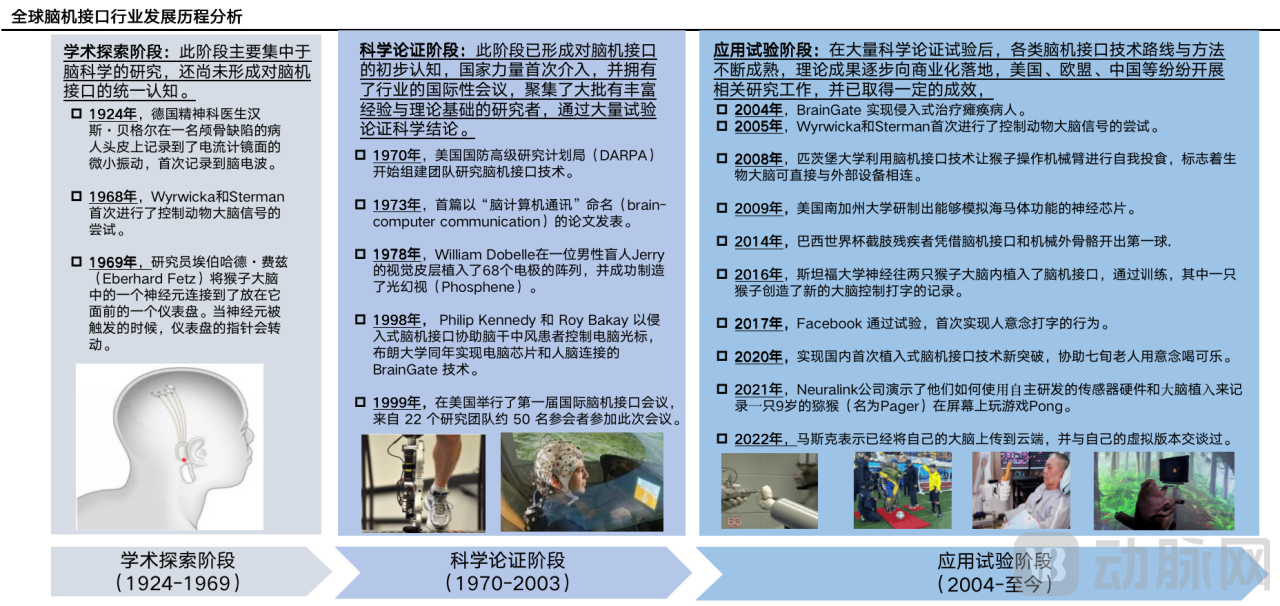
Source: Public information, VCBeat.
1.5 The industry boasts a large market size, dominated by non-invasive technologies and their applications in medical scenarios
In 2020, the global brain-computer interface (BCI) market size reached $1.46 billion. It is projected to reach $3.6 billion by 2027, with a compound annual growth rate (CAGR) of approximately 14%. The industry features a large market size and rapid growth, indicating substantial development potential for the BCI sector in the future.
In 2020, non-invasive brain-computer interfaces (BCIs) accounted for 86% of the global BCI market size. Currently, constrained by technological, ethical, and safety considerations, both research institutions and enterprises worldwide have prioritized non-invasive BCIs in their R&D efforts. Presently, BCI technologies are primarily applied in medical and healthcare settings; data show that in 2020, the medical sector represented 62% of the total BCI market size.
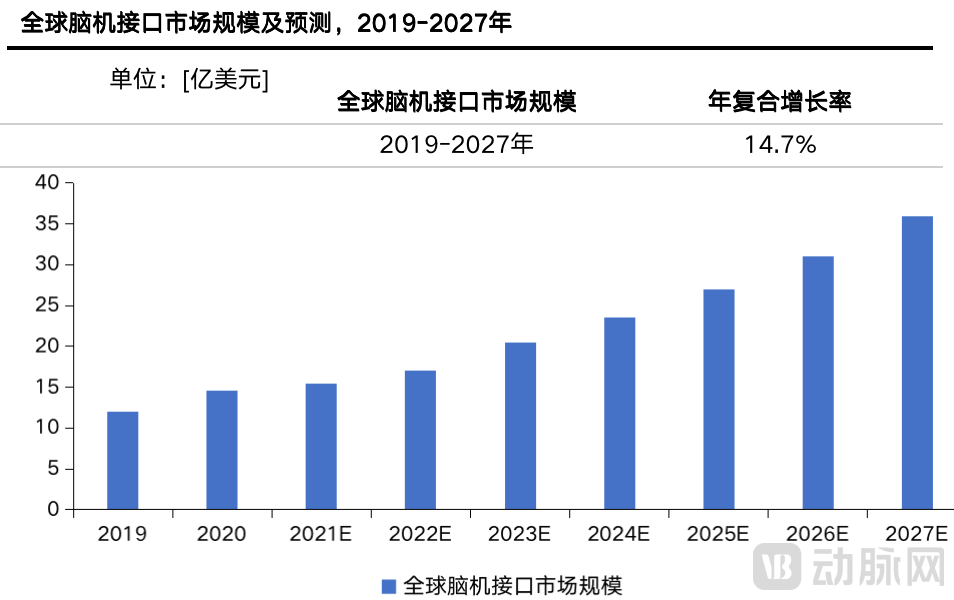
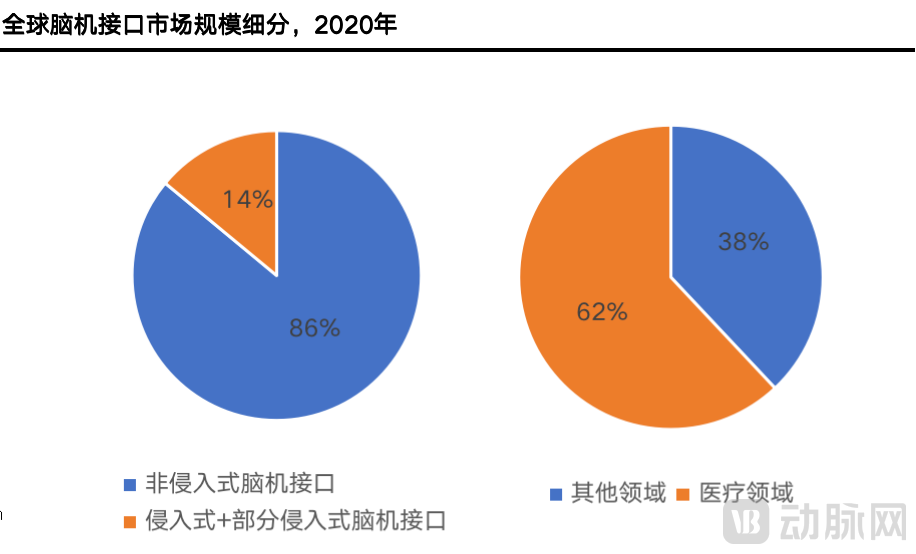
Source: Public information, LeadLeo, VCBeat
1.6 Surge in Domestic Industry Financing Events, with Most Companies in Early-Stage Funding
Surge in Financing Events in the Brain-Computer Interface Industry Accelerates Capital Deployment. Elon Musk’s Neuralink is dedicated to research in brain-computer interface (BCI) technology, and its multiple research achievements released in recent years have drawn widespread public attention, propelling BCI from laboratories into the public spotlight and making it a current investment hotspot. In 2021, China saw a peak of 18 financing deals in recent years, with nine additional deals occurring in the first half of 2022, indicating that investment institutions are accelerating their strategic investments in the BCI sector.
81% of companies are in early-stage funding rounds, indicating the industry is still in its incubation phase. An analysis of the distribution of financing rounds for domestic brain-computer interface (BCI) companies shows that 81% are at Series A or earlier. Most enterprises are in the early stages of fundraising, suggesting that the BCI industry as a whole is still in its nascent stage, with low levels of maturity and commercialization, yet significant potential for future growth.
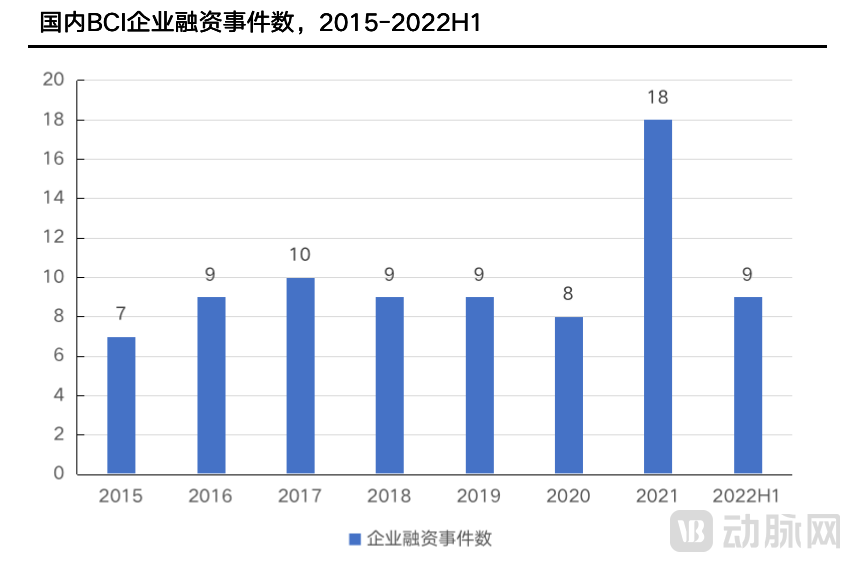
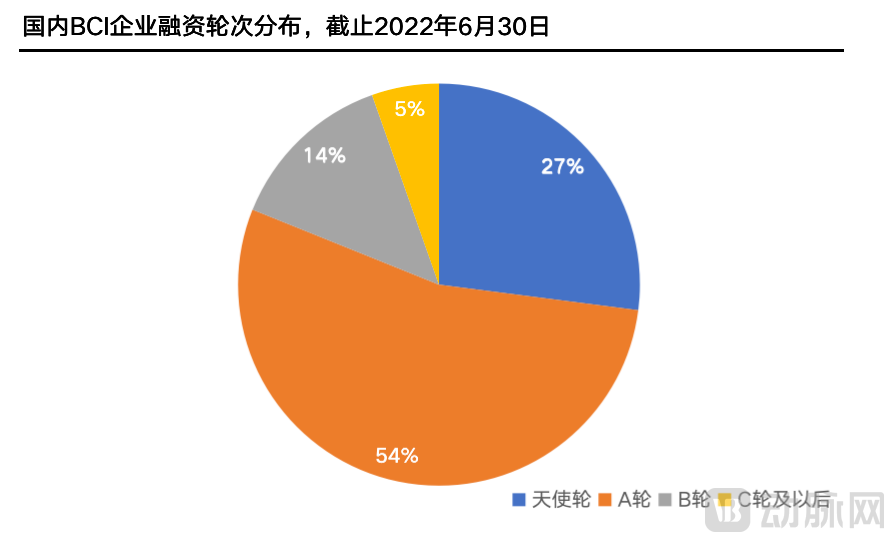
Source: VCBeat Orange Database, VCBeat Research Institute
1.7 High Barriers to Entry for Invasive Technologies; Majority of Domestic Companies Focus on Non-Invasive Technologies
High Barriers to Invasive Technology: Invasive techniques typically require craniotomy to implant electrodes into the cerebral cortex for acquiring electroencephalographic (EEG) signals, but they are highly prone to triggering immune rejection responses. In contrast, non-invasive devices only require placing electrodes on the scalp to capture signals, resulting in minimal harm to the human body and lower technical complexity.
Domestic Companies Predominantly Focus on Non-Invasive Technologies: From 2015 to the first half of 2022, a total of 37 brain-computer interface (BCI) companies in China secured financing. Among them, only four companies focused on invasive technologies and received funding, while 89% of the companies entered the BCI sector using non-invasive technologies.
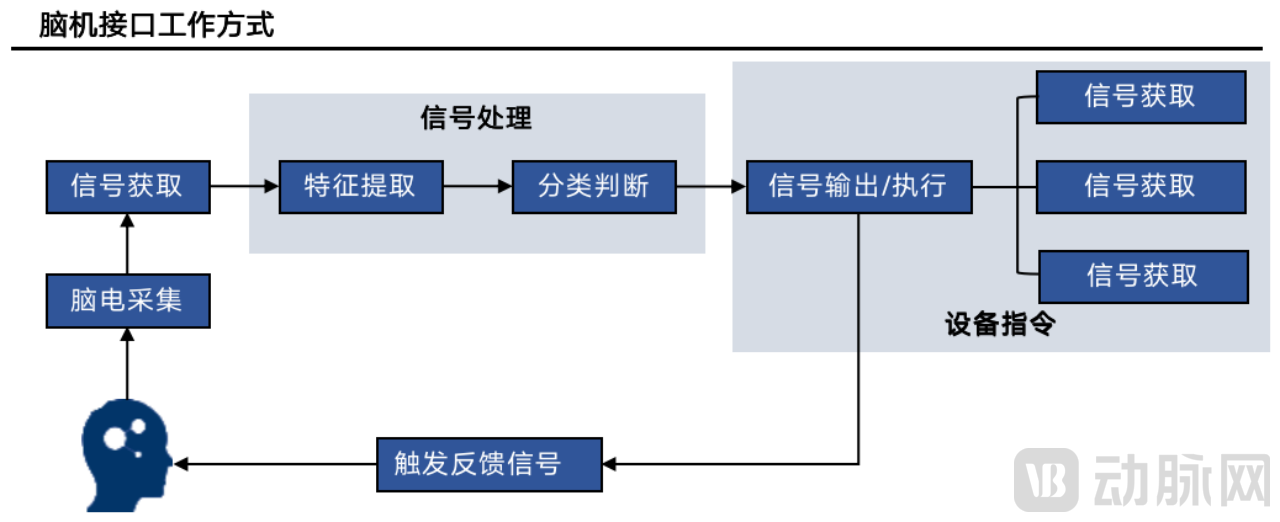
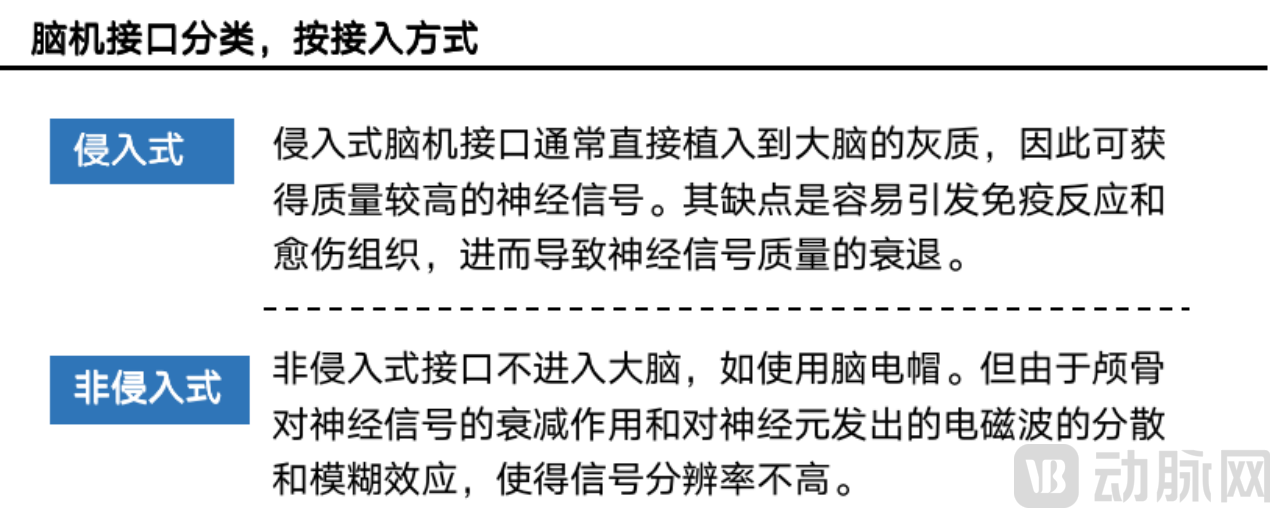
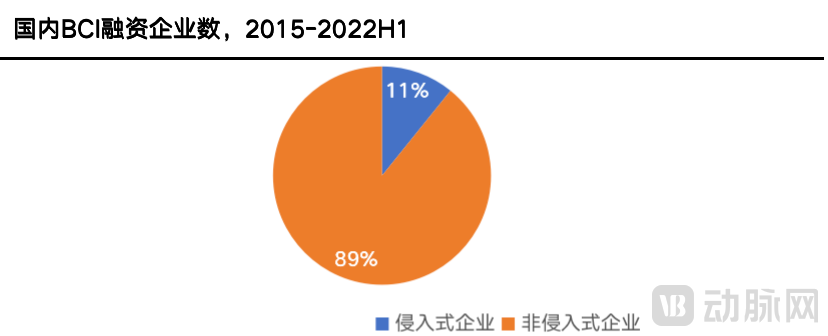
Sources: Public information, Artery Orange Database, VCBeat Research Institute
2.1 Brain-Computer Interface Technology Offers Multiple Benefits and Is Currently Primarily Applied in the Healthcare Sector
The efficacy of brain-computer interface (BCI) technology can be categorized into monitoring, replacement, improvement and recovery, enhancement, and supplementation. The corresponding application areas primarily include healthcare, entertainment, smart homes, military, and others, with healthcare currently being the most prominent and commercially viable sector.
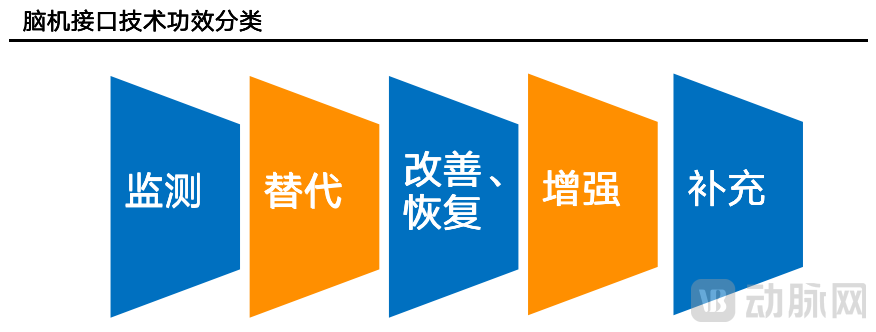
Monitoring: Using brain-computer interface systems to monitor certain aspects of human consciousness states
Substitution: The system's output can replace the natural output lost due to injury or disease.
Improvement/Recovery: In the field of rehabilitation, it refers to alleviating the symptoms of a specific disease or restoring a particular function.
Enhancement: Primarily aimed at healthy individuals, to achieve the improvement and expansion of bodily functions.
Supplement: Primarily targeting the control domain, brain-computer interface (BCI) control is introduced as a complement to traditional single-mode control methods, thereby enabling multimodal control.
Source: Public information, VCBeat.
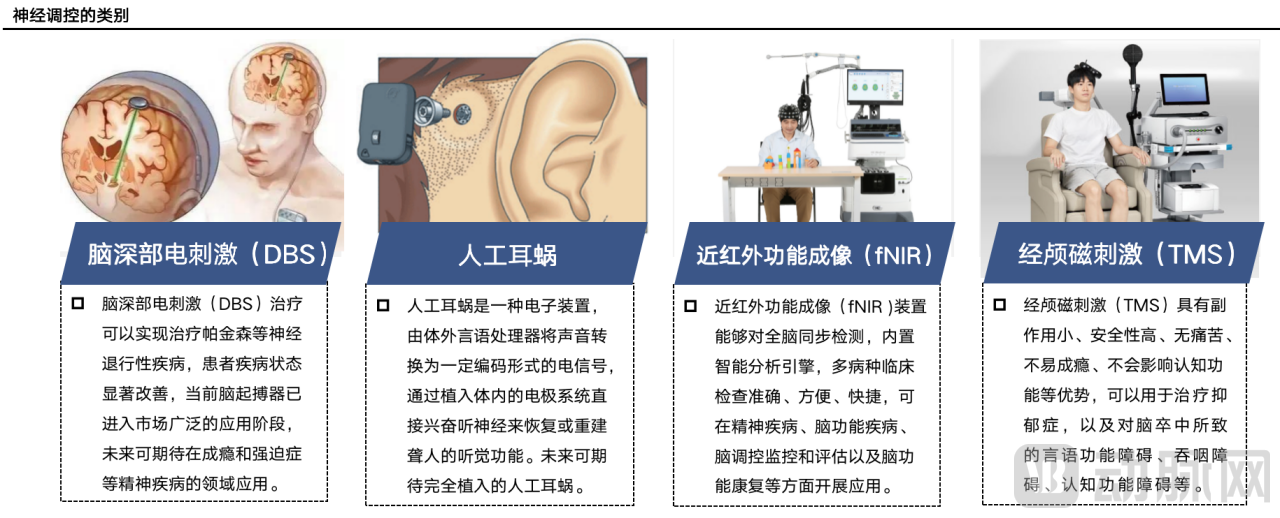
2.2 Neuromodulation-Based Brain-Computer Interfaces Focus on Disease Treatment and Have Achieved Commercialization
Neuromodulation is the process of writing signals to the brain within the closed-loop brain-computer interface (BCI) system. By delivering stimuli through different categories of signals, it can improve and treat certain neurological conditions. Currently, BCI-based neuromodulation technologies utilizing electrical, acoustic, optical, and magnetic stimulation have achieved commercialization. Examples range from cochlear implants and deep brain stimulation (DBS) to transcranial magnetic stimulation (TMS) and functional near-infrared spectroscopy (fNIRS). In the future, these approaches are expected to be expanded to improve or treat a broader range of diseases.
Source: Public information, VCBeat
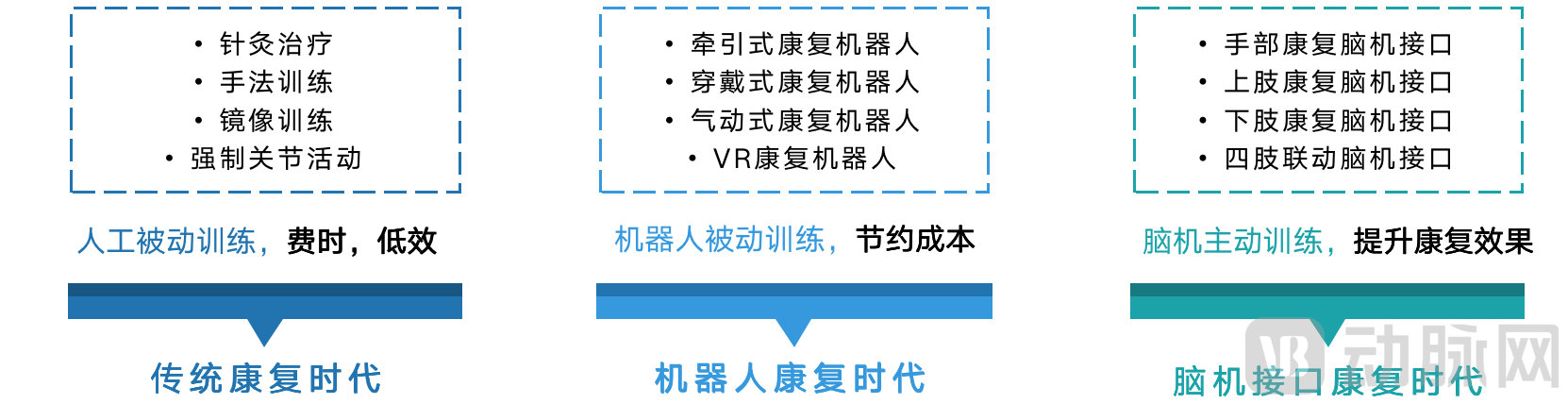
2.3 Technology Transforms Traditional Rehabilitation Methods, Enabling Patients with Neurological Impairments to Achieve Active Rehabilitation
Brain-computer interface (BCI) technology enables real-time monitoring of patients’ electroencephalographic (EEG) states. By training and modulating brain signals to influence cortical activity, it facilitates neural exercise, thereby enhancing brain functionality and connectivity. This achieves active-passive collaborative rehabilitation training under the patient’s “mind control.” It overcomes the limitations of traditional rehabilitation methods, which are passive and monotonous, by enabling active rehabilitation driven by the patient’s intent, significantly improving therapeutic outcomes.

Source: Public information, VCBeat.
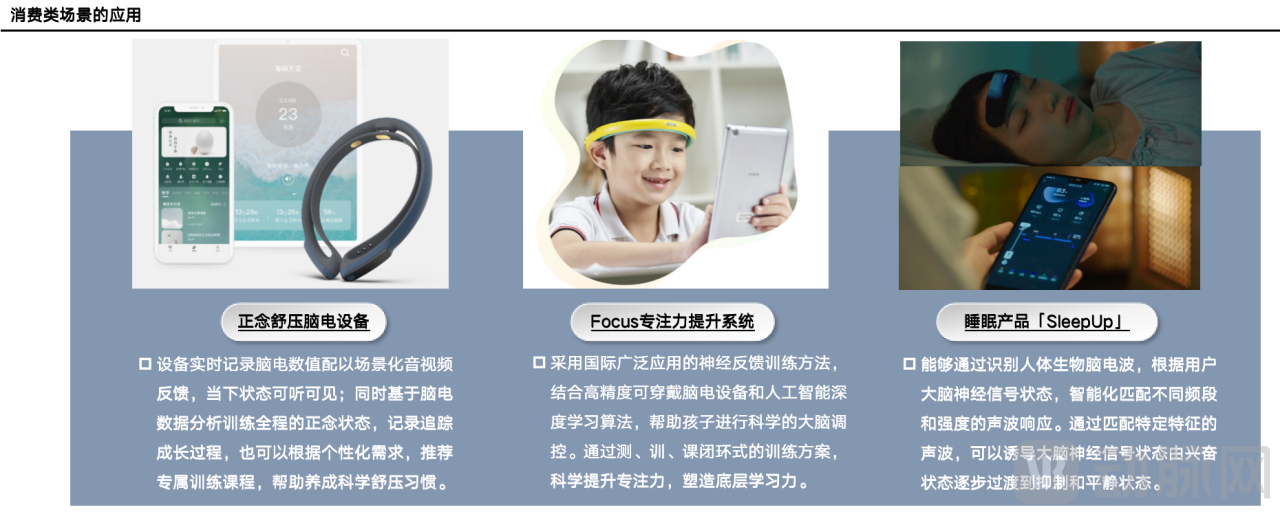
2.4 Wearable Products with Different Functions Have Been Applied in Some Consumer Scenarios
Currently, various wearable devices have been developed for non-invasive brain-computer interface (BCI) technology, enabling real-time monitoring of users’ electroencephalogram (EEG) activity. Catering to diverse user needs, these devices have already facilitated daily stress relief, enhanced attention spans in children, and improved sleep quality for individuals with sleep disorders. Consumer applications have been realized in certain scenarios, with future expansion into broader health and wellness consumer markets anticipated.
2.5 Achieving Control of External Devices to Improve the Quality of Life for Patients with Limb Motor Impairments
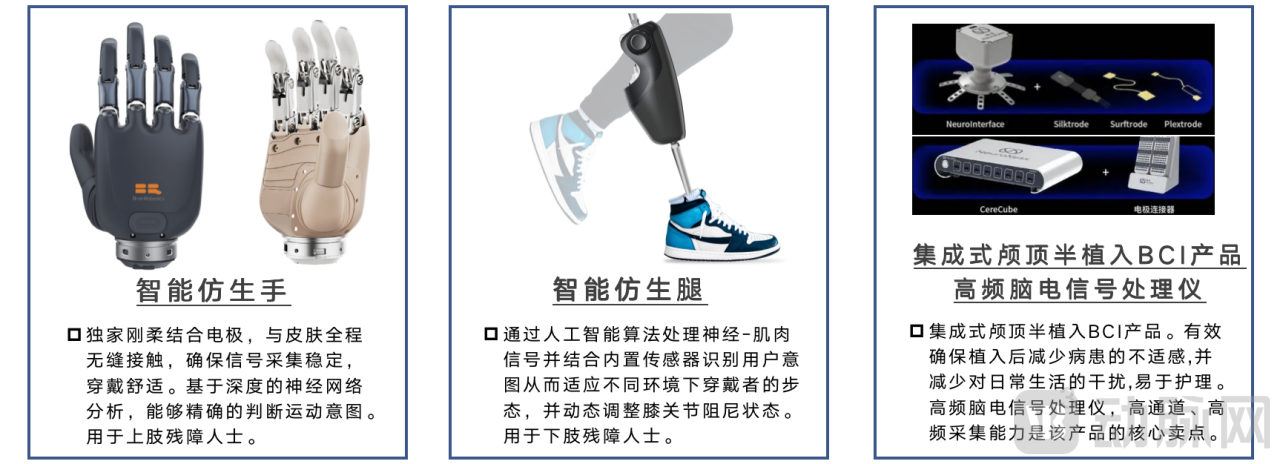
Non-Invasive Brain-Computer Interface Smart Prosthetics: By processing neuromuscular signals with AI algorithms and combining them with built-in sensors to identify user intent, these devices achieve intuitive "mind-controlled" movement and seamless transitions between walking and running, thereby creating a high-quality life for individuals with disabilities.
Integrated Semi-Implantable Cranial BCI Product + High-Frequency EEG Signal Processor: Targeting clear indications such as amyotrophic lateral sclerosis (ALS) and high-level paraplegia, BrainCo will advance its clinical plans in accordance with medical product compliance and regulatory processes, with the aim of improving the quality of life for patients suffering from these incurable conditions.
Source: Public information, VCBeat
3.1 Invasive: Next-generation brain-computer interface implant technology is gradually maturing
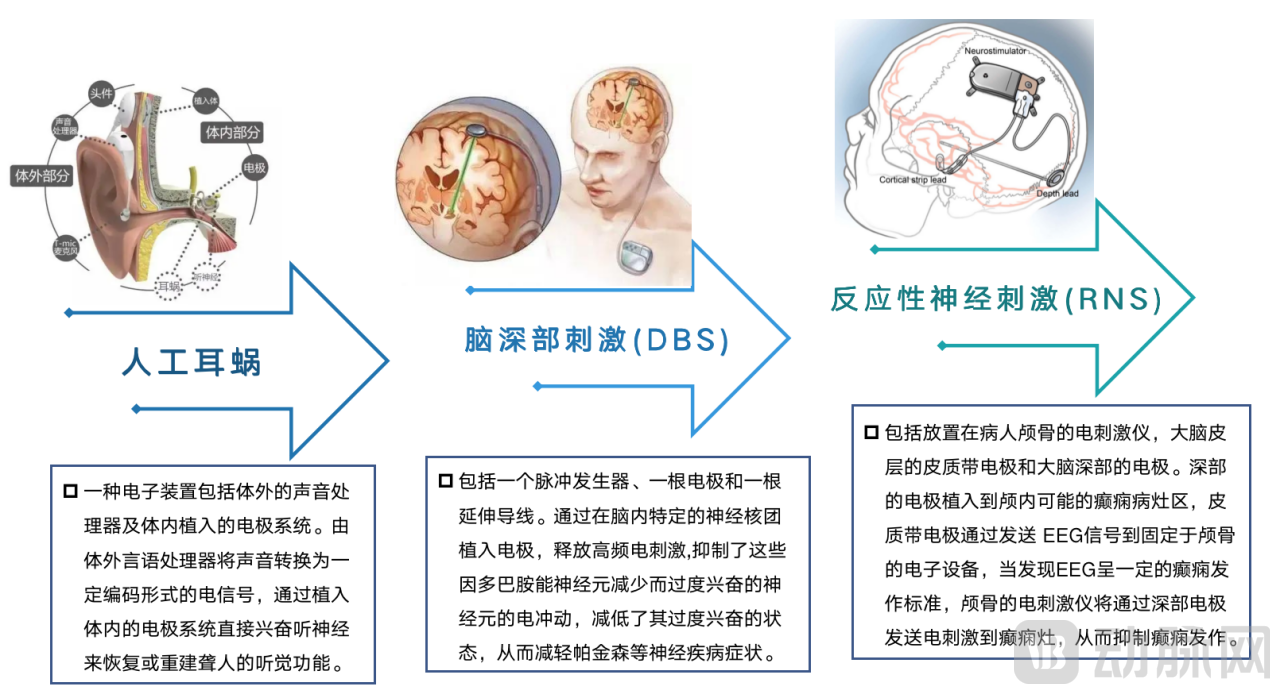
Over the past 10–20 years, the value generated by technological leaps has been rapidly driving the clinical adoption of next-generation brain-computer interface (BCI) technologies. From cochlear implants to deep brain stimulation (DBS) and responsive neurostimulation (RNS), implantable device technologies in China are gradually maturing.
3.2 Long-term stable recording of large-scale signals is the core challenge of invasive technology
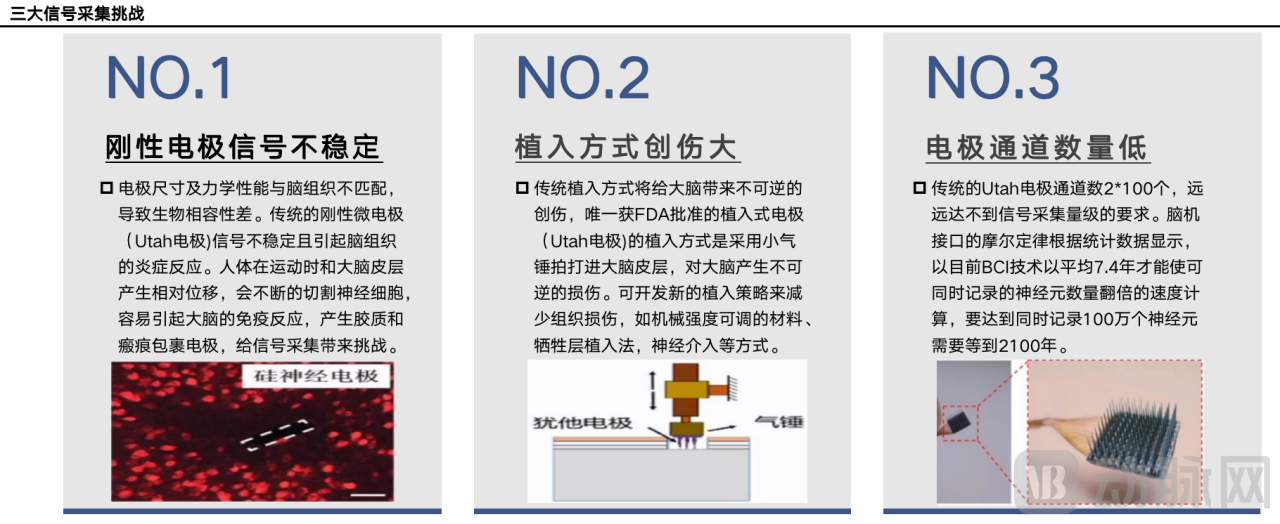
Achieving a balance between minimizing brain damage and maximizing brain utilization is the core challenge of brain-computer interface (BCI) technology. The three major technical bottlenecks currently facing invasive BCI technology are: how to address signal attenuation after electrode implantation, how to minimize brain injury caused by chip implantation, and how to acquire signals from a larger number of neurons.
3.3 New Materials, Novel Implantation Methods, and Advanced Manufacturing Technologies Can Address Current Technical Challenges
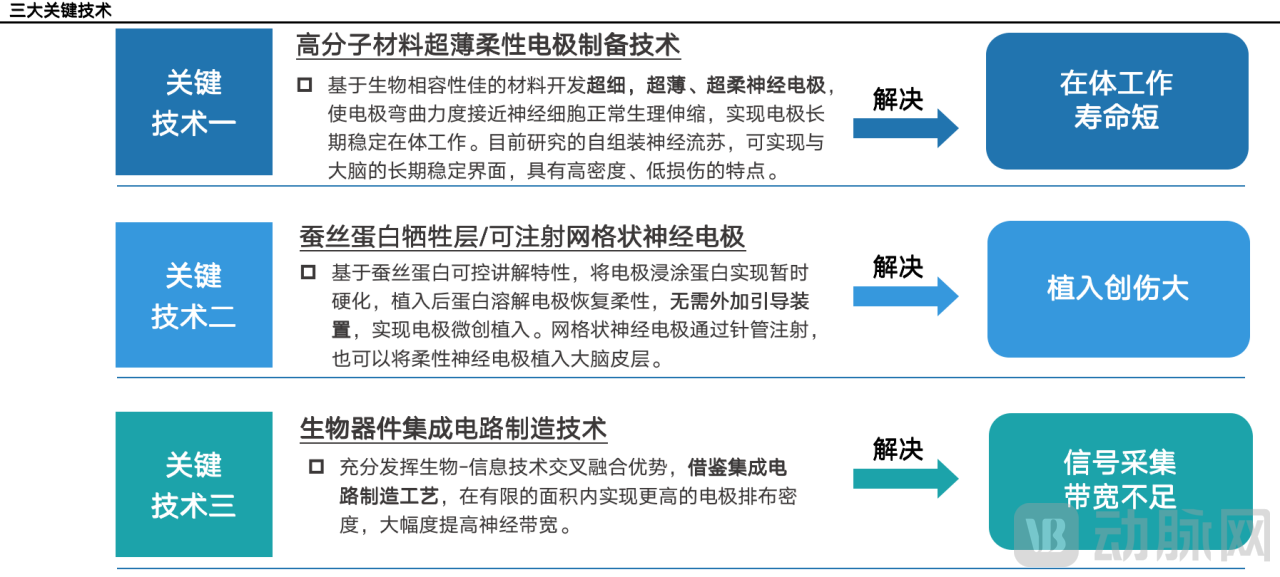
Current invasive brain-computer interface (BCI) technology faces three major technical challenges: short in vivo operational lifespan of electrodes, significant implantation trauma, and insufficient data acquisition bandwidth. To address these existing technical challenges, the development of three key technologies can provide effective solutions.
3.4 Non-invasive: Non-invasive brain-computer interface electrodes must balance electrical properties, comfort, and convenience
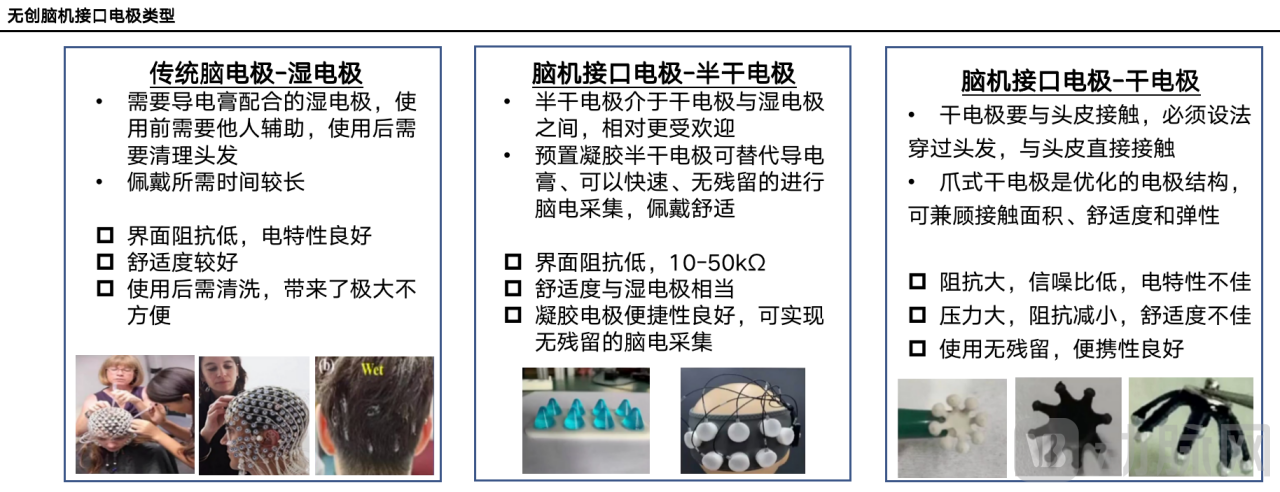
Challenges in Non-Invasive EEG Acquisition Electrodes: Traditional non-invasive EEG acquisition systems employ wet electrodes, which offer favorable electrical properties but are inconvenient to use. Comb-like dry electrodes are user-friendly; however, they exhibit high interface impedance, cause slight pain during use, and provide poor comfort. Semi-dry electrodes maintain moist contact, offering moderate comfort and electrical performance. Currently, self-moistening semi-dry electrodes and those utilizing novel hydrogels are prominent research focal points.
3.5 The Transmission Rate of EEG Signals Determines the Performance of Brain-Computer Interface Systems
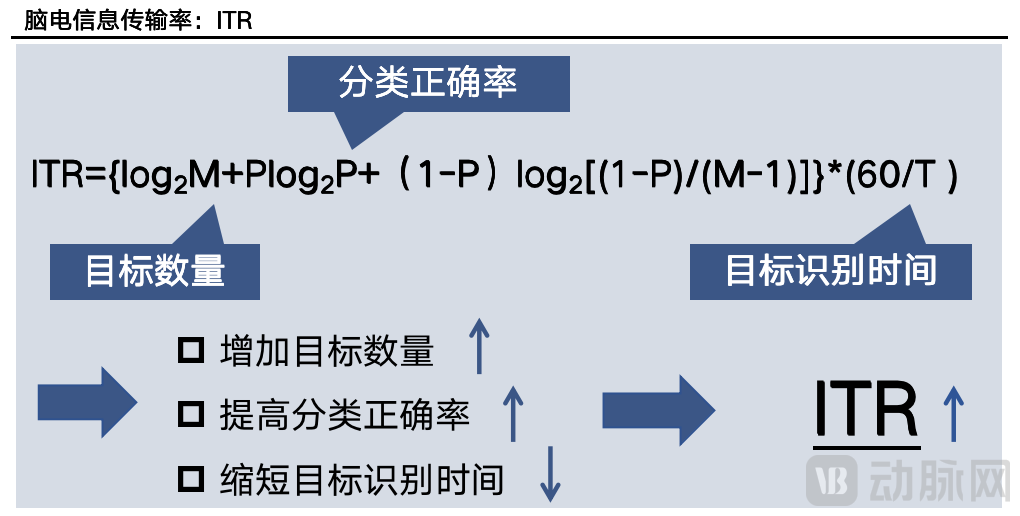
The primary paradigms employed in brain-computer interfaces (BCIs) include P300 (event-related potentials), SSVEP (steady-state visual evoked potentials), and MI (motor imagery). Experimental paradigms serve as technical means to extract BCI features, with information decoding representing the most challenging component. The encoding and decoding of electroencephalogram (EEG) signals are central to system stability. Information transfer rate (ITR) is a gold standard for evaluating BCI systems. The ITR, and consequently the overall performance of the BCI system, can be enhanced by increasing the number of targets, improving classification accuracy, and reducing target recognition time.
3.6 Design training methods to recognize weak signals, enhancing the naturalness of brain-computer interface control interactions
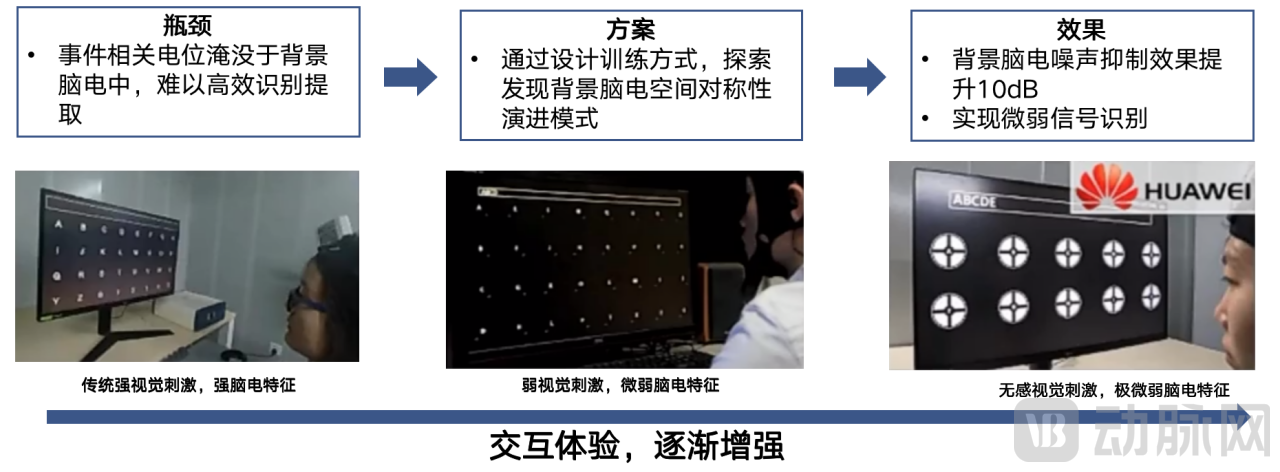
Key Technology – Precise Identification: Based on event-related potentials, this approach targets weak signals that are difficult to identify. By discovering the evolutionary patterns of spatial symmetry in background EEG, it enhances the suppression of background EEG noise, enabling the decoding and application of extremely weak EEG signals at the sub-microvolt level (approximately 0.5 μV), thereby improving the naturalness of brain-computer interaction and control.
4.1 Information interaction methods have shifted from primarily electrical-based to multimodal integrated applications
In the field of brain-computer interface (BCI) applications, due to the inherent characteristics of electroencephalogram (EEG) signals—namely, poor spatial resolution but good temporal resolution—the methods for BCI information interaction are expected to evolve from being primarily electrical to an integrated approach combining electrical, optical, magnetic, and acoustic modalities. The combined use of these diverse interaction techniques enhances the effectiveness of BCI technology applications.
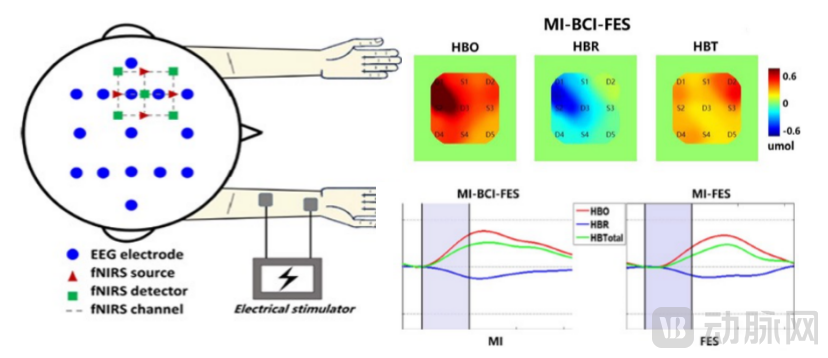
● Near-infrared brain functional imaging technology measures the hemoglobin oxygenation levels in the cerebral cortex. With centimeter-level spatial resolution superior to that of electroencephalography (EEG), it can accurately localize the brain regions generating neural activity. The combination of EEG’s high temporal resolution and the high spatial resolution of near-infrared brain functional imaging provides complementary advantages, thereby offering a more comprehensive characterization of brain functional activity.The combined use of fNIRS and EEG provides excellent technical means and significant assistance to brain science research.
● Rehabilitation training combining motor imagery, brain-computer interface (MI-BCI), and functional electrical stimulation (FES)—known as MI-BCI-FES—has become a popular approach in stroke treatment. Relevant studies indicate that MI-BCI-FES is more effective than conventional standalone FES for stroke rehabilitation. Furthermore, experimental evidence suggests that the synchronous monitoring of cerebral functional changes using electroencephalography (EEG) and functional near-infrared spectroscopy (fNIRS) provides a more comprehensive assessment of brain function alterations.
4.2 Brain-Computer Interface Technology Can Become Big Data and Algorithm-Driven Intelligent Digital Therapeutics
In the field of brain-computer interface (BCI) applications, BCI technology enables large-scale, inclusive population access to personalized, precise, and affect-aware monitoring and intervention of brain functional health, evolving into an intelligent digital therapy driven by big data and algorithms.
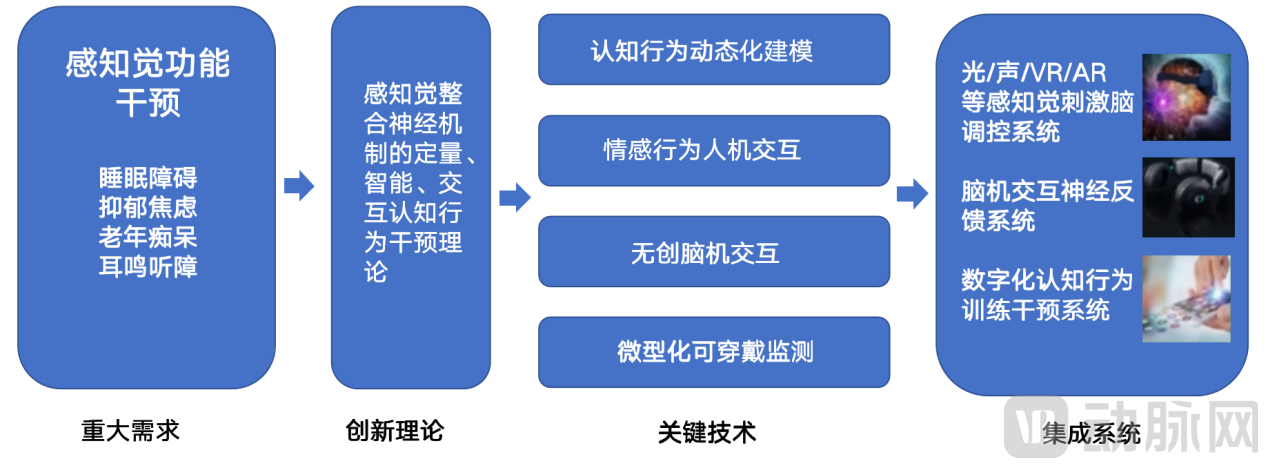
4.3 Next-generation human-computer interaction scenarios, such as mind control, are expected to become a reality
Current advancements in brain-computer interface (BCI) technology now enable patients to communicate by “typing” through the decoding of neural signals. During the PC era, human-computer interaction relied on keyboards and mice. Each transformation in this field has shifted from a machine-centric approach toward more natural, human-centric interaction. In the future, we can anticipate next-generation human-computer interaction scenarios featuring brain-controlled keyboards and mice.
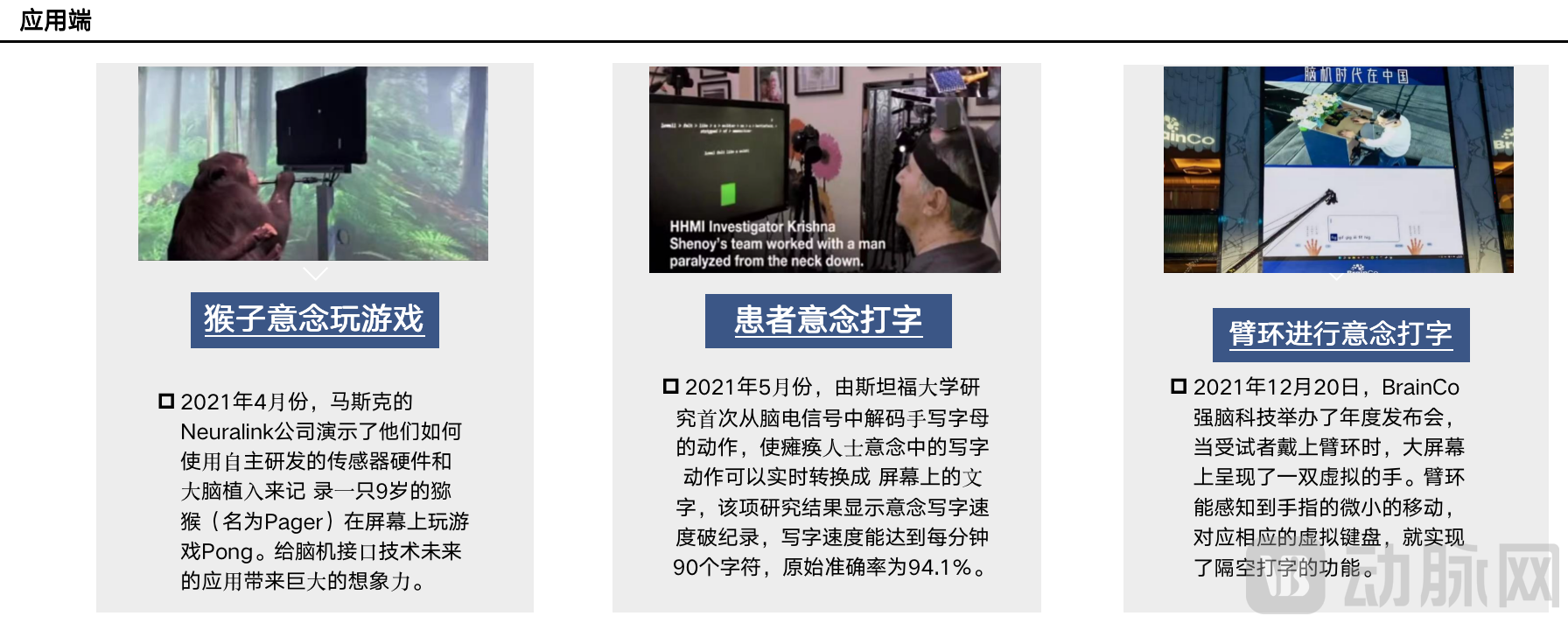
4.4 Minimally Invasive Brain-Computer Interface Technology Opens a New Window for Improving Patients’ Lives
In the field of brain-computer interface (BCI) technology, given that invasive BCIs can easily cause irreversible damage to the brain and non-invasive methods often yield suboptimal electroencephalogram (EEG) signals, minimally invasive BCI technology holds promise for enabling greater possibilities in future technological advancements.
● The team from Tsinghua University School of Medicine has proposed a minimally invasive brain-computer interface (BCI) solution. The implanted device is embedded within the skull to acquire and process electroencephalographic (EEG) signals, with electrodes capable of extending to any intracranial brain region. The implanted unit is battery-free, receiving power and enabling wireless communication through transcutaneous coupling with an external unit, thereby achieving bidirectional BCI communication for both EEG signal readout and stimulation signal input. This fully wireless transmission approach avoids infection risks and preserves the intracranial environment, striking an optimal balance between signal quality and invasiveness. The wireless minimally invasive BCI device, co-developed by this team and NeuroXess, has been finalized and submitted for regulatory testing, with small-scale clinical trials expected to commence by the end of 2022.
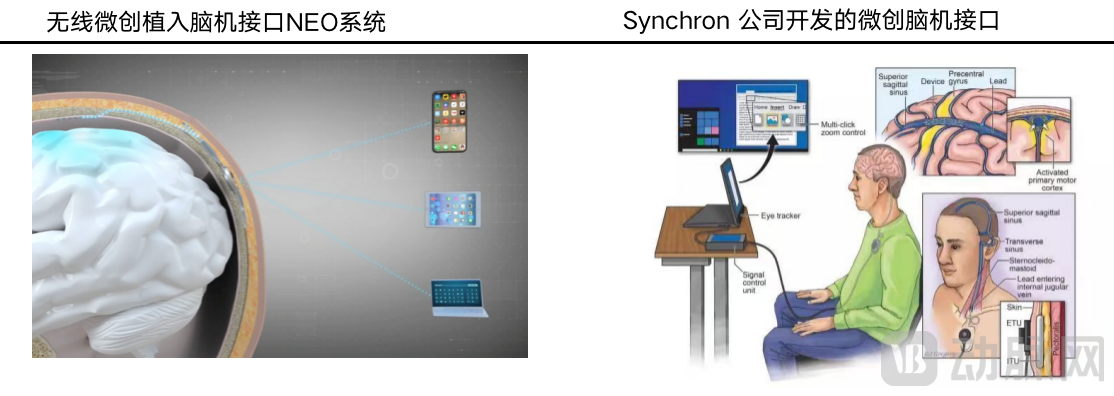
● Synchron’s Stentrode BCI features a compact and flexible design that can safely navigate tortuous blood vessels. Leveraging a neurovascular platform, Synchron implants the BCI via the jugular vein, using catheter-based procedures to deliver the technology to the brain and spinal cord, thereby enabling intracranial device implantation without the need for craniotomy. In August 2021, Synchron’s minimally invasive brain-computer interface received approval from the U.S. Food and Drug Administration (FDA) for human clinical trials. In July 2022, the company conducted its first clinical trial in the United States, implanting the device into the cerebral vasculature of a patient with amyotrophic lateral sclerosis (ALS).
4.5 Flexible Brain-Computer Interfaces: A Key Direction for Future BCI Technology Development
As human-computer interaction technology continues to advance, particularly with the emerging demands of new technological scenarios such as mixed reality and the metaverse, traditional rigid interface hardware used for information acquisition and sensing units is increasingly unable to meet these needs. In contrast, flexible brain-computer interfaces enable tighter integration between materials and human tissues, facilitating rapid exchange of neural, motor, and environmental information, making them a key technological direction for future development.
● Flexible electrodes based on silk fibroin offer advantages in biocompatibility and mechanical strength over those made from chemically synthesized materials, causing no cutting damage to the brain and enabling stable recording of electroencephalographic (EEG) signals. At the 2021 World Artificial Intelligence Conference, NeuroXess won the highest honor, the “Excellent AI Leadership Award,” for its “craniotomy-free, minimally invasive, high-throughput flexible brain-computer interface system” made from silk fibroin. The company was also listed in MIT Technology Review’s 2022 “50 Smartest Companies” (TR50).
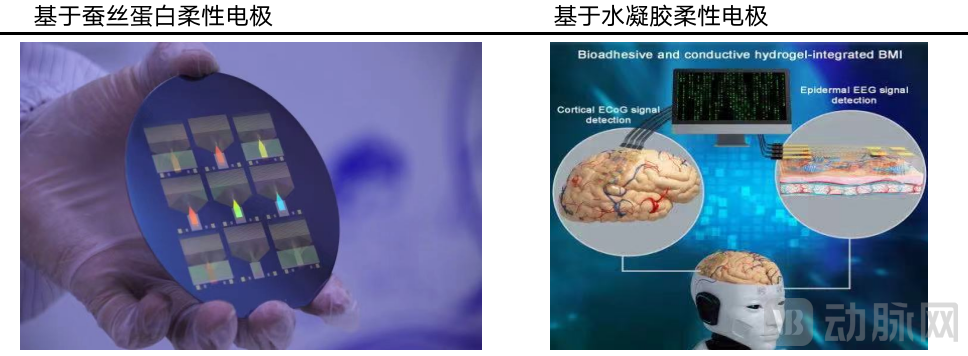
● A team led by Lu Xiong from the School of Materials Science and Engineering at Southwest Jiaotong University has developed an immune-evasive, brain-grade soft, conductive, and bioadhesive hydrogel-integrated BMI. This device establishes a seamless interface with soft, dynamic brain tissue, enabling the acquisition of high-fidelity, stable biosignals. Compared with traditional electrodes, the ultra-soft hydrogel electrodes record electroencephalographic (EEG) signals with minimal artifacts, demonstrating superior stability and accuracy.
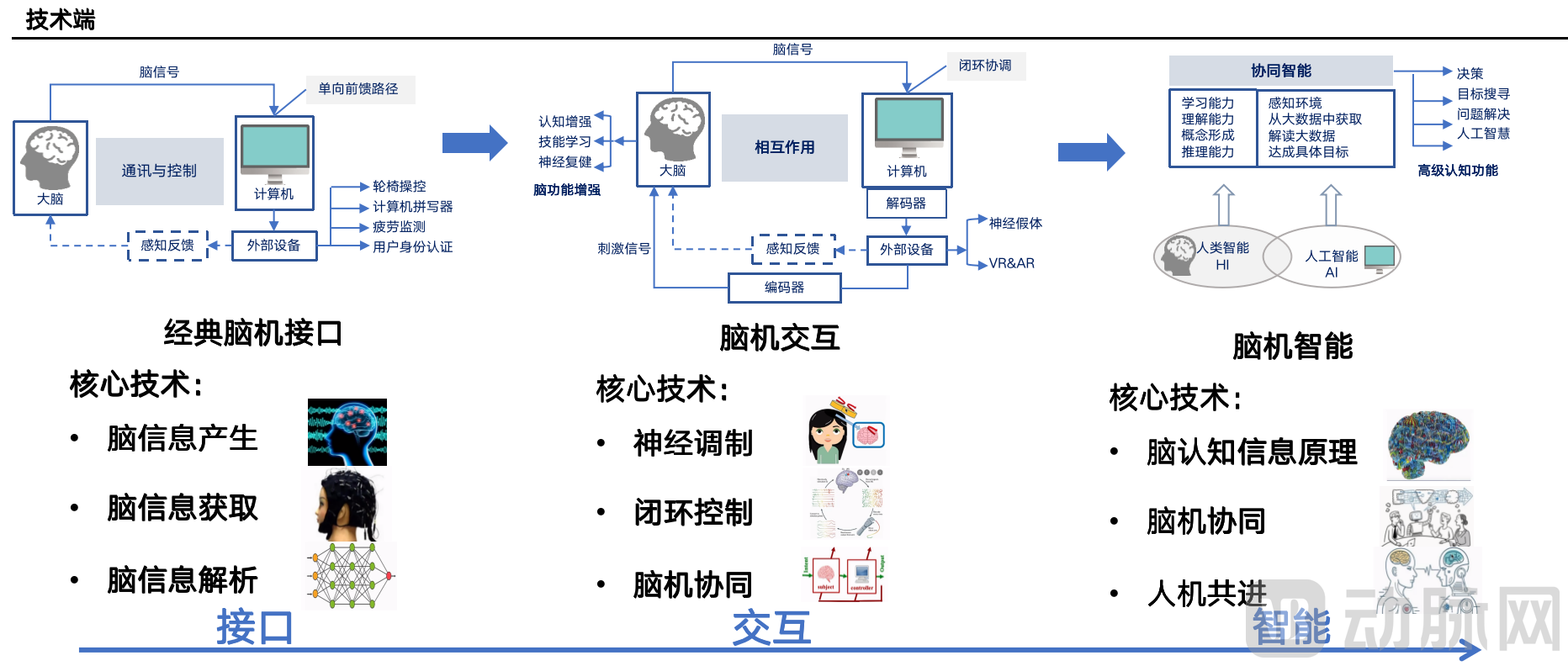
4.6 Future Technological Evolution: From Classical Brain-Computer Interfaces to Brain-Computer Interaction and Then to Brain-Computer Intelligence
In the field of brain-computer interface (BCI) technology, the future development of BCIs, classified by the direction of information transmission, will gradually evolve from classical brain-computer interfaces to brain-computer interaction, and ultimately to the paradigm of brain-computer intelligence.
The above is an excerpt of the main content of the report. The complete framework of the report is as follows:Scan the QR code and proactively inquire to download the full report for free.

1. Widespread Attention, Promising Future for the Industry
1.1 Brain initiatives are surging worldwide, with the United States currently holding a technological lead
1.2 China’s Brain Project Has a Well-Established Foundational Layout, with Brain-Computer Integration Listed as a Key Research Priority
1.3 Brain-Computer Interfaces: The Next Major Frontier in the Convergence of Biotechnology and Information Technology
1.4 Brain-Computer Interface Technology Is Currently in the Application Testing Phase
1.5 Large Industry Market Size, Dominated by Non-Invasive Technologies and Medical Scenario Applications
1.6 Surge in Domestic Industry Financing Events, with Most Companies in Early-Stage Funding Rounds
1.7 High Barriers to Entry for Invasive Technologies; Majority of Domestic Companies Focus on Non-Invasive Technologies
2. Technological Implementation for Patient Disease Treatment and Health Improvement
2.1 Brain-Computer Interface Technology Offers Multiple Benefits and Is Currently Primarily Applied in the Healthcare Sector
2.2 Neuromodulation-Based Brain-Computer Interfaces Focus on Disease Treatment and Have Achieved Commercialization
2.3 Transforming Traditional Rehabilitation Methods to Enable Active Recovery for Patients with Neurological Impairments
2.4 Non-invasive wearable products have been applied in consumer health scenarios
2.5 Enabling Control of External Devices to Improve the Quality of Life for Patients with Limb Movement Disorders
3. Focus on the Two Major Technical Pathways of Brain-Computer Interfaces
3.1 Invasive: Next-generation brain-computer interface implant technology is gradually maturing
3.2 Long-Term Stable Recording of Large-Scale Signals Is the Core Challenge of Invasive Technology
3.3 New Materials, Novel Implantation Methods, and Advanced Manufacturing Technologies Can Address Current Technical Challenges
3.4 Non-invasive: Non-invasive brain-computer interface electrodes must balance electrical properties, comfort, and convenience
3.5 The Information Transfer Rate of EEG Signals Determines the Performance of Brain-Computer Interface Systems
3.6 Design Training Methods for Weak Signal Recognition to Enhance the Naturalness of Brain-Computer Interaction
4. A Brief Discussion on the Future Development Trends of Brain-Computer Interfaces
4.1 Information interaction methods have shifted from being primarily electricity-based to the integrated application of multimodal approaches
4.2 Brain-Computer Interface Technology Can Become Big Data and Algorithm-Driven Intelligent Digital Therapeutics
4.3 Next-generation human-computer interaction scenarios, such as mind control, are expected to become a reality
4.4 Minimally Invasive Brain-Computer Interface Technology: Opening a New Window for Improving Patients’ Lives
4.5 Flexible Brain-Computer Interfaces: A Key Direction for the Future Development of BCI Technology
4.6 Tracing the Technological Evolution from Classical Brain-Computer Interfaces to Brain-Computer Interaction and Then to Brain-Computer Intelligence