

FDA Unveils OTC Hearing Aid Regulations, Unlocking a Billion-Dollar Blue Ocean Market
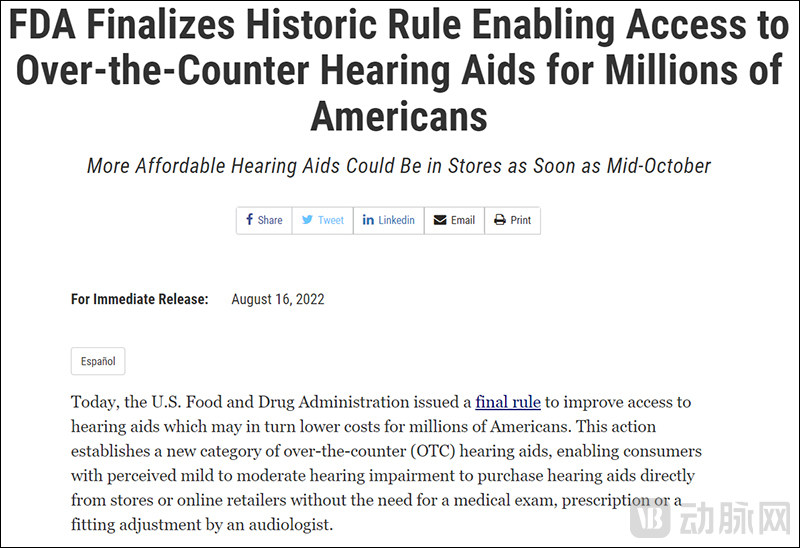
In August, the U.S. FDA announced the establishment of a new over-the-counter (OTC) hearing aid category, effective October 17, 2022. This regulatory initiative was first launched in 2017, with the draft rule not released until October 2021. The new standards have now been officially approved, marking a significant impact on the entire hearing aid industry.
FDA Announcement Posted on Its Official Website (Screenshot from the FDA Website)
Industry giants have quickly responded to the trend. In September, consumer electronics giant Sony announced a partnership with Denmark’s WSA (WS Audiology), a globally renowned hearing aid manufacturer, to develop over-the-counter (OTC) hearing aids for promotion in the U.S. market. Meanwhile, more companies have expressed strong interest in this emerging market.
What impact will this new policy have on the hearing aid industry? Besides Sony, will other consumer giants enter this market? What implications will it have for China? VCBeat (WeChat ID: VCbeat) hopes to provide an analysis in this article.
Hearing problems are worsening globally.
According to the WHO’s World Report on Hearing, hearing loss currently affects over 1.5 billion people globally, of whom approximately 430 million require rehabilitation services due to hearing loss. By 2050, it is estimated that more than 700 million people may experience moderate or greater severity of hearing loss.
Hearing aids are an effective assistive solution for hearing loss. However, only 17% of the global population that could benefit from hearing aids actually uses them. Among these countries, the penetration rate of hearing aids exceeds 40% in both the United Kingdom and France, stands at approximately 27% in the United States, and is only around 5% in China.
Dr. Liang Qi, founder and chairman of Aier Shidai, who has decades of experience in the medical hearing industry, holds a Doctor of Audiology degree from the United States and is a North American board-certified practicing audiologist. She founded Aier Shidai in 2013. Regarding the reasons for the low penetration rate of hearing aids, she believes that it mainly depends on three dimensions.
First is user awareness, i.e., whether users are aware of their hearing loss, understand hearing assistive devices, and are willing to accept intervention. Second is channel and service accessibility, i.e., whether users have convenient channels to learn about products and obtain services. Finally is affordability, i.e., whether users can afford the cost of the product.
“Countries differ in hearing loss education and needs, hearing service channels, and insurance payment systems. These three dimensions also vary, thereby affecting the penetration rate of hearing aids. This is why the penetration rate of hearing aids in China is far lower than that in European and American countries,” introduced Dr. Liang Qi.
Compared with other diseases, ear disorders and hearing loss have not received sufficient attention in China, where corresponding professionals and services are relatively scarce. With the exception of a few hospitals renowned for this specialty, otolaryngology remains an underprioritized discipline even in Grade A tertiary hospitals in major cities. This situation prevents patients from gaining adequate understanding of and attaching due importance to these conditions.
Generally, the primary users of hearing aids are the elderly. In China, due to limitations imposed by their upbringing and prevailing mindsets, the elderly population often perceives hearing decline as a natural phenomenon and does not prioritize it, which has also hindered the adoption of hearing aids in the country.
On the other hand, ear diseases and hearing loss have long been categorized as disabilities. The stigmatizing mindset that “wearing a hearing aid equates to being disabled” often makes patients reluctant to use hearing aids. Although the government has begun to emphasize public education and guidance in recent years, shifting these deep-seated perceptions cannot be achieved overnight.
However, although the United States has strong user demand awareness and well-developed distribution channels, its penetration rate remains less than ideal. Ultimately, high costs are the primary reason hearing aids have failed to reach a broader audience.
Taking the United States as an example, purchasing traditional hearing aids requires fitting and a prescription from a doctor (audiologist). This regulation indeed places the sale and use of hearing aids under strict oversight to ensure user safety and efficacy during use. Of course, this also implies a closed market.
The five major groups—Sonova (Phonak) from Switzerland, Demant (Oticon) from Denmark, GN ReSound from Denmark, Starkey from the United States, and WSA (Widex, Signia) from Denmark—collectively account for over 90% of the global market share for professional hearing aids. Their comprehensive gross profit margins range between 55% and 75%, yielding exceptionally high profits.
This has objectively kept hearing aid prices high. According to statistics, the average price of a hearing aid in the United States is approximately $4,700. However, data released by the U.S. Department of Labor shows that the average monthly income per capita in the United States in 2020 was only about $3,167. Thus, even for Americans, the cost of hearing aids represents an unbearable financial burden.
To address this issue, the FDA has newly established a category of over-the-counter (OTC) hearing aids for individuals with mild to moderate hearing loss. These devices remain classified as medical devices and are subject to FDA medical device clearance. However, they no longer require a physician’s prescription or professional fitting, allowing consumers to purchase them directly from brick-and-mortar stores or online e-commerce platforms, thereby significantly reducing distribution costs.
This initiative spares patients from navigating complex and cumbersome prescription processes and offers them a wider selection of products for comparison on transparent e-commerce platforms, which is undoubtedly good news.
More importantly, the distribution channels for hearing aids, previously controlled by a few major manufacturers, have been partially liberalized. New entrants are less constrained by channel barriers, increasing their likelihood of entering the market. This will help foster industry competition and drive down prices.
According to foreign media reports, Bose, a well-known brand in consumer headphones, has long held high expectations for the vast hearing aid market. As early as 2014, Bose acquired the startup Ear Machine, which developed a mobile app that allows patients to adjust their hearing aids independently, eliminating the need for adjustments by audiologists.
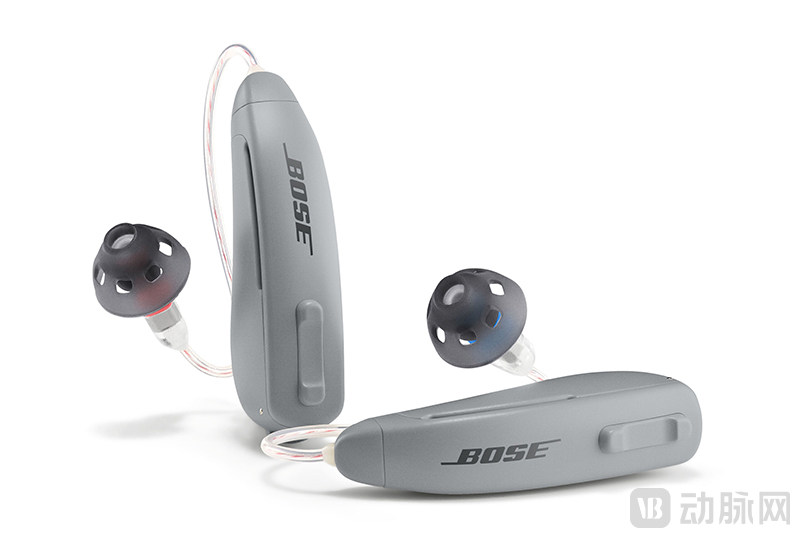
Subsequently, Bose actively lobbied to advance regulations for over-the-counter (OTC) hearing aids and established its healthcare division, Bose Health, in 2018. One of its primary business objectives was to leverage Bose’s acoustic expertise to enter the hearing aid market. In October 2018, Bose’s hearing aid device received FDA approval through the De Novo pathway and subsequently obtained 510(k) clearance in May 2021.
Bose SoundControl Hearing Aids Received FDA Clearance (Image from Bose Official Website)
Unfortunately, due to resistance from vested interests—primarily physicians and audiologists responsible for prescribing and fitting hearing aids—progress on the OTC hearing aid policy remained stalled until a draft was finally released in 2021. Meanwhile, Bose’s core business in consumer audio was facing intense competition, forcing the company to make strategic trade-offs.
According to foreign media reports, Bose announced a partnership with Lexie Hearing this July, under which the Lexie B1 hearing aids from Lexie will be powered by Bose. The previously FDA-approved Bose hearing aids will no longer be manufactured or sold, but after-sales support for existing products will be maintained. Ultimately, it is quite regrettable that Bose exited its Bose Health business just before the approval of the over-the-counter (OTC) hearing aid regulations.
Although Bose has exited the medical business, other consumer electronics brands continue to press forward. In addition to Sony, mentioned at the beginning of this article, the well-known headphone brand Jabra is also highly interested in this market, with its over-the-counter (OTC) hearing aids receiving FDA approval in February.
For China, the reference value of the FDA’s new regulations is quite evident.
As in foreign markets, the five major global hearing aid groups have essentially established a monopoly in China, resulting in similarly high prices for hearing aids domestically, ranging from several thousand to tens of thousands of yuan depending on product performance. Particularly for high-end products, prices in China are significantly higher, creating a highly unfavorable situation for individuals with hearing impairments.
However, the relaxation of regulations on the online sale of medical devices in recent years has driven sales ranging from analog devices to a wide array of entry-level hearing aids priced under RMB 1,000. Although these entry-level products may not fully meet patients’ needs, they clearly demonstrate the substantial unmet demand in China.
“In China, the distribution channels for hearing aids are primarily divided into online and offline segments. Online sales occur through e-commerce platforms, while offline services mainly involve product purchase and fitting provided by hearing aid dispensing stores or hospitals. The FDA’s new OTC regulations will not only drive innovation in product technology but also establish a new channel service model, offering an alternative pathway for consumers who prefer to avoid hospitals and hearing centers,” introduced Dr. Liang Qi.
“For example, patients can undergo hearing tests via their smartphones, purchase hearing aids directly, and self-adjust the devices based on their individual hearing profiles,” said Dr. Liang Qi. He noted that in China’s market, which already suffers from a shortage of professional audiologists, the OTC model may set a stronger precedent by creating more innovative service channels and models, thereby increasing consumer acceptance of hearing aids.
Xie Guanhong, Chairman of 1More Inc., a renowned headphone brand, also concurs with this view. He stated that the hearing aid industry is heavily reliant on professional fitting and user experience, with hearing service providers currently capturing the majority of value in the supply chain. With technological advancements, hearing aid sales have gradually evolved in recent years to incorporate online-to-offline models integrated with remote audiological diagnostics. The FDA’s new over-the-counter (OTC) regulations will further catalyze emerging channels, driving robust growth in online and retail sales models.
“We believe that with technological advancements and channel transformations, the value chain of OTC hearing aids and hearables is poised for reshaping, with value at the upstream and brand levels gradually coming to the fore,” he added.
Guo Qing, CMO of Beijing Lintong Technology Co., Ltd., which focuses on the research and development of medical-grade hearing products, stated that although China has not yet introduced relevant regulations for OTC hearing aids, FDA regulations have made it clear that traditional hearing aids currently fail to adequately meet the needs of individuals with mild-to-moderate hearing loss. “This emerging market will receive attention and be developed. After all, users with mild-to-moderate hearing loss know no borders; their needs must be met, whether in the United States or China.”
Furthermore, from a regulatory perspective, he believes that the FDA’s requirements for over-the-counter (OTC) hearing aids are relatively rigorous, establishing robust standards for safety and efficacy, with particular emphasis on safety. This will serve as a valuable reference for product requirements and market regulations for hearing aids in China.
First, the FDA’s OTC hearing aid standards explicitly stipulate that OTC hearing aids are intended solely for adults aged 18 and older, thereby minimizing risks associated with use by minors under the age of 18.
Secondly, the standard also reduces safety risks by limiting the maximum output sound pressure level (SPL). For instance, when presented with a 90 dB SPL pure-tone input, the output of an over-the-counter (OTC) hearing aid must not exceed 111 dB SPL at any frequency (or 117 dB SPL for devices featuring input compression and user-adjustable controls).
“It is foreseeable that products meeting the FDA’s OTC standards will be launched in the domestic market by next year at the latest, to meet the needs of users with mild-to-moderate hearing loss in China,” Guo Qing added.
For China’s domestic industry, over-the-counter (OTC) hearing aids may represent a significant opportunity. According to research, the market size of China’s hearing aid industry grew rapidly from RMB 2.84 billion in 2015 to RMB 5.51 billion in 2019, with a compound annual growth rate (CAGR) of 18.02%. If this trend continues, the domestic hearing aid market is projected to reach a scale of RMB 10 billion in the near future.
With the advent of over-the-counter (OTC) hearing aids, market growth is set to accelerate significantly, with the market size poised to surpass RMB 10 billion. This represents an untapped “blue ocean.”
For a long time, China’s hearing aid market has been dominated by global industry giants. Although domestic professional hearing aid manufacturers have been striving to catch up, their late start has meant that, despite the presence of listed companies such as JinHao Medical, most firms remain relatively small in scale. Core key technologies remain underdeveloped, and significant breakthroughs have yet to be achieved. This situation is largely consistent with global trends.
However, once the focus shifts to the consumer electronics sector, the outlook becomes significantly more optimistic. It is worth noting that domestic brands have made rapid strides in the consumer audio market in recent years, emerging as a force to be reckoned with.
Since Apple released AirPods in 2016, the market for truly wireless stereo (TWS) earbuds with separate left and right units has expanded rapidly. According to data from Canalys, a leading independent technology market analyst, TWS shipments reached 63 million units in the second quarter of 2022, representing an 8% year-on-year increase. TWS earbud shipments are projected to reach a remarkable 600 million units by 2025.
In the TWS sector, Chinese manufacturers have played a pivotal role. In the OEM/ODM space, Goertek and Luxshare Precision serve as contract manufacturers for numerous major brands, including Apple. On the brand front, Chinese companies such as Xiaomi, Huawei, OPPO, 1MORE, and Edifier have established themselves as well-known names in the TWS earbud market. Meanwhile, in the chip segment—long dominated by foreign players—domestic firms like Bestechnic, Actions Technology, and Zhuhai Jieli are catching up and gradually capturing market share.
The entry of these domestic players has led to a significant drop in the prices of TWS earbuds within a few years. In 2016, Apple AirPods were launched at a price of RMB 1,288, positioning them as a typical affordable luxury product. With the influx of numerous Chinese brands, TWS earbud prices have nearly collapsed, with some models now priced below RMB 200. This decline in price has clearly stimulated substantial market demand.
Amid intensifying competition, these brands are seizing every opportunity to enter the healthcare sector. Smartwatches from Apple, Huawei, and OPPO have successively obtained medical device approvals from the National Medical Products Administration (NMPA). Wearable health devices, particularly those in the form of true wireless stereo (TWS) earbuds, are also being incorporated into their strategic plans—public information indicates that designs leveraging earbuds for health monitoring have been continuously emerging in recent times.
1MORE’s First-Generation Hearing Aid Earbuds—EHD9001B Wireless Smart Hearing Aid Earbuds (Image provided by 1MORE)
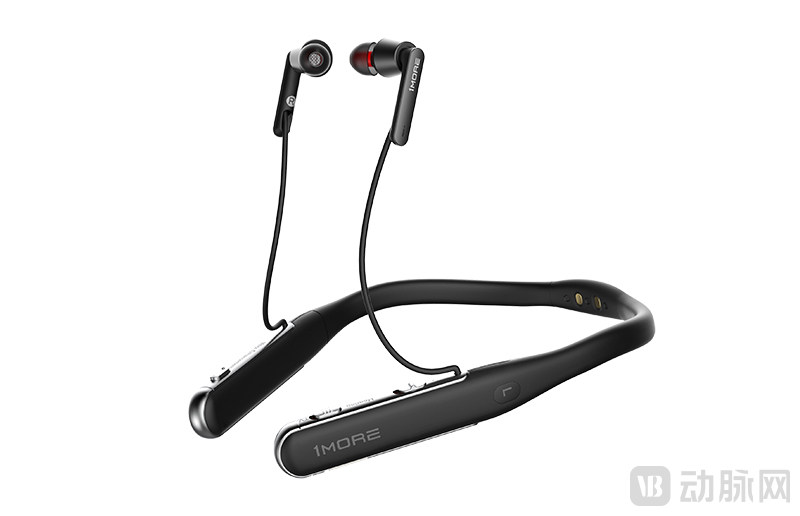
The introduction of new regulations for over-the-counter (OTC) hearing aids undoubtedly presents an excellent opportunity for these consumer brands. In fact, as early as 2018, the well-known Chinese audio brand 1more launched hearing-assist earbuds. Indeed, there are significant technical similarities between hearing-assist earbuds and OTC hearing aids.
Guo Qing explained the differences between the two: First, there are regulatory differences. OTC hearing aids remain Class II medical devices, whereas hearing-assist headphones fall under 3C-certified headphone products, with differing requirements for safety and efficacy. Second, hearing-assist headphones are positioned at a lower tier, primarily targeting individuals with normal hearing or mild hearing loss; in contrast, OTC hearing aids are mainly intended for those with mild-to-moderate hearing loss. Finally, due to the different target populations, the amplification gain also varies. Generally, the amplification gain of hearing-assist headphones is controlled within 15 dB, while that of OTC hearing aids can reach approximately 25 dB.
Both hearing-assist headphones and over-the-counter (OTC) hearing aids employ multi-band compression amplification algorithms. This algorithm is one of the core components enabling hearing assistance functionality. It not only adjusts volume levels across different frequency bands but also applies dynamic compression based on sound intensity: amplifying faint sounds that are difficult to hear while attenuating louder sounds.
“This approach ensures that sounds are clearly audible to individuals with hearing loss without excessive amplification, thereby enabling them to hear clearly while also protecting their residual hearing,” stated Guo Qing.
It is evident that the transition from hearing-assist headphones to OTC hearing aids is not overly challenging. By selecting an appropriate design strategy from the outset and adhering to the relevant OTC hearing aid standards, obtaining regulatory approval is less difficult than commonly perceived.
In addition to hearing-assist earbuds, an increasing number of consumer-grade headphones on the market can adaptively adjust ambient sound, enabling active noise cancellation or amplification.
Xie Guanhong introduced that TWS earbuds equipped with adaptive intelligent adjustment technology are becoming increasingly common. On the surface, they appear somewhat similar to hearing assistance earphones or OTC hearing aids. However, such products are only suitable for users with normal hearing; although they can produce high volume levels, they cannot be used to compensate for hearing loss.
“These products are primarily used to amplify sound signals in special acoustic environments, such as noisy settings, hunting, and recreational activities. Meanwhile, the sound gain designed for these products provides overall amplification within 35dB, and they cannot perform fine, personalized adjustments for different frequency bands like hearing aid headphones or OTC hearing aids.”
Of course, it is entirely possible for TWS consumer earbuds without any hearing assistance features to meet the requirements for OTC hearing aids through improvements. From the perspective of core technologies, hearing aid technology includes multi-channel wide dynamic range compression (WDRC) for segmented amplification, noise reduction, and feedback suppression.
“Consumer headphones do not incorporate such algorithmic technology. However, if the acoustic structure and hardware of the headphones themselves meet the necessary requirements—for instance, high-end headphones inherently possess advantages in these areas—then combining them with appropriate algorithms can enable a transition from consumer headphones to OTC hearing aids with only minor modifications,” Guo Qing explained to VCBeat.
According to Guo Qing, Lintong Technology’s turnkey solution for OTC hearing aids strictly adheres to the medical device principles of safety and effectiveness, having already met the technical and hearing safety requirements stipulated in the FDA’s OTC Hearing Aid Act. Currently, its algorithm solution has been adopted by multiple manufacturers, fully enabling consumer electronics brands to rapidly develop OTC hearing aids.
Looking back at the evolution of TWS earbuds, it is by no means far-fetched to anticipate that Chinese consumer electronics brands will enter the hearing assistance earbud market, subsequently expand into the OTC hearing aid sector, rapidly drive down product prices, stimulate substantial market demand, and thereby increase the penetration rate of hearing aids.
Dr. Liang Qi stated that consumer electronics manufacturers have already entered the hearing aid market, with companies such as Apple, Samsung, Philips, and Sony having established their presence in this field. Consumers are highly familiar with and trust these brands, reducing reliance on professionals and simplifying the selection process. This is particularly beneficial in China, where there is a shortage of hearing care professionals, enabling consumers to seek earlier intervention through these well-known brands.
Meanwhile, consumer electronics manufacturers are particularly adept at rapid iteration; once they enter the market, they will inevitably drive down the prices of high-performance hearing aids, making them more accessible and acceptable to patients.
“However, this poses a greater challenge for audiologists and hearing aid dispensers: how to ensure that consumers receive better hearing healthcare services in the future may be an issue they need to address,” she added.
Guo Qing also expressed optimism on this matter. He believes that, from a market perspective, OTC hearing aids do not require prescriptions, giving consumer electronics brands a natural channel advantage to rapidly expand their market presence. From a technological standpoint, consumer electronics giants do not need to invest heavily in independent R&D; by leveraging professional OTC hearing aid/assistive listening algorithm solution providers, they can quickly launch compliant products to enter the market.
“In fact, some consumer electronics companies are already collaborating with us to develop products that meet the technical requirements for OTC hearing aids,” he said.
In terms of product design, consumer electronics brands have achieved a near-total victory. Their sleek and compact form factor helps alleviate patients’ sense of stigma—based on appearance alone, no one would associate a pair of TWS (True Wireless Stereo) earbuds with a hearing aid. Under these circumstances, patients are unlikely to resist using hearing aids.
“OTC hearing aids are an extension of the medical-grade hearing aid industry, while TWS hearables have evolved from consumer-grade hearing products. This market will attract both consumer electronics brands and medical device manufacturers. Although medical device manufacturers possess the strongest professional expertise in hearing assistance, they lack the foundational capabilities for designing and developing consumer-oriented products, thus presenting certain barriers to entry,” said Xie Guanhong.
It must be acknowledged that the traditional hearing aid industry still holds significant advantages. It benefits from years of clinical accumulation and R&D experience in prescription hearing aids with more sophisticated sound processing capabilities, as well as greater familiarity with healthcare services related to hearing health. For this reason, consumer brands are currently adopting a rather cautious stance.
“Consumer audio brands can be further categorized into smartphone brands and headphone brands. The former possess a foundation in the design and R&D of consumer electronics, while the latter have extensive experience in designing audio products. However, we believe that the hearing aid/assistive listening market carries significant risks, with high entry barriers and a requirement for medical qualifications. Without adequate preparation, rashly entering this market may not be a wise choice.” Xie Guanhong believes that consumer electronics brands still need to make solid preparations in the early stages.
He believes that the core competitive barrier for hearing-assist earbuds/OTC hearing aids stems from the combined advantages of hardware and software. Hardware specifications and algorithm quality will largely determine product performance and patient satisfaction. Currently, mid- to high-end hearing-assist earbud brands all possess R&D capabilities for mainstream algorithms; the key differentiators lie in the autonomy and controllability of chipsets, the capability and sophistication of algorithms, and the ability to integrate downstream channels and the industrial supply chain.
According to Xie Guanhong, 1MORE currently offers both single-ear and binaural hearing assistance earbuds. The single-ear models are primarily sold through offline fitting stores, while the binaural models are sold online, targeting everyday lifestyle scenarios. The next generation of TWS-form-factor hearing assistance/hearing aid earbuds, currently under development, will enter the medical sector. It is expected to obtain medical certification by the end of this year and officially launch next year.
The FDA’s new regulations on over-the-counter (OTC) hearing aids will undoubtedly be a landmark regulatory development. With the entry of new market players, the current industry landscape may be significantly disrupted—patients will benefit, and Chinese manufacturers may also have the opportunity to achieve certain breakthroughs in their position within the supply chain.
Hearing aid giants should proactively embrace change and swiftly enter the emerging blue ocean market of over-the-counter (OTC) hearing aids. This strategy would enable them to compete with consumer electronics manufacturers in this new sector and secure a foothold, while also reinforcing their dominant position in the professional prescription hearing aid market.
Alternatively, forging a strategic alliance with consumer electronics brands—akin to the partnership between Sony and WSA—to create new synergies may well be a win-win choice. However, given that both parties have long been accustomed to dominant positions in their respective arenas, whether they can collaborate effectively remains to be seen.
It is foreseeable that there will be more industry activities surrounding OTC hearing aids in the near future, and VCBeat will continue to monitor these developments closely.
References:
hearinghealthmatters.org :FDA Clears Jabra Enhance Plus as Self-Fitting Hearing Aid Ahead of OTC Regulations
hearinghealthmatters.org:Bose to Exit Hearing Aid Market as Company Shutters Health Division
Conor Hale,fiercebiotech.com:Sony dives into nascent over-the-counter hearing aid market with WS Audiology partnership
hearinghealthmatters.org:Why Bose Failed at Hearing Aids
Fastcompany.com:With FDA-approved hearing aids,Bose expands into health
52audio: Decoding U.S. OTC Hearing Aid Standards—What New Opportunities Lie Ahead for Chinese Earphone Manufacturers?
China Industry Research Network: "In-Depth Research on the Development of China's Hearing Aid Industry from 2019 to 2025 and Future Trend Forecast"
WHO: "World Report on Hearing"
Li Peijing, Shengang Securities: “Substitution Effect Emerges, Bullish on Leading TWS Earphone Bluetooth Chip Makers”