

Xiushi Biopharma Raises Production Yield of Peptide Drugs by 10x Through Synthetic Biology Innovation
XIUSHI
Protein Engineering Drug Research and Development and Production
As the division of labor within the pharmaceutical manufacturing supply chain deepens, China’s CDMO industry has reached a mature stage, with the market now resembling a “red ocean.” Beyond traditional sectors characterized by high consolidation, such as small-molecule drugs and antibodies, many emerging segments have gained significant momentum in recent years, increasingly capturing the attention of global investors.
As one of the hotspots in global new drug development, the once-overlooked, niche, and high-profit peptide sector is gradually becoming a key focus area that the CDMO industry can no longer ignore. Over the past decade, the peptide sector has seen the emergence of multiple “blockbuster” drugs, with GLP-1 agonists—primarily used for the treatment of type 2 diabetes and obesity—standing out as prime examples. Currently, the most popular “blockbuster” drugs on the market, such as semaglutide, dulaglutide, and liraglutide, are representative GLP-1 agonists. The global sales of this class of drugs exceeded $16 billion in 2021.
Currently, some enterprises in China have begun to lay out their strategies in the fields of peptide drug development and CDMO services. XIUSHI is one of the very few startups that effectively leverage synthetic biology technologies to address the challenges associated with the industrial-scale development of peptide drugs. Building on a decade of expertise in synthetic biology, XIUSHI, established less than two years ago, has already succeeded in increasing the expression efficiency of certain peptide drugs to ten times the industry average.

Dr. Wu Yinsong, Founder and General Manager of XIUSHI, participated in the National Basic Research Program (973 Program) in synthetic biology during his doctoral studies at East China University of Science and Technology in 2012, collaborating with numerous domestic research institutions to advance the large-scale production of microalgae-based energy. “Through practical exploration and accumulation, we have gained profound experience and insights into overcoming the challenges of industrializing synthetic biology.”
XIUSHI places great emphasis on the timeline and feasibility of commercial translation. Seeking a high-value-added sector that leverages distinct advantages in synthetic biology and facilitates commercialization, the company exercised particular caution in selecting its strategic tracks and product categories. After evaluating numerous diverse directions, XIUSHI ultimately chose to focus on the peptide and recombinant protein therapeutic sectors.
Peptide drugs have become one of the focal points in global new drug R&D, with the domestic peptide sector also experiencing rapid development. Innovative peptide pharmaceutical companies such as Frontier Biotechnologies are beginning to emerge, while large pharmaceutical enterprises like China Resources, Hengrui Medicine, and Yangtze River Pharmaceutical Group are entering the peptide drug industry.
However, compared with foreign countries, China’s peptide sector started relatively late. There are not many domestic peptide pharmaceutical companies, and the industry is still in a “hidden goldmine” stage. Wu Yinsong believes that the peptide sector has substantial clinical demand and broad prospects; early entry and strategic positioning can secure first-mover advantages.
Currently, most peptide companies on the market adopt chemical synthesis methods, which suffer from low efficiency and cause severe pollution. According to industry insiders, producing 1 kg of peptides can generate more than 10 tons of hazardous waste, contributing to the high prices of currently marketed peptide drugs.
Prior to the company’s establishment, XIUSHI’s founding team successfully achieved the biosynthesis of structurally complex cyclic peptides using synthetic biology technology, becoming"The first team in China to achieve large-scale biosynthesis of complex-structured short peptide drugs"Subsequently, high-level expression was achieved in other polypeptide drugs. In response to the national call, we pioneered a low-carbon and environmentally friendly production process, resolved bottlenecks associated with traditional methods, and truly put green innovation into practice.
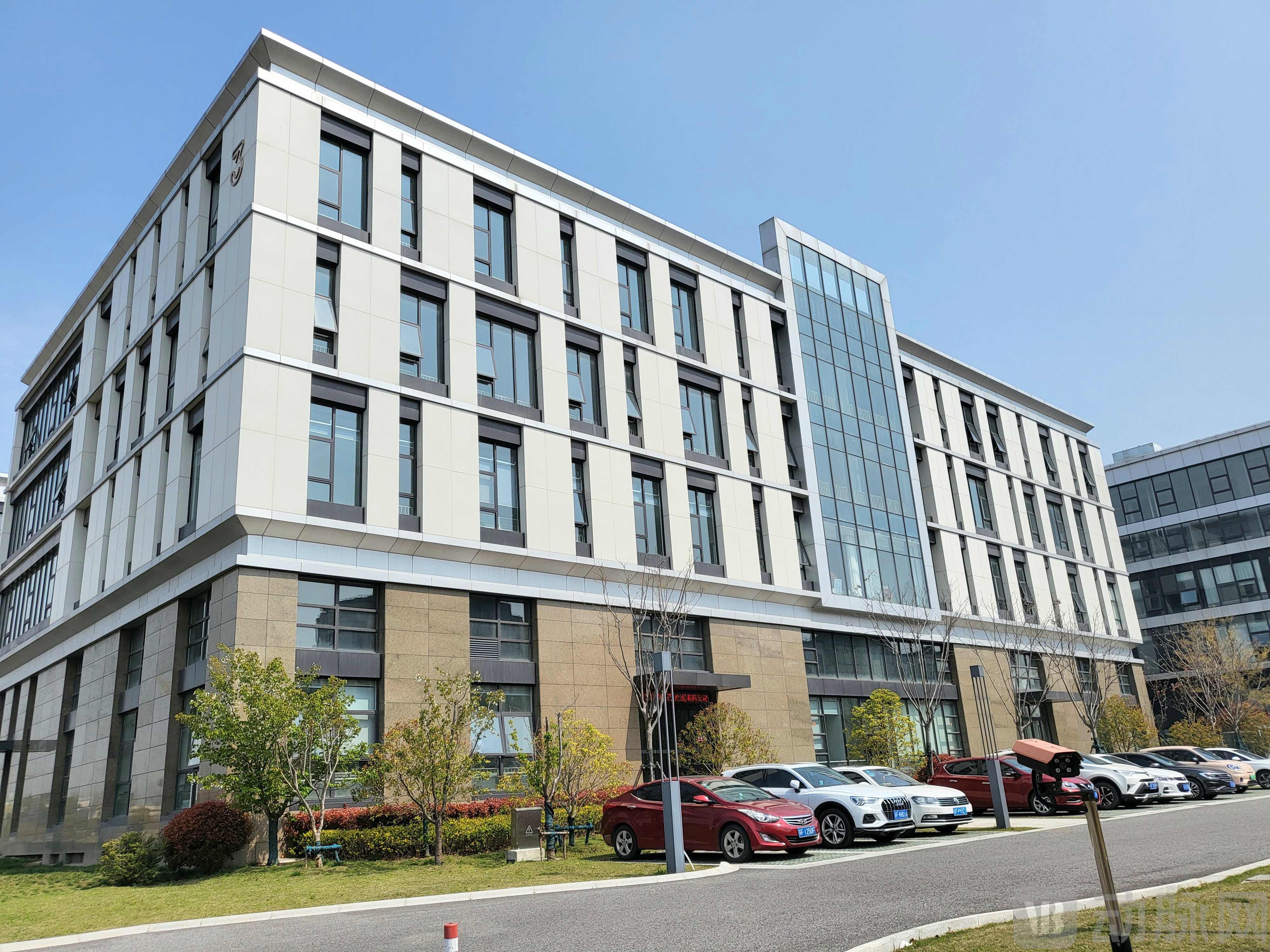
XIUSHI R&D Building
“Peptides are inherently well-suited for the synthetic biology industry.” According to domestic and international research, the biological manufacturing of peptides involves fields within synthetic biology such as genetic engineering, protein engineering, enzyme engineering, and fermentation engineering. The adoption of synthetic biology technologies is more conducive to reducing drug production costs and improving production efficiency.
Against the backdrop of an expanding project pipeline, the gradual expiration of global drug patents, and steady market growth, Wu Yinsong founded Xiushi Biopharma Co., Ltd. at the end of 2020.
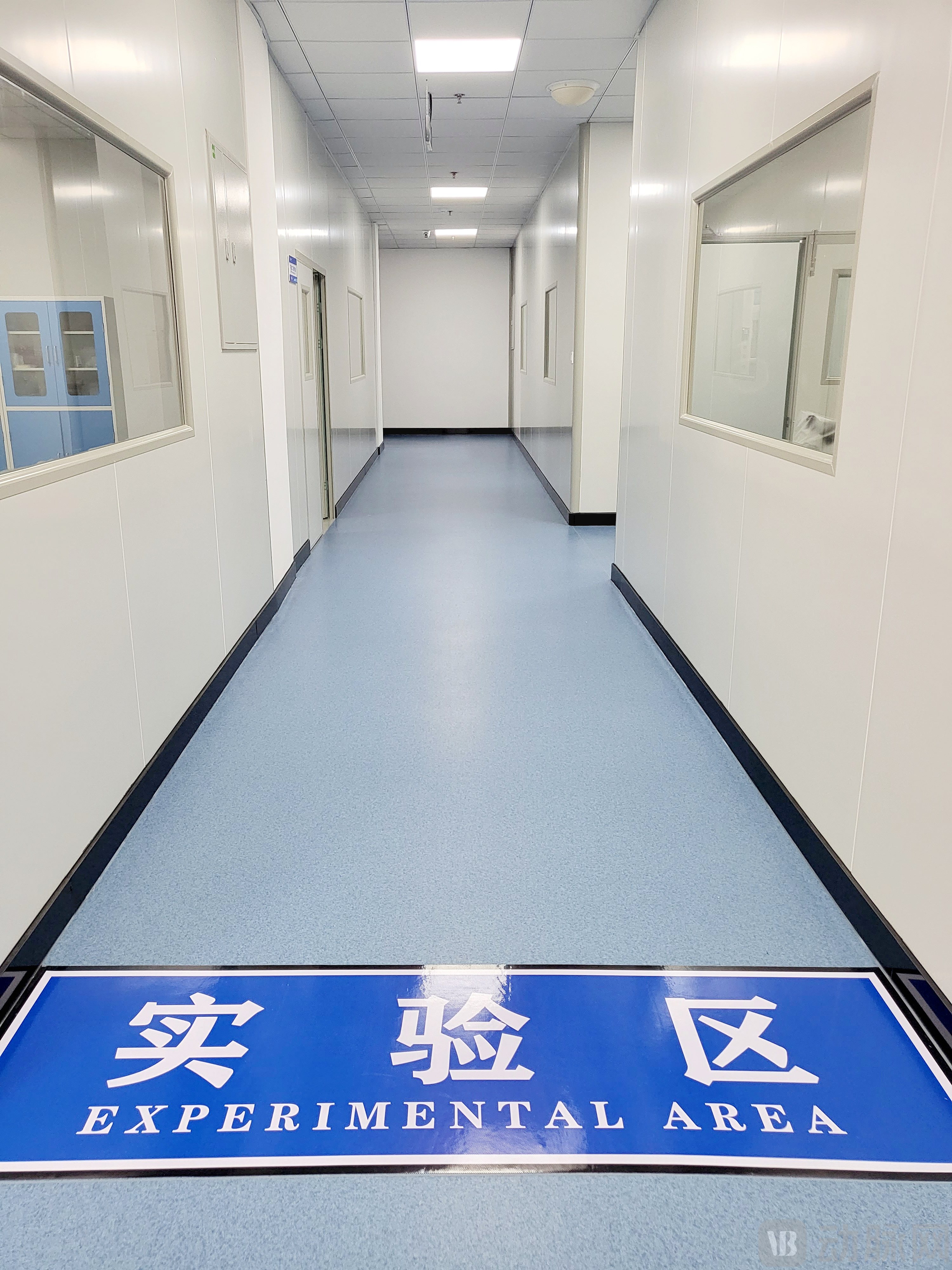
XIUSHI R&D Platform Interior
China’s synthetic biology sector started relatively late and still lags significantly behind international counterparts, with applications in the peptide field being even rarer. XIUSHI has emerged as an early-mover and leading innovative enterprise in this niche.Following its establishment, XIUSHI has adopted a clear strategy: leveraging its decade-long accumulation and experience in synthetic biology, the company will focus on the peptide sector and steadily capture market share through its technological advantages.
Compared with antibody drugs, which have similar structures and relatively fixed and uniform expression platforms, peptide drugs present greater challenges. This is because different peptide drug molecules vary significantly in peptide chain length, structure, and amino acid composition, leading to higher difficulties in both research and development (R&D) and production. To save costs and reduce R&D risks, peptide pharmaceutical companies often choose to collaborate with professional CRO/CDMO partners at an early stage of development.
However, companies currently offering CDMO services often rely on chemical synthesis or classical genetic engineering methods, which are generally limited by high costs and low synthesis efficiency. Furthermore, given the significant differences in manufacturing processes between peptide drugs and traditional pharmaceuticals, enterprises in this field are predominantly specialized in peptide research, development, and production, with few making a cross-over from the small-molecule or large-molecule sectors.
XIUSHI places great emphasis on the industrial application of its technologies, taking downstream processing into consideration as early as the biological design phase. “Whether it involves chassis cells or fusion proteins, they must meet the requirements for final drug quality and production scale. This is a fundamental principle of our design approach, yet it remains an aspect that receives relatively little attention in China’s current synthetic biology sector,” said Wu Yinsong.
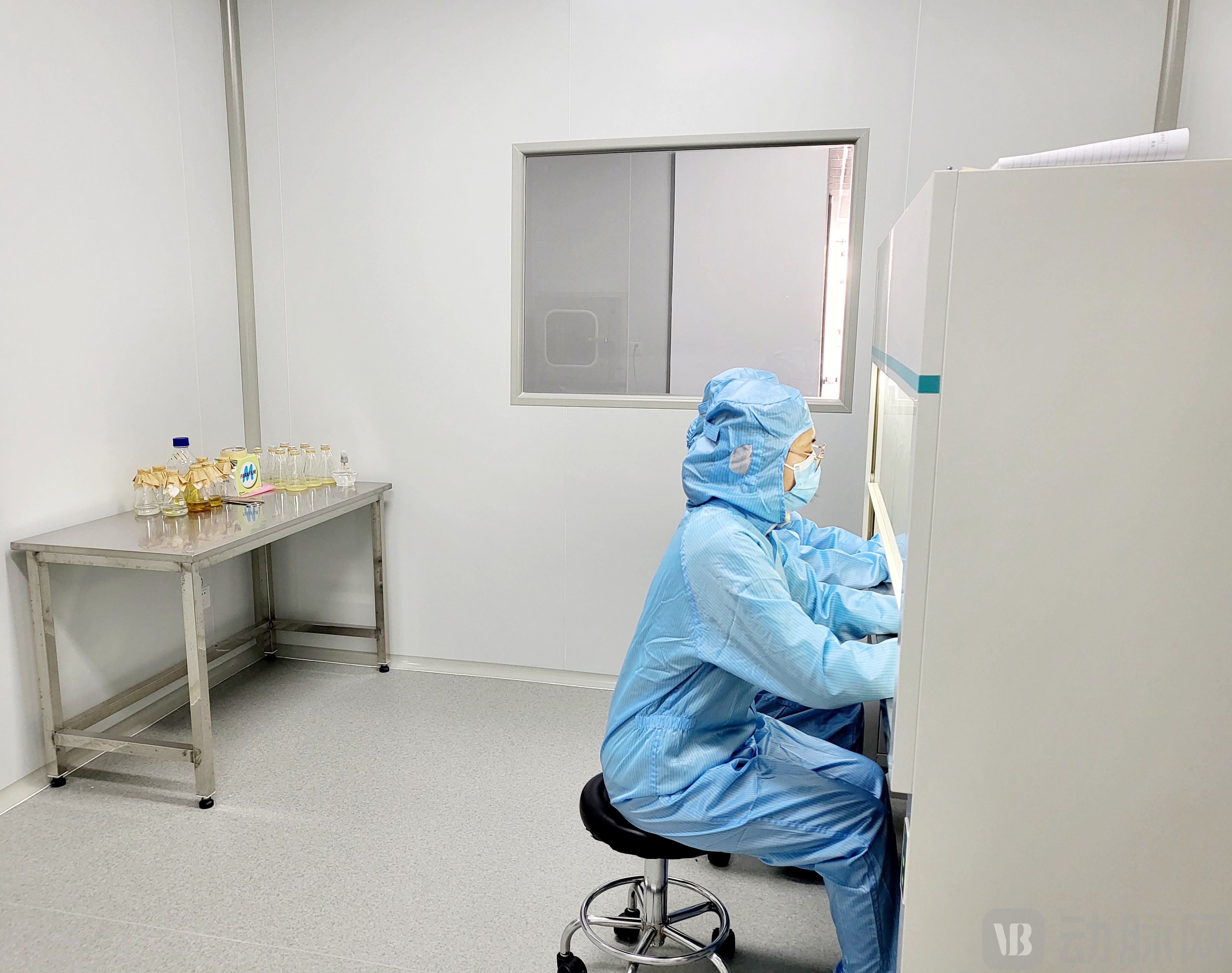
XIUSHI Biological Design and Strain Construction Platform
Among XIUSHI’s peptide drug pipeline, the GLP-1 receptor agonist analog project has demonstrated the strongest performance. “We are the first company in China to employ synthetic biology technologies for developing the manufacturing process of GLP-1 biosimilars. Our process capabilities stand out domestically, with leading parameters and final product quality within the country. The production efficiency of this project is 5–10 times higher than that of traditional genetic engineering techniques, and the gross profit margin for the active pharmaceutical ingredient (API) exceeds 85%. Currently, many leading companies in this field are engaged in partnership discussions with us,” introduced Wu Yinsong.
Leveraging these advantages, XIUSHI has established partnerships with numerous pharmaceutical companies, providing technical services or transfers, APIs and raw material intermediates, as well as other products and services such as peptides and industrial enzymes. “We anticipate strong cash flow. This year, we have secured CDMO orders from major enterprises, and trial product shipments have already been sent abroad, gradually opening up the international market.”
“Currently, CDMO orders have essentially filled up our R&D pipeline.”Wu Yinsong stated that XIUSHI is currently conducting its first round of financing to expand production lines, increase R&D equipment, recruit high-level professional technical personnel, and enhance investment in research on the underlying technologies and product applications of synthetic biology, thereby promoting a higher-quality R&D pipeline to meet market demands. Linglu Capital serves as its exclusive financial advisor.
"In the coming period, XIUSHI will continue to focus on refining its peptide drug R&D and manufacturing platform, expanding production capacity, collaborating with leading domestic enterprises, and entering the international market."
Guide Capital is a boutique investment bank specializing in the early-stage and growth-stage healthcare and wellness sectors. Established in 2021, its team comprises professionals from the healthcare industry and specialized institutions. Guide Capital focuses on the healthcare sector, aspiring to be the leading guide for pioneering early-stage medical projects in China’s capital markets. It provides a suite of services—including equity financing, strategic planning, due diligence, and post-investment management—to new-economy healthcare enterprises in China, thereby fostering the development of the country’s healthcare industry.