

Ascend Molecular Diagnostics Announces Launch of Next-Gen Microfluidic Ultra-Multiplex qPCR System and Files for IPO
Affected by the COVID-19 pandemic, molecular diagnostic technologies represented by nucleic acid testing have been rapidly popularized. However, the current molecular diagnostics industry still faces many unmet needs, such as low throughput and slow speed affecting diagnostic efficiency, as well as low automation levels and complex operations leading to labor shortages. Guangdong Tengfei Gene Technology Co., Ltd. (hereinafter referred to as "Tengfei Gene") has been deeply engaged in the research and development of microfluidics technology platforms and their clinical translation since its establishment, committed to providing efficient, precise, comprehensive, and cost-effective molecular diagnostic solutions for clinical use.
Recently, after years of technical accumulation and efforts by the team, Tengfei Gene’s microfluidic ultra-multiplex qPCR system, based on internationally advanced “microarray-based microfluidic chip technology,” has successfully received approval for market launch. The microfluidic ultra-multiplex qPCR system consists of the Ascend MF600 Microfluidic Nucleic Acid Amplifier and the Ascend MF800 Real-Time Fluorescent PCR Analyzer. The Ascend MF600 Microfluidic Nucleic Acid Amplifier was approved for a Class II medical device registration certificate (Yue Xie Zhu Zhun 20212221502) on November 8, 2021, and the Ascend MF800 Real-Time Fluorescent PCR Analyzer was approved for a Class III medical device registration certificate (Guo Xie Zhu Zhun 20223221111) on August 26, 2022.
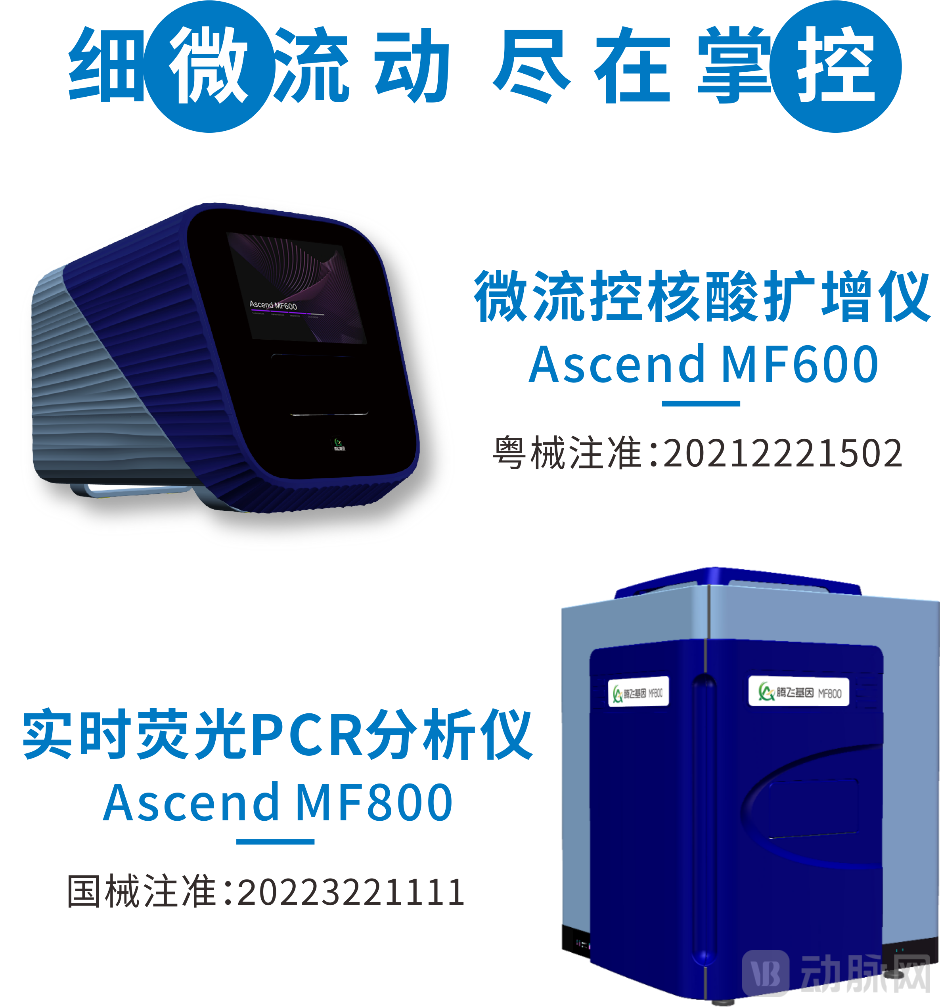
The microfluidic ultra-multiplex qPCR system is an ultra-multiplex molecular detection platform that integrates automated sample and reagent loading and mixing, nucleic acid amplification, and fluorescent signal detection. It features integration and automation, high throughput, low reagent consumption, minimal sample volume requirements, and reduced contamination risk. Compared with traditional qPCR platforms, this system offers a significant advantage by enabling ultra-multiplex molecular detection of nearly 200 targets using single-plex fluorescence, thereby providing a simpler, more efficient, and more cost-effective multiplex molecular detection solution for clinical applications.
Policy Support
In 2016, the State Council issued the “13th Five-Year Plan” for National Science and Technology Innovation, which explicitly proposed that in vitro diagnostic products should achieve breakthroughsMicrofluidic Chip, single-molecule detection, automated nucleic acid testing, and other key technologies.
In 2017, the Ministry of Science and Technology issued the “13th Five-Year” Special Plan for Biotechnology Innovation, clearly stating thatMicrofluidic ChipIncorporated into next-generation biosensing technologies.
On May 10, 2022, the National Development and Reform Commission issued the first-ever “14th Five-Year Plan” for Bioeconomy Development, explicitly proposing to strengthenMicrofluidics, and the development of high-sensitivity biosensing technologies.
Microfluidic Ultra-Multiplex qPCR System
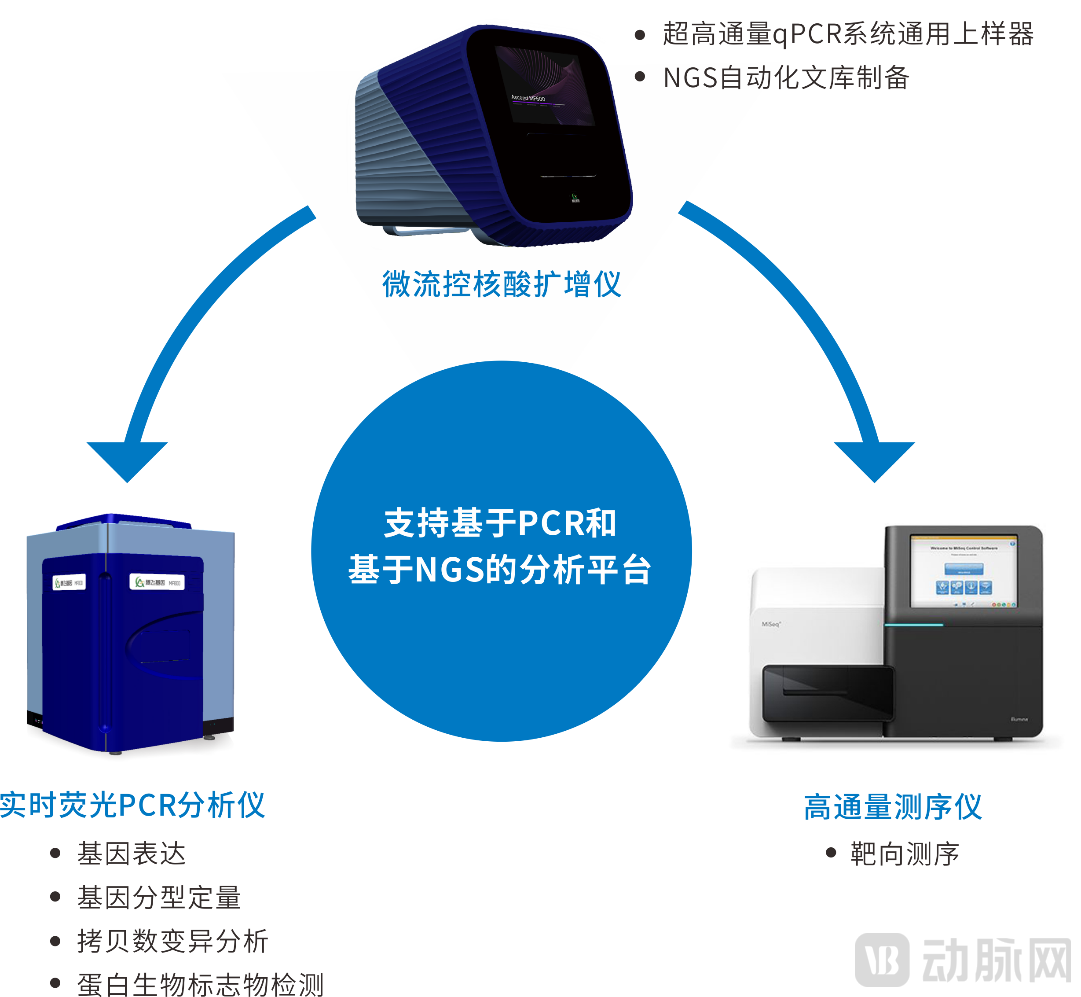
The microfluidic nucleic acid amplification instrument is an integrated system for sample loading and high-throughput NGS library preparation. It utilizes a microarray-based microfluidic chip as the reaction platform, featuring automated loading and mixing of samples and reagents, along with nucleic acid amplification capabilities. It supports both PCR-based and NGS-based analytical platforms.
The Real-Time Fluorescent PCR Analyzer is a real-time quantitative PCR system that utilizes microarray-based microfluidic chips as the reaction platform, featuring capabilities for nucleic acid amplification and fluorescent signal detection.
● The combined use of microfluidic nucleic acid amplification instruments and real-time fluorescent PCR analyzers provides an automated, high-throughput, cost-effective, and user-friendly solution for PCR reaction setup, nucleic acid amplification, and fluorescent signal detection, enabling diverse applications such as gene expression analysis, quantitative genotyping, copy number variation analysis, and protein biomarker detection;
● The microfluidic nucleic acid amplification instrument, when used in conjunction with high-throughput sequencers, enables automated, high-throughput construction of targeted sequencing libraries.
Microarray-based Microfluidic Chip
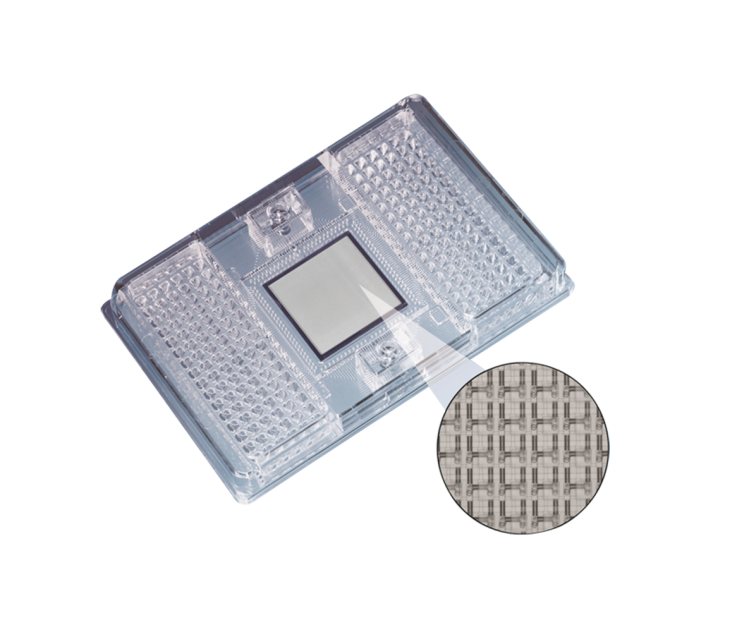
Microarray-based microfluidic chips are Integrated Fluidic Circuit (IFC) chips, representing an open, high-throughput, miniaturized reaction device. These chips integrate microfluidic channels, pneumatic valves, and reaction chambers onto a single substrate. The left and right sides of the chip feature sample inlets (N) and reagent inlets (M), respectively, while the center houses a microarray of nanoliter-scale reaction chambers. These chambers form N × M sealed, independent reaction units through the combination of N rows (number of samples) and M columns (number of reagents). Reagents and samples are automatically delivered into the reaction chambers via microfluidic channels to facilitate reactions.
● High Volume – Ultra-High Throughput
● Fast – Automation
● Good — Multiple Spatial Dimensions
● Provincial–Nanoliter System
System Advantages
● Multifunctionality – Combines automated NGS library preparation with ultra-high-throughput qPCR system capabilities
● High throughput—up to 9,216 reactions per run, generating 9,216 data points simultaneously; up to 192 samples can be tested in a single run, with a total turnaround time of approximately 3 hours.
● Low Cost—High-throughput automated construction of nanoliter-scale reaction systems and qPCR detection significantly save on reagents, consumables, and labor, substantially reducing the cost per data point.
● Open architecture—compatible with a variety of commercialized probe-based and dye-based reagents available on the market (e.g., TaqMan® probe、EvaGreen®etc.), no pre-embedding required
● Highly Scalable – Multiple chip specifications are available without requiring technical modifications, enabling seamless scaling of sample and detection throughput from 12 to 192 to meet diverse experimental throughput and project timeline requirements.
● High Performance – Spatial multiplexing design with independent reaction chambers enables ultra-multiplexed molecular detection of nearly 200 targets using single-plex fluorescence, allowing flexible addition or removal of test items without primer interference.
● Minimal Contamination – Enclosed reaction chamber effectively prevents laboratory contamination
● Multi-application – Comprehensive coverage of genotyping, gene expression, copy number variation analysis, protein biomarker detection, and NGS library preparation, without the need to change technology or platform
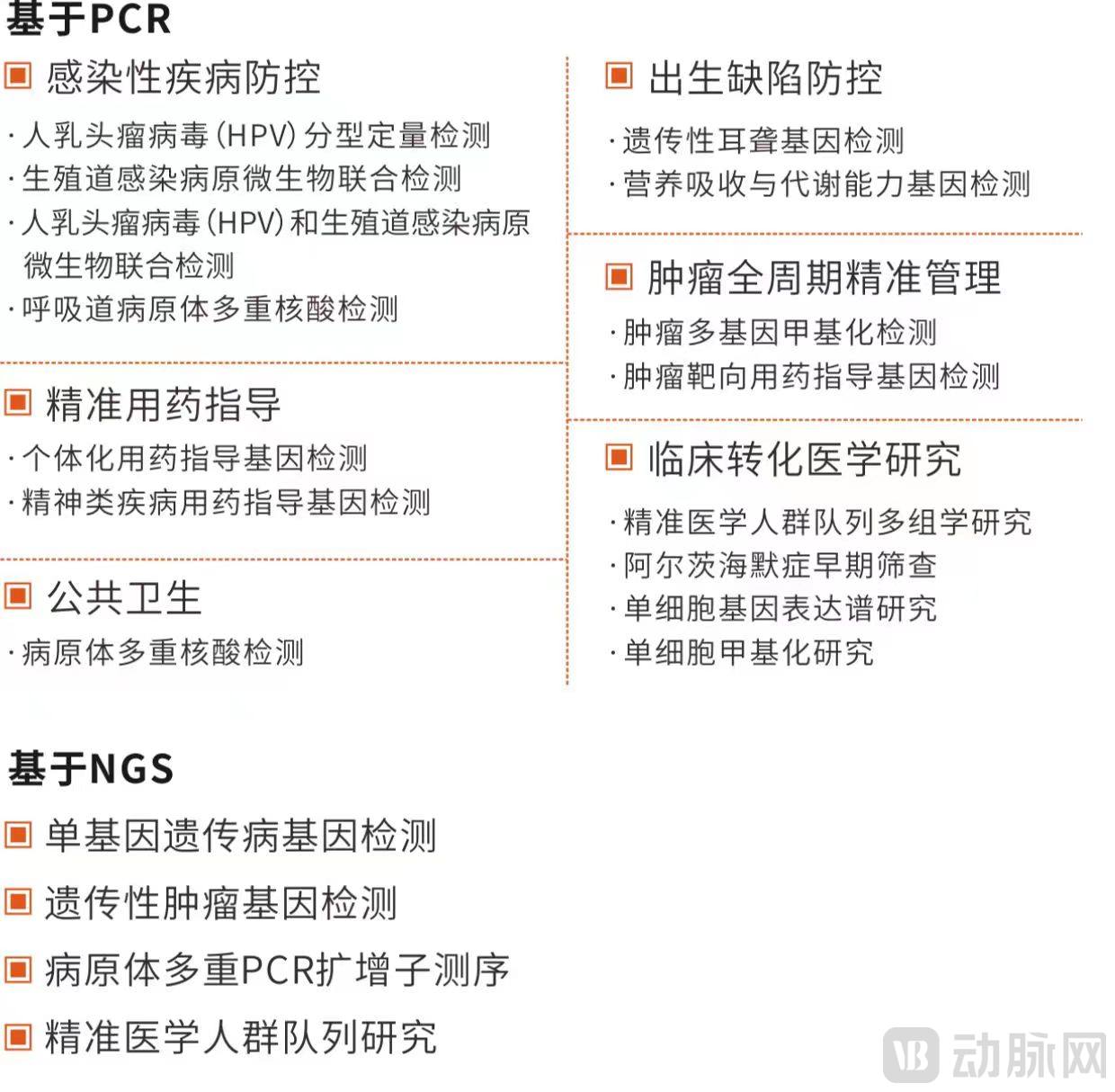
Application Scenarios
Company Profile
Tengfei Genomics was established in 2014 at the Zhongshan National Health Industrial Base in Guangdong Province, the first national-level comprehensive health industrial park integrating medical devices, biopharmaceuticals, and related industries. Since its inception, the company has been dedicated to the research and development, manufacturing, and provision of comprehensive solutions in the fields of medical devices and in vitro diagnostic (IVD) reagents. To accelerate business growth, Tengfei Genomics has entered into a strategic partnership with Standard BioTools Inc. (formerly Fluidigm Corporation), a global leader in microfluidics technology, to jointly develop molecular diagnostic products based on microfluidic platforms. This collaboration aims to seize market opportunities in precision medicine in China and promote the application of molecular diagnostics in clinical practice and public health management. After years of dedicated efforts, the company has achieved significant results and successfully commercialized multiple products through independent and collaborative R&D, particularly in areas such as microfluidic molecular diagnostic platforms, multiplex pathogen detection, birth defect prevention and control, and early cancer screening.
The approval of the registration certificates for the microfluidic nucleic acid amplification instrument and the real-time fluorescent PCR analyzer has enriched Tengfei Gene’s product portfolio, enabling the creation of more comprehensive clinical solutions. Leveraging this platform, Tengfei Gene has successfully developed a range of companion test kits, including those for human papillomavirus (HPV) genotyping, combined detection of HPV and reproductive tract infectious pathogens, hereditary deafness gene testing, and gastrointestinal tumor gene methylation testing. In the future, Tengfei Gene will continue to innovate in response to clinical needs by developing additional companion test kits. With support from national policies, the company will expand its clinical testing services to advance precision diagnosis and treatment, thereby contributing to human health.
Invitation for Collaboration
In recent years, the bottlenecks of single-omics research have gradually become apparent, and multi-omics has emerged as a key development trend. The company is dedicated to building an open, high-throughput, clinical-grade multi-omics detection platform based on microfluidics technology. By conducting in-depth research into multidimensional detection technologies such as genomics and proteomics, we provide comprehensive, cutting-edge, and precise genomic and proteomic testing services for clinical applications, including genotyping and gene expression qPCR assays, next-generation sequencing (NGS), and protein biomarker detection. We sincerely invite partners to join us in driving the new future of “microfluidics-based” molecular diagnostics!
Contact Us
Hotline:400-616-4363