

Jiangsu Model Tackles Health Data Silos: Innovation Contest Offers the 'Perfect Assist'
The digital economy has become increasingly important. According to statistics, the scale of China’s digital economy industry reached RMB 45.5 trillion last year, accounting for 39.8% of the country’s GDP. As a result, data has emerged as a core economic resource and a fundamental factor of production in today’s world. As early as April 2020, the “Opinions of the Central Committee of the Communist Party of China and the State Council on Improving the Market-Based Allocation Mechanisms for Factors of Production” formally recognized data as a new type of production factor, placing it on par with traditional factors such as land, labor, capital, and technology.
In March and November 2021, the Beijing International Big Data Exchange and the Shanghai Data Exchange were established, respectively. In just over a year, more than 30 data exchanges have emerged across China. The Overall Plan for Comprehensive Reform Pilots of Market-Based Allocation of Production Factors, issued by the General Office of the State Council in December 2021, proposed “exploring the establishment of rules for the circulation of data as a factor of production.” It set forth requirements such as improving mechanisms for the open sharing of public data, establishing and refining rules for data circulation and trading, expanding standardized scenarios for data development and utilization, and strengthening data security protection.
Regrettably, amid the vigorous efforts across industries to accelerate the release of data value, the “data silo” phenomenon in health and medical data remains unresolved, and how to enable open sharing and application continues to pose a significant challenge.
Despite the considerable challenges, various regions are continuously exploring new avenues. Jiangsu Province, renowned for its spirit of “striving to be first, leading the way, and setting the pace,” is taking its initial steps in this exploration. In the 2022 Jiangsu Health and Medical Big Data Innovation Application Competition, which recently opened for registration, it was explicitly stated that participating teams would be provided with “over 5 million real-world clinical cases, a total of 2 billion comprehensive medical data records, and a secure, compliant development environment for data applications.”

Healthcare data holds immense value. Clinical diagnosis and treatment, hospital management, epidemic prevention and control, medical technology innovation, health insurance, and patients can all benefit significantly from it. For instance, healthcare data can enhance the effectiveness and precision of medical scientific research, fostering the development of technologies and products that better meet clinical needs and offer greater cost-effectiveness. It also facilitates the establishment of a more streamlined, rapid, and targeted R&D and translational implementation system. Furthermore, it can improve the precision of insurance services, strengthen the risk resilience of both the healthcare industry and patients, and innovative integrated applications hold promise for enhancing the efficiency of insurance fund utilization.
Therefore, the demand scale of the health and medical data element market is enormous. Taking the market size of China’s big data solutions for health and medical care as an example, the market size was RMB 17.8 billion in 2020, with an estimated compound annual growth rate (CAGR) of 39.3% from 2020 to 2026. Based on this projection, the market size is expected to reach RMB 34.7 billion in 2022.
However, the circulation of health and medical data remains highly inefficient. The scarcity of accessible big data in healthcare is rendering the much-anticipated digital health economy unsustainable, akin to how everyday economic activities would grind to a halt without essential utilities such as oil, gas, and electricity.
The industry believes that the storage of health and medical data across different entities may be one of the reasons for this dilemma.
In China, government agencies, healthcare institutions, academic and research institutions, and certain health and medical enterprises have become the de facto owners and controllers of various types of health and medical data as long-term health and medical data resources accumulate. Specifically, the government holds management data related to the operation of healthcare institutions; healthcare institutions possess operational business data; academic and research institutions hold partial data on their research subjects; and health and medical enterprises, such as those in internet healthcare and digital therapeutics, maintain their respective business data.
Among these, the health and medical data held by healthcare institutions are characterized by massive scale, diverse structures, and rapid growth. As direct data generated within the medical field, they possess unique medical attributes (such as multimodality, temporality, privacy sensitivity, and redundancy), making them highly valuable for development. These data originate from a wide range of sources, including but not limited to: core in-hospital foundational databases such as electronic health records (EHRs), electronic medical records (EMRs), and electronic prescriptions; databases from various third-party testing centers, including disease control and prevention centers and physical examination centers; and socialized fragmented data collected through health and medical terminals and applications.
Although the national government has successively issued multiple policies to guide the development direction and collaborative promotion models of healthcare big data, and awareness of breaking down healthcare “data silos” is now deeply ingrained, data exchange between different entities remains difficult, and even internal data interoperability within a single entity faces significant challenges. The “data silo” phenomenon has become increasingly severe despite increased investment in information technology infrastructure by many medical institutions and regulatory bodies. Large volumes of data are hoarded across various platforms or systems within hospitals and regulatory agencies, remaining isolated across different scenarios and organizations. Rather than serving as assets, such data have become liabilities that incur daily storage and maintenance costs.
The primary reasons for this phenomenon are multifaceted, encompassing technical, financial, and compliance-related risks.
The first factor is technical. China’s healthcare informatization initiatives began in the 1990s, a period when corresponding standards and detailed implementation guidelines were absent. Hospitals varied widely in their level of informatization, and the vendors they selected were highly diverse. According to the “Survey Report on the Status of Hospital Informatization in China (2019–2020)” published by the Information Professional Committee of the Chinese Hospital Association, over 90% of hospitals have deployed workstations, Laboratory Information Systems (LIS), and imaging systems, indicating a very high level of informatization for these core systems. However, overall hospital informatization is highly complex. In addition to clinical business systems, it encompasses management and support systems, patient visit management and service systems, and other types of systems, with more than 50 major categories of information systems in total. Furthermore, hospital-wide informatization has not been unified from a holistic perspective: the numerous subsystems within a hospital are often sourced from dozens of different vendors, and data interfaces and formats across these heterogeneous products are inconsistent.
Meanwhile, limitations of early technologies rendered data a mere byproduct, resulting in extremely poor data quality and posing significant challenges in interpretation, mapping, and governance. In terms of value, the vast amount of health and medical data accumulated by hospitals over the years is highly valuable and cannot be discarded. However, undertaking system rectification while maintaining normal business operations and ensuring the usability of massive volumes of historical data in legacy formats entails substantial costs without yielding immediate benefits. Consequently, hospitals lack sufficient incentive to address this issue.
Secondly, a key reason for the lack of unified health and medical data, despite the existence of multiple interface standards, is vested interests. Companies that control natural data entry points often rely on these interfaces and standards for their livelihood, generating a steady stream of revenue over their long life cycles. Undoubtedly, enterprises that hold sway over interfaces and standards are inherent opponents to breaking down “data silos,” and thus have little incentive to do so.
Finally, there is the issue of compliance risk. In recent years, China has strengthened legislation on data security and privacy, with the Cybersecurity Law, the Personal Information Protection Law, and the Data Security Law successively approved and implemented. Health and medical data are classified as high-risk data within this framework, entailing extremely high compliance risks. In the absence of enforceable detailed rules and precedents, owners of health and medical data, including government entities, prefer to keep such data unavailable rather than have any incentive or justification to circulate it at the risk of non-compliance.
Wang Bing, head of the National Health and Medical Big Data (East) Center (hereinafter referred to as the East Center), told VCBeat that companies seeking health and medical data often hold a misconception, believing they can obtain authorization for full-scale health and medical data simply by approaching the government. In reality, the majority of such data resides in hospitals, where effective supply remains unattainable for various reasons.
Vast amounts of dormant health and medical data have formed isolated “data silos,” making them difficult to utilize effectively. Like “oil and gas fields” buried deep underground, they are too valuable to discard yet challenging to exploit. This situation significantly hinders industry development and imposes constraints on all stakeholders participating in the broader health sector.
For patients, the lack of interoperability in health and medical data hinders the mutual recognition of test results across different hospitals, thereby increasing the financial burden on both medical insurance systems and residents, while also preventing data from fulfilling its intended role in patient health management. For healthcare institutions and regulatory bodies, data silos result in significant waste of time, human resources, and medical insurance funds. Furthermore, the scarcity of usable data undermines effective management oversight, indicating substantial potential for improving the efficiency of medical insurance fund utilization.
For the healthcare industry, the lack of reliable health and medical data has led to slower-than-expected development. In the case of currently popular fields such as medical AI and digital therapeutics, the industry widely believes that the shortage of large-scale, high-quality health and medical data supply is hindering industry growth.
The state has long recognized the issue of interoperability in health and medical data and has taken various measures to address it.
Taking hospitals as an example, the National Health Commission has consistently coordinated and advanced the construction of infrastructure such as the National Population Health Information Platform to support medical data sharing, while establishing a series of standards and specifications for informatization in hospitals and primary healthcare institutions. The implementation of measures including electronic medical record (EMR) grading, interoperability maturity assessment, smart hospital evaluation, and mutual recognition of examination and test results has effectively promoted the interoperability of health and medical data.
Currently, the national health information platform has been basically established. More than 7,000 public hospitals at secondary level and above have been connected to provincial-level integrated regional platforms, and over 2,200 tertiary hospitals have initially achieved intra-hospital information interoperability and sharing.
In the realm of medical insurance, the National Healthcare Security Administration has leveraged payment mechanisms as a key instrument to vigorously advance the reform of DRG/DIP payment methods. Although the original intent was to conserve medical insurance funds and enhance hospital management standards, DRG/DIP requires the standardization of hospital data (specifically, the medical record face sheet) and imposes exceptionally high requirements on data quality. Consequently, this policy has also indirectly promoted the interconnectivity and interoperability of hospital and medical insurance data.
Nevertheless, these measures remain confined to either internal operations within a single healthcare data holder or collaborations between two parties with official backing. They still fall short of the requirements for cultivating a data factor market, which calls for advancing the open sharing of government data, enhancing the value of social data resources, and strengthening data resource integration as well as security and protection.
The supply of large-scale, high-quality data resources is the foundation for building a data factor market. Jiangsu Province was among the first regions to explore the supply of health and medical data resources, and through years of exploration, it has gradually developed the “Jiangsu Model” for health and medical data applications.
As early as 2017, the East China Cloud Computing Base in Changzhou, Jiangsu Province, was designated as the “National Health and Medical Big Data (Eastern) Center.” Its construction aims to establish a digital service platform that fulfills the pilot mission of the National Health and Medical Big Data Center and Industrial Park, connects the government with industry, academia, research, finance, intermediaries, and end-users, and provides services to the entire society.
CEC D-Commerce Digital Technology Company, with its “national team” status, is responsible for the construction and operation of the Eastern Center. Established in 2015 as a subsidiary of China Electronics Corporation (CEC), this entity specializes in internet-based operations within the health and medical industry. Its mission is to develop the ShuKang Cloud platform infrastructure on a provincial basis, thereby supporting industry regulators in coordinating regional business planning and providing ongoing technical support and operational services to facilitate the transformation and development of the regional digital health economy.
Since its establishment, the Eastern Center has been actively exploring “new tools” and “new mechanisms” for the integration, sharing, and application of health and medical data. The “new tools” refer to the Health Cloud, a new type of digital infrastructure developed in accordance with the Provincial Health Commission’s planning, under unified management, implementing various standards, and providing services to the health and medical industry. The “new mechanisms” refer to innovative service models through which the big data company thoroughly explores integrated design and implementation to support administrative departments in regulation, construction, governance, and operation.
Wang Bing believes that this model may be the fundamental solution to the problem of health and medical data sharing in China: “After understanding the current situation and problems of health and medical data sharing, it is not difficult to find that a provincial-level infrastructure service platform with guiding power is needed to organize the province’s health and medical data resources and integrate services to provide them to our true demanders.”
“But it is not the case that simply building an information platform will enable data acquisition. This also requires the aggregation of data at the central level, as well as coordination across provinces, cities, counties (districts), and medical institutions. Such architectural organization is an organizational endeavor, not merely a technical issue. Only ‘new mechanisms’ similar to those of the Eastern Center can truly achieve the objective,” she added in comments to VCBeat.
From a practical standpoint, the Eastern Center’s explorations in health and medical data have been noteworthy. In December 2019, the Changzhou Smart Health Cloud was officially launched as a pilot node for the Provincial Health and Wellness Cloud. During the COVID-19 pandemic, it provided storage for clinical and imaging data of cases across Jiangsu Province, achieving commendable results.
Recognizing the feasibility of this model, the Jiangsu Provincial Health Commission partnered with the Eastern Center to gradually launch pilot programs for the Provincial Cloud Imaging Platform. The Changzhou Municipal Health Commission served as the implementing body, proactively strategizing and pioneering the launch of the Changzhou Cloud Imaging Platform. This platform enables healthcare institutions in Changzhou to centrally consolidate all imaging data and provides cross-institutional access services. Local residents can access their medical images through the “Jiangsu Health Pass” app.
In 2021, provincial tertiary medical institutions in Jiangsu Province, Grade A tertiary hospitals in Nanjing, the First People’s Hospital of Suqian, and all public medical institutions in Changzhou joined the pilot program. Currently, the cloud imaging platform pilot of the Eastern Center has covered 70% of public medical institutions across Jiangsu Province through centralized construction. Building on this successful practice, Jiangsu Province is leading the pilot program for quality control and mutual recognition of imaging results within the Yangtze River Delta Imaging Platform.
Through years of dedicated development, Jiangsu Province has leveraged the Eastern Center to initially establish a new model for implementing industry-specific new infrastructure through government-enterprise collaboration, shifting away from the traditional approach to informatization that relied solely on the perspective of regulators. By prioritizing standards and centering on data, the province has built a foundational infrastructure for industrial chain symbiosis across its entire territory, thereby supporting comprehensive interconnectivity among government, industry, academia, research, finance, intermediaries, and end-users within the province.
To further promote the opening, sharing, and application of health and medical big data, leverage its supportive and empowering role in the healthcare sector, explore management processes for data services, strengthen technical service capabilities, and design supporting business models, the Jiangsu Provincial Department of Industry and Information Technology, the Jiangsu Provincial Health Commission, the Changzhou Municipal People’s Government, and other entities jointly launched the Jiangsu Province Health and Medical Big Data Innovation Application Competition in 2021, relying on the Eastern Center. The competition garnered active participation from industry enterprises, colleges and universities, and research institutes, with a total of 87 teams competing and 46 teams advancing to the finals.
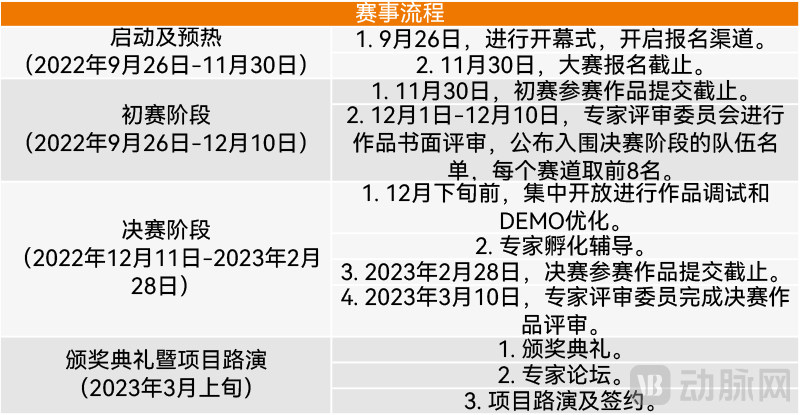
On September 26, 2022, the 2022 Jiangsu Provincial Health and Medical Big Data Innovation Application Competition, themed “Innovation-Driven • Healthy Jiangsu,” officially kicked off. It is reported that the competition featured three tracks in the health sector: Smart Healthcare, Decision Support, and Industry Services. Open to the general public, medical enterprises (institutions), healthcare facilities, higher education institutions, and research organizations were all eligible to form teams and participate.
According to VCBeat, the competition has received an enthusiastic response since registration opened, with a large number of teams from within and outside the province signing up. Registration will close on November 30.
One of the most distinctive features of this competition is its massive data resource pool. It is reported that the provided data resource pool encompasses more than 5 million real-world clinical cases. The medical insurance data includes patient information, diagnostic and treatment items, service facilities, prescribed medications, medical expenses, and medical insurance consumption. The medical data covers registration, consultations, examinations, laboratory tests, prescriptions, hospital admissions, discharges, medical orders, medical records, and billing. This competition also marks the first attempt in China to provide fully multi-dimensional de-identified health and medical data. After de-identification, the data will be made available to participating teams within a secure, closed environment provided by the Digital Health Laboratory of the Changzhou Public Data Open Innovation Center (hereinafter referred to as the “Digital Health Laboratory”), ensuring technical security.
Furthermore, during the competition, the organizers will continue to conduct training sessions related to the event, inviting industry experts and renowned entrepreneurs to share insights on business models, financing, and corporate management. Venture capital firms and incubation platforms collaborating with the competition will also support participating teams with cooperation intentions in their establishment and development, further empowering the medical big data industry and building a new ecosystem of industrial symbiosis and interconnectivity in the digital economy.
From any perspective, this represents a rich vein of opportunities for exploring the circulation of health and medical data!
Wang Bing stated that the competition aims to bridge the gap between the supply and demand sides of healthcare data, thereby laying the groundwork for the future marketization of healthcare data. “We will provide one-on-one online coaching to all participating teams. During this process, we will identify the services that Jiangsu Province can offer to the industrial ecosystem, including potential pathways to facilitate agile data approval in the future. This will ensure that the online approval processes are effectively managed throughout the competition.”
“In the future, all data usage will require approval, including ethical review, and may also be subject to oversight by provincial audit offices, disciplinary inspection commissions, and industry regulatory authorities. These management processes cannot be resolved simply by each province issuing its own set of rules. When it comes to actual supply-demand matching, many operational procedures still need to be implemented. Our role is to support the government in implementing these processes, while aligning with market demands. The competition provides us with such an opportunity.” She believes that the competition can offer references for shaping future procedural frameworks.
Participating companies may also have the opportunity to influence the direction of future policies. For instance, enterprises in the smart healthcare track can gain insights into compliant processes for industry application development, offer recommendations, and potentially expand their provincial-level channels. Companies in the decision-support track may have the chance to understand government perspectives and directly engage with policymakers. Meanwhile, firms in the industrial services track can leverage this opportunity to reduce costs and enhance efficiency for industry demanders, sharing in the benefits derived from the development of new products and growth drivers in the future.
Wang Bing stated that the Eastern Center has accumulated extensive experience in its past operations. On one hand, it has undertaken province-wide integrated digital reform projects such as the “Imaging Platform” and “Primary Care Business Platform,” which have not only improved the quality and efficiency of government-medical-public services but also generated “high-quality data.”
On the other hand, as a public service platform for “supply-demand matchmaking” in data development and utilization, the Center provides digital approval and regulatory services to governments during data service delivery; offers one-stop integrated services—including access to experts, technologies, knowledge, standards, service providers, and integrated marketing—to the product and service development ecosystem; and provides joint operational support to the industry solution ecosystem.
“Once the widespread demand for the Health Cloud and even all government-held data has been fully revealed, we will also help them organize data from hospitals, as well as data held by consumers and internet companies in the market. This way, we can simultaneously provide the industry with data, technology, and experts, along with management processes, ultimately enabling the seamless flow of health and medical data. Of course, we are currently unable to achieve open sharing and utilization of data; broad participation from the industry is still needed to contribute to this process,” she explained to VCBeat.
“To be frank, our platform alone cannot access all the data. However, leveraging the new collaboration mechanism between our company and the government—including established data connections with over 2,000 tertiary medical institutions across the province—we are in the best position to aggregate the data needed by stakeholders. Meanwhile, through this competition, we aim to identify and address industry challenges, whether they pertain to digital therapeutics, AI, or regulatory approval processes for the compliant use of data by pharmaceutical and medical device companies.” Wang Bing expressed his hope that the competition would help resolve the issues facing the industry.
“As an opportunity for intellectual exchange and pioneering initiatives in the field of healthcare big data, we encourage professionals from all sectors to generously share their ideas. We are committed to fostering a robust ecosystem for innovation and entrepreneurship, facilitating the implementation of high-quality projects, and establishing a model of demonstration for the Yangtze River Delta region and across China.”
Undoubtedly, under the guidance of relevant national policies, the cultivation of the data factor market is accelerating. However, given that data factors possess characteristics distinct from traditional production factors such as labor, land, capital, and information, the institutional framework required to facilitate the marketization of data as a production factor will still require a considerable period to mature. Nevertheless, the 2022 Jiangsu Province Health and Medical Big Data Innovation Application Competition may well provide a “perfect assist” in breaking through this bottleneck.
For healthcare enterprises that have long struggled with a lack of health and medical data, rather than fighting alone in the wave of this industrial transformation, it may be more prudent to seize the opportunity to join the ranks of pioneers in the marketization of health and medical data elements. Every active exploration and attempt made today could well become the “decisive step” that tips the scales tomorrow.
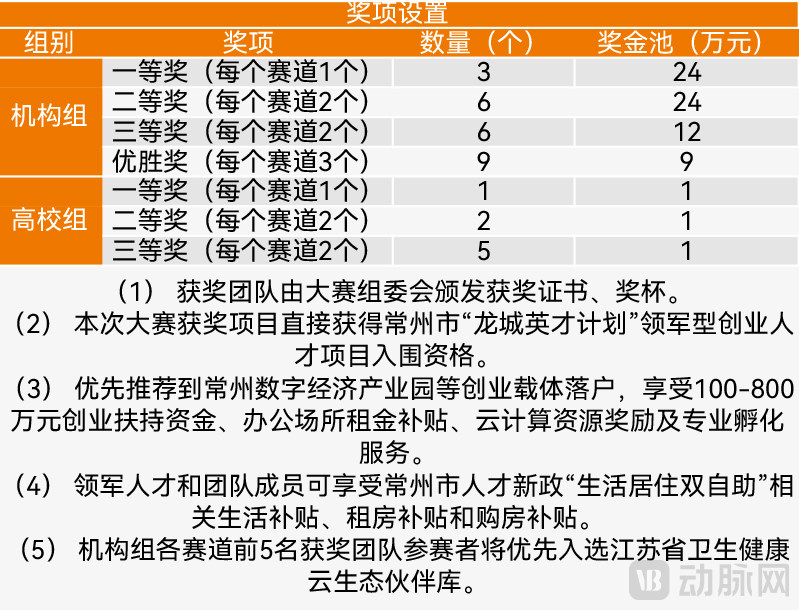
Registration for the competition is currently open and will close on November 30. Below is a brief overview of the event; everyone is welcome to participate.Official Registration Website(datadriver.nhdc.cn)Register to participate.
References
CAICT: "China Digital Economy Development Report (2022)"
China Business Industry Research Institute: "Research Report on Market Prospects and Investment Opportunities in China's Medical Industry"
Official Website of the National Health Commission: "Reply to Suggestion No. 10294 of the Fourth Session of the 13th National People's Congress"