

Divergence and Synergy: Can China's Gene Therapy Industry Achieve a 'Curve-Overtaking' Leap Through Scientific Research?

Lilly Asia Ventures
Biopharmaceutical Investment Management Institution
Across the global biotechnology landscape, gene therapy is perhaps the niche sector with the smallest gap between China and other countries.
The origins of gene therapy can be traced back to 1963, when Nobel Laureate in Physiology or Medicine Joshua Lederberg proposed the concepts of “gene exchange and genetic optimization.” In the subsequent decades, the gene therapy industry entered a phase of nearly frenzied development, but it subsequently fell into a trough following the death of a trial participant. It was not until 2012, when Nobel Laureates Jennifer Doudna and Emmanuelle Charpentier invented the CRISPR/Cas9 gene-editing technology, that the industry experienced a resurgence.
The landmark year for gene therapy in the United States was 2017, when the FDA approved a total of three gene therapy products: two CAR-T therapies and Spark Therapeutics’ Luxturna for inherited retinal dystrophy caused by mutations in the RPE65 gene (commonly known as Leber congenital amaurosis).
China’s gene therapy industry ushered in its inaugural year of development in 2018. According to data from VCBeat, more than 17 gene therapy companies worldwide secured financing that year, including two Chinese enterprises that raised a combined total of nearly USD 200 million. Leading investment firms such as IDG Capital and Lilly Asia Ventures began to establish their presence in the Chinese market.
After several years of development, China’s gene therapy industry has begun to flourish. Multiple companies have secured substantial financing. Representative firms such as Wuhan Nuofo Biotech, Hangzhou Jiayin Biotechnology, ZhiShan WeiXin, Boya Editome, Ruifeng Biotech, Huida Gene, Zhengxu Bio, and Ruizheng Gene have emerged. Meanwhile, CDMO enterprises including HeYuan Biologics, GenScript, Yiming Cell Therapy, and PackGene have also achieved significant growth, with some going public or raising over RMB 100 million in a single funding round.
To some extent, gene therapy also presents China with a new opportunity to overtake competitors on the curve and narrow the gap with foreign medical standards.
The development of gene therapy abroad, whether by Novartis or Bluebird Bio, is inextricably linked to breakthroughs in scientific research. Leading technical experts such as Jennifer Doudna, Emmanuelle Charpentier, George Church, Feng Zhang, and David Liu have all founded numerous companies to explore the translational applications of gene-editing technologies in medicine and other fields.
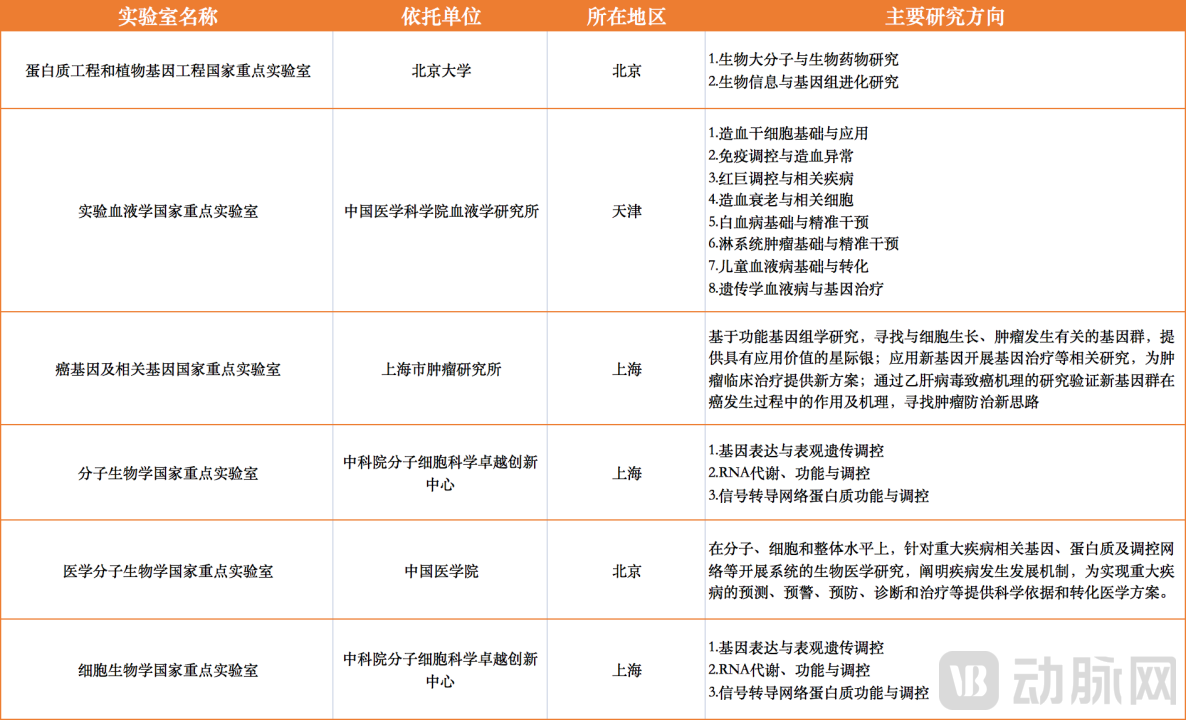
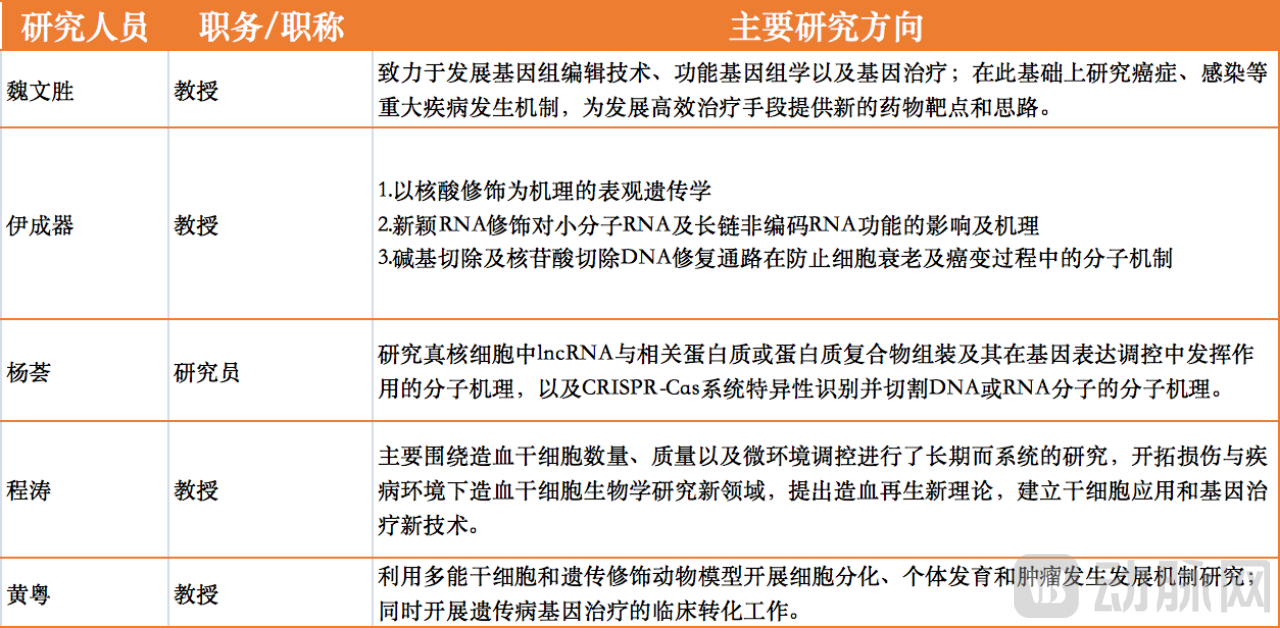
As the research field most closely aligned with international standards, are Chinese researchers following suit? Orange Bureau has selected six national key laboratories engaged in gene therapy-related research, aiming to provide a glimpse into academic research and exploration in gene therapy by analyzing their respective fields of study.
Practitioners in the gene therapy industry typically regard viral vector production as the upstream sector, pharmaceutical companies engaged in therapeutic modalities such as gene editing and gene augmentation as the midstream sector, and patients with various rare or genetic diseases as the downstream segment.
In this article, drawing on gene therapy-related research and industry characteristics, we have redefined the upstream, midstream, and downstream segments of the gene therapy value chain: functional studies of genetic loci, disease pathogenesis mechanisms, and gene editing technologies are classified as upstream; therapeutic foundations, clinical research, and studies on vectors and delivery methods constitute the midstream; while process scale-up, purification, quality control, and related manufacturing scale-up activities are regarded as downstream.
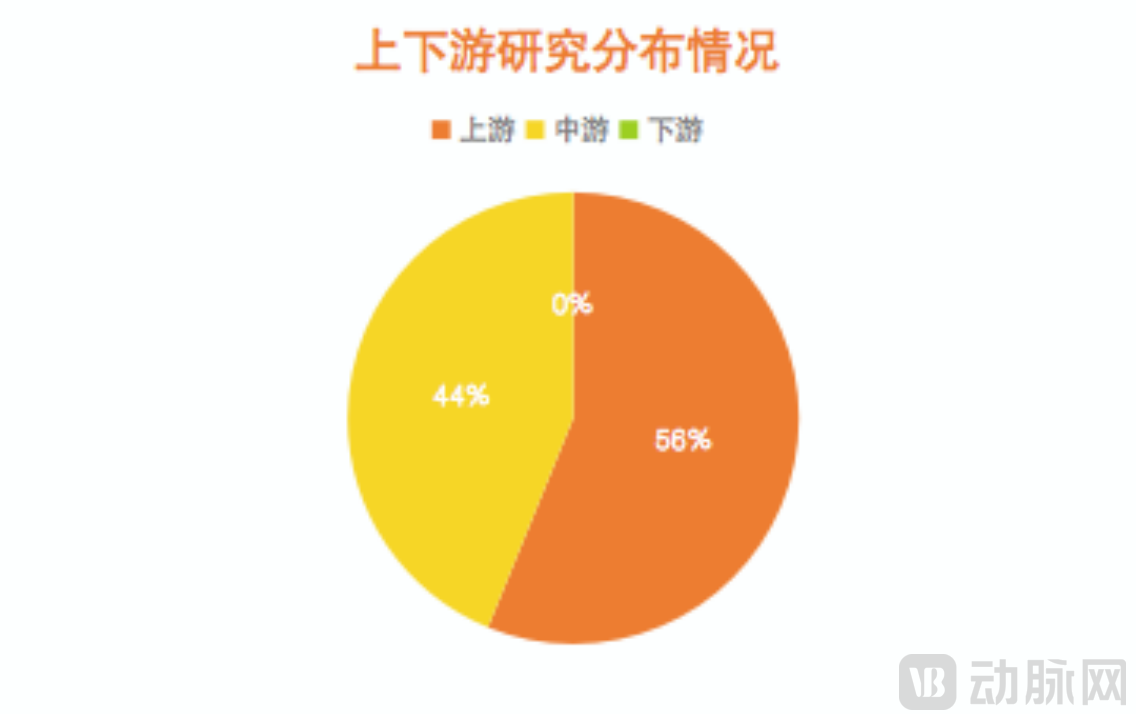
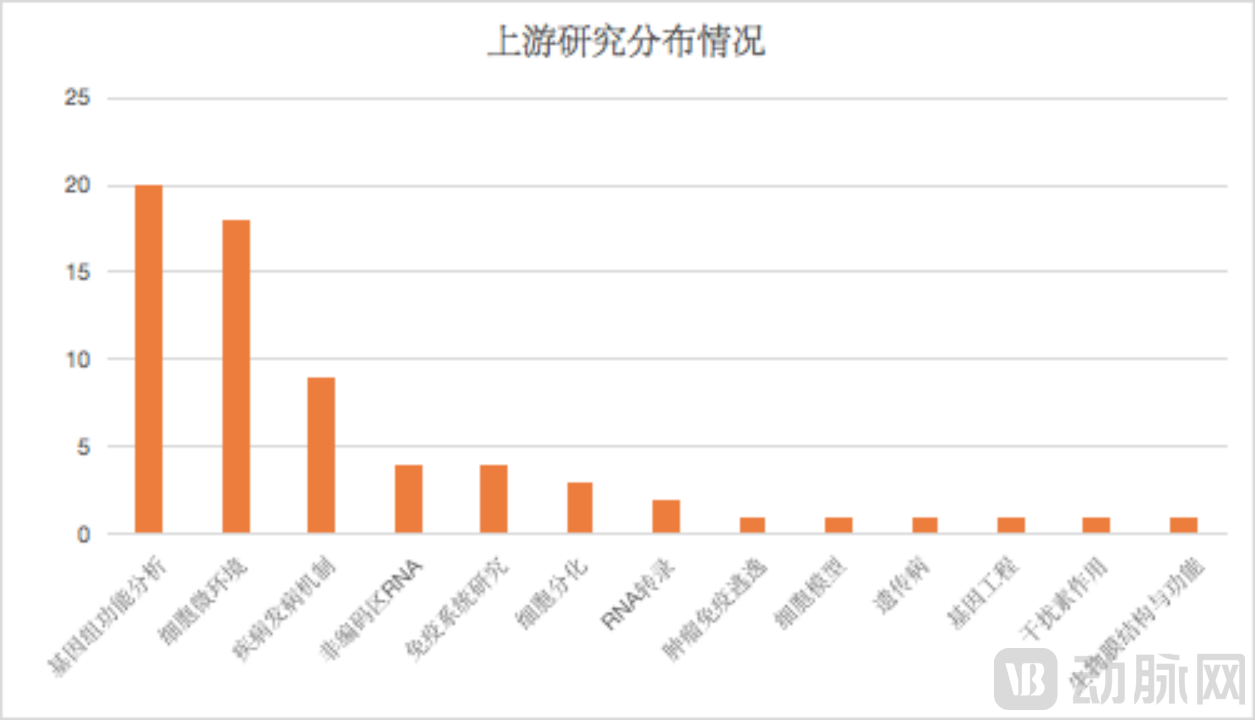
Based on the above, we categorized researchers’ areas of focus into upstream and downstream segments, revealing certain differences in priorities between industry and academia.
While the industry closely focuses on process scale-up, the scientific research community places greater emphasis on basic research areas such as understanding disease mechanisms and gene functions. Most researchers concentrate on upstream fields, primarily revolving around diseases, the immune system, and gene functions. Among these, genomic functional analysis, the cellular microenvironment, and disease pathogenesis are the top three most actively studied topics.
Empowered by cloud computing, next-generation sequencing (NGS), and CRISPR gene-editing technologies, we have become relatively proficient in the “storage, reading, and writing” of genes. However, a significant obstacle remains on the long journey of genetic technology development: protein-coding genes account for only 1.1% of the human genome. Even though it has been two decades since the initial completion of the Human Genome Project, our understanding of gene function remains limited.
This cognitive gap has directly hindered the development of diagnostic and therapeutic solutions for genetic diseases. Among gene-related hereditary disorders, some are polygenic, involving multiple loci, while others are monogenic, resulting from alterations at a single locus. Due to limited understanding of gene functions, most gene therapies have focused on diseases with well-established pathogenic mechanisms, including monogenic disorders and malignant tumors. Consequently, within the gene therapy industry, the majority of companies target highly similar indications.
Most monogenic disorders are rare diseases, with over 7,000 known types and an affected population exceeding 350 million. More than 90% of these rare monogenic diseases lack effective therapeutic interventions. This situation stems partly from market-driven factors and partly from gaps in our understanding of gene function. Basic research focused on elucidating gene function not only supports the gene therapy industry but also drives breakthroughs across the entire biotechnology sector, including disease diagnosis and drug development.
Whether in eukaryotic or prokaryotic cells, genes contain both protein-coding sequences capable of transcription and those incapable of transcription, which are designated as coding regions and non-coding regions, respectively. Historically, coding regions have been the primary focus of scientific research. Although non-coding regions do not transcribe messenger RNA (mRNA), they regulate the expression of genetic information. In recent years, significant advances have been made in the study of genes encoding non-coding RNAs, leading to a substantial increase in the known number and diversity of such genes. Consequently, researchers are re-evaluating the scientific value of studying RNAs derived from non-coding regions.
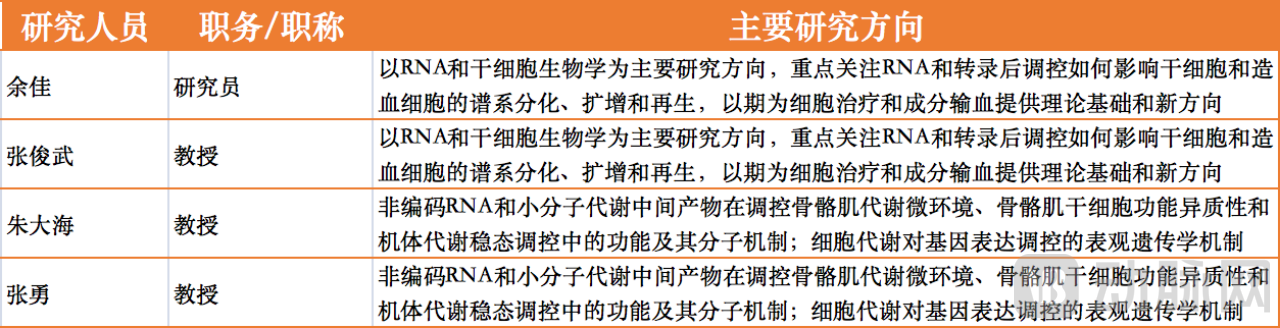
In ecology, a microenvironment typically refers to a small-scale environment formed by environmental differences resulting from subtle variations within stratified layers of a regional environment. In the cellular context, the microenvironment refers to the niche that supports cell survival, primarily comprising the extracellular matrix and its fluid components.
Traditional medicine holds that pathogenic factors are the root cause of diseases, leading to abnormalities in cellular structure and function. Therefore, eliminating abnormal factors and regulating abnormal cells are fundamental approaches to disease treatment, such as surgery, radiation therapy, and chemotherapy.
However, not all diseases can be cured simply by eliminating the abnormal factors. For instance, some tumor patients experience recurrence even after surgical resection, as do certain other diseases. Consequently, the medical community has begun to re-examine the theory of pathogenic factors.
In 1917, the theory of the cellular microenvironment was first proposed. This theory posits that the stability of the microenvironment is a critical condition for maintaining normal cell proliferation, differentiation, metabolism, and functional activities, and that abnormalities in the cellular microenvironment are the fundamental cause of disease. Based on this theory, aberrations in the cellular microenvironment constitute the root cause enabling pathogenic factors to induce disease. Therefore, the most effective strategy for disease prevention and treatment lies in restoring the cellular microenvironment, eliminating pathogenic factors, and regulating the functions of diseased cells.
Consequently, research into the cellular microenvironment has emerged as another major focal point in elucidating disease pathogenesis, following the earlier emphasis on disease-causing genes. This trend is particularly pronounced in therapeutic areas characterized by refractory conditions and high recurrence rates, such as malignant tumors. Among the researchers engaged in cellular microenvironment studies included in this analysis, the majority are focused on the tumor microenvironment.
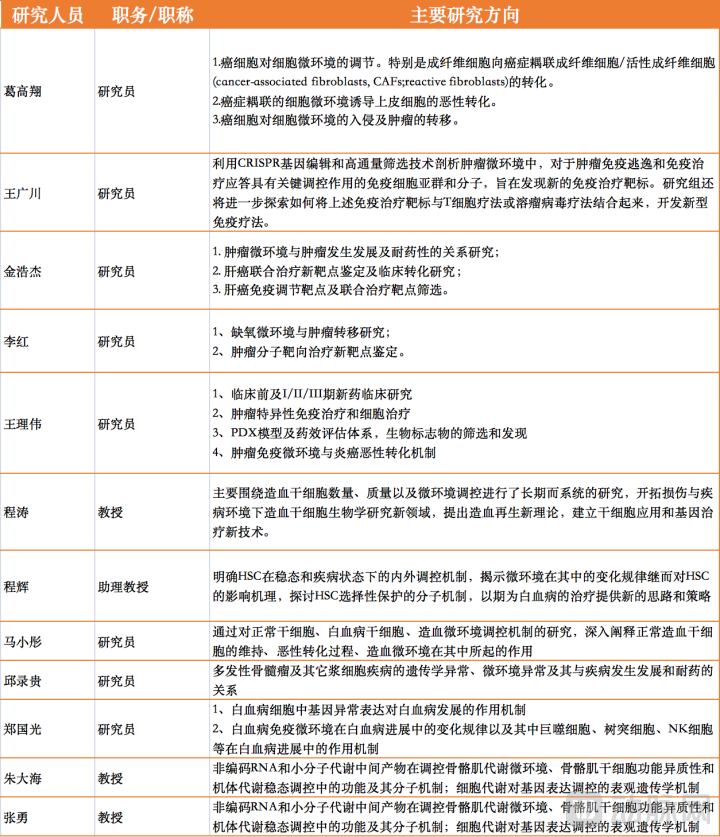
Certainly, genetics and the cellular microenvironment are only partial contributors to disease pathogenesis. The fundamental mechanisms underlying disease development may encompass four aspects: neural mechanisms, humoral mechanisms, cellular mechanisms, and molecular mechanisms. Both pharmacological therapy and gene therapy must be grounded in a thorough understanding of disease pathogenesis.
This process is complex, and the pathogenesis of certain diseases remains unclear. Whether it involves pharmacological therapy, gene therapy, or surgical intervention, elucidating the disease pathogenesis is the first step in developing clinical solutions. Therefore, research into the pathogenesis of refractory or untreated diseases is an ongoing endeavor.
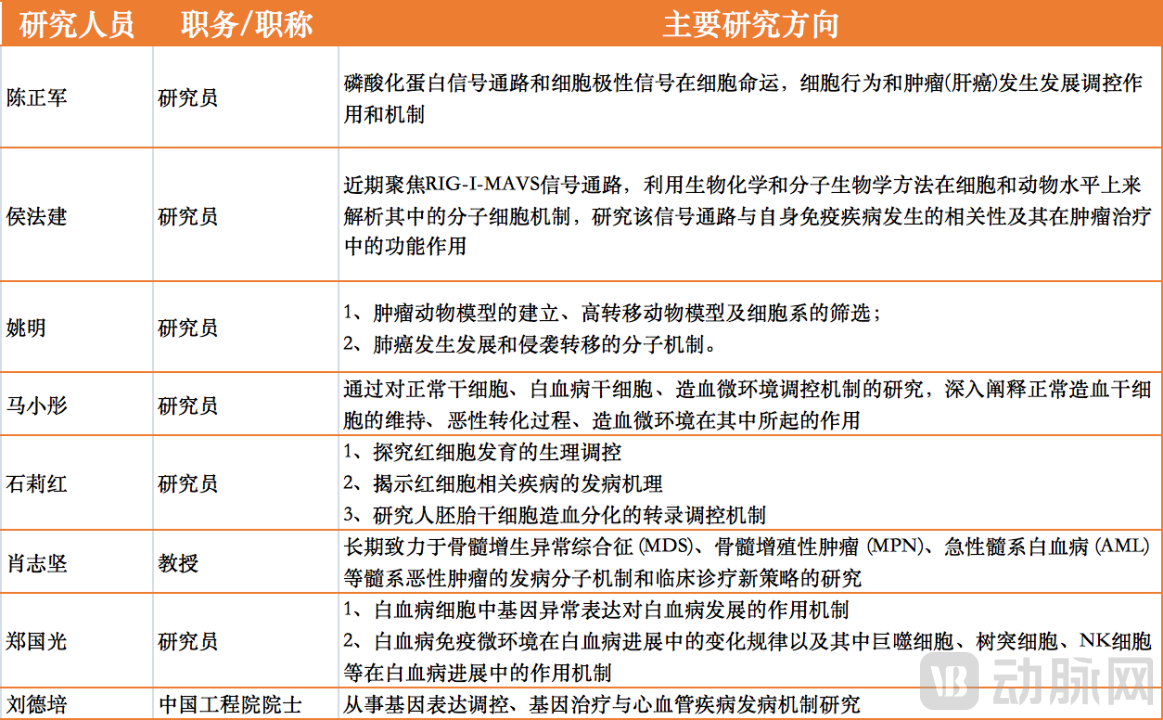
Turning to the midstream segment, whether in applied research or tool development, the research community’s focus is highly aligned with that of industry.
From a technical perspective, gene therapy can be categorized into two approaches: gene augmentation and gene editing. Gene augmentation involves using delivery vectors to introduce exogenous genes into diseased cells, where their expression products modify the function of defective cells or enhance existing functions. Gene editing, on the other hand, precisely modifies specific target genes to disrupt harmful genes or repair mutated ones.
Currently, approved and investigational gene therapy products primarily follow the gene augmentation approach; whereas products based on other gene therapy modalities are mostly still in the stage of clinical translation or early research.
The core of gene augmentation therapy lies in the introduction of exogenous genes, for which delivery vectors are indispensable. Commonly used vectors include non-viral and viral vectors. Viral vectors demonstrate more pronounced advantages in terms of both delivery efficiency and targeting specificity. However, overseas companies currently dominate the full-spectrum manufacturing processes for viral vectors, whereas most representative domestic enterprises in China focus primarily on specific segments of the production chain.
However, most research on vectors in the scientific community focuses on non-viral vectors, such as liposomes and nanoparticles. In addition to gene augmentation, some of these studies are also aimed at drug delivery.
In the field of gene editing, although China currently ranks among the world’s leaders in the research and development of gene editing technologies for plants and animals, most of these studies focus on the application level. Fundamental research into the mechanisms of gene editing tools and their optimization remains relatively weak. As Academician Cao Xiaofeng has stated, the severe lack of original core technologies and the monopoly of underlying technologies by Western countries pose serious challenges to industrial security.
As previously mentioned, gaps in the understanding of gene function and disease pathogenesis are significant factors constraining the development of clinical solutions. In disease areas where fundamental breakthroughs have already been achieved, midstream research has largely focused on diagnosis and treatment. These diseases are predominantly malignant tumors and monogenic genetic disorders. Among them, the vast majority of oncology therapeutic research focuses on non-solid tumors.

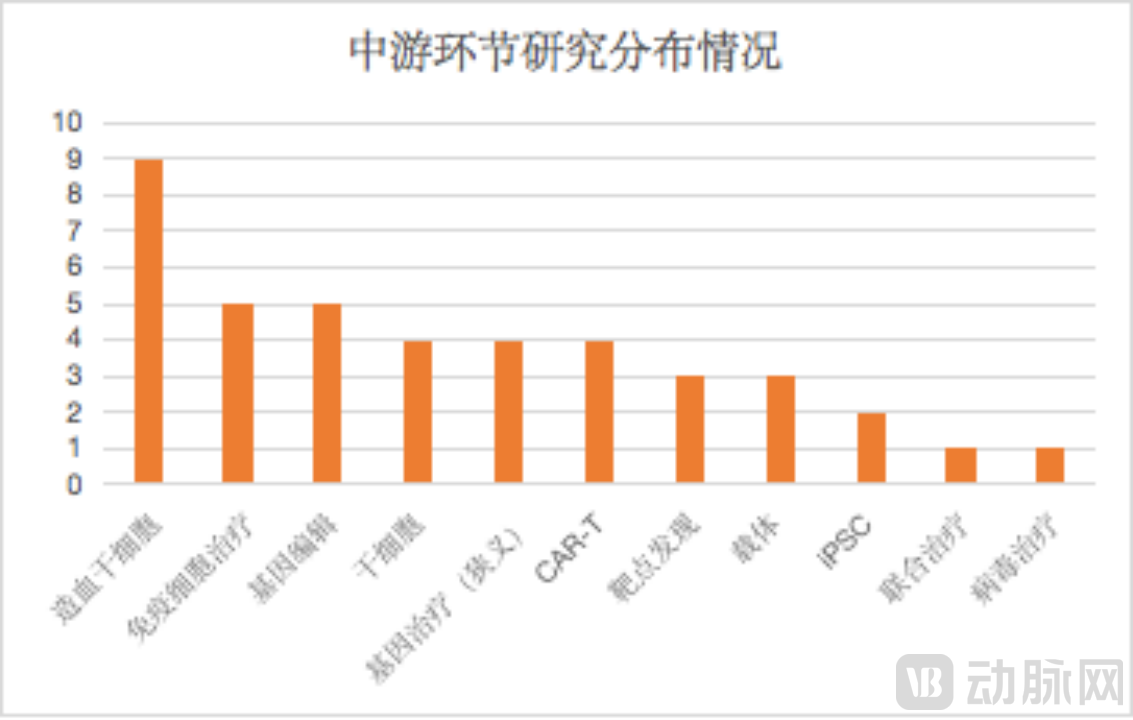
Due to the unique nature of the hematopoietic system, blood disorders such as hematologic malignancies, hemophilia, and thalassemia have long attracted significant attention from the gene therapy industry. In addition to the pioneering CAR-T therapy, hematopoietic stem cell technology has also garnered substantial interest. Notably, the majority of research conducted at the State Key Laboratory of Hematology focuses on hematopoietic stem cells.
In CAR-T therapy research, unlike the industry’s focus on exploring treatments for solid tumors, the academic community has concentrated more on the development of universal (off-the-shelf) therapies.
Similar advances are seen in induced pluripotent stem cell (iPSC) therapy. iPSCs are stem cells generated by “reprogramming” mature somatic cells, possessing differentiation potential comparable to that of embryonic stem cells and the ability to differentiate into various tissues and organs. Moreover, compared with embryonic stem cells, iPSCs are relatively easier to obtain and circumvent certain ethical concerns, thereby offering substantial medical value. Among the researchers covered in this report, iPSC-related studies primarily focus on hematopoietic stem cell differentiation and animal cell models.
From a systematic perspective, gene therapy is not only the subfield with the smallest gap between China and other countries but also one of the leading areas in translating scientific research achievements into practical applications. Upstream efforts focus on breakthroughs in basic research, while midstream activities advance in tandem with industrial development. The “acceleration” and “overtaking” we anticipate may well be realized in this field.
It is worth noting, however, that there remains a significant gap between the industry and academic research sectors in terms of focus areas within certain specialized fields. For instance, critical challenges currently facing the industry—such as viral vector production, process scale-up and cost control for cell-based products, and regulatory approval and oversight—are areas where academic research has limited engagement or capacity to intervene. Therefore, in addition to scientific breakthroughs and their translation into applications, achieving “overtaking” will require concerted efforts from the industry sector.
Appendix I: Case Studies of Enterprises for Partial Achievement Transformation
1. Professor Wei Wensheng - Edigene
EdiGene was established in 2015 and co-founded by Professor Wei Wensheng of Peking University. Headquartered in Beijing, the company maintains offices in Guangzhou, Shanghai, and Cambridge, USA. It is dedicated to accelerating drug research and developing innovative therapies for various genetic diseases and cancers through cutting-edge international genome editing technologies. EdiGene has established three core platforms: an ex vivo cell gene editing therapy platform targeting hematopoietic stem cells and T cells with independent intellectual property rights; an in vivo gene therapy platform based on RNA single-base editing technology; and a high-throughput genome editing screening platform focused on targeted drug discovery and development.
To date, EdiaGene has secured cumulative financing exceeding RMB 1 billion. The company’s product pipeline encompasses in vivo therapies, ex vivo therapies, and targeted drug development. Notably, its hematopoietic stem cell therapeutic product has entered Phase I clinical trials, positioning EdiaGene as one of the fastest-moving companies in this sector.
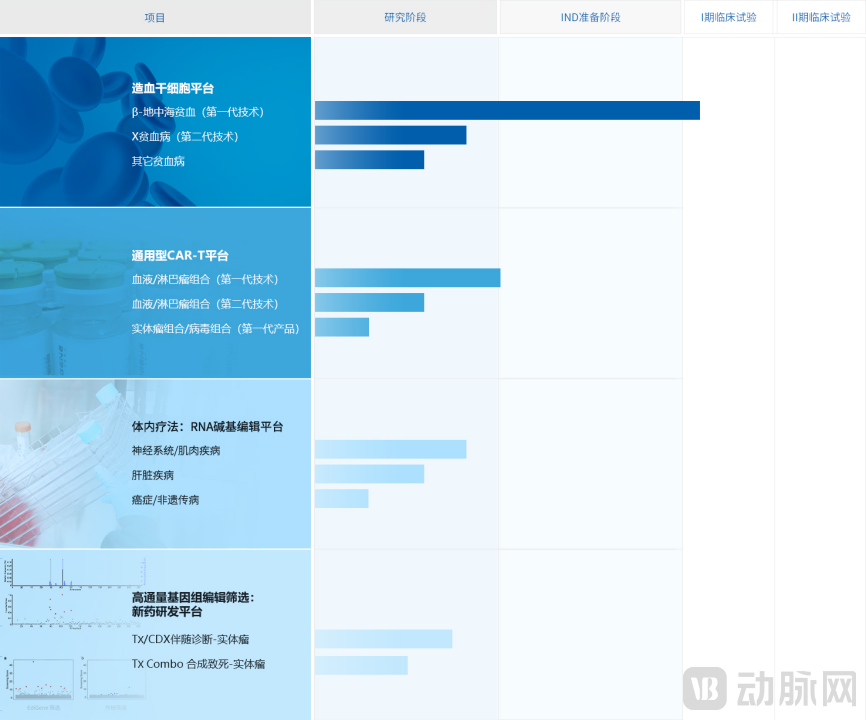
Image from the official website of Edigene
2. Professor Li Zonghai - CARsgen Therapeutics
Keji Biologics, co-founded by Professor Li Zonghai of the Shanghai Cancer Institute affiliated with Renji Hospital, Shanghai Jiao Tong University School of Medicine, was listed on the Hong Kong Stock Exchange in 2021 and primarily focuses on innovative CAR-T cell therapies for the treatment of hematologic malignancies and solid tumors.
Since commencing operations in 2014, the company has independently developed multiple new technologies and a product pipeline with global rights to address significant challenges facing CAR-T cell therapy. Its product pipeline includes an upgraded fully human BCMA-targeting CAR-T, the world’s only Claudin18.2 CAR-T granted IND approval for clinical trials and a potential global first-in-class asset, as well as a GPC3 CAR-T that is also a potential global first-in-class therapy.
For CAR-T cell therapy, the company has obtained a total of eight Investigational New Drug (IND) approvals in China, the United States, and Canada. It holds more than fifty domestic and international patented technologies, including fourth-generation CAR-T technology. The company has independently established a fully human antibody library and a humanized antibody technology platform for the development of tumor-targeting antibodies. Furthermore, it has independently developed highly specific CAR-T candidate products capable of targeting the majority of solid tumors and hematologic malignancies.
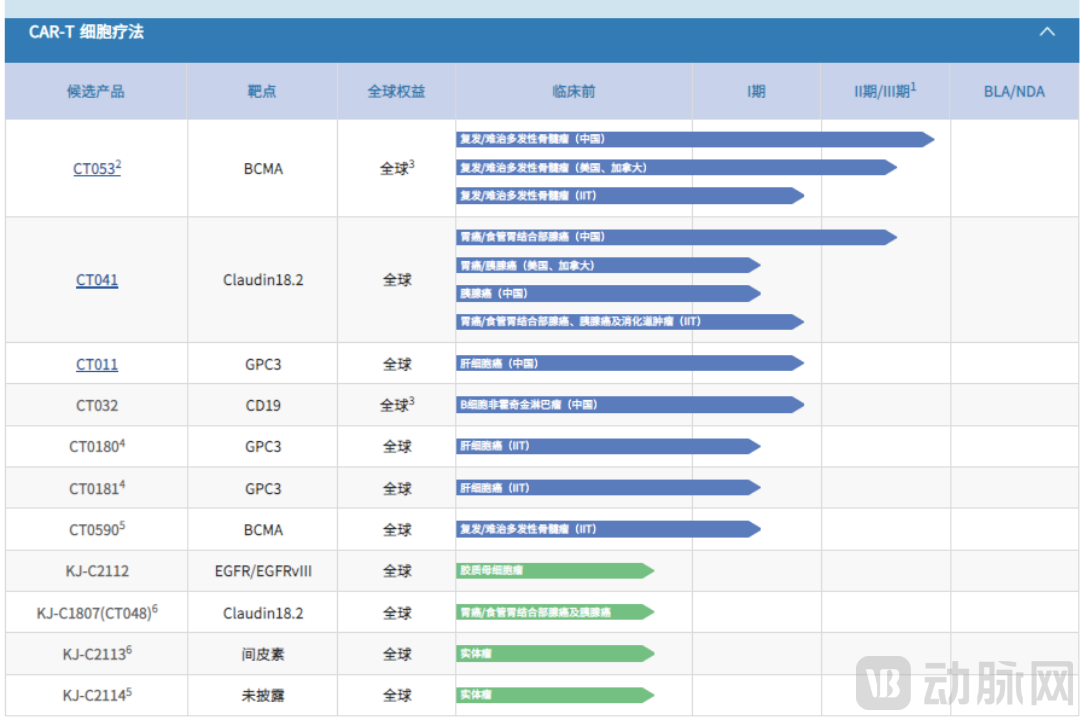
Image from the official website of CARsgen Therapeutics
3. Professor Zhang Jianmin - Guodian Medicine
Guodian Medicine was co-founded by Professor Zhang Jianmin from the Chinese Academy of Medical Sciences/Peking Union Medical College, along with multiple experts in stem cell biology and neurobiology. The company is dedicated to addressing key technical barriers in the development of drugs for neurological disorders, striving to build the world’s largest iPSC bank and brain organoid disease model library for patients with nervous system diseases, and establishing an internationally leading screening and efficacy evaluation system for innovative neurological drugs. Currently, the company maintains international leadership in technologies such as iPSC generation and directed differentiation, organoids, and exosomes. In addition to providing services to nearly 200 domestic and international pharmaceutical R&D enterprises and research institutions, the company is conducting clinical studies on stem cells and their derivatives for major diseases such as stroke and spinal cord injury, leveraging its proprietary technologies for the preparation of clinical-grade stem cells and their derivatives.
4. Professor Yichang Jia - Shenji Changhua
Shenji Changhua is a technology transfer enterprise spun out of Tsinghua University, with a strategic focus on neurological disorders such as amyotrophic lateral sclerosis (ALS). The company’s founding team all hail from Tsinghua University, and its Chief Scientist, Professor Ji Yichang, has dedicated nearly a decade to advancing ALS research, achieving significant breakthroughs in the identification of novel therapeutic targets for the disease.
Shenji Changhua is committed to leveraging gene therapy technologies, including AAV-mediated gene editing and expression, as well as small nucleic acid drugs designed to target specific genes. The company primarily focuses on neurological disorders, particularly neurodegenerative diseases such as amyotrophic lateral sclerosis (ALS), stroke, Parkinson’s disease (PD), and Alzheimer’s disease (AD), with the ultimate goal of addressing these major healthcare challenges. In January 2022, Shenji Changhua completed a seed funding round worth tens of millions of RMB, exclusively invested by the Beijing Life Science Park Innovation Investment Fund.
5. Dr. Ma Lijia - Cloud Valley Intelligent Pharma
YunGu ZhiYao was founded by Dr. Lijia Ma, a researcher at the School of Life Sciences, Westlake University, and is dedicated to empowering the research and development of gene-editing therapies with artificial intelligence technology. Driven by technological innovation as its core motive force, the company aims to enhance the druggability efficiency and capabilities of gene-editing therapies, establish a working paradigm for AI throughout the entire CRISPR drug R&D process, and explore uncharted territories in the field of gene-editing treatments. Focusing on gene-editing therapies, Westlake YunGu is developing cutting-edge technologies that iterate between high-throughput biotech data generation and deep learning model construction, and has built AIdit, an original technology-driven platform for gene-editing therapy development, committed to realizing the full-process implementation of AI technologies in the field of gene therapy.
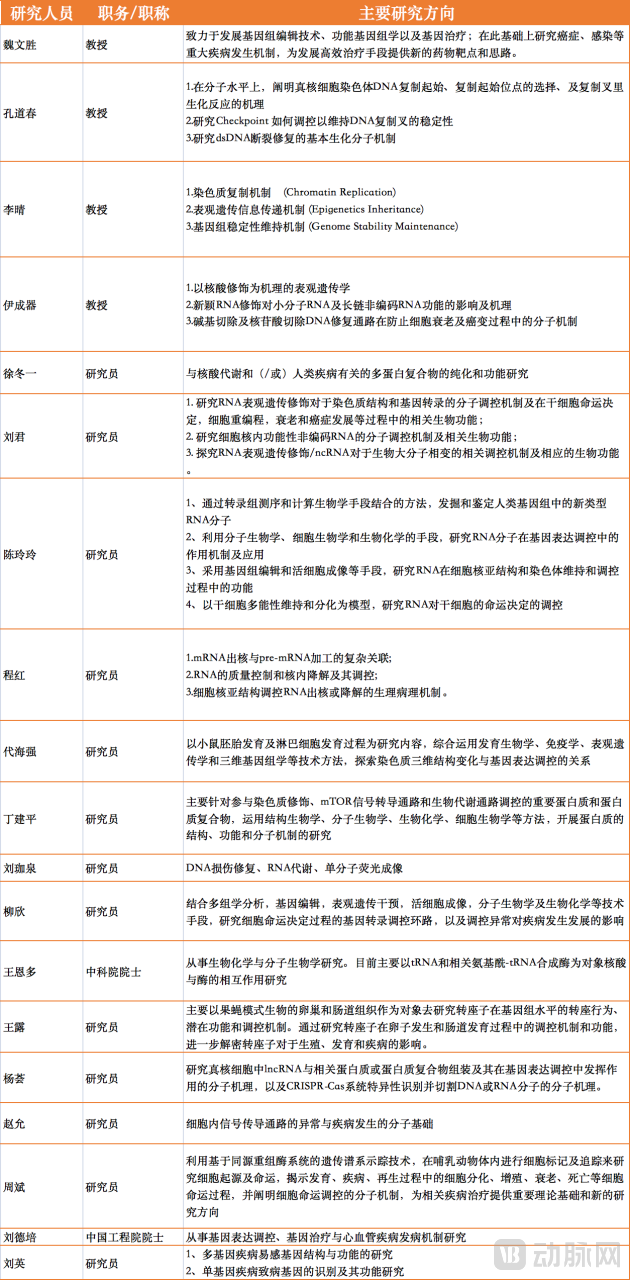
Appendix II: List of Researchers
