

Shibei Hao Medical Files IPO Prospectus: Pioneering Chronic Disease Management with AI-Powered Bioelectric Resonance Wearables
Can bioelectric cellular resonance resolve non-surgical conditions such as breast distension and pain caused by capillary edema, mammary gland hyperplasia, prostatic hyperplasia, and pseudomyopia?
Biotechnology company Novocure (NASDAQ: NVCR) has conducted similar explorations. Its self-developed electric field therapy achieved a disease control rate of up to 91%, and its associated electric field treatment system, NovoTTF-100L, has received FDA approval for the treatment of meningeal mesothelioma.
The principle of this therapeutic modality is to precisely destroy various types of cancer cells undergoing rapid mitosis through specific frequencies of electric fields, thereby inhibiting their proliferation and growth.
However, new conclusions have emerged regarding electroacupuncture therapy. On October 13, 2021, Professor Qiufu Ma’s team at Harvard Medical School, in collaboration with Professor Yanqing Wang from Fudan University and Professor Xianghong Jing from the Institute of Acupuncture and Moxibustion, China Academy of Chinese Medical Sciences, published a paper in the prestigious academic journal Nature. The study demonstrated that inducing efferent vagus nerve discharge can suppress the release of LPS-induced pro-inflammatory cytokines, thereby significantly improving survival rates in animals.
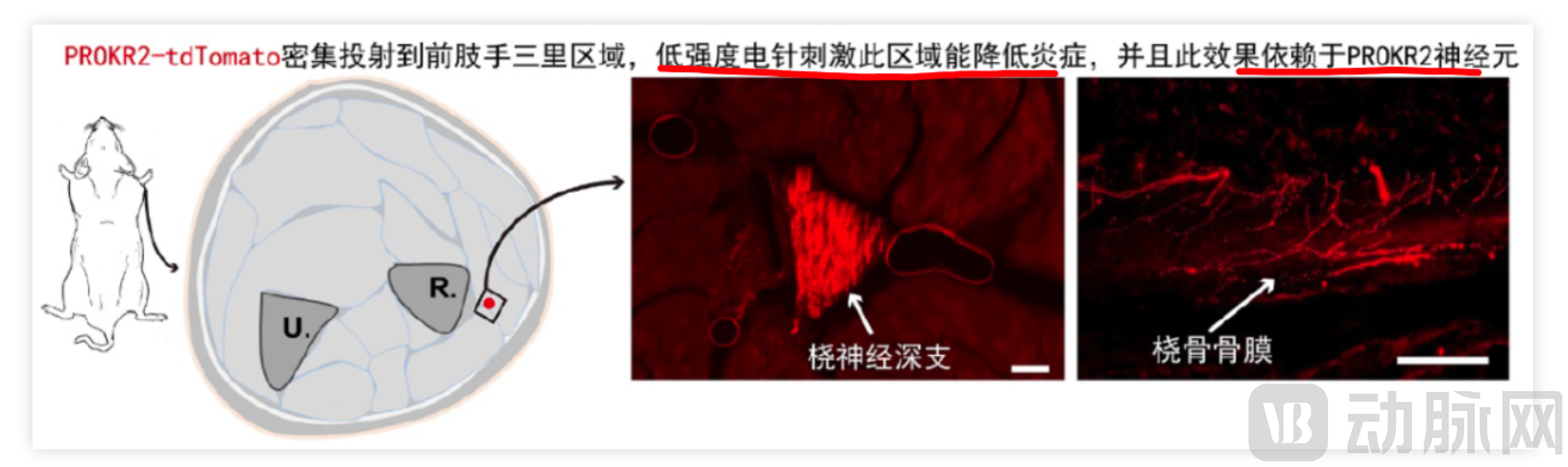
Research Paper Published in Neuron by Professor Qiufu Ma’s Team at Harvard Medical School
These findings largely replicate the anti-inflammatory effects of low-intensity electroacupuncture stimulation at the hindlimb acupoint ST36. Specifically, bioelectrical stimulation alleviates capillary edema, thereby reducing associated inflammation.
Encouragingly, in recent years, bioelectric cellular resonance—a purely physical, non-pharmacological therapeutic approach—has been widely applied in fields such as early disease diagnosis, biological tissue fluid detection, and physiological status assessment.
Facing 340.1 million Chinese patients with mammary gland hyperplasia, breast nodules, or multiple breast cysts, as well as 400 million men with prostatic hypertrophy or benign prostatic hyperplasia.Shibeihao Medical Technology (Guangzhou) Co., Ltd. (hereinafter referred to as “Shibeihao Medical”) is based on this principle, integrating its self-developed AI bio-electric resonance chips and flexible sensor circuits into underwear to provide a smaller, more portable, and patient-friendly solution for non-surgical conditions such as breast pain, mammary gland hyperplasia, benign prostatic hyperplasia, and pseudomyopia.Expand the user base at low cost, thereby “preventing” more people from needing surgery.
Huang Jinhua, founder of Tenfold Better Healthcare, told VCBeat.“China sees 300,000 new breast cancer cases annually. Currently, however, hospitals only offer ‘minimally invasive breast surgery plus mastectomy’ solutions for patients with mammary gland hyperplasia classified at BI-RADS category 4a or higher. According to the Report on Breast Diseases in China released by the China Population Association, asymptomatic breast disease patients account for as high as 52.4%, and women suffering solely from mammary gland hyperplasia reach 49.7%. In general, mammary gland hyperplasia does not require surgical intervention, with a malignant transformation rate of approximately 0.1%. In other words, there are currently 340 million individuals in China with mammary gland hyperplasia or nodules, most of whom fall within BI-RADS categories 1 to 4 and do not require surgery. Our goal is to provide these patients with solutions focused on primary prevention for those yet to develop serious conditions, and on preventing disease progression for those already diagnosed.”
In fact, electric field therapy was approved by the FDA as early as 2011 for the treatment of recurrent glioblastoma. However, its application in health management scenarios remains relatively scarce.
Huang Jinhua recognized the value of this technology, independently developed an AI bioelectric cellular resonance chip, and entered the tech-enabled health and wellness sector.Simultaneously, we have established multiple product lines, including Genki no Hane AI Bioelectric Underwear, AI Bioelectric Chip Myopia-Control Glasses Frames for Children, and Comprehensive Physiotherapy Chambers for Chronic Disease Rehabilitation.
The team broke down the product implementation process into two steps.Step 1: Develop AI bioelectric chips capable of generating resonant frequencies. Step 2: Integrate bioelectric chips carrying far-infrared resonant frequencies of 8.7–9.34 μm into flexible circuits for application in clothing, smart wearables, and healthcare devices, to target and address various chronic diseases caused by capillary edema in interstitial tissues.
Under normal circumstances, the transmembrane potential difference in human cardiac cells is 110 millivolts, while in subhealthy cells it ranges from 80 to 90 millivolts, and in cancer cells it drops to 30–40 millivolts. A lower transmembrane potential difference indicates reduced cellular activity. To alleviate chronic conditions such as chest distension, chest pain, nodules, and cysts, it is essential to restore the bioelectrical transmembrane potential difference and enhance cellular activity.
Tenfold Health spent six years independently developing an AI bioelectric cellular resonance chip.Its primary components include flexible-circuit graphene, carbon nanotubes, and an AI-powered magnetic-field-sensing neural processing unit (NPU). The resonance waves emitted by this bioelectrical resonance chip have a wavelength range of 8.7–9.34 micrometers. The company has engineered this AI-driven bioelectrical cellular resonance chip into a flexible circuit format, which is softly and flexibly integrated into the cups and side panels of bras using ultrasonic bonding. The chip emits bioelectrical resonance waves at wavelengths of 8.7–9.34 micrometers. By maintaining frequency-matched resonance with human cells for up to eight hours daily, it replenishes bioelectricity in congested mammary cells, restores their membrane potential difference, instantly activates cellular activity, and improves microcirculation within breast tissue, thereby achieving the effect of unblocking mammary ducts.
Not only that,The invention also incorporates a chip emitting far-infrared resonance waves, positioned on the side of the cup that is in close contact with the skin. When the lingerie is worn, the resonance waves emitted by the far-infrared chip penetrate into the human body, inducing resonance of atoms and molecules within human cells.When intermolecular friction generates a thermal response, it raises the temperature in the deep subcutaneous layers and induces microvascular dilation, thereby accelerating blood circulation and relieving congestion in the mammary glands. This process helps regulate the body’s bioelectromagnetic field and aids in preventing breast conditions such as mammary gland hyperplasia, breast nodules, and multiple breast cysts.
The chip’s efficacy in cellular therapy has been validated by a U.S.-indexed SCI paper titled “Far-infrared ray radiation promotes neurite outgrowth of neuron-like PC12 cells through AKT1 signaling.”
According to on-site ultrasound test results from the Xuzhou Cancer Hospital affiliated with Jiangsu Provincial People's Hospital, under ultrasound monitoring, users with different breast conditions were treated using a 100-core chip. One case showed thinning of a breast fibroadenoma within 5 minutes; another demonstrated a 0.3 cm reduction in a breast cyst within 10 minutes; and a third case showed a breast nodule shrinking from 0.61 cm to 0.56 cm within 13 minutes.
In the clinical controlled trials of bioelectric resonance chips conducted at Baogang Hospital of Inner Mongolia, the Chinese and Western Medicine Branch of Baogang Hospital of Inner Mongolia, and the Third Clinical Medical College of Inner Mongolia Medical University,The results showed that the product had an efficacy rate of 75.68% in the treatment of benign prostatic hyperplasia.Two experiments further validated the efficacy of the bioelectric resonance chip.
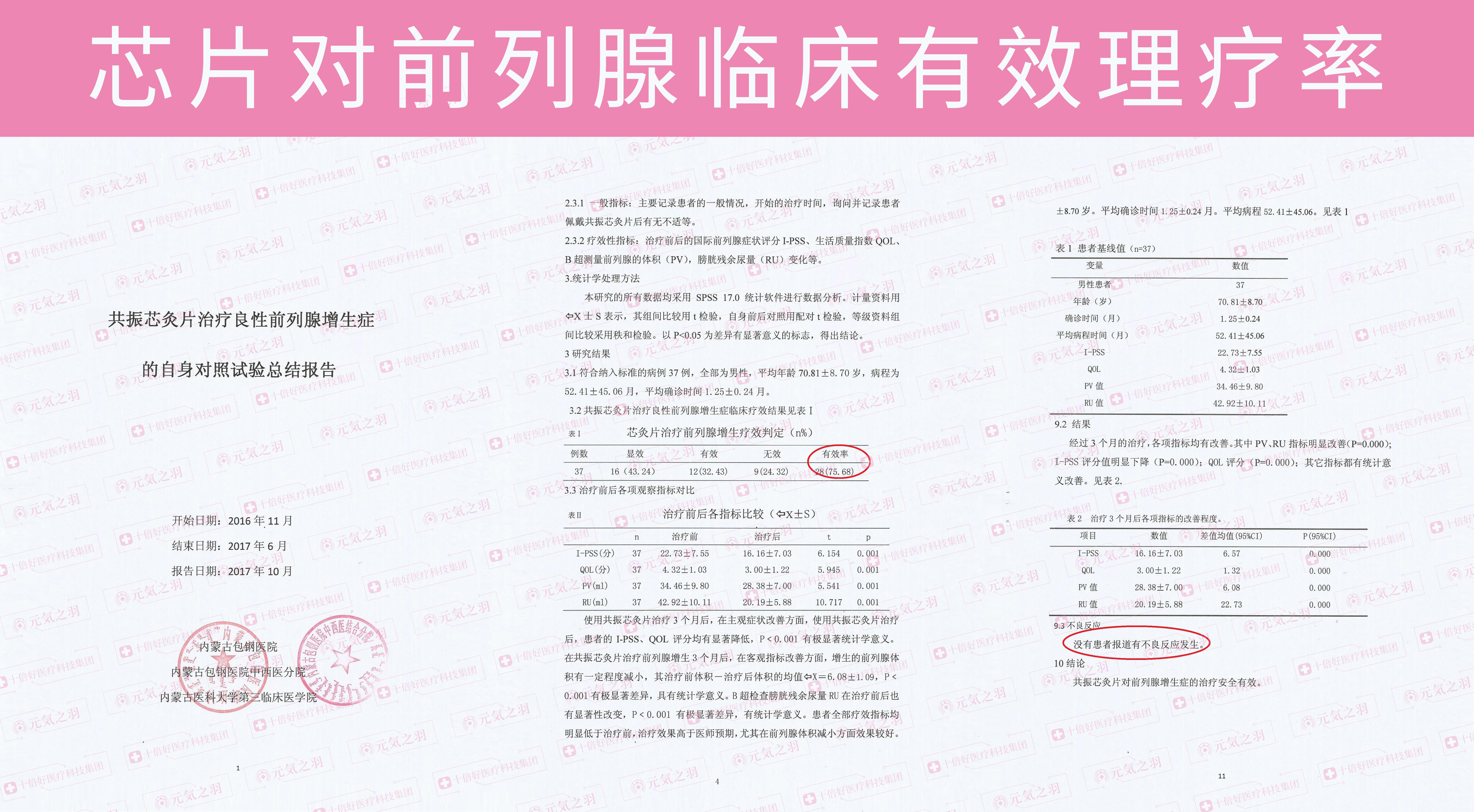
Clinical Efficacy Rate of Chip-Based Physical Therapy for Prostate Conditions
Image source: Ten Times Better Medical
In 2021, the Chinese Association of Rehabilitation Medicine issued a letter titled “Notice on Conducting Observational Study on the Therapeutic Efficacy of Bioelectric Resonance Chips for Breast Nodules,” providing affirmative feedback on the application of bioelectric resonance chips in the treatment of breast nodules. The association stated that bioelectric resonance chips demonstrate clear therapeutic efficacy for breast nodules, capable of reducing or eliminating nodules, alleviating patients’ psychological burden, and safeguarding breast health.
It is reported that the bioelectric chip is a technological achievement developed over many years by Shibeihao Medical. The product has now been iterated to its 7th generation and has secured more than ten national invention patents as well as international PCT patent grants. Furthermore, the AI bioelectric chip can withstand nearly 1,000 machine wash cycles and endure hundreds of repeated bending actions, maintaining its performance even when bent to a radius of less than 3.5 mm. This durability enables its integration into close-fitting garments, such as bras and underwear.
Huang Jinhua stated“Currently, Shibeihao Medical’s self-developed comprehensive physiotherapy cabin for chronic disease rehabilitation and the AI bioelectric chip children’s myopia-control glasses frames have been submitted for regulatory approval, with Class II medical device registration certificates expected to be obtained next year. The Yuanqi Zhiyu AI bioelectric underwear is currently preparing its application for a Class I medical device registration certificate; meanwhile, this product series has received endorsement from breast health experts, who suggest it may be included in the national medical insurance coverage in the future.”
With a Solid Foundation, 10x Better Healthcare Turns Its Attention to the Chronic Disease Challenges Facing 740 Million Chinese Citizens.
According to the “Research Report on Market Prospects and Investment Opportunities in China’s Traditional Chinese Medicine Industry in 2020” released by the China Business Industry Research Institute, the output value of China’s health industry is projected to reach RMB 8 trillion by 2020 and RMB 16 trillion by 2030, becoming a pillar industry of the national economy. What Shibeihao aims to do isCentered on AI bioelectric chips and leveraging a “health monitoring + physiotherapy devices + supporting consumables” model, the company employs word-of-mouth efficacy as its viral growth engine and strengthens user experience through offline brick-and-mortar stores. While monitoring, treating, improving, and managing chronic diseases for 740 million people in China, it achieves scalable growth.
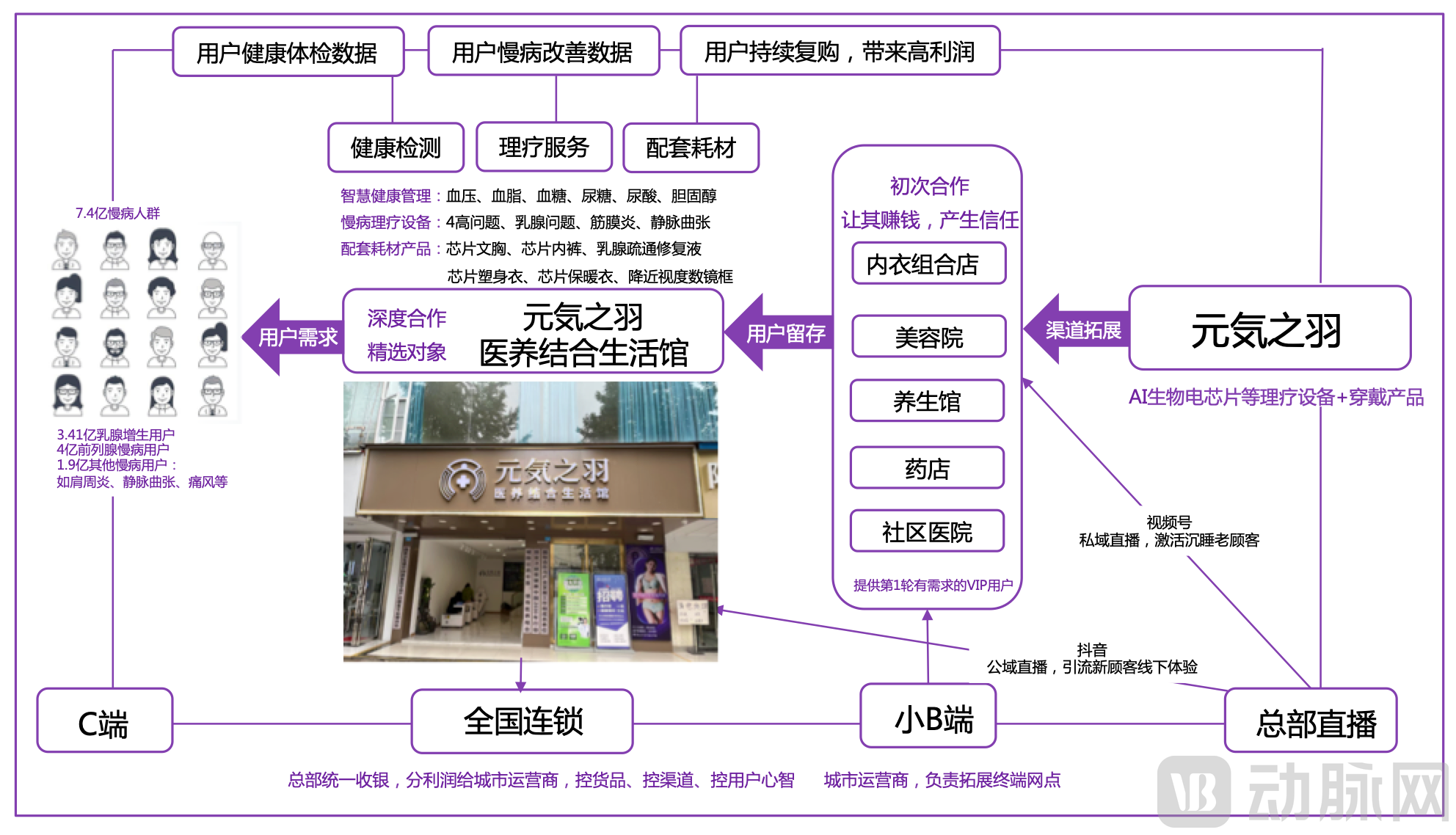
10x Better Healthcare Business Model
It is understood that,ShiBeiHao Healthcare has established Genki no Hane, a new consumer brand featuring AI-chip-infused underwear, bridging medical technology with consumer goods.Furthermore, leveraging its AI chips, the company has developed chronic disease physiotherapy devices approved for use in Grade 3A hospitals, along with a pipeline of reserve products including AI bioelectric light medical aesthetic devices and AI bioelectric myopia-control glasses for children.Plan to reach a broader audience through a chain of tech-enabled wellness brands, ultimately becoming the largest health-focused lingerie brand and the tech-driven wellness channel with the most stores.
Currently, these reserve products have all achieved mass production. Related products such as underwear have been launched in Sichuan, Guangdong, Zhejiang, Hunan, Jiangxi, Shanxi, Shandong, Fujian, and other regions. As of June 30, the AI Therapy Capsule + AI Smart Bra recorded approximately 21,200 Daily Active Users (DAU) and 56,000 Monthly Active Users (MAU). Meanwhile, the annual repurchase frequency at offline stores has increased from the previous 3–5 times to over 21 times, while the average transaction value has risen by 12-fold.
Moreover, according to information provided by the company, its independently developed physiotherapy capsule, centered on a 600-core AI bioelectric chip, has demonstrated favorable outcomes in pilot programs at multiple hospitals. It has shown efficacy in treating conditions that do not yet require surgical or pharmacological intervention, such as frozen shoulder, fasciitis, insomnia, hyperlipidemia, hypertension, lipomas, and breast cysts. Capitalizing on this momentum, Shibeihao Medical is currently engaged in ongoing discussions with Sinopharm Group, China Health and Elderly Care Technology Group, and other enterprises to explore models for deep strategic collaboration.
In fact, in April this year, the “14th Five-Year Plan for National Health” issued by the General Office of the State Council explicitly stated that, in response to the trend of population aging and the Healthy China development strategy, a transition would be made from a “disease-treatment-centered” approach to a “disease-prevention-centered” one, encompassing prevention, diagnosis, and treatment, thereby shifting from a “treatment model” to a “prevention model.” What Shibeihao Medical is doing is precisely to lay the foundation with its AI bioelectric cellular resonance chip and continuously launch innovative health solutions integrating medical care and elderly care, ultimately achieving the transition from a “treatment model” to a “prevention model.”