

Navigating the Healthcare Investment Cycle: Seeking Long-Term Value Amid Rational Capital Markets

Med-Fine Capital
Venture Capital Firm
Since the second half of last year, the once-hot healthcare investment market has rapidly cooled down.
The underlying reasons are twofold. On one hand, the market has been buffeted by multiple external factors, including a complex international landscape, the persistent outbreak of the pandemic, and a global economic downturn. On the other hand, domestic issues such as fierce homogenization competition in innovative drugs, profit margin compression due to centralized volume-based procurement, and valuation bubbles have come to the fore, dampening capital’s expectations for the market.
As capital markets grow more rational, where lie the future development opportunities in the healthcare industry? How will the logic of healthcare investment evolve? And how can one navigate the healthcare industry cycle to identify long-term value?
Recently, hosted by Med-Fine Health Fund and co-organized by AME Publishing Company,““Strategic Vision, Decisive Action: 2022 Med-Fine Capital Health Fund CEO Forum & Pharmaceutical Investors Conference”Successfully convened. The forum brought together numerous senior industry experts, including Professor Zhou Caicun, Director of the Department of Oncology at Shanghai Pulmonary Hospital affiliated with Tongji University; Huang Guoying, President of Children’s Hospital of Fudan University; and Professor Luo Li, an expert consultant for major administrative decision-making in Shanghai. Also in attendance were representatives from Med-Fine Capital, a renowned fund-of-funds, as well as founders of healthcare enterprises, all gathering to jointlyExploring the Unchanging Essence of the Healthcare Industry in a Complex and Dynamic Environment
Focus on Long-Term Value: Invest Early, Invest in Expertise, and Invest in Innovation
The healthcare industry is currently undergoing a period of structural reshaping. How should investment institutions respond to market changes under the new circumstances? What strategies should they adopt? How can post-investment value creation for innovative enterprises be effectively carried out? In the face of these questions, Med-Fine Capital has its own perspectives.
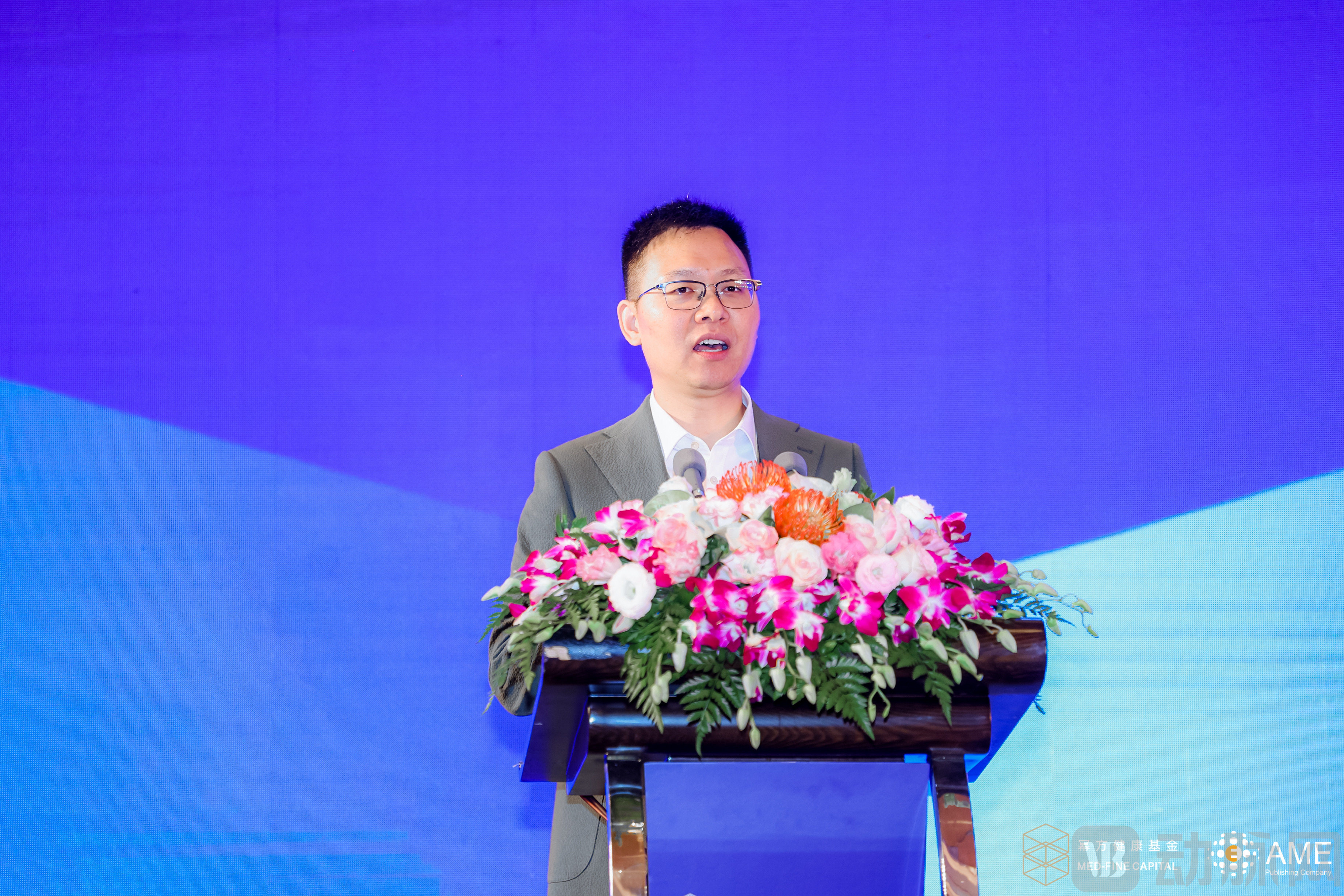
Zhou Yujian, Managing Partner of Med-Fine Capital
As a professional investment institution focused on the pharmaceutical, healthcare, and life sciences sectors,Med-Fine Health Fund places greater emphasis on the long-term value and strategic planning of its investments.Mr. Zhou Yujian, Managing Partner of Med-Fine Capital, believes that the current market situation represents a short-term adjustment. In the long run, “China + Healthcare” remains the most promising investment opportunity. This is because the underlying supporting factors remain unchanged: China’s aging process continues to accelerate; its political environment remains stable over the long term; per capita disposable income and healthcare expenditures continue to rise; a unified national market has been established; the biopharmaceutical industry chain is complete; clinical trial efficiency is high; cost advantages are significant; there is a substantial dividend from engineers and scientists; risk capital supply is abundant; capital markets are open and vibrant; there is an abundance of entrepreneurial elite talent; and the Chinese people possess inherent traits of intelligence and diligence.
Furthermore, pharmaceuticals and medical devices are inherently suited for globalization. The pharmaceutical industry is characterized by high barriers to entry, substantial capital investment, and an extensive value chain. Leveraging the aforementioned advantages, Chinese pharmaceutical companies have significant opportunities to further expand and strengthen their presence in the global market. What the market currently lacks is not judgment, but confidence. In this environment, what is needed is not hesitation, but a commitment to long-termism.
Mr. Wang Daoyuan, Founder and President of AME Publishing Company, stated that “Mi Fang” (Med-Fine) signifies the empowerment of “exponentiation,” with the “base number” representing the intrinsic value of portfolio companies. A company’s value and valuation depend not only on the “exponent” but, first and foremost, on the “base number.” As the saying goes, one must be strong oneself to forge good iron; the larger the base number, the higher the value. The “base number” of portfolio companies is related to three aspects: first, the business model; second, healthy cash flow; and third, the physical well-being of the entrepreneurial team. In addition, the “exponent” is also crucial. The ecosystem built by Med-Fine strengthens communication and collaboration among experts and enterprises, effectively increasing the “exponent.” With a more positive mindset, we help companies multiply their value through higher exponents, lead teams in joint development, and accomplish more deeds that make Chinese people proud.
At the conference, Professor Zhou Caicun, Director of the Department of Oncology at Shanghai Pulmonary Hospital affiliated with Tongji University, presented on the current state of lung cancer treatment in his keynote address titled “Today and Tomorrow of Lung Cancer Treatment.” He emphasized that investors must gain clear insights, anticipate market shifts over the next five to ten years, and identify opportunities for long-term investment value.
In his keynote speech titled “Children’s Health: The Starting Point of the Chinese Dream,” Dr. Huang Guoying, President of Children’s Hospital of Fudan University, stated that as the National Center for Children’s Medicine, Children’s Hospital of Fudan University leverages its role in leading disciplinary development and addressing societal needs to strive toward building a globally competitive pinnacle in pediatric medicine, fully capitalizing on its brand influence to extend disciplinary reach and provide technical support.
Professor Luo Li of Fudan University, an expert consultant for major administrative decision-making in Shanghai, stated in his keynote speech on “Policies for the High-Quality Development of Public Hospitals” that medical demand in China continues to rise. The public’s high expectations for healthcare quality are driving the rapid expansion of top-tier hospitals. Measures should be taken to channel the expansion momentum of these leading institutions into opportunities for developing rehabilitation and nursing care, strengthening healthcare services in underserved areas, and consolidating primary care capacity, thereby promoting the transition of public hospitals from a phase of scale-driven growth to a new stage of high-quality development.
Dr. Wang Xin, Global Partner and President of Greater China at Sullivan, delivered a keynote presentation titled “Future Trends in China’s Healthcare Industry.” He emphasized that long-term investors should maintain a forward-looking and optimistic perspective. Although investment volume has decreased this year compared to last year, biopharmaceuticals remain a hot sector with substantial future growth potential.
Mr. Deng Lingquan, Partner at Med-Fine Capital Health Fund, delivered a keynote speech titled “How Can We Move Forward Together in the New Landscape?” Dr. Deng stated that one should take a long-term view; after a significant market downturn, a new upswing is inevitable, making this an excellent timing for primary market investments. Innovation in biomedicine is endless, and the unmet needs of patients remain substantial. Therefore, all current difficulties are temporary, and the best solution is to continuously pursue substantive innovation. Furthermore, Dr. Deng emphasized that personal career development should align with the broader historical trends: “Long China”—rooted in China and expanding globally—will remain the unparalleled path to great success for the vast majority of Chinese professionals.
Over the past year,Amid a capital winter in the market, Med-Fine Capital bucked the trend, participating in more than ten investments., to date, it has completed investments in approximately 60 pharmaceutical and healthcare companies, including Hanyu Medical, TianGuangShi, InnoMicro, Zhenrong Pharma, LinkMed, PhenoGene, HeartEngine, Libang Pharma, Anrui Biotech, Heduo Biotech, SaiFu Pharma, Ansong Technology, and Weiyan Medicine.
Meanwhile, Med-Fine Capital also raised two new funds—the “Med-Fine Venture Capital Fund III” and the “Med-Fine Angel Fund I”—and established an online digital operational system to drive further efficiency improvements.
What Are the Investment Strategies for Fund of Funds in the New Landscape?
Med-Fine Capital’s expertise in investment strategy and management has also attracted numerous professional fund-of-funds, government guidance funds, and listed companies to partner with it.
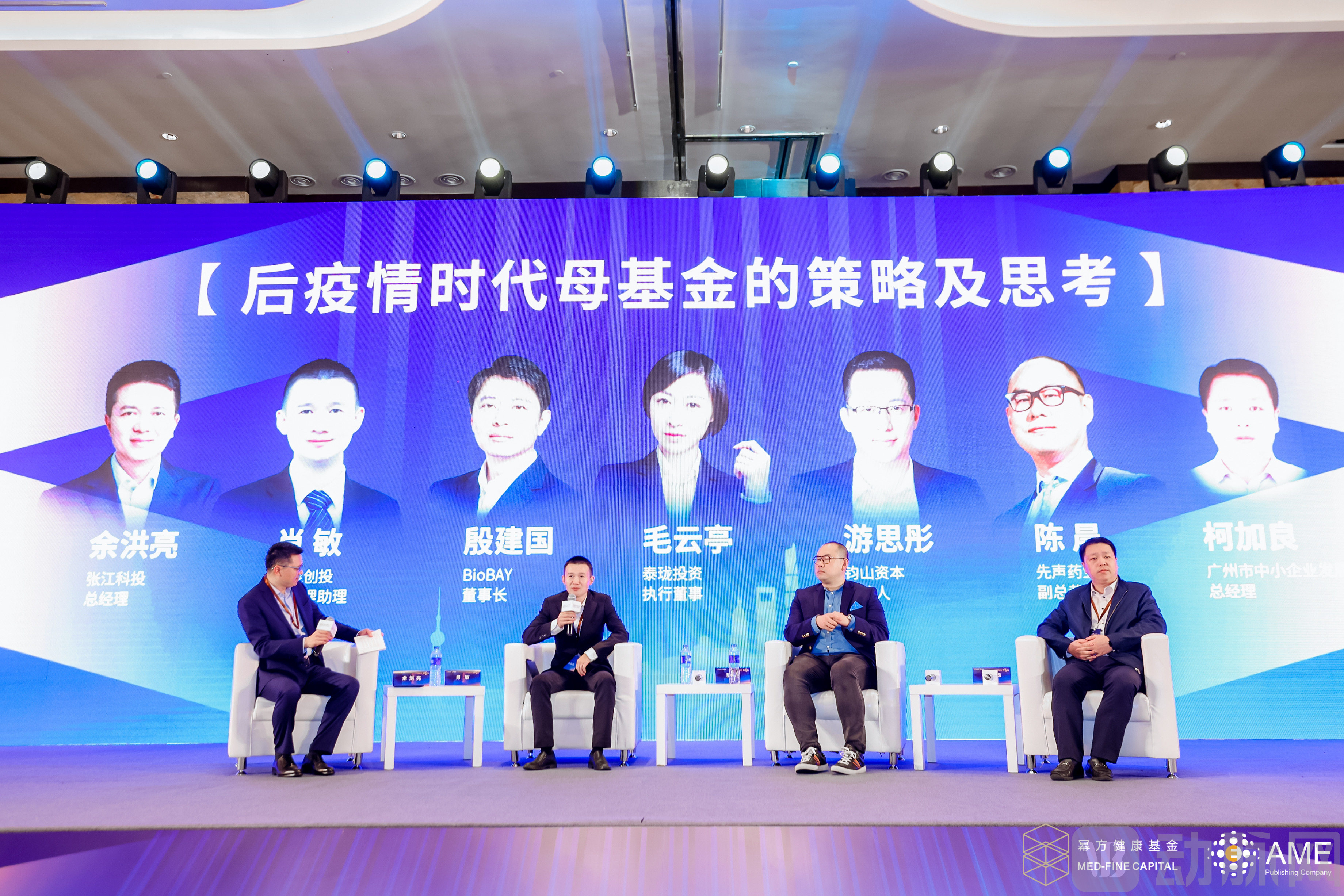
“Strategies and Reflections for Fund of Funds in the Post-Pandemic Era” Roundtable Forum
In“Strategies and Reflections for Fund of Funds in the Post-Pandemic Era” Roundtable Discussion, discussing the current macroeconomic environment, Yu Hongliang, General Manager of Zhangjiang Sci-Tech Investment, stated that as a fund-of-funds business serving as a vital source of liquidity in the venture capital and private equity ecosystem, they are also closely monitoring industry trends. Zhangjiang Sci-Tech Investment’s strategy is to invest early, invest in small enterprises, and invest in specialized sectors, while delivering high-quality investment services. Since investing is about betting on the future, investors must remain optimistic.
Yin Jianguo, Chairman of BioBAY, stated that although the capital market was less optimistic last year, innovative projects in fields such as antibody-drug conjugates (ADCs), cell and gene therapy (CGT), and synthetic drugs still demonstrated sustained financing capabilities. Companies currently facing challenges can also seek new opportunities through collaborations in areas such as product pipelines and contract development and manufacturing organizations (CDMOs), or by expanding into overseas markets.
You Sitong, Partner at Junshan Capital, stated that it is crucial to adhere to one’s investment style and maintain a steady investment pace, especially during challenging times. It was reported that Junshan Capital completed six direct investments in the first half of the year. When selecting general partners (GPs), the firm prioritizes team professionalism, investment support capabilities, and balanced, stable returns.
Mao Yunting, Executive Director of Tailong Investment, stated that at the current stage of the market cycle, Tailong Investment centers on clinical value, favoring enterprise products that can withstand the tests of clinical trials and companies with strong technological barriers. In terms of GP selection criteria, Tailong Investment places emphasis on team backgrounds, including disciplinary expertise, industry experience, and industrial investment background, while also highly valuing GPs’ resource synergy and post-investment management capabilities.
Xiao Min, Assistant General Manager of Guoju Venture Capital, believes that the development of any industry experiences ups and downs, and the biopharmaceutical industry is no exception, following its own inherent development patterns. A return of market enthusiasm to normal levels is not necessarily a negative outcome; the key lies in whether investment institutions can seize the opportunity. When selecting General Partners (GPs), Guoju Venture Capital focuses on the core team’s accumulated expertise in the biopharmaceutical sector and the fund’s historical performance, among other factors.
Chen Chen, Vice President of Simcere Pharmaceutical, stated that in addition to early-stage R&DGlobal innovative targets and technologies, alsoWe focus on the performance of drugs in late-stage clinical trials and in the market, as well as their alignment with our own industrial ecosystem, favoring innovative targets that demonstrate a strong understanding of the industry. Currently, Simcere Pharmaceutical is focusing on four therapeutic areas: neuroscience, oncology, autoimmune diseases, and anti-infectives.
Ke Jialiang, General Manager of the Guangzhou SME Development Fund, believes that the market’s return to rationality is a positive development, as it helps bring equity investment valuations back to reasonable levels and reduces speculative fervor. Team stability and the ability to effectively manage portfolio companies are key factors they consider when selecting general partners (GPs).
According to reports, Med-Fine Capital focuses on “early-stage value and sector opportunity identification,” having selected a group of high-growth biopharmaceutical companies with core competitiveness in fields such as biopharmaceuticals, medical devices, diagnostics and laboratory testing, health technology, and healthcare services.
The forum also featured keynote speeches and panel discussions organized according to the aforementioned four tracks, where portfolio companies shared their respective innovation and breakthrough strategies in the current macroeconomic environment.
Professor Cang Yong, Co-founder of Dage Biotech, delivered an on-site presentation titled “Molecular Glue Drugs: Targeted Degradation of Undruggable Targets.” Dage Biotech has achieved new progress in its pipeline and is actively seeking domestic and international collaborations to identify disease-relevant targets using its novel platform, thereby advancing its global pipeline layout.
Yu Rui, founder of EPIN, delivered a keynote speech titled “Medical Device Innovation and Industry Development from the Perspective of a CRO.” EPIN is an asset-heavy, integrated, end-to-end CRO service platform for medical devices. To date, it has served more than 3,000 medical device companies, covering three major segments: electronic medical devices, implantable/interventional devices and biomaterials, and sterile disposable consumables.
Zhang Wei, Chairman of Jiajian Medicine, stated in his keynote speech titled “From Rare to Common: Genomic Data-Driven Medical Services” that Jiajian Medicine is establishing a patient standardization system and gradually completing its commercialized therapeutic framework. The company aims to provide comprehensive services to domestic cell and gene therapy (CGT) pharmaceutical enterprises, covering early disease screening, public model development, safety assessments for R&D initiatives, and later-stage diagnostic and treatment pathways.
Yang Guomin, Founder and CEO of Kelubao, delivered an on-site presentation titled “Opening the Gateway to the Blue Ocean of Foods for Special Medical Purposes.” As a platform company dedicated to the R&D, manufacturing, and commercialization of foods for special medical purposes and related medical nutritional products, Kelubao launched its commercial operations in January this year and had covered more than 1,200 hospitals across China by June 30.
Cost Control and Revenue Enhancement: Innovative Pharma Companies Partner to Weather the Capital Winter
How can startups address immediate difficulties and prepare for even greater challenges ahead? Many companies present emphasized the need to increase revenue, cut costs, and strengthen collaboration.
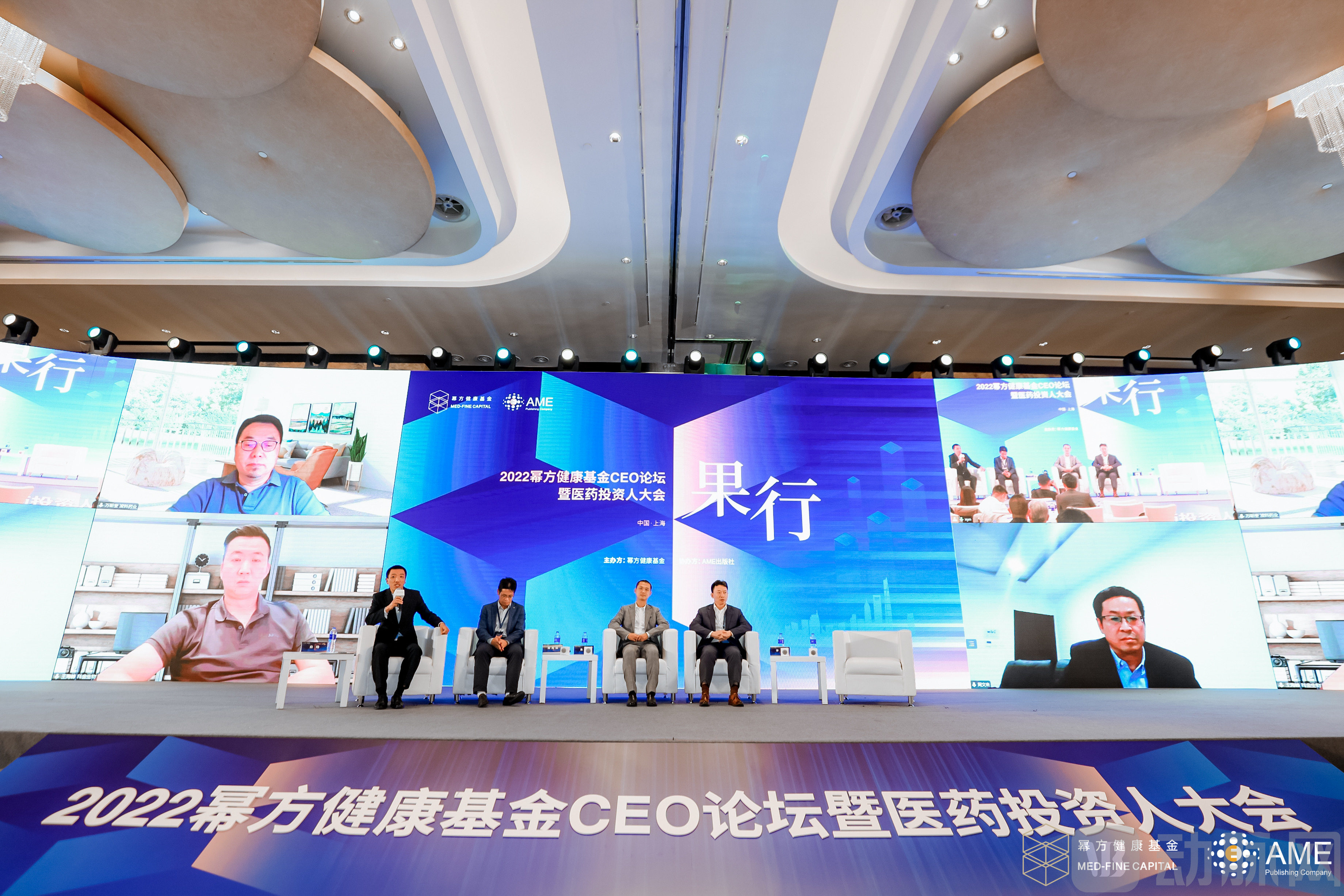
"Survival Strategies for Chinese Innovative Pharmaceutical Companies" Roundtable Forum
In“Survival Strategies for Chinese Innovative Pharmaceutical Companies” Roundtable DiscussionWan Zhaokui, CEO of Link Therapeutics, stated: “Companies should embrace win-win cooperation and need not forcibly pursue the transition from biotech to biopharma. Instead, they should strive to collaborate with outstanding partners. For instance, we licensed part of a late-stage clinical development project to Simcere Pharmaceutical, thereby securing financial reserves before the product entered clinical trials. As projects advance, it is essential to practice cost containment. We have selected products with the highest probability of success, ensuring high quality to lay a solid foundation for the future.”
Li Jing, CEO of Orange Sail Pharma, stated that in the current capital winter, joining forces and strengthening internal capabilities is a prudent strategy. With thirty years of focus on large-molecule therapeutics, Orange Sail Pharma has established comprehensive capabilities spanning novel drug discovery platforms, CMC development, translational science, clinical development, and commercialization.
Zhu Yun, CEO of Yunhe Zhiyao, stated, “We adopt a dual strategy of upstream and downstream collaboration. Upstream, we seek partnerships with established pharmaceutical companies to advance our pipeline; downstream, we collaborate with partner companies at various stages, such as target identification and nucleotide monomers, to leverage each other’s strengths.” As a platform-based company, Yunhe Zhiyao leverages AI to empower the development of small nucleic acid drugs, shortening the cycles of drug R&D and clinical trials while accelerating clinical development. Currently, the company primarily focuses on therapeutic areas including liver diseases, kidney diseases, and neurological disorders.
“Focus and collaboration are our key words: we concentrate on our core competencies and partner with other companies to achieve complementary capabilities and advantages,” said Chen Zhaoyuan, CEO of Tuoji Pharmaceuticals. Tuoji Pharmaceuticals is dedicated to the research and development of bispecific antibody–duotoxin antibody–drug conjugates (ADCs), with its most advanced project now approaching the preclinical candidate (PCC) stage.
Wang Haifeng, CEO of Kejin Biotech, believes that adopting a strategy of small, rapid steps in project financing naturally accelerates the fundraising process. Additionally, the company actively collaborates with local governments to secure resource support. Currently, Kejin Biotech boasts an international team spanning R&D, CMC, translational medicine, and commercialization, with its proprietary technology platform enabling precise gene replacement. Looking ahead, Kejin Biotech will pursue global expansion and focus on worldwide innovation.
Zhou Wenlai, CEO of Danqing Pharmaceuticals, stated that startups have more opportunities. With a product-centric approach, companies should focus on their unique R&D and technology platforms, collaborate with major domestic and international pharmaceutical companies during the clinical stage, and, when necessary, consider advancing the timing of such collaborations. Danqing Pharmaceuticals is committed to developing first-in-class (FIC) drugs targeting novel mechanisms in the era of precision targeted cancer therapy 2.0, aiming to meet patients’ clinical needs and drive medical innovation.
Finally, Bai Yang, Partner at Med-Fine Capital, concluded by addressing how to navigate the current downturn. He noted that many companies require collaboration for their innovative drug R&D projects to leverage each partner’s respective strengths. Med-Fine Capital has already established an ecosystem, enabling stakeholders within this network to ultimately forge collaborative partnerships.
Amid Volume-Based Procurement, Domestic Medical Device Makers Pursue a Path of Differentiated Innovation
In recent years, the rapidly advancing volume-based procurement (VBP) has expanded its coverage to multiple sectors, including vascular intervention, orthopedics, minimally invasive surgery, ophthalmology, low-value consumables, and dentistry.
Centralized procurement will inevitably reduce product gross profit margins and increase industry concentration. In the context of this new era, to mitigate the risks potentially posed by centralized procurement, companies must seek breakthroughs across multiple fronts, including technological innovation, import substitution, production quality control, and even marketing strategies.
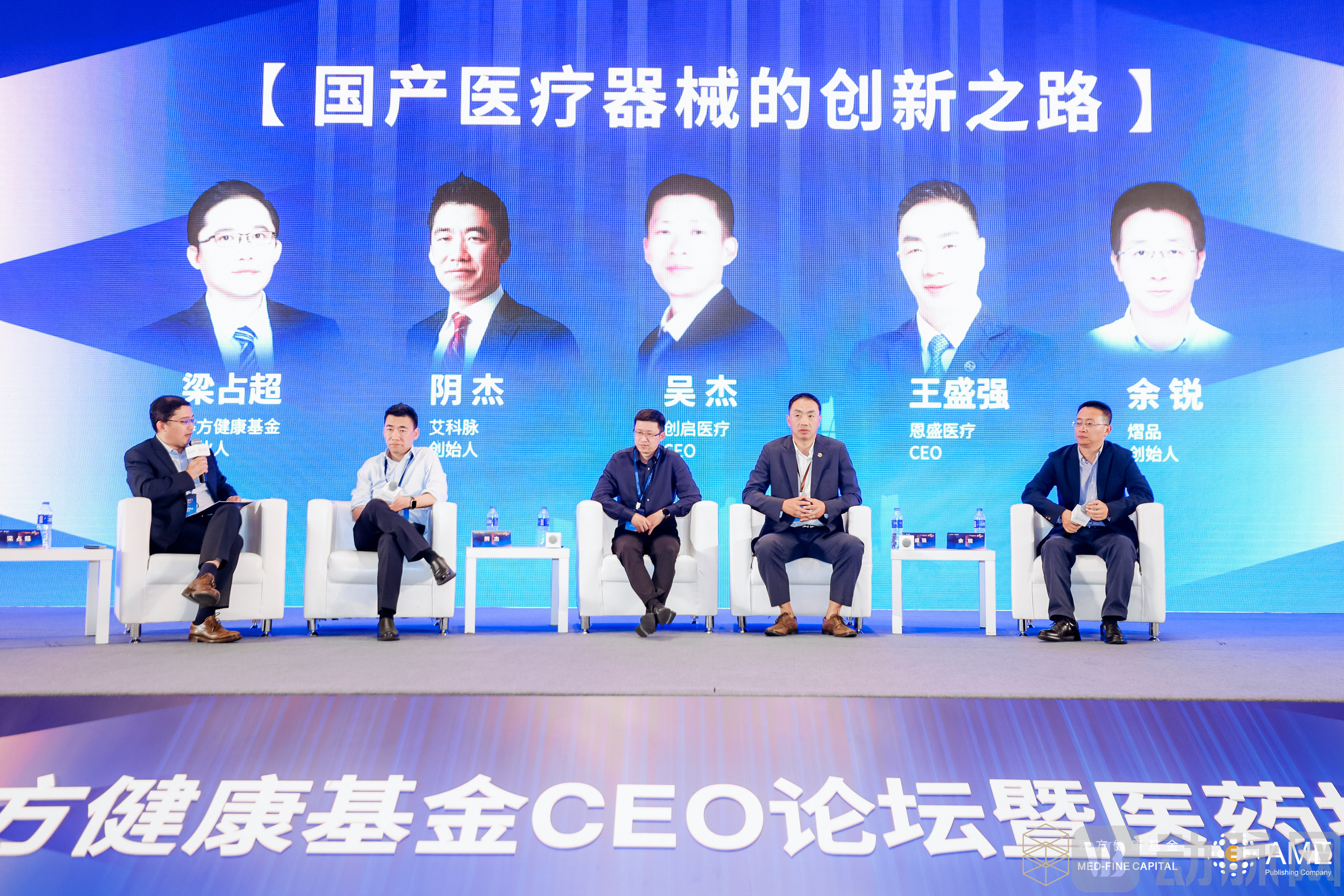
“Roundtable Forum on the Innovation Path of Domestically Produced Medical Devices”
At“Roundtable Discussion on the Innovation Path of Domestically Produced Medical Devices”Wu Jie, co-founder of Chuangqi Medical, stated that the original intent of centralized procurement was to reduce costs for the general public. Excluding innovative medical devices from national reimbursement coverage incentivizes product innovation. Furthermore, expanding product portfolios, intensifying R&D efforts, and reducing material costs can also serve as strategies to cope with centralized procurement.
Wu Jie also stated that innovation should not be blind but should be guided by market demand. Furthermore, in addition to innovating core product technologies, companies should align with market trends and the broader macroeconomic environment to pursue business model innovation.
In this regard, Yin Jie, founder of Aikemai, added, “In addition to innovations in products, technology, and business models, innovation in R&D models is also crucial. Over the past decade or more, China’s R&D model has been based on imitative innovation of foreign products.”
Yin Jie believes that volume-based procurement (VBP) involves product pricing, and the greatest challenge it poses is a shift in investor confidence. From this perspective, attention must be paid to product differentiation and technological sophistication. Additionally, VBP will drive domestic companies to expand into overseas markets. It is reported that Aikemai has established an overseas R&D center, adhering to source innovation and strengthening collaboration with physicians to define products based on clinical needs. “Imitation can only provide temporary advantages; we must start from the source to ensure a continuous output of innovative products,” said Yin Jie.
Wang Shengqiang, CEO of Ensheng Medical, also believes that centralized procurement will drive companies to enhance their capabilities in innovation, differentiation, and global expansion. This process, which meets clinical needs and improves patient accessibility, represents a positive development trajectory.
Yu Rui, founder of Yipin, stated that domestic alternative products and the diversity of product categories would also mitigate the negative impact of centralized procurement to a certain extent.
Finally, Liang Zhanchao, Partner at Med-Fine Capital, stated that against the backdrop of centralized procurement, differentiated innovation and global expansion are strategic imperatives. Med-Fine Capital is committed to collaborating with industry partners to deliver superior products and tools for clinicians and healthcare professionals, thereby providing better treatment options for patients.
The Pandemic Intensifies Competition in the Diagnostic Industry, with Innovation and Clinical Needs as the Primary Solutions
It can be said that the COVID-19 pandemic has had the most profound impact on the diagnostic testing sector.
Following the outbreak of the COVID-19 pandemic, major healthcare companies and research institutions have intensified their R&D efforts on pandemic-related diagnostic instruments, reagents, vaccines, and antibody-based therapeutics. Industries such as molecular diagnostics and related supply chains have experienced counter-trend growth, attracting substantial capital investment.
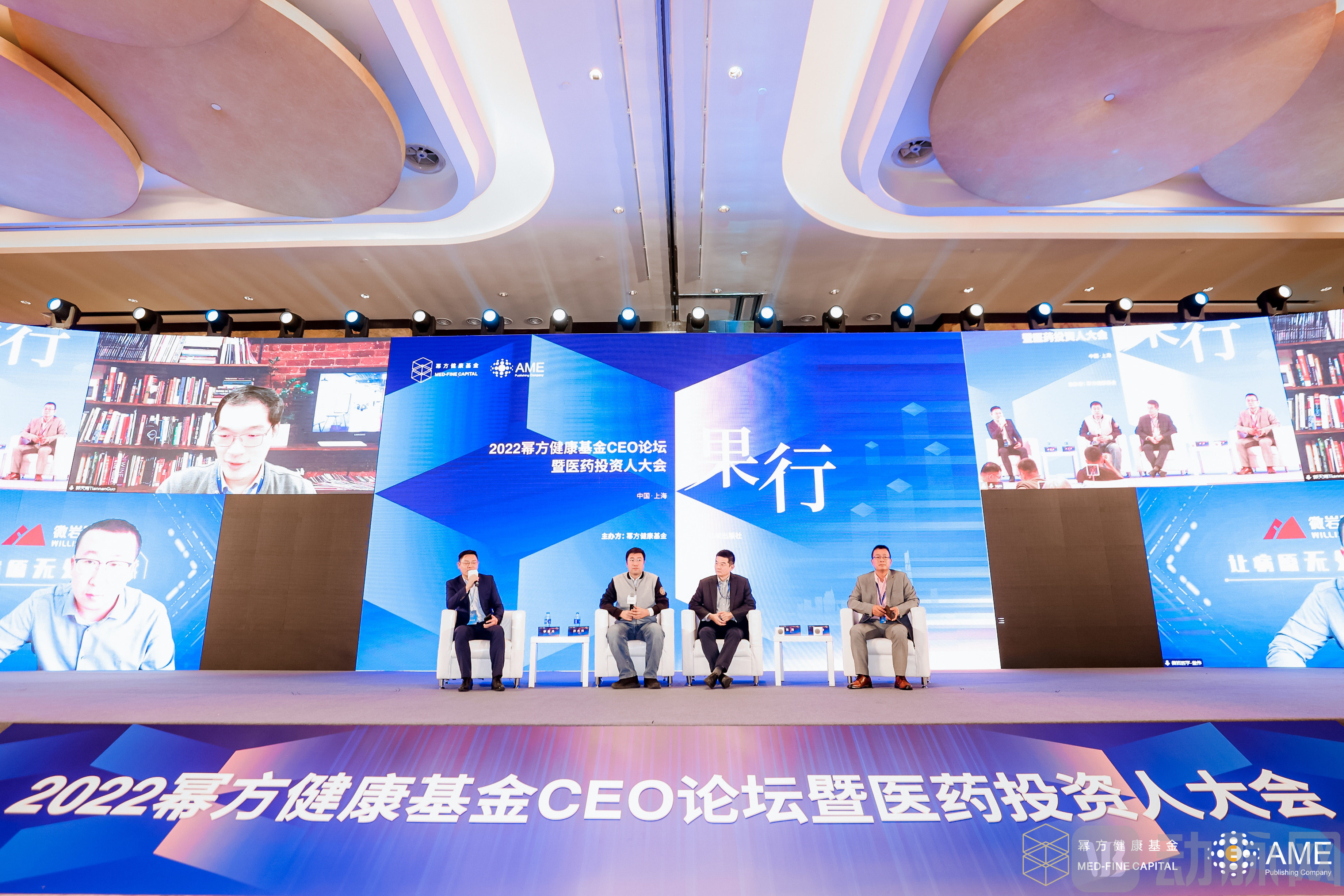
"Next Stop for Diagnostic Testing: Opportunities and Challenges" Roundtable Forum
In“Next-Stop Opportunities and Challenges in Diagnostic Testing” Roundtable DiscussionIn China, Gai Wei, founder of MicroRock Medicine, stated that the pandemic has brought about significant changes to the precision diagnostics industry for infectious diseases. Precision infection control is poised to become a major trend in the future. Against this backdrop, government-led efforts to strengthen primary public health infrastructure have created favorable conditions for the industry. Numerous companies have entered the clinical infectious disease testing sector, expanding market size but also intensifying product competition. The gradual implementation of Laboratory Developed Tests (LDT) policies across various provinces and municipalities has introduced new perspectives and opportunities to the market, all of which highlight substantial potential. MicroRock Medicine will remain true to its original mission, prioritize product quality, pursue differentiated strategic positioning, and diligently develop every infectious disease diagnostic product to effectively address real-world clinical challenges.
Zhang Wei, Chairman of Jiajian Medical, further explained that amid the economic downturn and the impact of the pandemic, opportunities in the healthcare industry lie in the localization of medical products and the rollout of policies related to the diagnostics sector. The challenges, however, stem from higher demands for overall operational efficiency and cost reduction with improved effectiveness.
Guo Tiannan, founder of Westlake Omics, stated, “We have undertaken an initiative driven by innovations in proteomics big data technology, integrating multimodal big data to advance precision medicine and drug development.” To date, Westlake Omics has established collaborations with more than 100 renowned domestic and international universities, research institutes, hospitals, and pharmaceutical companies.
Regarding the current market cycle adjustment, Sun Dawei, Chairman of Qiuzhen Medicine, stated, “We must maintain control over our scale, manage the pace of development, and focus on differentiation in our new product portfolio. Concentrating on our niche sector and addressing patients’ clinical needs form the foundation of our corporate growth. Despite the impact of the pandemic, we have achieved substantial performance growth and will continue to strengthen our efforts in diagnostic products.”
Zhang Linzhen, Vice President of Xinkairui, also stated that the current market environment presents more opportunities than challenges for the in vitro diagnostics (IVD) industry. For instance, national initiatives such as centralized volume-based procurement and the implementation of Diagnosis-Related Group (DRG)-based payment models actually constitute opportunities for high-quality companies aligned with industry development trends. It is reported that Xinkairui specializes in integrated microfluidics and flow fluorescence detection, with its key advantages being the capability for multi-analyte panel testing, high sensitivity, and strong specificity. Consequently, the company holds significant competitive advantages under centralized procurement and relevant national policy initiatives. Currently, its products are in the registration and certification phase, with clinical availability expected next year.
Finally, Li Shanbing, Partner at Med-Fine Capital, stated that while the broader macroeconomic environment has been influenced by various factors, the healthcare industry possesses inherent inelastic demand. Whether considering the market gap relative to developed countries or domestic consumption needs, significant long-term opportunities remain abundant within the sector.
Digital Empowerment of Healthcare Reform Brings Emerging Growth Opportunities
As healthcare reform enters its deep-water zone, hospitals face increasingly stringent demands for refined management.
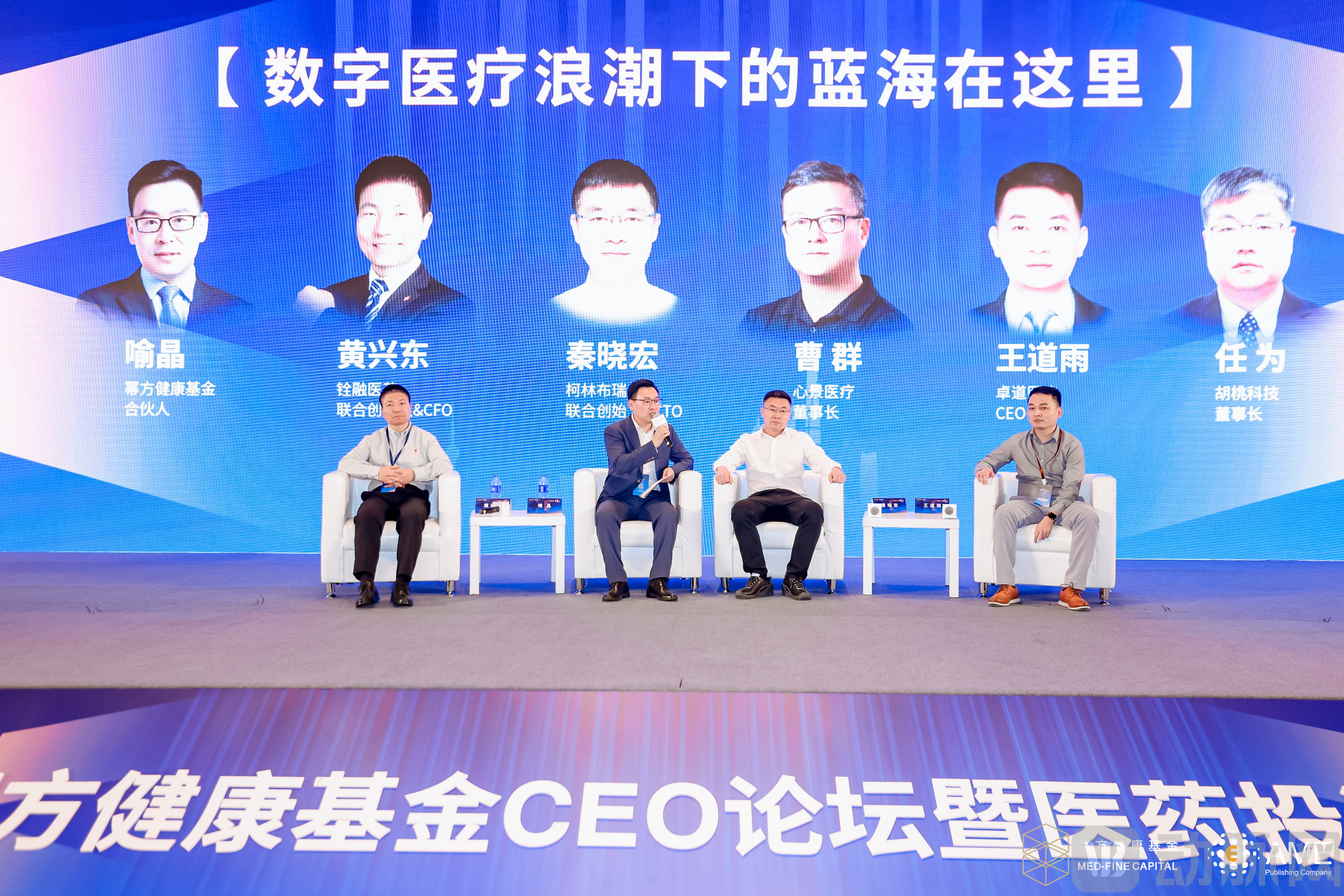
“Blue Ocean in the Digital Healthcare Wave” Roundtable Forum
At“Blue Ocean Opportunities in the Digital Health Wave” Roundtable DiscussionRegarding the implementation of refined hospital management, Huang Xingdong, Co-founder and CFO of Quanrong Pharma, stated that the company helps hospitals establish a refined, market-driven information management system through market development and system upgrades, thereby facilitating the translation of clinical projects and achieving cost reduction and efficiency improvement.
Currently, Quanrong Medicine operates two core business systems: one is locally deployed at hospitals for the management of clinical project systems, and the other is a multi-center, end-to-end clinical research project management platform designed for specific projects. This platform integrates hospital patients to facilitate comprehensive clinical trials.
Qin Xiaohong, Co-founder and CTO of Kelinburui, stated that achieving high-quality development, cost reduction and efficiency improvement, and enhanced research capabilities in public hospitals all require leveraging big data solutions. Furthermore, the extensive repetitive tasks involved in clinical drug trials can also be empowered through big data and digital technologies.
Collinbri is dedicated to building a hospital big data middle platform, breaking down data silos, and conducting in-depth data governance. By leveraging high-quality data assets, it constructs a medical data brain, which serves as the foundation for developing multi-scenario, data-driven, and intelligent applications.
As a clinical CRO, Hutu Technology has resolved clinical trial bottlenecks by providing end-to-end digital services for pharmaceutical and medical device research. Ren Wei, Chairman of Hutu Technology, stated that the company has accumulated clinical trial experience in the fields of neurology, liver cancer, and lung cancer, and plans to expand into rare diseases and other malignant tumors in the future.
Ren Wei noted that hospitals have substantial needs in clinical research. How to activate and unlock clinical resources to serve clinical trials creates significant market opportunities for companies specializing in digitalization and intelligence. By activating underutilized clinical resources and unleashing the research capabilities of standardized hospitals to support enterprises with clinical trial needs, the entire industry can be revitalized.
Cao Qun, Chairman of Xinjing Medical, stated that digital therapeutics are still in a relatively early stage both domestically and internationally and must be grounded in evidence-based medicine. Digital therapeutics enhance physicians’ work efficiency and increase hospital revenues, enabling patients in homes, communities, and primary care facilities to access diagnostic and treatment services provided by specialists from Grade 3A hospitals. This approach is not only more cost-effective and convenient but also helps address the imbalance in medical resource distribution, creating mutual benefits for hospitals, physicians, and patients while reducing treatment costs.
Wang Daoyu, CEO of Zhuodao Medical, also stated that with advancements in supportive measures, patients will be able to access rehabilitation diagnosis and treatment at an earlier stage, representing a significant commercial opportunity. Against the backdrop of the vast rehabilitation industry, standardized diagnostic and therapeutic protocols can address issues related to accessibility, continuity, efficacy improvement, and cost.
At the conclusion of the forum, Yu Jing, Partner at Med-Fine Capital, stated that as healthcare reform enters a critical phase, the demand for refined healthcare management continues to rise. The attendees have provided excellent solutions by leveraging digital technology and information systems to drive the iteration and development of clinical practice, scientific research, and healthcare management. While external factors play a role, staying committed to strengthening our own capabilities is paramount. Med-Fine Capital will always stand as a partner to innovators in technology, working side by side with steadfast resolve.
In summary, amid the capital winter, the key to navigating the industry adjustment cycle and identifying long-term value lies in a company’s own innovation and the development of core technological advantages. Cutting through external distractions to focus on enhancing products and technologies that better serve clinical practice and address unmet clinical needs is the fundamental cornerstone for helping enterprises weather the market downturn and achieve sustainable growth.