

ZetrOZ Systems Files IPO Prospectus: Non-Invasive Ultrasound Therapy sam® Serves Over 250,000 Patients, Backed by NIH and U.S. National Teams

National Institute of Health
National Institutes of Health

ZetrOZ Systems
Developer of Wearable Bioelectronic Devices
Pharmacotherapy is typically the first-line approach for pain management. In recent years, the United States has spent $240 billion on treating acute and chronic musculoskeletal pain, with expenditures related to opioid use amounting to $1.02 trillion. However, these treatments may cause severe side effects and carry a risk of addiction.
To offer a candidate therapy for soft tissue pain treatment and soft tissue injury healing, Dr. George K. Lewis, founder of ZetrOZ Systems, has designed a wearable therapeutic device. The device delivers low-intensity ultrasound, enabling patients to safely manage pain at home.
The National Institute on Minority Health and Health Disparities (NIMHD), a component of the U.S. National Institutes of Health (NIH), has provided Dr. Lewis with multiple Small Business Innovation Research (SBIR) grants for device research, development, and testing.ZetrOZ Systems has received a total of $100 million in grants from the NIH and the Department of Defense.
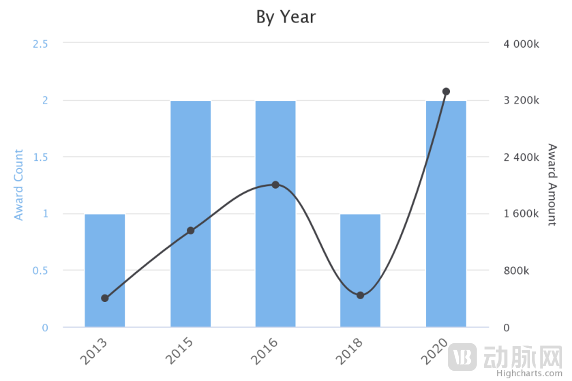
ZetrOZ's History of SBIR Funding
Image source: SBIR official website
In 2014, the FDA approved ZetrOZ’s wearable ultrasound device, SAM (Sustained Acoustic Medicine). Studies have shown that SAM is clinically effective in improving joint function and significantly reducing pain. To date, SAM has benefited more than 250,000 patients. Dr. Lewis stated, “Patients love our device because it allows them to manage their pain without the need for medications or injections.”
SAM (Sustained Acoustic Medicine) is a low-intensity ultrasound therapy device capable of continuous operation over an extended period. Similar to conventional ultrasound therapy,It generates diathermy effects in the soft tissue at a depth of 5 centimeters below the skin surface, enhancing local circulation and activating cellular pathways to reduce patients' reliance on analgesics and surgical interventions.
Leveraging mechanobiology technology, SAM delivers powerful and safe diathermy effects. During treatment, the target tissue in the patient’s body is heated from 4°C to 12°C, generating deep thermal energy while maintaining the skin within a safe temperature range. This process induces vasodilation, increases oxyhemoglobin levels, and facilitates the clearance of cytokines, enzymes, and cellular waste. As a result, soft tissue injuries and chronic pain in areas such as the neck, knees, shoulders, and lower back heal more rapidly.
Studies have shown that by using SAM,87% of patients showed significant improvements in physical function and quality of life.Furthermore, the clinical application of SAM is supported by data from more than 20 randomized controlled trials and four monographs.
In December 2021, an article published in Nature stated that some patients did not respond to conventional physical therapy, whereas SAM could heal their soft tissue injuries and alleviate their pain.
This paper covers the results of 13 clinical studies involving 372 patients. Their symptoms included myofascial pain and injury in the neck and back, moderate to severe knee pain and osteoarthritis, and systemic soft tissue injuries with functional limitations in the elbow, shoulder, back, and ankle joints. The results showed that SAM had significant and clinically meaningful therapeutic effects:Patients receiving treatment experienced a reduction in musculoskeletal pain of 1.96–3.94 points (on a 0–10 pain scale) and a 20% decrease in blood lactate levels. Joint function improved by 80% in some patients.
Study Summary: “As a safe, non-invasive, and non-anesthetic treatment modality, SAM is a favorable option for physicians.”
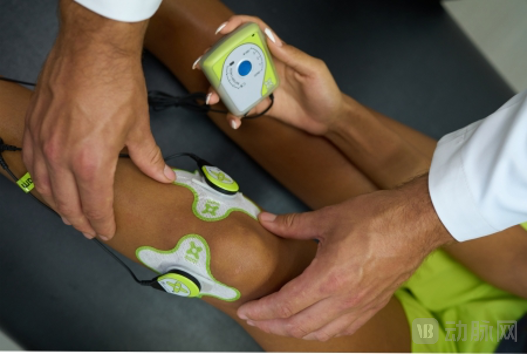
sam
Image source: ZetrOZ official website
Surgical procedures for general pain management typically cost more than $40,000, while many opioid prescriptions exceed $1,000 per month. AndSAM has a retail price of only $4,400, making it more cost-effective than other therapies.Additionally, this is also a home-based treatment regimen—ZetrOZ stated that,95% of patients are able to use the second-generation SAM device (SAM Home Edition) at home by themselves.
In addition to achieving success in clinical trials, SAM has met substantial market demand and holds significant commercial value.
January 2022,ZetrOZ Systems Signs $3.4 Million Agreement with U.S. Government Healthcare AgencyUnder the agreement, ZetrOZ will participate in the Federal Supply Schedule for Healthcare, providing SAM devices and hypoallergenic ultrasound coupling patches to military bases and hospitals, established healthcare facilities, as well as employees of the FBI, CIA, Department of Labor (DOL), Postal Service, and other departments or agencies both within and outside the United States.
Compared with the general population, veterans, federal agents, and postal workers not only have to cope with acute injuries but also face repetitive strain injuries caused by their work. SAM can provide several hours of therapy daily for these individuals, offering long-term management of postoperative recovery and pain conditions such as osteoarthritis.
In June 2022, Dr. George Lewis, Founder and CEO of ZetrOZ, attended and delivered a speech at the 2022 PHATS (Professional Hockey Athletic Trainers Society) and SPHEM (Society of Professional Hockey Equipment Managers) Conference. He stated, “Athletes on the ice need more than just the R.I.C.E. protocol (Rest, Ice, Compression, Elevation).”
Strains of the groin, hip flexors, and medial collateral ligament of the knee are common among hockey players due to the stride length and leg posture required in skating. On the other hand, to cope with congested match schedules, coaches and team physicians place great emphasis on the speed at which athletes return to normal activities following treatment.
Using SAM, patients' pain levels can typically be reduced by 20% to 50% within 2 to 6 weeks, among which55% of patients were able to resume activities immediately after treatment.Moreover, athletes can participate in most training sessions while wearing the SAM. Consequently, many national teams have adopted this physical therapy modality to accelerate athletes’ recovery and enable an earlier return to competition.
To date,Thirty VHA medical facilities and six U.S. military bases have adopted SAM technology, and ZetrOZ has secured a contract with the U.S. federal government.In addition, the National Football League, Major League Baseball, the National Basketball Association, the National Hockey League, Major League Soccer, and95% of U.S. National Team Physicians Choose SAM for Treatment.
ZetrOZ, founded in 2009 and headquartered in the southern coastal region of Connecticut, operates manufacturing facilities across the United States. The company currently holds multiple FDA-approved products and 46 exclusively controlled global patents and patent applications, covering therapeutic algorithms, treatment methods, novel drug delivery systems, and technology platforms.
George K. Lewis, the company’s founder and inventor of SAM, earned his Ph.D. from Cornell University and possesses expertise and business experience in medical technology, translational science, and education. Lewis currently serves on the Research and Rehabilitation Review Committee of the Veterans Health Administration and on the Board of Directors of the Orthopaedic Foundation. He previously held positions as a Presidential Life Sciences Fellow and a National Science Foundation Fellow. Furthermore,He raised millions of dollars to support the commercialization of innovative medical products.

George K. Lewis
Image source: ZetrOZ official website
1Develop an IP Portfolio Management Strategy
Lewis believes that the key to creating a competitive advantage in the medical technology sector lies in the effective management of intellectual property (IP). This requires managers to have an in-depth understanding of specialized technologies and regulatory requirements, and to formulate a comprehensive IP protection strategy.
Lewis shared the specific process ZetrOZ uses to formulate its IP portfolio management strategy:
Consider Company Size: A company’s size and current stage of development form the basis for strategy formulation. Startups in their early stages typically do not allocate substantial resources to intellectual property (IP), whereas mature companies often hold multiple IPs in their portfolios.
Develop a Management Outline: The outline should cover forms of IP protection and market research findings, ensuring that the company’s R&D objectives do not infringe upon existing IP, while guiding the enterprise to identify and leverage new R&D opportunities.
Assessing Needs and Barriers: Determine whether the IP addresses problems in a unique and lawful manner. For instance, by developing high-dose, non-invasive technologies for soft tissue healing and pain management, ZetrOZ achieved differentiation and met market demand. Meanwhile, from product development to commercialization, ZetrOZ has consistently prioritized the confidentiality and legality of its research processes.
Assessing Third Parties: Medical device companies often rely on third-party suppliers and partners to scale up production of new products. However, if a third-party manufacturer suffers a cyberattack, the confidential data of all companies collaborating with it may be compromised. Therefore, any third party involved in the development of core services or products should undergo comprehensive assessment.
IP Audit: Conduct a comprehensive audit of intellectual property to quantify its value, identify potential risks, and prepare contingency plans for any crises that may arise throughout the process.
2Education Program Breaks the Vicious Cycle Between Doctors and Insurance Companies
Although SAM has received FDA approval and is supported by multiple studies, it still faces frequent insurance coverage denials.
Lewis stated that the key to gaining insurer approval for new medical devices and therapies lies in whether patients and doctors can communicate in advance to develop treatment plans that withstand scrutiny. However, the “doctor–insurer” closed loop prevents the adoption of many effective and cost-efficient new technologies. When pain medications and physical therapy fail, many doctors often resort to unsustainable treatments because they are reluctant to prescribe therapies not covered by insurance companies.
Therefore,Raising Physician Awareness Can Drive Insurance Coverage for New Technologies. As a medical device developer, ZetrOZ isExpand its clinical education programs, with the aim of breaking this vicious cycle by generating demand.ZetrOZ provides clinical training resources, including online videos, as well as advertisements on television and social media, to enable healthcare professionals to access information on drug-free, non-invasive treatments for patient injuries, with the aim of reducing their reliance on surgery and pain medications.
3Support for Economic Incentives
To gain acceptance for innovative technologies like SAM within the healthcare system, ZetrOZ also places significant emphasis on and supports relevant economic incentives.
In 2021, the U.S. Congress introduced a bill requiring the Centers for Medicare & Medicaid Services (CMS) to provide separate Medicare reimbursement for non-opioid therapies administered in hospital outpatient departments and ambulatory surgical centers.
Essentially, the bill would shift healthcare spending from opioids to other pain management treatments by providing reimbursement for eligible devices or medications, such as SAM. Prior to the Senate Finance Committee hearing, several medical device manufacturers, including ZetrOZ Systems, lobbied their respective state senators and representatives in support of the legislation.