

Weimai Partners with Public Hospitals to Launch Comprehensive Stroke Care Management, Addressing Post-Stroke Rehabilitation Challenges for Elderly Patients
According to statistics from the World Health Organization, one in every six people worldwide is at risk of stroke. In China, stroke has become the leading cause of death and disability among adults. The "Report on Stroke Prevention and Treatment in China" shows that the number of people aged 40 and above who currently have or have had a stroke in China reaches as high as 17.04 million, making it a significant issue severely impacting public health.
A neurologist once stated that for stroke patients, post-discharge rehabilitation marks the true beginning of the challenge. This is because stroke is a typical chronic disease, with patients usually hospitalized due to acute onset. In-hospital care focuses on stabilizing the condition, identifying the underlying cause, and alleviating symptoms, while stroke treatment protocols are typically implemented in a stepwise manner.
“The implementation of stroke treatment protocols occurs largely after patient discharge; therefore, we consider post-discharge rehabilitation a critical phase in stroke management, one that even influences the ultimate clinical outcome,” the physician explained.
However, in real-world clinical settings, given that most stroke patients are middle-aged or elderly individuals, adherence to treatment regimens is often suboptimal due to factors such as health beliefs, cognitive and memory impairments, and educational background. Lou Min, Deputy Director of the Department of Neurology at the Second Affiliated Hospital of Zhejiang University School of Medicine, stated, “According to a simple survey conducted in Zhejiang Province, nearly two-thirds of stroke patients discontinued anticoagulant therapy within six months to one year after discharge, indicating poor patient adherence.”
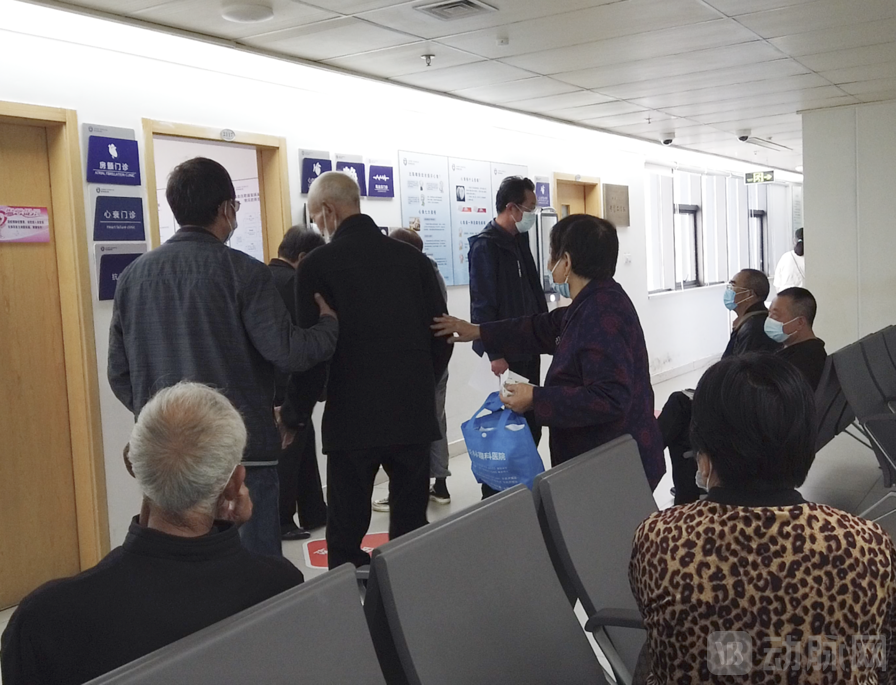
At the Department of Neurology of Jiande First People's Hospital, most patients seeking medical attention are elderly.
In addition to subjective patient factors, the lack of effective out-of-hospital management mechanisms by physicians is also a significant factor affecting stroke rehabilitation outcomes. “Physicians often struggle to allocate sufficient time and energy to provide detailed explanations of medical instructions, while patients frequently have only a partial understanding.”More importantly, there is a lack of effective communication mechanisms between physicians and patients regarding how well patients are managing their care at home, what issues they are encountering, and what potential risks may exist.“Wang Jianwen, Chief Physician of the Department of Neurology at Jiande First People’s Hospital, stated.”
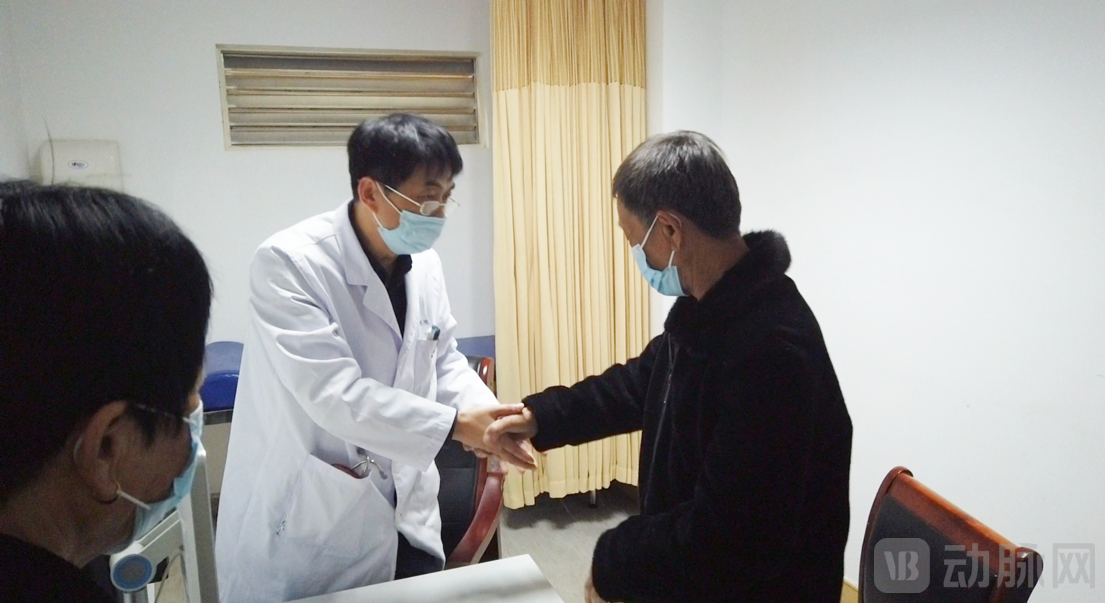
Dr. Wang Jianwen is assessing the patient's recovery status.
Therefore, when stroke patients are discharged from the hospital, they are often effectively removed from ongoing medical supervision. The absence of adequate rehabilitation measures can easily lead to disease recurrence, which not only threatens patients’ quality of life but also imposes a heavy burden on public healthcare resources.
“Hello, Grandpa Zhou. This is Xiao Qiu. Have you taken your medication before breakfast today?” On the first day after discharge, 70-year-old stroke patient Zhou Guohua (a pseudonym) received a follow-up call from health manager Qiu Weixian. Meanwhile, health reminders sent to his mobile phone are also regularly delivered to the family accounts linked by his relatives, ensuring that the elderly patient does not miss any doses.
This September, the elderly patient was diagnosed with cerebral infarction at the First People's Hospital of Jiande City. As his son is consistently occupied with work, he finds it challenging to provide comprehensive care for his father.
Upon understanding the patient’s needs, the hospital established a health management team prior to discharge, comprising attending physician Wang Jianwen, hospital nurses, Weimai Health Steward Qiu Weixian, and Weimai Case Manager Zhao Na, to develop and meticulously implement a rehabilitation management plan in advance.
“In addition to medication, we regularly communicate with patients and their families about stroke rehabilitation-related issues, including diet and sleep,” said Qiu Weixian. “Conversations with elderly patients often last at least an hour, which is unimaginable for doctors who are already working around the clock.”By leveraging our strengths to connect with patients and capture key information for feedback to physicians, we enable doctors to concentrate on delivering medical treatment., the two parties have formed a mutually beneficial and complementary relationship.”
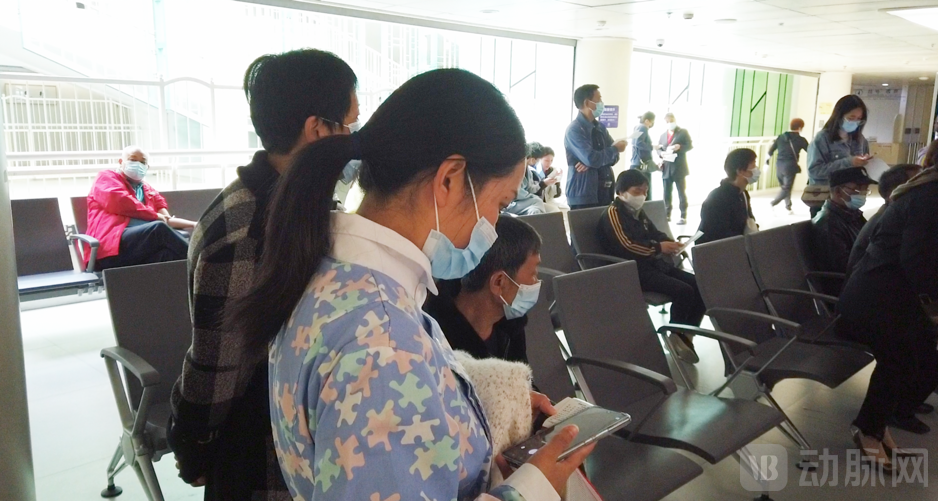
Qiu Weixian is answering patients' online consultation questions
As a case manager, Zhao Na also maintains regular contact with stroke patients. Unlike Qiu Weixian, she systematically records elderly patients’ dietary habits, physical activity, medication adherence, and recovery progress to generate online management prescriptions, which are synchronized with physicians and health stewards. This approach enables doctors to gain a more intuitive understanding of patients’ rehabilitation progress while identifying potential risk factors, thereby facilitating proactive risk mitigation.
“Take medication adherence as an example. Through the online platform, we can intuitively identify any discrepancies between patients’ actual and prescribed medication usage. Once issues are detected, we coordinate with health managers and attending physicians to strengthen supervision and patient education,” Zhao Na explained.
Neurologists, health managers, and case managers jointly provide rehabilitation management for stroke patients through a combination of online and offline approaches.This model benefits from the whole-course disease management collaboration established between Jiande First People's Hospital and Weimai since 2021.
Compared with the high dropout rate and poor compliance seen in traditional stroke treatment, the Department of Neurology at Jiande First People’s Hospital has leveraged its enhanced operational and technical resources to integrate patients into a comprehensive management system, thereby ensuring end-to-end care for stroke patients.
Whole-course disease management is not a novel concept in the industry, but few practitioners in China have integrated it with the treatment of stroke.
Currently, Weimai’s stroke rehabilitation management program has been implemented in multiple public hospitals across Beijing, Zhejiang, Henan, and other regions, with a growing number of stroke patients and departmental physicians benefiting from this service model.
Dong Mingming, head of the Weimai Jiande team, stated that the collaborative experience between Weimai and the First People's Hospital of Jiande City demonstrates that implementing whole-course management in the field of stroke rehabilitation,It not only meets the department’s need to enhance service quality, but also improves patients’ healthcare experience and rehabilitation outcomes, warranting further deepening and expansion.。
Li Xiangxin, Deputy Director of the Department of Neurology at the First People’s Hospital of Jiande City, also expressed a similar view. In his opinion, whole-course management can deliver greater value within the secondary prevention system for stroke. To achieve this, relying solely on hospital physicians is insufficient to meet the substantial service demand. Public hospitals need to establish more case management teams to support the implementation and operation of these services, while also ensuring interoperability of information and data to enhance service effectiveness.
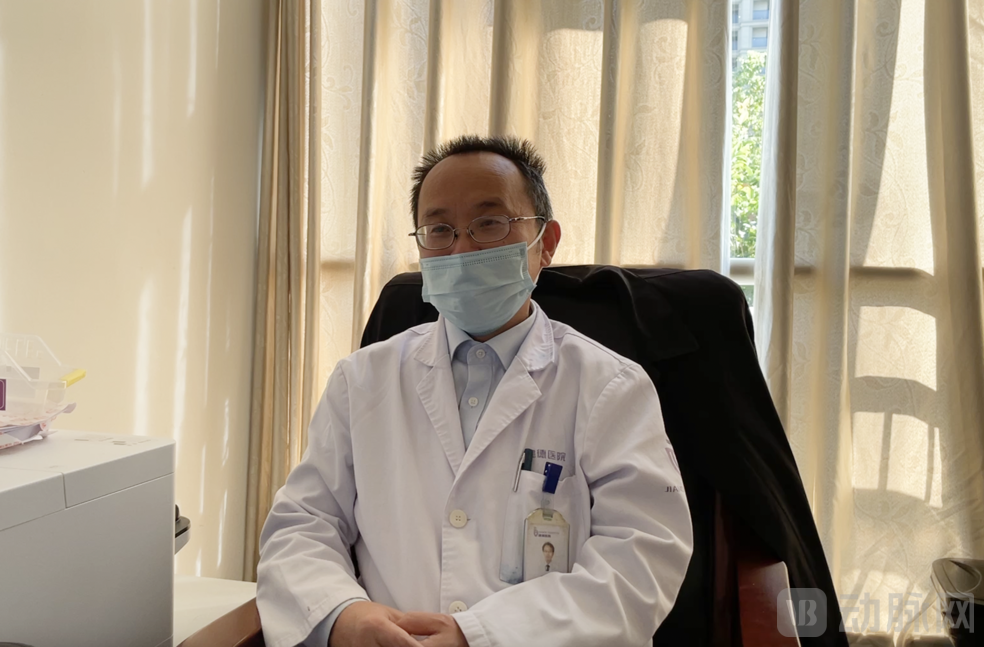
Deputy Director Li Xiangxin
“By implementing a closed-loop system for comprehensive disease-course management, we not only help the general population gradually move away from the burden of stroke but also assist patients in regaining their functional independence and reintegrating into society, thereby establishing a new network system for stroke screening, prevention, and treatment based on whole-disease-course management,” stated Li Xiangxin.
It is reported that, as of September this year, 1,898 neurologists have joined Weimai, contributing nearly 170 popular science articles on stroke; Weimai’s stroke rehabilitation management services have covered 12 provinces across China, with an average of 569 patient follow-ups and 327 instances of exercise rehabilitation guidance provided per month, and a total of 109 patient recurrence alerts issued to medical personnel.
The 20th National Congress of the Communist Party of China proposed advancing the construction of a Healthy China, prioritizing the protection of people’s health as a strategic priority, and implementing a national strategy to proactively address population aging. In response, a representative from Weimai stated that the company has already explored full-course disease management service models for several high-prevalence conditions among middle-aged and elderly populations, including stroke, cataracts, and tumor radiotherapy and chemotherapy. Moving forward, Weimai will continue to focus on the multi-level and diverse health needs of elderly patients, leveraging new technologies and innovative models to build a robust and scientifically grounded health safety net for the elderly population.