

Nearly 5,000 Attend the 4th Greater Bay Area Biopharmaceutical Innovation Summit Online
On October 28, the 4th Greater Bay Area Biopharmaceutical Innovation Summit, themed “New Drug Qionggu: Targeting the Bay Area,” was grandly held in a hybrid format combining an offline studio with online cloud streaming. The event was guided by the Guangdong Provincial Medical Products Administration, hosted by the Guangdong Biopharmaceutical Innovation Technology Association and the Guangzhou Science and Technology Progress Foundation, and organized by Boji Medicine.
This forum focuses on the innovative trends and pathways in the development of the biopharmaceutical industry. By leveraging the favorable policies of the Greater Bay Area, it aims to reshape the full-lifecycle concept of integrated “preclinical + clinical” biopharmaceutical R&D, centering on patients and returning to clinical value. In response to practical needs such as the Greater Bay Area’s preferential policies, capital orientation, and the development of young scholars, the forum is committed to promoting innovative, efficient, vibrant, and high-quality development of the biopharmaceutical industry in the Greater Bay Area.
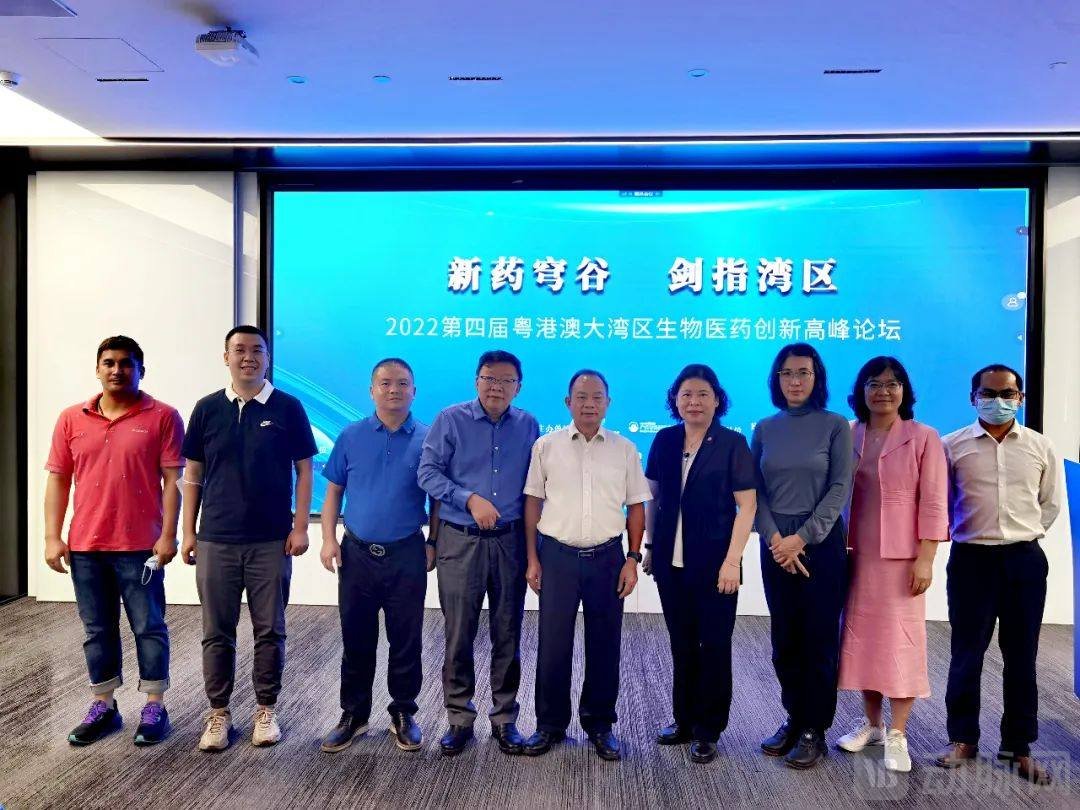
GuangSu Shengfeng, First-Level Inspector of the Guangdong Provincial Medical Products Administration; Yang Baofeng, Academician of the Chinese Academy of Engineering; Jiang Jiandong, Academician of the Chinese Academy of Engineering; Lu Hongzhou, Fellow of the American Academy of Microbiology and President of Shenzhen Third People’s Hospital; Zhu Xun, Professor at Jilin University and former Vice President of Jilin University; Zhu Shaoxuan, Executive President of the Guangdong Biopharmaceutical Innovation Technology Association; Gao Zhong, Secretary of the Wengyuan County Committee of the Communist Party of China in Shaoguan City; Yang Dajun, Chairman and CEO of Ascentage Pharma; Zhai Yifan, Chief Medical Officer of Ascentage Pharma and CEO of Guangzhou Shunjian Biopharmaceutical Technology Co., Ltd.; Chen Xiaoxin, President of Guangdong Zhongsheng Ruichuang Biotechnology Co., Ltd.; Li Rongrong, Vice President of the Guangdong Biopharmaceutical Innovation Technology Association and Deputy General Manager of Sinopharm Zhijun (Shenzhen) Pharmaceutical Co., Ltd.; Hou Yu, Executive Director of China Merchants Capital Management Co., Ltd.; Wang Tingchun, Vice President and Secretary-General of the Guangdong Biopharmaceutical Innovation Technology Association and Director of Boji Medicine; Zuo Lian, Deputy General Manager of Boji Medicine; Wan Zhihong, Drug Review Expert and Chief Scientist of Boji Medicine; along with nearly 5,000 leaders from the biopharmaceutical industry across the Guangdong-Hong Kong-Macao Greater Bay Area and throughout China, participated in this grand event via cloud platforms.
As the host of this conference and moderator of the main forum, Zhu Shaoxuan extended warm greetings to all guests who have shown concern for and support of the event. She noted that, due to the pandemic, the forum underwent delays and adjustments, transitioning from an offline to an online format, and expressed gratitude to all participants for their steadfast commitment. Precisely because of the pandemic, innovative development in the biopharmaceutical industry has become particularly critical, drawing widespread attention from all sectors of society. Recently, the 20th National Congress of the Communist Party of China concluded successfully, issuing clear directives on safeguarding people’s lives and health, implementing the innovation-driven development strategy, and advancing the strategy of rejuvenating the country through science and education. How the Greater Bay Area can respond to these trends, build strength through accumulated efforts, and cultivate an innovative ecosystem for the biopharmaceutical industry has become a shared mission among industry peers. She called on biopharmaceutical enterprises, universities, and social organizations in the Greater Bay Area to join hands, enhance connectivity, and collectively contribute to building an innovative ecosystem for the region’s biopharmaceutical industry.
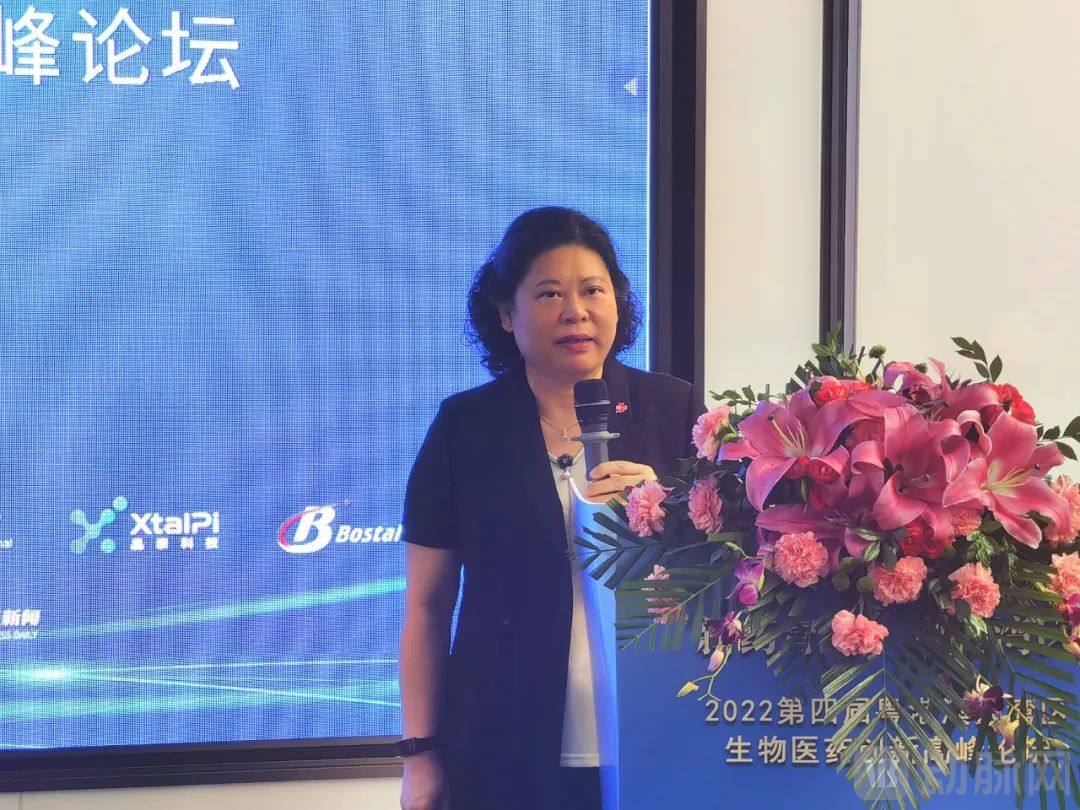
At the outset of the conference, Su Shengfeng delivered the opening address. He stated that the 20th National Congress of the Communist Party of China clearly emphasized the principle of putting people and their lives first, prioritizing the protection of people’s life and health as a strategic priority in development. Guided by Xi Jinping Thought on Socialism with Chinese Characteristics for a New Era, we have embarked on a new journey to transform China from a major pharmaceutical producer into a manufacturing powerhouse, through our collective efforts in advancing traditional Chinese medicine (TCM), which is closely linked to safeguarding people’s life and health.
We are currently in a golden period of opportunity for the development of the biopharmaceutical industry. In recent years, Guangdong Province has created a favorable development environment for innovation in the biopharmaceutical sector through improvements in review and approval processes, industrial park development, construction of a full industrial chain, and policy support. It is hoped that all stakeholders involved in biological drug R&D in Guangdong Province will leverage this forum to continuously accelerate the integrated development of industry, academia, and research. By making full use of Guangdong’s sound business environment and various policies, they should expedite the improvement of the full industrial chain for innovative drugs, facilitate the continuous convergence of resource elements such as talent, technology, and capital into the biopharmaceutical industry, and establish themselves as a benchmark leading the innovative development of the biopharmaceutical industry in the Greater Bay Area and Guangdong Province.
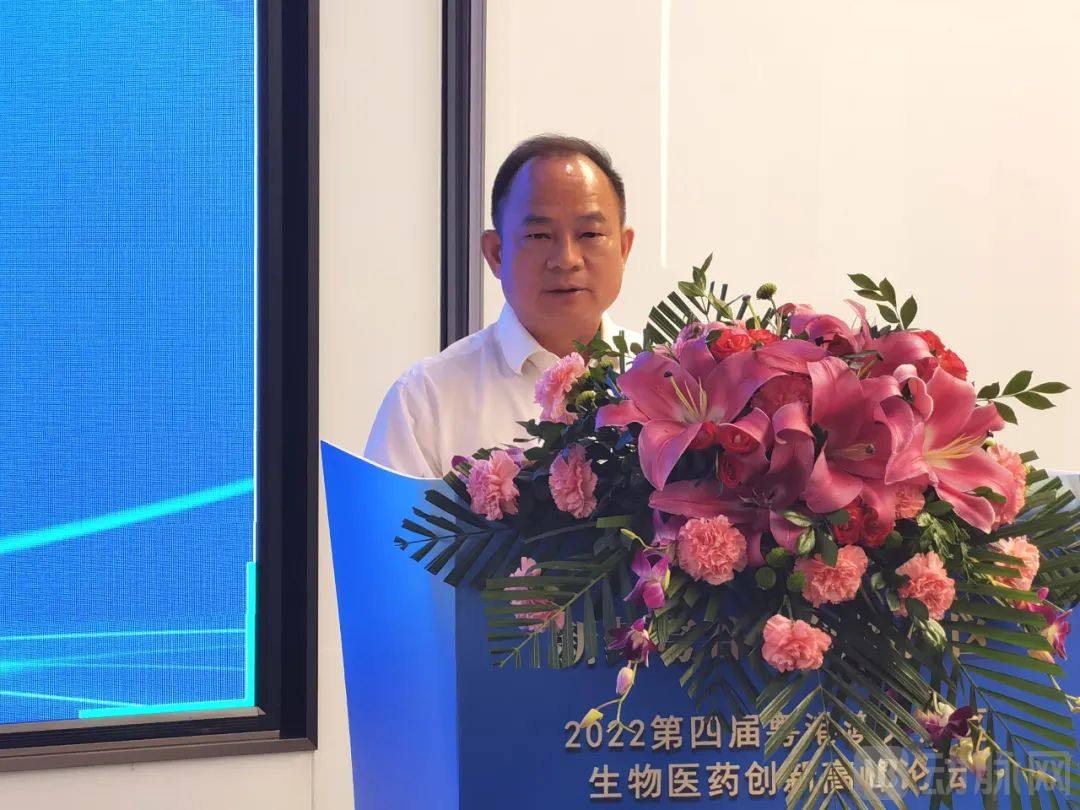
Academician Yang Baofeng delivered a presentation titled “Advancing the Translation of Biopharmaceuticals through Basic Research,” in which he elucidated how basic research can be effectively integrated with biopharmaceutical development. Academician Yang stated that, guided by the national innovation-driven development strategy, China has witnessed rapid advancements in basic biopharmaceutical research. The sector is experiencing sound growth, driven by continuous improvements in funding for basic research, talent cultivation strategies, and industrial capital operation models.
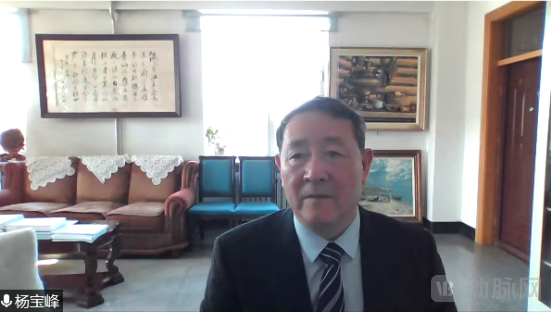
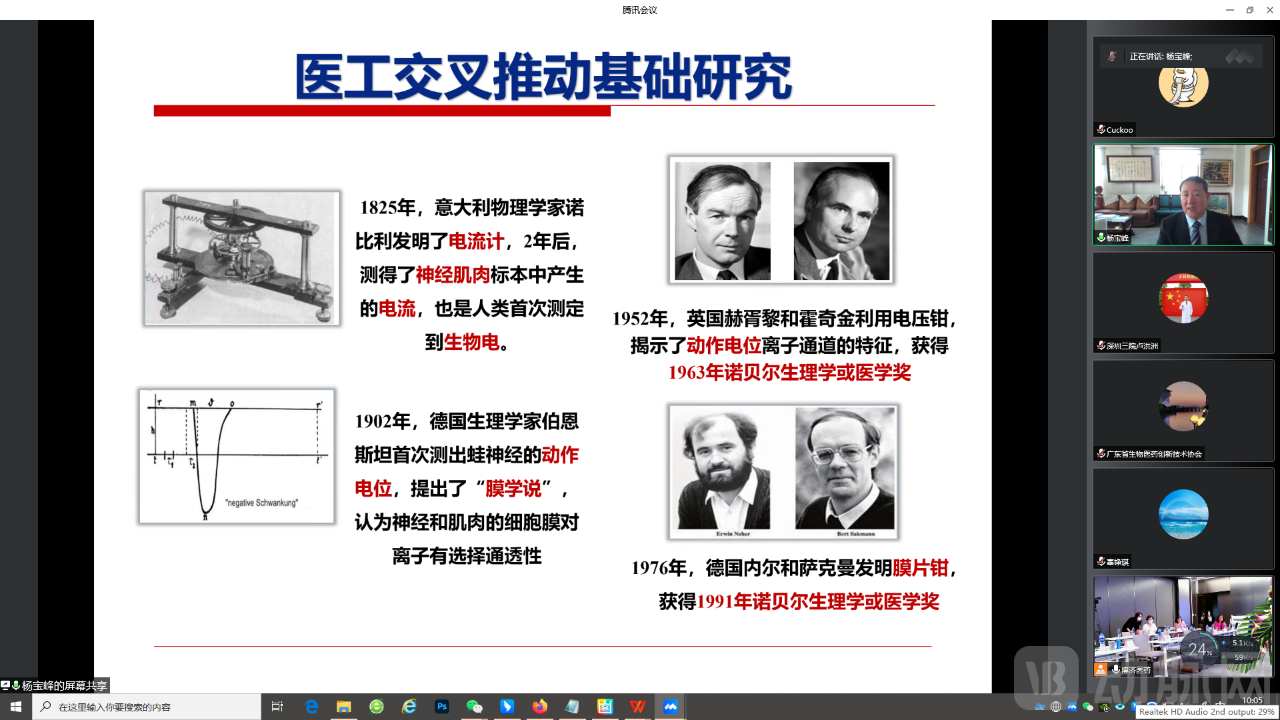
In his speech, Academician Yang Baofeng provided an in-depth analysis of the significant role that basic research plays in advancing the biopharmaceutical industry. He discussed the current state of China’s biopharmaceutical development, identified key bottlenecks and challenges, and proposed strategic solutions, offering valuable insights for the development of original drugs within China’s biopharmaceutical sector.
The rise of original innovative drugs is key to China’s transformation into a pharmaceutical powerhouse. Addressing this topic, Academician Jiang Jiandong, based in the United States, delivered a cloud-based presentation titled “Focus on China’s Original Innovative Drugs,” introducing attendees to the research and development landscape and distinctive features of such drugs in China.
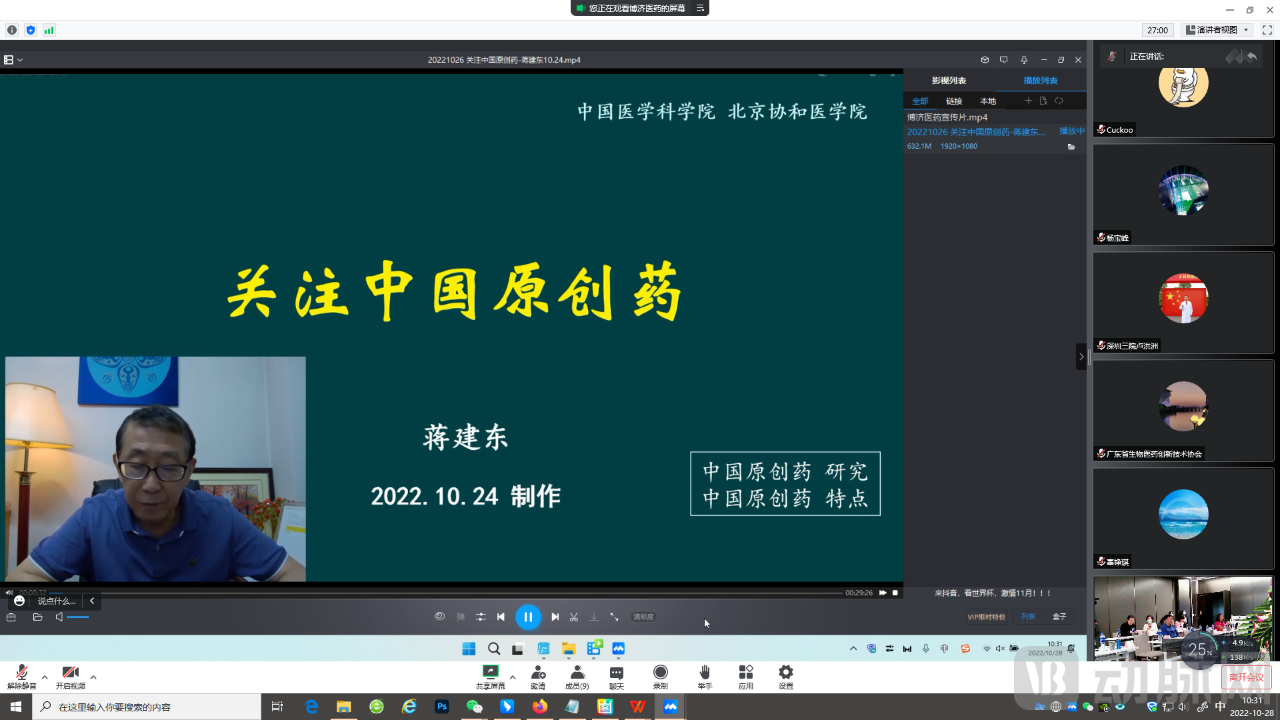
He began by reviewing the three stages of research and development for original drugs in China since the reform and opening-up: “At the outset, we learned from the West and kept pace with international frontiers; as our thinking evolved, we recognized that our ancestors had left us many valuable legacies, leading to an emphasis on making the past serve the present and foreign things serve China; now and in the future, we hope China will carry forward this heritage, contribute greater strength, and demonstrate that what is national is truly global.”
“Most original drugs developed in China are derived from plants and can achieve the therapeutic effect of addressing both the symptoms and the root cause of disease.” Citing berberine, paeoniflorin, and azvudine as examples, Academician Jiang elaborated on the theoretical basis for this dual approach. “As a nucleoside analog, azvudine inhibits the RNA polymerase of the novel coronavirus, which addresses the symptoms; meanwhile, it protects immune cells and enhances anti-SARS-CoV-2 immunity, which targets the root cause. This combination of symptomatic and etiological treatment is key to azvudine’s excellent clinical efficacy.”
“Another characteristic of original Chinese drugs is their multi-component nature, which adheres to the principle of ‘Jun-Chen-Zuo-Shi’ (sovereign, minister, assistant, and envoy).” Jiang Jiandong cited mulberry twig alkaloids as an example to illustrate the advantages of multi-component drugs; due to their favorable therapeutic efficacy in type 2 diabetes, they were approved for market launch in 2020.
Finally, Jiang Jiandong emphasized the importance of building soft power in the pharmaceutical sector. He noted that Tu Youyou’s first paper on the development of artemisinin was published in the domestic journal Acta Pharmaceutica Sinica, and this work constituted one of the key studies contributing to her Nobel Prize. “We must have cultural confidence, continue to innovate, and contribute to the cause of human health,” he stated.
As a renowned expert and scholar in the field, Professor Zhu Xun presented his insights on the future development of the biopharmaceutical industry in his talk titled “Analysis and Assessment of Future Development Trends in the Bioindustry.”
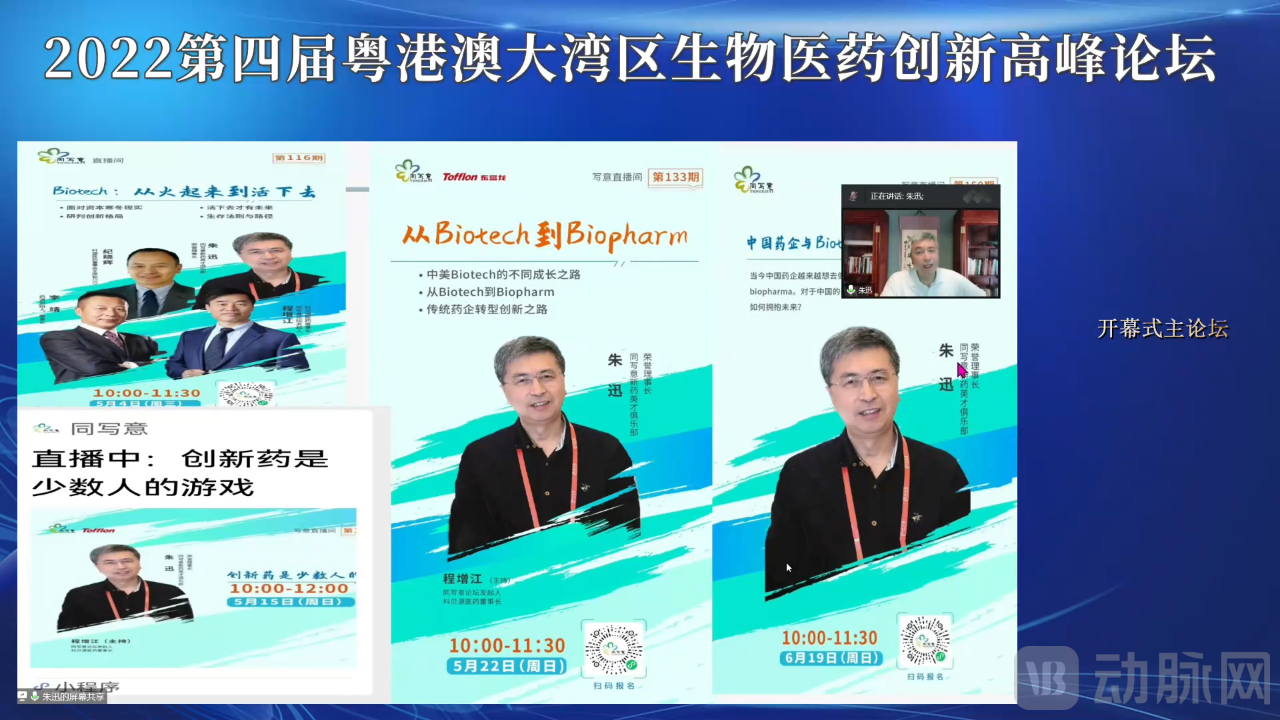
“Data from China’s pharmaceutical manufacturing sector in the first half of this year has been less than optimistic, with valuations in the secondary market undergoing a correction; the international landscape is similar, if not more dire.” Against the backdrop of a “winter” for both the domestic and global pharmaceutical industries, Professor Zhu Xun’s remarks have drawn significant interest from healthcare professionals.
Drawing on his profound expertise and extensive experience in the pharmaceutical industry, Professor Zhu Xun has provided a forward-looking outlook with four key predictions for the biopharmaceutical sector.
● The current wave of entrepreneurial and investment dividends in the biologics sector is nearing its end.
● The development of antibody therapeutics has progressed through three stages: polyclonal antisera, monoclonal antibodies, and engineered antibodies. Whether the fourth stage will be defined by bispecific antibodies, antibody-drug conjugates (ADCs), CAR-T therapies, or immunoglobulin-related molecules remains unclear.
● The next blockbuster biologics are still in development. Zhu Xun emphasized that products with strong sales potential possess unique characteristics in terms of targets and indications. “Currently, whether in biologics or small-molecule drugs, the R&D pipelines in China are overly concentrated, leading to severe homogeneous competition. In the future, pharmaceutical companies must prioritize the selection of indications and targets,” Zhu Xun specifically pointed out.
● As the global biopharmaceutical industry advances, China, as an emerging powerhouse, will secure a significant position in the international pharmaceutical market.
Finally, Professor Zhu Xun delivered his concluding remarks, noting that opportunities in the biopharmaceutical sector are already on the horizon. “In an era brimming with opportunities, the greatest opportunity lies not in the opportunities themselves, but in breaking away from yesterday’s logic, seizing today’s logic, and gaining insight into tomorrow’s logic.” With this powerful statement, Professor Zhu brought his compelling presentation to a resounding close.
The outbreak of the COVID-19 pandemic has profoundly impacted our lives, necessitating the last-minute shift of this conference to an online format due to the epidemic. Academician Lu Hongzhou, a member of the American Academy of Microbiology, President of Shenzhen Third People’s Hospital, and Head of Shenzhen’s First Public Health Expert Group for Epidemic Prevention and Control, shared his insights on the development of therapeutic drugs and vaccines for COVID-19 with attendees in a presentation titled “Whither the Development of Drugs and Vaccines for SARS-CoV-2?”
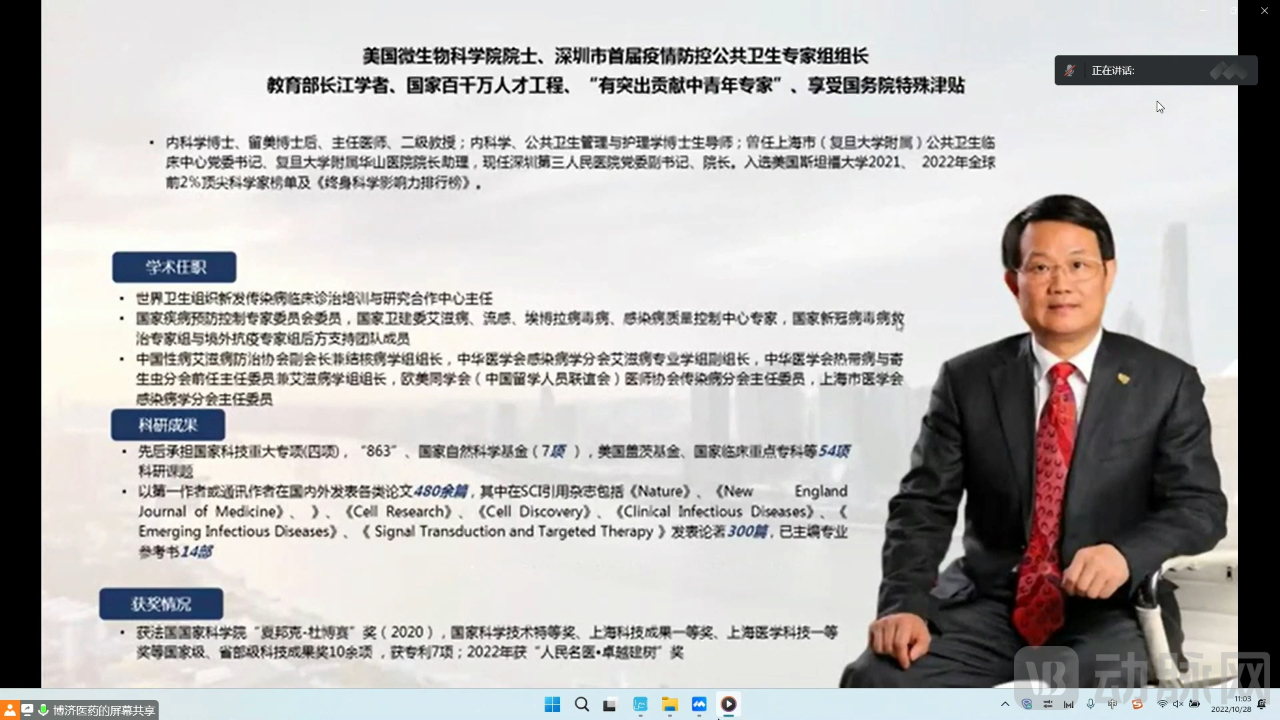
Academician Lu Hongzhou noted that although most countries abroad have already “given up” on strict containment, China must continue to adhere to its “dynamic zero-COVID” policy in light of national conditions. Currently, multiple therapeutic drugs are under development in China, and vaccine research has made encouraging progress. The universal nucleic acid vaccine developed by the Shanghai team induces antibodies with activity several times higher than those generated by inactivated vaccines, and these antibodies can persist for an extended period.
“Under the current circumstances, we are in a passive position. Only with the availability of intranasal, broad-spectrum nucleic acid vaccines, adenovirus-vector vaccines, and recombinant protein vaccines can we shift from passivity to initiative. We are currently conducting clinical trials on peptide vaccines and mRNA vaccines, with preliminary data demonstrating promising efficacy. We should have confidence in our country, which also possesses highly effective vaccines. Once these vaccines are administered, we will be able to reopen our borders.” In light of the current severe epidemic situation, Academician Lu Hongzhou’s remarks instilled strong confidence in all attendees regarding future developments.
Academician Lu Hongzhou has conducted extensive research and made significant contributions to epidemic prevention and control, earning recognition from governments at all levels. Looking ahead, he proposed the principle: “Uphold our mission with unwavering vigilance from start to finish, and safeguard our nation’s borders with a global perspective.”
Ascenta Therapeutics stands out as a leading Chinese pharmaceutical company that has successfully expanded its global footprint in recent years, demonstrating unique strengths in novel drug development. Dr. Zhai Yifan, Chief Medical Officer of Ascenta Therapeutics, provided a detailed account of the development journey of olverembatinib, an original Class 1 new drug. Olverembatinib is a proudly homegrown product “Made in Guangdong,” developed by Professor Ding Ke of Jinan University for the treatment of drug-resistant leukemia. Clinical data have confirmed its potent and durable efficacy with a favorable safety profile, and it was approved for marketing in November 2021. Following its launch, it was included in the CSCO Guidelines for the Diagnosis and Treatment of Malignant Leukemia. Notably, it is the only drug to have been selected for oral presentation at the American Society of Hematology (ASH) Annual Meeting for five consecutive years. Its development spanned 13 years and incurred costs of nearly RMB 1.9 billion.
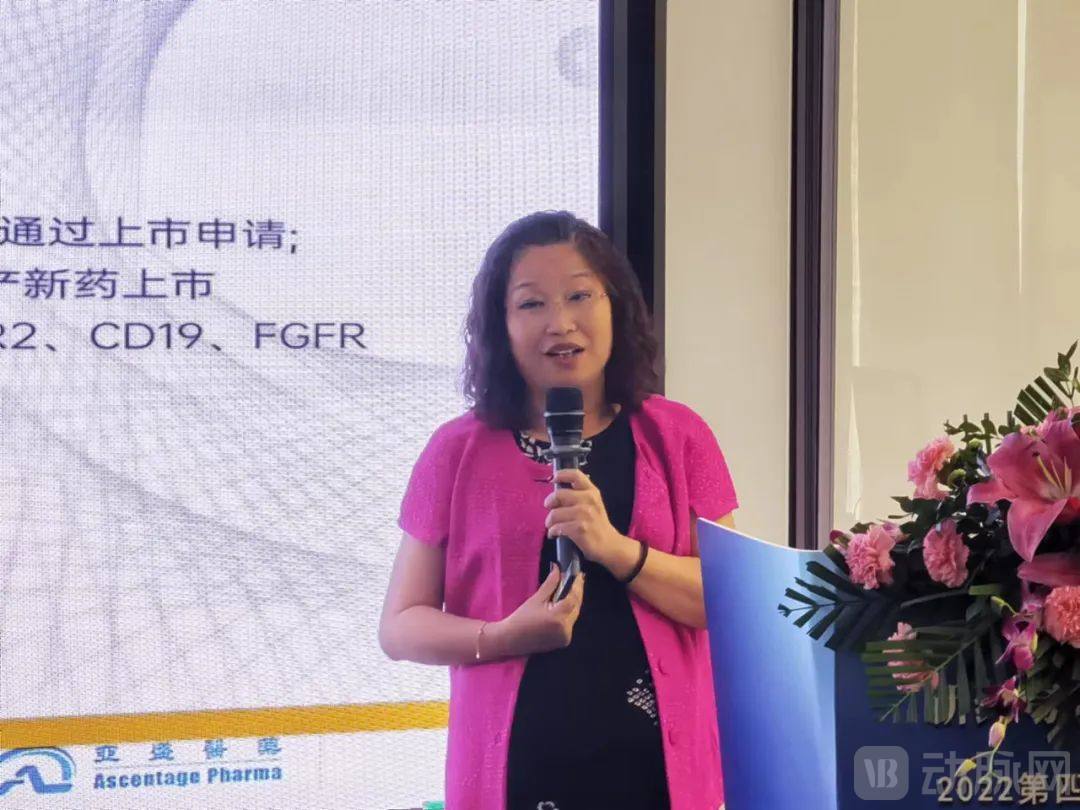
Furthermore, Dr. Zhai Yifan provided an overview of Ascentage Pharma’s other investigational drugs, highlighting a robust R&D pipeline characterized by both diversity and uniqueness. In his closing remarks, Dr. Zhai offered his perspective on the keys to survival for pharmaceutical companies: adhering to originality and innovation, while noting that rapid corporate development is inextricably linked to national support.
Dr. Wan Zhihong, Chief Scientist at Boji Medicine and a drug review expert, shared her insights in a presentation titled “How to Achieve Effective Communication with Drug Review Authorities.” Dr. Wan first introduced the historical evolution of the communication and consultation system with the Center for Drug Evaluation (CDE), as well as the current framework and types of such interactions. She emphasized that these communications are intended to discuss key technical issues not covered by existing guidelines. “For major technical issues and critical stages of research and development, applicants may request Type I, II, or III meetings for discussion, whereas general technical issues can be addressed through online platforms, telephone calls, or emails.” During the conference, Dr. Wan demonstrated specific channels for communicating general technical questions and noted that documents addressing common issues are available on the CDE website.
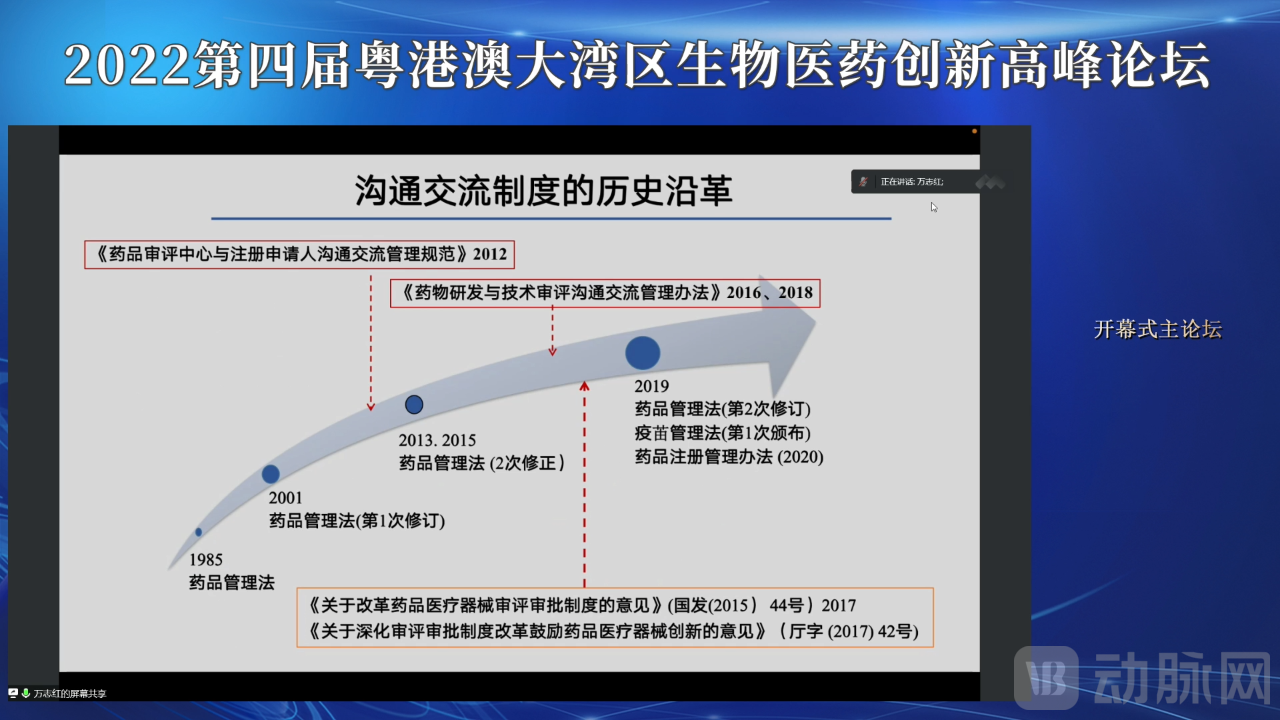
From the perspective of Dr. Wan Zhihong, the applicant serves as the primary party in communications and should be well-versed in the laws, regulations, and technical guidelines relevant to current drug development. Communications should be conducted on a solid research foundation, adopting a problem-oriented approach and engaging in scientific discussions based on existing data. Clear, specific, and targeted communication enables applicants to receive the most effective technical guidance from the drug review authorities.
Finally, Wan Zhihong proposed that enterprises should establish a virtuous cycle of “communication–refinement–implementation.” Technical requirements identified during communications should be refined in subsequent formal regulatory submissions and clinical trials. This approach will enhance the success rate of product development. Meanwhile, companies should seize appropriate opportunities for communication to improve its efficiency and quality, thereby accelerating the R&D process for innovative drugs.
As the sole capital representative at the main forum, Hou Yu, Executive Director of China Merchants Capital Management Co., Ltd., shared insights into the current capital market’s perspective on the biopharmaceutical industry in her presentation titled “Investment Logic in the Biopharmaceutical Industry.” She noted that after years of intense hype, the biopharmaceutical sector is now entering a phase of rationalization. Both primary and secondary markets have become more cautious and rational, with investors seeking targets that better align with their specific needs.
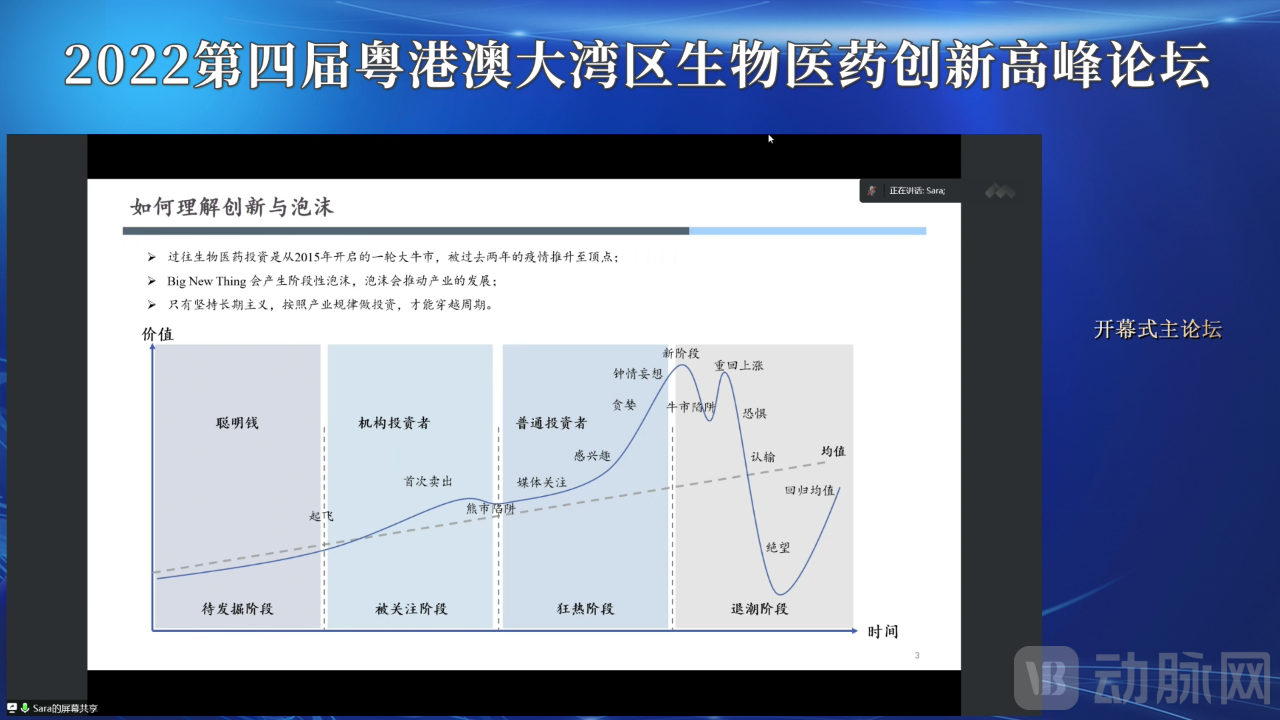
“Although the current enthusiasm of the capital market for biomedicine is not as high as it was in the recent past, this does not necessarily imply a bearish outlook on the biopharmaceutical industry. For enterprises to secure capital support, prioritizing innovation and developing pipeline products with strong technical barriers is the unequivocal path to future growth. Once this winter passes, companies that have withstood the test of time, endured the solitude, and established high technical barriers will undoubtedly usher in a new dawn of development.”
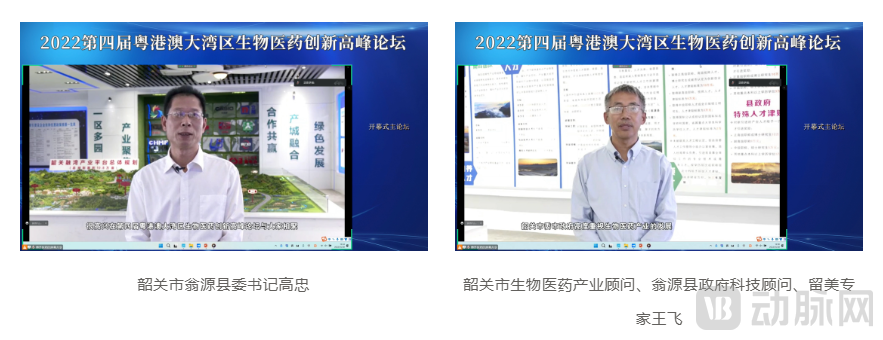
During the final session of the main forum, Gao Zhong, Secretary of the Wengyuan County Committee of the Communist Party of China in Shaoguan City, promoted Guangdong’s pharmaceutical raw materials. In his presentation, Mr. Gao focused on three key aspects: policy opportunities for establishing a provincial-level demonstration base for innovative active pharmaceutical ingredient (API) production in Wengyuan County, its locational advantages, and the support received from government leaders. Subsequently, Dr. Wang Fei, a U.S.-trained expert who serves as an advisor to Shaoguan’s biomedical industry and as a scientific and technological advisor to the Wengyuan County Government, expressed his appreciation for Wengyuan’s comprehensive, end-to-end services supporting API manufacturing, drawing from his personal experience. He welcomed enterprises interested in API production to realize their ambitions in Wengyuan.
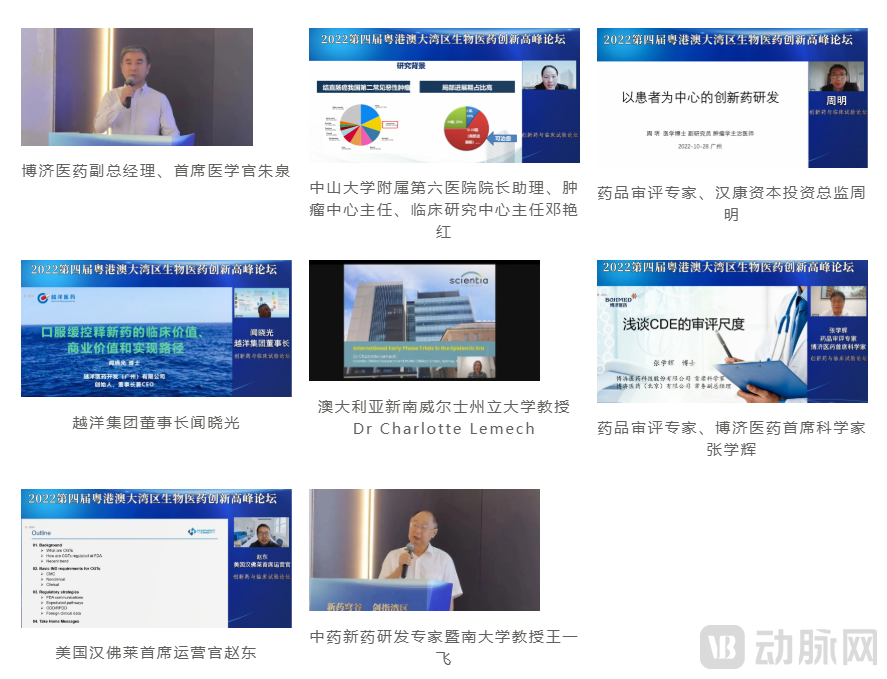
The innovative development of biopharmaceuticals relies on validation through clinical trials. Efficiently advancing the clinical trial process for innovative drugs is a crucial step in accelerating their market entry. At the Innovative Drug Clinical Trials Sub-forum of the 4th Greater Bay Area Biopharmaceutical Innovation Summit, experts and scholars—including Deng Yanhong, Assistant to the President of The Sixth Affiliated Hospital of Sun Yat-sen University, Director of the Oncology Center, and Director of the Clinical Research Center; Zhou Ming, drug review expert and Investment Director at Hankang Capital; Wen Xiaoguang, Chairman of Yueyang Group; Dr. Charlotte Lemech, Professor at the University of New South Wales, Australia; Zhang Xuehui, drug review expert and Chief Scientist at BOCIMED; Zhao Dong, Chief Operating Officer of Humphrey (USA), a subsidiary of BOCIMED; and Wang Yifei, Professor at Jinan University and expert in new traditional Chinese medicine (TCM) drug R&D—conducted discussions on topics such as the establishment of clinical trial institutions, R&D of clinical trials for innovative drugs, development of improved new drugs, conduct of international multi-center clinical trials, new drug review, dual filing in China and the United States, and R&D of new TCM drugs. The sub-forum was moderated by Zhu Quan, Vice General Manager and Chief Medical Officer of BOCIMED.
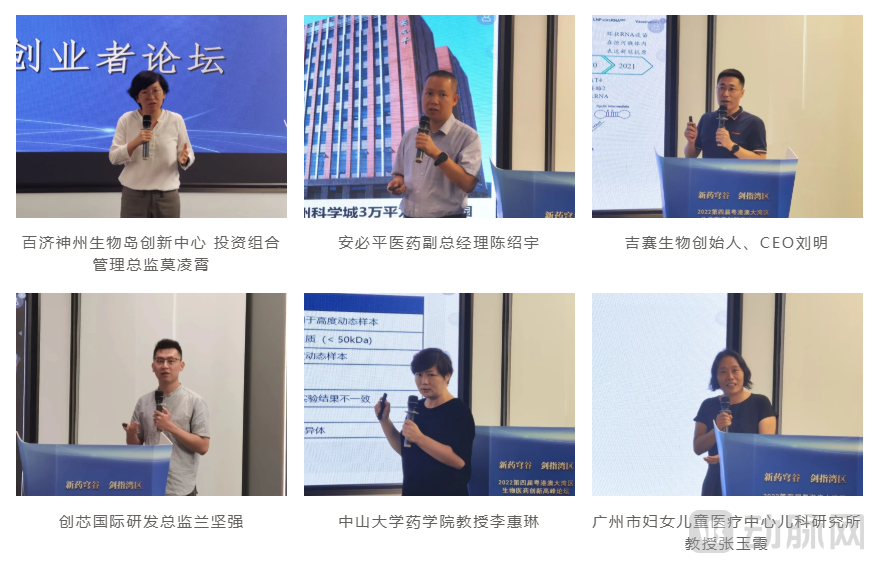
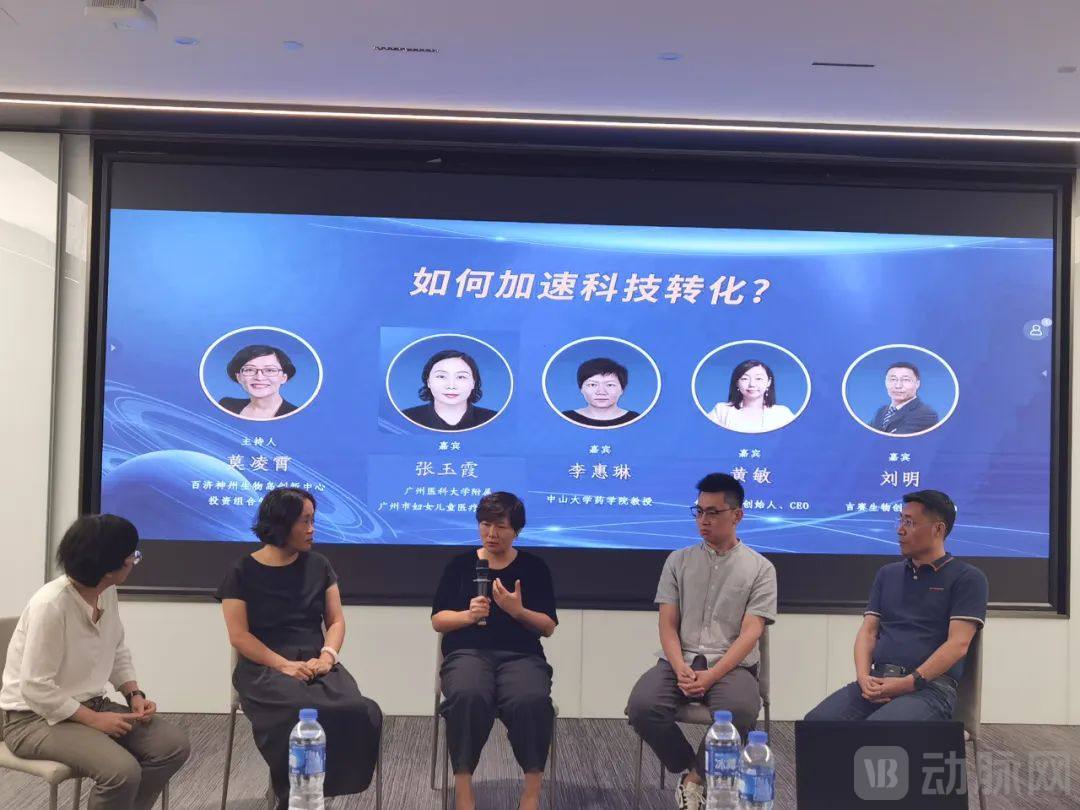
Academic development and intellectual exchange among young scholars serve as the primary driving force behind innovation in the biopharmaceutical industry. At the Young Scientists and Entrepreneurs Sub-forum of the 4th Greater Bay Area Biopharmaceutical Innovation Summit, experts and scholars—including Professor Li Huilin from the School of Pharmaceutical Sciences at Sun Yat-sen University, Professor Zhang Yuxia from the Pediatric Research Institute of Guangzhou Women and Children’s Medical Center, Liu Ming, Founder and CEO of Geneseed Biotech, Chen Shaoyu, Deputy General Manager of LBP Medicine, and Lan Jianqiang, R&D Director at Chuangxin International—conducted in-depth discussions on topics such as structural mass spectrometry-driven targeted novel drug development, innovative pediatric drug research and development, trends in circular RNA technological innovation, development of companion diagnostic biomarkers for innovative drugs, and organoid-based novel drug discovery. The session was moderated by Mo Lingxiao, Director of Portfolio Management at the Bio Island Innovation Center of BeiGene.
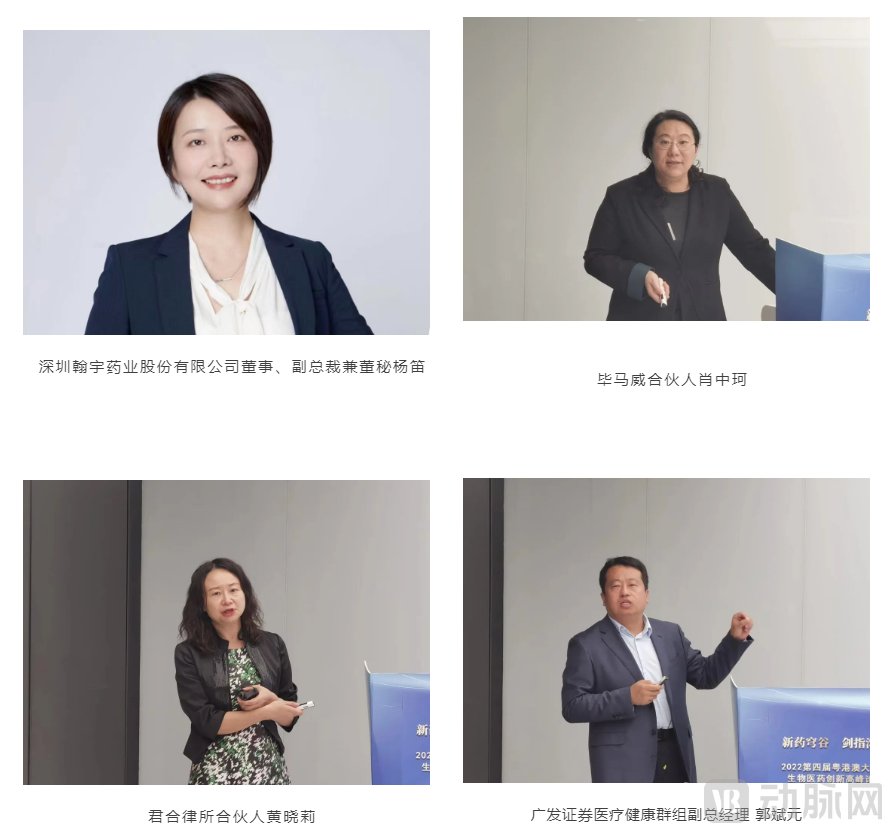
At the Capital Empowerment Sub-forum of the 4th Greater Bay Area Biopharmaceutical Innovation Summit, Ms. Xiao Zhongke, Partner at KPMG; Ms. Huang Xiaoli, Partner at JunHe LLP; and Mr. Guo Binyuan, Deputy General Manager of the Healthcare Investment Banking Division at GF Securities, delivered insightful presentations drawing on their extensive expertise. Their topics included “Analysis of Key Areas for Finance-Business Synergy in Healthcare Industry Listings,” “Major Legal Factors to Consider in Advance for IPOs of Biopharmaceutical Enterprises,” and “Current Status and Key Points of the IPO Market for Biopharmaceutical Companies.” These sessions provided attendees with a practical understanding of how the capital market operates within the biopharmaceutical industry.
During the project pitch session, innovative drug projects such as Ms. Chen Yali’s “Differentiated Tim-3 Monoclonal Antibody for Oncology Innovation” from Suzhou Luosheng Biopharmaceutical Co., Ltd., Dr. Li Wenbao’s “CMBT: A Marine Small-Molecule Candidate Drug with Skin-Whitening and Anti-Tumor Functions” from Shenzhen Huahong Marine Biopharmaceutical Co., Ltd., and Dr. Huang Wei’s “Distribution-Metabolism Synergistic Guided Drug Design Strategy and the Discovery of SH-337, a Novel Potassium-Competitive Acid Blocker (P-CAB)” from Nanjing Shuohui Pharmaceutical Technology Co., Ltd., also attracted keen attention from experts, scholars, and industry peers attending both online and offline.
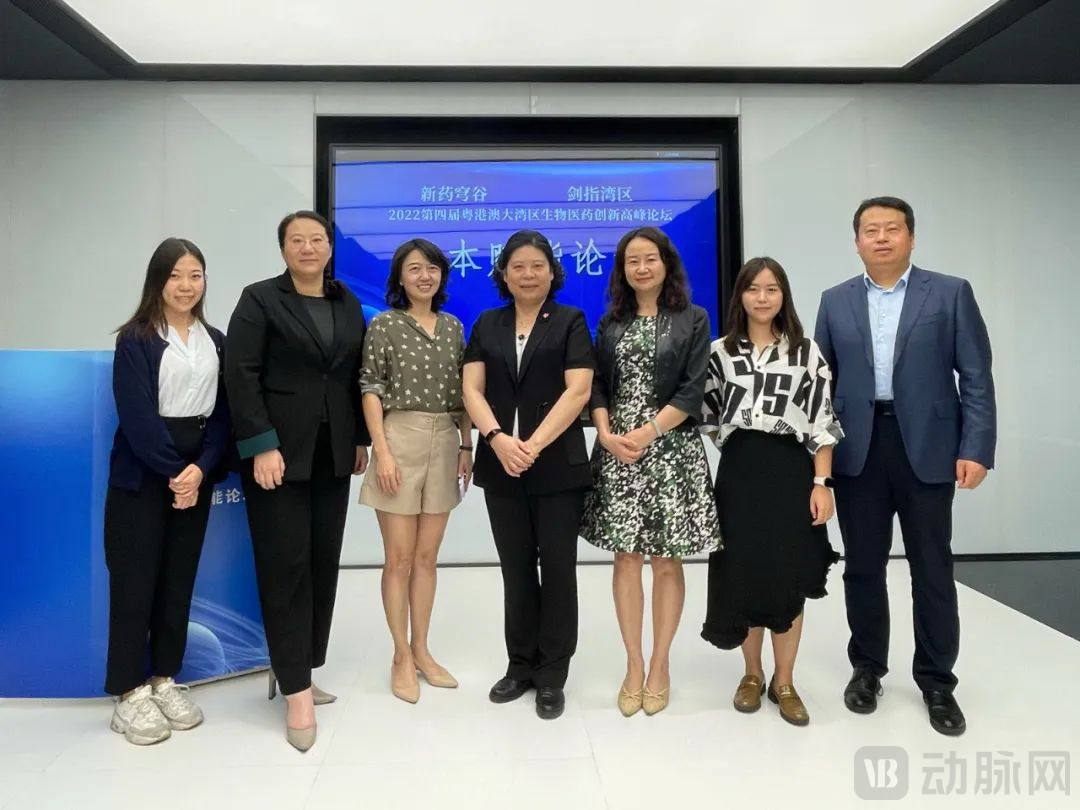
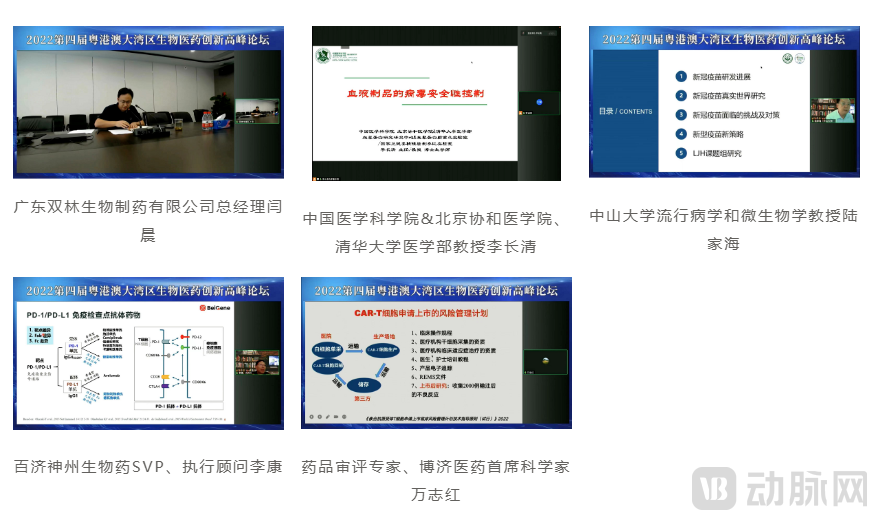
In recent years, the innovative development of biological products has garnered significant attention within the industry. The rapid advancements in a series of advanced therapies, including cell therapy, immunotherapy, gene therapy, and novel vaccine development, have expanded the horizons for the biopharmaceutical sector. At the Sub-Forum on Innovation in Biological Products, Professor Li Changqing from the Chinese Academy of Medical Sciences & Peking Union Medical College and Tsinghua University School of Medicine; Professor Lu Jiahai, an expert in epidemiology and microbiology at Sun Yat-sen University; Li Kang, Senior Vice President of Biologics and Executive Advisor at BeiGene; and Wan Zhihong, Chief Scientist at Boji Medicine and a drug review expert, engaged in discussions on topics such as viral inactivation and removal in biopharmaceutical manufacturing, the current status and future of COVID-19 vaccines, global progress in the R&D of anti-tumor biologics, and the development of novel immunocellular therapies. The forum was moderated by Yan Chen, General Manager of Guangdong Shuanglin Biological Pharmaceutical Co., Ltd.
About Boji Medicine
One-Stop Comprehensive CRO Services for New Drugs & Medical Devices
Boji Pharmaceutical Technology Co., Ltd. (hereinafter referred to as “Boji Pharmaceutical,” stock code: 300404) was founded in 2002 and listed on the Shenzhen ChiNext Market in 2015. With a registered capital of RMB 261 million, it is a new high-tech enterprise providing integrated “one-stop” outsourcing services (CRO+CDMO) covering the entire process of drug and medical device research, development, and production for pharmaceutical companies both domestically and internationally. The company boasts 51,000 square meters of modern office, laboratory, and production facilities, currently employs over 1,000 staff members, and has more than twenty wholly-owned or holding subsidiaries as well as over ten affiliated companies with equity participation. It has been honored with numerous titles, including Top 10 Chinese Pharmaceutical Outsourcing Companies, Guangzhou Science and Technology Little Giant Enterprise, Guangdong Province Integrity Demonstration Enterprise, Guangzhou Famous Trademark, Top 50 Most Investment-Worthy Enterprises in China, and President Unit of the CRO Branch of the China Association for Pharmaceutical Quality Management. Boji Pharmaceutical is one of only two domestic CROs offering full-process services and is among the listed CRO companies whose primary business focuses on clinical trials.
Boji Medicine’s “one-stop” services include: new drug project initiation and activity screening, pharmaceutical research (drug substances and formulations), drug evaluation (pharmacodynamics and toxicology), integrated services for small-molecule innovative drugs, clinical trials, dual regulatory filings in China and the United States (registration services), CDMO manufacturing (MAH implementation), and technology transfer, covering all stages of new drug development.