

Why Did CDH Investments' Liu Dan Invest in the Organoid Sector Two Steps Ahead of the Industry?
Recently, Chinese organoid companies have seen continuous progress in financing.
The Niche Organoid Sector, Bolstered by Favorable Policies from U.S. Regulatory Agencies Such as the FDA, Has Garnered Widespread Attention from China’s Capital Markets.
When organoids were still a niche frontier, Dr. Liu Dan, Senior Partner at CDH Investments, had already recognized the developmental potential of this field,From late 2020 to early 2021, Liu Dan led her team in conducting a comprehensive survey of relevant domestic enterprises; at that time, some of these companies had only just been established.
By May 2021, Liu Dan took decisive action, leading CDH VGC (CDH Innovation and Growth Fund) to lead the Series A financing round for Daxiang Technology.
What stories lie behind the investment in Daxiang Technology? Why did Dr. Liu Dan accurately predict trends in the organoid industry? Recently, VCBeat New Medicine spoke with Dr. Liu Dan about his investment philosophy in healthcare, which he describes as “non-consensus before consensus,” and explored the profound considerations of frontline investors amid the “capital winter.”
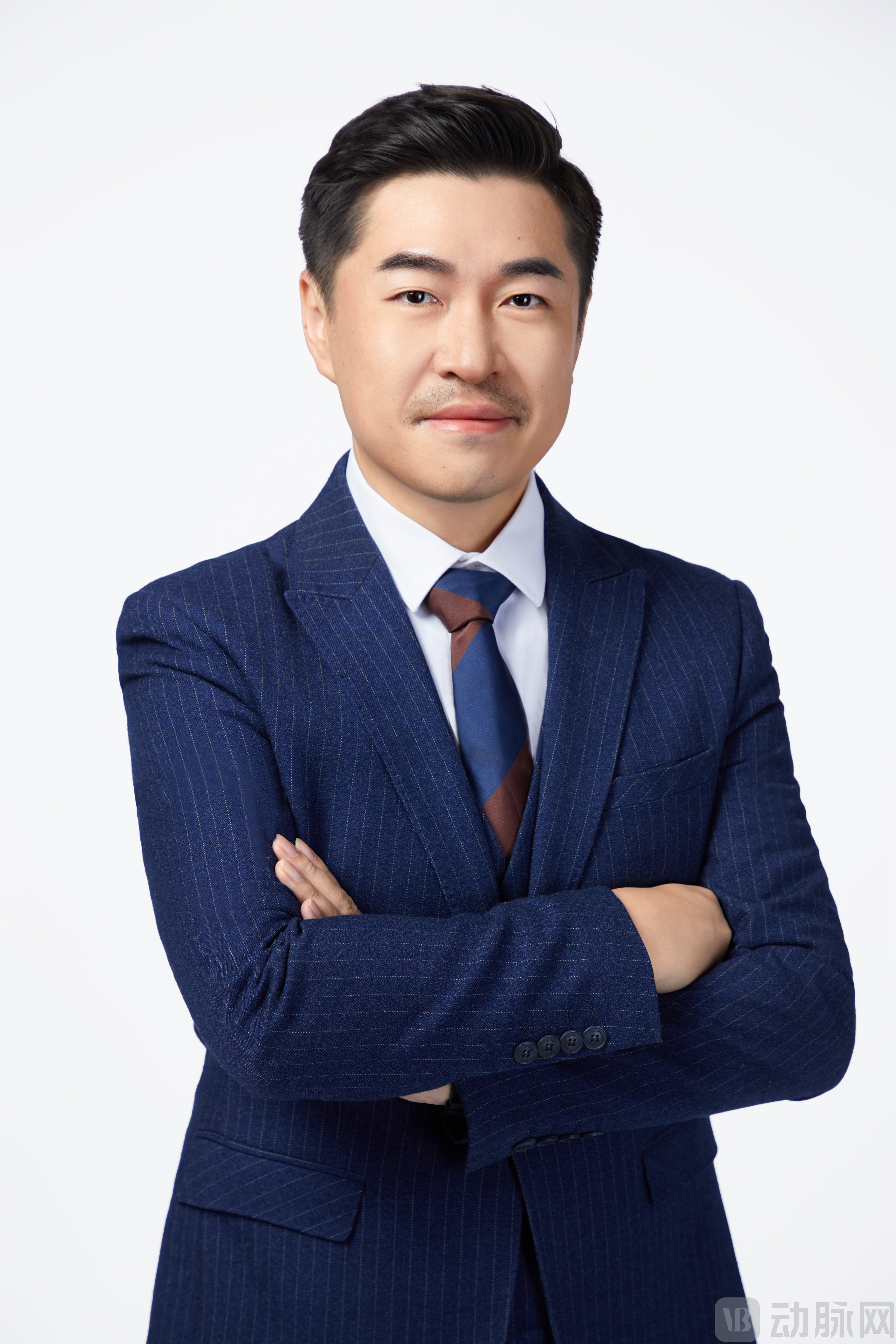
We invest in the organoid sector.,Two Steps Ahead of the Industry
Artery New Medicine: How Did You Become Interested in the Organoid Track?
Liu Dan:In the field of life science tools, I previously conducted a market mapping. At that time, I had already invested in companies such as HitGen and GemPharmatech, each of which represents a different type of tool within the sector. GemPharmatech is China’s largest supplier of model mice and is referred to by the industry as the “Moutai of Mice” stock. After investing in GemPharmatech, I continued my research in this area and identified an emerging trend abroad toward optimizing animal use, which led me to focus on the organoid field.
VCBeat New Medicine: In the field of organoids, how many projects have you reviewed?
Liu Dan:We covered all organoid projects across the entire industry at that time, and even conducted comprehensive due diligence on newly established companies that had yet to gain widespread recognition.
Our research covers multiple dimensions, including scientific research, policy, and the commercialization of technological achievements. I have found thatSome enterprises face varying degrees of challenges that need to be addressed. For instance, some are unsure how to commercialize scientific research achievements, others suffer from low efficiency in translating sample R&D into applications, some have non-compliant revenue practices, and still others lack collaborations with major pharmaceutical companies.
VCBeat New Medicine: When did you connect with Daxiang Technology?
Liu Dan:The industry research was initiated around the end of 2020, and the investment was completed in early 2021.
VBInsight: Why Did We Ultimately Choose to Invest in DaXiang Technology?
Liu Dan:Overall, Da Xiang Technology stands out significantly. In terms of team background, the team led by Professor Ai Xiaoni from Peking University is widely recognized as one of the best in R&D. Regarding industrial translation, they have established exclusive partnerships with at least three globally influential companies, including WuXi AppTec, Roche, and Merck, which serves to some extent as an endorsement of Da Xiang Technology’s capabilities in industrial translation.
Secondly, in terms of technological iteration, Daxiang is not only engaged in organoid development but has also developed organ-on-a-chip systems. This represents an integrated and upgraded fusion of organoids and organ chips, establishing its own differentiated advantages. Taking the blood-brain barrier as an example—a challenge that is typically difficult to overcome—Daxiang has both proprietary products and technological advancements in this field, enabling multi-organ interconnection. This positions the company with the potential to develop systematic human-on-a-chip (synthetic cellular human) platforms in the future.
VCBeat: What due diligence did you conduct before investing in Daxiang Technology?
Liu Dan:We conducted due diligence on Big Oak Technology from two perspectives: its own customers and its competitors.
On the client side, we have conducted surveys with Roche and Merck, both of whom hold DaXiang in high regard. I also introduced two innovative pharmaceutical companies in our investment portfolio to DaXiang Technology for discussions on whether it could help develop the organ model products they needed. Both companies provided very positive feedback, affirming DaXiang Technology’s capabilities and value in constructing highly biomimetic gastrointestinal microtissues and tumor microenvironments.
Regarding direct competitors, we have found that although some companies in the industry hold advantages in sample types or volume, their samples also carry risks of non-compliance or low success rates in R&D translation.
Indirect competitors are model organism companies represented by GemPharmatech. At the time, I believed that organoids and animal models would definitely maintain a complementary relationship within five years, as experimental results from organoids require mutual validation through animal models to establish their credibility in drug application processes for pharmaceutical companies, including the development of corresponding standards. Based on this assessment, I facilitated collaboration and exchanges between GemPharmatech and DaXiang Technology, who also recognized the potential for preliminary exploration and cooperation.We jokingly refer to this strategy internally as investing with the left hand in Pharmaron Bio, the leader in humanized mouse models, and with the right hand in Daxiang Technology, the leader in engineered organs, before finally having the two sides “shake hands.”
In my view, our investment in Da Xiang Technology positioned us two steps ahead of the industry. Current developments have confirmed that both strategic forecasts were correct.
Investing in Organoids Is a “Pre-Consensus Non-Consensus”
VBInsight: Why Are We Two Steps Ahead of the Industry?
Liu Dan:The first step was that Dayuan Technology entered into a strategic partnership with the Wuhan Institute of Human Resources to address compliance issues related to material sourcing. At the time of my investment, only Dayuan sought to resolve this issue. To date, it remains the only company in China that has achieved compliant and lawful use of human genetic resources by collaborating with qualified biobanks. The second step involved the ripple effect of U.S. FDA policy guidance reaching across the Pacific, enabling China’s organoid industry to sense a shift in future trends.
From the current perspective, Da Xiang Technology has taken one step on its own, while policy has contributed another.
Artery New Medicine: What judgments did you form about the organoid industry at that time?
Liu Dan:I was quite optimistic about the organoid sector at the time.However, organoids must first address issues of ethical compliance., namely, the origin of your raw materials, the regulatory oversight to which you should be subject, and whether organoids may ultimately be used for commercial purposes—these are collectively referred to as issues of ethical compliance.
Second, addressing issues related to application guidelines or regulatory guidance for applications.The heightened attention on the organoid sector this time stems from the U.S. FDA’s issuance of organoid-related policies, which have clarified regulatory directions by emphasizing the optimization of animal use.
VCBeat: Is the Investment Logic in the Organoid Field Consistent with That in Other Healthcare Sectors?
Liu Dan:"Not quite the same,"But underlying this is a judgment on trends: it is the non-consensus before consensus. I typically conduct industry research six months to a year in advance to assess trend development and capture signals.
Artery New Medicine: How Should We Understand Your Concept of “Non-Consensus Before Consensus”?
Liu Dan:At the time of investment, these opportunities were non-consensus picks. However, through in-depth industry research and understanding, we anticipated and capitalized on emerging trends before they became widely recognized consensus views. This "non-consensus" status did not imply that the thesis was invalid, but rather that it had not yet attracted mainstream attention. Many of my investments, such as those in GemPharmatech and Singleron Biotechnologies, followed this pattern. Taking the investment in DaAng Technology as an example, the organoid sector was relatively niche before the favorable shift in FDA policy. At that time, I believed that organoids would gradually gain industry attention, a trend that was foreseeable in the near term. As it turned out, the organoid industry began to heat up after a little more than a year.
VBInsight: It was previously a “non-consensus.” In the two years you have been focusing on organoids, what “consensus” has the industry reached?
Liu Dan:The organoid sector is yielding more positive breakthroughs, a normal progression of incremental development.For example, over the past two years, organoid companies have established a greater number of more mature models, which constitutes progress.
During our market research on the organoid industry, we observed an explosive growth trend in the number of related scientific research papers in recent years. In 2013, organoid technology was recognized as a breakthrough technology of the year. Meanwhile, corresponding policies have been introduced both internationally and domestically. Europe has had bans on animal use in place for over five to ten years, and the United States enacted the FDA Modernization Act this October, aiming to reduce the use of animals in preclinical trials by replacing them with more modern scientific methods.
The current surge in the popularity of organoids is the result of quantitative changes leading to a qualitative leap.The greater industry breakthrough, or rather the key entry point, lies in policy direction; positive signals at the policy level are needed. I judged at the time that this trend was bound to arrive sooner or later, specifically within these two years.
VCBeat New Medicine:The organoid sector,Is There a Gap Between China and Foreign Countries?
Liu Dan:Technically speaking, each has its own distinctive features. Relatively, progress abroad is somewhat faster, and the exploration more comprehensive.
China is characterized by its pursuit of a path that integrates medicine and engineering,Big Oak Tech does not blindly pursue the cutting-edge nature or complexity of models. Instead, it is better positioned to conduct targeted model development tailored to the specific project needs of its pharmaceutical clients.
For global pharmaceutical giants, the primary considerations are the model’s validation data and whether the chip can meet high-throughput drug evaluation requirements. It is precisely because DaXiang Technology has accumulated extensive model validation data—a resource lacking among domestic organoid companies—and its integrated chip design offers significantly higher throughput than products from foreign organ-on-a-chip manufacturers, that global pharmaceutical leaders such as Merck and Roche ultimately chose to partner with DaXiang Technology.
Domestic organoid companies share another characteristic: their models are easy to operate. Many life science tool companies I have invested in exhibit this trait. In contrast, comparable foreign companies offer products with higher operational complexity, as their operators are often highly educated technicians. However, the educational qualifications of operators in China generally do not reach that level. This factor has a significant impact. During market promotion, my portfolio companies found that operational complexity greatly influences the adoption and dissemination of their product platforms.
VBInsight: What Challenges Will the Organoid Sector Face in the Future?
Liu Dan:First, it is essential to address the regulatory compliance of source materials for organoids. Second, challenges in model development must be resolved, as many current models remain immature and require further research and development. Once established, these models need to undergo certification for drug registration applications to build trust in their results.
Why Is There Such Strong Trust in Model Animals? Model Mice Have Undergone Extensive Validation. Taking the diabetic ob or db mouse models as an example, preclinical experimental data obtained from these mouse models have been widely used in clinical trial applications for drugs treating diabetes or obesity. Moreover, the results of many human clinical studies are consistent with those observed in preclinical animal experiments. This has gradually established these mouse models as one of the standard experimental models for drug development targeting diabetes or obesity.
Therefore, organoids will similarly require the development of robust models, the establishment of standardized data protocols, and broad market acceptance to enhance their competitiveness in the future. This is precisely why I place great emphasis on collaborations between organoid companies and pharmaceutical enterprises.
As for organoids replacing model animals on a large scale, I believe it will be a lengthy process and is unlikely to happen within the next five years.
Amid the capital winter,Life Science Tools SectorMore Risk-Resilient
VCBeat: Have you currently invested in only one organoid company, Daxiang Technology?
Liu Dan:My investment thesis is to concentrate full capital on a single company within each sector. Once selected, I will channel all value-added resources toward it, ensuring it ranks among the top two players in the industry.Currently, the companies we have invested in are basically industry leaders.
This is also related to CDH’s own investment strategy,"We employ a strategy of precision execution."Since I joined CDH Investments to oversee healthcare investments, we have invested in no more than 50 healthcare companies over the seven years from 2015 to the present. This is because, for each sector, we rigorously conduct industry research and carefully select only those targets with the greatest potential and investment value.
VCBeat New Medicine: Which innovative life science tools companies have you already invested in?
Liu Dan:I have categorized them into three groups. The first focuses on pharmaceutical R&D, including investments in GemPharmatech, Daxiang Technology, and HitGen; the second emphasizes clinical diagnostics, featuring companies such as Singleron, Qitan Technology, and Zhiyu Biosciences; and the third comprises general-purpose basic research tools, including Huida Gene, Chengyuan Biology, and SuperVision. These companies have largely overcome foreign technological bottlenecks in their respective niche sectors.
VCBeat: In other life sciences tools sectors, what key factors do you focus on when evaluating portfolio companies?
Liu Dan:My overall approach is grounded in my investment thesis of “pre-consensus non-consensus.” However, there are subtle differences across various sectors. For instance, with Zhiyu Bioscience in the field of protein structure prediction and design, I was drawn by their possession of the strongest team in the Eastern Hemisphere for protein structure prediction. In the single-cell sequencing sector, I observed New Gene (Xingeyuan) for three years and only decided to make consecutive investments across its Series A to A2 rounds after recognizing that the company had reached a turning point.
VCBeat: Is the financing situation in the organoid track or the life science tools sector contrary to the current capital winter?
Liu Dan:There is a certain degree of divergent trend. The reason is that, during this harsh winter, some less committed investors have ultimately chosen to exit the industry. Consequently, investors who remain dedicated to the healthcare sector have, to some extent, experienced panic and adopted a more risk-averse stance.This year, some investment firms place greater emphasis on a project’s revenue-generating capability; even if the revenue is modest—amounting to only a few million yuan—they view it as a means of risk mitigation.
Life sciences tool companies inherently possess such characteristics, as they can generate revenue and foster collaborations from the R&D stage through to product commercialization. For instance, Zhiyu Biotech, now in its first year of commercialization, has already achieved tens of millions in revenue, demonstrating a notable capacity for risk resilience.
VBInsight: Could you predict the development trends in the life sciences tools sector over the next 3–5 years?
Liu Dan:I believe its overarching logic is similar to that of the CRO industry, where participants assume roles and operate under a “gold rush” paradigm—some dig for gold, while others sell shovels. In the current context, the life sciences tools sector aligns with China’s strategic pursuit of hard tech and technologies critical to overcoming supply chain bottlenecks. Furthermore, it combines the risk resilience characteristic of the CRO industry with its own revenue-generating capabilities. Unlike new drug development, which requires protracted timelines, this field evolves incrementally, allowing for the observation of phased milestones. Therefore, considering investors’ growing preference for seeing their portfolio companies gradually validated,This model aligns with current psychological trends.。
VCBeat: How are your portfolio companies currently developing?
Liu Dan:All projects I invested in over a year ago have successfully secured follow-on financing. Among the new investments made in the past year, 83% have completed subsequent funding rounds, each achieving a valuation premium of more than 30%. Overall performance during this market downturn has met expectations.
VCBeat New Medicine: Amid the Capital Winter, What Support Will You Provide to Your Portfolio Companies?
Liu Dan:First, such companies need to foster greater business collaboration, such as the joint promotional efforts between Dayuan Technology and multiple portfolio companies in which we have invested, as well as the strategic partnerships facilitated by Singlera Genomics between pharmaceutical companies and hospitals.
Second, what they need is directional or strategic guidance. Take Zhiyu Biotech as an example: its algorithm team was so capable that it could tackle virtually any task. Initially, the company pursued a broad strategic layout, but after discussions between us and the company, we narrowed the focus, pivoting toward service-oriented areas such as macromolecular enzymes and synthetic biology. Investors can provide timely and precise recommendations on a company’s development direction.
Third, we recommend considering a capitalization pathway—a strategy that may not be immediately necessary but will likely become essential in the future. Frankly speaking, it is challenging for life sciences tools companies to achieve annual revenues exceeding RMB 1 billion. Under such circumstances, investors should provide more specific guidance on the optimal timing and appropriate capital market venues for listing when the time comes.
Overall, looking at the present and future, organoid technology and life science tools have ushered in a historic opportunity for development, while technological iteration and commercialization processes warrant further exploration and attention.